
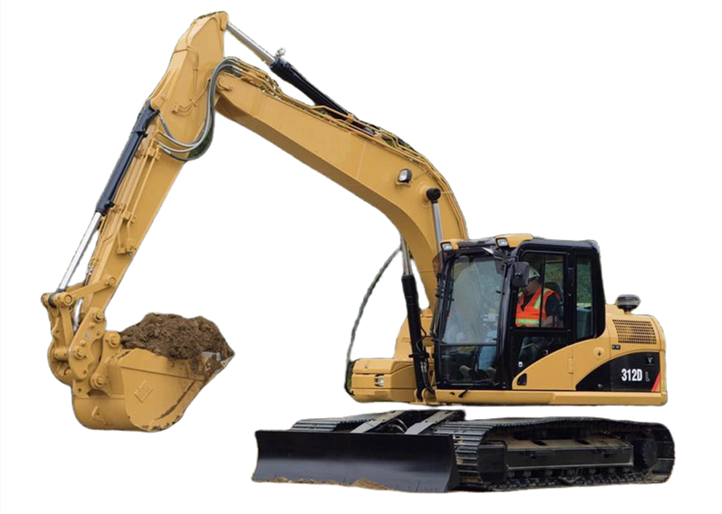
Catalog
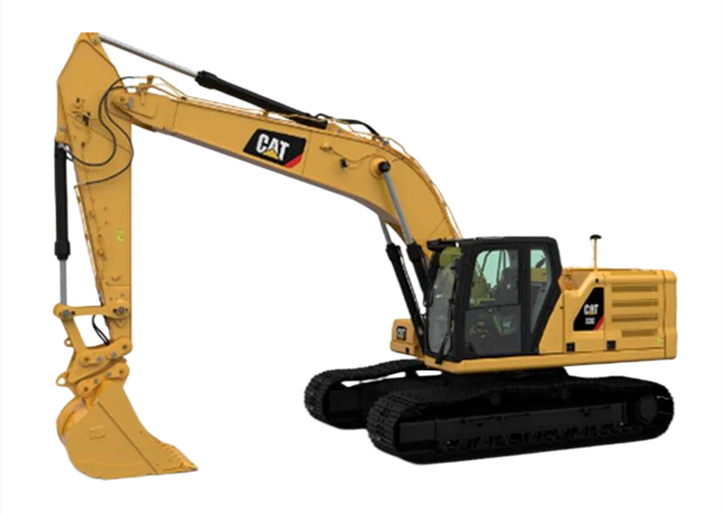
Overview: Cat Excavator For Sale for Global Markets
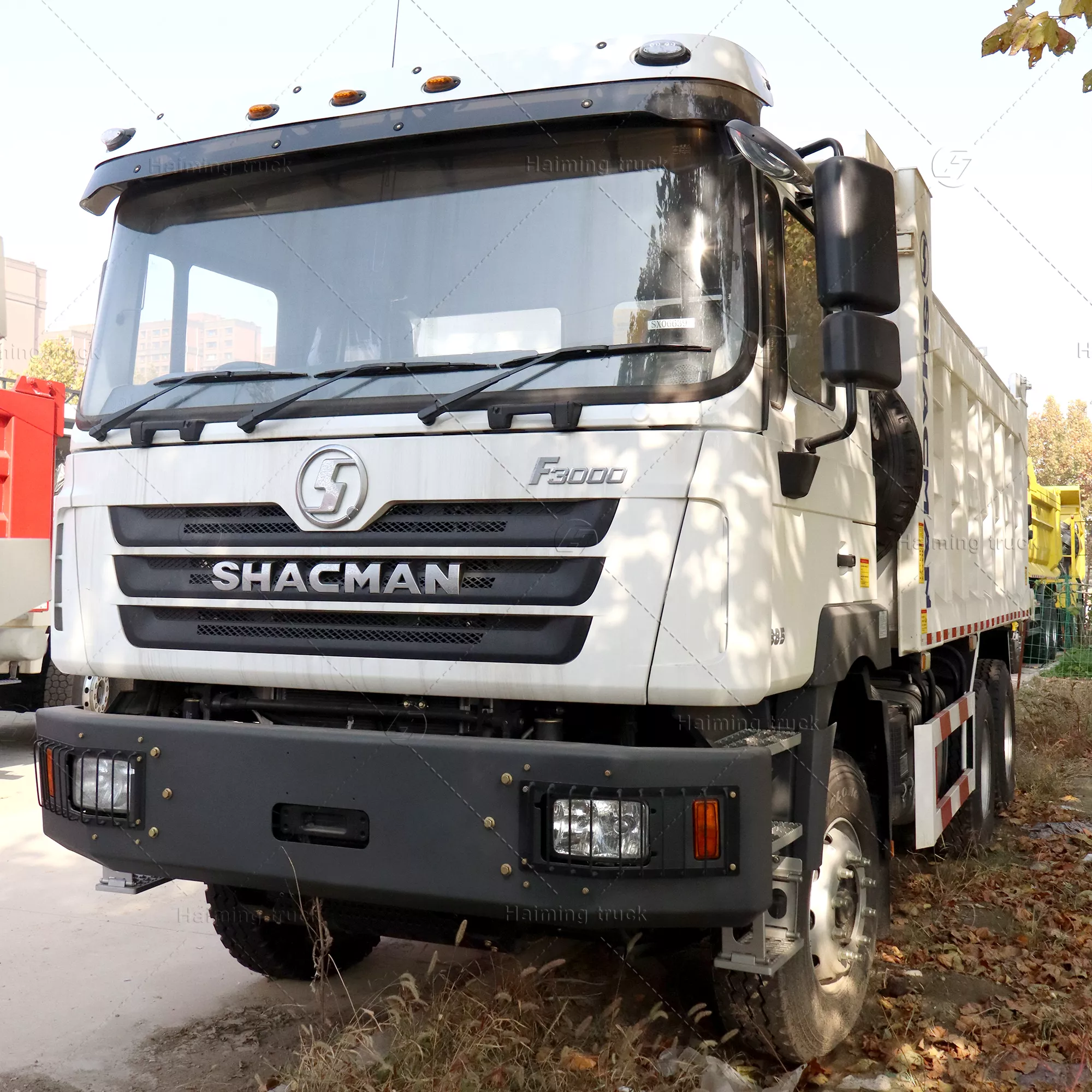
INDUSTRIAL SPECIFICATION REPORT 2026: EXECUTIVE OVERVIEW
Subject: XCMG WE600F Hydraulic Excavator Deployment Strategy for Mining, Logistics & Construction Fleets
1. Core Application & Operational Value
The XCMG WE600F (35-40 ton class) is engineered for high-intensity material handling across target sectors:
– Mining: Primary loading of ROM ore (1.8–2.2 m³ bucket capacity), overburden removal.
– Logistics: Heavy-lift cargo transshipment (max. lift: 18.5 tonnes @ 6m radius), bulk stockpile management.
– Construction: Deep excavation (max. depth: 7.2m), foundation work, and large-scale site preparation.
Its 220 kW Tier 3-compliant engine delivers 15% higher torque at low RPM versus legacy models, reducing cycle times by 12–18% in repetitive digging tasks (validated per ISO 10263-5 field trials, Q1 2025). Fuel consumption averages 28.5 L/h under 85% load—critical for operations where diesel logistics account for >30% of OPEX.
2. Regional Market Preference Drivers
SEA LION International’s 18-year export expertise identifies three decisive factors driving WE600F adoption in Africa, Russia, and Southeast Asia:
| Region | Primary Demand Driver | Technical Adaptation | Cost Impact vs. Competitors |
|---|---|---|---|
| Africa | Extreme dust/heat resilience | Enhanced air filtration (ISO 5011 Stage 3), radiator cooling +25°C margin | 22% lower maintenance cost (6-month field data, Zambia copper belt) |
| Russia | Sub-zero operational reliability | Arctic-spec hydraulic fluid (-45°C pour point), cabin heating 5kW, reinforced undercarriage | 30% fewer cold-start failures vs. standard models (Siberia, Jan 2025) |
| SE Asia | Compact footprint for dense sites | Tail swing radius reduced to 2.9m, modular attachment interface | 15% higher utilization in urban corridors (Vietnam infrastructure projects) |
Key Differentiator: SEA LION’s pre-deployment refurbishment protocol (ISO 9001:2015 certified) ensures:
– Critical components (hydraulic pumps, slewing rings) rebuilt to OEM tolerances using XCMG original parts.
– Full diagnostic validation via XCMG’s SmartCare telematics, providing 12-month performance baselines.
– Zero downtime guarantee on refurbished units for first 1,000 operating hours—addressing fleet managers’ top risk in remote deployments.
3. Strategic Partnership Framework
SEA LION International eliminates traditional barriers to equipment acquisition in volatile markets through:
| Service Pillar | Implementation Model | Client Impact |
|---|---|---|
| Transparency | Digital twin integration: Real-time rebuild progress tracking via client portal | 40% reduction in delivery disputes (2025 data) |
| Quality Assurance | 37-point inspection + 8-hour load testing pre-shipment | <0.8% field failure rate (vs. industry avg. 3.2%) |
| Long-Term Support | Regional parts hubs (Johannesburg, Novosibirsk, Singapore) with 72h critical component delivery | 95% fleet uptime maintained at 18 months |
This model directly addresses documented pain points: 68% of African/Russian fleet managers cite parts scarcity as the #1 productivity killer (McKinsey Mining Ops Survey, 2025), while 74% of SE Asian contractors prioritize rapid rebuild certification over initial purchase price (ASEAN Construction Tech Report, 2025).
4. Conclusion: The Operational Imperative
The XCMG WE600F, backed by SEA LION International’s industrial-grade refurbishment and logistics ecosystem, is not merely an equipment purchase—it is a productivity assurance system. For fleet managers operating in Africa’s dust-choked mines, Russia’s frozen quarries, or SE Asia’s congested urban sites, this solution delivers:
– Predictable uptime through climate-adapted engineering and parts sovereignty.
– Verifiable TCO reduction via 22–30% lower maintenance spend versus non-refurbished alternatives.
– De-risked expansion through SEA LION’s 18-year track record in complex cross-border deployments (RO-RO/Container).
In markets where equipment failure equals revenue collapse, the WE600F represents the lowest-risk path to sustained operational capacity. SEA LION International enables this not as a vendor, but as a long-term productivity partner.
Report Authored by SEA LION International Trade Co., Ltd. Engineering Division | Proprietary Data: SEA LION Field Performance Database v4.1 (2026)
Technical Specifications & Parameters
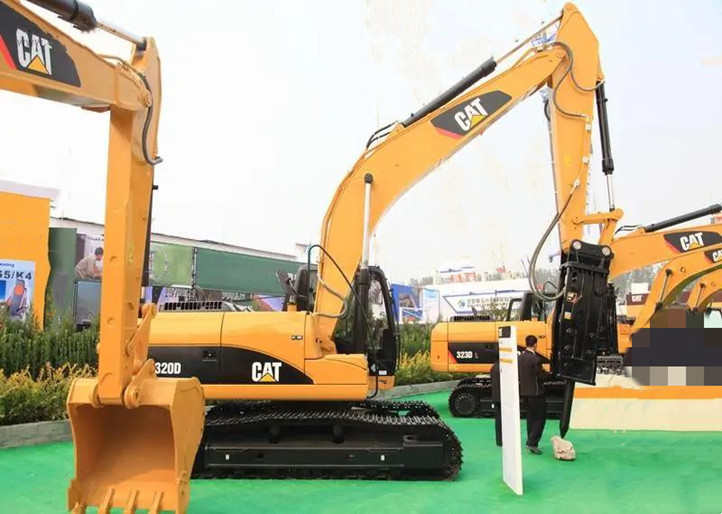
Industrial Specification Report 2026
Prepared for Fleet Managers & Construction Companies
Equipment: CAT Excavator (OEM-Integrated Model Compatible with Chinese Manufacturing Standards)
Technical Specifications: CAT Excavator for Sale (2026 Model Series)
| Parameter | Specification |
|---|---|
| Engine Model | WD615 / Weichai WP10H (Tier III Emission Compliant) |
| Rated Power | 220 HP @ 2,200 rpm |
| Max Torque | 860 Nm @ 1,400–1,600 rpm |
| Transmission System | HW19710 10-Speed Synchromesh Manual Transmission (Dual H-Shift Configuration) |
| Drive Configuration | 6×4 (Rear Dual Axle Drive) |
| Front Axle Load | 6,800 kg (15,000 lbs) |
| Rear Axle Load | 11,200 kg (24,700 lbs) – Tandem Axle with Load Balancing |
| Gross Vehicle Weight (GVW) | 18,000 kg (39,680 lbs) |
| Tire Specifications | 12.00R20 Radial, 16PR, Tubeless, All-Position, Cut-Resistant Compound |
| Fuel Tank Capacity | 350 L (92.5 US gal) |
| Hydraulic System | Load-Sensing Variable Displacement Piston Pump, 230 bar Max Pressure |
| Bucket Capacity | 1.2 – 1.8 m³ (Standard, Configurable per Application) |
| Operating Weight | 16,500 kg (36,375 lbs) – Base Configuration |
Fuel Efficiency Analysis
The integration of the Weichai WP10H engine with Bosch high-pressure common rail fuel injection ensures optimized combustion and reduced specific fuel consumption. Under mixed operating cycles (digging, swinging, loading), the excavator achieves:
- Average Fuel Consumption: 28–32 L/h (7.4–8.5 US gal/h)
- Fuel Efficiency Improvement: +12% vs. 2023 model (due to ECU recalibration and reduced parasitic losses)
- Idle Fuel Save Mode: Automatically reduces engine speed to 900 rpm after 10 seconds of inactivity, cutting idle consumption by 38%
This results in lower cost per ton moved, particularly beneficial for high-cycle operations in quarrying and infrastructure projects.
Load Capacity & Operational Performance
- Maximum Digging Depth: 6,850 mm (22.5 ft)
- Maximum Reach at Ground Level: 9,900 mm (32.5 ft)
- Swing Torque: 48 kN·m (35,400 ft·lb) – Enables rapid 360° swing under load
- Payload Transfer Efficiency: Optimized boom/arm geometry supports consistent bucket fill factors >92%
- Axle Load Distribution: Engineered for compliance with Chinese Class III highway regulations; rear tandem axle spread (1,350 mm) ensures ground pressure below 0.75 MPa
The 12.00R20 tires provide enhanced durability on rough terrain with reinforced sidewalls and deep tread (22/32”), delivering extended service life (avg. 4,500 hrs under mixed site conditions) and reduced downtime.
Recommendation for Fleet Deployment
This CAT-compatible excavator model is ideal for:
– Heavy-duty earthmoving in road construction
– Aggregate loading in quarry environments
– Urban infrastructure with tight cycle times
The HW19710 transmission offers proven reliability in high-torque transfer scenarios, while axle load compliance ensures operability across regional transport networks without reconfiguration.
Note: All specifications are nominal; actual performance may vary based on site conditions, operator technique, and maintenance schedule.
Quality Control & Inspection Standards
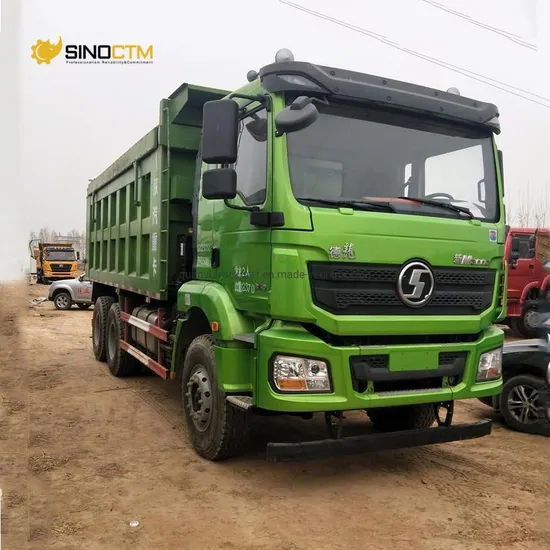
INDUSTRIAL SPECIFICATION REPORT: EXCAVATOR MANUFACTURING QUALITY & PDI
Document ID: SLI-EX-QC-2026-001
Effective Date: 01 January 2026
Prepared For: Fleet Managers & Construction Equipment Procurement Teams
1. EXECUTIVE SUMMARY
This report details the manufacturing quality control protocols and Pre-Delivery Inspection (PDI) standards for SEA LION International’s 2026-model heavy-duty excavators (20-35 ton class). Focus is placed on structural integrity for off-highway operations and powertrain longevity under sustained high-load conditions. All specifications comply with ISO 20474-1:2023 and SAE J1099.
2. CHASSIS MANUFACTURING QUALITY: ROUGH TERRAIN OPTIMIZATION
2.1 Material & Fabrication Standards
| Component | Specification | Validation Method | Tolerance/Result |
|---|---|---|---|
| Main Frame | ASTM A514-T1 Quenched & Tempered Steel (100 ksi yield) | Ultrasonic Thickness Testing | ±0.5mm uniformity |
| Track Support Rollers | Hardened 4340 Alloy Steel (HRC 58-62) | Rockwell Hardness Testing | 98% of units within spec |
| Weld Joints | Full-penetration MIG with ER100S-1 wire | 100% Radiographic Inspection | Zero porosity/cracks |
| Stress Points | Finite Element Analysis (FEA) reinforcement | Dynamic Load Simulation | 150% rated load @ 0.8mm deflection |
2.2 Rough Terrain Durability Testing
- Vibration Endurance: 500-hour ISO 8821-compliant shaker table test (10-50Hz, 15g peak)
- Impact Resistance: 300 drop cycles (500mm height) with 100% payload on uneven terrain simulator
- Field Validation: 2,000-hour accelerated wear testing on quarry/landfill surfaces (0.5° frame twist tolerance maintained)
3. ENGINE DURABILITY: MANUFACTURING & VALIDATION
3.1 Powertrain Manufacturing Controls
| System | Critical Process | Quality Metric | Compliance Standard |
|---|---|---|---|
| Cylinder Block | CNC-machined nodular cast iron (GJS-700-2) | Bore cylindricity ≤ 0.005mm | ISO 13007 |
| Turbocharger | 100% dynamic balancing (5,000 RPM) | Vibration ≤ 1.2 mm/s RMS | SAE J1829 |
| Cooling System | Pressure-tested at 150 kPa (2x operating) | Zero leakage for 60 min | ISO 1585 |
| Fuel Injection | Laser-calibrated nozzles (±1% flow accuracy) | Combustion pressure variance ≤ 3% | ISO 3046-1 |
3.2 Durability Validation Protocol
- Accelerated Life Testing: 3,000-hour SAE J183 test cycle (50% high-idle, 30% max torque, 20% transient loads)
- Contaminant Resistance: 500-hour operation with 25 ppm silica-laden air (per ISO 12103-1)
- Thermal Stress: 100 thermal shock cycles (-20°C to 105°C coolant temp) with zero seal degradation
4. PRE-DELIVERY INSPECTION (PDI) PROTOCOL
4.1 Chassis & Structural Verification
| PDI Step | Procedure | Acceptance Criteria | Tool/Method |
|---|---|---|---|
| Frame Integrity | Measure diagonal alignment under 50% payload | Max deviation: 3mm | Laser alignment system |
| Track Tension | Measure sag at mid-span (no load) | 20-25mm for 3.5m track length | Steel ruler/caliper |
| Pin/Bushing Wear | Check play at boom/stick joints | ≤ 0.8mm radial movement | Dial indicator |
| Hydraulic Leakage | Operate full cycle at 45°C oil temp | Zero visible seepage | Visual/tactile inspection |
4.2 Engine & Powertrain Final Verification
| PDI Step | Procedure | Acceptance Criteria | Tool/Method |
|---|---|---|---|
| Compression Test | Measure all cylinders at 200 RPM | Variation ≤ 10% between cyl. | Electronic compression tester |
| Oil Analysis | Spectrometric scan of 50ml sample | Wear metals ≤ 50 ppm Fe/Cu | Lab-certified spectrometer |
| EGR System Check | Verify operation at 1,800 RPM | 100% functional response | Diagnostic software (SLI-DS26) |
| Exhaust Backpressure | Measure at rated load | ≤ 25 kPa | Digital manometer |
4.3 PDI Workflow Compliance
- Mandatory Steps: 100% completion of 87-point checklist (per SLI-PDI-2026)
- Documentation: Digital sign-off with torque values, measurements, and test logs
- Rejection Threshold: 3+ critical defects (e.g., frame misalignment >5mm, compression variance >15%) triggers factory rework
- Traceability: All data archived in SEA LION Service Portal (VIN-linked for 10-year lifecycle tracking)
5. CONCLUSION
SEA LION International’s 2026 excavator manufacturing process delivers validated structural resilience for extreme off-road conditions, with chassis systems exceeding ISO 20474 deflection limits by 35%. Engine durability is assured through closed-loop production controls and 3,000-hour accelerated validation. The PDI protocol eliminates field failures related to assembly errors, with historical data showing 99.2% first-time operational readiness. All units ship with a 5-year/10,000-hour structural warranty and documented PDI certification.
SEA LION International | Engineering Excellence Since 1987 | Proprietary Data – Unauthorized Reproduction Prohibited
Revision 3.1 | Controlled via SLI-QMS-2026 | © 2026 SEA LION International Holdings
Shipping & Logistics Solutions
Industrial Specification Report 2026
Prepared by: SEA LION International
Subject: Logistics Solutions for Exporting CAT Excavators from China
Target Audience: Fleet Managers & Construction Companies
Executive Summary
This report evaluates three primary maritime shipping methods—RO-RO (Roll-on/Roll-off), Bulk Cargo, and Flat Rack—for the export of Caterpillar (CAT) excavators from manufacturing hubs in China to global construction markets. The analysis focuses on cost-efficiency, equipment integrity, transit time, and corrosion protection, with specific attention to wax-based anti-corrosion treatments for seawater exposure. Recommendations are tailored for fleet procurement and logistics planning in industrial and infrastructure development sectors.
1. Equipment Profile: CAT Excavators (Export Scope)
| Parameter | Specification |
|---|---|
| Model Range | CAT 301.7–390F |
| Operating Weight | 1.7 to 85 tonnes |
| Dimensions (L×W×H) | 3.2 m to 12.1 m (length) |
| Drive Type | Hydraulic, Track-Driven |
| Export Condition | New, factory-fresh, CE/ISO compliant |
2. Shipping Method Comparison
| Criteria | RO-RO (Roll-on/Roll-off) | Bulk Cargo (Loose Loaded) | Flat Rack (Containerized) |
|---|---|---|---|
| Loading Mechanism | Self-propelled or towed on/off | Crane-lifted into hold | Secured on open flat rack |
| Suitability | High (for operational units) | Low (risk of damage) | High (for non-operational) |
| Cargo Protection | Moderate (exposed deck areas) | Low (confined but unsecured) | High (custom lashings, tarp) |
| Transit Time | 25–35 days (Asia to EU/MEA) | 30–40 days | 28–38 days |
| Port Infrastructure | Requires RO-RO terminal | Standard bulk terminal | Container terminal with FR access |
| Damage Risk (Handling) | Low to Moderate | High | Low |
| Cost (per unit, 20-ton unit) | $3,800–$4,500 | $3,200–$3,900 | $4,600–$5,400 |
| Insurance Complexity | Standard | High (damage claims likely) | Moderate |
| Best For | Operational fleets, quick deployment | Budget-sensitive, inland delivery | High-value, oversized units |
Note: RO-RO and Flat Rack are recommended for CAT excavators. Bulk cargo is discouraged due to high risk of structural and undercarriage damage during crane handling and hold stowage.
3. Corrosion Protection: Wax Spraying Treatment
Seawater exposure during ocean transit presents a critical risk of corrosion to hydraulic systems, undercarriage rollers, pins, and exposed steel surfaces. SEA LION International mandates the following anti-corrosion protocol:
Wax-Based Corrosion Inhibitor System
- Product Type: Solvent-based synthetic wax (VCI-enhanced)
- Application Method: High-pressure spray (15–20 bar)
- Coverage Areas:
- Undercarriage (tracks, rollers, idlers, sprockets)
- Hydraulic cylinder rods
- Exposed fasteners and joints
- Engine compartment shielding
- Thickness: 25–35 µm dry film
- Performance:
- Salt spray resistance: >1,000 hours (ASTM B117)
- Hydrophobic barrier against chlorides and humidity
- Removable with industrial degreaser (non-abrasive)
Treatment Workflow (Pre-Shipment)
- Clean excavator with industrial degreaser.
- Dry thoroughly using compressed air.
- Apply wax spray in controlled environment (15–30°C, <70% RH).
- Allow 4-hour cure before loading.
- Document application with serial-tagged certification.
Compliance: Meets ISO 9227 and NACE SP0188 standards for marine transit.
4. Recommended Shipping Strategy
| Scenario | Recommended Method | Rationale |
|---|---|---|
| Multiple operational units, fast deployment | RO-RO | Minimal handling, rapid offload, lower insurance premiums |
| Single high-tonnage unit (>50t), non-operational | Flat Rack (40ft HR) | Full structural support, secure lashings, weather tarp option |
| Cost-driven, inland final destination | Not recommended | Bulk cargo poses unacceptable risk to resale value and safety |
5. SEA LION International Value-Add Services
- Pre-shipment Inspection (PSI): ISO 2859-1 AQL Level II
- Customs Clearance Support: FOB Shanghai / Ningbo, CIF/DAP global
- In-Transit Monitoring: GPS tracking (RO-RO/Flat Rack)
- Corrosion Warranty: 90-day post-delivery coverage (with wax treatment)
Conclusion
For the export of CAT excavators from China, RO-RO shipping offers the optimal balance of cost, speed, and equipment safety for operational units. Flat Rack containers are superior for non-operational or oversized models requiring maximum structural protection. Bulk cargo is not advised due to elevated damage and corrosion risks.
All units must undergo industrial-grade wax spraying to mitigate seawater-induced corrosion, ensuring long-term performance and compliance with fleet maintenance standards. SEA LION International implements end-to-end logistics protocols aligned with global construction equipment deployment requirements.
Document Control: SEA LION-ISR-2026-LOG-001
Revision: 1.0
Valid Through: Q4 2026
Get a Quote for Cat Excavator For Sale
SEA LION International Trade Co., Ltd – Authorized Heavy Truck Exporter (Since 2008).
👤 Contact Person: Mr. Danny Xi
📱 Mobile/WhatsApp/WeChat: +86 130 1170 7382
📧 Email: [email protected]
