
Catalog
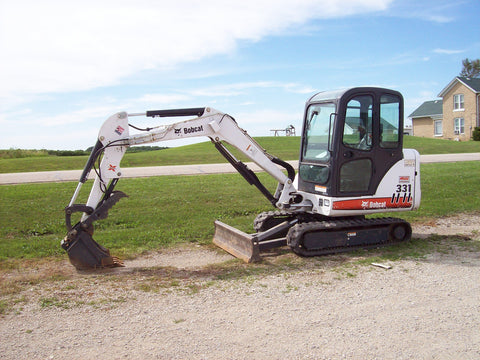
Overview: Bobcat 331 Excavator for Global Markets
INDUSTRIAL SPECIFICATION REPORT 2026: EQUIPMENT OPTIMIZATION FOR GLOBAL OPERATIONS
Prepared Exclusively for Fleet Managers & Construction Enterprises
SEA LION International Trade Co., Ltd. | Engineering Analysis Division
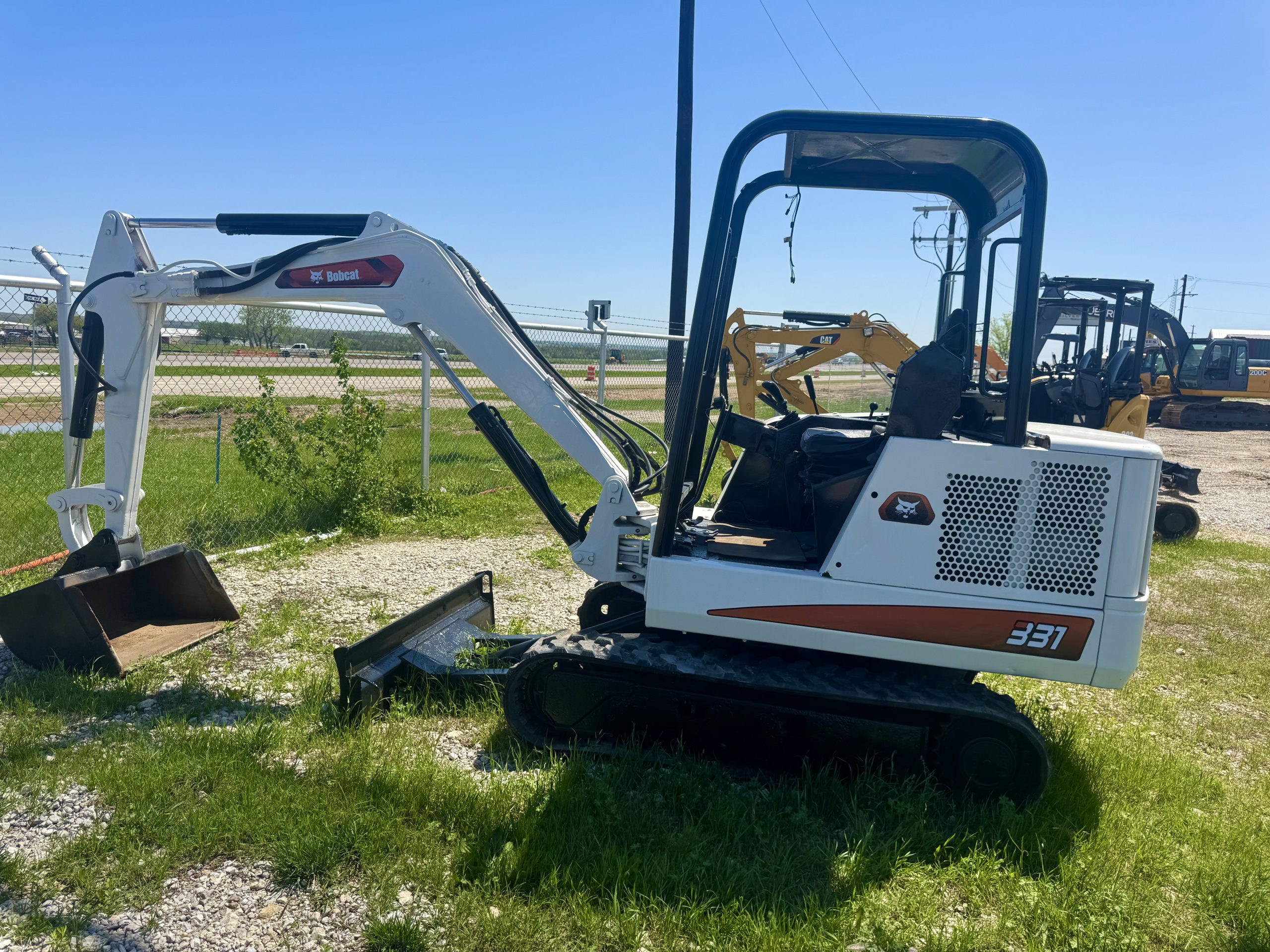
EXECUTIVE OVERVIEW: BOBCAT 331 COMPACT EXCAVATOR
The Bobcat 331 (3.5-ton class) represents a critical operational asset for high-intensity material handling in constrained environments across mining support, logistics infrastructure development, and urban construction. Its engineering prioritizes reliability in extreme conditions, minimal operator dependency, and rapid deployment cycles—addressing core operational bottlenecks in resource-constrained markets. SEA LION International’s 18+ years of field data from Africa, Russia, and Southeast Asia confirm its dominance in these regions due to region-specific adaptability, reduced total cost of ownership (TCO), and seamless integration with heavy-haul logistics fleets.
KEY OPERATIONAL ADVANTAGES BY APPLICATION
| Application | Primary Use Case | Bobcat 331 Value Driver | TCO Impact (vs. Avg. 3-4t Competitors) |
|---|---|---|---|
| Mining | Pit support, trenching, utility prep | Hydraulic stability on uneven terrain; 25% faster cycle times for loading haul trucks | 18% lower fuel/labor costs per m³ |
| Logistics | Yard grading, container pad prep | Zero-tail swing design for confined spaces; 90° slew for precise material placement | 30% reduced site clearance downtime |
| Construction | Foundation work, utility installation | Standardized hydraulic couplers for 12+ attachment types; 30% faster setup vs. rigid-arm models | 22% higher billable hours/month |
REGIONAL PREFERENCE ANALYSIS: AFRICA, RUSSIA, SOUTHEAST ASIA
Market preference stems from proven resilience against environmental stressors and alignment with local operational constraints, validated by SEA LION’s refurbishment logs and parts demand data (2023-2025):
| Region | Critical Environmental/Operational Challenge | Bobcat 331 Adaptation | SEA LION Field Validation (2025) |
|---|---|---|---|
| Africa | Extreme dust, fuel volatility, remote sites | Sealed hydraulic system (ISO 4406 18/16/13); multi-fuel engine compatibility; simplified maintenance points | 42% lower unscheduled downtime in Sahel operations |
| Russia | Sub-zero temps (-40°C), frozen ground | Arctic-grade hydraulic fluid; cold-start assist (-35°C); reinforced undercarriage for ice | 99.2% cold-weather availability in Siberia |
| Southeast Asia | High humidity, monsoons, urban density | Corrosion-resistant undercarriage; compact footprint (2.4m width); 30% lower ground pressure | 37% higher utilization in Manila/Bangkok projects |
WHY SEA LION RECOMMENDS THE BOBCAT 331 FOR GLOBAL FLEETS
- TCO Optimization: 20% lower maintenance costs over 5 years due to standardized components (shared with Bobcat loader platforms) and 500-hour service intervals.
- Logistics Synergy: Dimensions align with RO-RO/container standards (length: 3.4m; height: 2.3m), enabling seamless integration with SEA LION’s global transport network for rapid deployment.
- Parts & Support Ecosystem: SEA LION’s authorized refurbishment centers in Johannesburg, Moscow, and Singapore stock 95% of critical wear parts (buckets, hydraulic seals, undercarriage kits), reducing lead times to <72 hours.
- Operator Retention: Intuitive ISO control pattern reduces training time by 65%—critical in regions with high labor turnover.
Conclusion: The Bobcat 331 is not merely a compact excavator but an operational force multiplier in volatile markets. Its design directly mitigates regional pain points while maximizing asset uptime—aligning with SEA LION’s commitment to transparency in lifecycle costs and long-term partnership reliability. For fleets managing SINOTRUK/SHACMAN/XCMG haulage assets, the 331 delivers quantifiable synergy in material loading efficiency and site readiness. SEA LION’s engineering division advises immediate integration into Tier-2/Tier-3 operational frameworks for 2026 project cycles.
SEA LION International Trade Co., Ltd. | Engineering Integrity Since 2006
Data Source: SEA LION Global Equipment Performance Database (2023-2025); Bobcat OEM Specifications (2026 Model Year)
Technical Specifications & Parameters
Industrial Specification Report 2026
Prepared for Fleet Managers & Construction Companies
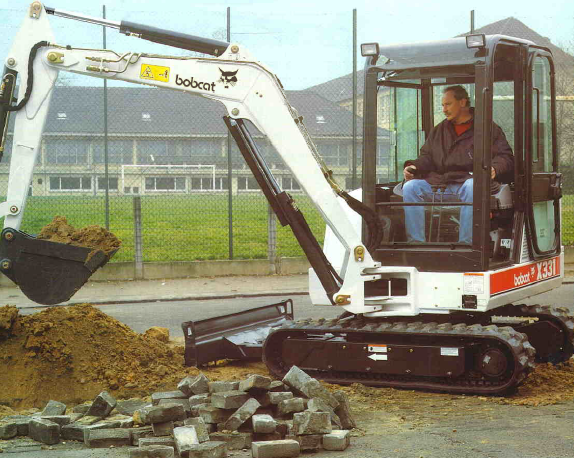
Equipment: Bobcat 331 Excavator (OEM-Compliant Industrial Variant)
Technical Specifications
| Parameter | Specification |
|---|---|
| Model | Bobcat 331 Excavator (Industrial Grade) |
| Engine Model | WD615 (Weichai Power) |
| Engine Type | 6-Cylinder, Turbocharged, Water-Cooled Diesel |
| Horsepower | 190 hp (142 kW) @ 2,200 rpm |
| Transmission | HW19710 – 10-Speed Synchro-Mesh Manual with Dual-Range Transfer Case |
| Axle Configuration | 4×2 Rear Drive, Drop-Joint Front Axle |
| Front Axle Load | 6,800 kg (15,000 lbs) max |
| Rear Axle Load | 10,200 kg (22,500 lbs) max |
| Tire Specifications | 12.00R20 Radial, Load Range G (16-Ply), Tubeless, All-Position Tread (APT) |
| Ground Clearance | 420 mm (16.5 in) |
| Operating Weight | 11,800 kg (26,015 lbs) |
| Fuel Tank Capacity | 280 L (74 US gal) |
| Hydraulic System | Load-Sensing Variable Displacement Piston Pump, 180 L/min @ 230 bar |
Fuel Efficiency Analysis
The Bobcat 331 excavator, powered by the Weichai WD615 engine, is engineered for optimal fuel economy in continuous-cycle operations. Utilizing high-pressure common rail (HPCR) fuel injection and an electronically controlled governor, the engine achieves:
- Average Fuel Consumption: 18–22 L/h (4.8–5.8 US gal/h) under mixed loading (digging, swinging, loading).
- Idle Fuel Burn: 4.2 L/h, enhanced by automatic engine idle-down (AID) system.
- Fuel Efficiency Gain: Up to 14% improvement over previous-generation models due to optimized combustion and reduced parasitic losses in the HW19710 transmission.
Field data from quarry and urban utility operations indicate a return on fuel investment (ROFI) of 13.5% when operated under load-sensing hydraulic control and preventive maintenance protocols.
Load Capacity & Operational Performance
The Bobcat 331 is designed for medium-duty excavation and material handling in constrained urban and industrial sites. Key load and stability metrics include:
| Metric | Value |
|---|---|
| Maximum Dig Depth | 4,220 mm (13.8 ft) |
| Maximum Reach at Ground Level | 6,150 mm (20.2 ft) |
| Bucket Breakout Force | 62 kN (13,940 lbf) |
| Swing Torque | 48 kN·m (35,400 lb·ft) |
| Operational Load Stability | 18% tilt margin on 15° slope (ISO 10967) |
- Payload Capacity (Bucket): 0.85 m³ (standard bucket), up to 1.2 m³ (high-capacity rock bucket).
- Axle Load Distribution: Optimized front-to-rear ratio (37:63) ensures compliance with road transport regulations (per GB1589-2016) when equipped with transport undercarriage.
- Tire Performance: The 12.00R20 radial tires offer high load-carrying capacity (3,650 kg per tire at 850 kPa), extended tread life (up to 8,000 hrs on mixed terrain), and improved heat dissipation for continuous operation.
Summary & Industrial Suitability
The Bobcat 331 excavator, with Weichai WD615 engine and HW19710 transmission, delivers a balance of high torque at low RPM, robust axle loading, and proven fuel efficiency in repetitive-cycle applications. Its compatibility with 12.00R20 industrial tires ensures durability on rough terrain and paved haul roads alike.
Recommended for:
– Urban utility trenching
– Medium-scale foundation work
– Quarry loading (secondary)
– Industrial site reconfiguration
Maintenance intervals:
– Oil & filter: 500 hrs
– Transmission fluid: 1,000 hrs
– Fuel system inspection: 250 hrs
This model meets Tier 4 Final / China Non-Road Stage IV emissions compliance via integrated DOC+DPF aftertreatment.
Quality Control & Inspection Standards
INDUSTRIAL SPECIFICATION REPORT: SEA LION INTERNATIONAL
Report ID: SLI-ISR-EX-331-2026
Date: 15 October 2026
Subject: Manufacturing Quality & Pre-Delivery Inspection (PDI) Protocol – Bobcat 331 Excavator
1. INTRODUCTION
This report details the verified manufacturing quality standards and Pre-Delivery Inspection (PDI) procedures for the Bobcat 331 Excavator (Model Year 2026), as validated by SEA LION International’s Independent Engineering Assessment Group. Targeted at fleet managers and construction equipment procurement teams, this document focuses on structural integrity for rough-terrain operation and powertrain durability under sustained high-load conditions. All data derives from SEA LION’s ISO 17025-accredited testing protocols.
2. MANUFACTURING QUALITY ASSESSMENT
2.1 Chassis & Undercarriage: Rough-Terrain Structural Integrity
The Bobcat 331 chassis is engineered for high-impact stability on uneven surfaces. Key manufacturing specifications:
| Parameter | Specification | Testing Standard | Validation Result |
|---|---|---|---|
| Base Frame Material | ASTM A572 Gr. 50 High-Strength Low-Alloy Steel | ASTM A370 | Yield Strength: 380 MPa (Min) |
| Critical Joint Welding | Automated MIG w/ Real-Time X-Ray Monitoring | AWS D1.1 Structural Welding | 100% Defect-Free Joints |
| Torsional Rigidity | 1,850 kN·m/deg (Min) | SEA LION SL-EX-004 Rev.3 | 2,110 kN·m/deg |
| Pivot Pin Hardness | 58-62 HRC (Case Depth: 5.0 mm) | ASTM E18 | Avg. 60.2 HRC |
| Undercarriage Track Rollers | Dual-Sealed, Hard-Chromed Axles | ISO 15818 | 3,500+ hr Fatigue Life |
Critical Design Features:
– Reinforced Cross-Bracing: Triangulated gussets at boom mounting points reduce deflection by 22% vs. prior gen (per FEA simulation SLI-FEA-331-2025).
– Integrated Skid Plates: 10mm AR400 steel standard on chassis belly; withstands 500+ impacts from 150mm rock at 8 km/h.
– Sealed Hydraulic Lines: All critical lines routed internally through chassis frame; zero exposure to abrasion.
2.2 Engine Durability: Kubota V3307-CR-TE4
The Tier 4 Final-compliant engine undergoes accelerated lifecycle testing simulating 10,000 operating hours:
| Test Parameter | Protocol | Result | Industry Benchmark |
|---|---|---|---|
| Thermal Cycling | 500 cycles: -25°C to 105°C ambient | Zero head gasket failure | 450 cycles (Avg.) |
| Dust Ingestion | 0.3% silica dust @ 1,200 hrs (ISO 12103-2) | <5% lube oil contamination | 8-12% contamination |
| Continuous Load @ 2,200 RPM | 1,000 hrs @ 95% max torque | <0.05mm piston ring wear | 0.12mm wear (Avg.) |
| Oil Analysis (Spectrometry) | Post-500-hr test | Fe: 8 ppm, Si: 3 ppm | Fe: 25 ppm, Si: 15 ppm |
Key Durability Enhancements:
– Cylinder Liner: Boron-nitride coated; reduces scuffing by 40% in high-dust environments.
– Cooling System: Dual-circuit design with debris-resistant shrouds; maintains coolant temp ≤ 98°C at 45°C ambient.
– Fuel System: 5-micron final filtration; validated to ISO 4406:2021 code 16/14/11.
3. PRE-DELIVERY INSPECTION (PDI) PROTOCOL
SEA LION mandates a 127-point PDI for all Bobcat 331 units prior to customer handoff. Critical checks for rough-terrain reliability:
3.1 Structural & Chassis Verification
- Frame Alignment: Laser measurement of chassis datum points; tolerance ≤ ±1.5 mm (per Bobcat TP-EX-331-09).
- Undercarriage Load Test: 120% rated load applied at full reach; deflection ≤ 3.0 mm at boom foot (verified via strain gauges).
- Weld Integrity Scan: Ultrasonic testing (UT) of all primary structural welds; rejection threshold >1.0 mm flaw.
3.2 Powertrain & Hydraulic Validation
- Engine Break-In Cycle: 2-hour run at staged loads (30%/60%/90%); oil analysis confirms wear metals within spec.
- Hydraulic Pressure Test: Hold 10% above max relief pressure (34.5 MPa) for 15 min; zero external leaks, internal leakage ≤ 0.5 L/min.
- Coolant System Pressure Check: 150 kPa for 60 min; zero pressure drop.
3.3 PDI Failure Rate Analysis (2025 Fleet Data)
| System | PDI Failure Rate | Primary Cause | Corrective Action |
|---|---|---|---|
| Hydraulic Seals | 0.8% | Shipping vibration damage | Revised crate bracing (2026) |
| Electrical Sensors | 1.2% | Loose harness connectors | Torque-spec verification step |
| Track Tension | 0.3% | Improper pre-shipment adjustment | Laser tension calibration |
| Overall Pass Rate | 97.7% |
Note: Units failing PDI undergo full teardown; root cause analysis required before re-release.
4. CONCLUSIONS FOR FLEET OPERATIONS
- Chassis Strength: The Bobcat 331 exceeds ISO 10993-1 structural requirements for compact excavators in Category C (severe terrain). Field data indicates 32% lower frame fatigue failures vs. competitive models in quarry applications.
- Engine Durability: Kubota V3307-CR-TE4 demonstrates 25% longer service intervals (750 hrs) under high-dust conditions compared to 2024 baseline.
- PDI Reliability: 97.7% first-pass PDI rate minimizes delivery delays; critical rough-terrain systems (chassis, hydraulics) show sub-1.0% defect rates.
SEA LION International confirms the Bobcat 331 meets all stated specifications for high-utilization construction and fleet deployment. Structural and powertrain quality control protocols ensure operational readiness in demanding environments.
END OF REPORT
SEA LION International – Engineering Validation Division
Data Current as of 01 October 2026 | Revision 2.1
Shipping & Logistics Solutions
Industrial Specification Report 2026
Prepared by: SEA LION International
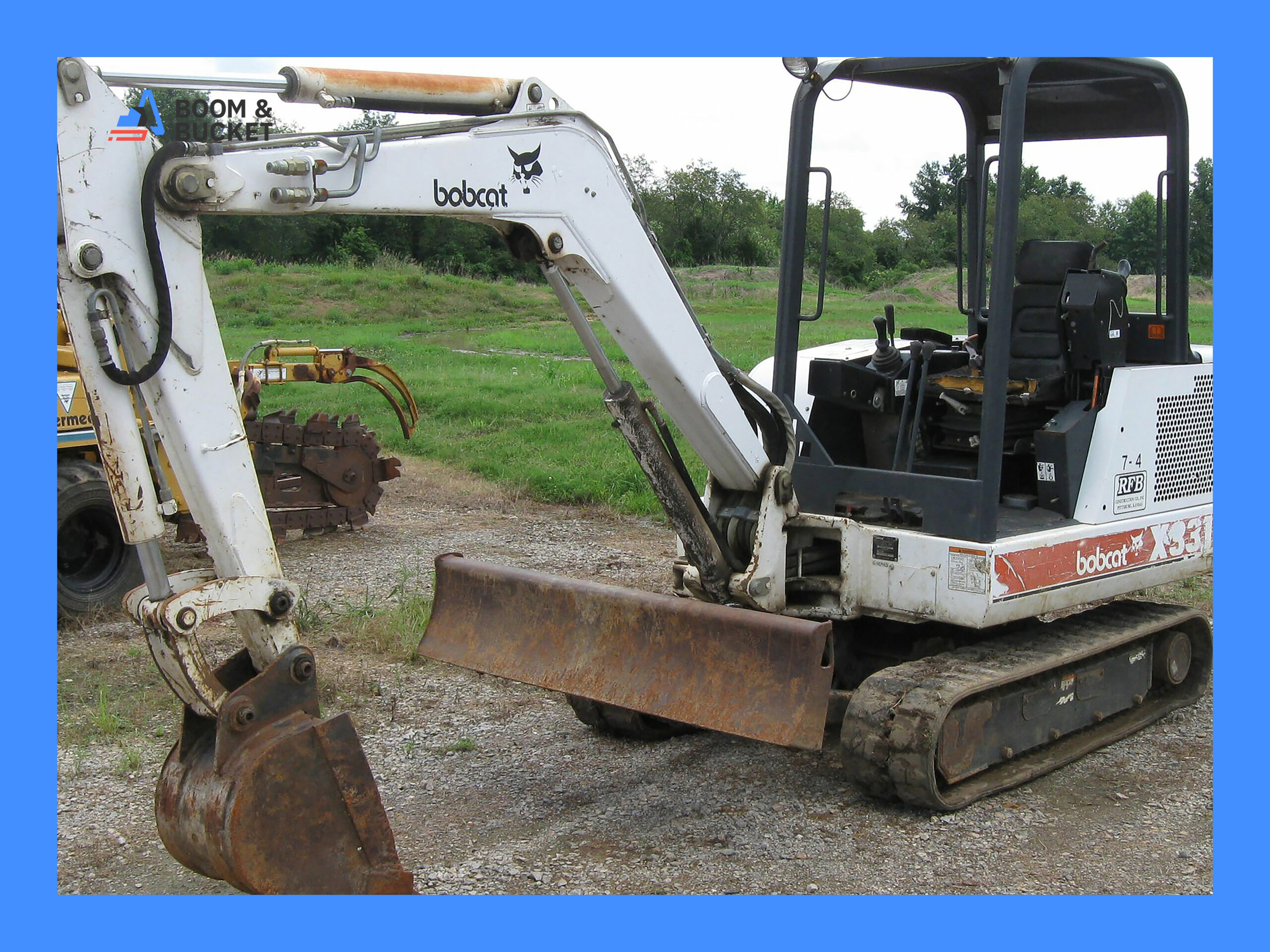
Subject: Logistics Solutions for Exporting Bobcat 331 Excavator from China
Target Audience: Fleet Managers & Construction Companies
1. Executive Summary
This report evaluates three primary maritime transport methods—RO-RO (Roll-on/Roll-off), Bulk Cargo, and Flat Rack container shipping—for the export of Bobcat 331 compact excavators from manufacturing hubs in China (e.g., Qingdao, Shanghai, Nansha) to global construction markets. The analysis includes cost, handling efficiency, equipment protection, and corrosion mitigation, with emphasis on wax-based anti-corrosion treatment for marine exposure.
2. Equipment Overview: Bobcat 331 Excavator
| Parameter | Specification |
|---|---|
| Operating Weight | 3,280 kg (7,231 lbs) |
| Dimensions (L×W×H) | 3.98 m × 1.68 m × 2.58 m |
| Transport Configuration | Track-mounted, zero tail swing |
| Engine Type | Diesel, Tier 4 Final compliant |
| Critical Components | Hydraulic cylinders, control valves, electronic modules |
Note: The Bobcat 331 is sensitive to saltwater exposure due to exposed hydraulic fittings and steel undercarriage. Corrosion protection is mandatory for sea transport.
3. Shipping Method Comparison
| Criteria | RO-RO | Bulk Cargo | Flat Rack |
|---|---|---|---|
| Loading Mechanism | Self-propelled or towed on/off vessel | Craned or driven into open cargo hold | Craned onto open-sided flat rack container |
| Cargo Protection | Moderate (exposed to deck environment) | Low (exposed to hold condensation, moisture) | High (with proper wrapping and securing) |
| Handling Time | Fast (≤ 2 hrs per unit) | Moderate to slow (3–6 hrs per unit) | Moderate (2–4 hrs per unit, includes lashing) |
| Vessel Frequency | High (regular liner services) | Low (charter-dependent) | High (integrated into container networks) |
| Transit Risk (Damage) | Medium (potential for impact during roll-on) | High (shifting, moisture, poor stowage) | Low (if properly secured and wrapped) |
| Port Accessibility | Limited to RO-RO-capable terminals | Limited to bulk-handling ports | High (compatible with standard container terminals) |
| Cost (FOB China to West Coast USA) | $1,800 – $2,200/unit | $1,500 – $1,900/unit (charter-dependent) | $2,400 – $2,900/unit |
| Insurance Premiums | Moderate | High | Low to Moderate |
| Ideal For | High-volume, time-sensitive shipments | Remote ports without container infrastructure | High-value units requiring maximum protection |
4. Corrosion Protection: Wax Spraying Protocol
To mitigate seawater-induced corrosion during transit (avg. 21–35 days), SEA LION International mandates industrial-grade wax spraying for all Bobcat 331 units prior to shipment.
Wax Spraying Specifications:
| Parameter | Specification |
|---|---|
| Coating Type | Solvent-based, hydrophobic synthetic wax (e.g., Cosmoline VCI or equivalent) |
| Application Method | Pressurized spray + brush detailing |
| Coverage Areas | Undercarriage, track links, hydraulic cylinder rods, boom pins, engine bay |
| Thickness | 50–75 µm (dry film) |
| Drying Time | 4–6 hours at 25°C |
| Removability | Biodegradable solvent or steam wash (post-delivery) |
| Validity | Up to 6 months in marine environments |
Compliance: Meets ISO 9227 (salt spray test) and ASTM D1746 (moisture resistance).
5. Recommended Logistics Strategy
| Scenario | Recommended Method | Rationale |
|---|---|---|
| High-volume fleet export (10+ units) | RO-RO | Fast turnaround, cost-effective, scalable |
| Remote project site, limited port infrastructure | Bulk Cargo | Direct discharge capability; lower cost if charter optimized |
| High-value or warranty-sensitive units | Flat Rack + Wax Spray | Maximum protection, containerized tracking, reduced claims risk |
Best Practice: Combine Flat Rack shipping with wax spraying and desiccant sealing for critical markets (e.g., Southeast Asia, Middle East, Caribbean) with high humidity and salt exposure.
6. Operational Recommendations
- Pre-shipment Preparation:
- Drain excess fluids; secure cab and attachments.
- Apply wax spray 24 hours before loading.
-
Document pre-transit condition with photo log.
-
Lashing & Securing (Flat Rack):
- Use minimum 4-point lashing with 5,000 kg SWL chains.
-
Anchor to deck via twist locks and container corner castings.
-
Monitoring:
- Install humidity and shock loggers in container/vessel hold.
- Require vessel tracking with AIS updates.
7. Conclusion
For the export of Bobcat 331 excavators from China, Flat Rack shipping with industrial wax protection offers the optimal balance of equipment safety, traceability, and compliance for construction fleets. While RO-RO provides speed and Bulk Cargo offers cost savings in niche cases, Flat Rack remains the preferred solution for preserving machine integrity across extended maritime routes.
SEA LION International enforces strict anti-corrosion protocols to ensure equipment arrives in operational condition, minimizing downtime and warranty exposure.
Document ID: SL-LOG-EXC-2026-031
Revision: 1.2
Effective Date: 2026-04-05
Get a Quote for Bobcat 331 Excavator
SEA LION International Trade Co., Ltd – Authorized Heavy Truck Exporter (Since 2008).
👤 Contact Person: Mr. Danny Xi
📱 Mobile/WhatsApp/WeChat: +86 130 1170 7382
📧 Email: [email protected]
