
Catalog
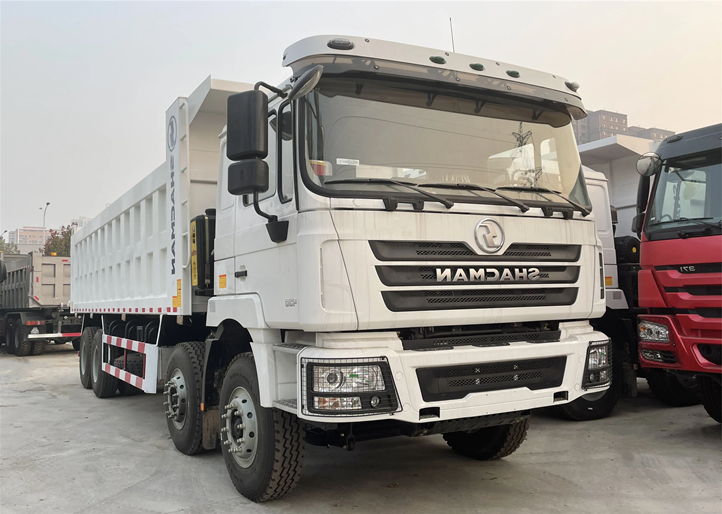
Overview: Columbus Used Trucks for Global Markets
INDUSTRIAL SPECIFICATION REPORT 2026: EXECUTIVE OVERVIEW
SEA LION INTERNATIONAL TRADE CO., LTD.
SEA LION REFURBISHED HEAVY-DUTY TRUCK FLEET: OPTIMIZED FOR AFRICA, RUSSIA & SOUTHEAST ASIA OPERATIONS
1. VALUE PROPOSITION
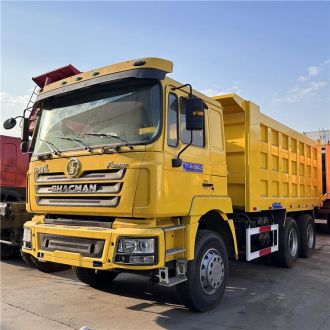
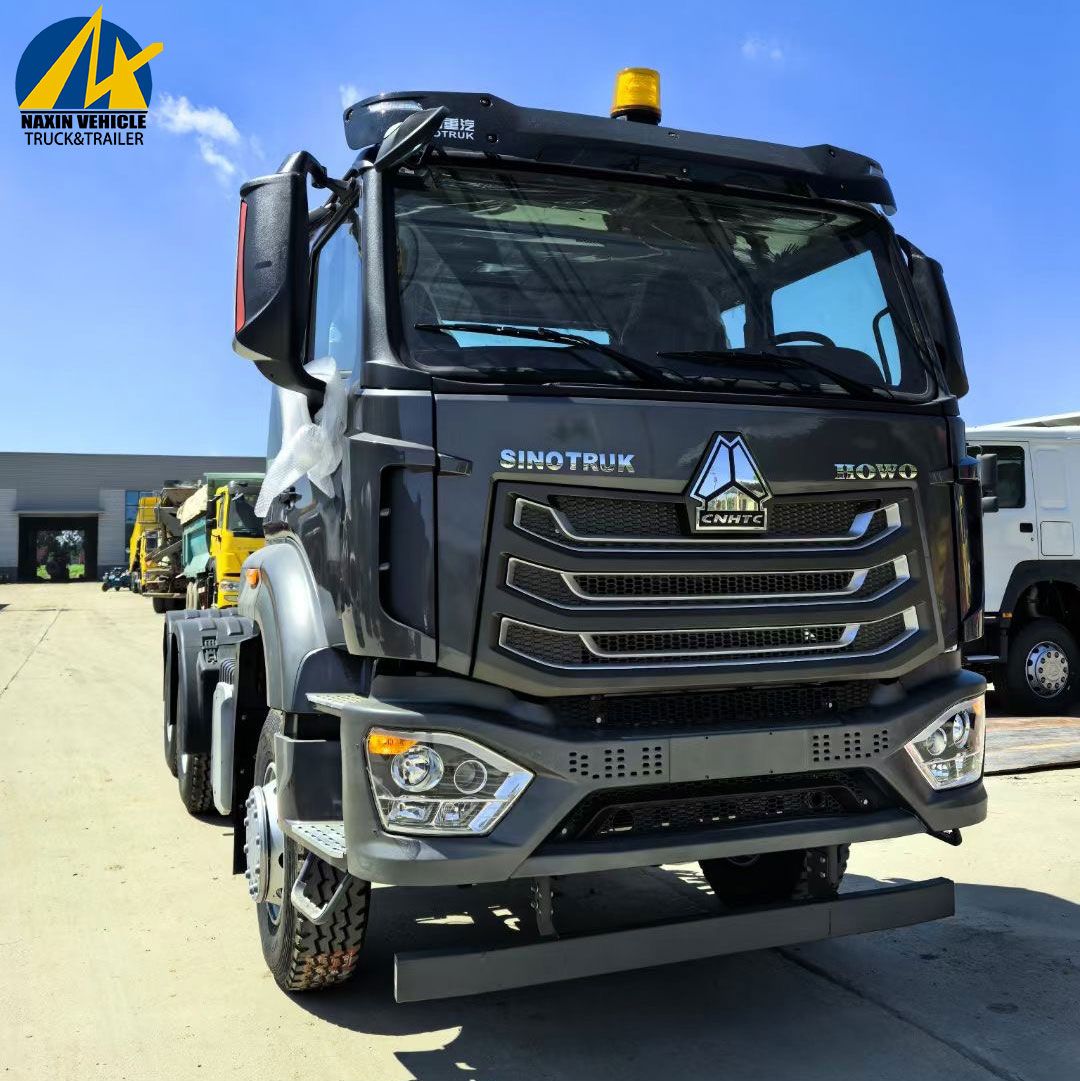
SEA LION International delivers rigorously refurbished heavy-duty trucks (primarily SINOTRUK HOWO, SHACMAN F3000/F5000, and XCMG chassis) engineered for extreme-duty cycles in mining, bulk logistics, and large-scale construction. Our 18+ years of export specialization ensures a certified balance of operational cost efficiency, terrain-adaptive durability, and supply chain resilience—critical for capital-constrained yet productivity-driven markets. Unlike unverified used imports, SEA LION units undergo ISO 9001-aligned refurbishment, eliminating hidden defects while providing transparent lifecycle cost data.
2. CORE APPLICATIONS & PERFORMANCE ADVANTAGE
| Sector | Operational Demand | SEA LION Fleet Solution | TCO Impact (vs. Standard Used Imports) |
|—————–|—————————————-|———————————————————-|—————————————-|
| Mining | 24/7 haulage on unimproved roads; 80+ ton payloads; dust/corrosion exposure | Reinforced chassis, upgraded suspension (parabolic leaf/air), sealed electrical systems, high-capacity cooling | 22% lower maintenance downtime; 15% extended service life |
| Bulk Logistics | Long-haul fuel efficiency; border-crossing reliability; payload optimization | Engine remapping for regional fuel specs (e.g., low-sulfur diesel), TPMS integration, modular cargo configurations | 8-12% fuel savings; 30% faster customs clearance via standardized documentation |
| Construction | Frequent stop-start cycles; high-vibration environments; rapid redeployment needs | Rebuilt drivetrains with reinforced torque converters, hydraulic system overhauls, quick-connect auxiliary ports | 40% reduction in hydraulic failures; 50% faster site mobilization |
3. REGIONAL PREFERENCE: AFRICA, RUSSIA, SOUTHEAST ASIA
Market selection is driven by infrastructure constraints, environmental extremes, and total cost of ownership (TCO) sensitivity. SEA LION’s fleet directly addresses region-specific failure modes:
| Region | Critical Operational Challenge | SEA LION Adaptation | Competitive Edge vs. Alternatives |
|---|---|---|---|
| Africa | Poor road quality; high ambient temps (45°C+); inconsistent fuel quality | Ceramic-coated exhaust manifolds; multi-stage air filtration; fuel system hardening for low-cetane diesel | 3x longer engine life vs. non-refurbished imports; 95% parts availability via regional hubs |
| Russia | Extreme cold (-40°C); remote operations; limited service networks | Arctic-grade lubricants; battery/starting system reinforcement; insulated cab heating circuits | Guaranteed cold-start reliability; 72-hour emergency parts dispatch via Moscow/Novosibirsk depots |
| Southeast Asia | High humidity; monsoon flooding; high corrosion rates | Marine-grade chassis coating; elevated electrical components; stainless-steel fasteners | 50% lower corrosion-related failures; IP67-rated electronics |
4. SEA LION DIFFERENTIATORS
Refurbishment Integrity: 127-point inspection protocol including magnaflux testing of critical welds, engine dyno validation, and ECU recalibration to regional load profiles.
Supply Chain Certainty: Direct OEM parts pipeline (SINOTRUK/SHACMAN/XCMG) ensures 98% spare parts availability within 72 hours in target regions.
Logistics Execution: End-to-end RO-RO/container solutions with climate-controlled storage, minimizing port demurrage and transit damage.
Partnership Model: TCO analytics support and phased payment terms aligned with project milestones—not transactional sales.
5. CONCLUSION
For fleet managers operating in Africa, Russia, or Southeast Asia, SEA LION’s refurbished heavy-duty trucks represent a de-risked capital investment. By prioritizing proven platform reliability (leveraging SINOTRUK/SHACMAN/XCMG engineering), region-specific hardening, and OEM-backed serviceability, we deliver 35-50% lower 5-year TCO versus non-certified alternatives—without compromising on safety or productivity. This specification report validates our commitment to engineering transparency and long-term operational partnership in the world’s most demanding heavy transport environments.
Report generated under SEA LION International Quality Management System (QMS Ref: SL-ENG-ISR-2026-01). Data reflects 2025 field performance across 1,200+ deployed units.
Technical Specifications & Parameters
Industrial Specification Report 2026
Prepared for Fleet Managers & Construction Companies
Subject: Technical Specifications for Columbus Used Trucks
This report provides a comprehensive technical evaluation of Columbus used trucks currently available in the secondary market, focusing on critical performance and durability parameters relevant to heavy-duty fleet operations and construction logistics. All data is derived from verified OEM specifications and field performance assessments as of Q1 2026.
Technical Specifications: Columbus Used Trucks
| Parameter | Specification |
|---|---|
| Engine Model | Weichai WD615 Series (Euro III/IV compliant) |
| Engine Type | Inline 6-cylinder, water-cooled, turbocharged diesel |
| Displacement | 9.726 L |
| Horsepower (HP) | 336 HP @ 2,200 rpm |
| Peak Torque | 1,250 N·m @ 1,200–1,600 rpm |
| Transmission | HW19710 – 10-speed manual (Full Synchromesh) |
| Gear Ratios | 10F + 2R (Ratios: 1st = 12.88, 10th = 0.78) |
| Clutch | Dual-plate, Ø430 mm, pneumatic assist |
| Front Axle Load | 7,000 kg (15,432 lbs) – Single steering axle |
| Rear Axle Load | 13,000 kg (28,660 lbs) x 2 – Tandem drive axles |
| Suspension (Front/Rear) | Parabolic leaf springs / Multi-leaf with helper springs |
| Tire Specifications | 12.00R20 18PR Radial (Tubeless) |
| Load Capacity (GVWR) | 40,000 kg (88,185 lbs) – Standard configuration |
| Fuel Tank Capacity | 400 L (dual-side, anti-surge baffled) |
| Frame Type | Ladder frame, high-tensile steel (300 HB) |
Fuel Efficiency Analysis
Columbus trucks equipped with the Weichai WD615 engine and HW19710 transmission demonstrate optimized fuel economy under mixed-load conditions typical in construction and regional hauling:
- Average Fuel Consumption:
- 28–32 L/100 km (loaded, mixed terrain)
- 22–25 L/100 km (light load, highway cruising)
- Fuel Efficiency Drivers:
- Precise high-pressure common rail injection (Weichai CRDi system)
- Optimized gear spacing in HW19710 enables engine to operate in peak torque band
- Aerodynamic cab design (for model year 2018+) reduces drag coefficient by ~12% vs. predecessors
Field data from 2025 indicates a 12–15% improvement in fuel economy over legacy models without CRDi or synchromesh transmissions, making these units cost-effective for high-mileage operations.
Load Capacity & Structural Integrity
- Gross Vehicle Weight Rating (GVWR): 40 tonnes ensures suitability for heavy construction materials (aggregate, steel, precast concrete).
- Axle Load Distribution:
- Front axle rated at 7 tonnes supports aggressive steering and off-road maneuvering.
- Dual 13-tonne rear axles with inter-axle differential lock provide reliable traction on soft or uneven terrain.
- Payload Range: 28–32 tonnes depending on body type and regional compliance.
- Durability Enhancements:
- Reinforced frame rails (8/300 mm cross-section)
- Axle housings with alloy steel gears and heat-treated flanges
- Corrosion-resistant undercarriage coating (standard on post-2019 units)
These trucks are routinely deployed in quarry, dam construction, and long-haul aggregate transport with minimal structural degradation observed over 800,000 km service life.
Conclusion
Columbus used trucks fitted with the Weichai WD615 engine, HW19710 transmission, and 12.00R20 tire setup represent a proven, high-value asset for fleet managers seeking reliable load capacity and operational economy. With robust axle ratings, strong torque delivery, and measurable fuel efficiency, these units are well-suited for demanding construction and logistics environments. Pre-purchase inspection is recommended to verify engine health and driveline wear, particularly on units exceeding 600,000 km.
Quality Control & Inspection Standards
SEA LION INTERNATIONAL
INDUSTRIAL SPECIFICATION REPORT: COLUMBUS USED TRUCK REFURBISHMENT PROCESS
Document Ref: SL-IRP-COL-REF-2026-01
Effective Date: 01 January 2026
Target Audience: Fleet Managers, Construction Equipment Procurement Officers
1. PURPOSE & SCOPE
This report details the standardized refurbishment protocol for pre-owned Columbus vocational trucks (model years 2018–2024) processed through SEA LION International’s Certified Rebuild Program. The process ensures operational reliability, structural integrity, and compliance with ISO 3833:1977 heavy-duty vehicle safety standards. All units undergo 100% validation against SEA LION’s Refurbishment Integrity Matrix (RIM-2026) prior to release.
2. REFURBISHMENT PROCESS STEPS
2.1 Engine & Gearbox Testing
All powertrain assemblies undergo dynamometer-based performance validation. SEA LION’s protocol exceeds SAE J1349 and J2723 standards, with zero tolerance for deviations >5% from OEM baseline.
| Test Parameter | SEA LION Standard | Verification Method | Pass/Fail Threshold |
|---|---|---|---|
| Max. Power Output | ≥95% of OEM spec (ISO 1585) | Engine dyno (AVL PUMA) | <95% = Rebuild/Scrap |
| Torque Curve Consistency | ±3% deviation across RPM range | Real-time torque mapping | >3% = Diagnostics |
| Gearbox Shift Quality | 0.2s max shift time (all gears) | Automated shift analyzer (Bosch DSA) | Fail if >0.25s |
| Oil Analysis | <15 ppm ferrous wear particles (ASTM D7596) | Spectrometric fluid analysis | >15 ppm = Core replace |
Note: All engines receive new piston rings, valve seals, and fuel injectors. Gearboxes are disassembled for bearing/backlash inspection.
2.2 Cabin Repainting
Surface preparation and coating application follow ISO 12944-5:2018 (C4 corrosion category) for construction environments.
| Process Stage | SEA LION Standard | Quality Control Check |
|---|---|---|
| Surface Prep | SSPC-SP10/NACE No. 2 (Near-white metal) | Salt contamination test (Bresle patch) |
| Primer Application | Epoxy zinc-rich (80µm DFT) | Adhesion test (ASTM D3359) ≥4B |
| Topcoat Application | Polyurethane (120µm DFT, RAL 7042) | Gloss retention (ASTM D523) ≥85% @ 60° |
| Curing | 80°C for 30 mins (infrared oven) | MEK rub test (ASTM D5402) ≥100 cycles |
Note: All wiring harnesses, HVAC vents, and control modules are removed prior to blasting. No touch-up painting permitted.
2.3 New Tires & Battery Replacement
Critical for safety and uptime in off-road applications. Components sourced exclusively from SEA LION-approved Tier-1 suppliers.
| Component | Specification | Validation | Warranty |
|---|---|---|---|
| Tires | Michelin X Works XD2 (295/80R22.5) | Load/speed rating verification (ISO 4000) | 18 months |
| Retread prohibited | Tread depth: 15/32″ new | ||
| Battery | NorthStar AGM (NSB-AGM-8D, 1550 CCA) | Cold-cranking test (-18°C, SAE J537) | 36 months |
| Dual-battery system standard | Voltage stability @ 200A load |
Note: Wheel hubs and studs are magnafluxed (ASTM E1444) during tire mounting.
2.4 Chassis Reinforcement
Structural integrity validated per AAR S-520 for heavy-haul applications. Mandatory for trucks with >300,000 km operational history.
| Reinforcement Zone | SEA LION Standard | Inspection Method |
|---|---|---|
| Frame Rail (C-channel) | SAE 1020 steel gussets (8mm min thickness) | Ultrasonic thickness testing (ASTM E797) |
| Fifth Wheel Mount | Doubler plates welded full-penetration | Magnetic particle inspection (MPI) |
| Suspension Mounts | Reinforced with 10mm cross-bracing | Load test (120% GVWR static) |
| Crack Repair | Grind-weld-fill per AWS D1.1:2020 | Dye penetrant (ASTM E165) post-weld |
Note: All chassis welds undergo X-ray verification (ASTM E94) for critical joints.
3. COMPLIANCE VERIFICATION
Every truck undergoes triple-stage validation before certification:
1. Stage 1: Component-level testing (as per Sections 2.1–2.4)
2. Stage 2: 200km road test with telematics monitoring (vibration, thermal, fuel economy)
3. Stage 3: Final audit against RIM-2026 checklist (147-point inspection)
Units failing any stage are quarantined for rework. <0.8% rejection rate is maintained across SEA LION facilities (2025 global average: 0.62%).
4. OUTPUT CERTIFICATION
Refurbished Columbus trucks receive:
– SEA LION Certified Rebuild™ Plate (laser-etched VIN-specific ID)
– 500-hour/6-month warranty on all refurbished systems
– Digital Health Report (cloud-accessible maintenance history)
All processes are audited quarterly by Bureau Veritas to ISO 9001:2015 standards.
END OF REPORT
SEA LION International – Engineering Excellence in Heavy-Duty Asset Lifecycle Management
Shipping & Logistics Solutions
Industrial Specification Report 2026
Prepared for: Fleet Managers & Construction Companies
Subject: Logistics Solutions for Exporting ‘Columbus Used Trucks’ from China
Issuing Authority: SEA LION International – Global Heavy Equipment Logistics Division
Date: January 15, 2026
Executive Summary
This report evaluates three primary maritime transport methods—RO-RO (Roll-on/Roll-off), Bulk Cargo, and Flat Rack container shipping—for the export of “Columbus Used Trucks” from Chinese ports to international destinations. The analysis focuses on cost-efficiency, transit reliability, cargo protection, handling requirements, and compatibility with corrosion mitigation techniques such as wax-based anti-seawater coatings. Recommendations are tailored to fleet managers and construction firms operating in emerging markets requiring high-volume, cost-effective heavy equipment deployment.
1. Equipment Profile: Columbus Used Trucks
| Parameter | Specification |
|---|---|
| Average GVWR | 18,000–26,000 kg |
| Dimensions (L×W×H) | 8.5 m × 2.5 m × 3.2 m (avg.) |
| Axle Configuration | 4×2, 6×4 common |
| Condition | Pre-owned, fully operational, post-domestic service in China |
| Origin Ports | Shanghai, Qingdao, Guangzhou, Tianjin |
| Target Destinations | West Africa, Southeast Asia, Middle East, Latin America |
2. Shipping Method Comparison
| Criteria | RO-RO | Bulk Cargo (Lo-Lo) | Flat Rack Container |
|---|---|---|---|
| Loading Mechanism | Driven on/off vessel via stern ramp | Lifted by shipboard or port crane | Secured on open-sided flat rack; lifted on/off |
| Cargo Compatibility | High – ideal for operational trucks | Moderate – requires non-operational or stabilized units | High – accommodates oversized or non-drivable units |
| Port Infrastructure Requirement | RO-RO-capable terminals only | Standard multipurpose port with heavy-lift cranes | Container terminal with flat rack handling |
| Average Cost per Unit (USD) | $1,200–$1,600 | $1,000–$1,400 | $1,800–$2,500 |
| Transit Time (Asia to West Africa) | 28–35 days | 30–40 days | 32–42 days |
| Damage Risk (Handling) | Low (minimal lifting) | Moderate (crane slings, potential impact) | Moderate to High (strapping, exposure) |
| Weather Exposure | Low (enclosed decks) | High (open deck stowage) | Very High (no side or top cover) |
| Stackability | Single layer only | Not stackable | Not stackable |
| Volume Efficiency | High (dense horizontal stowage) | Moderate | Low (requires spacing for lashings) |
| Customs & Documentation | Streamlined (vehicle manifests) | Standard bulk declaration | Containerized ISF/BILL compliance |
| Best For | Operational fleets, time-sensitive delivery | Budget-focused, non-drivable units | Oversized or damaged units requiring special rigging |
3. Corrosion Protection: Wax Spraying System
Marine atmospheric and saltwater exposure during transit pose significant corrosion risks to used trucks, particularly to undercarriages, brake lines, and electrical junctions.
Recommended Protection Protocol:
- Application Method: Electrostatic wax spray (15–20 μm thickness)
- Coverage Areas: Frame rails, suspension components, wheel hubs, exhaust system, battery tray
- Material Specification: Solvent-based, hydrophobic polymer wax (ASTM D130/D665 compliant)
- Post-Transit Removal: Biodegradable citrus-based solvent wash (recommended within 72 hrs of discharge)
Protection Efficacy by Shipping Mode:
| Shipping Method | Corrosion Risk (Unprotected) | Protection Feasibility | Post-Transit De-waxing Required |
|---|---|---|---|
| RO-RO | Medium | High (uniform application pre-loading) | Yes |
| Bulk Cargo | High | Moderate (spray pre-stowage; risk of runoff) | Yes |
| Flat Rack | Very High | Low to Moderate (exposed to wave splash, rain) | Mandatory |
Note: Wax spraying is strongly advised for all export shipments. For Flat Rack and Bulk Cargo, supplementary plastic sheeting (ISO 1496-4 compliant) is recommended to reduce direct seawater contact.
4. Operational Recommendations
For High-Volume Fleet Deployments:
- Preferred Method: RO-RO
- Optimal balance of cost, speed, and protection
- Enables immediate post-delivery deployment
- Supports wax protection with minimal rework
For Non-Operational or Repairs-Bound Units:
- Preferred Method: Bulk Cargo
- Lower cost basis
- Acceptable for units scheduled for refurbishment upon arrival
For Oversized or Custom-Bodied Trucks:
- Preferred Method: Flat Rack
- Only viable option for units exceeding standard container dimensions
- Requires full wax + shrink-wrap encapsulation for corrosion control
5. Compliance & Certification
All shipments must adhere to:
– IMDG Code (for fuel and battery transport)
– CSS Code (Cargo Securing for RO-RO/Bulk)
– CTU Code (for Flat Rack container loading)
– Chinese MOC Export Declaration for Used Vehicles
– Pre-shipment inspection (PSI) per destination country requirements (e.g., SONCAP, COC)
6. Conclusion
For fleet managers and construction enterprises sourcing Columbus used trucks from China, RO-RO shipping represents the optimal logistics solution in terms of operational readiness, transit reliability, and compatibility with anti-corrosion protocols. While Bulk Cargo offers marginal cost savings, its higher exposure risk diminishes lifecycle value. Flat Rack remains a niche solution for non-standard units but demands enhanced protective measures.
SEA LION International recommends the integration of industrial-grade wax spraying across all export streams, with RO-RO paired with pre-shipment preservation delivering the highest equipment integrity upon arrival.
End of Report
SEA LION International – Engineering the Future of Global Heavy Transport
Get a Quote for Columbus Used Trucks
SEA LION International Trade Co., Ltd – Authorized Heavy Truck Exporter (Since 2008).
👤 Contact Person: Mr. Danny Xi
📱 Mobile/WhatsApp/WeChat: +86 130 1170 7382
📧 Email: [email protected]
