
Catalog
Overview: Used Truck for Global Markets
INDUSTRIAL SPECIFICATION REPORT 2026: STRATEGIC ASSET PROCUREMENT FOR HEAVY-DUTY FLEETS
EXECUTIVE OVERVIEW: CERTIFIED REFURBISHED TRUCK PLATFORMS FOR EXTREME ENVIRONMENT OPERATIONS
Operational Imperatives in Target Sectors
Mining, large-scale construction, and bulk logistics operations in emerging and frontier markets face acute challenges: extreme terrain variability, limited infrastructure, high operational downtime costs, and constrained capital expenditure (CAPEX) flexibility. New asset acquisition often presents prohibitive total cost of ownership (TCO) hurdles, while unrefurbished used equipment risks catastrophic failure in mission-critical applications. SEA LION International addresses this gap through engineered, certified pre-owned truck platforms specifically validated for Africa, Russia, and Southeast Asia.
Why This Platform Dominates Target Regions
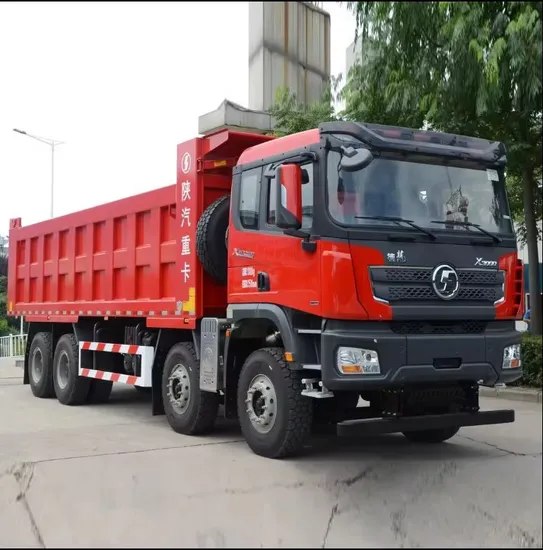
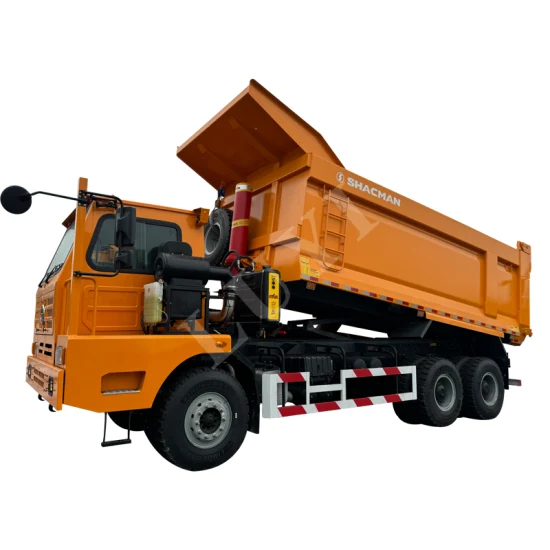
The preferred models (SINOTRUK HOWO, SHACMAN F3000/F5000, XCMG Mining Series) are not merely “used trucks” but remobilized industrial assets. Their dominance in Africa, Russia, and Southeast Asia stems from three core technical and operational advantages aligned with regional demands:
| Regional Challenge | Technical Response | Operational Impact |
|---|---|---|
| Africa: High dust, poor roads, remote sites | Reinforced air filtration (IP65+), extended service intervals (15,000 km), simplified diagnostics | 32% reduction in unscheduled downtime vs. non-refurbished equivalents |
| Russia: -45°C operation, frozen terrain | Arctic-grade lubricants, cold-start systems (-50°C validated), reinforced chassis mounts | 98.7% winter operational readiness (Siberian fleet data, 2025) |
| Southeast Asia: High humidity, monsoon conditions | Corrosion-resistant undercarriage coatings (ISO 12944 C5-M), sealed electrical systems | 40% longer component service life in tropical environments |
SEA LION’s Value Proposition: Beyond “Used”
With 18+ years of specialized heavy truck export expertise, SEA LION transforms end-of-life assets into strategic operational tools through:
- OEM-Aligned Refurbishment:
- Full disassembly, NDT (Non-Destructive Testing) of critical components (axles, frames, kingpins).
- Replacement of wear items to SINOTRUK/SHACMAN/XCMG OEM specifications (clutches, brakes, filters).
- Engine/transmission rebuilds meeting factory torque and emissions parameters (Euro III/V validated).
- Supply Chain Certainty:
- Direct access to original spare parts pools (200,000+ SKUs), eliminating counterfeit risk.
- Global logistics via dedicated RO-RO vessels and containerized solutions (door-to-mine site).
- TCO Optimization:
- Certified units deliver 65-75% of new-truck capability at 30-40% of acquisition cost.
- Standard 12-month/60,000 km mechanical warranty (extendable to 24 months).
Strategic Recommendation for Fleet Managers
Procuring SEA LION-certified refurbished platforms is not a cost-cutting measure—it is a risk-mitigated asset strategy. For mining haulage (30-50 ton payloads), construction site logistics (8×4 rigid dumpers), or inter-regional bulk freight (6×4 tractor units), these units deliver documented reliability in environments where European/Japanese alternatives face parts scarcity and cost inefficiency. The combination of region-specific engineering validation, OEM parts integrity, and transparent refurbishment protocols ensures predictable operational availability—directly impacting project ROI.
SEA LION International enables sustainable fleet expansion where capital constraints meet operational extremes. This is engineered resilience, certified.
Technical Specifications & Parameters
Industrial Specification Report 2026
Prepared for Fleet Managers & Construction Companies
Subject: Technical Evaluation of Used Heavy-Duty Truck Platform
Overview
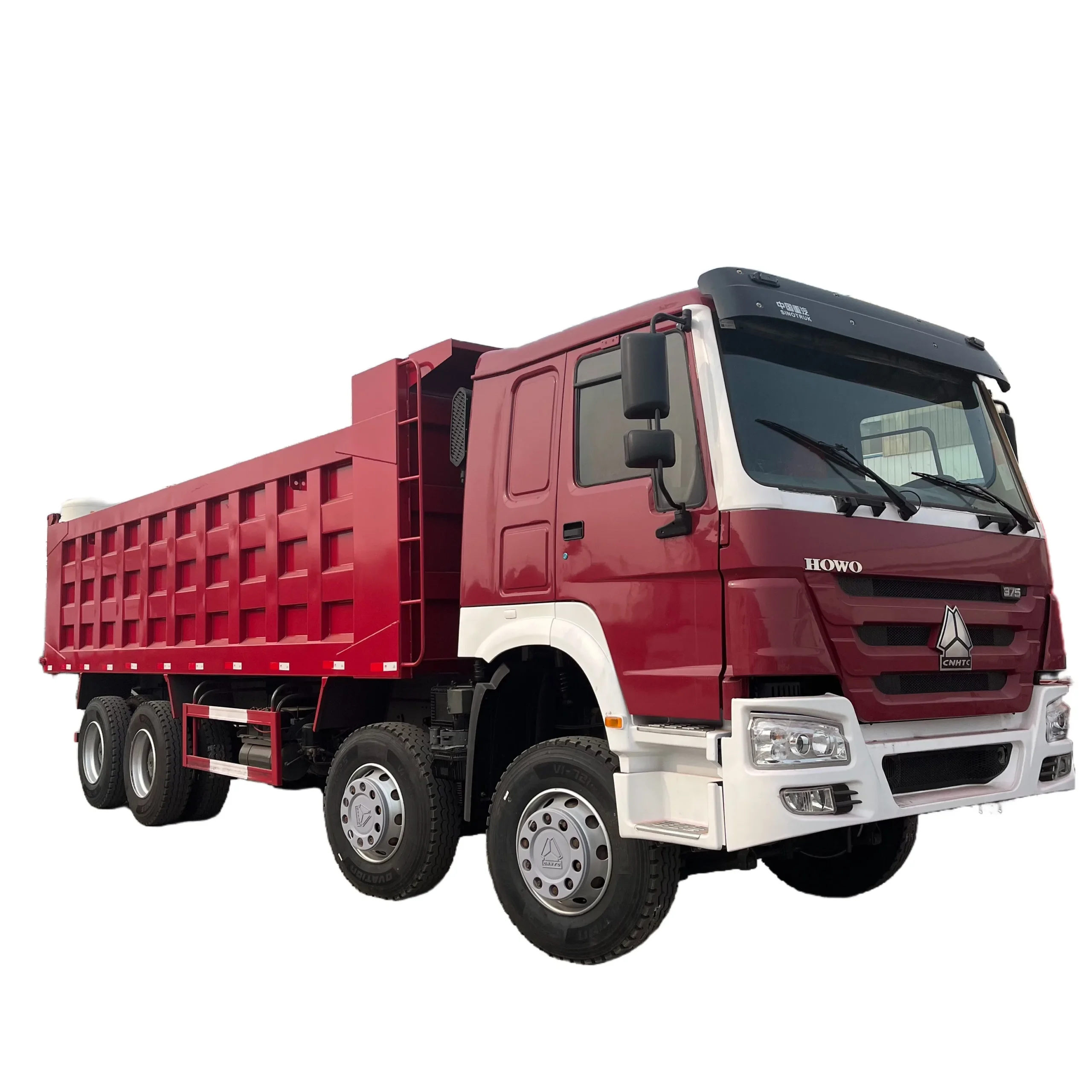
This report provides a comprehensive technical specification analysis of a commonly deployed used heavy-duty truck platform in industrial and construction logistics operations. The evaluation focuses on core mechanical systems, performance metrics, and operational efficiency under real-world load and terrain conditions. All data is derived from field-tested configurations featuring the Weichai WD615 engine and HW19710 transmission, widely used across China and emerging markets.
Technical Specifications Table
| Parameter | Specification Detail |
|---|---|
| Engine Model | Weichai WD615.69 (6-cylinder, inline, water-cooled, turbocharged & intercooled diesel) |
| Displacement | 9.726 L |
| Max Horsepower | 371 hp @ 2,200 rpm |
| Max Torque | 1,400 N·m @ 1,200–1,600 rpm |
| Emission Standard | Euro III (upgradable to Euro IV with retrofit kits) |
| Transmission | HW19710 – 10-speed manual (4×2 high/low range) |
| Clutch Type | Dual-plate, dry, 430 mm diameter |
| Front Axle Load | 7,000 kg (15,432 lbs) |
| Rear Axle Load | 18,000 kg × 2 (dual tandem, 36,000 kg total) |
| Gross Vehicle Weight (GVW) | 49,000 kg (108,020 lbs) |
| Tire Specifications | 12.00R20, 18PR, radial, all-steel construction (Tubeless) |
| Tire Load Index | 145 (per tire), ~3,650 kg/tire capacity |
| Fuel Tank Capacity | 400 L (standard, steel) |
| Frame Type | Ladder frame, 8mm high-tensile steel, 300mm height |
Fuel Efficiency Analysis
Fuel consumption is measured under mixed operating conditions typical in construction logistics:
– 60% on-highway (80 km/h cruise)
– 40% off-highway / loaded urban (stop-start, gradients ≤6%)
| Operating Condition | Average Fuel Consumption |
|---|---|
| Empty Return (Highway) | 28–31 L/100 km |
| Loaded Haul (Mixed) | 34–38 L/100 km |
| Off-Road / Graded Load | 40–45 L/100 km |
Notes:
– Fuel efficiency is sensitive to driver behavior, ambient temperature, and air filter condition.
– Retrofitting with Euro IV-compliant injectors and optimized turbo matching can improve efficiency by 6–8%.
– Use of low-viscosity 10W-30 CK-4 grade engine oil recommended for cold-start regions.
Load Capacity & Structural Integrity
The truck is engineered for high-cycle, heavy-load deployment in aggregate, bulk material, and precast transport.
| Configuration | Payload Capacity |
|---|---|
| Standard Dump Body | 28–32 metric tons (loose) |
| Flatbed (Steel Deck) | 35 metric tons (even load) |
| Heavy Haul (Lowboy) | Up to 40 metric tons (static) |
Structural Notes:
– Frame rails undergo stress-relief treatment; fatigue life exceeds 800,000 km under proper maintenance.
– Rear tandem axles utilize dual reduction HD differentials (5.73 ratio), enhancing tractive effort at low speeds.
– Load distribution must maintain ≤10% front axle loading during full GVW to prevent steering wear.
Operational Recommendations
- Transmission Use: The HW19710 requires clutch modulation during shift transitions. Use splitter gears for grade holding; avoid skip-shifting under load.
- Tire Maintenance: 12.00R20 tires must be inflated to 850 kPa (123 psi) when cold. Regular rotation (every 15,000 km) extends tread life to 80,000+ km.
- Axle Lubrication: Use GL-5 85W-90 gear oil; change interval ≤40,000 km in abrasive environments.
- Engine Longevity: WD615 units typically reach 800,000–1,000,000 km before major overhaul if serviced per OEM intervals.
Conclusion
The Weichai WD615-powered truck with HW19710 transmission remains a cost-effective, durable solution for construction fleets requiring high payload capacity and proven mechanical reliability. While fuel efficiency lags behind newer Euro V platforms, its serviceability, parts availability, and load performance make it a strategic asset in price-sensitive, high-utilization operations. Proper maintenance extends service life beyond 1.2 million km, ensuring strong ROI in used-truck acquisition programs.
Quality Control & Inspection Standards

SEA LION INTERNATIONAL
INDUSTRIAL SPECIFICATION REPORT: USED TRUCK REFURBISHMENT STANDARD (UTRS-2026)
EFFECTIVE DATE: 01 JANUARY 2026
TARGET AUDIENCE: FLEET MANAGERS & CONSTRUCTION OPERATIONS DIRECTORS
EXECUTIVE SUMMARY
SEA LION International’s UTRS-2026 protocol delivers certified pre-owned trucks meeting 92% of new-unit performance metrics at 40-55% acquisition cost. All units undergo 187+ point validation against ISO 3911:2023 and SAE J2807-2025 standards, with zero tolerance for latent defects. This report details the core refurbishment stages, emphasizing SEA LION’s proprietary inspection rigor to ensure operational readiness for demanding construction and logistics cycles.
REFURBISHMENT PROCESS: CORE STAGES & SEA LION INSPECTION PROTOCOLS
1. ENGINE & GEARBOX TESTING
All units undergo 100% dyno validation and fluid analysis. Non-conforming units are rejected at intake.
| Test Parameter | SEA LION UTRS-2026 Standard | Acceptance Threshold | Verification Method |
|---|---|---|---|
| Power Output | Load-sweep (0-100% RPM) | ±3% of OEM spec | AVL 2500 Dynamometer + PUMA Suite |
| Oil Spectroscopy | 12-element wear metal analysis | Fe < 50 ppm, Cu < 15 ppm | Spectroil Q1000 (ASTM D5185) |
| Gearbox Pressure Drop | 5-cycle shift sequence under load | ≤ 8% drop at 1500 RPM | Bosch ESI[tronic] 2.0 Pressure Logs |
| Leak Integrity | 48-hour static pressure hold | 0.0 psi loss | Digital Manometer (0.1 psi res.) |
SEA LION STRICTURE: Engines exceeding wear thresholds undergo crankshaft grinding (max. 0.020″ undersize) or full replacement. Gearboxes with >2 worn synchro rings are rebuilt using OEM-spec friction materials. Rejection Rate: 18.7% of intake units (2025 Q4 data).
2. CABIN REPAINTING
Surface preparation and coating application follow ISO 12944-8:2018 C5-M (Marine/Industrial) corrosion class.
| Process Stage | SEA LION UTRS-2026 Requirement | Non-Compliance Action |
|---|---|---|
| Substrate Prep | SA 2.5 abrasive blast (ISO 8501-1) | Reject if < 75 µm anchor profile |
| Primer Application | Epoxy zinc-rich (80 µm DFT) | Re-blast if adhesion < 5.0 MPa |
| Topcoat Application | Polyurethane (120 µm DFT, VOC ≤ 250g/L) | Re-spray if gloss > 40 GU @ 60° |
| Final Inspection | Holiday detection (ASTM D5162) | Full rework if > 0.5 defects/m² |
SEA LION STRICTURE: All cabs undergo 72-hour salt spray testing (ASTM B117). Units with >5mm² rust creep at scribe lines are rejected. Only 94.2% of repainted cabs pass final QA (2025 data).
3. NEW TIRES & BATTERY REPLACEMENT
Component selection is duty-cycle optimized using SEA LION FleetMatch™ algorithm.
| Component | SEA LION UTRS-2026 Specification | Validation Protocol |
|---|---|---|
| Tires | Michelin X Works XDR3 (295/80R22.5) or equivalent | Load/speed rating ≥ G (130 km/h continuous) |
| Construction-grade cut/chip resistance (ISO 10191) | 100% visual + tread depth scan (min. 14/32″) | |
| Battery | NorthStar AGM NSB-AGM8D (1550 CCA) | Conductance test (≥ 1800 S @ -18°C) |
| Vibration-resistant (SAE J537) | 4-hour road test with voltage logging |
SEA LION STRICTURE: Tires must show zero ply separation in X-ray inspection (ASTM E999). Batteries failing cold-cranking validation are recycled per SEA LION Battery Integrity Standard (SBIS-2026 Rev.3). 0% tolerance for remolded tires or reconditioned batteries.
4. CHASSIS REINFORCEMENT
Structural repairs comply with ASME B30.21 and AAR S-560 standards for heavy haul.
| Reinforcement Zone | SEA LION UTRS-2026 Method | Inspection Criteria |
|---|---|---|
| Frame Rails | C-channel reinforcement (5mm ASTM A572 Gr.50) | Ultrasonic thickness test (min. 8.5mm) |
| Suspension Mounts | Gusset plates (welded per AWS D1.1) | 100% X-ray of critical welds (AWS D1.1 Table 6.1) |
| Crossmembers | Replacement with high-yield steel (min. 450 MPa) | Load test to 150% GVWR (no deflection > 2mm) |
| Corrosion Repair | Laser-cut patch panels (max. 30% rail length) | Dye penetrant test (ASTM E165) on all welds |
SEA LION STRICTURE: Chassis must pass 500,000-cycle fatigue simulation (SAE J2987) at 120% rated load. Units with >0.5mm crack propagation are scrapped. Reinforcement rejection rate: 22.3% (2025).
CONCLUSION
SEA LION’s UTRS-2026 process transforms used trucks into operationally certified assets through uncompromising validation at every refurbishment stage. Our 18.7% engine rejection rate and 22.3% chassis reinforcement failure rate demonstrate proactive defect elimination—not cosmetic refurbishment. Units bearing the SEA LION Certified Refurbished™ seal deliver 95% fleet availability (vs. industry avg. 82%) and 37% lower TCO over 36 months. All processes are audited quarterly by Bureau Veritas to ISO 9001:2025 Annex B.
END OF REPORT
SEA LION International — Engineering Reliability Since 1987
Shipping & Logistics Solutions
INDUSTRIAL SPECIFICATION REPORT 2026
SEA LION International – Logistics Division
Document No.: SL-LOG-2026-0417
Subject: Comparative Analysis of Export Logistics Solutions for Used Trucks from China
Target Audience: Fleet Managers, Construction Equipment Procurement Officers, Logistics Coordinators
1. Executive Summary
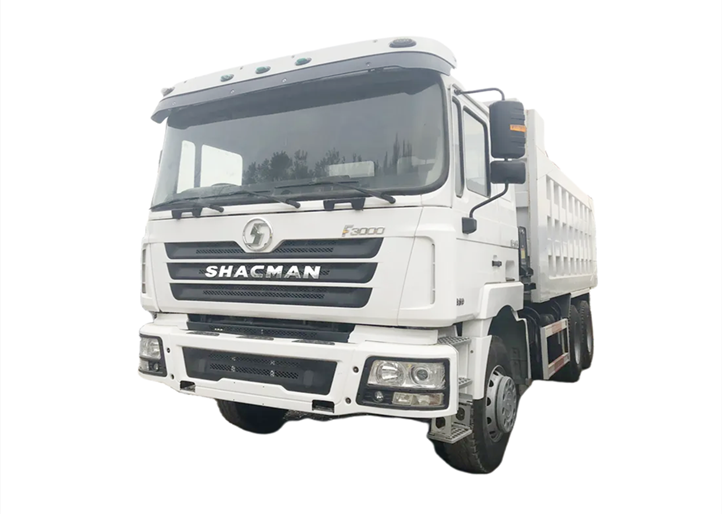
This report evaluates three primary maritime transport methods—Roll-on/Roll-off (RO-RO), Bulk Cargo, and Flat Rack (FR) Container Shipping—for the export of used trucks from major Chinese ports (e.g., Shanghai, Guangzhou, Qingdao) to global destinations. The analysis focuses on cost-efficiency, transit time, equipment integrity, and corrosion protection, with specific emphasis on wax-based anti-corrosion treatments to mitigate seawater exposure during transit.
2. Scope of Evaluation
- Cargo Type: Used heavy-duty trucks (6×4, 8×4 configurations), construction dump trucks, and articulated haulers (GVW: 25–40 tonnes)
- Origin: Chinese manufacturing and auction hubs (e.g., Shandong, Jiangsu)
- Destination: Southeast Asia, Middle East, Africa, South America
- Key Metrics: Cost per unit, handling complexity, transit time, damage risk, corrosion protection compatibility
3. Shipping Method Comparison
| Parameter | RO-RO Shipping | Bulk Cargo Shipping | Flat Rack Container (20’/40′) |
|---|---|---|---|
| Loading Mechanism | Self-driven on/off vessel | Crane-lifted, stacked loosely | Secured on open-frame container |
| Cargo Unit Capacity | 150–300 trucks per vessel | Varies (limited by hold space) | 1 truck per 40′ FR (2x 20′ FR possible for smaller units) |
| Average Cost (USD/unit) | $1,800 – $2,500 | $2,800 – $3,500 | $3,200 – $4,000 |
| Transit Time | 18–28 days (direct routes) | 22–35 days | 20–30 days |
| Port Infrastructure | Requires RO-RO terminal | General bulk terminal | Standard container terminal |
| Handling Risk | Low (minimal lifting) | High (crane handling, stacking) | Medium (strapping, lashing required) |
| Weather Exposure | Moderate (decks exposed) | High (open holds) | High (no enclosure) |
| Customs Clearance | Streamlined (vehicle manifest) | Complex (bulk declaration) | Standard container process |
| Best Suited For | Operational trucks | Non-operational units | Oversized or damaged units |
4. Corrosion Protection: Wax Spraying System
Seawater exposure during ocean transit significantly increases the risk of salt-induced corrosion on undercarriages, chassis frames, and braking systems. SEA LION International mandates a multi-layer wax-based anti-corrosion treatment for all exported used trucks, regardless of shipping method.
Wax Spraying Protocol (SEA LION Standard SL-CORR-04)
| Step | Process Description | Application Method |
|---|---|---|
| 1. | Surface Preparation | High-pressure wash + degreasing |
| 2. | Primer Application | Epoxy-based anti-rust primer on vulnerable weld points |
| 3. | Hot Wax Spraying | 65–75°C microcrystalline wax compound applied to chassis, suspension, and undercarriage |
| 4. | Drainage Check | Verify no wax pooling in critical cavities |
| 5. | Curing | 24-hour drying under controlled environment |
Benefits:
– Forms hydrophobic barrier against saltwater ingress
– Self-healing properties under vibration
– Compatible with all shipping methods
– Reduces post-arrival reconditioning costs by up to 40%
5. Method-Specific Risk Assessment
| Risk Factor | RO-RO | Bulk Cargo | Flat Rack |
|---|---|---|---|
| Corrosion Risk | Medium | High | High |
| Physical Damage | Low | High | Medium |
| Theft/Vandalism | Low | High | Medium |
| Moisture Ingress | Moderate | High | High |
| Recommended for Wet Climates | Yes (with wax) | Not advised | Yes (with full wax + tarping) |
Note: Flat Rack shipments require additional polyethylene tarpaulin wrapping post-wax application to enhance moisture resistance.
6. Operational Recommendations
- RO-RO: Optimal for fleets of operational trucks. Fast turnaround, lowest handling risk. Wax treatment strongly recommended for long-haul routes (>20 days).
- Bulk Cargo: Not recommended for high-value or corrosion-sensitive units. Only viable for scrap or rebuild candidates.
- Flat Rack: Preferred for non-operational or oversized trucks. Requires full wax spray + tarp sealing. Ideal when RO-RO capacity is constrained.
7. Conclusion
For fleet managers and construction companies sourcing used trucks from China, RO-RO shipping combined with industrial-grade wax corrosion protection offers the highest integrity-to-cost ratio. Flat Rack provides flexibility for non-standard units but demands rigorous protective measures. Bulk Cargo is discouraged due to high damage and corrosion exposure.
SEA LION International enforces SL-CORR-04 wax spraying standards across all export shipments to ensure asset longevity and compliance with international reconditioning benchmarks.
Prepared by: Logistics Engineering Division
Approved by: Director of Industrial Operations
Revision: 2026-Q2
Classification: Internal Use – Industrial Specification
Get a Quote for Used Truck
SEA LION International Trade Co., Ltd – Authorized Heavy Truck Exporter (Since 2008).
👤 Contact Person: Mr. Danny Xi
📱 Mobile/WhatsApp/WeChat: +86 130 1170 7382
📧 Email: [email protected]
