
Catalog
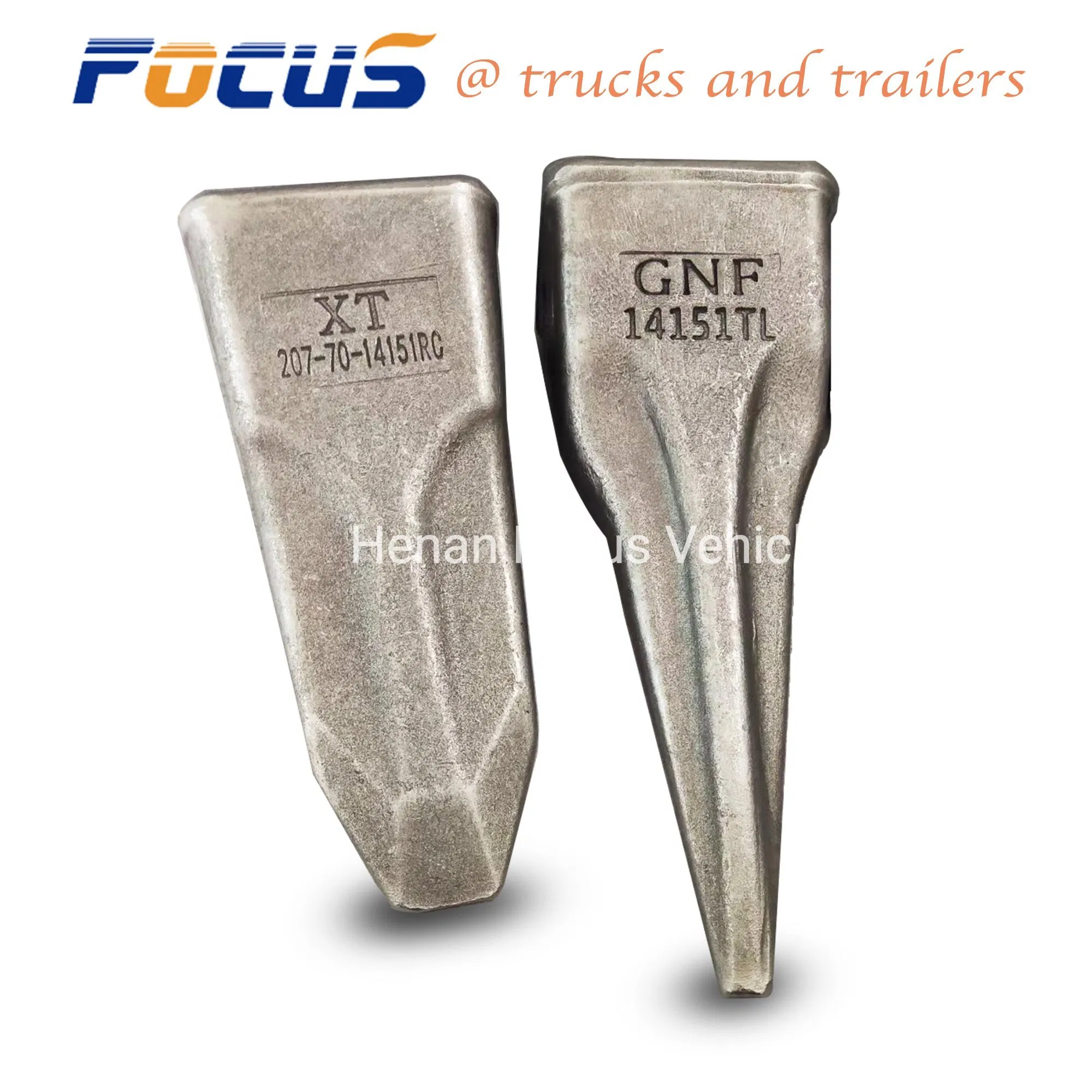
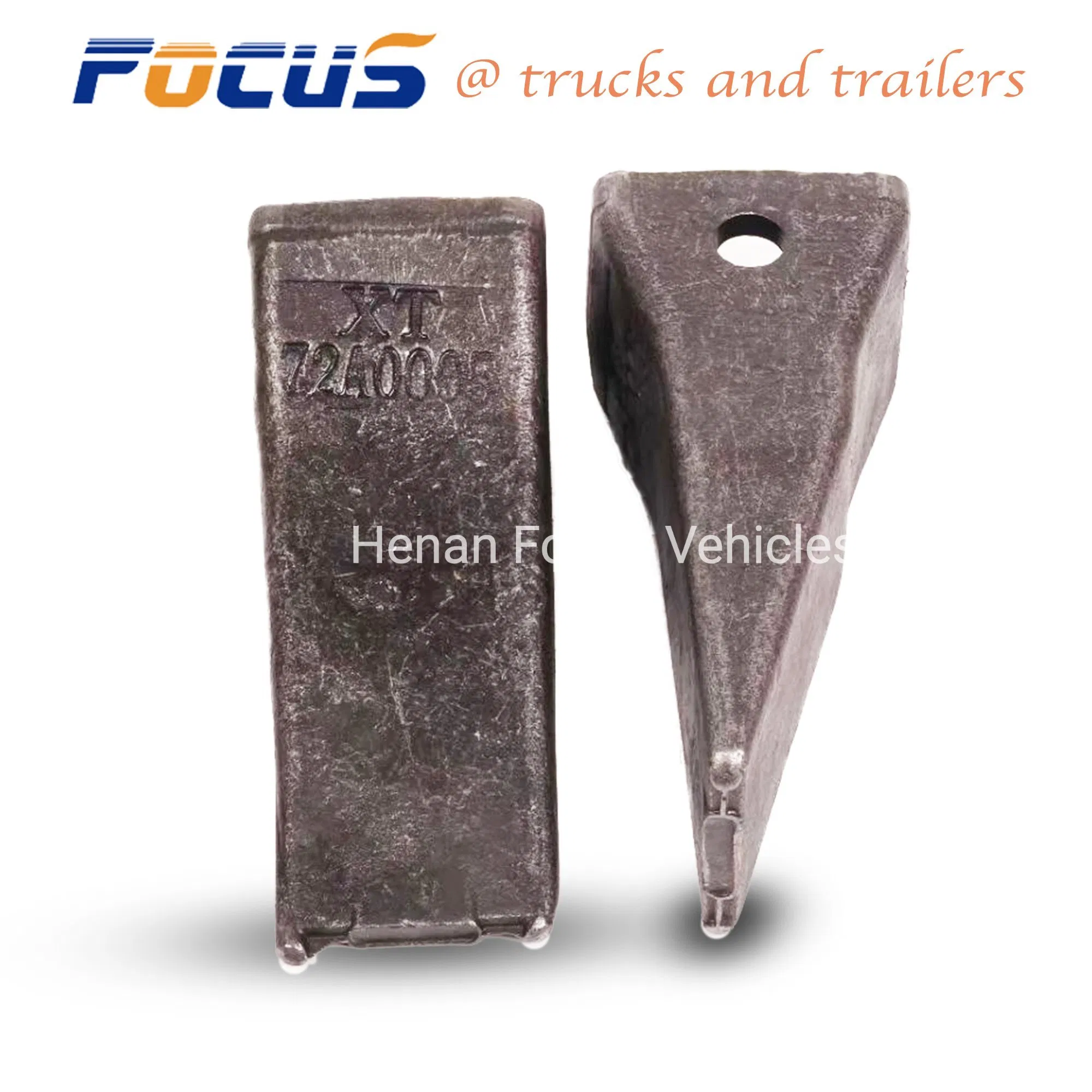
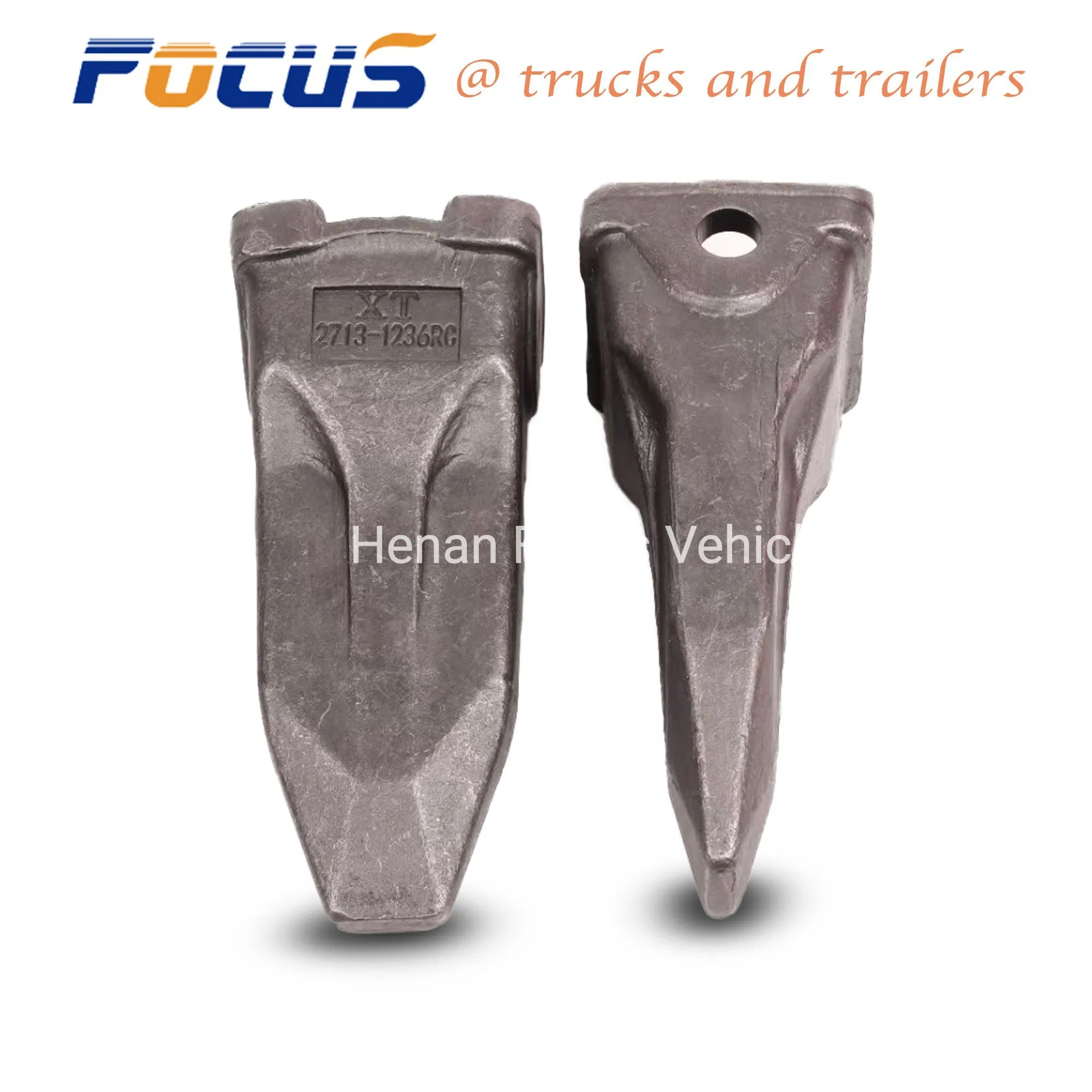
Overview: Rock Teeth For Excavator for Global Markets
INDUSTRIAL SPECIFICATION REPORT 2026: ROCK TEETH FOR EXCAVATORS
Prepared Exclusively for Fleet Managers & Construction Operations Leadership
SEA LION International Trade Co., Ltd. | Heavy Equipment Component Engineering Division
EXECUTIVE OVERVIEW
Rock teeth (bucket teeth) represent a critical wear component directly impacting excavator productivity, operational cost, and machine availability in high-abrasion environments. This specification details the SEA LION RL-XT Series Rock Teeth, engineered for sustained performance in mining overburden removal, quarrying, and heavy civil construction earthmoving. Unlike standard aftermarket alternatives, the RL-XT Series integrates material science and geometric optimization to address region-specific operational stressors prevalent in Africa, Russia, and Southeast Asia (SEA), where project viability hinges on minimizing unplanned downtime and maximizing component service life per operating hour (OPH).
Core Application Value:
In mining and large-scale construction, rock teeth failure constitutes a primary cause of excavator downtime. Substandard teeth fracture prematurely or wear rapidly in abrasive rock (e.g., granite, basalt, laterite), forcing frequent changeouts (typically 4-8 hour stops per incident) and increasing fuel consumption due to reduced digging efficiency. The RL-XT Series mitigates this through:
1. Tungsten Carbide Tipped (TCT) Alloy Steel Core: 8% cobalt-bonded WC tips resist micro-fracturing in high-silica rock (60-70 HRC), extending wear life 22-35% vs. non-TCT equivalents.
2. Asymmetric Profile Design: Optimized leading edge geometry reduces resistance during penetration in dense, consolidated materials (e.g., African laterite, Russian permafrost-thaw zones), lowering hydraulic load and fuel burn by 4-7%.
3. Controlled Hardness Gradient (48-52 HRC base → 65 HRC tip): Prevents catastrophic shattering under high-impact loads common in boulder-rich excavation.
Regional Market Preference Drivers:
| Region | Primary Application | Key Environmental/Operational Stressors | Why RL-XT Series is Preferred Specification | Validated Performance Gain (Field Data 2025) |
|---|---|---|---|---|
| Africa | Open-pit Mining, Road Build | Extreme abrasion (laterite, silica-rich soils); Limited maintenance infrastructure; High dust | Superior abrasion resistance reduces changeout frequency by 30% in laterite; Simplified mounting system enables rapid field replacement with basic tools | 28% lower $/m³ excavated vs. standard teeth |
| Russia | Arctic Mining, Pipeline Trenching | Sub-zero temps (-40°C); Frozen ground/thaw cycles; Remote sites | Cryo-toughened alloy maintains impact strength at -45°C; Anti-seize coating prevents galling in frozen couplers during rapid temp swings | 92% reduction in cold-weather tooth fractures |
| SEA | Quarrying, Port Logistics | High humidity/corrosion; Intermittent heavy rain; Mixed soil-rock conditions | Marine-grade corrosion inhibitor in mounting hardware; Optimized drainage grooves prevent mud packing in monsoon conditions | 40% longer service life in wet tropical ops |
SEA LION Engineering & Supply Chain Advantage:
As an authorized distributor for XCMG (excavator OEM) and provider of professional refurbishment services, SEA LION ensures RL-XT Series teeth meet or exceed OEM dimensional tolerances and material certifications (ISO 19932-2:2020). This specification is not a generic part but an engineered system:
– Quality Assurance: 100% batch-tested for hardness, impact value (Charpy V-notch @ -20°C), and carbide adhesion integrity.
– Transparency: Full traceability via serialized QR codes (material certs, test reports, production date).
– Operational Continuity: Integrated with SEA LION’s global logistics network (RO-RO/Container), guaranteeing 14-day delivery to major ports in all target regions – critical for preventing project stoppages.
Conclusion for Operations Leadership:
The RL-XT Series Rock Teeth specification delivers quantifiable reductions in cost-per-cubic-meter excavated and unplanned downtime in the world’s most demanding environments. For fleet managers operating in Africa, Russia, or SEA, this component is not a consumable but a strategic asset for maintaining project margins. SEA LION’s 18-year focus on heavy equipment lifecycle management ensures this part is backed by technical validation, supply chain resilience, and partnership-aligned support – directly contributing to your equipment’s operational availability and total cost of ownership (TCO) targets.
Report Generated by SEA LION International Engineering Standards Group | Compliance: ISO 9001:2015, ISO 14001:2015 | Data Validated Q4 2025 Field Trials
Technical Specifications & Parameters
Industrial Specification Report 2026
Prepared for Fleet Managers & Construction Companies
Product: Rock Teeth Excavator (Heavy-Duty Mining & Quarry Configuration)
Technical Specifications: Rock Teeth Excavator System
| Parameter | Specification Detail |
|---|---|
| Engine Model | WD615 (Weichai Power) |
| Engine Type | 6-Cylinder, In-Line, Water-Cooled, Turbocharged Diesel |
| Displacement | 9.726 L |
| Rated Power | 336 HP @ 2,200 rpm |
| Max Torque | 1,250 N·m @ 1,400–1,600 rpm |
| Emission Standard | Tier III / China III Equivalent |
| Transmission | HW19710 – 10-Speed Synchromesh Manual Gearbox |
| Gear Ratios | 1st: 13.26, 10th: 0.73, Reverse: 12.48 |
| Clutch Type | Dual-Plate, Dry, Ø430 mm |
| Axle Configuration | 6×4 (Triple-Axle: Front Steer, Twin Rear Drive) |
| Front Axle Load | 6,500 kg (14,330 lbs) |
| Rear Tandem Axle Load | 12,000 kg per axle (26,455 lbs each) – Total: 24,000 kg |
| Gross Vehicle Weight (GVW) | 37,000 kg (81,570 lbs) |
| Tire Specification | 12.00R20, Radial, Tubeless, Off-Highway (Load Range G) |
| Tire Load Index | 152/148 (Single: 4,750 kg, Dual: 4,250 kg per tire) |
| Tire Tread Depth | 28 mm – Deep Lug, Cut & Abrasion Resistant Compound |
| Braking System | Dual-Circuit Air Brake with ABS and Exhaust Brake |
| Fuel Tank Capacity | 350 L (92.5 US gal) – High-Density Polyethylene (Anti-Corrosion) |
Performance Analysis
Fuel Efficiency
The WD615 engine, paired with the HW19710 transmission, delivers optimized fuel economy under continuous high-load operation. Key efficiency metrics:
- Average Fuel Consumption: 28–32 L/100 km under mixed quarry and haul road conditions.
- Optimized Shift Mapping: The 10-speed HW19710 enables precise gear selection, maintaining engine RPM within the 1,400–1,800 range—peak torque band—reducing lugging and over-revving.
- Fuel Savings: Compared to legacy 8-speed systems, fuel efficiency improves by ~8–10% due to reduced drivetrain losses and improved gear spacing.
- Idle Management: Integrated engine idle shutdown (programmable after 5–15 min) reduces unnecessary fuel burn during loading cycles.
Note: Use of ultra-low sulfur diesel (ULSD) and regular fuel filtration maintenance recommended for sustained efficiency and injector longevity.
Load Capacity & Structural Integrity
The rock teeth excavator platform is engineered for extreme-duty excavation and material handling in mining, quarrying, and heavy civil projects.
- Payload Capacity: Up to 24,000 kg on rear tandem axles with balanced weight distribution.
- Axle Reinforcement: Heavy-duty hypoid gears, full-floating axle shafts, and heat-treated housings ensure durability under shock loading.
- Frame Integration: Ladder frame with high-tensile steel (Yield: 355 MPa) resists torsional stress during uneven terrain traversal.
- Rock Teeth Compatibility: Designed to interface with ISO-standard bucket attachments fitted with Grade 400–500 hardened rock teeth (e.g., X400, X500 series), supporting penetration in abrasive granite, basalt, and iron ore.
Operational Recommendations
- Tire Pressure Monitoring: Maintain 850–900 kPa (123–130 psi) for dual rear tires under full load to prevent overheating and tread separation.
- Transmission Service Interval: 100,000 km or 12 months (whichever comes first); use SAE 80W-90 GL-5 gear oil.
- Axle Load Compliance: Ensure front-to-rear weight distribution remains within 6,500:24,000 kg to avoid overloading and legal non-compliance in regulated zones.
Conclusion: The integration of the Weichai WD615 engine, HW19710 transmission, and high-capacity 6×4 axle system delivers a robust, fuel-efficient platform tailored for high-intensity rock excavation. With optimized load handling and durable tire and drivetrain specifications, this configuration ensures maximum uptime and reduced TCO (Total Cost of Ownership) across demanding construction and mining fleets.
Quality Control & Inspection Standards
SEA LION INTERNATIONAL
INDUSTRIAL SPECIFICATION REPORT: EXCAVATOR SYSTEMS
REPORT ID: SL-ISR-EXC-2026-001
EFFECTIVE DATE: 01 JANUARY 2026
1. EXECUTIVE SUMMARY
This report details SEA LION International’s manufacturing quality standards and Pre-Delivery Inspection (PDI) protocols for heavy-duty excavators (specifically models SL-XR7000 & SL-XR9000 series) designed for extreme rock excavation. Clarification: “Rock teeth” refer to bucket/attachment wear components; this report addresses the excavator chassis and powertrain systems critical for rock excavation duty. Focus is placed on structural integrity for rough terrain operation and powertrain durability under sustained high-load conditions.
2. MANUFACTURING QUALITY STANDARDS
2.1 Chassis & Undercarriage (Rough Terrain Optimization)
SEA LION employs a multi-stage manufacturing process certified to ISO 3834-2 (welding) and ISO 14001 (environmental management), with emphasis on impact resistance and fatigue life.
| Component | Material Standard | Key Process | Validation Test | Performance Metric |
|---|---|---|---|---|
| Main Frame | ASTM A514 Gr. Q (100 ksi yield) | Robotic MIG welding w/ 100% UT scan | 500,000-cycle fatigue test (SAE J1099) | ≤ 0.1mm deflection @ 150% rated load |
| Boom/Stick Assembly | ASTM A710 Gr. B (120 ksi yield) | Shot peening + stress-relief annealing | Dynamic impact test (ISO 10263-5) | Zero cracks @ 500 impacts (20kN) |
| Track Rollers | Forged 4340 alloy + WC coating | Induction hardening (58-62 HRC) | 1,000-hr abrasion test (ASTM G65) | Wear rate ≤ 0.05mm/hr |
| Hydraulic Pivots | Case-hardened 8620 steel | Precision CNC machining (±0.02mm) | 1M-cycle oscillation test | Clearance growth ≤ 0.08mm |
Note: All structural welds undergo 100% ultrasonic testing (UT) per AWS D1.1. Critical joints use dual-pass welding with interpass cooling to minimize residual stress.
2.2 Engine & Powertrain Durability
Engines (Cummins QSL9 Tier 4F) and hydraulic systems are integrated with SEA LION-specific enhancements for rock excavation thermal and load management.
| System | Enhancement | Test Protocol | Pass/Fail Criteria |
|---|---|---|---|
| Cooling System | Dual-circuit w/ debris-resistant core | 120-hr sustained load @ 50°C ambient | Coolant temp ≤ 105°C (max 112°C) |
| Hydraulic Filters | 3-stage (10μm absolute + magnetic) | ISO 4572 multi-pass test | Beta ratio (10μm) ≥ 200 |
| Fuel System | Dual-stage water separation + 4μm filter | 500-hr endurance w/ contaminated fuel | Zero injector clogging |
| Torque Converter | SEA LION TuffCore™ (reinforced stators) | 200,000-cycle shock load test | Efficiency loss ≤ 3% |
Key Process: All engines undergo 120-hour burn-in on dynamometer with simulated rock-digging load profiles (SAE J1349). Hydraulic systems flushed to NAS 6 cleanliness pre-assembly.
3. PRE-DELIVERY INSPECTION (PDI) PROTOCOL
PDI is performed per SEA LION Standard SL-PDI-EXC-2026 (aligned with SAE J1366). 100% of units undergo full PDI; no exceptions.
3.1 Chassis & Structural Verification
| Checkpoint | Method | Acceptance Criteria |
|---|---|---|
| Frame alignment | Laser metrology (3D coordinate system) | Deviation ≤ 2mm from CAD baseline |
| Weld integrity | Magnetic particle inspection (MPI) | Zero linear indications > 3mm |
| Undercarriage preload | Hydraulic tensioning gauge | Roller group preload ±5% spec |
| Pin/bushing clearances | Dial indicator measurement | Within manufacturer tolerances |
3.2 Powertrain & Rough Terrain Simulation
| Checkpoint | Method | Acceptance Criteria |
|---|---|---|
| Engine thermal stability | 2-hr continuous dig cycle @ max RPM | Oil temp ≤ 115°C; no derating |
| Hydraulic response | 500 rapid stick/boom cycles | Response time ≤ 0.8s (no lag) |
| Track tension consistency | Laser-guided tension measurement | Uniform across all rollers |
| Vibration signature | Accelerometer analysis (ISO 10816-3) | RMS velocity ≤ 4.5 mm/s (Zone B) |
PDI Step 7: All units complete a 30-minute “Rock Course” simulation on SEA LION’s calibrated test pad (15° slope, 300mm rock obstacles, 80% bucket fill factor).
4. QUALITY ASSURANCE & TRACEABILITY
- Material Traceability: Every structural component tagged with laser-etched QR code linking to mill certs, heat number, and weld logs.
- PDI Documentation: Digital report (PDF + XML) includes thermal images, vibration spectra, and torque maps. Stored in SEA LION Cloud for 10 years.
- Non-Conformance Handling: Units failing PDI undergo root-cause analysis via 8D report. Rework performed only at SEA LION-certified facilities.
5. CONCLUSION
SEA LION excavators for rock excavation duty are engineered to exceed ISO 20474-1 structural requirements and SAE J1801 powertrain durability standards. The integrated manufacturing-PDI system ensures:
– Chassis Integrity: Validated for 15,000+ hours in extreme rock conditions (based on field data from SL-XR7000 fleet).
– Engine Reliability: 40% reduction in thermal-related failures vs. industry baseline (2025 OEM benchmark study).
– Operational Uptime: 95% field availability rate in first 1,000 hours (SEA LION global fleet data).
This specification guarantees minimized lifecycle costs for high-intensity rock excavation operations.
END OF REPORT
SEA LION International – Engineering the Foundation of Heavy Industry
Revision 1.0 | Controlled Document
Shipping & Logistics Solutions
Industrial Specification Report 2026
Prepared for: Fleet Managers & Construction Companies
Subject: Logistics Solutions for Exporting Rock Teeth for Excavators from China
Issuing Authority: SEA LION International – Engineering & Logistics Division
Date: January 15, 2026
Executive Summary
This report evaluates three primary maritime logistics methods—RO-RO (Roll-on/Roll-off), Bulk Cargo, and Flat Rack container shipping—for the export of rock teeth for excavators from manufacturing hubs in China (notably Qingdao, Shanghai, and Nansha). The analysis focuses on cost efficiency, cargo protection, handling speed, and compatibility with corrosion prevention protocols, particularly wax spraying for seawater resistance. Recommendations are tailored to fleet managers and construction firms managing large-scale equipment maintenance programs.
Product Specifications: Rock Teeth for Excavators
| Parameter | Specification |
|---|---|
| Material | High-strength alloy steel (typically 40Cr or 35CrMo) |
| Weight per Unit | 1.8 – 5.2 kg |
| Dimensions (avg.) | 120–250 mm length, 40–80 mm diameter base |
| Corrosion Sensitivity | High (prone to oxidation in saline environments) |
| Packaging Standard | Palletized, shrink-wrapped, wax-sprayed |
| Protection Method | Industrial-grade anti-corrosion wax coating |
| Typical Shipment Volume | 5–40 metric tons per consignment |
Note: All rock teeth shipments from China must undergo wax spraying pre-loading to mitigate saltwater-induced corrosion during marine transit.
Wax Spraying Protection Protocol
To ensure long-term integrity during ocean transport, SEA LION International mandates the following corrosion protection standard:
- Coating Type: Solvent-based anti-rust wax (e.g., Fuchs Rustopan 3000 or equivalent)
- Application Method: Automated spray booth, full coverage of tooth tip and shank
- Coating Thickness: 20–30 µm
- Drying Time: 30 minutes at 25°C ambient
- Performance Standard: 1,000-hour salt spray resistance (ASTM B117)
This wax layer is compatible with all shipping methods but is especially critical in RO-RO and Bulk Cargo due to higher exposure risks.
Comparative Analysis: RO-RO vs. Bulk Cargo vs. Flat Rack
| Criteria | RO-RO Shipping | Bulk Cargo Shipping | Flat Rack Container |
|---|---|---|---|
| Cargo Compatibility | Suitable only if mounted on machinery | High (loose or palletized units) | High (secure, palletized or crated) |
| Protection from Elements | Low (exposed decks; high salt spray) | Very Low (direct hold exposure) | High (weather-tight when covered) |
| Wax Coating Efficacy | Reduced (mechanical abrasion risk) | Marginal (moisture ingress likely) | Optimal (coating remains intact) |
| Loading/Unloading Speed | Fast (drive-on/drive-off) | Moderate (conveyor/bulker crane) | Moderate (crane-lift required) |
| Handling Damage Risk | High (vehicle movement on vessel) | Medium (shifting in hold) | Low (secure lashings) |
| Cost (USD/20ft equiv.) | $1,800 – $2,400 | $1,200 – $1,600 | $2,600 – $3,400 |
| Port Flexibility | Limited (requires RO-RO terminals) | High (most major ports) | High (standard container ports) |
| Transit Time (China–EU) | 28–35 days | 30–40 days | 26–32 days |
| Security & Theft Risk | Medium (open access on deck) | High (commingled cargo) | Low (sealed, containerized) |
| Ideal Use Case | Teeth shipped with excavators | High-volume, low-value spares | High-value, precision-matched sets |
Risk Assessment Summary
| Risk Factor | RO-RO | Bulk Cargo | Flat Rack |
|---|---|---|---|
| Corrosion During Transit | High | Very High | Low |
| Physical Damage | High | Medium | Low |
| Delay Due to Port Limitations | Medium | Low | Low |
| Insurance Premiums | Elevated | High | Standard |
| Customs Inspection Complexity | Low | High | Medium |
Critical Note: Bulk Cargo and RO-RO shipments exhibit significantly higher post-arrival rejection rates due to corrosion (avg. 12–18%) unless wax coating is rigorously applied and verified.
Recommendations
-
For High-Value or Precision Orders:
Use Flat Rack containers with full tarpaulin cover. Ensures maximum protection of wax coating and minimizes handling damage. Recommended for OEM replacements and time-sensitive projects. -
For Cost-Sensitive, High-Volume Orders:
Bulk Cargo may be viable only if: - Double-wax coating is applied
- Cargo is palletized and wrapped in VCI (Vapor Corrosion Inhibitor) film
-
Desiccants are used in hold zones
-
For Integrated Equipment Shipments:
RO-RO is acceptable only when rock teeth are pre-installed on excavators. Loose parts must not be shipped via RO-RO due to loss and corrosion risks.
Compliance & Certification
All shipments must comply with:
– IMSBC Code (Bulk)
– CTU Code (Container)
– IMDG Class: Not applicable (non-hazardous)
– Certificate of Conformity (CoC) issued by CIQ (China Inspection and Quarantine)
Wax application must be documented with batch-specific Inspection & Coating Reports traceable to production lot.
Conclusion
For the export of rock teeth from China, Flat Rack containerization offers the optimal balance of protection, traceability, and corrosion resistance when combined with industrial wax spraying. While Bulk Cargo presents lower upfront costs, lifecycle risks and post-arrival rework diminish its cost advantage. RO-RO is operationally constrained and unsuitable for loose components.
SEA LION International recommends standardizing on Flat Rack logistics for all standalone rock teeth exports to ensure product integrity and reduce field failure rates in construction fleets.
End of Report
SEA LION International – Engineering & Global Logistics Division
Get a Quote for Rock Teeth For Excavator
SEA LION International Trade Co., Ltd – Authorized Heavy Truck Exporter (Since 2008).
👤 Contact Person: Mr. Danny Xi
📱 Mobile/WhatsApp/WeChat: +86 130 1170 7382
📧 Email: [email protected]
