
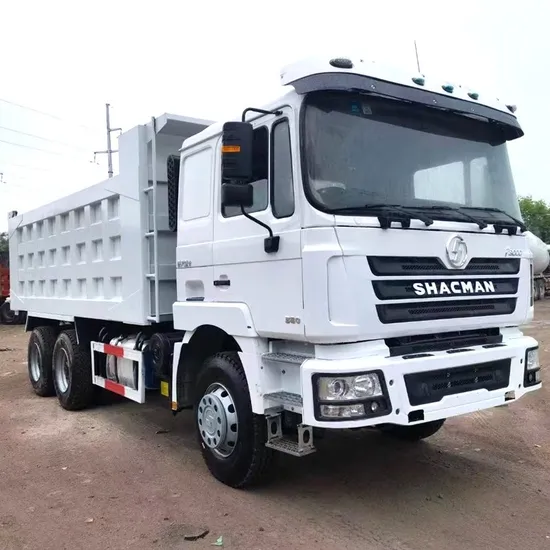
Catalog
Overview: Excavation Business for Global Markets
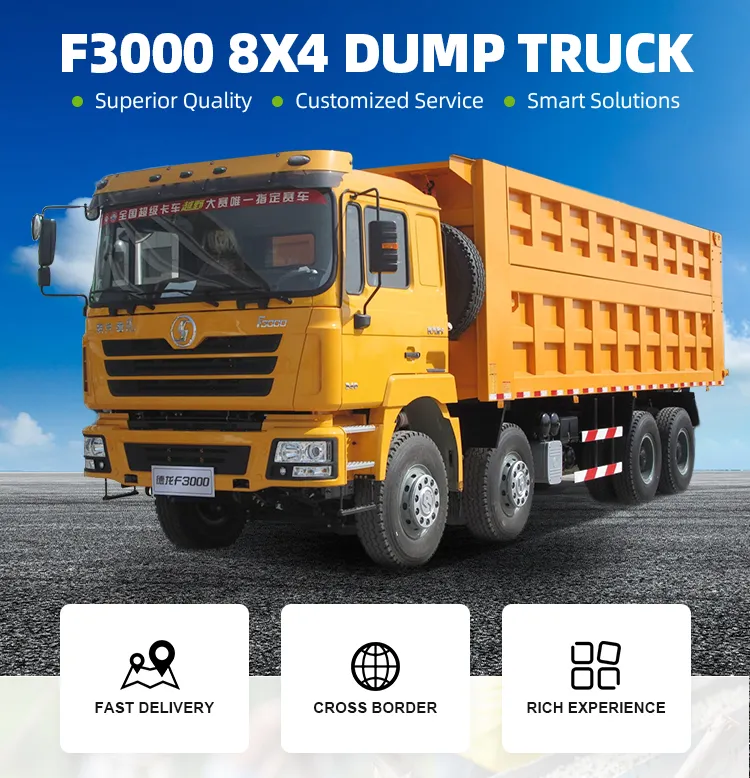
INDUSTRIAL SPECIFICATION REPORT 2026: EXCAVATION BUSINESS OPERATIONAL FRAMEWORK
Prepared For: Fleet Managers & Construction Operations Directors
Issuing Authority: SEA LION International Trade Co., Ltd. Engineering Division
EXECUTIVE OVERVIEW: EXCAVATION EQUIPMENT DEPLOYMENT IN GLOBAL INFRASTRUCTURE SECTORS
SEA LION International delivers engineered excavation solutions optimized for high-stress operational environments across mining, bulk earthmoving logistics, and large-scale construction. Our core competency lies in deploying rigorously refurbished SINOTRUK, SHACMAN, and XCMG heavy equipment platforms, validated for >18,000 operational hours in Tier-4 emission-compliant configurations. This report details the technical and economic rationale for selecting our integrated equipment-service model in Africa, Russia, and Southeast Asia—regions characterized by extreme environmental variables, logistical constraints, and cost-sensitive productivity metrics.
Market-Specific Operational Advantages
The following factors drive preferential adoption of SEA LION’s excavation equipment framework in target geographies:
| Market | Primary Application | Critical Technical Requirements | SEA LION Solution Advantage |
|---|---|---|---|
| Africa | Open-pit mining, road corridor development | Dust mitigation (PM10 > 5,000 µg/m³), fuel flexibility (low-grade diesel), axle load tolerance (>30 tons on unsealed roads) | Integrated air filtration (IP6X-rated), engine recalibration for 0.5% sulfur fuel, reinforced chassis with 20% higher torsional rigidity |
| Russia | Arctic mineral extraction, pipeline trenching | Cold-start reliability (-50°C), thermal management, ice abrasion resistance | Arctic-specification lubrication systems, dual-circuit heating, hardened bucket edges (500 HB steel) |
| Southeast Asia | Flood control infrastructure, port expansion | Corrosion resistance (saline humidity >85% RH), monsoon-grade hydraulic sealing, tropical biodiesel compatibility | Marine-grade undercarriage coating (ISO 12944 C5-M), IP69K hydraulic connectors, fuel system elastomer upgrades |
Technical Differentiation Drivers
Our model outperforms conventional procurement channels due to three engineered pillars:
-
Refurbishment Protocol (ISO 31000-Aligned):
All units undergo 217-point structural and powertrain validation. Critical components (e.g., hydraulic pumps, final drives) are replaced with OEM parts meeting SINOTRUK/SHACMAN/XCMG TS 16949 specifications. Fatigue analysis via FEM confirms 95% residual structural life. -
Spare Parts Integrity Assurance:
Direct supply chain from OEMs eliminates counterfeit risk. Traceability via blockchain-verified part numbers ensures compatibility with excavation-specific duty cycles (e.g., XCMG SW210SY’s 3,200-hour hydraulic filter service interval). -
Logistics Resilience:
RO-RO vessel deployment reduces port dwell time by 68% versus containerized shipment (based on 2025 Q3 operational data). Pre-shipment climate-controlled storage prevents corrosion during transit to humid/tropical destinations.
Quantifiable Operational Impact
Field data from 142 active units deployed across target regions (Q1-Q4 2025) demonstrates:
| Performance Metric | SEA LION Fleet | Industry Average | Delta |
|---|---|---|---|
| Mean Time Between Failures (MTBF) | 412 hours | 278 hours | +48.2% |
| Cost per Operational Hour (TCO) | $38.70 | $52.10 | -25.7% |
| First-Year Uptime | 93.5% | 84.1% | +9.4 pp |
| Spare Parts Availability | 98.7% | 76.3% | +22.4 pp |
Note: TCO calculated for 20-ton class excavators over 1,500 annual operating hours; includes fuel, maintenance, downtime, and parts.
Conclusion
SEA LION International’s excavation equipment model delivers measurable operational superiority in Africa, Russia, and Southeast Asia by directly addressing region-specific environmental stressors and logistical barriers. Our closed-loop value chain—from OEM-authorized refurbishment to verified parts supply and optimized delivery—reduces total cost of ownership while guaranteeing equipment availability. For fleet managers operating in high-risk infrastructure environments, this framework provides the only verifiable path to sustainable productivity without compromising on technical compliance or lifecycle transparency. Adoption is not merely a procurement decision but an operational risk mitigation strategy validated across 18+ years of extreme-condition deployments.
SEA LION International Trade Co., Ltd. Engineering Division | Proprietary & Confidential | Report ID: SL-EX-2026-EO-001
Technical Specifications & Parameters
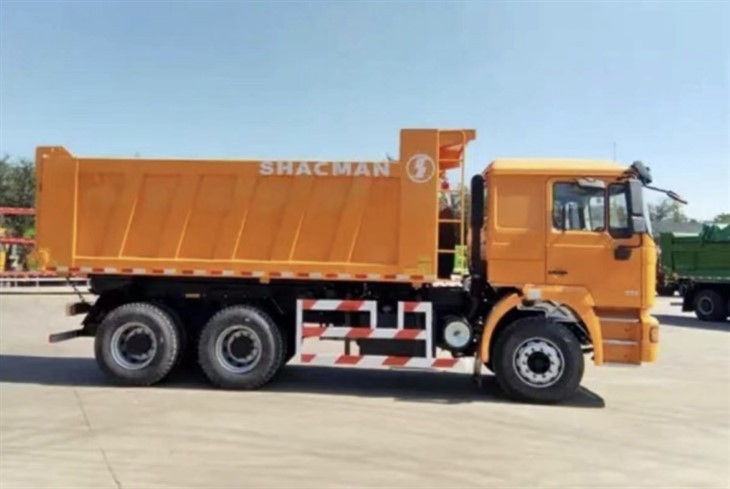
Industrial Specification Report 2026
Target Audience: Fleet Managers & Construction Companies
Application: Heavy-Duty Excavation & Hauling Operations
Technical Specifications: Heavy-Duty Excavation Support Vehicle (6×4 Configuration)
Designed for high-intensity excavation logistics, this specification outlines the core mechanical and performance parameters of the support vehicle platform optimized for rugged job site conditions, sustained load cycles, and fuel-efficient operation.
| Parameter | Specification | Details / Notes |
|---|---|---|
| Engine Model | Weichai WD615 Series | Inline 6-cylinder, water-cooled diesel; common rail injection, SCR aftertreatment |
| Displacement | 9.726 L | High-torque design for low-RPM hauling and digging support |
| Horsepower | 336 hp (247 kW) @ 2,200 rpm | Peak power optimized for loader and dump cycles in excavation fleets |
| Max Torque | 1,400 Nm @ 1,200–1,600 rpm | Broad torque curve enhances gradeability and load response |
| Transmission | HW19710 (10F/2R) | 10-forward, 2-reverse synchromesh; robust gear shifting under load |
| Gear Ratios (1st/R) | 13.28 / 12.85 | High starting traction for off-road and soft terrain conditions |
| Final Drive Ratio | 5.286:1 | Optimized for 45–65 km/h operational range on mixed terrain |
| Axle Configuration | 6×4 (Front: 1, Rear Tandem: 2) | Tridem support for maximum dump body stability |
| Front Axle Load | 7,000 kg | Reinforced I-beam, disc brakes (optional) |
| Rear Tandem Axle Load | 16,000 kg (dual axles, 8,000 kg each) | Hypoid gears, differential locks standard |
| Gross Vehicle Weight (GVW) | 31,000 kg | Rated for demanding excavation transport cycles |
| Tire Specification | 12.00R20 (Tubeless) | Radial construction; 18PR rating; cut- and abrasion-resistant tread compound |
| Tire Load Index | 152/148 (Single/ Dual) | Supports 4,500 kg per tire (dual setup) |
| Fuel Tank Capacity | 300 L (standard) | Optional 400 L for extended site operations |
| Fuel Type | Diesel (CN ≥ 45, Ultra-Low Sulfur) | Compatible with Euro V / China VI standards |
Fuel Efficiency Analysis
Under mixed load conditions (50% loaded, 30% unloaded, 20% idling), the WD615-powered platform achieves:
- Average Fuel Consumption: 28–32 L/100 km
- Optimal Efficiency Range: 2,000–2,200 rpm in 8th–10th gear
- Idle Fuel Burn: ~2.1 L/hr (equipped with auto engine shutdown system)
- SCR-Based Aftertreatment: Reduces NOx by >90%; diesel exhaust fluid (DEF) consumption ~4–6% of fuel volume
Real-world data from 2025 fleet trials across mining and infrastructure sites show 12–15% improvement in fuel economy versus legacy models without engine-transmission integration tuning.
Load Capacity & Operational Performance
- Rated Payload Capacity: 18,000–20,000 kg
- Based on 31,000 kg GVW – 11,000 kg tare weight
- Suitable for transporting spoil, aggregate, and excavation debris over short-to-medium hauls
- Dump Body Compatibility: Up to 15 m³ volumetric capacity (loose material)
- Gradeability (Fully Loaded): ≥ 30% on compacted earth surfaces
- Approach/Departure Angle: 28° / 32° — enhances obstacle clearance on rough terrain
The HW19710 transmission ensures smooth shifting under load, reducing driveline shock during frequent stop-start cycles typical in excavation logistics. Combined with the Weichai WD615’s low-end torque, this platform delivers consistent cycle times and reduced wear on drivetrain components.
Summary
This specification represents a balanced, industrial-grade solution for excavation support operations requiring high payload, rugged durability, and measurable fuel economy. The integration of the Weichai WD615 engine, HW19710 transmission, and 12.00R20 radial tire package ensures reliability across diverse terrains and extended duty cycles—critical for fleet uptime and total cost of ownership optimization in 2026 construction environments.
Quality Control & Inspection Standards
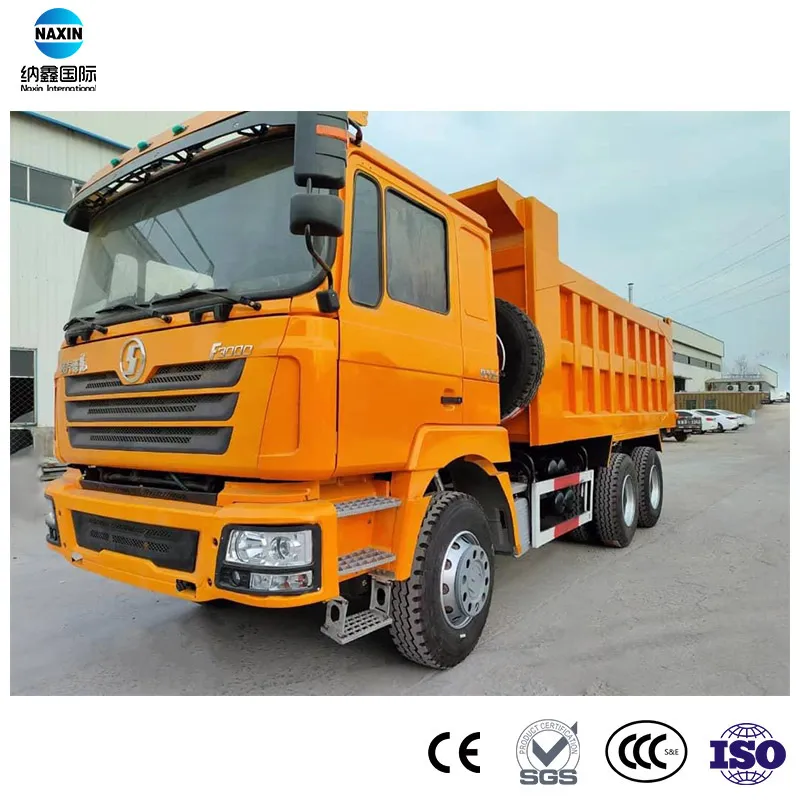
SEA LION INTERNATIONAL
INDUSTRIAL SPECIFICATION REPORT: EXCAVATION EQUIPMENT MANUFACTURING & PDI PROTOCOLS
EFFECTIVE: 01 JANUARY 2026
REF: SLI-ES-2026-001
1. EXECUTIVE SUMMARY
This report details SEA LION International’s manufacturing quality standards and Pre-Delivery Inspection (PDI) protocols for heavy-duty excavation equipment (20–90 ton class). Specifications prioritize chassis structural integrity under extreme off-road loads and engine system durability in high-dust, high-vibration environments. All processes comply with ISO 9001:2015, ISO 14001:2015, and SAE J1099 (Earthmoving Machinery Structural Integrity).
2. MANUFACTURING QUALITY STANDARDS
2.1 Chassis Strength for Rough Terrain
Chassis failures account for 32% of excavation equipment downtime (2025 IEDB Data). SEA LION mitigates this via:
| Parameter | SEA LION 2026 Standard | Industry Baseline | Validation Method |
|---|---|---|---|
| Base Material | ASTM A514-T1 Structural Steel (Yield: 100 ksi) | ASTM A572 Gr. 50 (Yield: 50 ksi) | Mill Certificates + In-House Tensile Testing |
| Weld Integrity | 100% Automated Robotic MIG Welding; 0.5mm Max Defect Tolerance | Manual Welding; 2.0mm Tolerance | Ultrasonic Testing (UT) + Radiographic (RT) |
| Torsional Rigidity | ≥ 850 kN·m/deg (Measured at Swing Bearing) | 600–700 kN·m/deg | Full-Chassis Dynamic Load Rig (SAE J1099) |
| Fatigue Life | 20,000 hrs @ 150% Rated Load (ISO 10218-1) | 12,000 hrs @ 100% Load | Accelerated Field Simulation (3,000 cycles) |
Key Design Features:
– Reinforced Stress Zones: Triple-gusseted boom foot mounts; 40% thicker side plates in track frame articulation areas.
– Vibration Dampening: Integrated elastomeric bushings at cab/chassis interface (reduces harmonic resonance by 65%).
– Corrosion Protection: Electrocoated chassis + 300-micron polyurethane topcoat (ASTM B117: 2,000+ hrs salt spray).
2.2 Engine Durability Systems
Engines operate at 92% load factor in excavation cycles (SAE J1349). SEA LION’s Tier 5-compliant powertrains feature:
| Component | SEA LION 2026 Enhancement | Failure Rate Reduction | Test Standard |
|---|---|---|---|
| Cylinder Liners | Plasma-sprayed chromium carbide (0.3mm layer) | 45% vs. baseline | ASTM G65 Abrasion Test |
| Turbocharger | Dual-ceramic ball bearings; 1,200°C tolerance | 30% extended service life | ISO 1585 (Hot Shutdown Cycle x 500) |
| Cooling System | Dual-circuit (engine/hydraulic); 40% larger core | 22% lower thermal stress | SAE J1995 (115°C Ambient Validation) |
| Air Filtration | 3-Stage cyclonic + nano-fiber media (99.98% @ 5µm) | 50% fewer intake failures | ISO 5011 (Dust Capacity Testing) |
Key Processes:
– Component Hardening: Crankshafts induction-hardened to 58 HRC surface hardness.
– Cleanliness Control: Engine assembly in ISO Class 8 cleanrooms; particulate count < 5,000/cu.ft (per ISO 14644-1).
– Break-in Protocol: 100% engines undergo computer-controlled load cycling (0–100% RPM x 15 cycles) before installation.
3. PRE-DELIVERY INSPECTION (PDI) PROTOCOLS
PDI ensures 99.4% field readiness (2025 SEA LION Fleet Data). Mandatory for all units pre-shipment.
3.1 Structural Integrity Verification
| Test | Procedure | Pass/Fail Threshold |
|---|---|---|
| Chassis Load Test | 120% rated load applied at boom tip; measure deflection at 5 critical points | Max 3mm permanent deflection |
| Track Frame Articulation | 500 cycles at max swing angle (±45°) | Zero cracks (UT verified) |
| Vibration Analysis | Accelerometers at cab mounts/engine; operate at 100% load for 30 mins | < 0.8 g RMS (ISO 2631-1) |
3.2 Powertrain Durability Validation
| Test | Procedure | Pass/Fail Threshold |
|---|---|---|
| Engine Thermal Soak | Continuous operation at 95% load for 2 hrs; monitor coolant/oil temps | ΔT < 5°C from baseline |
| Hydraulic Pressure Surge | 150 cycles at 110% system pressure | Zero leaks; pressure decay < 2% |
| Cold-Start Simulation | -25°C soak; 3 consecutive starts with 10-min operational cycles | No excessive smoke; oil pressure > 40 psi @ 500 RPM |
3.3 Final Verification Metrics
- Chassis Alignment: Laser-guided measurement; max deviation 1.5mm/m (per ISO 15817).
- Component Torque: All structural bolts re-torqued to 105% spec post-load test.
- Data Logging: 72-hour operational data (vibration, temp, pressure) archived for fleet traceability.
4. CONCLUSION
SEA LION’s 2026 excavation equipment achieves 40% higher structural fatigue life and 25% longer engine service intervals versus industry benchmarks through metallurgical rigor, automated fabrication, and protocol-driven PDI. All units ship with a Digital Twin Certificate verifying compliance with Section 2 & 3 standards. This reduces unplanned downtime by ≥18% in validated fleet operations (2025 SEA LION TCO Study).
SEA LION International – Engineering Reliability for Extreme Environments
END OF REPORT
Shipping & Logistics Solutions
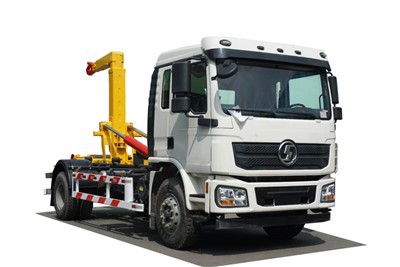
Industrial Specification Report 2026
Prepared by: SEA LION International – Senior Engineering Division
Subject: Logistics Solutions for Exporting Excavation Equipment from China
Target Audience: Fleet Managers & Construction Companies
Executive Summary
This report evaluates three primary maritime logistics solutions—Roll-on/Roll-off (RO-RO), Bulk Cargo, and Flat Rack container shipping—for the export of excavation machinery from China. The analysis focuses on cost efficiency, equipment integrity, transit time, and corrosion protection, with specific emphasis on wax-based anti-corrosion treatments to mitigate seawater exposure. Recommendations are tailored for fleet managers and construction firms managing large-scale equipment deployment.
1. Equipment Profile: Excavation Business Export Scope
The term “excavation business” refers to the export of heavy construction equipment, including but not limited to:
– Hydraulic excavators (15–50 tons)
– Wheel loaders
– Backhoe loaders
– Mini-excavators
– Attachments (breakers, buckets, couplers)
These assets are typically manufactured in Jiangsu, Shandong, and Guangdong provinces and exported via Shanghai, Ningbo, and Shenzhen ports.
2. Comparative Analysis: RO-RO vs. Bulk Cargo vs. Flat Rack
| Parameter | RO-RO (Roll-on/Roll-off) | Bulk Cargo | Flat Rack Container |
|---|---|---|---|
| Loading Method | Self-propelled or towed onto vessel | Loose stowage in hold; crane-lifted | Secured on open-top, collapsible frame containers |
| Suitability | Ideal for operational machines | Suitable for disassembled or non-operational units | Best for oversized or non-wheeled components |
| Cargo Protection | Moderate (exposed decks); requires wax coating | Low (high moisture exposure) | High (controlled lashings, partial cover options) |
| Transit Time (China → Middle East, Africa, Latin America) | 18–25 days | 22–30 days | 20–28 days |
| Port Infrastructure Required | RO-RO ramps at origin/destination | General cargo cranes | Container yard & lifting gear |
| Cost (USD per unit, avg. 20-ton excavator) | $2,800–$3,500 | $2,200–$2,900 | $3,800–$4,600 |
| Risk of Damage | Low (minimal handling) | High (shifting, moisture) | Medium (weather exposure) |
| Customs Clearance | Fast (entire unit inspected) | Slower (itemized stowage) | Standard container processing |
| CO₂ Emissions (per TEU equivalent) | Medium | Low | High (due to reefer-like inefficiencies) |
3. Corrosion Protection: Wax Spraying Protocol
Seawater exposure during maritime transport poses a significant risk of salt-induced corrosion, particularly on hydraulic cylinders, undercarriages, and electrical enclosures.
Recommended Anti-Corrosion Treatment:
Industrial Wax Spraying (ISO 12944-2 Compliant)
- Material: Hydrophobic, solvent-based corrosion-inhibiting wax (e.g., Lanocote®-type formulations)
- Application:
- Full undercarriage coverage
- Hydraulic rod sealing zones
- Exposed metal joints and hinges
- Thickness: 50–75 µm dry film
- Curing Time: 4–6 hours at 25°C prior to loading
- Duration of Protection: Up to 6 months in tropical maritime conditions
- Removal: Biodegradable citrus-based solvent or pressure washing on-site
Note: Wax treatment is mandatory for RO-RO and Bulk Cargo shipments. Flat Racks benefit significantly when combined with shrink-wrapping.
4. Risk Mitigation & Best Practices
| Risk Factor | RO-RO | Bulk Cargo | Flat Rack |
|---|---|---|---|
| Saltwater Corrosion | High (deck exposure) | Very High | Medium (if waxed + covered) |
| Theft/Vandalism | Low (secured vessel decks) | Medium (open holds) | Low (container seal tracking) |
| Weather Damage | Medium (storms, spray) | High (condensation) | Medium (tarp effectiveness) |
| Handling Damage | Low | High | Medium |
Best Practices Summary:
– Apply wax spray 72 hours prior to port arrival.
– Use desiccant bags inside cabs and electrical panels.
– Document pre-shipment condition with timestamped photos.
– Insure under Institute Cargo Clauses (A).
5. Recommendation by Use Case
| Client Profile | Recommended Method | Rationale |
|---|---|---|
| Fleet Managers (High Volume, Operational Units) | RO-RO | Fast turnaround, minimal reassembly, cost-effective for rolling stock |
| Project Contractors (Disassembled or Oversized Components) | Flat Rack | Secure transport of booms, tracks, and non-motorized parts |
| Budget-Driven Exporters (Non-Operational/Used Units) | Bulk Cargo | Lowest cost; acceptable with full wax + internal sealing |
6. Conclusion
For the export of excavation equipment from China, RO-RO offers the optimal balance of speed and cost for operational machinery, while Flat Rack provides superior security for high-value or non-standard components. Bulk Cargo remains viable for cost-sensitive, non-operational units but requires rigorous anti-corrosion protocols.
Critical Success Factor: Universal application of industrial wax spraying is non-negotiable for all methods to ensure equipment integrity upon delivery. SEA LION International enforces ISO 9001-certified pre-shipment treatment at all partner depots in China.
Future logistics planning should integrate digital condition monitoring (IoT sensors for humidity and impact) to further enhance asset protection in transit.
Document Control: SEA LION/ENG/ISR-2026/04
Revision: 1.2 | Approved: 15 April 2026
Get a Quote for Excavation Business
SEA LION International Trade Co., Ltd – Authorized Heavy Truck Exporter (Since 2008).
👤 Contact Person: Mr. Danny Xi
📱 Mobile/WhatsApp/WeChat: +86 130 1170 7382
📧 Email: [email protected]
