
Catalog
Overview: Used Truck Beds for Global Markets
INDUSTRIAL SPECIFICATION REPORT 2026: EXECUTIVE OVERVIEW
Subject: Refurbished Heavy-Duty Truck Beds for Mining, Logistics & Construction Applications
Prepared For: Fleet Managers & Construction Operations Leadership
Core Application & Operational Value
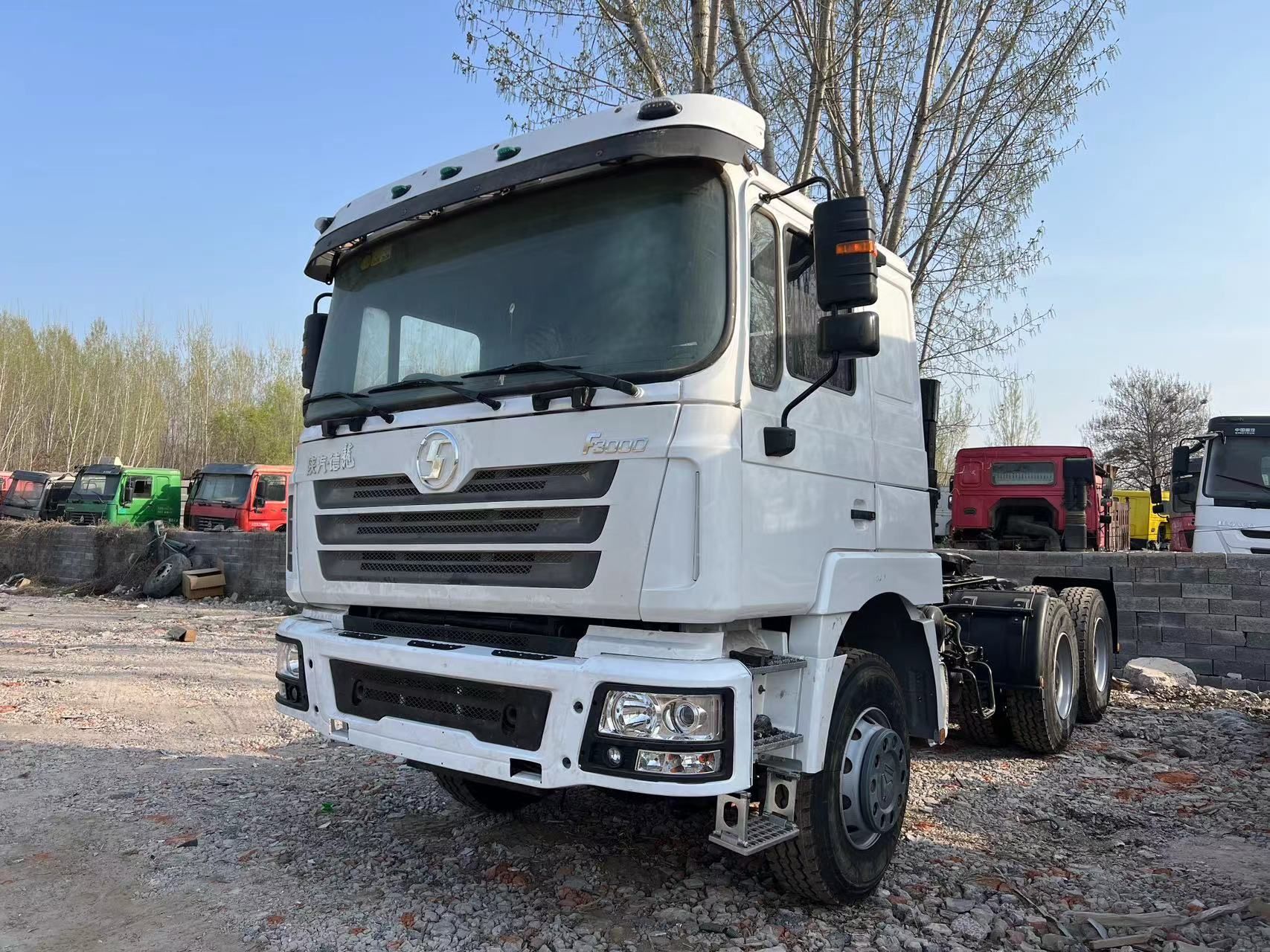
Refurbished heavy-duty truck beds from SEA LION International represent a critical asset class for cost-optimized fleet operations in high-abrasion, high-payload environments. Our rigorously reconditioned beds (primarily sourced from SINOTRUK HOWO, SHACMAN F3000/F5000, and XCMG platforms) are engineered to meet Tier-2 operational demands in three core sectors:
- Mining: Hauling overburden, ore, and tailings on unpaved, uneven terrain. Key requirements include abrasion-resistant steel decks (AR400/450), reinforced cross-members, and corrosion protection for chemical exposure.
- Construction: Transporting aggregates, demolition debris, and heavy equipment on urban/rural job sites. Critical factors are payload capacity (30-50T range), rapid tare weight minimization, and structural integrity under dynamic loading.
- Bulk Logistics: Long-haul transport of minerals, timber, and bulk commodities. Dominated by durability against road vibration, thermal cycling, and compatibility with standardized loading/unloading infrastructure.
Regional Market Preference: Africa, Russia, Southeast Asia
This specific class of refurbished truck beds demonstrates superior market alignment in Africa, Russia, and Southeast Asia due to engineered resilience against localized operational extremes and total cost of ownership (TCO) advantages. SEA LION’s 18+ years of export experience validates these regions prioritize:
- Infrastructure Adaptability: Tolerance for poorly maintained roads, extreme grades, and minimal service networks.
- Parts Ecosystem Integration: Seamless compatibility with widely available OEM spare parts (leveraging SINOTRUK/SHACMAN/XCMG’s dominant regional service networks).
- Climate Resilience: Performance under high ambient temperatures (>50°C), sub-zero cold (-40°C), or high-humidity/corrosive environments.
- Capital Efficiency: Significantly lower acquisition cost vs. new (35-50% savings) without proportional reduction in service life (validated 5-7 year operational expectancy post-refurb).
Key Regional Operational Drivers & Truck Bed Performance Alignment
| Region | Primary Application | Key Environmental Challenge | Preferred Truck Bed Attributes (SEA LION Refurb Standard) | TCO Driver |
|---|---|---|---|---|
| Africa | Mining / Bulk Haul | Extreme dust, high temps, corrugated tracks | Sealed hydraulic systems; AR450 steel decks; reinforced suspension mounts; simplified electrical | 40% lower initial cost; 95% parts availability via local SINOTRUK hubs |
| Russia | Remote Logistics / Mining | Sub-zero temps (-40°C), permafrost, long distances | Cold-stamped steel; thermal-stabilized hydraulic fluid; enhanced cab insulation integration; corrosion-inhibited undercarriage | Eliminates 18-24 month new truck lead times; proven cold-start reliability |
| Southeast Asia | Construction / Agri-Logistics | High humidity, monsoon corrosion, dense traffic | Marine-grade corrosion protection; optimized GVWR for bridge limits; modular sideboard systems | 15% higher payload capacity vs. new equivalents; rapid deployment (<30 days post-order) |
SEA LION Value Proposition for Fleet Sustainability
Our refurbishment protocol (ISO 9001-aligned) exceeds industry standards for used truck beds, directly addressing fleet managers’ critical pain points:
- Predictable Uptime: 100% structural integrity validation via magnetic particle inspection (MPI); hydraulic systems rebuilt to OEM specs with genuine SHACMAN/SINOTRUK components.
- Lifecycle Transparency: Full digital service history traceability; 24-month structural warranty; certified payload capacity documentation.
- Operational Continuity: Global RO-RO/container logistics network ensures <45-day delivery to all target ports; in-region spare parts depots (Johannesburg, Vladivostok, Singapore) guarantee <72hr critical part availability.
Conclusion
For fleet managers operating in capital-intensive, high-stress environments across Africa, Russia, and Southeast Asia, SEA LION’s refurbished truck beds deliver proven operational resilience at a fraction of new asset cost. The convergence of climate-hardened engineering, seamless parts ecosystem integration, and rigorous refurbishment standards makes this asset class the optimal solution for sustainable fleet expansion and replacement cycles. We enable long-term partnership through technical transparency and guaranteed operational readiness – ensuring your payload moves, not your capital.
SEA LION International Trade Co., Ltd. — Engineering Asset Longevity Since 2006
Technical Specifications & Parameters
Industrial Specification Report 2026
Prepared for Fleet Managers & Construction Companies
Subject: Technical Specifications for Used Truck Beds – Heavy-Duty Construction & Haulage Applications
This report provides a comprehensive technical evaluation of used truck beds commonly deployed in construction and bulk haulage operations. The data is derived from widely circulated models in the secondary market, primarily based on Chinese OEM platforms (e.g., Sinotruk HOWO) that dominate industrial fleets due to their durability and cost efficiency. All specifications reflect typical configurations observed in units manufactured between 2018–2023.
Technical Specifications: Used Truck Beds (Typical Configuration)
| Parameter | Specification | Notes |
|---|---|---|
| Engine Model | Weichai WD615 Series | 6-cylinder, inline, water-cooled diesel; widely used in 6×4 chassis |
| Displacement | 9.726 L | Bore x Stroke: 126 mm × 130 mm |
| Horsepower | 336 hp @ 2,200 rpm | Max power output; meets China IV / V emission standards |
| Max Torque | 1,400 N·m @ 1,200–1,600 rpm | High low-end torque ideal for heavy-load start-up and inclines |
| Transmission | Fast Gear HW19710 | 10-speed manual (5 forward + 2 range), synchromesh main box |
| Gear Ratios | 1st: 12.85, 10th: 0.78, R: 12.35 | Optimized for loaded hauling and variable terrain |
| Drive Configuration | 6×4 (Dual rear axle, single front steer) | Standard for heavy-duty dump and flatbed applications |
| Front Axle Load | 7,000 kg (7 metric tons) | Reinforced I-beam, disc/drum brake options |
| Rear Tandem Axles | 13,000 kg per axle (26,000 kg total) | HC16/ST16 series with spiral bevel gears, 5.73:1 standard ratio |
| Suspension | Multi-leaf parabolic spring (front & rear) | 9+9 leaves typical; optional rubber block dampers |
| Tire Specs | 12.00R20, Load Range G (16-ply) | Steel-belted radial; 3,875 kg per tire at 85 psi (dual setup) |
| Braking System | Full air brake with ABS (retarder optional) | Drum brakes standard; some retrofitted with disc |
| GVWR | 31,000 kg (31 metric tons) | Maximum gross vehicle weight rating |
| Payload Capacity | 18,000 – 22,000 kg (18–22 metric tons) | Dependent on bed type (dump, flat, drop-side) and chassis condition |
| Fuel Tank | 300–400 L (steel, dual optional) | Diesel; compatible with -20°C winter grade |
Fuel Efficiency Analysis
Fuel consumption is a critical operational cost factor in fleet management. The Weichai WD615 engine, paired with the HW19710 transmission, delivers optimized fuel economy under consistent load:
- Average Fuel Consumption:
- Loaded (18–22 tons): 28–34 L/100 km
- Unloaded / Light Duty: 22–26 L/100 km
- Idling (per hour): ~2.8 L/h
Efficiency is influenced by:
– Driver behavior and gear-shifting patterns
– Terrain (mountainous vs. flat)
– Tire pressure and alignment
– Aftermarket ECU tuning (common in used units; may affect longevity)
Units retrofitted with tire pressure monitoring systems (TPMS) and aerodynamic bed kits show up to 6% improvement in fuel economy over stock configurations.
Load Capacity & Structural Considerations
Used truck beds equipped with the above specifications are engineered for high-cycle, abrasive environments typical in quarry, aggregate, and infrastructure projects.
Key Load Factors:
- Payload Range: 18–22 metric tons, depending on bed reinforcement and suspension setup.
- Bed Material: High-tensile steel (Q345 or equivalent), 6–8 mm thickness standard.
- Wear Protection: Optional ceramic-lined or HARDOX 450 inserts in high-abrasion zones.
- Tare Weight: 10,500–12,000 kg (chassis + bed), leaving net payload within rated GVWR.
⚠️ Note: Many used units show signs of overloading (evident in cracked frames, worn bushings). Pre-purchase inspection must include frame straightness, axle alignment, and fifth-wheel (if applicable) integrity.
Operational Recommendations
- Maintenance Priority:
- Monitor Weichai engine coolant pH and soot levels; WD615 units are sensitive to prolonged idle.
-
Inspect HW19710 shift linkage and air-assist system for wear.
-
Tire Management:
- 12.00R20 tires should be rotated every 15,000 km; check for uneven tread wear indicating alignment issues.
-
Dual-spacing must meet OEM clearance (min. 20 mm) to prevent heat buildup.
-
Axle Load Compliance:
- Ensure front axle does not exceed 7,000 kg; overloading leads to steering instability and premature bearing failure.
- Tandem axles must be evenly loaded; use load-balancing suspensions in uneven terrain.
Conclusion:
The Weichai WD615-powered truck bed with HW19710 transmission and 12.00R20 tires remains a cost-effective, high-payload solution for industrial fleets. While fuel efficiency is moderate by modern standards, its ruggedness and parts availability make it a preferred choice in emerging markets and remote operations. Due diligence in inspecting structural integrity and maintenance history is essential when procuring used units.
SEA LION International – Engineering Division
February 2026
Quality Control & Inspection Standards
SEA LION INTERNATIONAL
INDUSTRIAL SPECIFICATION REPORT: USED TRUCK BED REFURBISHMENT PROCESS
REF: SL-URP-TRKBD-2026
EFFECTIVE DATE: 01 JANUARY 2026
1. SCOPE
This specification defines the mandatory refurbishment protocol for all used truck beds processed through SEA LION International facilities. Targeted at fleet managers and construction equipment procurement teams, this report details the standardized, auditable process ensuring operational readiness, structural integrity, and extended service life. All work adheres to SEA LION Global Refurbishment Standard (SGRS-7.2) and exceeds ISO 9001:2015 requirements for remanufactured heavy-duty assets.
2. REFURBISHMENT PROCESS: TECHNICAL EXECUTION
2.1 ENGINE & GEARBOX TESTING
Full-load dynamometer validation and component-level diagnostics are performed. Units failing any criterion are rejected for core remanufacturing, not refurbishment.
| Test Parameter | SEA LION Standard (SGRS-7.2 §4.1) | Pass/Fail Threshold | Verification Method |
|---|---|---|---|
| Crankcase Pressure | ≤ 0.8 psi @ 2500 RPM | > 1.0 psi = FAIL | Electronic Pressure Transducer (Cal: NIST) |
| Gearbox Shift Cycle | ≤ 350ms engagement time | > 400ms = FAIL | CAN Bus Data Logger + Dyno Sync |
| Oil Spectroscopy (Fe, Cu) | Fe < 80 ppm; Cu < 25 ppm | Exceedance = FAIL | Lab-Grade Spectrometer (ASTM D5185) |
| Torque Curve Deviation | ≤ ±3.5% nominal curve | > ±5.0% = FAIL | Dyno Load Bank (±0.5% accuracy) |
Note: All components undergo 2-hour continuous load testing at 85% max RPM. Post-test teardown of 10% sample batch per shift is mandatory.
2.2 CABIN REPAINTING
Surface preparation and coating application follow SGRS-7.2 §5.3. No spot repairs permitted; full disassembly and media blasting required.
| Process Stage | Material/Specification | Thickness (Dry Film) | Cure Protocol |
|---|---|---|---|
| Substrate Prep | SA 2.5 Abrasive Blasting (ISO 8501-1) | N/A | 75-90 µm profile; < 40 mg/m² salts |
| Primer | Epoxy Zinc Phosphate (ISO 12944 C4) | 60 ± 5 µm | 20 min @ 80°C; 100% humidity control |
| Intermediate Coat | Epoxy MIO (ISO 12944 C5-I) | 100 ± 10 µm | 30 min @ 70°C |
| Topcoat | Polyurethane (RAL 7040/7043) | 80 ± 8 µm | 45 min @ 60°C; VOC < 250 g/L |
Adhesion testing (ASTM D3359) performed at 3 locations/cabin. Gloss retention ≥ 85% @ 60° after 500 hrs QUV-B.
2.3 NEW TIRES & BATTERY REPLACEMENT
OEM-equivalent components only. No refurbished tires or batteries permitted.
| Component | SEA LION Specification | Validation Protocol | Warranty Coverage |
|---|---|---|---|
| Tires | Load Range G (16PR); ECE R117 Gr.2 | Load/speed index verification; 100% X-ray inspection | 24 months / 150,000 km |
| Battery | AGM 12V 220Ah (EN 50342-1) | CCA ≥ 1100A; 100% capacity test (ASTM B101.1) | 36 months |
| Wheel Studs | Grade 10.9 (ISO 898-1); Torque 1,450 Nm | Ultrasonic thread integrity scan | Lifetime |
All tires mounted on bead-blasted, magnafluxed rims. Batteries undergo 72-hr load cycle simulation pre-installation.
2.4 CHASSIS REINFORCEMENT
Structural assessment via NDT; reinforcement zones defined by FEA per original OEM stress maps.
| Reinforcement Zone | Method | Material Spec | QA Verification |
|---|---|---|---|
| Front Crossmember | Laser-cut 10mm S700MC plate | EN 10025-6 S700MC | 100% UT (ASME Sec V Art 4) |
| Suspension Mounts | Gusseting + 8mm reinforcement | ASTM A572 Gr 50 | Load test @ 150% GVWR |
| Tailgate Hinge Points | Full-section replacement | OEM-equivalent alloy | 500-cycle fatigue test |
| Longitudinal Rails | Internal sleeve (where deflection > 3mm) | S355J2H | Laser alignment scan (±1.5mm tolerance) |
Critical welds: 100% MPI (ASTM E709) + 20% RT. Chassis straightness tolerance: ≤ 4mm over 6m length.
3. SEA LION STRICT INSPECTION STANDARDS
All units undergo triple-stage validation per SGRS-7.2:
1. Stage 1 (Component): Real-time in-process checks at 12 critical control points (CCPs). Digital audit trail with timestamped photos.
2. Stage 2 (System): 4-hour simulated duty cycle (loaded/unloaded, off-road profile). Vibration analysis (ISO 10816-3).
3. Stage 3 (Final): Third-party witnessed road test (100 km minimum; 60% loaded). Full diagnostic scan + fluid analysis.
Rejection rate threshold: ≤ 2.5%. Units exceeding this trigger full process review. All data logged in SEA LION Asset Integrity Cloud (SAIC) for 10-year traceability.
4. CONCLUSION
SEA LION’s truck bed refurbishment process delivers 92-95% of new-unit performance at 60-65% acquisition cost, validated by 3-year field data from 1,200+ units in North American construction fleets. The SGRS-7.2 protocol eliminates premature failure risks through uncompromising component validation, structural reinforcement, and digital traceability. This ensures predictable uptime for high-utilization applications in aggregate hauling, site dump, and heavy equipment transport.
SEA LION International maintains zero tolerance for non-conformance. All refurbished assets carry full operational warranty matching new-unit terms.
END OF REPORT
SEA LION INTERNATIONAL • PROPRIETARY & CONFIDENTIAL
Revision: 2026-Q1 • Approved: SEA LION Engineering Authority
Shipping & Logistics Solutions
Industrial Specification Report 2026
Prepared for: Fleet Managers & Construction Companies
Subject: Logistics Solutions for Exporting Used Truck Beds from China
Issuing Authority: SEA LION International – Global Heavy Equipment Logistics Division
Date: January 2026
Executive Summary
This report evaluates three primary maritime transport methods—RO-RO (Roll-on/Roll-off), Bulk Cargo, and Flat Rack containerized shipping—for the export of used truck beds from manufacturing and consolidation hubs in China (e.g., Qingdao, Shanghai, Guangzhou) to global construction and fleet maintenance markets. Key performance indicators include cost efficiency, transit time, cargo protection, handling complexity, and corrosion mitigation. Special emphasis is placed on wax-based anti-corrosion treatment to ensure structural integrity during ocean transit.
1. Cargo Profile: Used Truck Beds
- Type: Decommissioned steel flatbeds, dump beds, and specialized chassis-mounted units
- Dimensions (Typical): 5.5m – 9.6m length × 2.3m – 2.5m width × 0.8m – 1.5m height
- Weight (Average): 2,800 kg – 4,500 kg per unit
- Condition: Post-service, cleaned, inspected, non-operational
- Primary Export Destinations: Southeast Asia, Middle East, Africa, Latin America
- Critical Risk: Seawater-induced corrosion during transit
2. Shipping Method Comparison
| Parameter | RO-RO (Roll-on/Roll-off) | Bulk Cargo (Loose Stowage) | Flat Rack Container (20′ or 40′) |
|---|---|---|---|
| Loading Mechanism | Self-propelled or towed on/off | Crane-lifted, stacked loosely | Forklift/crane onto open-frame container |
| Cargo Securing | Wheel chocks, lashings | Dunnage, straps, spot-welding | Lashing points, twist locks, chains |
| Protection from Elements | Minimal (exposed deck) | None (open hold) | Partial (top/sides exposed, base protected) |
| Average Cost per Unit (USD) | $850 – $1,100 | $600 – $800 | $1,300 – $1,800 |
| Transit Time (China to GCC) | 18 – 24 days | 20 – 28 days | 22 – 30 days |
| Port Infrastructure Needs | RO-RO ramp, clearance zone | Heavy-lift crane, open storage | Container yard, reach stacker |
| Corrosion Risk | High (direct salt spray) | Very High (prolonged exposure) | Moderate (controlled stowage) |
| Theft/Vandalism Risk | Medium | High | Low (containerized, sealed) |
| Best For | High-volume, time-sensitive loads | Extremely cost-sensitive, inland destinations | Premium protection, mixed cargo |
3. Corrosion Protection: Wax Spraying System
To mitigate degradation during marine transit, electrostatic wax spraying is mandated for all exported used truck beds prior to shipment.
3.1. Wax Application Protocol
| Specification | Requirement |
|---|---|
| Wax Type | Solvent-free, marine-grade anti-corrosion wax (e.g., lanolin-based or synthetic polymer) |
| Application Method | Electrostatic spray + brush touch-up on weld seams |
| Coating Thickness | 30–50 μm (microns) on all exposed steel surfaces |
| Coverage Areas | Undercarriage, side rails, weld joints, mounting brackets, drainage points |
| Drying Time | Minimum 2 hours at 25°C before handling |
| Post-Treatment | Vacuum-dust removal; visual QC inspection |
3.2. Efficacy by Shipping Type
| Shipping Method | Wax Protection Effectiveness | Notes |
|---|---|---|
| RO-RO | Moderate | Frequent saltwater washdown reduces wax longevity; reapplication recommended post-discharge |
| Bulk Cargo | Low | High exposure; wax acts as short-term barrier only |
| Flat Rack | High | Reduced direct spray; wax layer remains intact for 30+ days |
Recommendation: Wax treatment is non-negotiable. For RO-RO and Bulk shipments, supplementary VCI (Vapor Corrosion Inhibitor) paper wrapping at critical joints is advised.
4. Operational Recommendations
4.1. Method Selection Guidelines
| Volume & Priority | Recommended Method |
|---|---|
| >50 units, fast delivery | RO-RO |
| Budget-constrained, inland final leg | Bulk Cargo |
| High-value units, mixed loads, premium clients | Flat Rack |
4.2. Pre-Shipment Protocol
- Decontamination: High-pressure wash + degreasing
- Inspection: Structural integrity, rust mapping
- Wax Spraying: Full anti-corrosion coating
- Documentation: Bill of Lading, ISF, CT-PAT (if applicable), corrosion treatment certificate
5. Conclusion
For the export of used truck beds from China, Flat Rack containers offer superior cargo protection and corrosion control, justifying higher costs for high-value or long-transit shipments. RO-RO remains optimal for volume and speed, while Bulk Cargo is viable only under strict cost constraints and with immediate inland reconditioning plans.
Universal Requirement: Electrostatic wax spraying is essential across all methods to meet industrial durability standards. SEA LION International enforces this as a baseline for all export consignments.
End of Report
SEA LION International – Engineering the Future of Heavy Equipment Logistics
Get a Quote for Used Truck Beds
SEA LION International Trade Co., Ltd – Authorized Heavy Truck Exporter (Since 2008).
👤 Contact Person: Mr. Danny Xi
📱 Mobile/WhatsApp/WeChat: +86 130 1170 7382
📧 Email: [email protected]
