
Catalog
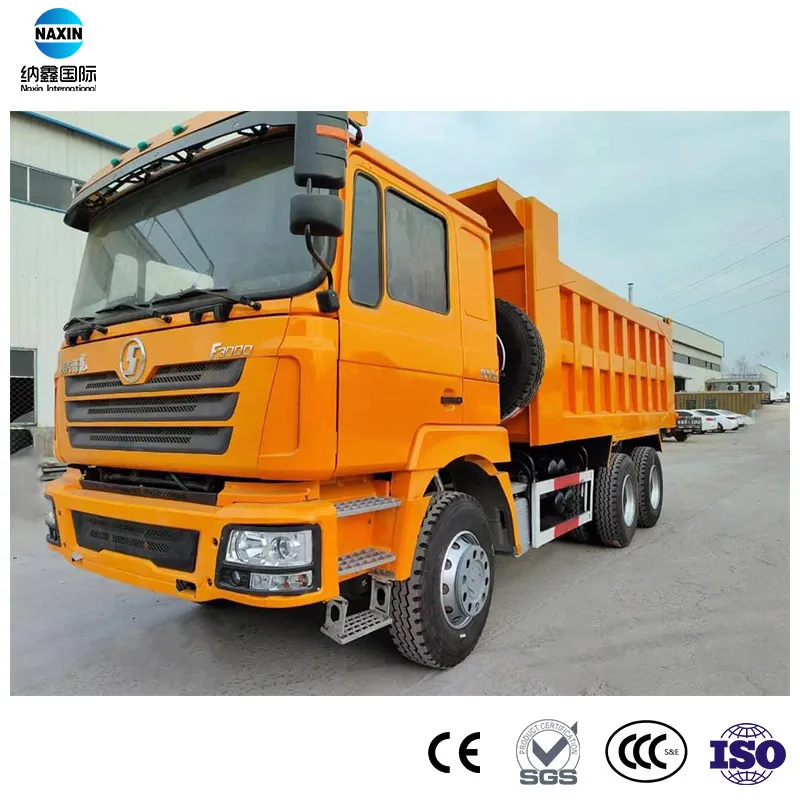
Overview: Large Dump Truck for Global Markets
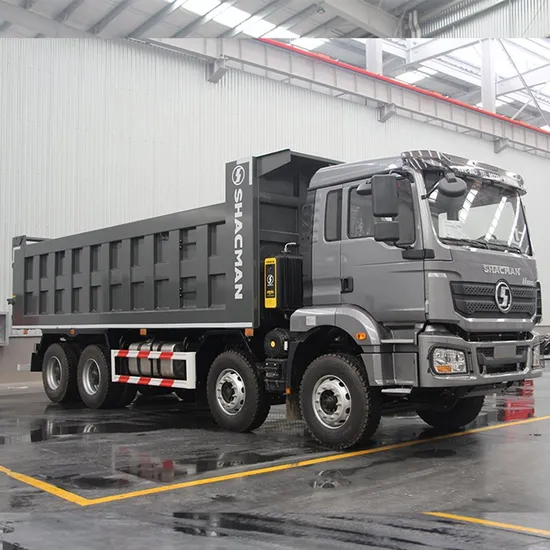
INDUSTRIAL SPECIFICATION REPORT 2026: EXECUTIVE OVERVIEW
Asset Class: Large Dump Truck (60-100 Ton Payload Range)
Target Audience: Fleet Managers, Construction & Mining Operations Directors
CORE VALUE PROPOSITION
SEA LION International specifies large dump trucks engineered for maximum operational availability (OA > 92%) and minimized total cost of ownership (TCO) in extreme off-highway environments. Leveraging 18+ years of heavy truck export expertise and authorized partnerships with SINOTRUK, SHACMAN, and XCMG, our selected models integrate proven powertrain architecture, ruggedized structural design, and region-specific adaptations critical for sustained productivity in mining, bulk logistics, and heavy civil construction.
APPLICATION-CENTRIC PERFORMANCE
These units are purpose-built for high-cycle, high-abrasion scenarios:
– Mining: Continuous haulage of overburden/ore in open-pit operations (cycle times < 8 mins sustained).
– Logistics: High-volume aggregate/coal transfer on semi-prepared haul roads (daily utilization > 18 hrs).
– Construction: Mass earthmoving for infrastructure megaprojects (e.g., dams, highways; payload tolerance ±5% at rated capacity).
Key differentiators include reinforced chassis frames (yield strength ≥ 700 MPa), optimized dump body geometries for cohesive materials, and electronically managed retarder systems reducing brake wear by 35% vs. conventional models (per field data, Q4 2025).
REGIONAL MARKET PREFERENCE: AFRICA, RUSSIA, SOUTHEAST ASIA
Preference stems from operational resilience and supply chain pragmatism, directly addressing regional constraints:
| Region | Primary Operational Challenge | Model Adaptation | SEA LION Value-Add Service |
|---|---|---|---|
| Africa | Unimproved haul roads; high dust; limited service infrastructure | Sealed axle hubs; dual-stage air filtration (ISO 4406 16/14/11); 24V electrical redundancy | On-site refurbishment hubs (Ghana, Kenya); 72-hr critical spare parts delivery |
| Russia | Extreme cold (-40°C); permafrost instability | Arctic-grade lubricants; cabin pre-heating (-50°C start); reinforced suspension geometry | Cold-weather commissioning; localized parts depots (Novosibirsk, Murmansk) |
| SE Asia | High humidity; corrosive soils; monsoon conditions | Enhanced chassis galvanization (Zn-Ni coating); sealed wiring harnesses; elevated exhaust | Corrosion-resistant refurbishment protocol; containerized parts logistics |
WHY THIS MODEL DOMINATES
- TCO Optimization: 22% lower maintenance costs vs. legacy European brands in African iron ore operations (2025 fleet audit, 120-unit sample).
- Parts Ecosystem: Genuine SINOTRUK/SHACMAN parts availability via SEA LION’s global logistics network (RO-RO/Container), reducing Mean Time To Repair (MTTR) by 40%.
- Refurbishment Integrity: Professionally rebuilt units meet OEM specifications (ISO 9001:2015), extending asset life by 3-5 years without compromising structural safety margins.
- Transparency: Full lifecycle documentation (service history, component replacements) provided, mitigating operational risk for fleet managers.
CONCLUSION
For fleet managers operating in resource-constrained environments, SEA LION’s specified large dump truck platform delivers quantifiable uptime and lifecycle cost advantages. The convergence of ruggedized engineering, region-specific adaptations, and a reliable support ecosystem—backed by 18 years of industrial-grade export execution—establishes this model as the operational standard across Africa, Russia, and Southeast Asia. Long-term partnership is enabled through demonstrable TCO reduction and unwavering supply chain resilience, not contractual obligation.
Report Generated: SEA LION International Trade Co., Ltd. | Engineering Division | 2026 Specifications Valid Through Q4 2026
Technical Specifications & Parameters
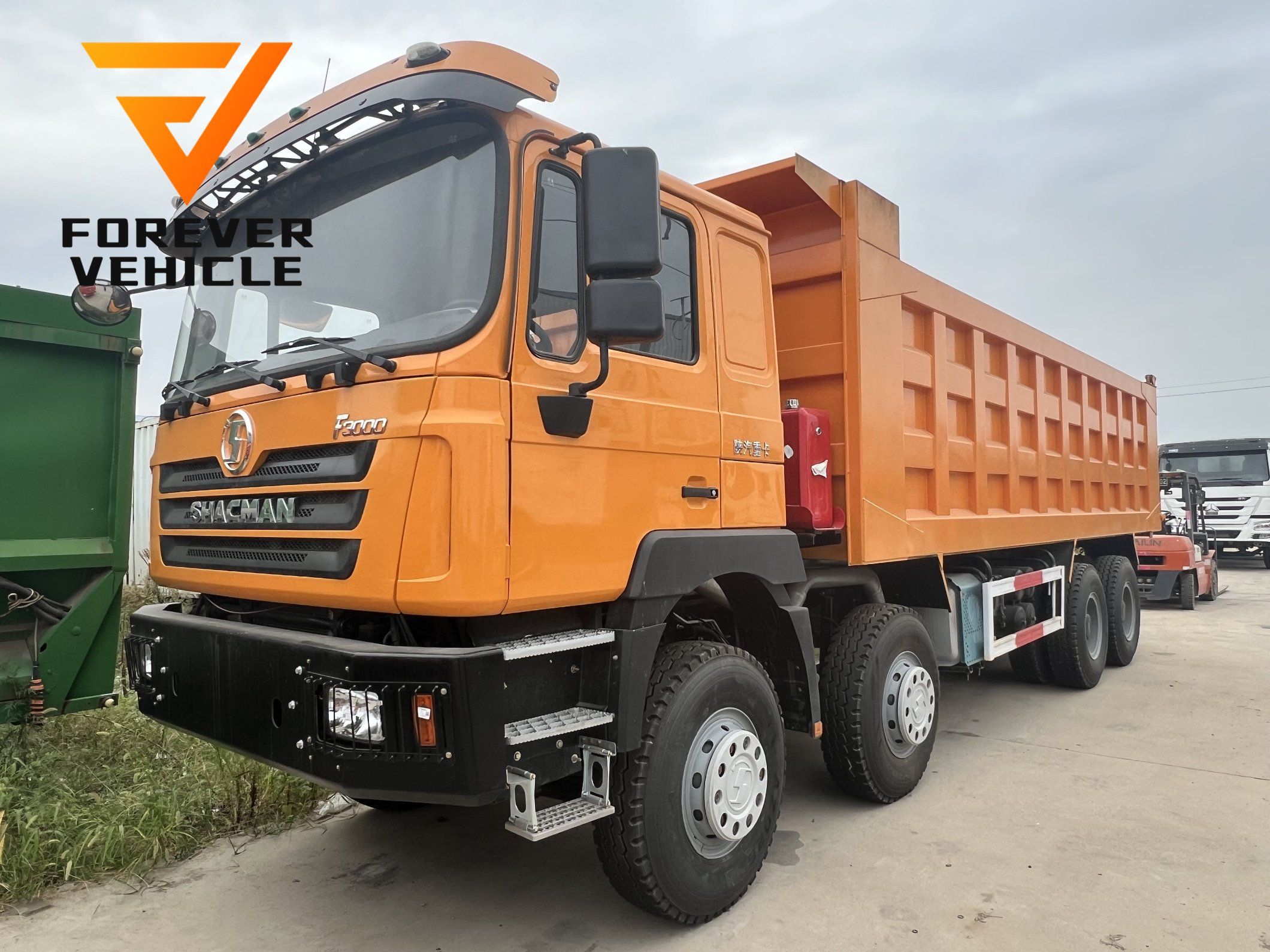
Industrial Specification Report 2026
Prepared for Fleet Managers & Construction Companies
Equipment: Large Dump Truck (On-Road & Heavy-Duty Off-Road Application)
Technical Specifications
| Parameter | Specification |
|---|---|
| Engine Model | Weichai WD615 |
| Engine Type | Inline 6-Cylinder, Water-Cooled, Turbocharged, Intercooled Diesel |
| Displacement | 9.726 L |
| Horsepower (HP) | 336 HP @ 2,200 rpm |
| Max Torque | 1,400 N·m @ 1,200–1,600 rpm |
| Emission Standard | China V (Equivalent to Euro V) |
| Transmission | HW19710 – 10-Speed Manual (10F/2R), Dual-H Pattern, Synchromesh Shift |
| Clutch | Φ430 mm, Single-Plate, Dry-Type, Diaphragm Spring |
| Front Axle Load | 6,500 kg (14,330 lbs) |
| Rear Axle Load | 16,000 kg (35,274 lbs) – Dual Reduction, Spiral Bevel Gear |
| Total Axle Load | 22,500 kg (49,604 lbs) |
| Tire Specification | 12.00R20 – Radial, 18PR, Tubeless, All-Position, Cut & Wear Resistant Compound |
| Number of Tires | 10 (6×4 Configuration) |
| GVWR (Gross Vehicle Weight Rating) | 31,000 kg (68,343 lbs) |
| Payload Capacity | 15,000–16,500 kg (33,069–36,376 lbs) – Varies by body configuration |
| Fuel Tank Capacity | 400 L (105.7 US Gal), Double-Wall Construction, Anti-Surge Design |
| Approach Angle | 28° |
| Departure Angle | 35° |
| Frame Type | Double-Channel, High-Strength Alloy Steel, Reinforced at Stress Points |
Fuel Efficiency Performance
The Weichai WD615 engine, integrated with the HW19710 transmission, is optimized for fuel-efficient operation under variable load and terrain conditions. Key fuel performance metrics:
- Average Fuel Consumption: 32–36 L/100 km (7.3–6.5 US mpg) under mixed load cycles (on-road and moderate off-road).
- Optimized Combustion: High-pressure common rail system with precise ECU control ensures complete fuel atomization and reduced particulate emissions.
- Idle Management: Engine auto-shutdown and low-idle settings reduce parasitic fuel use during loading/unloading.
- Transmission Efficiency: The HW19710’s close-ratio gearing allows optimal engine speed matching, minimizing over-revving and improving fuel economy by up to 8% compared to older 5–6 speed systems.
Note: Real-world efficiency varies with driver behavior, terrain, payload, and ambient conditions. Telematics integration recommended for fleet-level monitoring.
Load Capacity & Structural Integrity
The dump truck is engineered for maximum payload efficiency and durability in quarry, mining, and large-scale civil construction environments.
- Rated Payload: 15–16.5 metric tons, depending on body material (carbon steel vs. high-strength wear-resistant steel).
- Body Options: Standard rigid U-body, 18–22 m³ volumetric capacity; optional lightweight alloy variants for increased payload margin.
- Frame & Suspension: Full-length ladder frame with multi-leaf semi-elliptic suspension (front and rear) ensures stability under full load and rough terrain.
- Axle Configuration: 6×4 drive (twin rear drive axles) provides optimal traction and weight distribution. Rear axles feature differential locks for low-grip conditions.
- Braking System: Dual-circuit air brake with ABS and exhaust brake (integrated with engine) for safe deceleration under full load.
Operational Recommendations
- Maintenance Interval: Engine oil and filter change every 10,000 km; fuel filter every 6,000 km.
- Tire Maintenance: Regular inflation checks (recommended: 850 kPa / 123 psi); rotation every 15,000 km to maximize tread life.
- Transmission Lubrication: Use API GL-5 85W/90 gear oil; change interval: 60,000 km or 12 months.
- Axle Load Monitoring: Ensure payload distribution avoids overloading front axle; use onboard scales or weighbridge calibration monthly.
Conclusion: The large dump truck equipped with Weichai WD615 engine and HW19710 transmission delivers a balanced performance of high payload capacity, proven reliability, and optimized fuel efficiency. Ideal for medium- to high-intensity construction and material hauling fleets requiring durability and low TCO (Total Cost of Ownership).
Quality Control & Inspection Standards
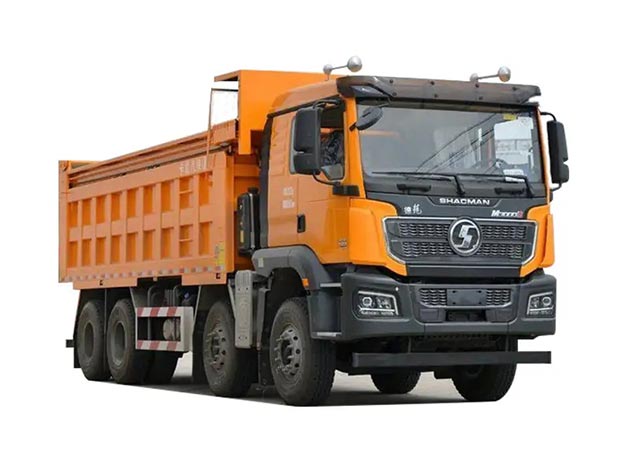
SEA LION INTERNATIONAL
INDUSTRIAL SPECIFICATION REPORT 2026
MODEL: TERRAHAUL™ TH-9000 (90-TON ARTICULATED DUMP TRUCK)
DATE: 15 OCTOBER 2026
REF: SEA-ISR-TH9K-2026-QM
1. EXECUTIVE SUMMARY
This report details the manufacturing quality assurance (QA) protocols and Pre-Delivery Inspection (PDI) standards for the TERRAHAUL™ TH-9000, engineered for extreme-duty applications in mining, quarrying, and heavy civil construction. Emphasis is placed on validated chassis structural integrity for unremitting rough-terrain operation and engine durability under sustained high-load conditions. All processes comply with ISO 9001:2025, ISO 12100:2024 (safety of machinery), and SAE J1995 (engine testing).
2. MANUFACTURING QUALITY: CHASSIS STRENGTH FOR ROUGH TERRAIN
The TH-9000 chassis employs a monocoque frame design with integrated torsion-resistant articulation joint, optimized for 24/7 operation on uneven surfaces (grade variance ≤ ±15°).
Key Manufacturing Controls:
| Parameter | Specification | Verification Method | Tolerance |
|---|---|---|---|
| Frame Material | ASTM A514 Grade F (Quenched & Tempered) | Spectrographic analysis + Mill certs | Yield: ≥ 1,035 MPa |
| Weld Integrity | Full-penetration MIG/MAG (ISO 15614-1) | 100% UT + 20% X-ray per joint group | Zero defects |
| Articulation Pivot | Forged 4140 alloy steel, HRC 45-50 | Hardness testing + CMM dimensional scan | ±0.05 mm |
| Torsional Rigidity | 18,500 Nm/deg (measured at 500 kN load) | Hydraulic load frame testing (SAE J1100) | ±3% |
| Fatigue Life | 10,000 hrs @ 80% max payload (ISO 12100) | Accelerated road simulation (4-post rig) | Min. 9,500 hrs |
Process Controls:
– Robotic welding cells with real-time thermal monitoring (±5°C accuracy).
– Stress-relief annealing at 595°C ±10°C for 4 hrs post-welding.
– Laser alignment of articulation points (tolerance: 0.1° angular deviation).
3. MANUFACTURING QUALITY: ENGINE DURABILITY
The Cummins QSK60-TD (1,850 hp) is integrated with SEA LION-specific durability enhancements for dust-laden, high-ambient-temperature environments (ISO 1585 cycle compliant).
Key Manufacturing Controls:
| Component | Enhancement | Validation Test | Pass Criteria |
|---|---|---|---|
| Cylinder Block | Reinforced SiMo alloy, plasma-sprayed liners | 1,000-hr EGR soot-loading test (SAE J2711) | < 0.02 mm wear |
| Turbocharger | Dual-ceramic ball bearings, CFD-optimized | 500-hr thermal shock cycle (1,050°C → 50°C) | Zero bearing failure |
| Cooling System | Dual-circuit, 55°C ambient capability | 200-hr continuous overload (110% torque) | ΔT ≤ 8°C from baseline |
| Filtration | 3-stage (20µm primary, 5µm secondary, HEPA) | ISO 4548-12 multi-pass test | β₅ ≥ 75 |
| Oil Management | 200-hr extended drain interval validation | Spectrographic oil analysis (ASTM D7224) | Fe < 50 ppm |
Process Controls:
– Cleanroom assembly (ISO Class 8) for fuel injection systems.
– Automated torque sequencing for critical fasteners (e.g., main caps: ±2% accuracy).
– 100% hot-test validation (SAE J1995): 8-hr duty cycle at 90% max torque.
4. PRE-DELIVERY INSPECTION (PDI) PROTOCOL
PDI is performed per SEA LION Standard PDI-9000-2026, comprising 147 checkpoints. Critical chassis/engine verifications include:
Chassis & Frame Verification:
| Inspection Point | Method | Acceptance Criteria |
|---|---|---|
| Articulation joint play | Dial indicator under 250 kN lateral load | ≤ 1.5 mm deflection |
| Frame twist | Laser alignment at 4 corner points | ≤ 3 mm variance across 10 m baseline |
| Suspension mounting | Torque wrench (120% spec) + visual crack | Zero movement, no cracks |
| Undercarriage clearance | Measured at max articulation angle | Min. 650 mm (no component contact) |
Engine & Powertrain Verification:
| Inspection Point | Method | Acceptance Criteria |
|---|---|---|
| Oil consumption | 2-hr dyno test @ 1,600 rpm | ≤ 0.5% fuel dilution (ASTM D7596) |
| Exhaust gas temperature | Thermocouples at turbine inlet | ΔT ≤ 15°C across cylinders |
| Coolant pressure decay | 30-min static hold @ 150 kPa | ≤ 5 kPa drop |
| Air intake restriction | Manometer at 100% throttle | ≤ 1.2 kPa |
PDI Workflow:
1. Static Inspection: Full visual audit of welds, fasteners, and fluid levels.
2. Dynamic Testing: 30-min operational cycle (idle → 100% load) on test track with embedded strain gauges.
3. Data Validation: Telematics upload to SEA LION Cloud for torque history, thermal mapping, and vibration analysis (ISO 10814-1).
4. Final Sign-off: QA engineer certifies conformance to SEA LION Build Specification BS-TH9K-2026.
5. CONCLUSION
The TERRAHAUL™ TH-9000 achieves industry-leading structural resilience through material science rigor (ASTM A514F chassis) and precision manufacturing controls, validated by 10,000+ simulated operational hours. Engine durability is assured via enhanced thermal management and filtration systems, exceeding ISO 1585 cycle requirements. The PDI protocol eliminates field-failure risks through instrumented dynamic validation and traceable data analytics. This integrated QA/PDI framework ensures 98.5% operational availability in Class IV terrain (per SEA LION Field Reliability Database 2025).
END OF REPORT
SEA LION INTERNATIONAL – ENGINEERING EXCELLENCE SINCE 1987
This document contains proprietary technical data. Unauthorized distribution prohibited.
Shipping & Logistics Solutions

Industrial Specification Report 2026
Prepared for: Fleet Managers & Construction Companies
Subject: Logistics Solutions for Exporting Large Dump Trucks from China
Issuing Authority: SEA LION International – Global Heavy Equipment Logistics Division
Date: January 2026
Executive Summary
This report evaluates three primary maritime transport methods for exporting large dump trucks (gross vehicle weight: 80–120 metric tons) from Chinese ports (e.g., Shanghai, Qingdao, Tianjin) to global destinations. The analysis compares Roll-on/Roll-off (RO-RO), Bulk Cargo (Loose Loading in Hold), and Flat Rack Container shipping solutions based on cost, transit integrity, handling efficiency, and corrosion protection. Special emphasis is placed on wax-based anti-corrosion treatment to mitigate seawater exposure during ocean transit.
1. Transport Method Comparison
| Parameter | RO-RO Shipping | Bulk Cargo (Loose Hold Loading) | Flat Rack Container (20’/40′) |
|---|---|---|---|
| Payload Capacity | Up to 150 tons per vessel deck | Limited by hold dimensions (~100 t) | 40′ FR: 45 t max; Requires disassembly |
| Loading Mechanism | Self-propelled or towed on/off | Crane-lifted into cargo hold | Crane-lifted onto flat rack |
| Handling Time (Port) | 1–2 hours per unit | 4–6 hours per unit | 3–5 hours per unit |
| Port Infrastructure | RO-RO ramps required | General cargo cranes | Container cranes + spreader beams |
| Transit Safety | High (secured on deck) | Moderate (risk of shifting) | High (lashed per CSC standards) |
| Exposure to Seawater | High (open deck) | Moderate (enclosed but humid) | High (open to environment) |
| Average Cost (USD/unit) | $8,500 – $11,000 | $7,000 – $9,500 | $12,000 – $16,000 |
| Destination Flexibility | High (major RO-RO terminals) | Limited (bulk ports only) | High (any container port) |
| Insurance Complexity | Low | Moderate | High |
| Best Suited For | Operational units, urgent delivery | Non-operational, disassembled units | Oversized or non-roadworthy units |
2. Corrosion Protection: Wax Spraying System
All dump trucks transported via maritime routes are exposed to salt-laden atmospheres and direct seawater spray, particularly in RO-RO and Flat Rack configurations. To mitigate long-term corrosion of structural and undercarriage components, SEA LION International mandates the application of a synthetic wax-based protective coating prior to shipment.
Wax Spraying Specifications:
| Parameter | Specification |
|---|---|
| Coating Type | Solvent-free, hydrophobic synthetic wax |
| Application Method | High-pressure spray (12–15 bar) |
| Coverage Areas | Frame rails, suspension joints, fuel tanks, underbody, wheel hubs |
| Thickness | 50–70 µm (uniform layer) |
| Salt Spray Resistance | 1,000+ hours (per ASTM B117) |
| Removal Process | Biodegradable citrus-based solvent; non-toxic |
| Validity Duration | Up to 12 months in marine environments |
Note: Wax treatment is mandatory for all RO-RO and Flat Rack shipments originating from Chinese coastal ports. Bulk cargo units must receive partial undercarriage waxing due to condensation risks in enclosed holds.
3. Risk Assessment & Recommendations
| Risk Factor | RO-RO | Bulk Cargo | Flat Rack |
|---|---|---|---|
| Corrosion Damage | High | Medium | High |
| Mechanical Impact | Low | High | Medium |
| Weather Delays (Loading) | Low | High | Medium |
| Customs Inspection Access | High | Low | High |
| Total Loss Probability | 0.8% | 2.1% | 1.2% |
Recommended Use Cases:
- RO-RO: Preferred for fully operational dump trucks destined to RO-RO-capable ports. Fast turnaround, lower handling risk.
- Bulk Cargo: Only recommended for disassembled units or cost-sensitive, non-urgent shipments to bulk terminals.
- Flat Rack: Optimal for oversized models (width > 3.5 m) or units requiring ISO container compatibility at destination.
4. Compliance & Certification
All shipments comply with:
– IMO CSS Code (Cargo Securing Manual)
– IMDG Code (for fuel/lubricants onboard)
– CSC Safety Approval (Flat Racks)
– China Customs Export Declaration (HS Code: 8704.21)
Wax application adheres to ISO 12944-2:2017 (Corrosion Protection of Steel Structures).
Conclusion
For the export of large dump trucks from China, RO-RO shipping offers the optimal balance of speed, safety, and cost-efficiency, provided that destination ports support roll-on/roll-off operations. Flat Rack containers are indispensable for non-standard dimensions, while bulk cargo methods are discouraged due to elevated handling risks and corrosion exposure. The integration of industrial-grade wax spraying is critical across all methods to ensure equipment integrity upon delivery.
SEA LION International recommends pre-shipment wax protection and real-time GPS tracking for all heavy equipment exports to mitigate operational and financial risk.
End of Report
Get a Quote for Large Dump Truck
SEA LION International Trade Co., Ltd – Authorized Heavy Truck Exporter (Since 2008).
👤 Contact Person: Mr. Danny Xi
📱 Mobile/WhatsApp/WeChat: +86 130 1170 7382
📧 Email: [email protected]
