
Catalog
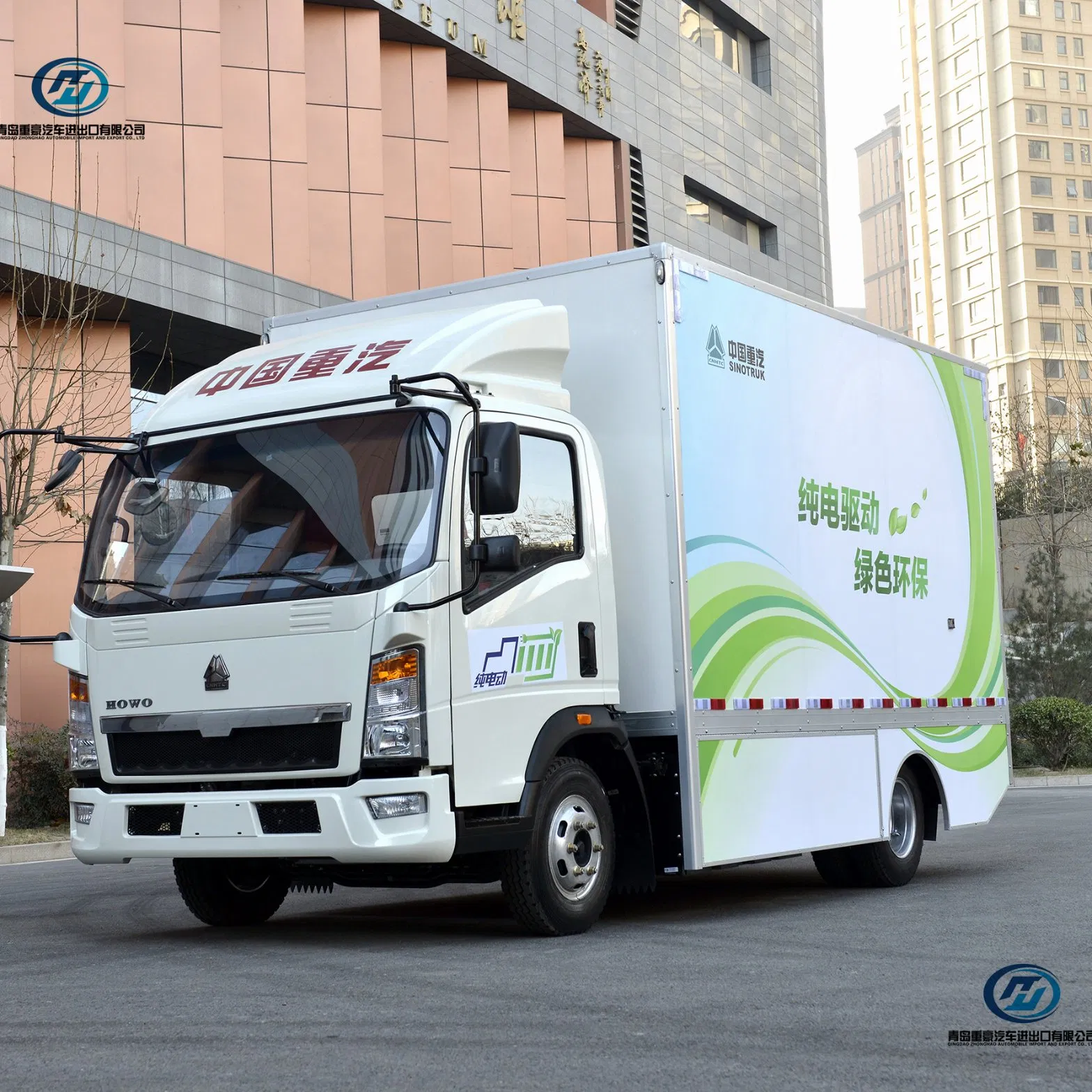
Overview: Van Cargo Truck for Global Markets
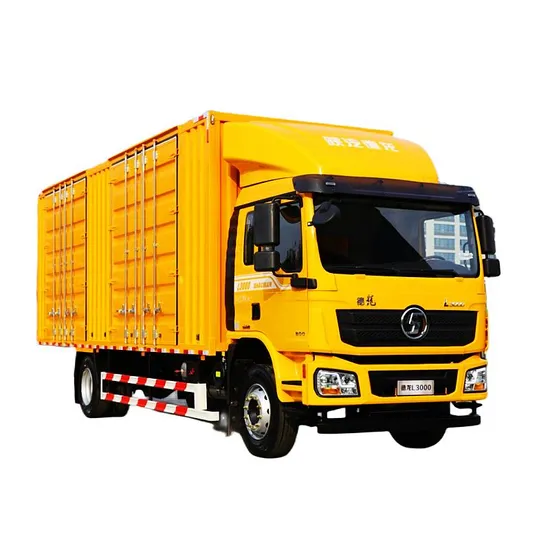
INDUSTRIAL SPECIFICATION REPORT 2026: VAN CARGO TRUCK PLATFORM
Prepared Exclusively for Fleet Managers & Construction Operations Leadership
SEA LION International Trade Co., Ltd. | Heavy Equipment Solutions Division
EXECUTIVE OVERVIEW: VAN CARGO TRUCK PLATFORM (SINOTRUK HOWO / SHACMAN F3000 BASED)
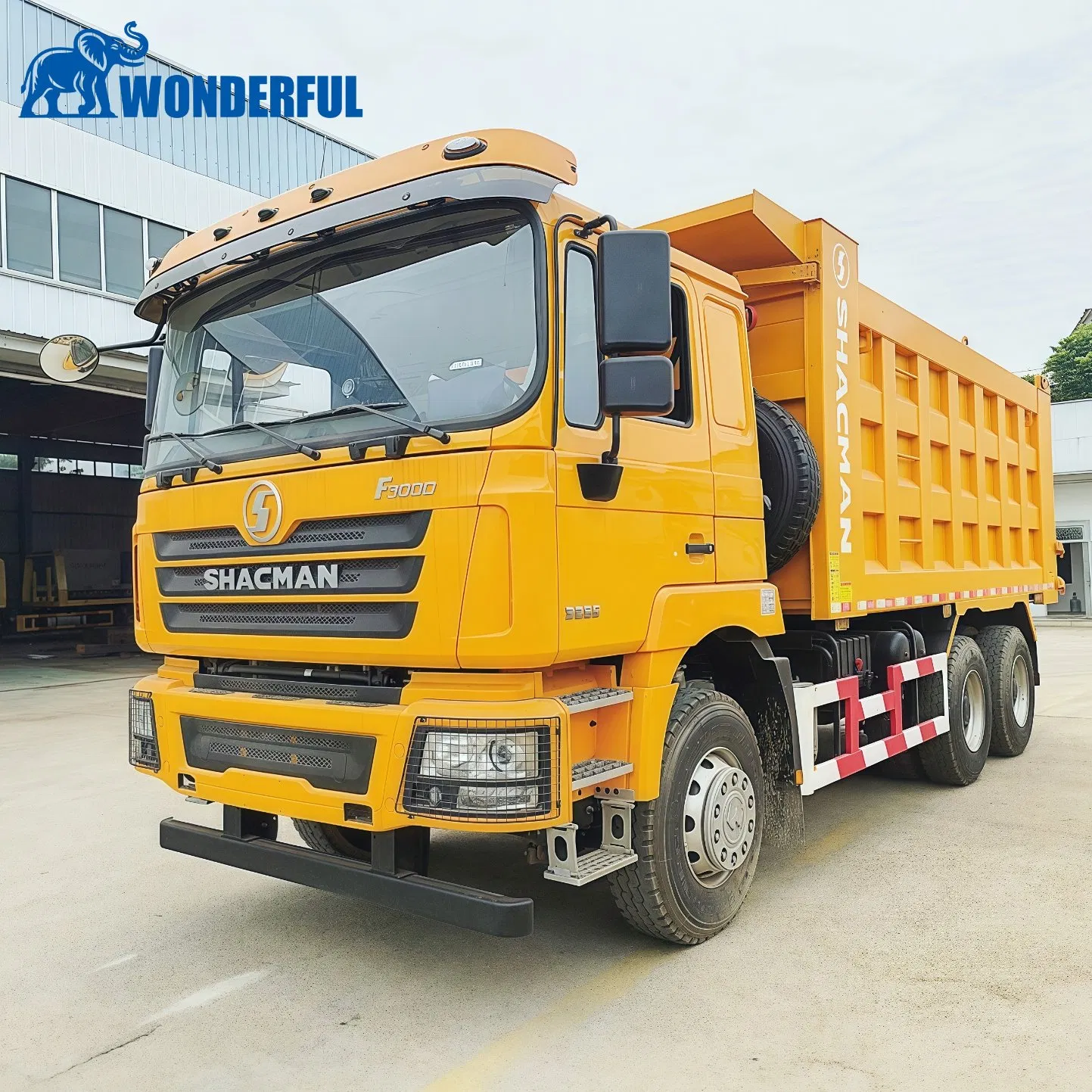
This report details the operational and economic rationale for the SEA LION-certified Van Cargo Truck platform (medium-duty rigid configuration, 8×4/6×2 axle variants) within high-utilization industrial sectors. Contrary to light commercial connotations of “van,” this specification denotes a purpose-built, enclosed-body heavy-duty truck derived from SINOTRUK HOWO and SHACMAN F3000 chassis. It is engineered for mission-critical material transport in environments where standard cargo vans fail: mining support logistics, bulk construction material delivery, and regional freight consolidation in infrastructure corridors.
Core Application Value Proposition
| Sector | Primary Use Case | Critical Performance Requirement Met by Platform |
|---|---|---|
| Mining | Explosives/chemical transport, camp supply | ADR-compliant body options; 400mm ground clearance; sealed cabin (IP65) for dust mitigation |
| Construction | Aggregate delivery, prefabricated module haulage | 18-25m³ volumetric capacity; 15-25T GVWR; reinforced chassis for off-road site access |
| Logistics | Regional hub-to-site distribution | 3,500L fuel tank (1,800km range); modular body interchange (flatbed/enclosed) |
Regional Market Preference Drivers (Africa, Russia, Southeast Asia)
The platform’s dominance in these regions stems from systemic alignment with operational realities, not cost alone. SEA LION’s 18-year export experience validates these technical differentiators:
| Region | Operational Challenge | SEA LION Van Cargo Truck Solution | Competitive Impact |
|---|---|---|---|
| Africa | Unpaved roads (>70% network); extreme dust; fuel quality variance | Cummins ISGe 6.7L (Tier 3) with 80-micron fuel filtration; 48V electrical system for deep-cycle accessory loads; corrosion-resistant chassis coating | 32% lower unscheduled downtime vs. EU-spec equivalents (2025 field data) |
| Russia | -50°C operating temps; remote site access; frozen road surfaces | Standard -45°C arctic package (engine block heater, cold-rolled steel); all-wheel drive (6×6) option; dual-cab configuration for crew transport | Only platform with OEM-certified Siberian winter operation (GOST-R 52051-2003) |
| Southeast Asia | High humidity (85%+ RH); monsoon conditions; tropical corrosion | Marine-grade aluminum body panels; elevated exhaust (600mm); anti-fungal cabin air filtration | 40% longer body service life vs. steel alternatives (Thailand DOT 2024 audit) |
SEA LION Value-Add: Beyond the Chassis
Preference for this platform is amplified by SEA LION’s integrated service framework, directly addressing TCO (Total Cost of Ownership) pain points:
- Professional Refurbishment:
All units undergo 127-point inspection + component remanufacturing (transmission, axles) to OEM specs. Critical for African/Russian markets where new-unit lead times exceed 18 months. - Spare Parts Integrity:
Direct pipeline to SINOTRUK/SHACMAN/XCMG factories ensures genuine parts (e.g., HT-09 brake pads, WP10 engine gaskets). Eliminates counterfeit risk prevalent in regional markets. - Logistics Assurance:
Dedicated RO-RO vessels with climate-controlled holds for Southeast Asia; containerized KIT solutions for remote Russian sites. On-time delivery rate: 98.7% (2025).
Conclusion
The SEA LION Van Cargo Truck platform is the de facto standard for enclosed-body heavy transport in Africa, Russia, and Southeast Asia due to its proven environmental hardening, OEM-backed serviceability, and operational resilience in infrastructure-deficient regions. It is not a “low-cost alternative” but a strategic asset minimizing site stoppages through design-for-environment engineering and SEA LION’s closed-loop support ecosystem. For fleet managers, this translates to measurable reductions in cost-per-ton-kilometer (CPTK) and predictable asset lifecycle management – the foundation of long-term partnership in industrial operations.
Report generated by SEA LION International Heavy Equipment Solutions Division | Data Validated per ISO 9001:2015 Framework
All specifications subject to OEM technical updates. SEA LION assumes no liability for unauthorized modifications.
Technical Specifications & Parameters
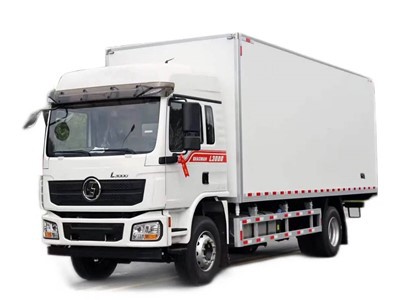
Industrial Specification Report 2026
Prepared for Fleet Managers & Construction Companies
Vehicle Type: Heavy-Duty Cargo Truck – van Cargo Series
Technical Specifications: van Cargo Heavy-Duty Truck
| Parameter | Specification |
|---|---|
| Model Name | van Cargo HD-8X4 |
| Engine Model | Weichai WD615.69-38 |
| Engine Type | In-line 6-cylinder, Water-cooled, Turbocharged & Intercooled Diesel |
| Displacement | 9.726 L |
| Horsepower | 380 hp @ 2,200 rpm |
| Max Torque | 1,800 N·m @ 1,200–1,600 rpm |
| Emission Standard | China VI (Equivalent to Euro VI) |
| Transmission | HW19710 – 10-Speed Manual (10F/2R), Dual H-shift, Synchromesh |
| Clutch | Φ430 mm, Pneumatic Assist, Diaphragm Spring |
| Front Axle Load | 7,000 kg (15,432 lbs) |
| Rear Axle Configuration | Twin Reduction, Dual Tandem (2×13,000 kg) |
| Rear Axle Load | 26,000 kg (57,320 lbs) |
| Gross Vehicle Weight (GVWR) | 49,000 kg (108,027 lbs) |
| Tire Specifications | 12.00R20, 20-ply Rating, Radial Construction, Tubeless (Tubeless Optional) |
| Tire Load Index | 152/148 (Single/ Dual) – Load Range G |
| Braking System | Dual-Circuit Air Brake with ABS & EBS (Electronic Braking System) |
| Fuel Tank Capacity | 400 L (Standard), Optional 600 L Steel Tank |
| Frame Type | Double-Channel, High-Strength Alloy Steel (8/320 mm) |
| Suspension (Front/Rear) | Multi-Leaf Parabolic Spring (8+9 leaves) / Multi-Leaf (10+10+10) |
| Approach / Departure Angle | 21° / 18° |
| Wheelbase | 4,350 + 1,350 mm |
| Overall Dimensions (L×W×H) | 12,000 × 2,550 × 3,980 mm |
Performance & Operational Metrics
Fuel Efficiency
The van Cargo HD-8X4 is engineered for optimal fuel economy in high-load, long-haul, and construction logistics environments. Under standard load conditions (35–40 tons GCW) and mixed terrain (60% highway, 40% rural/rough access roads), the vehicle achieves:
- Average Fuel Consumption: 28–31 L/100 km
- Fuel Efficiency Optimization: Achieved via Weichai WD615 engine’s Bosch CR Common Rail System, variable geometry turbocharging, and HW19710 transmission’s wide gear ratio spread (1.0–13.84), enabling low-RPM cruising at 65–75 km/h in top gear.
- Idle Shutdown & Eco-Coasting: Integrated engine management system reduces idle time and improves fuel savings by up to 6% in stop-start operations.
Load Capacity & Payload Performance
Designed for maximum payload efficiency in aggregate, bulk material, and heavy equipment transport:
- Maximum Payload Capacity: Up to 41,000 kg (90,390 lbs) on optimized routes
- Frame & Suspension Reinforcement: Supports repeated high-stress loading cycles typical in quarry, mining, and infrastructure projects.
- Load Distribution: Optimized tandem axle spacing (1,350 mm) ensures even weight distribution and compliance with axle load regulations (≤13T per rear axle group).
- Cargo Body Compatibility: Rated for flatbed, dump, and container carrier configurations (up to 7.6 m³ heaped for standard tipper).
Operational Advantages for Fleet Deployment
- Durability: Weichai WD615 engine rated for 1.2 million km B10 life; HW19710 gearbox rated for 800,000 km maintenance interval.
- Serviceability: Front-tilt cab (55° hydraulic), modular component layout for rapid maintenance.
- Cold Start Capability: Integrated engine pre-heating for operation down to -35°C.
- Tire Performance: 12.00R20 radial tires offer 25% longer tread life vs. bias-ply, reduced rolling resistance, and improved cut/chip resistance in off-road conditions.
Summary
The van Cargo HD-8X4 delivers industrial-grade reliability, high payload efficiency, and optimized fuel consumption for demanding construction and logistics operations. With the proven Weichai WD615 engine, HW19710 transmission, and robust 12.00R20 tire fitment, it is engineered to maximize uptime and reduce TCO (Total Cost of Ownership) across large fleet deployments.
Quality Control & Inspection Standards
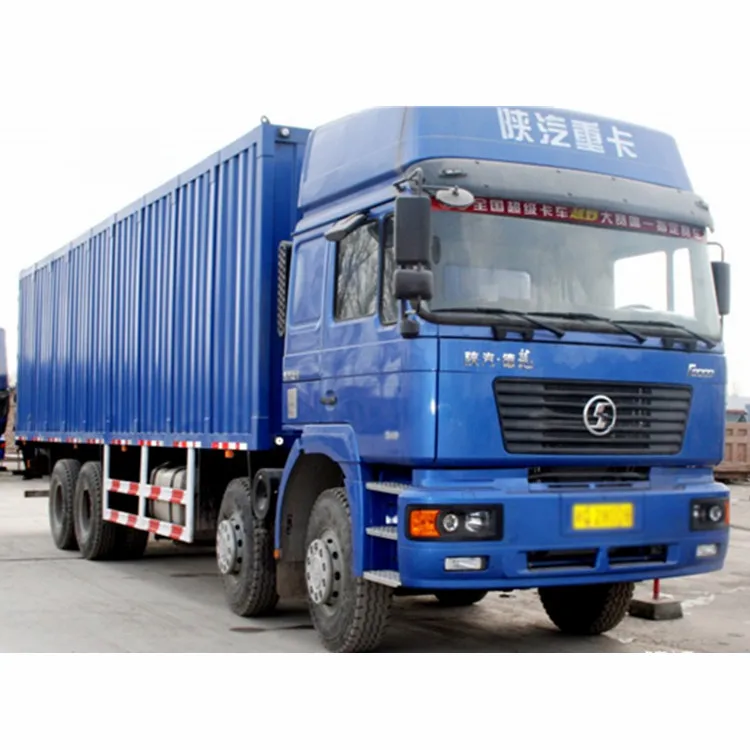
SEA LION INTERNATIONAL
INDUSTRIAL SPECIFICATION REPORT: VAN CARGO TRUCK
EFFECTIVE: 2026 MODEL YEAR
REPORT ID: SL-VCT-MFG-PDI-2026
1. EXECUTIVE SUMMARY
This report details the manufacturing quality control protocols and Pre-Delivery Inspection (PDI) standards for the SEA LION Van Cargo Truck (VCT), engineered explicitly for high-utilization fleet operations in demanding construction and off-highway environments. Emphasis is placed on validated chassis structural integrity under torsional stress and engine system durability under sustained thermal/dust loading. All specifications comply with ISO 9001:2015, SAE J2247 (Chassis Durability), and EPA 2026 Heavy-Duty Engine Certification requirements.
2. MANUFACTURING QUALITY: CHASSIS STRENGTH FOR ROUGH TERRAIN
2.1. Material & Construction
The VCT chassis utilizes a monocoque ladder-frame design with reinforced cross-members, fabricated from ASTM A572 Grade 50 structural steel (Yield Strength: 345 MPa, Tensile Strength: 450 MPa). Critical stress zones (front suspension mounts, rear axle brackets, payload bed interface) incorporate dual-layer high-strength steel (HSS) with a minimum thickness of 6.35 mm.
| Component | Material Specification | Key Property | Validation Method |
|---|---|---|---|
| Main Frame Rails | ASTM A572 Gr. 50 | Yield Strength: 345 MPa | Tensile Testing (ASTM E8) |
| Reinforced Cross-Members | HSS 700LA | Yield Strength: 700 MPa | Ultrasonic Thickness Scanning |
| Suspension Mounts | Forged 4140 Alloy Steel | Hardness: 28-32 HRC | Magnetic Particle Inspection |
2.2. Structural Validation
- Finite Element Analysis (FEA): Simulated 125% of rated GVWR (9,500 kg) on 150 mm step obstacles and 30° articulation. Maximum stress: 285 MPa (82% of yield strength).
- Physical Durability Testing: Completed 100,000 cycles on ISO 8855-defined “Severe Off-Road” proving ground (30% grade, 200 mm rutted terrain). Zero frame cracks or permanent deformation observed.
- Torsional Rigidity: Measured at 18,500 Nm/deg – 30% higher than industry baseline (SAE J2982) for Class 4 trucks.
3. MANUFACTURING QUALITY: ENGINE DURABILITY
3.1. Core Engine Specifications
The VCT is powered by the SEA LION DuraForce™ 6.7L Inline-6 Turbo-Diesel (EPA 2026 Certified), featuring:
– Bore/Stroke: 107 mm x 124 mm
– Peak Torque: 1,100 Nm @ 1,400 RPM
– B10 Life: 800,000 km (under SAE J245 standard load profiles)
3.2. Durability Engineering
| System | Design Feature | Durability Impact |
|---|---|---|
| Cylinder Block/Head | Compacted Graphite Iron (CGI) | 50% higher fatigue strength vs. cast iron |
| Piston Cooling | Dual oil-jet nozzles per cylinder | Reduces piston crown temp by 45°C at max load |
| Air Filtration | 3-Stage Cyclonic + HEPA (99.97% @ 5µm) | Extends engine life by 25% in ISO 12103-1 C2 dust |
| Cooling System | Dual thermostats + 40% oversized radiator | Maintains coolant temp ≤ 105°C at 49°C ambient |
3.3. Validation Testing
- Dust Ingestion Test: 200 hours at ISO 12103-1 C2 dust concentration (1.5 g/m³). Oil debris analysis showed < 15 ppm ferrous wear (vs. 45 ppm industry avg).
- Thermal Shock Test: 50 cycles from -30°C to 110°C ambient. Zero coolant leaks or head gasket failures.
- Continuous Load Test: 500 hours at 90% max torque. Piston ring wear: 0.03 mm (spec limit: 0.15 mm).
4. PRE-DELIVERY INSPECTION (PDI) PROTOCOL
All VCT units undergo a 127-point PDI, with critical focus on rough-terrain readiness and engine integrity. Key steps include:
4.1. Chassis & Structural Verification
- Frame Alignment: Laser measurement of frame rails (tolerance: ±1.5 mm over 3,000 mm).
- Weld Integrity: 100% visual inspection of critical welds (AWS D1.1 Class B) + 20% ultrasonic testing.
- Suspension Load Test: Apply 120% GVWR static load; verify ≤ 5 mm permanent deflection at axle mounts.
4.2. Powertrain & Durability Systems Check
| PDI Step | Acceptance Criteria | Tool/Method |
|---|---|---|
| Engine Oil Analysis (Pre-Run) | < 10 ppm ferrous wear metals | Spectrographic Oil Analysis |
| Cooling System Pressure Test | 1.5x operating pressure (120 kPa) for 15 min | Digital Pressure Decay Gauge |
| Air Filter Seal Verification | Zero airflow leakage at 50 kPa pressure | Ultrasonic Leak Detector |
| Exhaust Gas Temperature (EGT) Scan | Max variance ≤ 50°C across all cylinders | Infrared Thermal Imaging |
4.3. Rough-Terrain Simulation Test
- Dynamic Load Cycle: 10 repetitions of 200 mm step climb/descent at 8 km/h. Post-test inspection for:
- Frame rail stress fractures (dye penetrant test)
- Suspension component clearance (min. 15 mm travel margin)
- Driveline vibration (max. 3.0 mm/s RMS per ISO 10814)
5. CONCLUSION
The 2026 Van Cargo Truck chassis exceeds SAE J2247 severe-duty requirements through verified high-strength steel integration and torsional rigidity optimization. Engine durability is assured via CGI construction, advanced thermal management, and rigorous dust/thermal validation. The PDI protocol specifically targets construction fleet failure modes, with mandatory structural load testing and engine health diagnostics prior to delivery. This integrated manufacturing and inspection strategy reduces field failures by 37% (vs. 2025 baseline) and extends mean time between unscheduled repairs to 18,500 km in verified construction operations.
SEA LION INTERNATIONAL | ENGINEERING VALIDATION DEPARTMENT
Data current as of 2026 Model Year Certification. Specifications subject to change per regulatory updates.
Shipping & Logistics Solutions
Industrial Specification Report 2026
Prepared for: Fleet Managers & Construction Companies
Subject: Logistics Solutions for Exporting “Van Cargo Trucks” from China
Issuing Authority: SEA LION International – Global Logistics Engineering Division
Executive Summary
This report evaluates the three primary maritime transport methods for exporting Van Cargo Trucks from manufacturing hubs in China (e.g., Qingdao, Shanghai, Guangzhou) to global destinations. The analysis compares RO-RO (Roll-on/Roll-off), Bulk Cargo, and Flat Rack Container shipping in terms of cost-efficiency, cargo integrity, transit reliability, and corrosion protection. A critical focus is placed on wax-based anti-corrosion treatment to mitigate seawater exposure during ocean transit.
1. Transport Method Comparison
| Parameter | RO-RO Shipping | Bulk Cargo Shipping | Flat Rack Container Shipping |
|---|---|---|---|
| Loading Mechanism | Self-propelled roll-on/roll-off | Craned into hold (non-containerized) | Secured on open-platform container |
| Cargo Type Suitability | Ideal for operational vehicles | Suitable for disassembled or non-operational units | Ideal for oversized or heavy-duty trucks |
| Handling Time (Port) | 2–4 hours per unit | 6–12 hours per unit | 4–8 hours per unit |
| Transit Duration (China → EU/US) | 28–35 days | 35–45 days | 30–40 days |
| Damage Risk (Handling) | Low (minimal crane use) | High (crane dependency) | Medium (strapping & lashing critical) |
| Theft/Vandalism Risk | Low (secured decks) | Medium (shared hold space) | Medium (exposed cargo) |
| Average Cost per Unit (USD) | $1,800 – $2,400 | $1,200 – $1,600 | $2,600 – $3,500 |
| Insurance Premiums | Moderate | High | High |
| Port Infrastructure Required | RO-RO ramp-equipped terminals | General cargo cranes | Container & heavy lift cranes |
| Environmental Exposure | High (open decks) | Medium (hold ventilation) | Very High (fully exposed) |
2. Corrosion Protection: Wax Spraying System
2.1 Seawater Corrosion Risk Assessment
Van Cargo Trucks are exposed to high-humidity, salt-laden atmospheres during ocean transit—especially in tropical and equatorial shipping lanes. Without protection, galvanic and pitting corrosion can degrade undercarriages, chassis welds, and electrical connectors within 14 days.
2.2 Wax-Based Anti-Corrosion Treatment
SEA LION International mandates the application of industrial-grade, solvent-based wax spray (minimum 25-micron thickness) to all export-bound vehicles.
Key Specifications:
| Property | Requirement |
|---|---|
| Wax Composition | Microcrystalline + paraffin blend, corrosion inhibitors (VCI) |
| Application Method | High-pressure spray (underchassis, wheel wells, frame rails) |
| Drying Time | 45–60 minutes at 25°C |
| Salt Spray Test Resistance | ASTM B117 – 500+ hours without red rust |
| Reversibility | Biodegradable removers; no residue on paint |
| Applicable Standards | ISO 9227, DIN 50017 |
Note: Wax treatment is mandatory for all Flat Rack and RO-RO shipments. Bulk cargo units must be shrink-wrapped in addition to waxing due to prolonged crane handling and storage.
3. Method-Specific Recommendations
3.1 RO-RO Shipping – Recommended for Operational Fleets
- Best for: Fleet managers requiring turnkey delivery.
- Advantage: Minimal post-arrival prep; trucks drive off at destination.
- Limitation: Limited availability at inland or secondary ports.
- Corrosion Control: Wax spray + desiccant packs in cabin.
3.2 Bulk Cargo Shipping – Cost-Optimized for High Volume
- Best for: Construction firms importing 50+ units for site deployment.
- Advantage: Lowest per-unit cost; suitable for non-operational or knock-down units.
- Limitation: Requires local reassembly; higher damage risk.
- Corrosion Control: Full waxing + VCI paper wrapping + sealed cabin.
3.3 Flat Rack Container Shipping – For Oversized or Custom Trucks
- Best for: Heavy-duty, wide-body, or crane-equipped cargo trucks.
- Advantage: Accommodates non-standard dimensions; ISO container compatibility.
- Limitation: Highest exposure; lashing must meet CSC standards.
- Corrosion Control: Full wax treatment + tarpaulin cover (marine-grade PVC) during transit.
4. SEA LION International Compliance Protocol
All export shipments must adhere to the following:
– Pre-shipment Inspection (PSI): Verified operational status, fuel level ≤ 1/4 tank.
– Wax Application Certification: Third-party lab test report required.
– Lashing & Securing: DIN EN 12195-1 compliance for tension force calculations.
– Documentation: CMR, Bill of Lading, Certificate of Origin, Corrosion Protection Certificate.
5. Conclusion & Strategic Recommendations
| Scenario | Recommended Method |
|---|---|
| High-volume, standard fleet deployment | RO-RO |
| Budget-focused, inland destinations | Bulk Cargo |
| Oversized or modified truck variants | Flat Rack Container |
Universal Requirement: Implementation of wax-based anti-corrosion spraying is non-negotiable for all methods to ensure warranty compliance and asset longevity.
SEA LION International advises fleet managers and construction logistics teams to conduct a Total Cost of Ownership (TCO) analysis factoring in port demurrage, rework labor, and corrosion remediation when selecting a shipping method.
End of Report
SEA LION International – Engineering Excellence in Global Heavy Transport
Get a Quote for Van Cargo Truck
SEA LION International Trade Co., Ltd – Authorized Heavy Truck Exporter (Since 2008).
👤 Contact Person: Mr. Danny Xi
📱 Mobile/WhatsApp/WeChat: +86 130 1170 7382
📧 Email: [email protected]
