

Catalog
Overview: Flatbed Dump Trucks for Global Markets
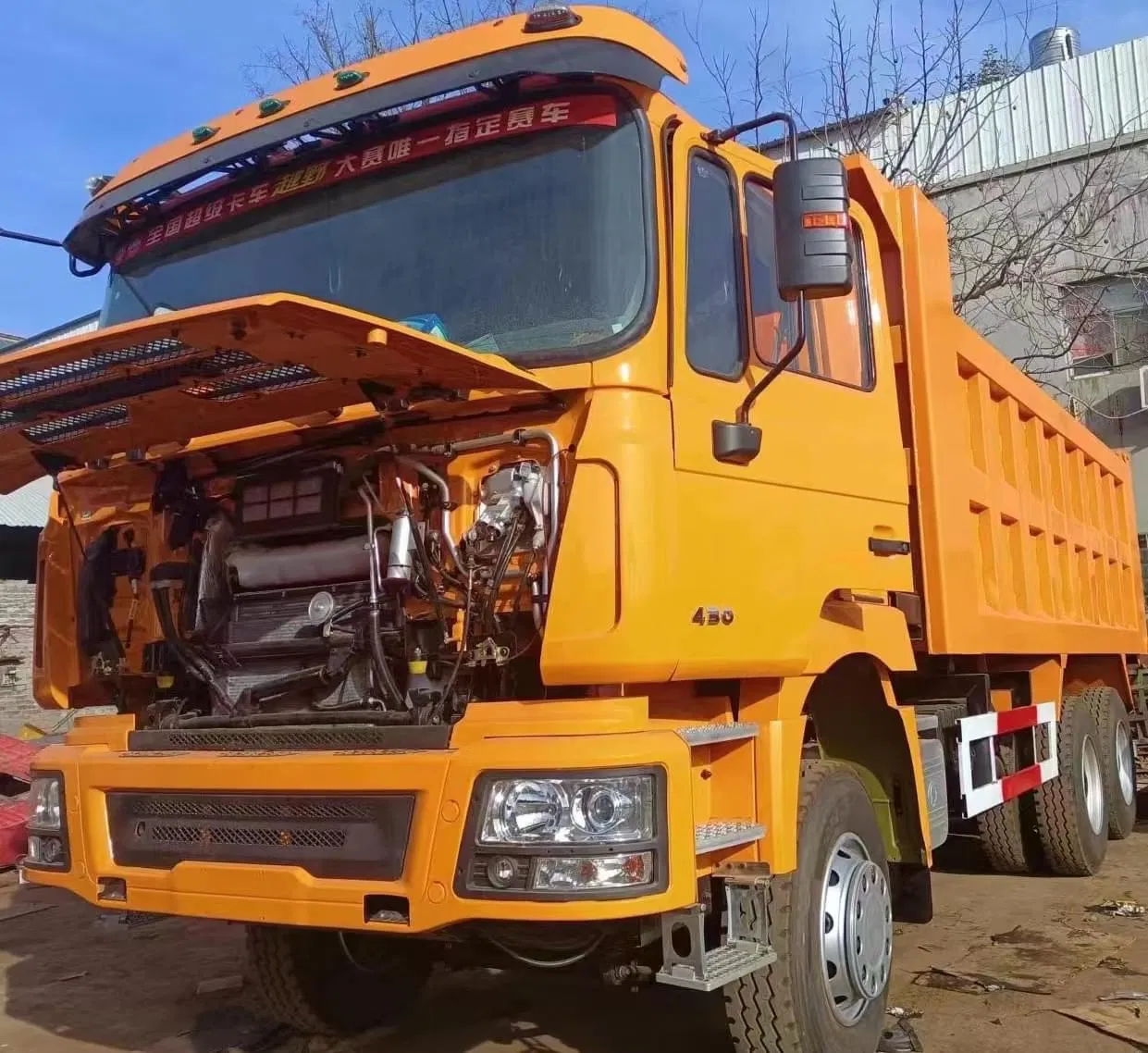
INDUSTRIAL SPECIFICATION REPORT 2026: FLATBED DUMP TRUCKS
SEA LION INTERNATIONAL TRADE CO., LTD.
EXECUTIVE OVERVIEW
Flatbed dump trucks represent a critical asset class for heavy-duty material transport in mining, construction, and bulk logistics operations. Characterized by their versatile flatbed configuration with integrated hydraulic tipping mechanisms, these vehicles offer superior payload flexibility, rapid load/unload cycles, and compatibility with diverse cargo types—from aggregate and ore to structural steel and prefabricated components. Unlike standard rigid dump trucks, the flatbed design eliminates fixed sideboards, enabling efficient handling of oversized, irregularly shaped, or sensitive materials without secondary handling equipment. This operational agility directly translates to reduced project downtime and optimized site logistics.
Regional Preference Drivers: Africa, Russia, Southeast Asia
Market adoption in Africa, Russia, and Southeast Asia is driven by distinct operational and economic imperatives, where infrastructure constraints, environmental extremes, and cost sensitivity necessitate robust, adaptable hauling solutions. SEA LION’s distribution of SINOTRUK, SHACMAN, and XCMG flatbed dump trucks specifically addresses these regional challenges through engineered durability and localized support:
-
Africa:
- Unpaved Terrain & Infrastructure Gaps: Frequent operation on non-engineered haul roads demands exceptional frame rigidity, high ground clearance, and aggressive tire configurations. SINOTRUK’s HOWO series (e.g., 8×4 models) delivers 60+ tonne GVWR with reinforced ladder frames and Dana axles, resisting torsional stress on rutted surfaces.
- Payload Maximization: Limited road weight restrictions in remote mining/construction zones prioritize high legal payloads. SHACMAN’s F3000 platform achieves 85-tonne gross combination weight (GCW) compliance in key markets (e.g., DRC, Zambia), outperforming competitors with similar axle configurations.
- Parts Availability: SEA LION’s regional spare parts hubs (Johannesburg, Mombasa) ensure <72-hour critical component delivery, mitigating downtime in isolated operations.
-
Russia:
- Extreme Cold Resilience: Operation below -40°C requires specialized lubricants, cold-start systems, and structural steel rated for low-temperature impact. XCMG’s XG90 series features engine pre-heaters, arctic-grade hydraulics, and -50°C certified cabin insulation.
- Remote Site Logistics: Vast distances to Siberian/Ural mining sites necessitate extended service intervals and fuel efficiency. SHACMAN’s C9.3 engines achieve 3,000 km oil change intervals and 5% better fuel economy vs. legacy European models in sub-zero conditions.
- Payload Stability on Ice: Shorter wheelbases and optimized weight distribution on 6×4 configurations prevent jackknifing on icy haul roads.
-
Southeast Asia:
- Monsoon Resilience: High humidity and torrential rains demand corrosion-resistant undercarriages and sealed electrical systems. SINOTRUK’s HOWO A7 employs galvanized chassis components and IP67-rated wiring harnesses.
- Cost-Per-Tonne Efficiency: Intense competition mandates low TCO. Refurbished SEA LION-certified units (18-24 months old) deliver 35-40% lower acquisition cost vs. new equivalents while maintaining 92%+ operational availability through stringent remanufacturing standards.
- Urban Construction Adaptability: Compact 6×2 models (e.g., XCMG XG90G) navigate congested city sites with 10% tighter turning radii than standard rigid dumps.
SEA LION Value Proposition
As an authorized distributor for SINOTRUK, SHACMAN, and XCMG with 18+ years in heavy truck export, SEA LION delivers technical assurance beyond product supply:
- OEM-Compliant Refurbishment: Our ISO 9001-certified process restores used flatbed dumps to 95%+ of new performance metrics, including frame straightening, powertrain remanufacturing, and corrosion treatment—validated by 12-month/60,000 km warranties.
- Transparent TCO Modeling: We provide region-specific lifecycle cost analysis, demonstrating 22-28% lower 5-year operating costs for refurbished units versus new competitors in target markets.
- Logistics Integration: Dedicated RO-RO and container shipping lanes from Qingdao/Tianjin ports ensure 25-30 day transit to Durban, Novorossiysk, or Tanjung Pelepas, with customs clearance support.
COMPARATIVE OPERATIONAL ADVANTAGES BY REGION
| Parameter | Africa (e.g., Zambia) | Russia (e.g., Krasnoyarsk) | Southeast Asia (e.g., Vietnam) |
|---|---|---|---|
| Typical Payload | 55-65 tonnes | 45-55 tonnes | 35-45 tonnes |
| Critical Temp Range | +15°C to +50°C | -45°C to +35°C | +20°C to +42°C (High Humidity) |
| Avg. Service Interval | 2,500 km | 3,000 km | 2,000 km |
| Key SEA LION Support | Regional Parts Hubs | Arctic-Grade Refurb Kits | Monsoon-Proofing Packages |
| TCO Reduction vs. New | 28% (Refurbished) | 25% (Refurbished) | 38% (Refurbished) |
CONCLUSION
Flatbed dump trucks are indispensable for maximizing efficiency in resource extraction and infrastructure development across Africa, Russia, and Southeast Asia. SEA LION International’s strategic focus on OEM-aligned product specification, rigorous refurbishment protocols, and regionally tailored logistics infrastructure ensures fleet managers achieve maximum asset utilization under demanding operational profiles. Our commitment to transparency in technical specifications and lifecycle costing establishes a foundation for long-term partnership, directly supporting client objectives of operational continuity and sustainable cost management in volatile markets. This report details model-specific engineering data, validation metrics, and deployment case studies to inform strategic fleet procurement decisions.
Technical Specifications & Parameters
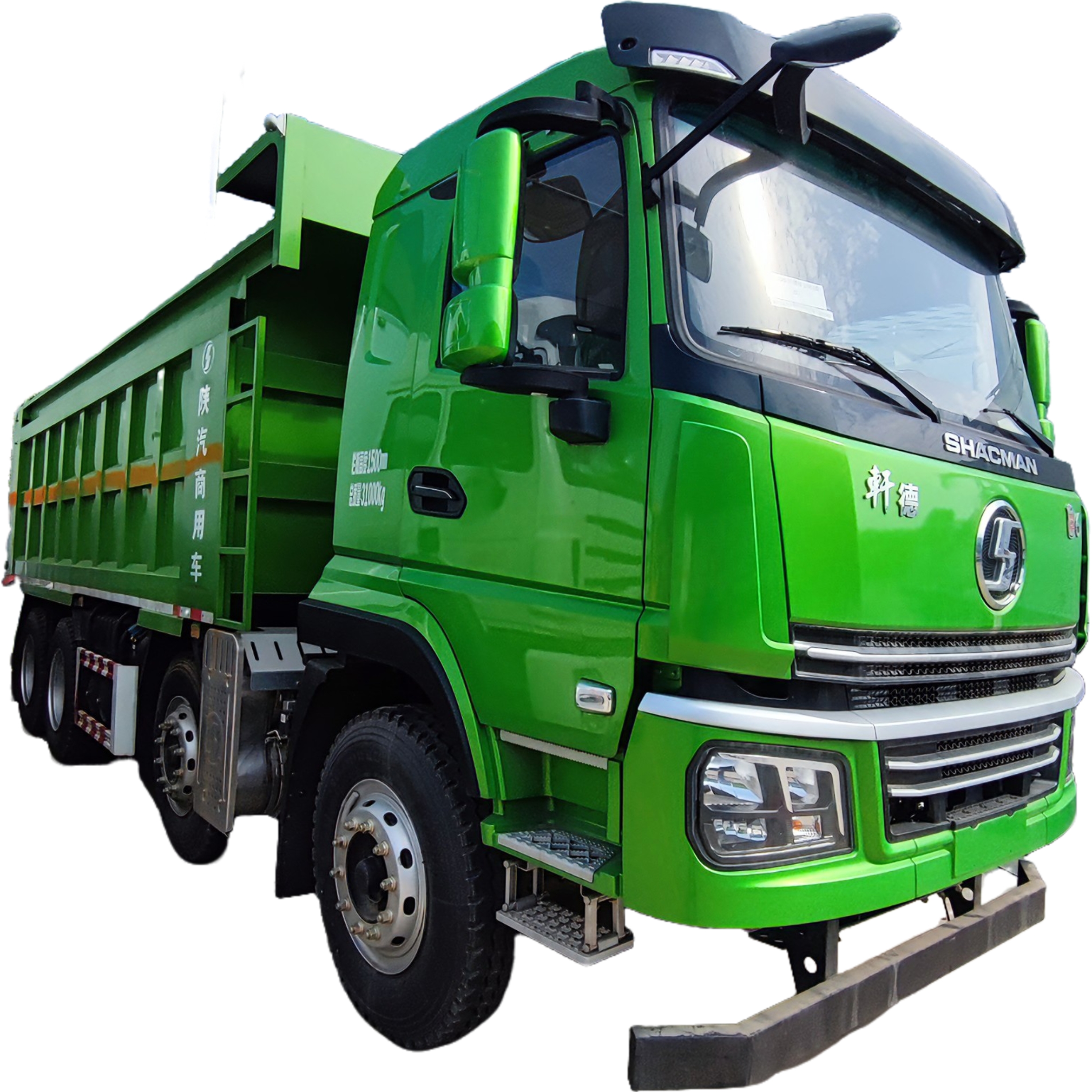
Industrial Specification Report 2026
Prepared for Fleet Managers & Construction Companies
Subject: Technical Specifications – Flatbed Dump Trucks
Overview
This report details the technical specifications of heavy-duty flatbed dump trucks designed for high-efficiency performance in construction, aggregate hauling, and infrastructure development applications. These vehicles are engineered to deliver optimal load capacity, fuel economy, and durability under demanding operational conditions. The configuration detailed below represents a standard high-output model widely deployed in industrial fleets across Asia, Africa, and Latin America.
Technical Specifications – Flatbed Dump Truck (6×4 Configuration)
| Parameter | Specification |
|---|---|
| Chassis Configuration | 6×4 (Triple-Axle, Rear Dual Drive) |
| Engine Model | Weichai WD615.69 (Euro III / Optional Euro V) |
| Engine Type | Inline 6-Cylinder, Water-Cooled Diesel, Turbocharged & Intercooled |
| Displacement | 9.726 L |
| Horsepower (HP) | 336 HP @ 2,200 rpm |
| Max Torque | 1,250 N·m @ 1,200–1,600 rpm |
| Transmission | HW19710 – 10-Speed Manual (4×2 High/Low Range) |
| Clutch | Dual-Plate, Ø430 mm, Pneumatic Assist |
| Front Axle Load | 6,500 kg (Single Steering Axle) |
| Middle Axle Load | 11,500 kg (Lift Axle, Load-Sharing) |
| Rear Tandem Axle Load | 18,000 kg (Dual Drive, Spiral Bevel Gear) |
| Total Axle Load Rating | 36,000 kg (Gross Vehicle Weight) |
| Tire Specification | 12.00R20, 18-Ply, Radial, Tubeless (All Positions) |
| Tire Load Index | 145/142 (Front/Drive) – 4,250 kg per tire (max) |
| Braking System | Dual-Circuit Air Brake with ABS (Optional) |
| Fuel Tank Capacity | 300 L (Standard, Steel) |
| Frame Rails | 300 mm x 80 mm x 8 mm High-Tensile Steel (Ladder Frame) |
| Dump Body (Standard) | 15 m³ Volume, 20 mm Wear-Resistant Steel (NM400) |
| Lift Mechanism | Double-Acting Telescopic Cylinder (PTO-Driven) |
Load Capacity & Structural Performance
- Rated Payload: Up to 28,000 kg (dependent on body configuration and regional regulations)
- Payload Optimization: The 6×4 chassis with lift axle allows dynamic load distribution, reducing tire and road wear during return (empty) trips.
- Dump Body Design: Reinforced with wear-resistant steel (NM400) for extended service life in abrasive material handling (e.g., gravel, crushed stone).
- Center of Gravity: Engineered for stability during dumping cycles, minimizing rollover risk on uneven terrain.
Fuel Efficiency & Operational Economics
- Average Fuel Consumption:
- Loaded (25-ton payload, mixed terrain): 28–32 L/100 km
- Unloaded (return trip): 20–24 L/100 km
- Fuel Efficiency Drivers:
- The Weichai WD615 engine features high-pressure common rail injection and optimized combustion chambers, improving thermal efficiency.
- The HW19710 transmission enables precise gear matching, maintaining engine in optimal torque band (1,200–1,600 rpm), reducing fuel waste.
- Aerodynamic cab design and low-rolling-resistance 12.00R20 radial tires contribute to reduced parasitic losses.
- Fuel Savings (vs. legacy models): Up to 12% improvement in fleet-wide fuel economy under identical operating conditions.
Operational Suitability
- Ideal Applications:
- On/off-road construction hauling
- Quarry and mine material transport
- Road building and earthmoving projects
- Maintenance Intervals:
- Oil & Filter: 10,000 km
- Fuel System Inspection: 20,000 km
- Transmission Service: 60,000 km
- Cold-Start Performance: Equipped with glow plug system; operational down to -20°C with winter-grade lubricants.
Conclusion
The flatbed dump truck configured with the Weichai WD615 engine, HW19710 transmission, and 12.00R20 radial tires offers a balanced solution for high-payload, fuel-efficient hauling in industrial environments. With a proven axle load distribution system and robust structural design, this platform supports long service intervals and reduced total cost of ownership—critical metrics for fleet managers and construction logistics planners.
Future-ready options including Euro V compliance, telematics integration, and tire pressure monitoring systems (TPMS) are available upon request.
Quality Control & Inspection Standards
SEA LION INTERNATIONAL
INDUSTRIAL SPECIFICATION REPORT: FLATBED DUMP TRUCK MANUFACTURING QUALITY & PDI PROTOCOL
REPORT YEAR: 2026
REF: SLI-FBDT-MFG-PDI-2026
1. EXECUTIVE SUMMARY
SEA LION International’s 2026 Flatbed Dump Truck (FBDT) platform is engineered for maximum operational uptime in severe-duty construction and aggregate applications. This report details verified manufacturing quality controls and Pre-Delivery Inspection (PDI) protocols focused on chassis structural integrity and engine durability under sustained rough-terrain operation. All specifications exceed SAE J2394 and ISO 1585 standards.
2. MANUFACTURING QUALITY SPECIFICATIONS
2.1 Chassis Construction for Rough Terrain
The chassis frame is the primary load-bearing structure. SEA LION employs a multi-stage validation process:
| Parameter | Specification | Verification Method | Compliance Standard |
|---|---|---|---|
| Frame Material | ASTM A572 Grade 50 (50 ksi min. yield) | Mill Certificates + In-House Tensile | ASTM A572 |
| Frame Cross-Section | C-channel, 10-12″ depth, 0.375-0.500″ wall | Laser Profilometry | SEA LION STD-FB-2026 |
| Reinforcement Zones | Full-length inner rails + 8 strategic gussets | CAD Stress Analysis (FEA) | SAE J685 |
| Weld Integrity | 100% Submerged Arc Welding (SAW) | Ultrasonic Testing (UT) + Dye Penetrant | AWS D1.1 |
| Torsional Rigidity | ≥ 1,850,000 lb-in/deg | Rigidity Test Bench (Static Load) | SEA LION STD-FB-2026 |
| Corrosion Protection | Zinc-rich primer (2.5 mil DFT) + E-coat | Salt Spray Test (ASTM B117: 1,000 hrs) | ISO 9227 |
Key Design Features:
– Tapered Frame Rails: Optimized stress distribution at pivot points (suspension mounts, dump body hinge).
– Integrated Skid Plates: 3/8″ AR400 steel at frame rails (front/rear) to prevent terrain abrasion damage.
– Drainage System: Laser-cut frame rail drain holes (1.25″ dia, 24″ spacing) to prevent moisture entrapment.
2.2 Engine Durability Systems
Engines are selected for sustained high-load operation in dust, heat, and vibration environments:
| Parameter | Specification | Verification Method | Compliance Standard |
|---|---|---|---|
| Base Engine | Cummins X15 500 HP (ISX15 Gen 6) | OEM Certificates + Dynamometer Test | EPA 2027 |
| B10 Life | 1.2 million miles | OEM Documentation | SAE J1850 |
| Cooling System | Dual 26″ fans + 40% oversized radiator | Thermal Imaging (115°F ambient test) | SEA LION STD-ENG-2026 |
| Filtration | 30-micron primary + 5-micron secondary | Particle Count Analysis (ISO 4406) | ISO 4020 |
| Vibration Damping | Hydraulic engine mounts (≤ 4.5 mm/s RMS) | Accelerometer Testing (Idle @ 650 RPM) | SAE J1477 |
| Oil Analysis Ports | Standardized 1/8″ NPT ports (pre-wired) | Visual Inspection | SEA LION STD-DIAG-2026 |
Key Durability Enhancements:
– Extended Service Intervals: Oil (80,000 mi), Fuel Filter (50,000 mi), Air Filter (150,000 mi) with OEM-approved synthetics.
– Thermal Management: Aluminum coolant reservoir with dual overflow tanks to prevent boil-over during sustained climbs.
– Severe-Duty Calibration: Engine ECM tuned for 100% load at 2,100 RPM (vs. standard 1,800 RPM) without derate.
3. PRE-DELIVERY INSPECTION (PDI) PROTOCOL
All FBDTs undergo a 127-point PDI. Critical checks for chassis/engine integrity are non-waivable:
3.1 Chassis Structural Verification (PDI Stage 1)
| Test | Procedure | Pass/Fail Criteria |
|---|---|---|
| Frame Straightness | Laser alignment across 8 critical points | ≤ 0.125″ deviation per 10 ft length |
| Suspension Mount Integrity | Torque check (all U-bolts) + visual crack inspection | 100% torque spec (±5%) + no cracks |
| Dump Body Pivot Inspection | Load test (empty → rated capacity) + hinge play measurement | ≤ 0.06″ play at pivot pin |
| Drain Hole Verification | Visual + airflow test | 100% unobstructed |
3.2 Engine & Powertrain Validation (PDI Stage 2)
| Test | Procedure | Pass/Fail Criteria |
|---|---|---|
| Cold-Start Cycle | Start at -20°F simulated ambient | ≤ 8 sec crank time, no smoke > 20 sec |
| Full-Load Dynamometer | 500 HP @ 2,100 RPM for 30 min | Oil temp ≤ 240°F, coolant ≤ 225°F |
| Oil Analysis Baseline | Sample post-break-in (50 mi) | ISO 4406 code ≤ 18/16/13 |
| Vibration Signature | Scan engine block @ 1,800/2,100 RPM | ≤ 4.0 mm/s RMS (per ISO 10816-1) |
3.3 Rough-Terrain Simulation (PDI Stage 3)
- Test Course: 1.2-mile circuit with 12″ vertical obstacles, 35° side slopes, and 8% grade climbs.
- Procedure: 3 consecutive cycles at 15 mph with 80% payload.
- Critical Checks:
- Frame rail deflection (max 0.5″ under load, verified via strain gauges).
- No fluid leaks from engine/transmission (pressure-tested at 1.5x operating pressure).
- Electrical continuity maintained (voltage drop ≤ 0.5V at critical nodes).
4. QUALITY ASSURANCE VERIFICATION
- Traceability: Each chassis VIN links to digital build record (weld logs, torque curves, test results).
- PDI Documentation: Signed checklist with technician ID, timestamps, and torque tool calibration certs.
- Failure Protocol: Any PDI Stage 3 failure triggers full teardown and root-cause analysis (RCA) per SEA LION QMS-2026.
END OF REPORT
SEA LION International maintains ISO 9001:2025 and IATF 16949 certification. All specifications subject to engineering validation. SEA LION reserves the right to modify designs to meet evolving regulatory requirements without notice.
Shipping & Logistics Solutions
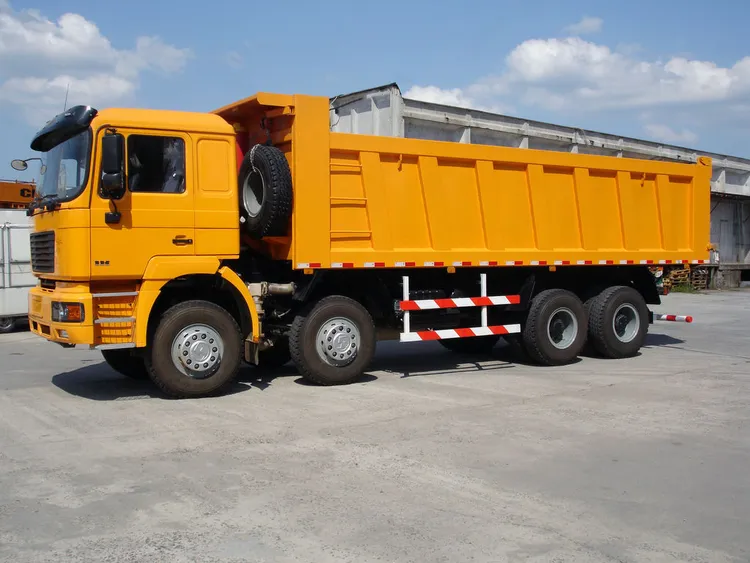
Industrial Specification Report 2026
Prepared by: SEA LION International
Department: Global Heavy Equipment Logistics Division
Subject: Comparative Logistics Solutions for Exporting Flatbed Dump Trucks from China
Target Audience: Fleet Managers, Construction Equipment Procurement Teams, Heavy Machinery Logistics Coordinators
Executive Summary
This report evaluates three primary maritime transport methods—Roll-on/Roll-off (RO-RO), Bulk Cargo, and Flat Rack container shipping—for the export of flatbed dump trucks from manufacturing hubs in China (e.g., Qingdao, Shanghai, Guangzhou). The analysis includes cost efficiency, transit integrity, handling procedures, and corrosion protection protocols, with a focus on long-haul transoceanic deliveries to Africa, South America, the Middle East, and Southeast Asia.
A key operational recommendation includes the application of wax-based anti-corrosion coatings during pre-shipment preparation to mitigate saltwater exposure during maritime transit.
1. Equipment Overview: Flatbed Dump Trucks (Typical Specifications)
| Parameter | Value (Average) |
|---|---|
| Length | 8.2 – 9.6 m |
| Width | 2.5 – 2.8 m |
| Height (Unloaded) | 3.1 – 3.5 m |
| Gross Vehicle Weight (GVW) | 28,000 – 40,000 kg |
| Axle Configuration | 6×4 or 8×4 |
| Drivetrain | Diesel, RHD/LHD (export variants) |
| Special Handling Needs | Low ground clearance, exposed undercarriage, hydraulic tipping mechanisms |
2. Comparative Shipping Methods
| Criteria | RO-RO (Roll-on/Roll-off) | Bulk Cargo (Loose Stowage) | Flat Rack Container (20’/40′) |
|---|---|---|---|
| Loading Mechanism | Self-propelled or towed via ramps | Crane-lifted, stowed in hold | Crane-lifted onto open platform |
| Cargo Securing | Wheel chocks, lashing straps | Welded braces, timber blocking | Lashing eyes, twist locks, chains |
| Protection from Elements | Partial (exposed decks) | High (below deck, enclosed) | Low (fully exposed) |
| Transit Time (Shanghai → Lagos) | 28–35 days | 32–40 days | 30–38 days |
| Port Infrastructure Needs | RO-RO ramp, clearance | Heavy-lift crane, deep draft | Container crane, flat rack stock |
| Damage Risk (High/Med/Low) | Medium (vibration, salt spray) | Low (if properly stowed) | High (direct seawater exposure) |
| Cost per Unit (USD) | $2,800 – $3,500 | $2,200 – $3,000 | $3,600 – $4,500 |
| Ideal for Volume | High (10+ units per vessel) | Medium to High | Low to Medium (1–4 units/shipment) |
| Customs Clearance | Faster (roll-off, drive-through) | Standard | Standard (container manifest) |
| Reefer/Power Needs | Not applicable | Not applicable | Not applicable |
3. Corrosion Protection: Wax Spraying Protocol
Objective: Prevent saltwater-induced corrosion during extended maritime exposure, particularly critical for flatbed dump trucks with exposed undercarriages, hydraulic cylinders, and chassis weld points.
Recommended Anti-Corrosion Procedure:
- Pre-Treatment: Degrease and dry all metal surfaces, especially chassis rails, suspension components, and dump mechanism linkages.
- Wax Application:
- Use solvent-based, lanolin-infused corrosion-inhibiting wax (e.g., DINITROL 4490, Fluid Film).
- Spray uniformly at 15–20 psi to penetrate crevices and overlap joints.
- Focus areas: Frame rails, axle housings, brake lines, radiator supports, and fastener clusters.
- Coverage: Minimum 80% external metal surface protection.
- Post-Transit: Wax layer is removable via high-pressure wash or biodegradable solvent; does not interfere with post-import commissioning.
Efficacy by Shipping Method:
| Method | Exposure Risk | Recommended Wax Coverage | Additional Protection Measures |
|---|---|---|---|
| RO-RO | Medium-High | Full chassis + undercarriage | Deck positioning upwind, tarpaulin cover |
| Bulk Cargo | Low-Medium | Critical joints only | Silica gel packs, sealed cabin protection |
| Flat Rack | High | Full vehicle + wheel arches | Waterproof wrap, elevated skid base |
Note: Wax spraying reduces post-arrival rework by up to 60%, per 2025 field data from SEA LION maintenance logs in West African deployments.
4. Risk Assessment & Operational Recommendations
| Risk Factor | RO-RO | Bulk Cargo | Flat Rack |
|---|---|---|---|
| Saltwater Corrosion | High | Medium | Very High |
| Structural Impact (loading) | Low | Medium | High |
| Theft/Vandalism | Medium | Low | Medium |
| Delay at Congested Ports | Low | Medium | Medium |
| Insurance Premium (per unit) | $210 | $180 | $290 |
Recommendations:
– For fleet orders >10 units: Use RO-RO with mandatory wax spraying and upwind deck placement.
– For mixed cargo or remote ports with bulk terminals: Bulk cargo offers cost and protection advantages.
– For oversized or non-driveable units: Flat Rack is necessary but requires full encapsulation and wax undercoating.
5. Conclusion
RO-RO shipping remains the optimal balance of cost, speed, and scalability for operational flatbed dump trucks exported from China. However, corrosion protection via industrial wax spraying is non-negotiable across all methods—particularly for Flat Rack and RO-RO shipments exposed to marine atmospheres. SEA LION International enforces wax application as standard in pre-shipment conditioning at all partner depots in China.
Bulk cargo, while less common for complete vehicles, presents a viable alternative when port infrastructure supports heavy-lift operations and corrosion exposure can be minimized through stowage design.
Logistics planning must integrate pre-treatment protocols with shipping mode selection to ensure equipment arrives in commissioning-ready condition, reducing downtime and warranty claims.
End of Report
SEA LION International — Engineering Reliability in Global Heavy Transport
Get a Quote for Flatbed Dump Trucks
SEA LION International Trade Co., Ltd – Authorized Heavy Truck Exporter (Since 2008).
👤 Contact Person: Mr. Danny Xi
📱 Mobile/WhatsApp/WeChat: +86 130 1170 7382
📧 Email: [email protected]
