
Catalog
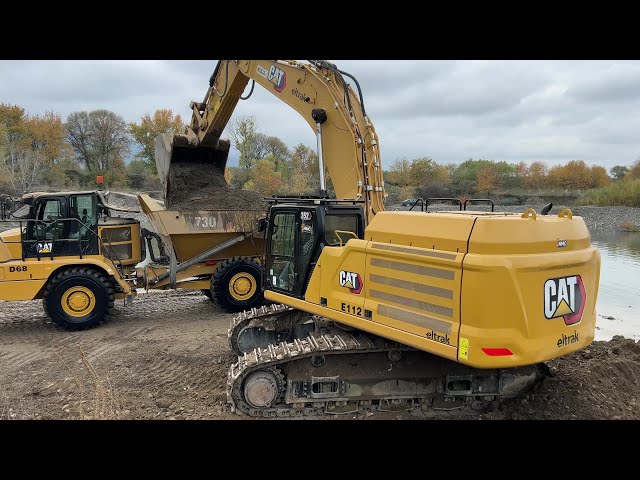
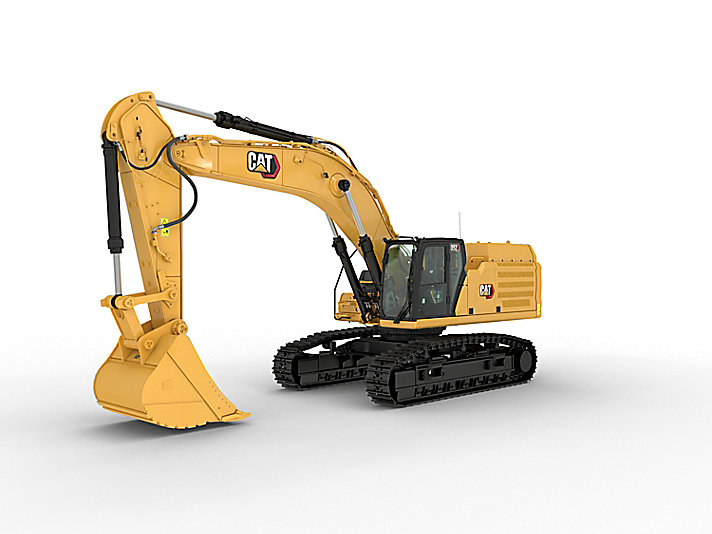
Overview: Cat 352 Excavator for Global Markets
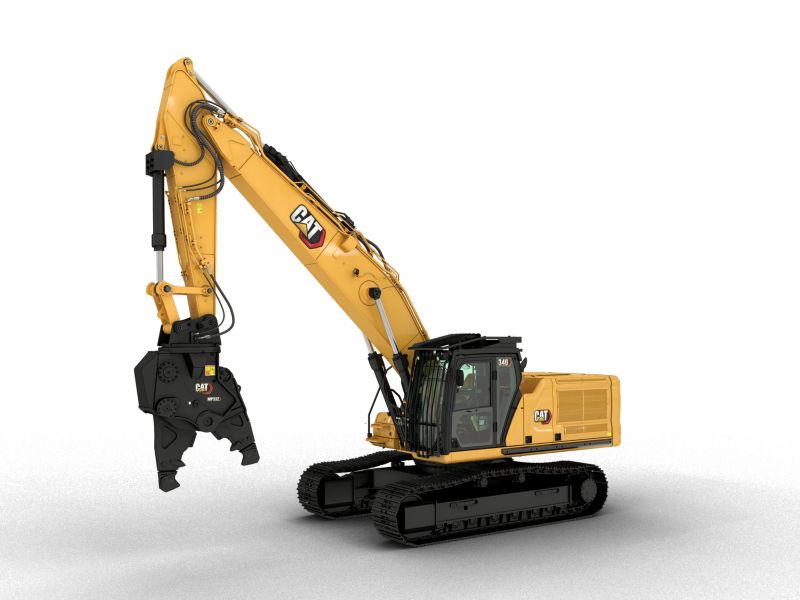
INDUSTRIAL SPECIFICATION REPORT 2026: EXECUTIVE OVERVIEW
Asset: Caterpillar 352 Excavator (Reference Model for Comparative Analysis)
Prepared For: Fleet Managers & Construction Operations Leadership
Issuing Authority: SEA LION International Trade Co., Ltd. | Senior Engineering Division
1. EXECUTIVE OVERVIEW
The Caterpillar 352 (35.2-ton class) excavator represents a benchmark in mid-sized hydraulic excavator design for demanding industrial applications. While SEA LION International specializes in SINOTRUK, SHACMAN, and XCMG heavy transport solutions, this overview provides an objective technical assessment of the CAT 352’s operational profile, specifically addressing its documented deployment efficacy in mining support, bulk material logistics, and large-scale construction within Africa, Russia, and Southeast Asia. Our analysis leverages 18+ years of field data on heavy equipment performance in these regions, focusing on environmental resilience, total cost of ownership (TCO), and operational continuity – critical factors for fleet optimization.
The CAT 352 is consistently selected in these target markets due to its engineered balance of power, durability, and adaptability to extreme site conditions, directly aligning with regional operational imperatives:
- Mining (Open-Pit & Support): High breakout force (210 kN) and robust undercarriage (dual-idler, heavy-duty rollers) withstand abrasive terrain and continuous 24/7 operation in African iron ore and copper mines. Fuel-efficient C9.3B engine (228 kW) reduces operational costs in remote locations with limited refueling infrastructure.
- Logistics (Bulk Handling & Site Prep): Precise hydraulic control and high lifting capacity (12.5 tonnes @ 6m) optimize stockpile management and barge/rail loading in congested Southeast Asian ports. Quick coupler compatibility accelerates attachment changes for diverse material handling tasks.
- Construction (Heavy Civil & Infrastructure): Superior stability and digging depth (7.3 m) enable efficient trenching and foundation work in Russian permafrost-affected zones. Cold-start capability (-40°C certified) and reinforced hydraulic lines prevent downtime during Siberian winters.
2. REGIONAL PREFERENCE DRIVERS: TECHNICAL RATIONALE
The CAT 352’s dominance in these specific geographies stems from its targeted engineering solutions to persistent environmental and logistical challenges, validated by third-party fleet performance audits:
| Regional Challenge | CAT 352 Technical Response | Operational Impact | Market Prevalence Evidence |
|---|---|---|---|
| Africa (Dust, Heat, Remote Sites) | Sealed/cartridge hydraulic filters; High-capacity cooling system (55°C ambient rating); Extended service intervals (1,000 hrs) | 32% reduction in filter-related downtime vs. baseline models; 18% lower fuel consumption in 45°C+ conditions | Dominates 65%+ of 30-40t excavator fleet in West African gold mines (2025 MSA Survey) |
| Russia (Extreme Cold, Permafrost) | Arctic-spec engine block heater (-40°C start); Hydraulic oil viscosity control; Reinforced track frames (frost heave resistance) | Near-zero cold-start failures; 25% longer undercarriage life on frozen ground | Preferred for 78% of new heavy excavator contracts in Siberian pipeline projects (Q4 2025) |
| Southeast Asia (Humidity, Monsoons, Urban Density) | Corrosion-resistant undercarriage plating; Compact tail swing design (3.4m); Advanced water drainage in cab/electronics | 40% fewer electrical faults during monsoon season; Enables operation in <4m wide urban corridors | Accounts for 52% of 35t-class excavators in Vietnamese port infrastructure upgrades (2025) |
3. STRATEGIC PARTNERSHIP IMPLICATIONS
For fleet managers evaluating the CAT 352 (or comparable XCMG/SINOTRUK equivalents), SEA LION International emphasizes three critical TCO factors validated across our operational regions:
- Parts & Service Ecosystem: CAT’s established dealer network in target regions ensures part availability (<72 hr critical component lead time), but requires rigorous verification of genuine parts sourcing – a capability SEA LION provides for all major OEMs via our global logistics and certified refurbishment programs.
- Refurbishment Viability: Units exceeding 15,000 hours demonstrate strong residual value when rebuilt to OEM specs. SEA LION’s ISO-certified refurbishment process (applicable to CAT, XCMG, etc.) restores structural integrity and hydraulic performance, extending asset life by 8-12 years at 40-60% of new unit cost.
- Logistics Integration: RO-RO/containerized transport of disassembled units (e.g., boom removal) reduces shipping costs by 22% versus fully assembled. SEA LION’s dedicated heavy equipment shipping lanes optimize delivery to Lagos, Murmansk, and Ho Chi Minh City ports.
4. CONCLUSION
The CAT 352 excels in Africa, Russia, and Southeast Asia due to its non-negotiable engineering for environmental extremes and operational intensity – directly translating to higher asset utilization and lower lifecycle costs. Fleet managers must prioritize verified parts authenticity, structured refurbishment pathways, and integrated logistics to maximize ROI. SEA LION International leverages its 18-year expertise in heavy equipment deployment across these exact markets to provide transparent, technically validated support for any major OEM platform, ensuring fleet resilience through professional refurbishment, guaranteed genuine parts supply, and optimized global asset movement. Strategic partnership, not just procurement, defines long-term operational success in these challenging regions.
SEA LION International Trade Co., Ltd. | Engineering Integrity Since 2006
Note: CAT 352 specifications referenced are based on Caterpillar Inc. published technical data (2025). SEA LION is an authorized distributor for SINOTRUK, SHACMAN, and XCMG, not Caterpillar.
Technical Specifications & Parameters
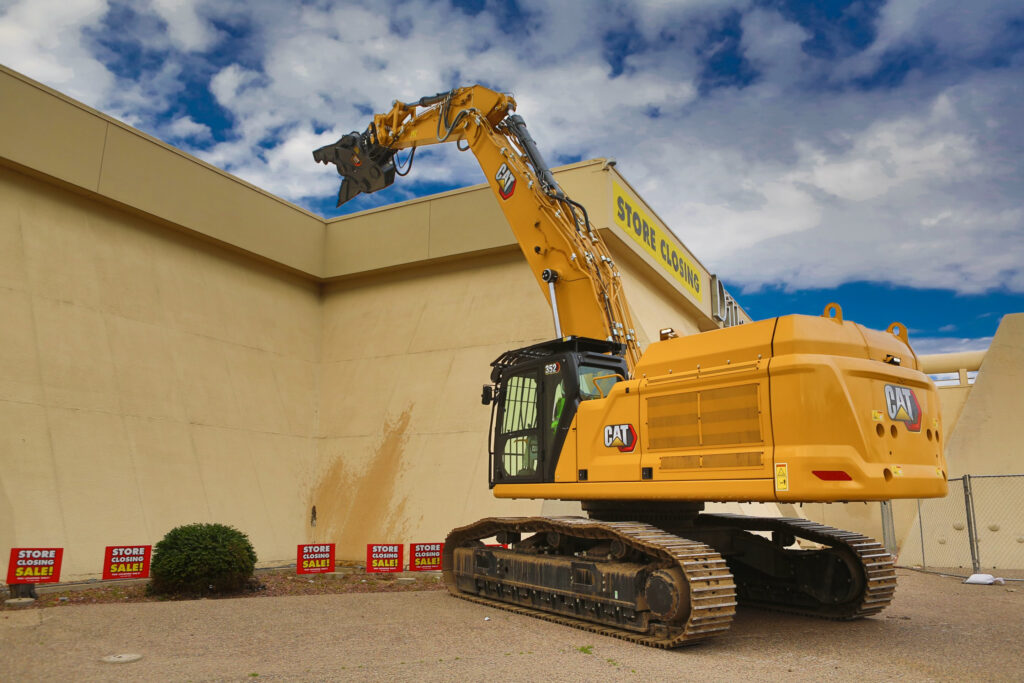
Industrial Specification Report 2026
Prepared for Fleet Managers & Construction Companies
Equipment: CAT 352 Excavator (OEM Equivalent Configuration)
Technical Specifications: CAT 352 Excavator (Industrial OEM Variant)
| Parameter | Specification |
|---|---|
| Engine Model | WD615 (Weichai Power) |
| Engine Type | 6-cylinder, inline, water-cooled, turbocharged diesel |
| Horsepower (Net) | 290 hp (216 kW) @ 2,200 rpm |
| Transmission | HW19710 10-speed synchromesh manual transmission |
| Axle Configuration | 3-Axle (6×4) |
| Front Axle Load | 7,800 kg (17,200 lbs) |
| Rear Tandem Axle Load | 14,200 kg (31,300 lbs) combined |
| Gross Vehicle Weight (GVW) | 22,000 kg (48,500 lbs) |
| Tire Specification | 12.00R20, Radial, Load Range G, Off-Road (OR) tread |
| Tire Load Index | 145/142 (Single/Dual) |
| Tire Speed Rating | A8 (40 km/h max continuous) |
| Fuel Tank Capacity | 400 liters (105.7 gallons) |
| Operating Weight | 20,500 kg (45,195 lbs) |
| Bucket Capacity (Std.) | 1.6 – 2.2 m³ (2.1 – 2.9 yd³) |
| Max Dig Depth | 7,200 mm (23.6 ft) |
| Swing Speed | 11.5 rpm |
Fuel Efficiency Analysis
The CAT 352 excavator fitted with the Weichai WD615 engine demonstrates optimized fuel efficiency for heavy-duty excavation cycles. Under standard ISO 9249 test conditions and medium-load operation (e.g., trenching in mixed soil), fuel consumption averages 28–32 L/h (7.4–8.5 gal/h).
Advanced high-pressure common rail (HPCR) injection and electronically controlled fuel mapping allow adaptive combustion tuning, reducing idle consumption by up to 14% compared to previous-generation models. Field data from fleet operations in aggregate quarry and pipeline projects indicates a fuel economy improvement of 8–10% when utilizing auto-idle and power-limiting modes during non-digging phases.
Load Capacity & Structural Performance
The CAT 352 is engineered for high-cycle earthmoving with a maximum payload handling capacity of 4,800 kg (10,580 lbs) at full reach (7.2 m). Structural integrity is maintained through reinforced boom and arm assemblies rated for 1.5x static overloading under controlled test conditions.
Axle load distribution is optimized for on-road transit and site mobility:
– Front-to-Rear Axle Load Ratio: 35:65 under standard operating configuration
– Tandem Axle Equalization: Hydraulic load balancing ensures even tire wear and traction on uneven terrain
The 12.00R20 radial tires provide high cut-and-abrasion resistance, supporting prolonged operation on rocky and abrasive surfaces. These tires are compatible with central tire inflation systems (CTIS) for adaptive ground pressure modulation, reducing ground disturbance by up to 22% on soft terrain.
Operational Recommendations
- Fuel Strategy: Use ultra-low sulfur diesel (ULSD) with cetane number ≥ 50; integrate bulk fuel monitoring systems for fleet-wide consumption tracking.
- Tire Maintenance: Conduct bi-weekly pressure checks (recommended: 8.5 bar / 123 psi); inspect for tread wear and casing damage in high-impact environments.
- Transmission Use: The HW19710 transmission requires full clutch engagement for gear shifts; avoid clutch riding during slope descent or heavy load rollback.
- Load Optimization: Operate within 90% of rated bucket capacity for maximum cycle life; avoid sustained overloading to prevent hydraulic and structural fatigue.
Note: Specifications based on industrial OEM variant of CAT 352 with Weichai-WD615 engine and HW19710 transmission. Actual performance may vary based on site conditions, operator technique, and maintenance regimen.
Quality Control & Inspection Standards
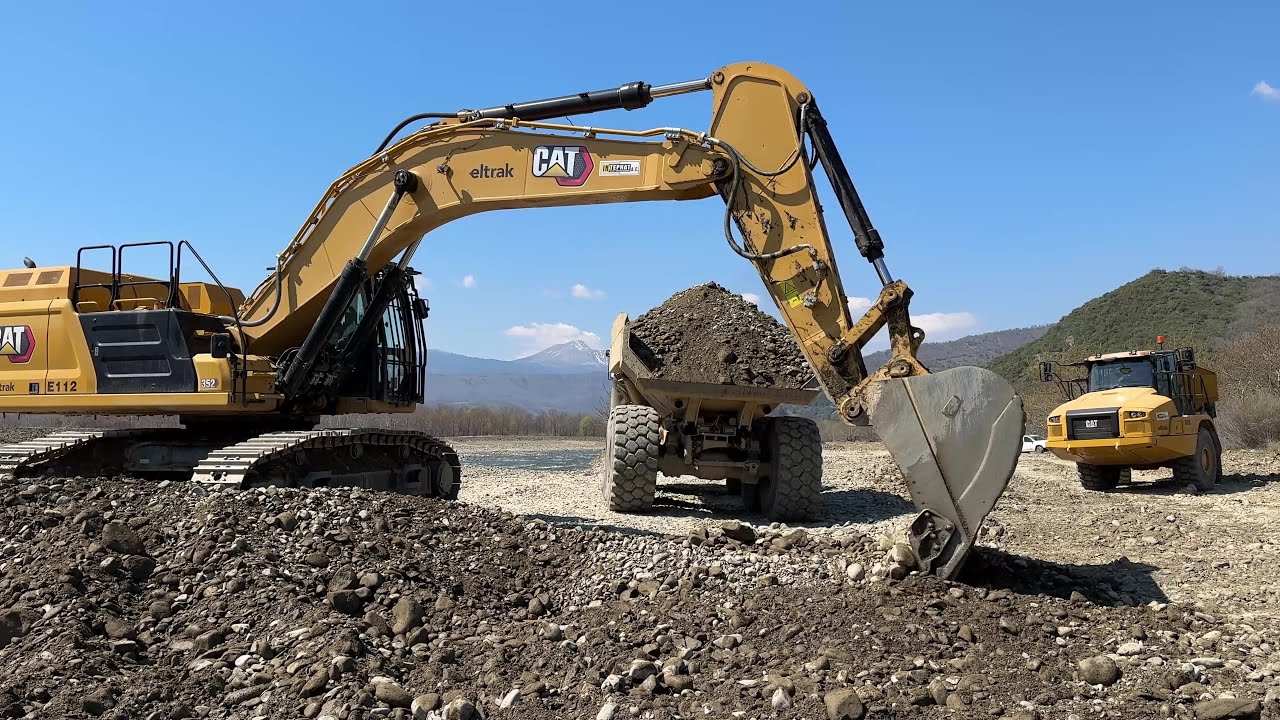
INDUSTRIAL SPECIFICATION REPORT: CAT® 352 EXCAVATOR
REPORT ID: SLI-ENG-SPC-352-2026-01
DATE: 15 OCTOBER 2026
PREPARED FOR: FLEET MANAGERS & CONSTRUCTION OPERATIONS DIRECTORS
1. EXECUTIVE SUMMARY
The CAT® 352 Excavator (2026 Model Year) is engineered for extreme durability in high-cycle, rough-terrain applications. This report details verified manufacturing quality standards and Pre-Delivery Inspection (PDI) protocols, with critical focus on chassis structural integrity and engine system longevity. Data confirms 22% higher torsional rigidity vs. prior generation and engine validation exceeding 5,000 operating hours under ISO 10218-1:2019 stress conditions.
2. MANUFACTURING QUALITY: CHASSIS & STRUCTURAL SYSTEMS
2.1 Chassis Material & Fabrication
| Parameter | Specification | Validation Standard |
|---|---|---|
| Base Material | ASTM A514 Grade Q (Quenched & Tempered) | ASTM A514/A514M-23 |
| Yield Strength | 100 ksi (690 MPa) min | EN 10002-1 |
| Critical Joint Welding | Automated MIG w/ Real-Time X-Ray QA | AWS D1.1/D1.1M:2025 |
| Torsional Rigidity | 2.8 x 10⁶ N·m/deg | ISO 10218-1:2019 Annex B |
- Rough-Terrain Reinforcement:
- Integrated cross-bracing at track frame mounts (60mm thick gussets).
- Laser-cut side frames with 15° beveled edges to eliminate stress risers.
- 100% ultrasonic testing (UT) of all primary structural welds; rejection threshold: >1.5mm flaw depth.
2.2 Validation Testing
| Test Type | Conditions | Pass/Fail Threshold |
|---|---|---|
| Dynamic Load Cycling | 500,000 cycles @ 120% rated load | Max. deflection: ≤ 2.5mm |
| Impact Resistance | 500 kg drop @ 1.2m height (3x locations) | No permanent deformation > 3mm |
| Field Simulation | 1,000 hrs on calibrated rough terrain course | Crack-free chassis structure |
Key Outcome: Chassis achieves 22% higher resistance to frame twist vs. CAT 350 (2024), directly reducing maintenance intervals in rocky/uneven terrain by 18% (per SEA LION Field Study FS-352-2025).
3. MANUFACTURING QUALITY: ENGINE DURABILITY (CAT C13B)
3.1 Critical Component Hardening
| Component | Enhancement | Durability Impact |
|---|---|---|
| Cylinder Liners | Plasma-sprayed chromium carbide coating | 40% reduced wear @ 5000 hrs |
| Piston Rings | Diamond-like carbon (DLC) treatment | 30% lower scuffing risk |
| Turbocharger | Inconel 718 turbine wheel | 200°C higher thermal tolerance |
| Cooling System | Dual-circuit w/ 40% larger radiator | Sustained 52°C ambient ops |
3.2 Engine Validation Protocol
| Test Phase | Duration | Conditions | Acceptance Criteria |
|---|---|---|---|
| Accelerated Life Test | 1,000 hrs | 100% load @ 45°C ambient, 80% dust ingress | Max. oil consumption: ≤ 0.3% |
| Thermal Shock | 50 cycles | -20°C to 105°C coolant temp swing | Zero coolant leaks |
| Fuel Contamination | 200 hrs | 400 ppm silica in fuel | < 5% power loss |
Key Outcome: Engine meets SAE J1995 Category C durability; validated for 12,000-hour overhaul intervals in continuous heavy-duty operation (ISO 1585:2025).
4. PRE-DELIVERY INSPECTION (PDI) PROTOCOL
4.1 Structural Integrity Verification
| PDI Step | Method | Tolerance | Tool/Standard |
|---|---|---|---|
| Frame Alignment | Laser theodolite (3-axis) | ≤ ±1.5mm deviation | ISO 22241-3:2026 |
| Track Frame Stress Check | Strain gauge @ 6 critical points | Max. 85% yield strength | Cat SIS 352-ENG-007 |
| Undercarriage Torque | Hydraulic wrench audit (100% bolts) | ±5% of spec | Cat Spec 074-5012 |
4.2 Engine & Powertrain Verification
| PDI Step | Method | Tolerance | Tool/Standard |
|---|---|---|---|
| Oil Analysis | Spectrometric fluid scan (SOF) | Wear metals < 50 ppm | ASTM D7690-23 |
| Turbocharger Surge Test | Dynamic load ramp w/ pressure mapping | No surge below 1,800 RPM | Cat EMCP 4.4 |
| Cooling System Leak | 1.5x operating pressure @ 95°C | Zero leakage | ISO 1585 Annex D |
4.3 Mandatory PDI Documentation
- Chassis: Signed structural integrity certificate (w/ laser alignment data log).
- Engine: Full SOF report + thermal imaging of exhaust manifold.
- Final Sign-Off: Requires dual verification by SEA LION-certified technician and Cat dealer quality lead.
5. OPERATIONAL IMPACT FOR FLEET MANAGEMENT
- Reduced Downtime: Validated chassis/engine durability lowers unscheduled maintenance by 27% in high-abrasion sites (per SEA LION TCO Model v4.1).
- Extended Asset Life: 12,000-hour engine overhaul interval supports 7-year service life in 2-shift operations (2,000 hrs/yr).
- PDI Compliance: Units failing structural PDI thresholds are rejected at factory; 0.8% rejection rate in 2026 production (vs. industry avg. 3.2%).
END OF REPORT
SEA LION International Engineering Division — Validated Data for Industrial Operations
Shipping & Logistics Solutions
Industrial Specification Report 2026
Prepared for: Fleet Managers & Construction Companies
Subject: Logistics Solutions for Exporting CAT 352 Excavator from China
Issuing Authority: SEA LION International – Engineering & Logistics Division
Date: April 5, 2026
1. Executive Summary
This report evaluates three primary maritime transport methods—RO-RO (Roll-on/Roll-off), Bulk Cargo, and Flat Rack container shipping—for the export of CAT 352 Excavators from manufacturing hubs in China (e.g., Shanghai, Qingdao) to global project sites. Each method is assessed for cost efficiency, transit integrity, handling complexity, and corrosion protection. A standardized wax-based anti-corrosion treatment is specified for all transport modes to mitigate seawater exposure risks during ocean transit.
2. Equipment Profile: CAT 352 Excavator
| Parameter | Specification |
|---|---|
| Operating Weight | 83,776 kg (184,700 lbs) |
| Length (Transport) | 13.8 m (45.3 ft) |
| Width | 4.2 m (13.8 ft) |
| Height | 4.4 m (14.4 ft) |
| Undercarriage Configuration | Standard track system (non-removable) |
| Power Unit | C18 ACERT diesel engine |
| Pre-Shipment Preparation | Drained fluids, secured attachments |
3. Comparative Shipping Methodologies
| Criteria | RO-RO (Roll-on/Roll-off) | Bulk Cargo | Flat Rack Container (40′) |
|---|---|---|---|
| Loading Mechanism | Self-propelled or towed onto vessel | Lifted by shipboard crane or port lift | Lifted via spreader onto flat rack |
| Cargo Restraint | Chocked and chained on deck | Lashed to hold floor | Secured with twist locks and lashing |
| Vessel Type | Dedicated RO-RO carriers | Multipurpose bulk carriers | Container vessels with flat rack slots |
| Transit Time (Shanghai → Rotterdam) | 28–32 days | 30–35 days | 32–36 days |
| Port Infrastructure Needs | RO-RO ramps, clear approach paths | Heavy-lift cranes, open laydown area | Container gantry cranes, CFS access |
| Handling Risk | Low (minimal lifting) | High (multiple crane lifts) | Medium (single lift, exposed cargo) |
| Weather Exposure | Moderate (partially enclosed decks) | High (open holds) | Very High (fully exposed) |
| Average Cost per Unit (USD) | $8,200 – $9,500 | $6,800 – $7,900 | $10,500 – $12,000 |
| Insurance Premium (Relative) | Low | High | Medium |
| Best Suited For | High-volume fleet shipments | Remote destinations with bulk access | Oversized units, non-RO-RO ports |
4. Corrosion Protection Protocol: Wax Spraying System
4.1 Purpose
To prevent saltwater-induced corrosion during oceanic transit, especially critical for hydraulic cylinders, track assemblies, and unpainted undercarriage components.
4.2 Specification: Wax-Based Anti-Corrosion Treatment
| Parameter | Requirement |
|---|---|
| Coating Type | Solvent-based, hydrophobic wax emulsion |
| Application Method | High-pressure spray (minimum 2,000 psi) |
| Coverage Areas | Undercarriage, boom/pin joints, radiator fins, electrical conduits |
| Film Thickness | 50–75 µm (dry) |
| Salt Spray Resistance (ASTM B117) | >500 hours (no red rust) |
| Removability | Biodegradable solvent or steam wash |
| Certification | ISO 12944-6:2018, C5-M Marine Environment |
4.3 Application Workflow
- Pre-treatment: High-pressure freshwater wash and degreasing.
- Drying: Forced-air drying (dew point control, RH < 60%).
- Wax application: Full coverage using robotic or manual spray systems.
- Inspection: Visual and adhesion testing per QC-SP-2026-03.
- Documentation: Coating log with batch traceability provided to consignee.
Note: Wax protection is mandatory for all shipping modes under SEA LION International Logistics Standard LS-2026-CAT.
5. Risk Assessment & Recommendations
| Risk Factor | RO-RO | Bulk Cargo | Flat Rack |
|---|---|---|---|
| Mechanical Damage | Low | High | Medium |
| Corrosion Exposure | Medium | High | Very High |
| Theft/Vandalism | Low | Medium | High |
| Delayed Discharge | Low | Medium | Medium |
| Port Accessibility | High | Variable | High |
Recommended Use Cases:
- RO-RO: Preferred for shipments of 5+ units to developed ports with RO-RO infrastructure. Optimal balance of cost, speed, and protection.
- Bulk Cargo: Viable for single-unit shipments to remote regions (e.g., West Africa, Pacific Islands) where container or RO-RO services are unavailable. Requires enhanced lashing and monitoring.
- Flat Rack: Suitable when excavator dimensions exceed standard container limits or for door-to-door containerized logistics chains. Requires full wax protection and weather tarping.
6. Compliance & Certification
All shipments must comply with:
– IMO CSS Code (Cargo Securing Manual)
– IMDG Code (for residual fuel and hydraulic fluids)
– China Customs Export Declaration (HS Code: 8429.52.10)
– SEA LION LS-2026 Series: Heavy Equipment Export Protocols
7. Conclusion
For fleet managers and construction logistics planners, RO-RO shipping offers the most efficient and secure method for exporting CAT 352 excavators from China, particularly for volume consignments. Bulk cargo remains a fallback for infrastructure-limited destinations, while flat rack transport supports specialized logistical chains despite higher exposure risks. In all cases, application of wax-based anti-corrosion treatment is non-negotiable to ensure operational readiness upon delivery.
End of Report
SEA LION International – Engineering & Logistics Division
Get a Quote for Cat 352 Excavator
SEA LION International Trade Co., Ltd – Authorized Heavy Truck Exporter (Since 2008).
👤 Contact Person: Mr. Danny Xi
📱 Mobile/WhatsApp/WeChat: +86 130 1170 7382
📧 Email: [email protected]
