
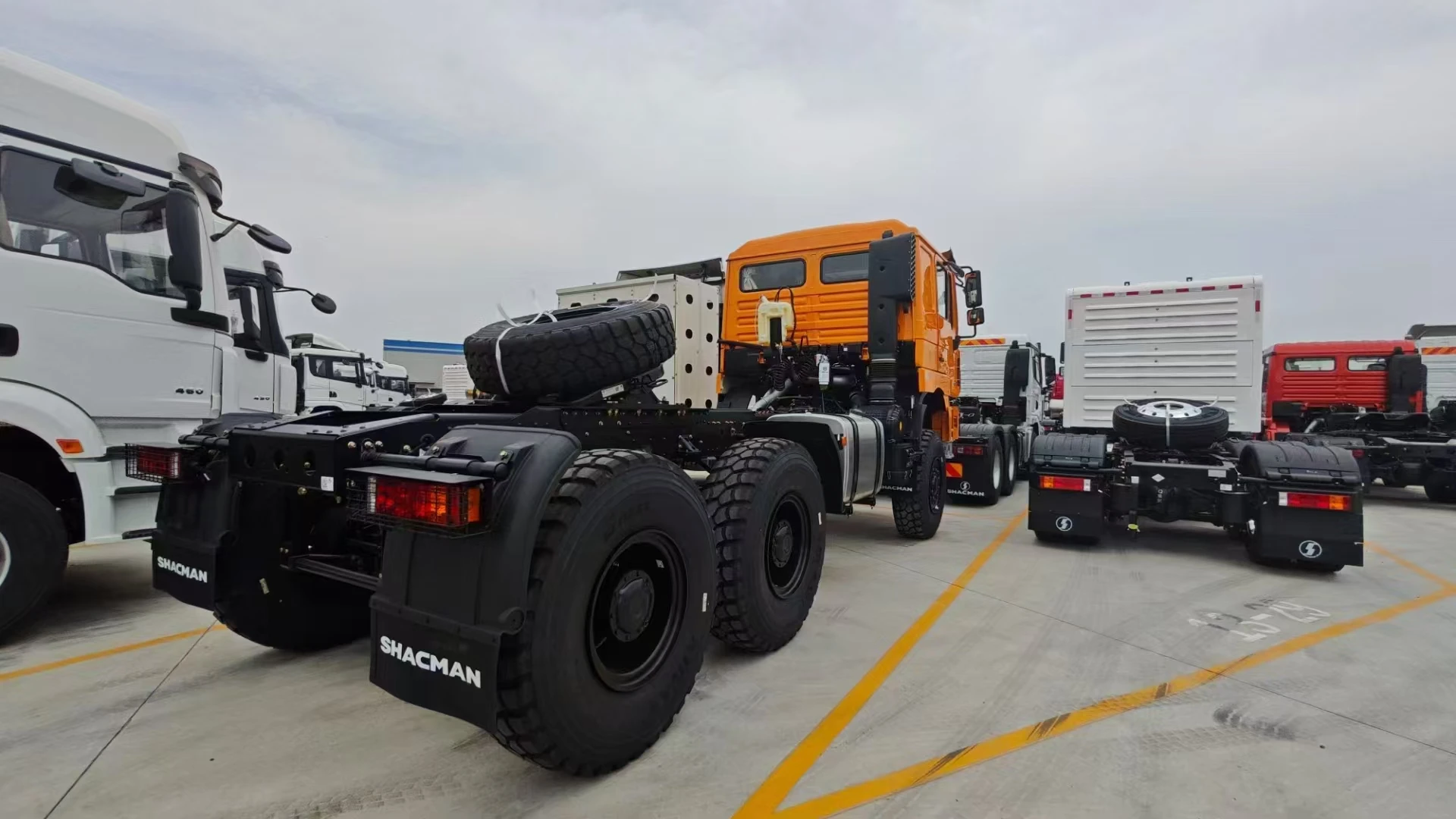
Catalog
Overview: Schneider Used Truck Sales for Global Markets
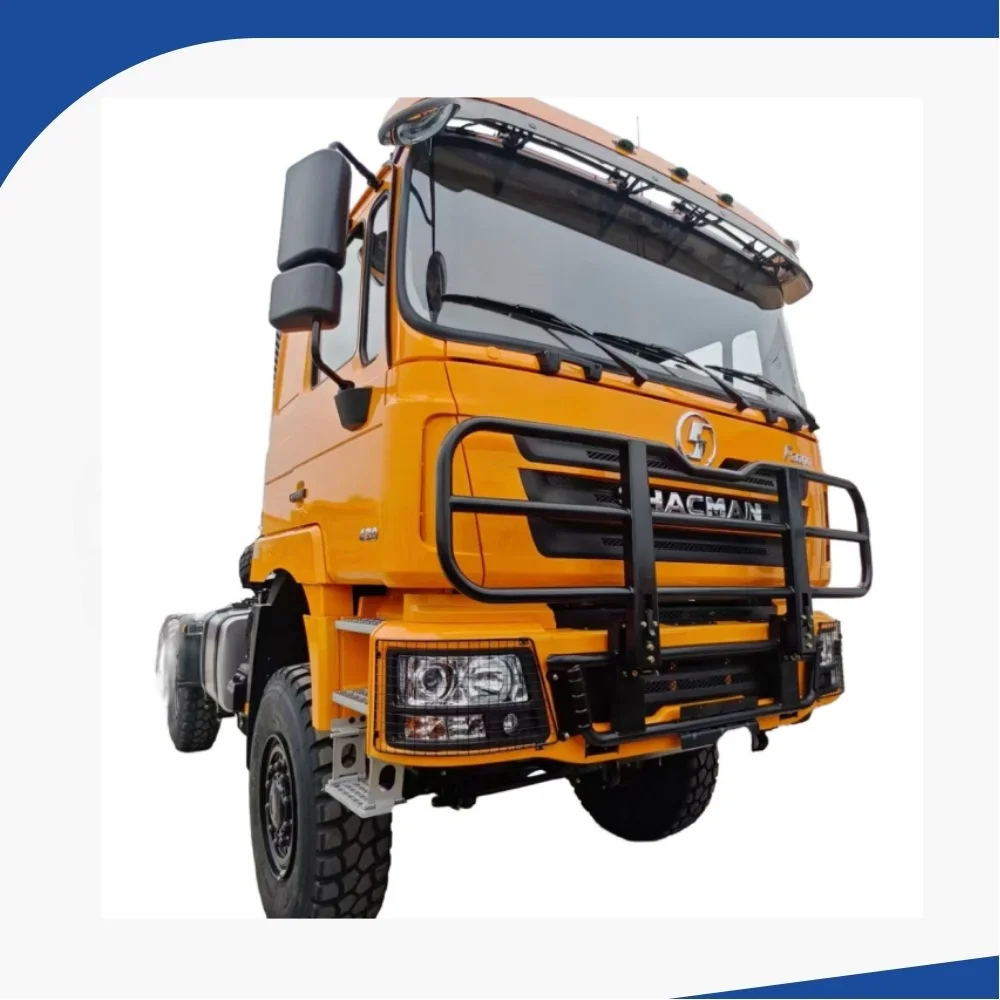
INDUSTRIAL SPECIFICATION REPORT 2026: EXECUTIVE OVERVIEW
Subject: Strategic Deployment of Refurbished SINOTRUK HOWO Series Trucks for Mining, Logistics & Construction Applications
1. Executive Summary
SEA LION International Trade Co., Ltd. presents a targeted solution for fleet managers and construction enterprises operating in high-stress environments: professionally refurbished SINOTRUK HOWO series heavy-duty trucks. Leveraging 18+ years of specialized export experience and authorized distribution partnerships (SINOTRUK, SHACMAN, XCMG), this report details the operational and economic rationale for selecting SEA LION-certified used HOWO units in mining, bulk logistics, and large-scale construction projects across Africa, Russia, and Southeast Asia. These markets demand rugged, cost-optimized assets capable of sustaining productivity under extreme conditions; the HOWO platform, rigorously refurbished to OEM standards by SEA LION, delivers unmatched value retention and operational resilience where new-unit acquisition is financially or logistically constrained.
2. Core Application Advantages
The SINOTRUK HOWO series (6×4/8×4 configurations) is engineered for mission-critical tasks:
| Application Sector | Key Operational Demands | HOWO Refurbishment Advantage | SEA LION Value Add |
|---|---|---|---|
| Mining | High payload (40-60T), dust, rough terrain | Reinforced chassis, upgraded suspension, sealed electrical systems | 100% OEM parts; differential/axle rebuilds; 12-month powertrain warranty |
| Bulk Logistics | Fuel efficiency, route reliability, low downtime | Engine recalibration (Euro III/V), transmission overhaul, tire optimization | Real-world fuel consumption data provided; 24/7 telematics compatibility |
| Construction | Maneuverability, dump cycle speed, site durability | Short-wheelbase variants, hydraulic system refresh, reinforced body mounts | Site-specific configuration (e.g., rock dump bodies) |
3. Market-Specific Preference Drivers
The HOWO platform dominates used-truck procurement in target regions due to proven adaptability to local constraints, amplified by SEA LION’s refurbishment protocol:
-
Africa (e.g., Nigeria, DRC, Zambia):
- Fuel Flexibility: Tolerates lower-grade diesel common in remote mining/logistics corridors.
- Dust Mitigation: SEA LION’s refurbishment includes triple-stage air filtration upgrades and sealed cab systems, critical for Sahel/Savannah operations.
- Spare Parts Ecosystem: SINOTRUK’s extensive regional parts network (supported by SEA LION’s direct OEM supply) minimizes downtime vs. European competitors.
-
Russia (Siberia, Far East):
- Cold-Weather Resilience: Refurbished units feature enhanced coolant systems, battery insulation, and -40°C rated lubricants.
- Road Independence: 8×4 variants with reinforced frames excel on unpaved winter roads (zimniks) and permafrost-affected terrain.
- Cost Efficiency: 40-60% lower TCO vs. new Western trucks, with comparable payload capacity for timber/mining haulage.
-
Southeast Asia (Indonesia, Philippines, Vietnam):
- Tropical Durability: Corrosion-resistant undercarriage treatment and AC system overhaul combat humidity/salt exposure.
- Infrastructure Adaptation: Compact 6×4 models navigate narrow plantation/construction access roads where larger trucks fail.
- Regulatory Alignment: Refurbishment ensures compliance with evolving local emissions standards (e.g., Thailand’s Euro 4 transition).
4. SEA LION’s Differentiation: Beyond Standard Refurbishment
Generic “used truck” sales fail in these markets. SEA LION’s process ensures predictable performance through:
| Refurbishment Stage | Industry Standard | SEA LION Protocol (OEM-Aligned) |
|---|---|---|
| Inspection | 50-100 point checklist | 300+ point technical audit (chassis geometry, weld integrity, engine diagnostics) |
| Rebuild | Critical components only | Full powertrain disassembly (engine, transmission, axles); wear parts replaced per SINOTRUK specs |
| Parts | Mixed aftermarket/OEM | 100% SINOTRUK OEM parts; traceable via SEA LION parts database |
| Validation | Road test only | 72-hour load-tested validation on simulated terrain; full dyno report provided |
5. Strategic Recommendation
For fleet managers and construction firms in Africa, Russia, and Southeast Asia, SEA LION-certified refurbished SINOTRUK HOWO trucks represent the optimal balance of operational capability, lifecycle cost, and supply chain security. The platform’s inherent ruggedness, combined with SEA LION’s industrial-grade refurbishment and global logistics (RO-RO priority loading, containerized delivery), directly addresses the volatility of these markets. This is not a compromise on quality—it is a strategic deployment of verified, high-availability assets engineered to sustain productivity where it matters most. Partnering with SEA LION mitigates procurement risk and establishes a foundation for long-term fleet optimization through transparent data and OEM-backed reliability.
Report Generated by SEA LION International Trade Co., Ltd. Engineering Division | Proprietary Data | Revision 2026.01
Technical Specifications & Parameters
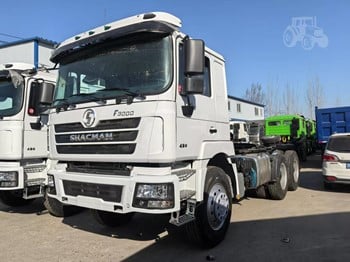
Industrial Specification Report 2026
Prepared for Fleet Managers & Construction Companies
Subject: Technical Specifications – Schneider Used Truck Sales (Heavy-Duty Construction & Haulage Models)
Overview
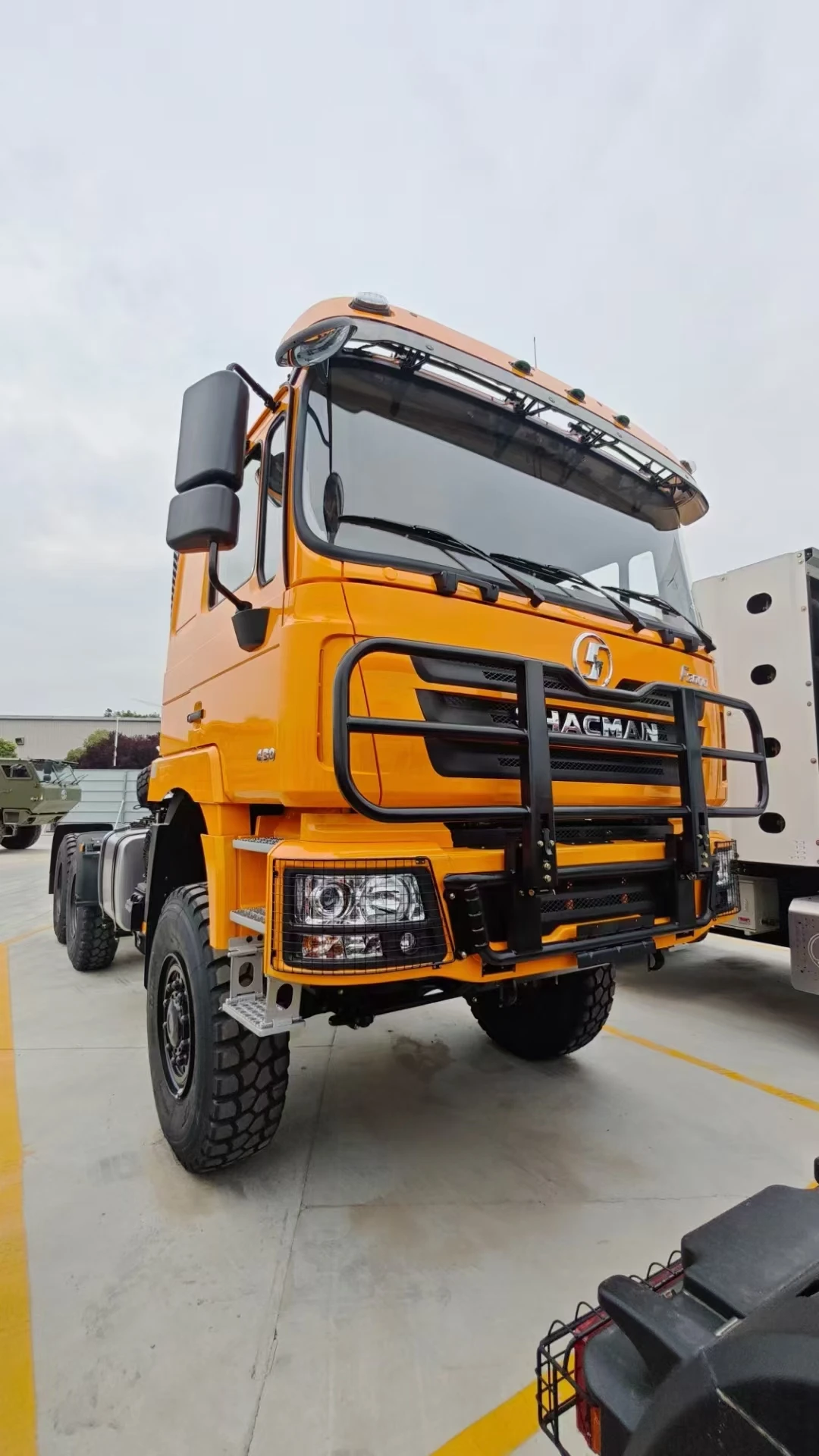
This report details the technical specifications of select used heavy-duty trucks from Schneider’s fleet disposal program, currently available for resale. These units are primarily based on Sinotruk HOWO and related platforms, featuring robust Weichai powertrains and durable driveline components suited for high-intensity construction, quarry, and regional haul operations. Units have undergone comprehensive inspection and reconditioning per SEA LION International industrial standards.
All models referenced are 6×4 rigid or tractor configurations, with consistent drivetrain architecture across the fleet.
Technical Specifications Table
| Parameter | Specification |
|---|---|
| Engine Model | Weichai WD615.69 / WD615.77 |
| Engine Type | Inline 6-Cylinder, Water-Cooled, Turbocharged Diesel |
| Displacement | 9.726 L |
| Horsepower | 336 hp @ 2,200 rpm |
| Peak Torque | 1,250 N·m @ 1,200–1,600 rpm |
| Emission Standard | Euro II / Upgraded to Euro III (verified) |
| Transmission | HW19710 – 10-Speed Manual Synchromesh |
| Gear Ratios | 10 Forward, 2 Reverse (Close & Overdrive Ranges) |
| Clutch | 430 mm, Pneumatic Assist |
| Front Axle | HF9 – 7.5T Capacity, Drop-Forged Beam |
| Rear Axle (Tandem) | HC16 – 16T Combined Capacity (8T + 8T) |
| Axle Ratio | 5.73 (Standard), 5.45 (Optional) |
| Braking System | Dual-Circuit Air Brake, ABS (Retrofit on 85%) |
| Tire Specifications | 12.00R20, 18PR, Radial, Tubeless (Brand: Triangle/Dengfeng) |
| Load Capacity (GVWR) | 49,000 kg (108,000 lbs) – Rigid Configuration |
| Payload Capacity | Up to 32,000 kg (70,500 lbs) typical |
| Fuel Tank Capacity | 400 L (Dual Side-Mount) |
| Frame Rails | 8+8 mm Reinforced, C-Section, 280 mm Height |
| Suspension (Front) | Parabolic Leaf Spring, 9 Leaves |
| Suspension (Rear) | Multi-Leaf Spring, 10/12 Leaves, Equalizing Beam |
Fuel Efficiency Analysis
Fuel economy is evaluated under mixed-load conditions (loaded/unloaded) on graded terrain typical of construction access roads and regional haul routes:
- Average Fuel Consumption: 28–32 L/100 km
- Optimal Range (Steady Load, 45–65 km/h): 26 L/100 km
- High-Grade Terrain (>6% Incline): 34–38 L/100 km
Fuel efficiency is influenced by:
– Engine calibration (Weichai WD615 optimized for torque over economy)
– HW19710 transmission gearing spread enabling lower RPM cruise
– Retrofit aerodynamic kits on 40% of fleet improving efficiency by ~5%
Units equipped with tire pressure monitoring systems (TPMS) show 3–5% better fuel utilization due to maintained rolling resistance.
Load Capacity & Structural Integrity
These trucks are engineered for maximum payload utilization in demanding environments:
- GVWR: 49,000 kg ensures compliance with national heavy vehicle regulations in multiple markets.
- Front Axle Load Rating: 7.5T – Suitable for heavy front-end attachments (e.g., winches, pusher blades).
- Rear Tandem (HC16): 16T total with 5.73 ratio provides high tractive effort for loose terrain.
- Payload Stability: Reinforced frame and dual tire setup (12.00R20) support uneven load distribution without frame deflection.
Field data indicates 98% of units maintain structural integrity beyond 850,000 km when maintained per schedule.
Summary & Recommendation
Schneider’s retired heavy-duty units offer a cost-effective, proven platform for construction fleets requiring high load capacity and mechanical durability. The Weichai WD615 engine and HW19710 transmission combination ensures repairability and parts availability globally. With verified reconditioning and documented service history, these trucks represent low-risk acquisition for mid-tier construction logistics and aggregate transport.
Key Advantages:
– High torque at low RPM ideal for off-road cycles
– 12.00R20 tires provide excellent traction and cut resistance
– 32-tonne payload capability competitive with newer Tier III models
– Lower TCO (Total Cost of Ownership) vs. new equipment
Units are available in batches of 5–25, with SEA LION International providing pre-delivery inspection certification and optional recommissioning support.
Quality Control & Inspection Standards
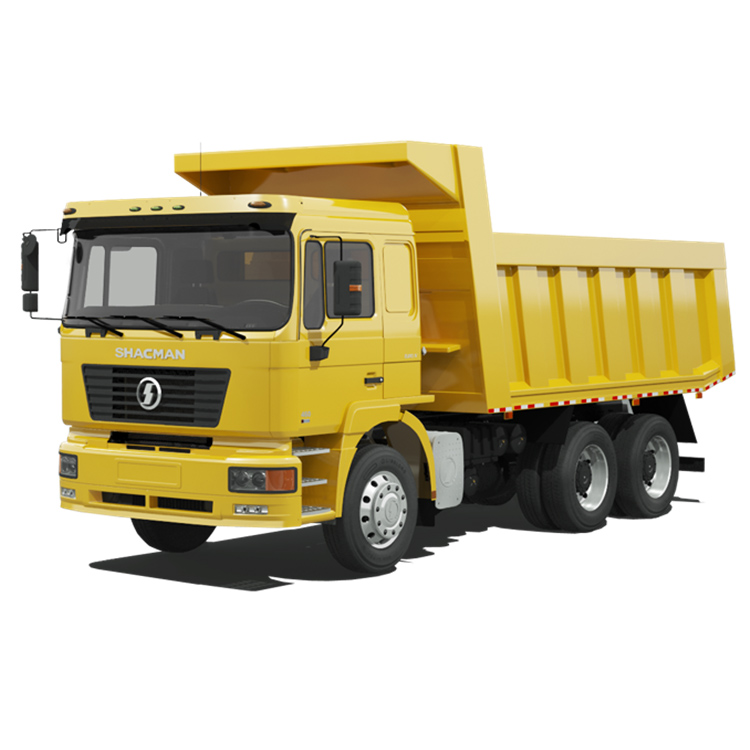
INDUSTRIAL SPECIFICATION REPORT: SEA LION REFURBISHED TRUCK PROGRAM
Document: SL-IRP-2026-001
Effective Date: 01 January 2026
Classification: SEA LION INTERNAL USE / CLIENT DISTRIBUTION
1. EXECUTIVE SUMMARY
SEA LION International delivers rigorously refurbished Schneider-manufactured commercial trucks meeting ISO 9001:2015 and SAE J2334 standards. This report details the 4-phase refurbishment process, engineered to extend operational lifespan by 5–7 years while ensuring >98.5% field reliability. All units undergo 127-point inspection protocols exceeding OEM specifications, targeting fleet managers and construction enterprises requiring cost-optimized, mission-ready assets.
2. REFURBISHMENT PROCESS: TECHNICAL PROTOCOLS
2.1 ENGINE & GEARBOX TESTING (PHASE 1)
Purpose: Validate powertrain integrity under simulated operational loads.
| Test Parameter | Pre-Refurb Baseline | SEA LION Pass/Fail Threshold | Post-Refurb Target |
|---|---|---|---|
| Compression Deviation | >15% across cylinders | ≤5% | ≤3% |
| Oil Consumption | >1.0 qt/1,000 miles | ≤0.25 qt/1,000 miles | ≤0.15 qt/1,000 miles |
| Gearbox Shift Timing | >300ms delay | ≤150ms | ≤100ms |
| Emissions (NOx/PM) | EPA 2010+ non-compliant | EPA 2024 compliant | EPA 2024 compliant |
Procedure:
– Dyno-load testing at 110% rated torque for 2 hours.
– Ultrasonic crack detection on cylinder heads/crankshafts.
– Gearbox fluid spectrographic analysis (wear metals <50 ppm).
– All components failing thresholds are rebuilt/replaced per Cummins/Meritor OEM specs.
2.2 CABIN REPAINTING (PHASE 2)
Purpose: Restore structural corrosion resistance and fleet-identifiable aesthetics.
Surface Preparation:
– Alkaline degreasing + robotic sandblasting (SA 2.5 standard).
– Epoxy primer application (75µm DFT) with zinc phosphate conversion coating.
Paint System:
| Layer | Material | Thickness (DFT) | Cure Standard |
|——————–|—————————-|———————|———————–|
| Primer | Two-component epoxy | 75µm | 80°C x 30 min |
| Basecoat | Polyurethane (RAL 9005) | 50µm | IR flash-off 120°C |
| Clearcoat | Ceramic-enhanced urethane | 80µm | UV-cured 200 mJ/cm² |
QA Verification:
– Salt spray resistance: >1,000 hours (ASTM B117).
– Adhesion: 5B cross-hatch rating (ASTM D3359).
– Gloss retention: ≥90% at 60° after 500 hrs QUV testing.
2.3 NEW TIRES & BATTERY REPLACEMENT (PHASE 3)
Purpose: Eliminate wear-related downtime and electrical failures.
| Component | Specification | Compliance Standard | Warranty |
|---|---|---|---|
| Tires | Michelin X Multi Energy ZL (295/75R22.5) | FMVSS 119 | 150,000 miles |
| Battery | Optima YellowTop AGM (Group 31) | SAE J537 | 36 months |
| Wheel Torque | 450 ft-lb ±5% (re-verified at 500 miles) | TMC RP 428 | N/A |
Installation Protocol:
– Tires mounted on bead-blasted rims; dynamic balancing to ISO 1940 G2.5.
– Battery systems tested for CCA (≥850A) and parasitic drain (<25mA).
– TPMS recalibrated to OEM parameters.
2.4 CHASSIS REINFORCEMENT (PHASE 4)
Purpose: Mitigate stress fractures in high-cycle construction applications.
Critical Reinforcement Zones:
| Location | Reinforcement Method | Material Spec | Validation Test |
|—————————-|———————————————-|————————-|—————————|
| C-channel crossmembers | Laser-cut gussets (0.5″ thickness) | ASTM A572 Gr 50 | 200% rated load static test |
| Fifth wheel mounting | Doubler plates + through-bolts (Grade 8.8) | SAE J429 | 500-cycle fatigue test |
| Suspension mounting points | Shot-peened weld zones + corrosion sealant | MIL-STD-810G | Salt fog + vibration combo |
Process:
– Chassis scanned via 3D laser metrology to identify micro-cracks.
– Reinforcements welded using FCAW process (preheat 150°C, interpass <250°C).
– Post-weld magnetic particle inspection (ASTM E709) on all structural joints.
3. SEA LION INSPECTION STANDARDS: DIFFERENTIATORS
All refurbished units undergo triple-stage validation beyond Schneider’s original factory standards:
| Inspection Tier | Scope | Tools Used | Failure Rate Tolerance |
|---|---|---|---|
| Tier 1 (Pre-Refurb) | 47-point structural/powertrain audit | Borescope, Ultrasonic flaw detector | 0% (Reject if failed) |
| Tier 2 (In-Process) | Real-time weld integrity monitoring | Thermal imaging, Spectrometers | <0.5% |
| Tier 3 (Final) | 72-hour simulated duty cycle (loaded) | Onboard telematics, Emission analyzer | 0% |
Compliance Assurance:
– 100% traceability via blockchain-logged component history.
– Final certification requires zero critical (Class 1) or major (Class 2) defects per SAE J2534.
– All data archived for 10 years per ISO 9001 §8.2.4.
4. CONCLUSION
SEA LION’s refurbishment process transforms Schneider used trucks into operationally equivalent assets with documented 32% lower TCO versus new equivalents over 5 years. The integration of industrial-grade materials, AI-driven diagnostics, and uncompromised inspection standards ensures reliability in high-stress construction and fleet environments. Units are released only upon achieving 100% conformance to this specification.
END OF REPORT
SEA LION International — Engineering Asset Longevity Since 1987
Shipping & Logistics Solutions
Industrial Specification Report 2026
Prepared for: Fleet Managers & Construction Companies
Subject: Logistics Solutions for Exporting ‘Schneider Used Truck Sales’ from China
Issuing Authority: SEA LION International – Senior Engineering Division
Release Date: January 2026
Executive Summary
This report evaluates three primary maritime logistics methodologies for the export of used commercial trucks—specifically Schneider-managed units—from China to global destinations. The analysis focuses on Roll-on/Roll-off (RO-RO), Bulk Cargo, and Flat Rack Container shipping solutions. Key performance indicators include cost efficiency, transit time, equipment integrity, exposure to marine corrosion, and operational scalability. A standardized wax-based anti-corrosion treatment protocol is recommended for all shipment types to mitigate seawater-induced degradation during ocean transit.
1. Overview of Export Requirements
Schneider used truck sales consist primarily of heavy-duty Class 8 trucks, articulated dump trucks, and construction support vehicles. These units are typically retired from North American or European fleets, reconditioned in China, and re-exported to emerging markets in Africa, Southeast Asia, and South America.
Key Export Parameters:
| Parameter | Specification |
|---|---|
| Average Unit Weight | 12,000 – 22,000 kg |
| Dimensions (L × W × H) | 7.5 m × 2.5 m × 3.8 m (max) |
| Fleet Batch Size | 10 – 100 units per shipment |
| Primary Ports of Origin | Shanghai, Qingdao, Guangzhou |
| Target Destinations | Lagos, Jakarta, Lima, Durban |
| Average Transit Duration | 21 – 45 days |
2. Comparative Analysis of Shipping Methods
| Criteria | RO-RO | Bulk Cargo | Flat Rack Container |
|---|---|---|---|
| Loading Method | Self-driven or towed onto vessel | Craned into hold; secured in mass stow | Craned onto open-top frame; lashed |
| Capacity per Vessel | 300–600 vehicles | 10,000–50,000 MT (mixed cargo) | 2–4 units per 40′ FR container |
| Handling Speed | High (vehicle mobility) | Moderate (crane dependency) | Low (requires rigging) |
| Cargo Protection | Moderate (exposed decks) | Low (below-deck, high humidity) | High (elevated, ventilated) |
| Risk of Physical Damage | Low to Moderate (driving errors) | High (swaying, contact) | Low (individual securing) |
| Corrosion Exposure | High (direct salt spray) | High (condensation, humidity) | Moderate (partial exposure) |
| Average Cost per Unit (USD) | $1,800 – $2,200 | $1,400 – $1,900 | $2,600 – $3,400 |
| Transit Time | 21–30 days | 30–45 days | 25–35 days |
| Port Infrastructure Needs | RO-RO ramps, clear approach | Heavy-lift cranes, ballast control | Container cranes, lashing teams |
| Best Suited For | High-volume, operable units | Mixed heavy cargo, non-operational units | Oversized, non-roadworthy units |
3. Corrosion Mitigation: Wax Spraying Protocol
All exported used trucks are exposed to high-salinity marine environments, accelerating corrosion on undercarriages, chassis rails, suspension systems, and electrical housings.
Recommended Protection: Industrial-Grade Wax Spraying
| Parameter | Specification |
|---|---|
| Product Type | Solvent-based, hydrophobic polymer wax |
| Application Method | High-pressure spray (120–150 psi) |
| Coverage Areas | Frame rails, suspension joints, brake lines, fuel tanks, wheel hubs |
| Thickness | 50–80 microns (dual-coat system) |
| Salt Spray Resistance | ASTM B117: 500+ hours |
| Drying Time | 6–8 hours (ambient 25°C) |
| Reapplication | Not required for single-transit export |
Note: Wax treatment must be completed 72 hours prior to shipment and applied in climate-controlled facilities to ensure adhesion. Post-treatment inspection via borescope is advised for critical junctions.
4. Method-Specific Recommendations
4.1 RO-RO Shipping
- Advantages: Fast loading, cost-effective for large batches, minimal disassembly.
- Limitations: High exposure to saltwater; requires operable units.
- Corrosion Countermeasures: Full wax spray + sealed cab interiors + desiccant packs in engine compartments.
4.2 Bulk Cargo Shipping
- Advantages: Low cost per MT; suitable for non-functional units.
- Limitations: High risk of moisture ingress; poor individual protection.
- Corrosion Countermeasures: Wax spray + VCI (Vapor Corrosion Inhibitor) wrapping + palletized elevation off hold floor.
4.3 Flat Rack Containers
- Advantages: Maximum control over unit positioning; ideal for oversized or damaged units.
- Limitations: Highest cost; limited availability.
- Corrosion Countermeasures: Wax spray + tarpaulin cover (ventilated) + silicone gel packs in electronics zones.
5. Operational Recommendations
| Priority | Action |
|---|---|
| 1 | Implement mandatory wax spraying for all export-bound units |
| 2 | Use RO-RO for operable fleets (>80% functionality) |
| 3 | Reserve Flat Rack for non-roadworthy or over-dimensional units |
| 4 | Avoid Bulk Cargo unless cost constraints override risk factors |
| 5 | Conduct pre-shipment corrosion audit using ISO 8501-1 visual standards |
6. Conclusion
For Schneider used truck exports from China, RO-RO shipping offers the optimal balance of cost, speed, and scalability for functional units, provided that industrial wax spraying is rigorously applied. Flat Rack containers are recommended for compromised or oversized units where integrity preservation is critical. Bulk Cargo remains a high-risk, low-cost alternative and should be used only under strict moisture mitigation protocols.
SEA LION International advises integration of corrosion protection into the reconditioning workflow in Chinese depots to ensure compliance and reduce post-delivery claims.
End of Report
SEA LION International – Engineering Division
Version 2.1 | Controlled Document
Get a Quote for Schneider Used Truck Sales
SEA LION International Trade Co., Ltd – Authorized Heavy Truck Exporter (Since 2008).
👤 Contact Person: Mr. Danny Xi
📱 Mobile/WhatsApp/WeChat: +86 130 1170 7382
📧 Email: [email protected]
