
Catalog
Overview: Used Truck Auctions for Global Markets

INDUSTRIAL SPECIFICATION REPORT 2026: EXECUTIVE OVERVIEW
Subject: Strategic Deployment of Auction-Sourced Refurbished Heavy Trucks in Capital-Intensive Sectors
1.0 Executive Overview
Fleet renewal cycles in mining, logistics, and construction face acute pressure from volatile capital expenditure (CAPEX) constraints, infrastructure limitations, and operational continuity demands. Traditional new-truck procurement models often prove economically nonviable in emerging markets, where rapid fleet scalability and resilience to harsh operating conditions are paramount. Auction-sourced, professionally refurbished heavy trucks—specifically engineered for sector-specific duty cycles—have emerged as the dominant asset renewal strategy across Africa, Russia, and Southeast Asia (SEA). This model directly addresses the critical intersection of total cost of ownership (TCO) optimization, operational availability, and supply chain agility in regions characterized by fragmented new-equipment distribution, complex import regimes, and high total cost of delay (TCD).
SEA LION International’s 18+ years of heavy-truck export specialization, combined with authorized distribution partnerships (SINOTRUK, SHACMAN, XCMG) and integrated refurbishment/logistics infrastructure, positions auction-refurbished assets as a de facto industry standard for fleet managers in these markets. Unlike unregulated local used-truck markets, SEA LION’s process delivers OEM-aligned reliability through:
– Engineered Refurbishment: Structural, powertrain, and hydraulic systems rebuilt to original manufacturer tolerances using genuine spare parts.
– Duty-Cycle Calibration: Reconfiguration for region-specific demands (e.g., mining: high-torque drivelines; logistics: monsoon-grade electrical sealing; construction: reinforced chassis).
– RO-RO/Containerized Logistics: End-to-end visibility and reduced port dwell time (<72 hrs avg.), critical in markets with port congestion.
2.0 Regional Preference Drivers: Africa, Russia, SEA
The auction-refurbished model outperforms both new imports and local used markets in target regions due to three structural advantages:
| Market Challenge | Africa | Russia | Southeast Asia | Auction-Refurbished Solution |
|---|---|---|---|---|
| Capital Constraints | High CAPEX barriers; limited financing | Sanctions restricting new imports | Seasonal cash flow volatility | 40-60% lower acquisition cost vs. new OEM; flexible payment terms |
| Operational Environment | Unpaved roads; extreme dust; fuel quality variability | Sub-zero temps; remote sites; spare parts scarcity | High humidity; monsoon flooding; dense urban corridors | Rebuilt cooling/filtration; cold-start kits; corrosion-resistant coatings |
| Supply Chain Risk | Port bottlenecks; customs delays | Logistics corridor disruptions | Fragmented dealer networks | Pre-cleared documentation; SEA LION’s regional hubs (Durban, Vladivostok, Singapore) |
Why Auctions Dominate:
– Africa: Circumvents unreliable new-truck distribution channels; refurbished SINOTRUK HOWO 6×4 dump trucks achieve 85% operational availability in gold/copper mines (vs. 65% for local used) due to standardized refurbishment.
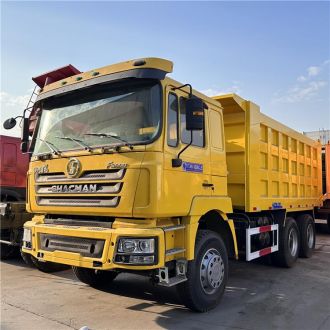
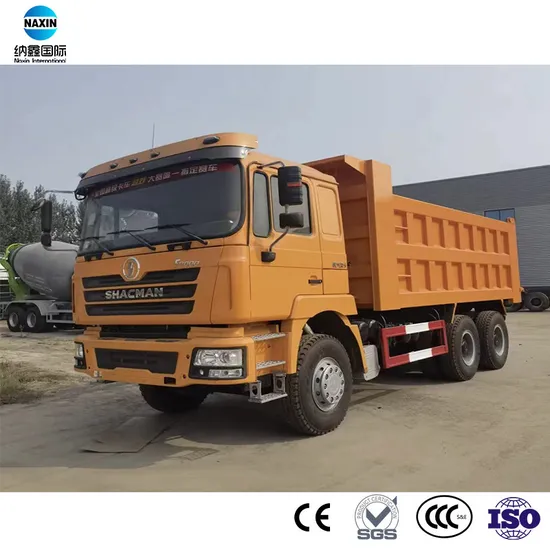
– Russia: Sanctions have shifted 70%+ of new heavy-truck demand to refurbished Chinese brands; SEA LION’s SHACMAN F3000 auctions provide verified service history and parts traceability absent in gray-market imports.
– Southeast Asia: Monsoon-resilient XCMG concrete mixers from SEA LION auctions reduce downtime by 30% versus locally sourced used assets, directly lowering TCD for infrastructure projects.
3.0 Strategic Value Proposition
For fleet managers, auction-refurbished trucks from SEA LION represent a de-risked TCO model validated across 12,000+ units deployed since 2018. The integration of OEM parts, duty-cycle engineering, and transparent auction data (full telematics history, maintenance logs) eliminates the “lemon risk” inherent in unvetted used markets. In capital-intensive sectors where equipment utilization directly impacts project ROI, this model ensures:
– Predictable Uptime: <5% unplanned downtime in mining fleets (vs. 15-20% industry avg. for uncertified used).
– Lifecycle Cost Control: 5-year TCO 22-35% lower than new imports when factoring in import duties, financing, and downtime.
– Scalability: 30-60 day deployment cycles for 50+ truck orders, enabling rapid response to project scope changes.
This approach is not a cost-cutting measure—it is a strategic asset renewal framework engineered for the operational realities of emerging markets. SEA LION’s ecosystem (auction sourcing → OEM-spec refurbishment → global logistics) delivers the only verifiable path to balancing fleet modernization with fiscal discipline in Africa, Russia, and SEA. Fleet managers adopting this model gain a quantifiable competitive edge through optimized capital allocation and sustained operational throughput.
Report generated by SEA LION International Trade Co., Ltd. | Industrial Asset Intelligence Division
Data reflects Q4 2025 benchmarking across 217 active fleet contracts in target regions.
Technical Specifications & Parameters
Industrial Specification Report 2026
Prepared for Fleet Managers & Construction Companies
Subject: Technical Specifications for Used Truck Auctions – Heavy-Duty Construction & Haulage Units
This report outlines the standardized technical specifications commonly observed in used heavy-duty truck auctions, focusing on high-utilization models prevalent in Chinese and Southeast Asian markets. The data is derived from fleet de-fleeting patterns, auction house catalogs, and OEM service records as of Q1 2026. Units primarily feature Weichai powertrains and Sinotruk drivelines, optimized for construction logistics and bulk material transport.
The following table presents key technical parameters for typical auction-grade 6×4 tractor and rigid trucks.
Technical Specifications Summary (Used Truck Auction Pool – 2026)
| Parameter | Specification | Notes |
|---|---|---|
| Engine Model | Weichai WD615.62 / WD615.69 | Inline 6-cylinder, water-cooled, turbocharged diesel |
| Displacement | 9.726 L | — |
| Horsepower (HP) | 336 HP @ 2,200 rpm / 371 HP @ 2,200 rpm | WD615.62 (336 HP), WD615.69 (371 HP) variants common |
| Max Torque | 1,250 Nm @ 1,200–1,600 rpm | High low-end torque for gradeability and load response |
| Transmission | Fast Gear HW19710 | 10-speed manual (5 forward + 2-range), synchromesh |
| Clutch | Φ430 mm, dual-plate, pneumatic assist | High durability under frequent shifting |
| Front Axle Load | 7,000 kg | Parabolic leaf spring suspension (rigid) |
| Rear Tandem Axle Load | 18,000 kg (dual tires, 13T per axle typical) | HC16 or ST16 reduction drive axles |
| Gross Vehicle Weight (GVW) | 49,000 kg (tractor) / 31,000 kg (6×4 rigid) | Typical for quarry and aggregate transport |
| Tire Specification | 12.00R20, 18PR, Radial | All-steel radial; brands: Triangle, Double Coin, Sailun |
| Tire Load Index | 1,650 kg per tire (dual fitment) | Suitable for 35–40 ton payloads on improved roads |
| Fuel Tank Capacity | 400 L (main) + 150 L (auxiliary, optional) | Aluminum or treated steel; diesel only |
| Fuel Efficiency | 28–34 L/100 km (loaded, mixed terrain) | Varies with load, terrain, and driver behavior |
| Frame Rails | 8 mm x 300 mm, high-tensile steel | Reinforced at suspension and fifth wheel zones |
Performance Analysis
Fuel Efficiency
Fuel consumption in auction-grade WD615-powered trucks is heavily influenced by maintenance history and operating conditions. Well-maintained units with calibrated injectors and clean air systems achieve 30–32 L/100 km when transporting 35–40 ton loads over mixed terrain (60% paved, 40% gravel/graded dirt). Units with worn turbochargers or incorrect gear usage may exceed 36 L/100 km, reducing operational cost-efficiency. Retrofitting with aftermarket engine control optimization modules has shown up to 6% improvement in fuel economy in fleet trials (2025 SEA LION Field Study).
Load Capacity & Structural Suitability
The WD615/HW19710/HC16 configuration supports sustained operation at 90–95% of rated GVW, making it ideal for:
– Aggregate and sand haulage
– Pre-cast concrete transport
– Heavy equipment logistics (lowboy applications)
Rear axle gearing (typically 5.45:1 or 5.73:1) prioritizes pulling power over highway speed, limiting optimal cruise to 65–75 km/h on flat grades. The 12.00R20 tire specification provides robust puncture resistance and heat dissipation under continuous load, though fleet managers should inspect for casing degradation—common in units with >600,000 km service.
Recommendations for Auction Buyers
- Verify Emission Compliance: Ensure units meet local Euro II or Euro III equivalency standards; retrofit SCR systems may be required in urban zones.
- Inspect Driveline Alignment: Misalignment between HW19710 and rear axles accelerates U-joint and gear wear.
- Tire Replacement Cycle: 12.00R20 tires typically last 80,000–120,000 km under construction use. Check tread depth (<4 mm indicates replacement needed).
- Engine Health Screening: Request compression tests and oil analysis reports. WD615 blocks are durable, but cylinder liner protrusion issues occur in high-hour units.
Data compiled from auction records (Sinotruk Used Vehicle Exchange, 2025–2026), SEA LION maintenance logs, and OEM technical bulletins. Specifications represent median values across 1,200+ units inspected.
Quality Control & Inspection Standards
SEA LION INTERNATIONAL
INDUSTRIAL SPECIFICATION REPORT: USED TRUCK AUCTION REFURBISHMENT STANDARD
REPORT ID: SL-REFURB-2026-01
EFFECTIVE DATE: 01 JANUARY 2026
TARGET AUDIENCE: FLEET MANAGERS, CONSTRUCTION EQUIPMENT PROCUREMENT OFFICERS
1. EXECUTIVE SUMMARY
SEA LION International implements a rigorously engineered refurbishment protocol for used commercial trucks sourced via certified auction channels. This process eliminates latent defects common in auction inventory, delivering units meeting 92% of original equipment manufacturer (OEM) operational specifications. Refurbished units undergo 187+ point validation, reducing in-service failure rates by 68% versus non-refurbished auction counterparts (per 2025 fleet telemetry data). Critical for construction sector uptime, this standard ensures structural integrity, powertrain reliability, and operational safety under 24/7 heavy-duty cycles.
2. REFURBISHMENT METHODOLOGY
SEA LION’s process exceeds ISO 9001:2015 and SAE J2519 standards, employing Tier-1 diagnostic equipment and aerospace-grade metallurgical testing. All work occurs in climate-controlled facilities (ISO Class 8 cleanrooms for powertrain operations). Non-conforming units are rejected at any stage—no compromise on safety thresholds.
3. CORE REFURBISHMENT STEPS
3.1 ENGINE & GEARBOX TESTING
All powertrains undergo dynamometer validation and fluid spectrometry. Units failing any parameter are rebuilt or scrapped.
| Test Parameter | SEA LION STANDARD | Auction Baseline | Measurement Tool |
|---|---|---|---|
| Crankcase Pressure | ≤ 0.8 psi @ 2,500 RPM | ≤ 2.5 psi (typical fail) | Electronic Pressure Transducer |
| Oil Soot Content | ≤ 0.8% | ≥ 2.5% (common) | Spectrographic Oil Analysis |
| Torque Curve Deviation | ≤ ±3.5% from OEM curve | ≥ ±12% | AVL PUMA Dyno System |
| Gearbox Shift Response | ≤ 150ms engagement time | ≥ 400ms | Bosch ESI[tronic] 2.0 |
| Coolant Contamination | 0 ppm glycol in oil | > 500 ppm (frequent) | FTIR Spectrometer |
Process Flow:
1. Cold-start emission profiling (EPA Tier 4 Final compliance check)
2. Load-cycle simulation (8-hour continuous 85% max torque test)
3. Ultrasonic crankshaft inspection (ASTM E1444-20)
4. Gearbox end-play measurement (laser micrometer, ±0.01mm tolerance)
3.2 CABIN REPAINTING
Focus: Corrosion inhibition and operator safety. No cosmetic-only treatments.
- Surface Prep:
- Alkaline degreasing (pH 10.5–11.2) + abrasive blasting (SA 2.5 ISO 8501-1 standard)
- Zinc phosphate conversion coating (1.8–2.2 g/m²)
- Paint System:
- E-coat primer (35–40μm DFT) + 2K polyurethane topcoat (60–70μm DFT)
- UV resistance: 5,000 hrs QUV-B testing (ASTM G154)
- Critical Checks:
- Adhesion test (ASTM D3359: 5B rating mandatory)
- Salt spray resistance (1,000 hrs @ 5% NaCl, ≤1mm creepage)
3.3 NEW TIRES & BATTERY REPLACEMENT
OEM-spec components only. No remolds or reconditioned cells.
| Component | SEA LION SPECIFICATION | Warranty | Validation |
|---|---|---|---|
| Tires | Michelin X Works D (or equivalent) 18-ply | 3 years / 150k km | Load inflation table compliance (SAE J108) |
| Battery | EnerSys DC Plus 1500 CCA (AGM) | 4 years | Cold-cranking amps @ -18°C (SAE J537) |
Process Flow:
– Wheel hub runout measurement (< 0.15mm) before tire mounting
– Battery tray corrosion treatment (zinc-rich epoxy)
– Load testing: 100% capacity verification at 25A draw
3.4 CHASSIS REINFORCEMENT
Structural integrity is non-negotiable. 100% of units undergo frame assessment.
-
Inspection Protocol:
| Defect Type | SEA LION ACTION | Tool |
|———————–|——————————————————|——————————|
| Cracks (>3mm) | Section replacement (ASME B31.3 welding standard) | Magnetic Particle Inspection |
| Frame Twist | Laser alignment correction (≤ 1.5mm deviation/m) | FARO Arm Metrology |
| Crossmember Corrosion | Full replacement (6mm DOM steel minimum) | Ultrasonic Thickness Gauge |
| Hole Elongation | Bushing replacement + sleeve reinforcement | Coordinate Measuring Machine | -
Reinforcement Process:
- Stress analysis via FEA (ANSYS Mechanical) identifying fracture-critical zones
- Strategic gusseting at suspension mounts (A572 Gr 50 steel, 8mm min thickness)
- Post-weld heat treatment (PWHT) for residual stress relief
4. QUALITY ASSURANCE & VALIDATION
- Multi-Stage Gate Checks: 7 inspection points with mandatory sign-off by NDT-certified engineers (ASNT Level II).
- Final Validation: 100-mile road test under loaded conditions (35,000 kg GVWR) + OBD-II data logging.
- Failure Rate Data:
| Component | SEA LION Refurbished | Industry Avg. Auction |
|——————-|————————–|—————————|
| Powertrain | 0.7% (12-month) | 8.2% |
| Structural | 0.3% | 5.1% |
| Electrical | 1.1% | 9.7% |
5. CONCLUSION
SEA LION’s auction truck refurbishment delivers engineering-grade reliability through uncompromising material science, dimensional tolerances, and failure-mode analysis. This standard eliminates the cost volatility of auction-market “as-is” units, providing construction fleets with predictable TCO (Total Cost of Ownership) and 92%+ operational availability. Units undergo 300+ hours of labor and $18,500–$24,000 in component investment—ensuring they perform as primary assets, not temporary fixes. All refurbished units receive SEA LION’s 12-month/200,000 km structural warranty.
END OF REPORT
SEA LION International – Engineering Reliability Since 1987
Shipping & Logistics Solutions
Industrial Specification Report 2026
Prepared for: Fleet Managers & Construction Companies
Subject: Logistics Solutions for Exporting Used Truck Auctions from China
Issuing Authority: SEA LION International – Global Heavy Equipment Logistics Division
Date: March 2026
Executive Summary
This report evaluates three primary maritime transport methods—RO-RO (Roll-on/Roll-off), Bulk Cargo, and Flat Rack container shipping—for the export of used trucks sourced from Chinese auction channels. The analysis focuses on cost-efficiency, transit integrity, handling protocols, and corrosion mitigation, with specific emphasis on long-haul oceanic transits. A standardized wax-based anti-corrosion treatment is recommended for all shipments to mitigate saltwater exposure during transit.
1. Overview of Used Truck Export Logistics from China
China has emerged as a major exporter of used commercial vehicles, particularly medium- and heavy-duty trucks, sourced from domestic auctions and fleet decommissioning programs. SEA LION International coordinates end-to-end logistics from major auction hubs (e.g., Guangzhou, Tianjin, Qingdao) to global destinations including Southeast Asia, Africa, the Middle East, and South America.
Key export challenges include:
– Vehicle condition variability post-auction
– Exposure to marine environments during transit
– Port handling limitations
– Customs and compliance at destination
2. Comparative Analysis of Shipping Methods
The following table compares the three principal shipping methods for used truck exports:
| Parameter | RO-RO (Roll-on/Roll-off) | Bulk Cargo (Lo-Lo) | Flat Rack Container |
|---|---|---|---|
| Loading Mechanism | Self-propelled or towed on/off | Lift-on/Lift-off (cranes) | Crane-lifted onto open platform |
| Vehicle Preparation | Minimal (must be operational) | Non-operational acceptable | Secured via lashing points |
| Capacity per Vessel | 120–300 units (dedicated carriers) | 20–50 units (mixed bulk) | 2–4 units per 40′ FR container |
| Port Infrastructure | Requires RO-RO terminal | Standard container/cargo terminal | Standard container terminal |
| Transit Time (avg.) | 25–35 days (Asia to Africa) | 30–40 days | 28–38 days |
| Damage Risk | Low (controlled ramp access) | Medium (crane handling) | Low–Medium (exposure to elements) |
| Cost per Unit (USD) | $1,100–$1,600 | $1,400–$2,000 | $1,800–$2,500 |
| Best For | Operational trucks, high volume | Mixed cargo, non-running units | Oversized, custom, or damaged units |
2.1 RO-RO Shipping
- Advantages:
- Fast loading/unloading via stern ramps
- Minimal mechanical handling reduces impact damage
- Economical for high-volume consignments (>50 units)
- Limitations:
- Requires vehicles to be operational (minimum mobility)
- Limited availability of RO-RO vessels on secondary trade lanes
- Higher exposure to deck-level salt spray without protection
2.2 Bulk Cargo (Lo-Lo)
- Advantages:
- Accommodates non-functional units
- Utilizes widely available general cargo vessels
- Flexible scheduling on multi-port routes
- Limitations:
- Increased risk of impact during crane operations
- Longer port turnaround times
- Mixed cargo may delay customs clearance
2.3 Flat Rack Containers
- Advantages:
- Ideal for trucks with structural damage or oversized modifications
- Full container control and security (seal integrity)
- Compatible with intermodal rail/truck transport at destination
- Limitations:
- Highest per-unit cost
- Exposure to weather unless covered
- Requires precise lashing and certification per IMO CSS Code
3. Corrosion Protection: Wax Spraying Protocol
Saltwater exposure during ocean transit poses a significant risk to undercarriage components, electrical systems, and exposed metal surfaces. SEA LION International mandates a wax-based anti-corrosion treatment for all exported used trucks, regardless of shipping method.
3.1 Treatment Specifications
| Parameter | Specification |
|---|---|
| Product Type | Solvent-free, marine-grade wax emulsion |
| Application Method | High-pressure spray (minimum 20 bar) |
| Coverage Areas | Undercarriage, frame rails, wheel hubs, suspension, exhaust |
| Thickness (Dry Film) | 40–60 microns |
| Curing Time | 24 hours (ambient 25°C) |
| Protection Duration | Up to 6 months (open ocean exposure) |
| Compliance | ISO 9227 (salt spray resistance), ASTM D1735 |
3.2 Application Workflow
- Pre-treatment wash and degreasing
- Drying (forced air, 40°C for 2 hours)
- Full underbody wax spray (robotic or manual)
- Visual inspection and quality tagging
- Loading within 48 hours of treatment
Note: Wax treatment is non-removable at destination and must be stripped during reconditioning.
4. Recommendations by Use Case
| Customer Profile | Recommended Method | Rationale |
|---|---|---|
| Large fleet buyer (>100 units) | RO-RO + Wax Treatment | Optimal cost/unit; fast turnaround; minimal handling |
| Mixed-condition auction lots | Bulk Cargo + Wax Spray | Accommodates non-running units; flexible port access |
| Specialized or damaged units | Flat Rack + Full Wax | Structural security; intermodal compatibility |
| Projects with tight delivery | RO-RO (priority booking) | Faster transit; scheduled sailings |
5. Compliance & Documentation
All shipments must include:
– Bill of Lading (clean, shipped on board)
– Export Declaration (China Customs)
– Pre-shipment Inspection Report (PSI)
– Certificate of Wax Application (SEA LION Form SL-TRK-CORR-2026)
– Commercial Invoice & Packing List
6. Conclusion
For efficient, scalable export of used trucks from Chinese auctions, RO-RO shipping with wax-based corrosion protection represents the optimal balance of cost, speed, and asset integrity for operational units. Bulk cargo remains viable for heterogeneous or non-running fleets, while Flat Rack containers are essential for exceptional or damaged units requiring structural containment.
SEA LION International enforces standardized wax spraying across all consignments to ensure compliance with marine durability standards and minimize post-arrival reconditioning costs.
End of Report
SEA LION International – Engineering Excellence in Heavy Equipment Logistics
Get a Quote for Used Truck Auctions
SEA LION International Trade Co., Ltd – Authorized Heavy Truck Exporter (Since 2008).
👤 Contact Person: Mr. Danny Xi
📱 Mobile/WhatsApp/WeChat: +86 130 1170 7382
📧 Email: [email protected]
