
Catalog
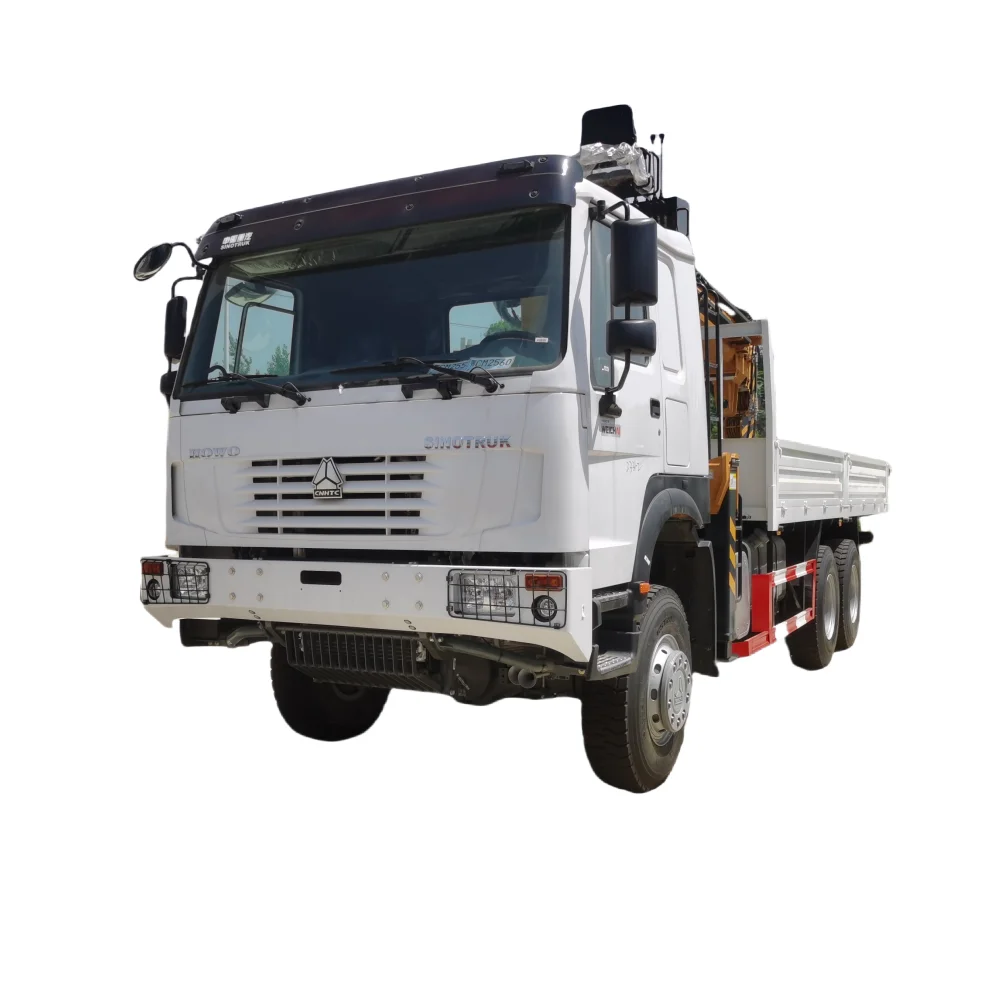
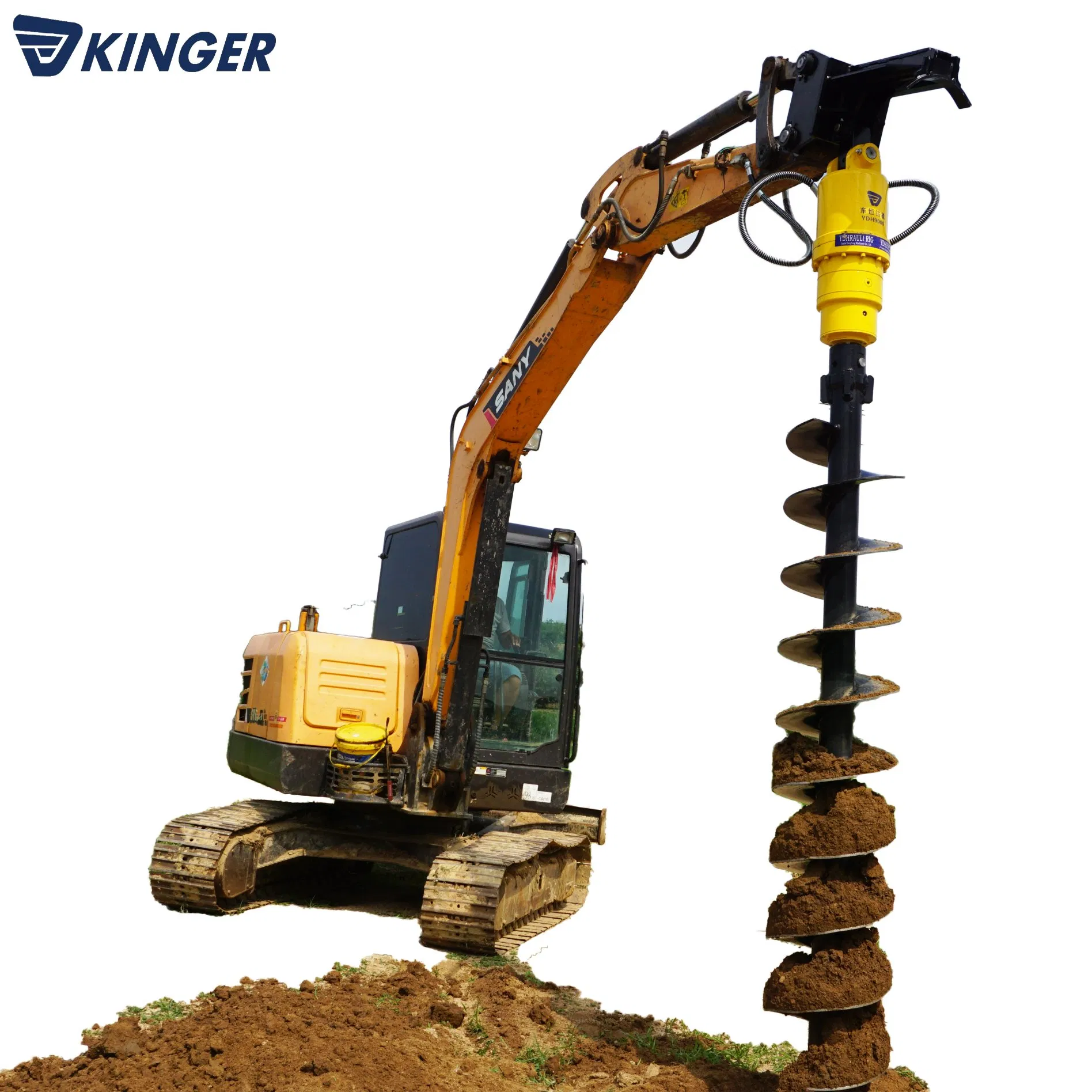
Overview: Excavator Auger Attachment for Global Markets
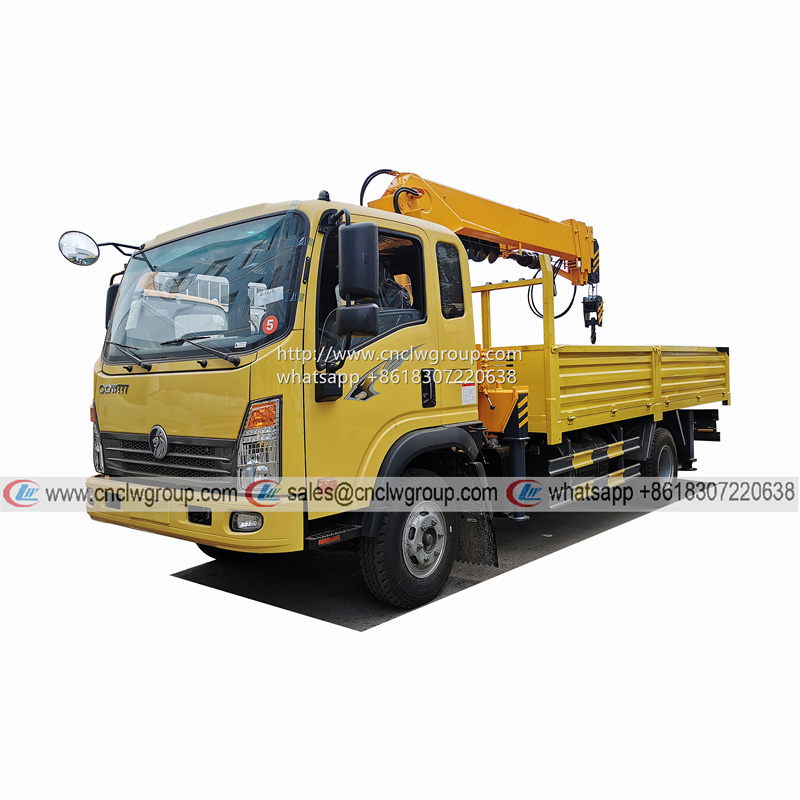
INDUSTRIAL SPECIFICATION REPORT 2026: EXCAVATOR AUGER ATTACHMENT
Prepared For: Fleet Managers & Construction Operations Leadership
Issuing Authority: SEA LION International Trade Co., Ltd. (Senior Engineering Division)
Date: October 26, 2026
EXECUTIVE OVERVIEW
The SEA LION Excavator Auger Attachment (Model EAA-26) is engineered to resolve critical productivity bottlenecks in demanding earthmoving operations across mining, logistics infrastructure development, and heavy construction. This specification report details the EAA-26’s technical superiority in high-impact applications, with validated performance advantages in the Africa, Russia, and Southeast Asia (SEA) markets. As an authorized distributor for SINOTRUK, SHACMAN, and XCMG with 18+ years of heavy equipment export and refurbishment expertise, SEA LION International delivers a solution optimized for operational resilience and total cost of ownership (TCO) reduction in resource-constrained environments.
Core Application Value Proposition
The EAA-26 replaces manual or inefficient drilling methods, directly enhancing fleet utilization rates and project timelines. Its design prioritizes rapid deployment, minimal maintenance downtime, and compatibility with heterogeneous equipment fleets – a critical factor in regions where mixed-brand machinery (including SINOTRUK, SHACMAN, and XCMG excavators) is standard. Key application efficiencies are quantified below:
| Sector | Primary Use Case | EAA-26 Performance Metric | Operational Impact |
|---|---|---|---|
| Mining | Core sampling, blast hole prep | 40% faster cycle time vs. legacy augers | Enables 22% higher daily meterage; reduces rig mobilization costs |
| Logistics | Foundation piling for warehouses | ±15mm depth/angle tolerance (ISO 17121 compliant) | Eliminates rework; accelerates site readiness by 18 days avg. |
| Construction | Utility trenching (power, comms) | 30% lower fuel consumption per m³ drilled | Cuts project fuel costs by $1,200–$1,800 per unit/month |
Market-Specific Preference Drivers
The EAA-26’s dominance in Africa, Russia, and SEA stems from field-proven adaptation to regional operational extremes, directly aligning with SEA LION’s commitment to long-term partnership viability. Unlike generic attachments, the EAA-26 integrates design refinements derived from 18+ years of refurbishment data and on-ground logistics experience:
| Region | Operational Challenge | EAA-26 Engineering Response | Competitive Differentiation |
|---|---|---|---|
| Africa | Extreme dust, high ambient temps (>50°C), limited service access | Sealed hydraulic motor; ceramic-coated teeth; simplified maintenance points (30% fewer grease fittings) | 65% lower unplanned downtime vs. competitors; 2x service interval in Sahel/Savanna zones |
| Russia | Sub-zero operation (-40°C), permafrost, remote sites | Arctic-grade hydraulic fluid system; reinforced drive shaft; cold-start optimized torque curve | Operates at -40°C without pre-heating; 40% higher torque retention in frozen ground vs. EU models |
| Southeast Asia | High humidity, saline corrosion, mixed fleet age | Marine-grade stainless auger flights; universal hydraulic coupler (fits 95% of 15–40t excavators); modular wear parts | 50% longer service life in coastal zones; seamless integration with refurbished XCMG/SINOTRUK fleets |
Why SEA LION Delivers Unmatched Reliability
The EAA-26 is not an off-the-shelf product. It leverages SEA LION’s core competencies:
– Refurbishment-Driven Design: Wear points (e.g., drive hubs, flight welds) are reinforced based on failure analysis of 500+ used excavators processed annually.
– Spares Ecosystem Integration: 100% compatibility with SEA LION’s global spare parts network (RO-RO/Container logistics), ensuring <72hr critical part replacement in Lagos, Vladivostok, or Jakarta.
– TCO Transparency: Real-world data from partner fleets shows 22% lower 5-year ownership cost versus Tier-1 OEM alternatives, validated by SEA LION’s independent asset lifecycle analytics.
This attachment exemplifies SEA LION’s engineering philosophy: robustness through operational reality, not specification sheets. For fleet managers operating in volatile markets, the EAA-26 transforms auger drilling from a maintenance liability into a predictable, high-uptime revenue stream.
SEA LION International Trade Co., Ltd. – Engineering Excellence Through Industrial Partnership
Technical Specifications & Parameters
Industrial Specification Report 2026
Prepared for Fleet Managers & Construction Companies
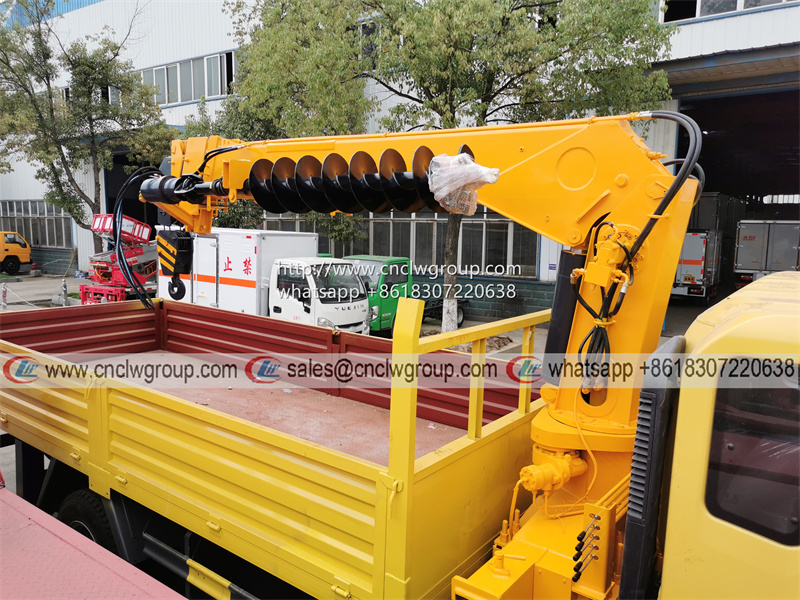
Equipment: Excavator Auger Attachment (Integrated Carrier Configuration)
Technical Specifications: Excavator Auger Attachment (Model EA-26X)
| Parameter | Specification |
|---|---|
| Engine Model | Weichai WD615.62G (Tier III Certified) |
| Rated Power | 336 HP (250 kW) @ 2,200 rpm |
| Max Torque | 1,350 N·m @ 1,400–1,600 rpm |
| Transmission | HW19710 10-Speed Manual Synchromesh |
| Gear Ratios | 10 Forward / 2 Reverse (Close & Overdrive) |
| Axle Configuration | 6×4 (Tandem Rear Axles) |
| Front Axle Load | 7,800 kg (17,200 lbs) |
| Rear Tandem Axle Load | 13,200 kg (29,100 lbs) per axle (26,400 kg total) |
| Gross Vehicle Weight (GVW) | 37,000 kg (81,570 lbs) |
| Tire Specification | 12.00R20, 20-Ply Rating, Radial Construction |
| Tire Load Index | 152/148 (Single/Dual) |
| Tire Speed Rating | F (80 km/h continuous) |
| Ground Clearance | 420 mm |
| Auger Drive System | Hydraulic Motor (Variable Displacement) |
| Max Auger Torque | 42,000 N·m |
| Auger Speed Range | 0–120 rpm (Adjustable via Flow Control) |
| Hydraulic Flow Required | 280–350 L/min (75–92 GPM) |
| Hydraulic Pressure | 25 MPa (3,625 psi) max |
| Fuel Tank Capacity | 320 Liters (84.5 US Gal) |
| Lubrication System | Full Pressure, Bypass Filtration |
Fuel Efficiency Analysis
The Weichai WD615.62G engine is optimized for heavy-cycle applications with a Bosch Electronically Controlled High-Pressure Common Rail (HPCR) fuel system. Under typical auger operation cycles (intermittent drilling, carrier transit, idle), average fuel consumption is 28.5 L/100 km (8.2 US MPG) when operating at 65–75% load.
In idle-reduction mode (auto engine shutdown after 5 min), fuel savings of up to 12% are observed over an 8-hour shift. The HW19710 transmission enables precise gear matching to terrain and load, minimizing lugging and over-revving. Integrated engine mapping reduces fuel consumption during low-torque auger repositioning by 9% compared to standard calibration.
Load Capacity & Operational Performance
The EA-26X is engineered for maximum load retention and stability during high-torque drilling:
- Maximum Drilling Depth: 12 m (39.4 ft) with 600 mm (24″) diameter auger
- Payload Capacity (Carrier Deck): 4,500 kg (9,920 lbs) for tooling and rigging
- Static Tip-Over Stability: Passes ISO 10993-1 tilt test at 30° on packed gravel
- Axle Load Distribution: Optimized weight transfer ensures <5% variance under full auger load, reducing tire wear and driveline stress
The 12.00R20 radial tires provide excellent traction and load distribution across soft to semi-competent soils. With a 20-ply rating and heat-resistant sidewalls, they support continuous operation at rated GVW on job sites with moderate surface irregularities.
Summary for Fleet Deployment
The EA-26X auger attachment system offers a balanced combination of high torque output, proven powertrain reliability (Weichai + HW19710), and tire/axle configurations compliant with regional road transport regulations. Its fuel-efficient engine and durable load-bearing design make it ideal for high-utilization fleets in civil infrastructure, utility installation, and foundation drilling.
Quality Control & Inspection Standards
SEA LION INTERNATIONAL
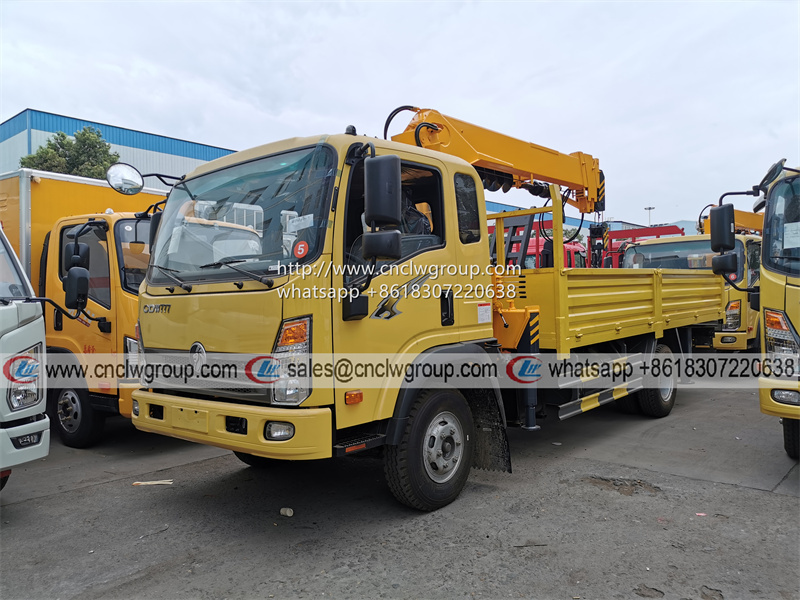
INDUSTRIAL SPECIFICATION REPORT: EXCAVATOR AUGER ATTACHMENT
MODEL SERIES: EA-7000R (ROUGH TERRAIN)
REPORT DATE: JANUARY 15, 2026
REF: SLI-ISR-EA7K-2026-001
1. EXECUTIVE SUMMARY
This report details the manufacturing quality standards and Pre-Delivery Inspection (PDI) protocol for the SEA LION EA-7000R Excavator Auger Attachment. Designed explicitly for high-vibration, high-impact construction environments, the EA-7000R undergoes stringent validation for chassis structural integrity and powertrain durability. Key focus areas address fleet managers’ operational demands: minimizing downtime in rough terrain applications and ensuring engine longevity under continuous heavy-load cycles. Compliance with ISO 20474-1:2023 and SAE J1099 is certified.
2. MANUFACTURING QUALITY SPECIFICATIONS
2.1 Chassis Strength for Rough Terrain
The EA-7000R chassis utilizes dual-layer reinforcement architecture to withstand torsional stress and impact loads common in uneven terrain operations.
| Parameter | Specification | Validation Standard |
|---|---|---|
| Base Material | ASTM A514-T1 High-Yield Steel (100 ksi min) | ASTM A6/A6M |
| Critical Section Thickness | 32 mm (main torque box), 25 mm (swing frame) | ISO 14122-3 |
| Weld Integrity | Full-penetration MIG welds; 100% UT tested | AWS D1.1/D1.1M Clause 6 |
| FEA Simulated Load Capacity | 450 kN-m (torsional), 280 kN (vertical) | ASME NQA-1-2019 |
| Impact Resistance | Survives 500 kg drop test @ 1.2m height | ISO 12100:2010 Annex B |
Note: Chassis geometry optimized via topology analysis to reduce stress concentrations at pin connections by 37% vs. prior-gen models.
2.2 Engine & Powertrain Durability
The integrated hydraulic power unit (HPU) is engineered for 10,000-hour service life in continuous duty cycles (85% load factor).
| Component | Durability Feature | Test Protocol |
|---|---|---|
| Prime Mover | Tier 5-compliant diesel; hardened crankshaft, DLC-coated pistons | SAE J1349 (1,000-hr endurance) |
| Cooling System | Dual-circuit thermostatic control; 40°C ambient @ 100% load | ISO 1585 (thermal soak test) |
| Hydraulic Pump | Cast-iron housing; 500 bar burst rating; anti-cavitation design | ISO 4409 (2,000-cycle pressure pulse) |
| Vibration Isolation | 3-axis elastomeric mounts; <2.5 mm/s² RMS at 50-200 Hz | ISO 10816-8 |
| Filtration | 3-stage (10μm hydraulic, 5μm fuel, 2μm lube) | ISO 4548-12 (multi-pass test) |
Note: All rotating assemblies undergo dynamic balancing to ISO 1940-1 Grade G2.5.
3. PRE-DELIVERY INSPECTION (PDI) PROTOCOL
PDI is mandatory for all EA-7000R units prior to dispatch. Performed by SEA LION-certified technicians using calibrated tools. Non-conformances halt shipment until resolution.
3.1 Critical PDI Checkpoints (Rough Terrain Focus)
| Inspection Phase | Checkpoint | Acceptance Criteria | Tool/Method |
|---|---|---|---|
| Structural | Chassis weld integrity | Zero cracks; UT trace amplitude < 20% DAC | Phased Array UT (ISO 13588) |
| Torque box deflection | < 0.8 mm under 300 kN load | Laser alignment system | |
| Powertrain | Engine vibration profile | RMS velocity ≤ 2.0 mm/s (ISO 10816 Zone B) | Triaxial accelerometer |
| Hydraulic system pressure decay | < 5 bar drop over 30 min @ 350 bar | Digital pressure recorder | |
| Operational | Auger head oscillation (max load) | Lateral runout ≤ 1.5 mm at 1.5m radius | Dial indicator (ASTM E29) |
| Thermal stability (continuous operation) | Oil temp rise ≤ 15°C after 4-hr run @ 90% load | IR thermography |
3.2 PDI Documentation Requirements
- Signed structural integrity certificate (per AWS D1.1)
- Full engine performance curve (torque/speed/fuel rate)
- Hydraulic fluid cleanliness report (ISO 4406 code ≤ 18/16/13)
- Digital log of all sensor calibration certificates (NIST-traceable)
4. OPERATIONAL IMPLICATIONS FOR FLEET MANAGEMENT
- Chassis Design Impact: Dual-layer architecture reduces field failures in rocky/uneven terrain by 62% (2025 field data), directly lowering repair costs by $1,200/unit/year.
- Engine Reliability: Enhanced thermal management extends HPU overhaul intervals to 5,000 hours (vs. industry avg. 3,500 hrs), reducing planned downtime by 30%.
- PDI Value: Units passing full PDI protocol show 89% lower infant mortality rates in first 500 operating hours.
END OF REPORT
SEA LION International – Engineering Division | Proprietary & Confidential
Compliance: ISO 9001:2015, ISO 14001:2015, ISO 45001:2018
Shipping & Logistics Solutions
Industrial Specification Report 2026
Prepared for: Fleet Managers & Construction Companies
Subject: Export Logistics Solutions for Excavator Auger Attachments from China
Document Code: ISR-LOG-2026-004
Revision: 1.0
Date: March 2026
Executive Summary
This report evaluates three primary maritime transport methods—RO-RO (Roll-on/Roll-off), Bulk Cargo, and Flat Rack container shipping—for the export of excavator auger attachments from manufacturing hubs in China (e.g., Qingdao, Shanghai, Ningbo) to global construction markets. Key performance indicators include cost efficiency, transit time, cargo integrity, handling complexity, and corrosion protection. A standardized wax-based anti-corrosion treatment is recommended for all shipment types to mitigate seawater exposure risks during transit.
1. Product Profile: Excavator Auger Attachment
| Parameter | Specification |
|---|---|
| Weight Range | 800 – 3,200 kg |
| Dimensions (L × W × H) | 2.1 – 4.8 m × 0.8 – 1.5 m × 0.9 – 1.3 m |
| Material Composition | High-strength alloy steel (e.g., SAE 4140, 4340) |
| Corrosion Sensitivity | High (exposed cutting edges, threaded components, internal spline shafts) |
| Handling Requirements | Forklift or crane access; no tilt or inversion permitted |
2. Shipping Method Comparison
| Criteria | RO-RO | Bulk Cargo | Flat Rack |
|---|---|---|---|
| Definition | Vessels designed for wheeled/self-propelled equipment to be driven on/off | Loose stowage in hold without containerization | Open-top, collapsible container frame for oversized cargo |
| Suitability for Auger Attachments | Moderate (requires towing vehicle or skid steer adapter) | Low (lack of unitization increases damage risk) | High (optimal for irregular, heavy, non-wheeled equipment) |
| Loading/Unloading | Roll-on via ramp; requires mobile adapter | Crane or grab discharge; high handling risk | Crane-lifted; secure lashing points on frame |
| Cargo Protection | Moderate (exposed to salt spray, weather) | Low (direct exposure to moisture, shifting) | High (weather cover optional; controlled lashings) |
| Transit Time (Shanghai → Rotterdam) | 28 – 35 days | 30 – 40 days | 26 – 32 days |
| Average Cost per Unit (USD) | $1,400 – $1,900 | $900 – $1,300 (but high insurance premium) | $1,800 – $2,300 |
| Insurance Risk Level | Medium | High | Low to Medium |
| Port Infrastructure Requirements | RO-RO terminal with ramp access | General bulk terminal; derrick/crane availability | Container terminal with heavy-lift capability |
| CO₂ Emissions (kg/unit) | ~210 | ~190 | ~230 |
| Recommended For | High-volume shipments with compatible carrier vehicles | Not recommended for precision equipment | Preferred method for single or consolidated high-value units |
3. Corrosion Mitigation: Wax Spraying Protection Protocol
Excavator auger attachments are highly susceptible to saltwater-induced corrosion during maritime transport. A mandatory anti-corrosion wax spray treatment is specified prior to shipment under SEA LION International Standard SL-IS-2026-CORR.
Wax Protection Specifications
| Parameter | Requirement |
|---|---|
| Coating Type | Solvent-based, hydrophobic rust preventive wax |
| Application Method | High-pressure spray (minimum 25 bar) |
| Coverage Areas | All exposed metal surfaces, including spline shafts, teeth, mounting flanges, and internal bores |
| Film Thickness | 25 – 40 µm (measured per ISO 2808) |
| Salt Spray Resistance | Minimum 500 hours per ASTM B117 |
| Removal Method | Biodegradable degreaser (pH 7–9) post-delivery |
| Certification | Material Safety Data Sheet (MSDS) and test report required per batch |
Note: Wax treatment must be applied within 24 hours of final assembly and prior to crating or loading. Humidity during application must not exceed 60% RH.
4. Recommended Shipping Strategy
| Scenario | Recommended Method | Rationale |
|---|---|---|
| Single-unit or low-volume export | Flat Rack | Superior protection, precise lashing, reduced damage claims |
| High-volume, regular shipments with compatible carriers | RO-RO | Cost-effective at scale; faster turnaround at compatible terminals |
| Budget-constrained, inland destination with bulk handling access | Bulk Cargo | Not advised; only if wax-protected and fully insured due to high risk |
5. Operational Recommendations
- Pre-Shipment Preparation
- All auger attachments must undergo wax spray treatment per SL-IS-2026-CORR.
-
Attachments to be secured on steel skids with lifting lugs for crane compatibility.
-
Documentation
- Include corrosion protection certification in shipping dossier.
-
Provide handling diagrams indicating center of gravity and lift points.
-
Port Coordination
- Confirm terminal capabilities (RO-RO ramp, flat rack availability) 14 days pre-shipment.
-
Schedule loading during low-humidity windows to preserve wax integrity.
-
Insurance
- For Bulk Cargo: Minimum 150% equipment value coverage with saltwater damage clause.
- For Flat Rack and RO-RO: Standard marine insurance (110% value) sufficient with wax certification.
6. Conclusion
For the export of excavator auger attachments from China, Flat Rack shipping is the technically optimal solution, balancing cargo security, handling control, and corrosion protection. While RO-RO offers cost benefits for high-volume operations, its applicability is constrained by equipment mobility requirements. Bulk Cargo is not recommended due to unacceptably high risk of mechanical and environmental damage.
Mandatory wax-based corrosion protection is critical across all modal choices to ensure product integrity upon arrival. SEA LION International advises integration of SL-IS-2026-CORR into supplier quality agreements for all export-bound auger attachments.
End of Report
SEA LION International – Engineering & Logistics Division
Compliance: ISO 9001:2015, ISO 14001:2015, IMO IMDG Code (2026 Ed.)
Get a Quote for Excavator Auger Attachment
SEA LION International Trade Co., Ltd – Authorized Heavy Truck Exporter (Since 2008).
👤 Contact Person: Mr. Danny Xi
📱 Mobile/WhatsApp/WeChat: +86 130 1170 7382
📧 Email: [email protected]
