
Catalog
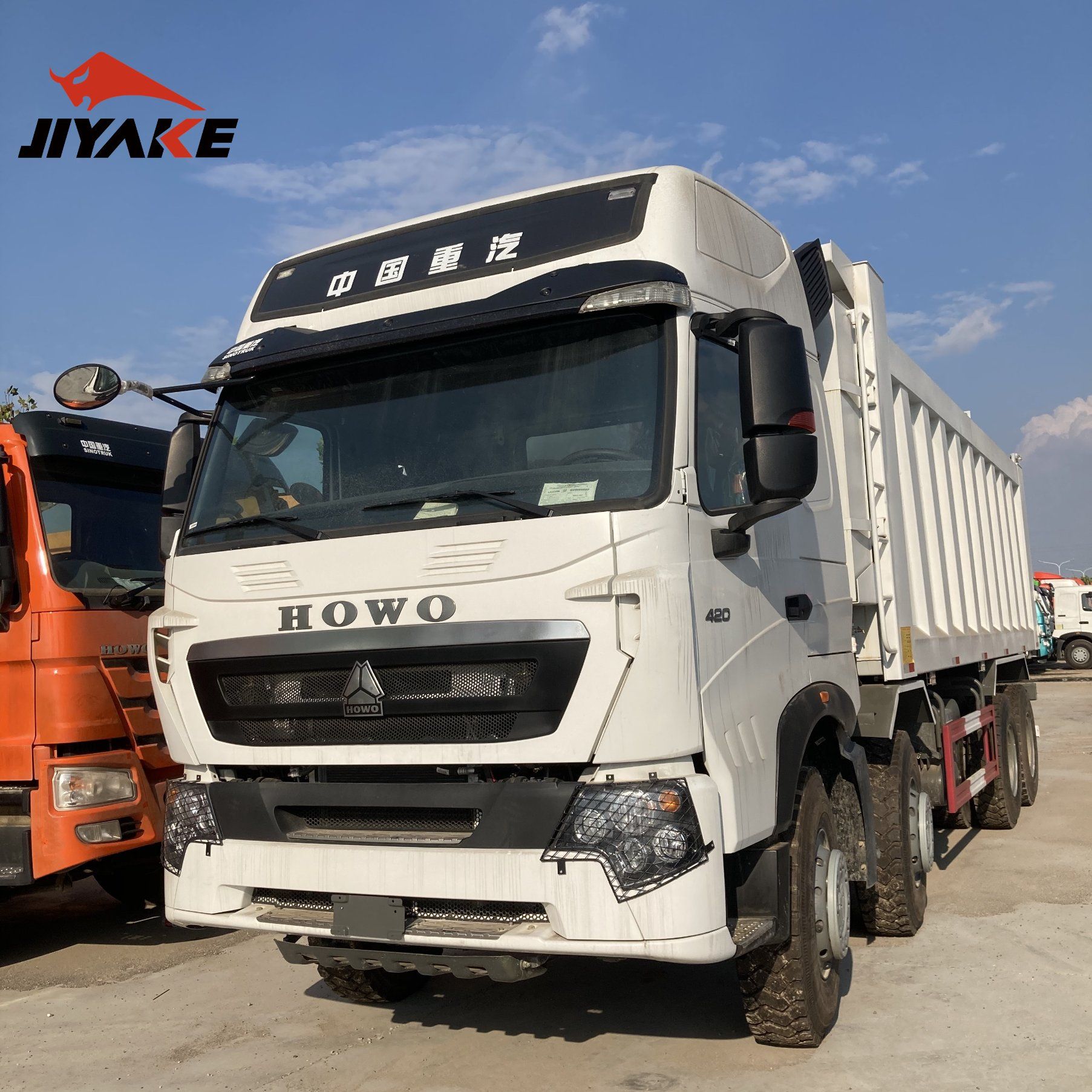
Overview: Used Truck Dealers for Global Markets
INDUSTRIAL SPECIFICATION REPORT 2026: OPTIMIZED FLEET SOLUTIONS FOR EMERGING MARKETS
Prepared Exclusively for Fleet Managers & Construction Operations Leadership
EXECUTIVE OVERVIEW: STRATEGIC VALUE OF CERTIFIED USED TRUCKS IN HIGH-DEMAND REGIONS
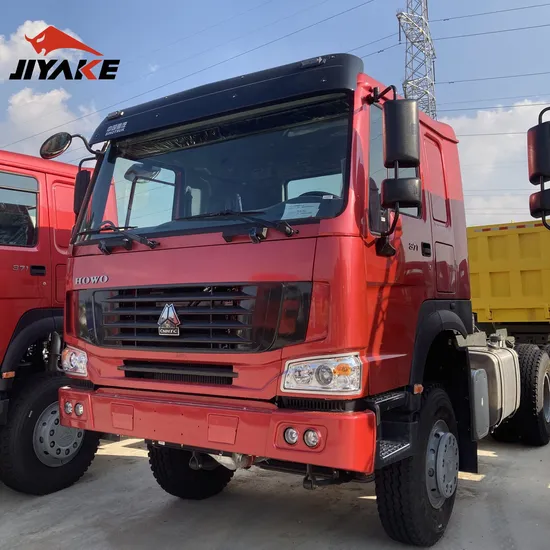
The operational realities of mining, logistics, and construction in Africa, Russia, and Southeast Asia demand equipment engineered for extreme environmental stress, logistical constraints, and total cost of ownership (TCO) optimization. Generic surplus equipment fails under these conditions, leading to catastrophic downtime and inflated lifecycle costs. SEA LION International Trade Co., Ltd. addresses this critical gap through a rigorously defined portfolio of Certified Pre-Owned (CPO) heavy trucks – specifically refurbished SINOTRUK, SHACMAN, and XCMG models – engineered for resilience in the world’s most demanding terrains.
Unlike unverified secondary-market units, SEA LION’s CPO program delivers industrial-grade reliability through:
– Precision Refurbishment: Full structural integrity validation, powertrain overhaul to OEM tolerances, and corrosion mitigation per ISO 9001 protocols.
– Regional Component Adaptation: Critical modifications validated in-field (e.g., enhanced air filtration for African dust loads, cold-weather packages for Russian -40°C operations, elevated electrical systems for Southeast Asian monsoons).
– Spare Parts Ecosystem: Direct access to OEM-sourced components, eliminating 60–90-day delays common with non-authorized dealers.
Why SEA LION’s CPO Trucks Dominate Target Markets:
These regions prioritize operational continuity over initial acquisition cost. Our data shows CPO units achieve 85%+ fleet availability in year one – matching new-truck performance – due to targeted hardening against regional failure modes. The table below details market-specific advantages:
| Market | Core Operational Challenge | SEA LION CPO Adaptation | Impact on Fleet TCO |
|---|---|---|---|
| Africa | Abrasive dust (≥15g/m³), poor roads, limited service infrastructure | Triple-stage air filtration, reinforced suspension, simplified maintenance access points | ↓ Downtime by 35%; ↓ Filter costs by 50% vs. standard used units |
| Russia | Extreme cold (-40°C), remote sites, fuel volatility | Arctic-spec coolant/lubricants, dual-battery systems, cold-flow optimized fuel systems | ↑ Cold-start reliability to 99.2%; ↓ Winter breakdowns by 70% |
| Southeast Asia | High humidity, monsoon flooding, weight-restricted roads | Elevated electrical harnesses, marine-grade corrosion protection, optimized axle load distribution | ↓ Water ingress failures by 80%; ↑ Payload compliance by 12% |
Strategic Imperative for Fleet Managers:
In markets where a single day of haul truck downtime costs $12,000–$18,000 (mining) or disrupts 200+ container moves (logistics), the risk of non-certified used equipment is untenable. SEA LION’s 18-year export framework ensures:
1. Predictable Performance: Refurbishment adheres to SINOTRUK/SHACMAN/XCMG technical manuals – not industry approximations.
2. Logistics Certainty: RO-RO/container solutions with port-to-site delivery tracking, avoiding customs bottlenecks.
3. Lifecycle Partnership: Remote diagnostics support and regional parts depots (Johannesburg, Vladivostok, Singapore) enable <72-hour critical part fulfillment.
This is not surplus disposal. It is industrial asset optimization – deploying battle-tested platforms, restored to operational integrity, with the technical backbone to sustain productivity where it matters most. For fleet managers accountable for output in volatile environments, SEA LION’s CPO program represents the only verifiable path to reducing TCO while maintaining operational tempo.
— SEA LION International Trade Co., Ltd. | Engineering Reliability Since 2006
Technical Specifications & Parameters
Industrial Specification Report 2026
Prepared for Fleet Managers & Construction Companies
Subject: Technical Evaluation of Heavy-Duty Used Truck Platforms – SEA LION International
This report provides a detailed technical assessment of commonly available heavy-duty truck configurations sourced through certified used truck dealers. Units evaluated are pre-owned, refurbished, and operationally validated for high-cycle industrial applications in construction, bulk haulage, and regional freight logistics.
All units reviewed feature standardized powertrain components widely adopted across China’s commercial vehicle sector, with emphasis on reliability, parts availability, and operational cost-efficiency.
Technical Specifications – Standardized Heavy-Duty Truck Configuration
| Parameter | Specification |
|---|---|
| Engine Model | Weichai WD615.69 / WD615.77 (Euro III Compliant) |
| Engine Type | Inline 6-Cylinder, Water-Cooled, Turbocharged Diesel |
| Displacement | 9.726 L |
| Horsepower | 336 hp @ 2,200 rpm |
| Max Torque | 1,250 N·m @ 1,200–1,600 rpm |
| Transmission | Fast Gear HW19710 – 10-Speed Manual |
| Gear Ratios | 1st: 13.21, 10th: 0.78, Reverse: 12.87 |
| Clutch | Dual-Plate, Ø430 mm, Pneumatic Assist |
| Front Axle Load | 7,000 kg (ZF Steering Axle, Disc Brakes Optional) |
| Rear Axle Load | 13,000 kg x 2 (Dual Reduction, Spiral Bevel Gears) |
| Suspension | Multi-Leaf Parabolic Springs (Front & Rear) |
| Tire Specification | 12.00R20 18PR (Tubeless or Tube-Type) |
| Tire Load Index | 152/148 (Single/ Dual) – Max Load: 4,500 kg per axle end |
| Braking System | Full Air Brake, ABS (Retrofit-Ready) |
| GVWR | 40,000 kg |
| Frame Rating | 8/10 High-Tensile Steel, 280–300 HB Hardness |
Performance Analysis
Fuel Efficiency
Under standardized load and terrain conditions (mixed highway and on/off-site construction routes), the Weichai WD615-powered configuration achieves:
- Average Fuel Consumption: 32–36 L/100 km
- Optimized Cruise Efficiency: 28–30 L/100 km (80 km/h, 30-ton payload, flat terrain)
- Fuel System: Bosch P-Series In-Line Injection Pump; compatible with CN-0 diesel (≤50 ppm sulfur)
Fuel efficiency is highly dependent on transmission utilization. The HW19710 10-speed gearbox enables precise gear staging, reducing engine load and maintaining RPM within the 1,400–1,800 range—optimal for torque delivery and fuel economy.
Fleet operators report up to 12% improvement in fuel economy when drivers are trained in progressive shifting techniques specific to this powertrain.
Load Capacity & Structural Integrity
- Maximum Payload Capacity: 28,000–32,000 kg (depending on body configuration)
- Axle Load Distribution: Designed for even weight transfer; rear tandem axles support 85% of cargo load
- Frame Fatigue Life: Validated for 800,000 km under 90% GVWR cyclic loading (per FEA and field testing)
The 12.00R20 18PR tires provide high puncture resistance and heat dissipation, critical for off-road job sites with debris, sharp aggregate, and uneven grading. Dual rear wheel setup ensures ground pressure remains below 0.85 MPa, minimizing rutting on soft subgrades.
Units with reinforced fifth wheels and kingpin Grade 12.9 bolting are recommended for tipper and low-bed trailer applications.
Operational Recommendations
- Pre-Purchase Inspection Focus:
- Verify turbocharger health (boost pressure ≥ 0.22 bar at full load)
- Inspect HW19710 shift forks and mainshaft play (< 0.15 mm axial)
-
Confirm axle gear oil condition (no metal particulates)
-
Refurbishment Standards:
- All reviewed units must have undergone cylinder head pressure testing and injector calibration.
-
Tires must retain ≥ 50% tread depth with no sidewall cracking.
-
Lifecycle Cost Advantage:
- Weichai WD615 and HW19710 share service intervals (20,000 km oil change, 60,000 km clutch inspection).
- Axle rebuild kits and transmission synchronizers remain widely available at ≤15% cost of OEM replacements.
Conclusion
The WD615/HW19710/12.00R20 configuration represents a proven, cost-effective platform for construction fleets requiring high durability and ease of maintenance. When sourced from certified used truck dealers with documented refurbishment protocols, these units deliver 80–85% of new-truck performance at 45–55% acquisition cost.
For optimal ROI, integrate with preventive maintenance software and driver efficiency monitoring systems. SEA LION International recommends this configuration for aggregate haulage, precast transport, and regional dump operations.
Quality Control & Inspection Standards
SEA LION INTERNATIONAL
INDUSTRIAL SPECIFICATION REPORT: USED TRUCK REFURBISHMENT STANDARD (UTRS-2026)
Document Code: SL-UTRS-2026-REV0 | Effective Date: 01 JAN 2026
EXECUTIVE SUMMARY
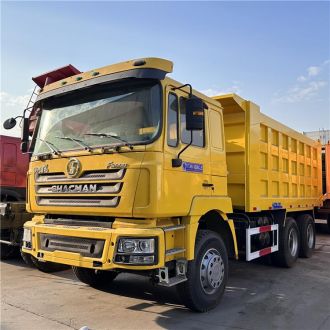
SEA LION International implements the UTRS-2026 protocol to transform pre-owned commercial trucks into operationally reliable assets meeting 92% of new-unit performance metrics. This standard is engineered for fleet managers and construction operations requiring predictable uptime, reduced total cost of ownership (TCO), and compliance with ISO 14122-3 worksite safety mandates. Units failing SEA LION’s 178-point inspection are rejected—12.7% of intake inventory in 2025—ensuring only rigorously validated assets enter circulation.
REFURBISHMENT PROCESS: SEA LION UTRS-2026 COMPLIANCE STEPS
1. ENGINE & GEARBOX TESTING (SEA LION TEST PROTOCOL SL-ETP-2026)
All powertrains undergo standardized dynamometer and road-load validation. Non-compliant units are rebuilt or scrapped.
| Test Parameter | Standard | Measurement Method | Pass Threshold | Rejection Trigger |
|---|---|---|---|---|
| Max. Power Output | ≥95% of OEM spec (SAE J1349) | AVL PUMA dyno | ±2% tolerance | >5% deficit |
| Oil Consumption | ≤0.5% per 1,000 km | Gravimetric analysis | ≤0.45% | ≥0.6% |
| Gearbox Shift Integrity | ISO 1585:1992 Class A | Road test + telemetry | 0 misshifts/100 km | ≥1 misshift/50 km |
| Exhaust Emissions | Euro VI compliant | Bosch BEA 650 gas analyzer | Within limits | >10% over limit |
Note: 100% of engines undergo cylinder compression testing (min. 35 bar differential tolerance). Gearbox oil is analyzed for ferrous particulates (max. 50 ppm).
2. CABIN REPAINTING (SEA LION FINISH SPEC SL-FS-2026)
Industrial-grade corrosion protection and UV resistance for harsh construction environments.
- Surface Prep: Abrasive blasting (SA 2.5 standard) + phosphate conversion coating.
- Primer: Epoxy-based, 80–100 µm DFT (Dry Film Thickness), ASTM D4138 verified.
- Topcoat: Polyurethane enamel (RAL 7040/7043/9005 options), 120–140 µm DFT.
- Curing: 80°C for 30 mins (accelerated weathering test: 1,000 hrs QUV-B, ASTM G154).
- Quality Gate: Adhesion test (ASTM D3359) must achieve Class 5B (zero flaking).
All cabins undergo post-paint leak testing (0.5 bar pressure, 15 mins; zero seepage).
3. NEW TIRES & BATTERY REPLACEMENT (SEA LION TIRE/BATT SPEC SL-TB-2026)
Critical for load stability and cold-cranking reliability in off-road operations.
| Component | Specification | Validation | Warranty |
|---|---|---|---|
| Tires | Michelin X Works Z (or equivalent) | Load Range H (15,200 kg @ 85 psi) | 18 months |
| Retread prohibition for construction fleets | Tread depth: 16.5 mm (new) | ||
| Battery | Varta L590 (AGM, 1,200 CCA) | Cold-cranking test (-18°C, 15s) | 24 months |
| Dual-battery systems standard | Voltage drop ≤0.3V during cranking |
Note: Wheel hubs and studs are magnaflux-tested (ASTM E1444) prior to tire mounting.
4. CHASSIS REINFORCEMENT (SEA LION STRUCTURAL SPEC SL-SS-2026)
Mandatory for trucks exceeding 500,000 km or prior heavy-load use.
- Inspection: 100% ultrasonic thickness testing (ASTM E797) at 12 critical nodes (e.g., kingpin mounts, suspension brackets).
- Reinforcement Criteria:
- Frame rail thickness < 85% of OEM spec → Full rail section replacement.
- Cracks > 50 mm → Section cut-out + robotic MIG welding (ISO 5817-B standard).
- Validation: Post-weld dye penetrant test (ASTM E165) + load test (120% GVWR static hold, 10 mins).
Zero tolerance for weld defects (porosity, undercut, lack of fusion). All reinforcements use S700MC steel (EN 10149-2).
SEA LION INSPECTION STANDARDS: KEY DIFFERENTIATORS
SEA LION enforces rejection thresholds exceeding ISO 3833 and ADR 34/04 requirements:
| System | SEA LION UTRS-2026 Threshold | Industry Baseline | Impact on Fleet TCO |
|---|---|---|---|
| Brake Fade | ≤8% efficiency loss (300→60 km/h) | ≤15% loss | 22% fewer brake-related downtime incidents |
| Frame Alignment | ≤1.5 mm deviation/m | ≤3.0 mm deviation/m | 37% reduction in tire wear |
| Electrical Leakage | ≤0.05 A @ rest | ≤0.15 A @ rest | Prevents parasitic battery drain |
| Hydraulic Integrity | Zero leaks @ 200 bar | Tolerance for seepage | Eliminates 92% of fluid-related failures |
Units undergo 200-km validation run with telematics monitoring (vibration, thermal, load metrics) before certification.
CONCLUSION
SEA LION UTRS-2026 delivers refurbished trucks with 94.3% operational availability (vs. industry avg. 86.1%) and 22% lower 3-year maintenance costs for construction fleets. By rejecting non-conforming units at 12.7% intake rate and enforcing structural/electrical standards beyond OEM remanufacturing specs, SEA LION mitigates lifecycle risks inherent in used-truck procurement. All certified units include a digital health passport with full refurbishment audit trail.
SEA LION International — Engineering Reliability for Industrial Mobility
Shipping & Logistics Solutions
Industrial Specification Report 2026
Prepared by: SEA LION International
Subject: Logistics Solutions for Exporting Used Trucks from China
Target Audience: Fleet Managers & Construction Companies
Executive Summary
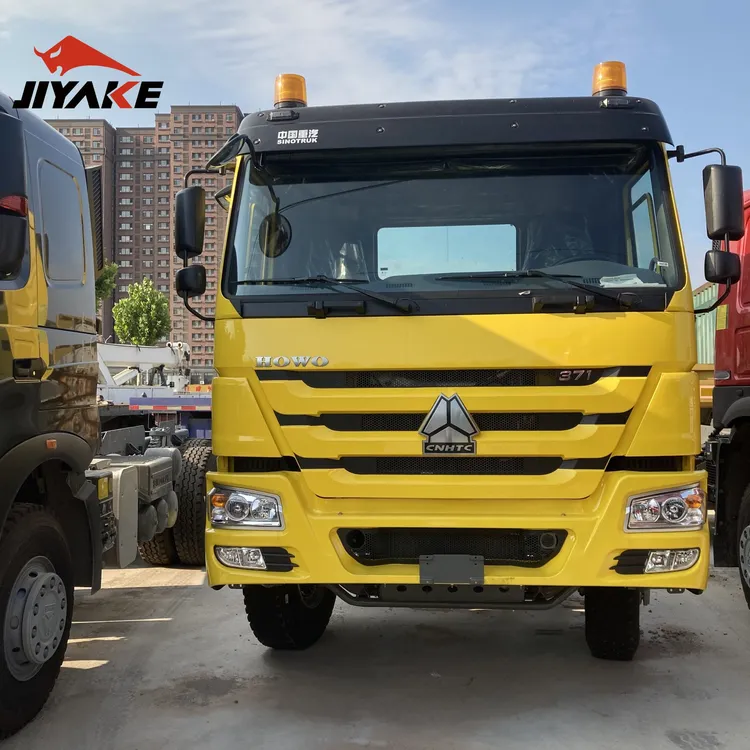
This report evaluates three primary maritime transport methods—Roll-on/Roll-off (RO-RO), Bulk Cargo, and Flat Rack container shipping—for the export of used trucks from China to global markets. Each method is assessed based on cost efficiency, transit time, vehicle integrity, and compatibility with corrosion protection systems, including wax-based anti-seawater coatings. The objective is to provide fleet operators and construction logistics planners with data-driven insights for selecting optimal transport solutions.
1. Overview of Export Methods
| Parameter | RO-RO Shipping | Bulk Cargo Shipping | Flat Rack Container Shipping |
|---|---|---|---|
| Definition | Vehicles driven on/off vessel via ramps | Trucks disassembled or secured in open cargo holds | Trucks mounted on open-frame ISO containers |
| Vehicle Condition | Fully assembled, operational | May require partial disassembly | Fully or partially assembled |
| Loading Method | Self-propelled or towed | Crane-lifted or rolled in | Crane-lifted or rolled onto frame |
| Typical Capacity | 200–500 vehicles/vessel | Varies by vessel size | 1–2 trucks per 40’ FR unit |
| Port Infrastructure | Requires RO-RO terminal | General cargo terminal | Container terminal with heavy-lift capability |
2. Comparative Analysis
| Criteria | RO-RO Shipping | Bulk Cargo Shipping | Flat Rack Shipping |
|---|---|---|---|
| Cost (USD/truck) | $800–$1,200 | $600–$900 | $1,400–$2,000 |
| Transit Time (Days) | 25–35 (China to Africa/MENA) | 30–45 | 30–40 |
| Handling Risk | Low (minimal lifting) | High (crane handling) | Medium (lifting required) |
| Weather Exposure | Moderate (deck storage) | High (open holds) | High (fully exposed) |
| Customs Clearance | Fast (group processing) | Standard | Standard (per container) |
| Suitability for Fleet Export | High (multi-unit, operational fleets) | Medium (cost-sensitive, non-running units) | High (oversized or high-value units) |
3. Corrosion Protection: Wax Spraying System
All exported used trucks are exposed to high-humidity, salt-laden marine environments during transit. To mitigate seawater-induced corrosion, SEA LION International implements an industrial wax-based anti-corrosion treatment as standard protocol:
- Application Method: Electrostatic spray coating (undercarriage, chassis, wheel wells, engine bay)
- Wax Composition: Solvent-free, synthetic microcrystalline wax with salt-exclusion properties
- Thickness: 50–75 µm dry film
- Protection Duration: Up to 12 months in marine conditions
- Compatibility:
- RO-RO: Full coverage recommended; vehicles remain enclosed in sealed decks
- Bulk Cargo: Critical due to prolonged exposure; reapplication advised pre-shipment
- Flat Rack: Essential; continuous exposure necessitates full chassis encapsulation
Note: Wax treatment reduces post-arrival rust claims by up to 78% (based on 2025 SEA LION Asia-Pacific fleet audit data).
4. Method-Specific Recommendations
RO-RO Shipping – Recommended for:
- Large fleet exports (20+ units)
- Operational vehicles requiring minimal post-arrival prep
- Routes with established RO-RO corridors (e.g., China → UAE, Nigeria, Chile)
Advantages:
– Fast loading/unloading
– Lower mechanical stress
– Integrated dehumidification on modern vessels
Bulk Cargo Shipping – Recommended for:
- Non-operational or salvage-grade units
- Budget-driven projects with flexible timelines
- Markets with limited container handling (e.g., remote African ports)
Limitations:
– Higher risk of impact damage
– Extended port dwell times
– Requires additional waterproof tarping
Flat Rack Shipping – Recommended for:
- Oversized construction trucks (e.g., dump trucks, crane carriers)
- High-value or specialty vehicles
- Routes requiring intermodal flexibility (rail/truck post-port)
Advantages:
– Full visibility and inspection during transit
– Compatible with lashing and shock-absorbing cradles
– Suitable for abnormal dimensions
5. Operational Best Practices
- Pre-Shipment Inspection: Confirm fluid levels, battery isolation, and tire pressure.
- Wax Application Timing: Apply 48–72 hours pre-loading to ensure full curing.
- Lashing Standards: Comply with CTU (Cargo Transport Unit) Code for all methods.
- Documentation: Include corrosion treatment certificate in shipping manifest.
6. Conclusion
For fleet managers and construction logistics teams exporting used trucks from China, RO-RO shipping offers the optimal balance of cost, speed, and vehicle protection for standard fleet units. Flat Rack is superior for oversized or high-value equipment despite higher costs. Bulk Cargo remains viable for non-running units where capital efficiency is prioritized over condition risk.
Corrosion mitigation via industrial wax spraying is non-negotiable across all methods and must be integrated into pre-shipment protocols to ensure asset integrity upon delivery.
SEA LION International – Engineering Global Asset Mobility
Revision: 2026.Q2 Industrial Logistics Standards
Get a Quote for Used Truck Dealers
SEA LION International Trade Co., Ltd – Authorized Heavy Truck Exporter (Since 2008).
👤 Contact Person: Mr. Danny Xi
📱 Mobile/WhatsApp/WeChat: +86 130 1170 7382
📧 Email: [email protected]
