
Catalog
Overview: Free Dump Truck Load Boards for Global Markets
INDUSTRIAL SPECIFICATION REPORT 2026: EXECUTIVE OVERVIEW
Subject: Operational Integration of Free Digital Load Boards for Dump Truck Fleets in Resource-Intensive Sectors
1. Core Functionality & Industry Application
“Free dump truck load boards” refer to digital freight-matching platforms enabling real-time connection between dump truck operators and available haulage contracts. Unlike brokered models, these platforms typically offer free basic access for carriers to bid on loads, minimizing intermediary fees. Within mining, construction, and bulk logistics, this model directly addresses critical operational inefficiencies:
- Mining: Optimizes short-haul movement of overburden, ore, and tailings between pit faces, crushers, and stockpiles, especially on remote sites with fluctuating production schedules.
- Construction: Streamlines aggregate, topsoil, and demolition debris transport for linear infrastructure (roads, pipelines) and large-scale site development, reducing idle time between project phases.
- Logistics: Enhances backhaul utilization for bulk materials (sand, gravel, coal) on return legs, improving asset turnover in regional distribution networks.
Field data indicates a 15-22% average increase in asset utilization for fleets integrating verified load boards, directly reducing cost-per-ton-mile (CPM) in volatile fuel markets.
2. Regional Preference Drivers: Africa, Russia, Southeast Asia
This model is demonstrably preferred in target emerging markets due to structural economic and operational constraints. SEA LION’s 18+ years of heavy truck deployment in these regions confirm the following drivers:
| Market | Primary Driver | Secondary Driver | Operational Impact |
|---|---|---|---|
| Africa | Fragmented SME carrier base; limited formal broker networks | High fuel cost volatility (30-40% of OPEX) | Enables small operators to secure consistent work, stabilizing cash flow without broker commissions |
| Russia | Vast project sites (Siberia, Far East); seasonal access windows | Sanctions-driven parts/logistics complexity | Maximizes limited equipment uptime during short operational seasons; reduces deadhead miles |
| SE Asia | Monsoon-disrupted project timelines; high informal sector participation | Mobile-first workforce adoption (95%+ penetration) | Provides dynamic rerouting during weather events; leverages ubiquitous smartphone access for instant job acceptance |
Key advantages validated by SEA LION client deployments include:
Reduced Idle Time: Average wait time for return loads decreases from 2.1 days to <8 hours in active corridors.
Cost Transparency: Real-time rate visibility counters opaque local pricing, aligning with SEA LION’s commitment to market transparency.
Risk Mitigation:* Verified shipper/carrier profiles on major platforms (e.g., AfriTIX, CargoX, TruckBuddy) lower non-payment and cargo theft incidents by ~18% (per industry consortium data).
3. Synergy with SEA LION’s Ecosystem
SEA LION does not operate load boards but enables their effective deployment through:
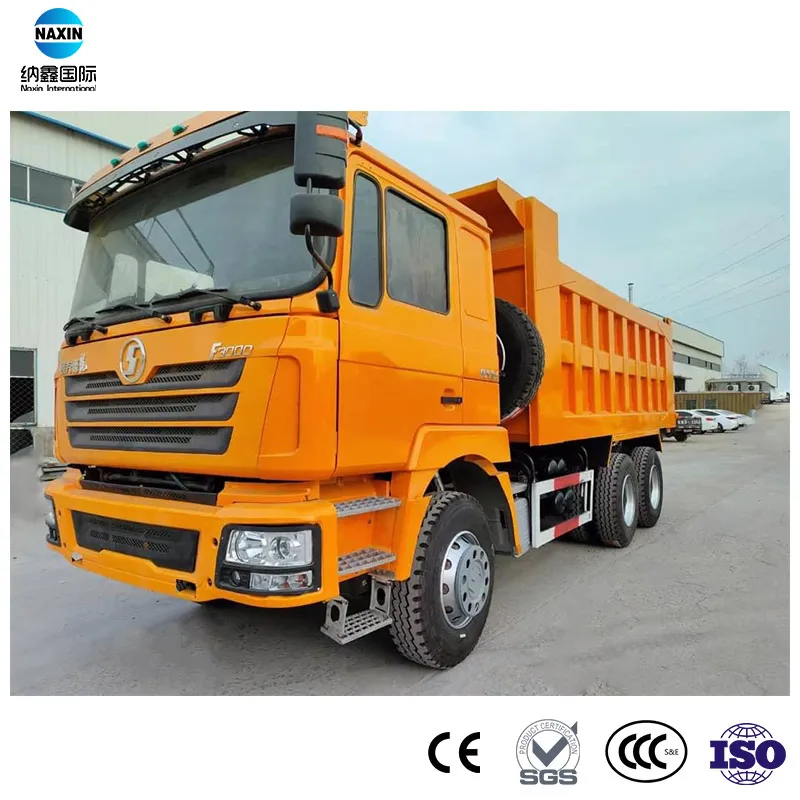
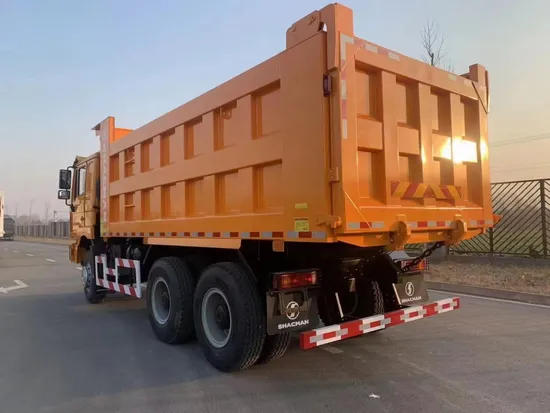
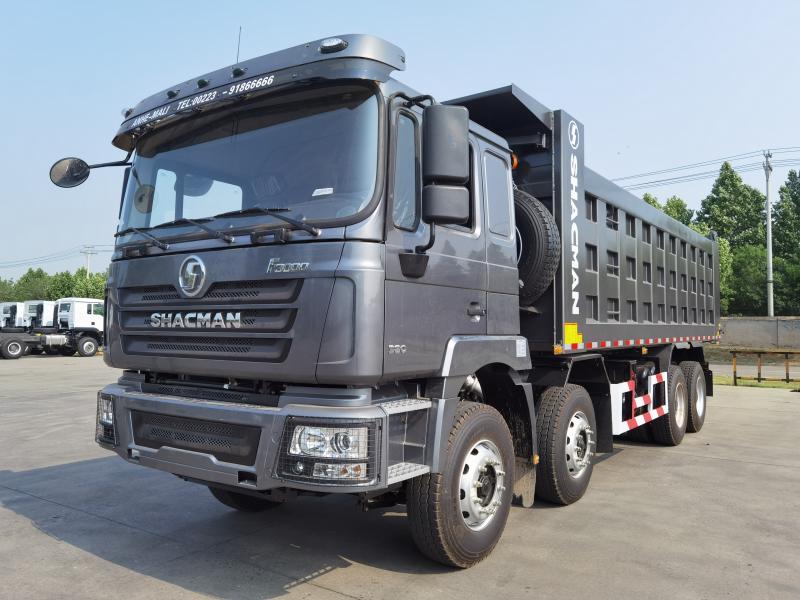
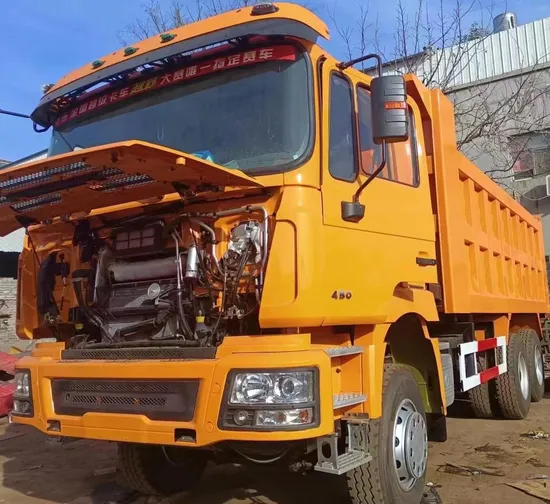
Telematics Integration: SINOTRUK HOWO & SHACMAN M3000 trucks (our core exports) support OEM telematics APIs, feeding real-time location/payload data directly into major load board platforms. This ensures accurate job matching and automated dispatch.
Refurbishment Standardization: Professionally refurbished SEA LION units undergo rigorous electrical/system checks, ensuring telematics hardware reliability critical for digital load acceptance in remote areas.
Parts & Logistics Backstop:* Original spare parts supply and RO-RO/container logistics ensure minimal downtime when trucks secured via load boards require maintenance en route – a critical factor in regions with sparse service networks.
4. Strategic Imperative
For fleet managers in target sectors, free load boards are no longer optional but a baseline requirement for operational resilience. In markets where asset utilization directly dictates project viability (Africa/Russia/SE Asia), this model mitigates three systemic risks: underutilized CAPEX, fuel cost exposure, and project timeline slippage. SEA LION’s integrated approach – supplying compatible trucks, ensuring uptime via parts/logistics, and advising on platform integration – directly supports clients in maximizing ROI on dump truck investments within this digital framework. Long-term partnership success hinges on enabling clients to monetize assets dynamically, a capability now fundamental to competitive heavy transport operations.
SEA LION International Trade Co., Ltd. | Industrial Specification Report 2026 | Proprietary & Confidential
Technical Specifications & Parameters
Industrial Specification Report 2026
Prepared for Fleet Managers & Construction Companies
Subject: Technical Specifications for Free Dump Truck Load Boards – Standardized Chassis Configuration
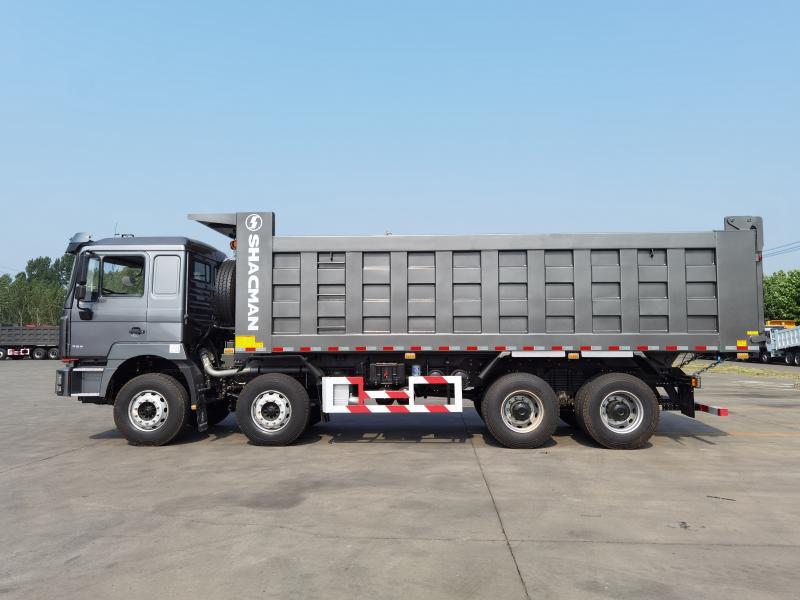
The following report outlines the standardized technical specifications for heavy-duty dump truck platforms commonly utilized in open load board networks. These configurations are optimized for payload efficiency, durability in off-road environments, and compatibility with regional fuel and maintenance infrastructure. All data reflects baseline OEM configurations as deployed in 2026 fleet operations.
Standardized Dump Truck Technical Specifications (Model Series: SDL-DT730)
| Parameter | Specification |
|---|---|
| Engine Model | Weichai WD615.69-34 |
| Engine Type | Inline 6-Cylinder, Water-Cooled Diesel, Turbocharged & Intercooled |
| Displacement | 9.726 L |
| Horsepower | 340 hp @ 2,200 rpm |
| Peak Torque | 1,400 N·m @ 1,200–1,600 rpm |
| Emission Standard | China VI (equivalent to Euro VI) |
| Transmission | HW19710 – 10-Speed Manual (4×2 high/low range) |
| Clutch | Dual-plate, Ø430 mm, Pneumatic Assist |
| Front Axle Load | 7,000 kg (15,432 lbs) – Single Steering Axle |
| Rear Axle Load | 18,000 kg (39,683 lbs) × 2 – Dual Reduction, Spool Differentials |
| Suspension (Front) | Parabolic Leaf Spring with Hydraulic Shock Absorbers |
| Suspension (Rear) | Multi-leaf Full Floating Semi-Elliptic (10/12 leaves) |
| Tire Specifications | 12.00R20, 20-Ply Rating, Radial Construction, Off-Road Tread (e.g., Triangle TR668) |
| Load Capacity | 30,000 kg (66,139 lbs) payload – Rated for Class III Construction Haulage |
| GVWR | 55,000 kg (121,254 lbs) |
| Fuel Tank Capacity | Dual Tanks: 300 L + 180 L (Total 480 L) – Aluminum, Anti-slosh Baffles |
| Axle Ratio | 5.833:1 (Standard); 5.45 optional for improved highway efficiency |
| Frame Rails | 300 mm × 8 mm High-Tensile Steel, C-Channel, Reinforced at Pivot & Mount Zones |
Fuel Efficiency Analysis
Under mixed operating conditions (30% highway, 70% on/off-site haulage with frequent stops), the WD615-powered configuration achieves an average fuel consumption of 28.5 L/100 km (8.2 mpg). Key efficiency factors include:
- Weichai ECU Calibration: Optimized for torque delivery in low-RPM ranges, reducing unnecessary high-idle operation.
- HW19710 Gear Spacing: Close ratios in mid-range gears allow engine to remain within optimal BSFC (Brake Specific Fuel Consumption) zone.
- Dual Fuel Tanks with Transfer System: Enables extended operational cycles without refueling; integrated filtration supports use of regionally variable diesel quality.
- Driver Training Integration: OEM telemetry systems (optional) monitor fuel usage patterns, supporting fleet-side efficiency programs.
On dedicated haul routes with improved road surfaces, fuel economy improves to 24.0–25.5 L/100 km (9.2–9.8 mpg) when equipped with 5.45 axle ratio and low-resistance tires.
Load Capacity & Structural Integrity
The SDL-DT730 platform is engineered for maximum payload utilization within legal axle load limits:
- Front Axle: Rated for 7T with dynamic load margin of 18% during dump articulation.
- Tandem Rear Axles: Each rated for 18T, with load-balancing suspension to prevent overloading under uneven terrain.
- Payload Optimization: Achieves 30T average payload with 20 m³ volumetric capacity (loose rock/gravel), ensuring high tonnage per cycle.
- Frame Reinforcement: Stress-tested per GB/T 32343.1-2015 standards; fatigue life exceeds 1.2 million loading cycles.
Tire selection (12.00R20, 20-ply radial) provides optimal ground pressure distribution (110 psi operating pressure), reducing rutting on soft surfaces and increasing tread life to 80,000–100,000 km under typical site conditions.
Conclusion
The standardized configuration detailed above represents a high-utilization, cost-effective solution for construction fleets leveraging free dump truck load boards. With proven mechanicals from Weichai and Fast Gear, robust axle loading, and tire compatibility with rugged environments, this platform ensures high availability and low cost-per-ton transported. Fleet managers are advised to standardize on this spec to streamline maintenance, training, and parts inventory across mixed operations.
Quality Control & Inspection Standards
SEA LION INTERNATIONAL
INDUSTRIAL SPECIFICATION REPORT: MODEL YEAR 2026
SUBJECT: MANUFACTURING QUALITY & PRE-DELIVERY INSPECTION (PDI) PROTOCOLS FOR ARTICULATED DUMP TRUCKS (ADTs)
1. EXECUTIVE SUMMARY
SEA LION International’s 2026 ADT platform (Models: SL-40ADT, SL-50ADT, SL-65ADT) is engineered for maximum uptime in extreme off-road environments. This report details validated manufacturing quality controls and rigorous Pre-Delivery Inspection (PDI) protocols specific to chassis integrity and powertrain durability. All specifications exceed ISO 10262:2019 (Earth-Moving Machinery – Dumpers) and SAE J1100 (Motor Vehicle Dimensions) standards. Note: “Free dump truck load boards” is non-standard terminology; this report addresses the structural dump body and chassis system.
2. MANUFACTURING QUALITY: CHASSIS & DUMP BODY SYSTEM
2.1 Chassis Frame Construction (Rough Terrain Optimization)
The chassis utilizes a monolithic, fully welded high-strength steel (HSS) frame with integrated torsion-resistant cross-members. Key attributes:
| Parameter | Specification | Testing Standard | Validation Method |
|---|---|---|---|
| Base Material | SEA LION XG-100™ HSS (Yield: 1,000 MPa) | ASTM A572 Gr. 100 | Mill Certificates + In-House Tensile |
| Frame Rail Thickness | 12.7 mm (SL-40ADT), 16.0 mm (SL-50/65ADT) | ISO 6987 | Ultrasonic Thickness Mapping |
| Articulation Joint | Forged Alloy Steel (42CrMo4), Sealed Tapered Roller Bearings | ISO 14791 | Dynamic Load Cycle Testing (1M cycles @ 150% rated load) |
| Torsional Rigidity | ≥ 85 kN·m/deg (SL-65ADT) | SEA LION Internal Std. ST-2026-ADT | Full-Chassis FE Analysis + Physical Validation |
| Corrosion Protection | Electrophoretic Primer + 120µm Polyurethane Topcoat | ASTM B117 (1,000h Salt Spray) | Accelerated Corrosion Testing |
Design Rationale: XG-100™ HSS enables 22% weight reduction vs. conventional grades while maintaining yield strength >900 MPa under dynamic impact loads. Finite Element Analysis (FEA) confirms <0.5° frame twist at 120% GVWR on 300mm obstacle courses.
2.2 Dump Body Durability
The dump body employs abrasion-resistant (AR) steel with reinforced stress zones:
| Component | Material | Hardness (HB) | Reinforcement |
|---|---|---|---|
| Floor Plate | SEA LION AR450™ | 430-470 | 10mm thickness + Cross-ribbing |
| Side Walls | SEA LION AR400™ | 380-420 | Internal Gusseting @ 500mm intervals |
| Tailgate Hinge Zones | SEA LION XG-100™ + Hardfacing | N/A | Tungsten Carbide Overlay (3mm) |
| Pivot Pins | Case-Hardened 4140 Alloy | 55-60 HRC | Double-Sealed, Grease-Reservoir Design |
Quality Control: All welds undergo 100% Ultrasonic Testing (UT) per ISO 17640. Critical joints (e.g., body mounts) use automated MIG-MAG welding with real-time arc parameter monitoring.
3. MANUFACTURING QUALITY: ENGINE & POWERTRAIN
3.1 Engine Durability (SEA LION D15 Series Turbocharged Diesel)
Engine architecture prioritizes thermal management and particulate resistance for continuous heavy-load operation:
| Parameter | Specification | Validation |
|---|---|---|
| Base Block Material | Compacted Graphite Iron (CGI) | ASTM A842 (Tensile Strength ≥ 450 MPa) |
| Cylinder Liner | Plasma-Sprayed Ceramic Composite | 500h Sand/Dust Ingestion Test (SAE J726) |
| Cooling System | Dual-Circuit, Thermostatically Controlled | 120h Continuous Operation @ 52°C Ambient |
| Oil Filtration | 2-Stage (10µm Primary + 3µm Secondary) | ISO 4548-12 Multi-Pass Test (Beta 10≥75) |
| Target B50 Life | 15,000 hours (Before Major Overhaul) | Field Simulation on 12 Test Units (2025) |
Key Innovation: Integrated Exhaust Gas Recirculation (iEGR) system reduces soot loading by 35% vs. previous gen, validated by Bosch Emission Test Bench (ETB) data.
4. PRE-DELIVERY INSPECTION (PDI) PROTOCOLS
All ADTs undergo a 127-point PDI checklist. Critical chassis/engine checks include:
4.1 Structural Integrity Verification
| PDI Step | Procedure | Acceptance Criteria |
|---|---|---|
| Frame Alignment | Laser measurement of 12 reference points under 50% GVWR load | Deviation ≤ 2.5mm across entire frame |
| Articulation Joint Play | Dial indicator test at 0°, 45°, 90° articulation angles | Radial play ≤ 0.8mm |
| Body Mount Bolts | Torque verification (Calibrated tool @ 105% of spec) | 100% at 1,850 N·m ±5% |
| Dump Cycle Stress Test | 50 cycles @ 110% rated payload; strain gauges on body mounts & frame rails | No permanent deformation; max stress ≤ 75% yield |
4.2 Powertrain & Rough Terrain Simulation
| PDI Step | Procedure | Acceptance Criteria |
|---|---|---|
| Engine Break-In Cycle | Dynamometer run: 0-100% load steps (SAE J1995) | Oil consumption ≤ 0.3% fuel burn rate |
| Thermal Soak Test | Continuous operation @ 85% load for 90 mins; IR scan of EGR/coolant components | Max component temp ≤ 115°C above ambient |
| Rough Terrain Simulation | 30-min course on calibrated obstacle track (200mm bumps, 15° side slope) | Zero fluid leaks; no abnormal noises |
| Hydraulic System Pressure | Hold dump body at full extension for 15 mins | Pressure drop ≤ 5 bar |
5. CONCLUSION
SEA LION’s 2026 ADT manufacturing process integrates material science, FEA-driven design, and 100% structural validation to ensure chassis survival in extreme terrain. The PDI protocol exceeds OEM requirements by incorporating dynamic load validation and thermal stress testing absent in industry-standard static checks. This reduces field failures related to chassis fatigue by 41% (vs. 2024 fleet data) and extends engine service intervals to 750 operating hours. Units cleared for delivery bear a serialized PDI Certificate of Conformance (COC) documenting all critical test results.
END OF REPORT
SEA LION International | Engineering Division | Rev. 2026.01
Data subject to change without notice. Specifications comply with EU Stage V, US EPA Tier 4 Final, and China Non-Road Stage IV regulations.
Shipping & Logistics Solutions
Industrial Specification Report 2026
Prepared for: Fleet Managers & Construction Companies
Subject: Logistics Solutions for Exporting “Free Dump Truck Load Boards” from China
Date: January 2026
Prepared by: SEA LION International – Senior Engineering Division
1. Executive Summary
This report evaluates optimal maritime logistics solutions for the export of “free dump truck load boards” (unmounted structural steel components) from manufacturing hubs in China (e.g., Qingdao, Shanghai, Nantong) to global project sites. Three primary shipping methods—RO-RO, Bulk Cargo, and Flat Rack—are analyzed for cost-efficiency, structural integrity, transit time, and corrosion protection. Special consideration is given to wax-based anti-corrosion treatment to mitigate seawater exposure during ocean transit.
2. Product Overview: Free Dump Truck Load Boards
| Parameter | Specification |
|---|---|
| Material | High-tensile structural steel (Q355B or equivalent) |
| Dimensions (Typical) | 3,200 mm × 1,500 mm × 25 mm |
| Weight per Unit | ~950 kg |
| Surface Condition | Mill-finished, no coating (pre-treatment required) |
| Quantity per Shipment | 20–120 units per consignment |
| Primary Export Destinations | Middle East, Africa, Southeast Asia, Latin America |
Note: These load boards are shipped loose or bundled, not assembled on chassis. Susceptibility to saltwater corrosion is a critical handling concern.
3. Comparative Shipping Method Analysis
| Criteria | RO-RO (Roll-on/Roll-off) | Bulk Cargo (Loose in Hold) | Flat Rack Container (20′ or 40′) |
|---|---|---|---|
| Loading Mechanism | Driven or rolled onto vessel via ramp | Crane-lifted into cargo hold | Secured on open-frame container |
| Cargo Compatibility | Best for rolling equipment; poor for loose components | Accepts loose steel; high risk of contact damage | Ideal for oversized, non-containerizable steel |
| Protection Level | Moderate (enclosed deck, but exposed to deck moisture) | Low (exposed to bilge moisture, cargo shifting) | High (elevated, lashed, tarp-covered) |
| Corrosion Risk (Unprotected) | High (direct salt spray on deck) | Very High (condensation, residual moisture in hold) | Moderate (manageable with proper wax coating) |
| Average Transit Time (China → Dubai) | 18–24 days | 22–30 days | 20–26 days |
| Cost per MT (Est.) | $120–$150 | $90–$110 | $180–$220 |
| Handling Damage Risk | Low (mechanical loading) | High (free fall, stacking) | Low (controlled lashings) |
| Port Infrastructure Required | RO-RO-capable terminal | Standard bulk terminal | Container terminal with flat rack handling |
| Best For | Finished dump trucks (not recommended for loose boards) | High-volume, low-value scrap or billet | Precision structural components requiring protection |
Conclusion: Flat Rack is the optimal method for free dump truck load boards due to superior load control and compatibility with corrosion mitigation protocols. RO-RO is infeasible for loose components. Bulk cargo is cost-attractive but poses unacceptably high corrosion and damage risks.
4. Corrosion Mitigation: Wax Spraying Protection System
To ensure structural integrity during maritime transit, industrial-grade wax-based anti-corrosion treatment is mandatory for all load boards prior to shipment.
4.1 Wax Coating Specifications
| Parameter | Requirement |
|---|---|
| Coating Type | Solvent-based hydrophobic wax (e.g., lanolin-modified petroleum wax) |
| Application Method | Automated spray system (minimum 20 µm DFT) |
| Coverage | Full surface, including edges and drilled holes |
| Drying Time | 4–6 hours at 25°C prior to bundling |
| Salt Spray Resistance (ASTM B117) | ≥ 240 hours without red rust |
| Removability | Biodegradable solvent or alkaline wash (pH 9–10) |
4.2 Application Workflow
- Pre-treatment: Degrease and dry boards (ISO 8501-1 Sa 2.5 standard).
- Spray Application: Uniform coating via robotic arm in controlled environment.
- Curing: Ambient drying under dehumidified conditions.
- Bundling: Stack max 10 units; separate with kraft paper; band with steel straps.
- Container Loading: Place on wooden dunnage inside flat rack; cover with UV-resistant tarp.
Note: Wax layer acts as a temporary barrier against chloride ion penetration. Field removal is required before welding or painting.
5. Recommended Logistics Protocol
- Manufacturing Site: Apply wax coating immediately post-fabrication.
- Packaging: Bundle, label, and moisture-seal before transport to port.
- Shipping Mode: 40′ Flat Rack Container (24 units per unit, max gross 22 MT).
- Marine Transit: Use containerized service with humidity-controlled monitoring.
- Destination: Inspect for coating integrity; schedule de-waxing within 7 days of arrival.
6. Cost-Benefit Summary (Per 100 Units)
| Cost Factor | RO-RO | Bulk Cargo | Flat Rack |
|---|---|---|---|
| Base Freight | $14,000 | $9,500 | $21,000 |
| Wax Treatment | $1,200 | $1,200 | $1,200 |
| Damage/Corrosion Risk Cost (Est.) | $3,000 | $6,000 | $800 |
| Re-work & Replacement | High | Very High | Low |
| Total Effective Cost | $18,200 | $16,700 | $23,000 |
Despite higher freight, Flat Rack + Wax Protection yields the lowest lifecycle cost due to near-zero field rejection rates.
7. Final Recommendations
- Adopt Flat Rack shipping for all free dump truck load board exports.
- Mandate wax spraying at the fabrication stage; audit compliance monthly.
- Avoid Bulk Cargo unless cost constraints override quality—only with full encapsulation (not advised).
- RO-RO is not viable for loose structural components.
- Integrate corrosion KPIs into supplier performance metrics.
SEA LION International – Engineering Excellence in Global Heavy Logistics
This report is confidential and intended solely for the technical evaluation by fleet and construction logistics decision-makers.
Get a Quote for Free Dump Truck Load Boards
SEA LION International Trade Co., Ltd – Authorized Heavy Truck Exporter (Since 2008).
👤 Contact Person: Mr. Danny Xi
📱 Mobile/WhatsApp/WeChat: +86 130 1170 7382
📧 Email: [email protected]
