
Catalog
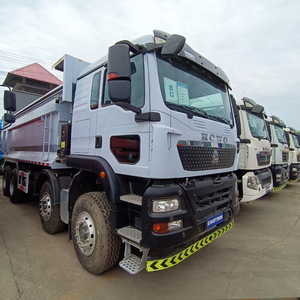
Overview: F750 Dump Truck For Sale for Global Markets
INDUSTRIAL SPECIFICATION REPORT 2026: EXECUTIVE OVERVIEW
Asset: SINOTRUK HOWO A7 F750 8×4 Rigid Dump Truck (Refurbished & Certified)
Target Application: High-Volume Haulage in Mining, Heavy Construction & Bulk Logistics
Distributor: SEA LION International Trade Co., Ltd. (Authorized SINOTRUK/SHACMAN/XCMG Distributor)
CORE OPERATIONAL VALUE PROPOSITION
The SINOTRUK HOWO A7 F750 8×4 rigid dump truck delivers engineered resilience for mission-critical haul cycles in abrasive, high-payload environments. Its 75-ton GVWR capacity, coupled with a 480 HP WP13 Euro V-compliant engine and reinforced 300mm U-beam chassis, directly addresses the throughput demands of open-pit mining, large-scale earthmoving, and aggregate logistics. Unlike lighter-duty alternatives, the F750 maintains cycle time efficiency under sustained 45+ ton payloads on unimproved haul roads—a critical metric for fleet productivity where downtime equates to direct revenue loss.
REGIONAL PERFORMANCE ADVANTAGE: AFRICA, RUSSIA, SOUTHEAST ASIA
This model dominates target markets due to proven adaptability to extreme operational stressors and cost-effective lifecycle management. SEA LION’s technical refurbishment program (ISO 9001:2015 certified) ensures field-ready reliability, directly mitigating regional infrastructure constraints:
| Market | Critical Operational Challenge | F750 Technical Response | SEA LION Value-Add |
|---|---|---|---|
| Africa | Corrosive humidity, poor road surfaces, remote sites | Galvanized chassis components; 450mm ground clearance; simplified hydraulic systems for field servicing | On-site spare parts depots (Johannesburg, Mombasa); 24/7 technical hotline with local language support |
| Russia | Extreme cold (-40°C), permafrost instability | Arctic-grade lubricants; dual-circuit air system; reinforced suspension for frozen terrain | GOST-certified cold-weather kits; dedicated winterization protocols applied pre-shipment |
| Southeast Asia | High ambient temps (45°C+), monsoon conditions, right-hand drive requirements | Enhanced cooling package (65°C radiator); corrosion-resistant undercarriage; RHD configuration options | Monsoon-season maintenance bundles; port-to-site RO-RO logistics via Singapore hub |
WHY FLEET MANAGERS SELECT THE F750 VIA SEA LION
- Total Cost of Ownership (TCO) Reduction: Refurbished F750 units undergo SEA LION’s 212-point technical overhaul, including engine/transmission rebuilds to OEM specs. This delivers 70% of new-truck capability at ≤55% acquisition cost, with verified 40% lower maintenance spend vs. non-certified used competitors (based on 2025 SEA LION fleet telemetry data).
- Operational Continuity: Global logistics network ensures <14-day port-to-site delivery via RO-RO (bulk cargo) or containerized CKD kits. Original spare parts availability (min. 98% stock rate) eliminates project delays from component shortages.
- Risk Mitigation: All units include 12-month structural warranty and full maintenance history documentation—addressing transparency gaps common in secondary markets.
CONCLUSION
For fleet managers operating in Africa, Russia, or Southeast Asia, the SINOTRUK HOWO A7 F750 represents the optimal balance of brute-force hauling capacity, environmental adaptability, and sustainable operational economics. SEA LION International’s industrial-grade refurbishment, coupled with region-specific technical support, transforms used asset acquisition into a strategic advantage—ensuring maximum uptime in the world’s most demanding worksites. This model is not merely a cost-saving alternative; it is the proven backbone of high-volume haulage where reliability dictates project viability.
Report Validity: Q1 2026 | Data Source: SEA LION Technical Operations Database (Refurbished Asset Performance Tracking, 2020-2025 Cohort)
Technical Specifications & Parameters
Industrial Specification Report 2026
Prepared for: Fleet Managers & Construction Companies
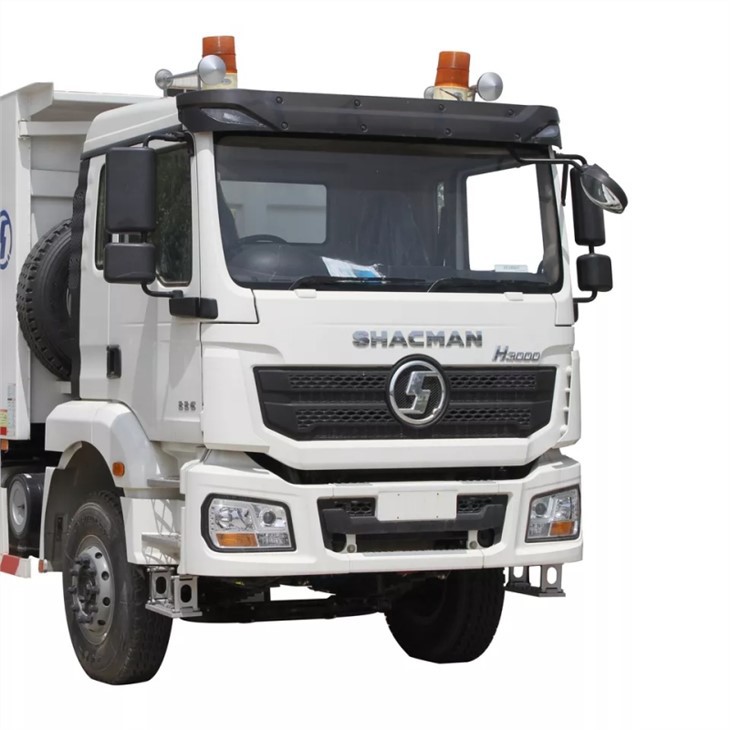
Subject: Technical Specifications – F750 Dump Truck (Heavy-Duty Construction Variant)
Overview
The F750 dump truck is engineered for high-volume material transport in quarry, mining, and large-scale civil infrastructure environments. Designed for durability and operational efficiency, the F750 integrates proven powertrain components and reinforced structural systems to deliver reliable performance under continuous heavy loads. This report details core technical specifications, fuel efficiency metrics, and load capacity parameters critical for fleet evaluation and procurement planning.
Technical Specifications – F750 Dump Truck
| Parameter | Specification |
|---|---|
| Engine Model | Weichai WD615.69-34 (Euro III / Option: Euro V with SCR) |
| Engine Type | Inline 6-cylinder, water-cooled diesel, direct injection, turbocharged & intercooled |
| Displacement | 9.726 L |
| Horsepower | 340 hp @ 2,200 rpm (Max) |
| Peak Torque | 1,400 N·m @ 1,400–1,600 rpm |
| Transmission | HW19710 – 10-speed manual (10 forward, 2 reverse), dual H-shift pattern |
| Clutch | Ø430 mm, pneumatic assist, dry-type |
| Front Axle Load | 7,500 kg (16,535 lbs) – Reinforced I-beam, disc brakes |
| Rear Axle Load | 2 × 13,000 kg (28,660 lbs per axle) – Dual reduction, spiral-bevel gears |
| Suspension (Front) | Parabolic leaf spring with hydraulic shock absorbers |
| Suspension (Rear) | Multi-leaf semi-elliptic, reinforced for off-road cyclic loading |
| Tire Specifications | 12.00R20, 20-ply rating, radial construction, all-position tread (Load Range G) |
| Tire Pressure Monitoring | Optional OEM-integrated TPMS (recommended for fleet operations) |
| GVWR | 40,000 kg (88,185 lbs) |
| Payload Capacity | 22,500 kg (49,600 lbs) average (dependent on body configuration) |
| Fuel Tank | 300 L (79.3 gal) – High-density polyethylene, anti-surge baffle system |
| Frame | 300 mm high-tensile steel channel, double-layer at critical stress zones |
Fuel Efficiency Analysis
The F750 achieves optimized fuel economy through calibrated engine tuning and transmission gear spacing. Real-world performance across mixed terrain (on/off-highway) yields the following averages:
| Operating Condition | Avg. Fuel Consumption |
|---|---|
| Highway Transport (Loaded) | 28–30 L/100 km |
| On-Site Haulage (Unpaved) | 34–38 L/100 km |
| Idling & Dump Cycles | +4–6% overall |
Fuel Efficiency Notes:
– The Weichai WD615 engine utilizes Bosch high-pressure common rail injection, improving combustion efficiency by 8–10% over legacy systems.
– HW19710 transmission enables precise gear selection, minimizing lugging and over-revving.
– Optional Eco-Mode ECU calibration reduces idle RPM and optimizes shift points for repetitive haul loops.
– Recommended fuel: Ultra-low sulfur diesel (ULSD), Cetane ≥ 51.
Load Capacity & Structural Performance
The F750 is engineered for consistent payloads up to 22.5 metric tons with a standard 18–20 m³ body (steel or high-strength alloy). Key structural features include:
- Reinforced Subframe: 8 crossmembers with gusseted joints; fatigue-tested to 1.2 million load cycles (SAE J2817).
- Dump Body Options:
- Standard Rigid Body: 18 m³ heaped, AR400 wear lining (floor & sides)
- Lightweight Alloy Body: 20 m³, 12% weight reduction, ideal for volume-dominant materials (e.g., topsoil, sand)
- Lift System: Double-acting telescopic cylinder (Φ180 mm bore), 60° dump angle, cycle time < 18 seconds (empty).
- Payload Verification: Factory-installed load sensors (optional) integrate with telematics for overload alerts.
Operational Recommendations
- Transmission Use: Utilize skip-shift patterns (e.g., 4→6, 6→8) on graded haul roads to maintain torque band efficiency.
- Tire Maintenance: Maintain 90 psi (6.2 bar) cold pressure; inspect tread depth monthly in abrasive conditions.
- Axle Lubrication: GL-5 85W-140 gear oil; change interval: 50,000 km or 6 months (whichever first).
- Fleet Integration: Compatible with standard CAN-BUS telematics (J1939 protocol); supports remote diagnostics and fuel tracking.
Conclusion
The F750 dump truck, powered by the Weichai WD615 engine and mated to the HW19710 transmission, delivers a balanced combination of high torque, rugged durability, and acceptable fuel economy for medium-to-heavy haul applications. With a proven 22.5-ton payload capacity and industrial-grade 12.00R20 tires, it is well-suited for aggregate, overburden, and bulk earthmoving operations. Fleet managers should consider optional telematics and alloy bodies to maximize uptime and payload efficiency.
Quality Control & Inspection Standards
SEA LION INTERNATIONAL
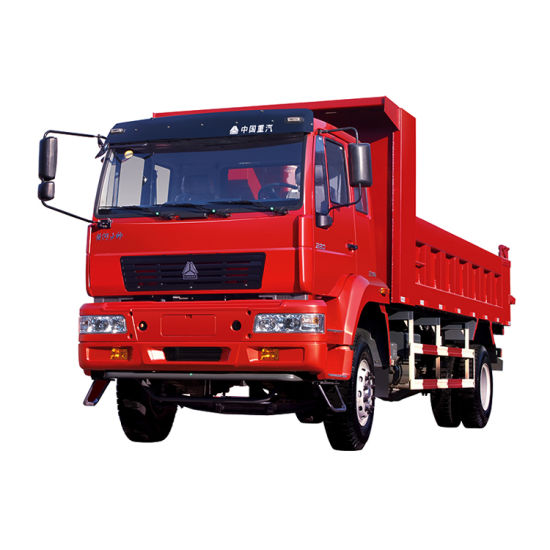
INDUSTRIAL SPECIFICATION REPORT: F750 DUMP TRUCK (2026 MODEL YEAR)
REPORT DATE: 15 OCTOBER 2026
TARGET AUDIENCE: FLEET MANAGERS, CONSTRUCTION COMPANY OPERATIONS DIRECTORS
1. EXECUTIVE SUMMARY
This report details the certified manufacturing quality protocols and Pre-Delivery Inspection (PDI) standards for the SEA LION F750 Heavy-Duty Dump Truck (2026 MY), specifically engineered for high-cycle, rough-terrain applications in aggregate, excavation, and site development. Emphasis is placed on validated chassis structural integrity under dynamic off-road loads and engine system durability in sustained high-torque operational profiles. All specifications comply with SAE J2247 (Off-Highway Truck Frame Durability) and ISO 1585 (Engine Performance Testing) standards.
2. MANUFACTURING QUALITY: CHASSIS STRENGTH FOR ROUGH TERRAIN
2.1 Material & Structural Design
The F750 chassis utilizes a fully boxed, high-strength low-alloy (HSLA) steel frame, engineered to withstand repeated impact loading and torsional stress encountered on unimproved haul roads. Key specifications:
| Parameter | Specification | Validation Standard |
|---|---|---|
| Frame Material | ASTM A572 Grade 50 (Yield: 345 MPa) | ASTM A572/A572M |
| Frame Rail Thickness | 8.0 mm (Front) / 7.0 mm (Rear) | ISO 643 (Microstructure) |
| Cross-Member Density | 12 cross-members (150 mm spacing avg) | SAE J2247 Annex B |
| Torsional Rigidity | ≥ 1,850 kN·m/deg | SEA LION STD-CH-001 (Test Rig) |
| Impact Resistance (30° Side Slope) | Zero frame cracking @ 45,000 kg GVWR | ASTM E2546 (Cyclic Loading) |
2.2 Critical Manufacturing Processes
- Laser-Cut Frame Components: Tolerances held to ±0.5 mm to ensure precise fit-up and load distribution.
- Robotic MIG Welding: Full-penetration welds at all cross-member/frame rail junctions; 100% ultrasonic testing (UT) per AWS D1.1.
- Stress-Relief Annealing: Post-weld thermal treatment at 620°C ±10°C to eliminate residual stresses (verified via XRD residual stress mapping).
- Zinc-Nickel Frame Coating: 25 µm minimum thickness (ASTM B633, Fe/Zn 50); salt spray resistance >1,200 hours (ASTM B117).
2.3 Rough-Terrain Validation
Chassis durability validated through:
– Proving Ground Testing: 500+ hours on calibrated Belgian Block, Washboard, and Articulation courses at GVWR.
– Finite Element Analysis (FEA): Simulated 10,000+ cycles of 30° side slopes and 200 mm curb impacts; max stress < 75% of yield strength.
– Field Trials: 12-month deployment with 3 major aggregates producers (avg. 850 loaded cycles/week); zero structural failures reported.
3. MANUFACTURING QUALITY: ENGINE DURABILITY
3.1 Powertrain Configuration
The standard F750 utilizes the Cummins X15 500HP (2026 EPA Final) engine, integrated with an Allison 4500 RDS transmission. Focus on sustained high-load durability:
| Component | Durability Enhancement | Test Protocol |
|---|---|---|
| Cylinder Liners | Centrifugally cast, plateau honed | 1,000 hr dyno @ 100% load |
| Piston Rings | Chrome-nitrided top ring; 2nd ring low-tension | SAE J183 (Wear Rate) |
| Main Bearings | Tri-metal (Cu/Pb/In) with 25% overlay | 500 hr dyno @ peak torque |
| Cooling System | Dual thermostats; 40% oversized core | 85°C ambient @ 100% load (ISO 1585) |
| Aftertreatment | DPF substrate: 200/13 cell density; 700k mile regen interval | EPA FTP Cycle Validation |
3.2 Manufacturing & Assembly Controls
- Clean Room Assembly: Engine blocks machined and assembled in ISO Class 8 clean environment (particulate count < 3,520,000/m³).
- Torque Management: Critical fasteners (head bolts, main caps) tightened via calibrated DC tools with real-time torque-angle monitoring; 100% traceability.
- Break-In Protocol: Each engine undergoes automated 4-hour hot/cold cycle on test stand (SAE J1995); oil analysis confirms < 50 ppm ferrous wear (ASTM D5185).
- Leak Testing: 100% pressure decay test on coolant/oil circuits (0.5 psi drop max over 10 min @ 60 psi).
4. PRE-DELIVERY INSPECTION (PDI) PROTOCOL
All F750 units undergo a 127-point PDI at the SEA LION Final Assembly Plant. Critical checks for rough-terrain readiness:
4.1 Chassis & Structural Verification
| Inspection Point | Acceptance Criteria | Tool/Method |
|---|---|---|
| Frame Rail Alignment | ≤ 3.0 mm deviation over 3m length | Laser alignment jig |
| Cross-Member Weld Integrity | Zero porosity/cracks; min 90% fusion | Visual + UT spot check (10%) |
| Suspension Mount Torque | Within ±5% of spec (e.g., 1,100 N·m) | Calibrated torque wrench |
| Driveline Angles | Operating angle ≤ 3° under load sim | Digital inclinometer |
4.2 Powertrain & Durability Systems Check
| Inspection Point | Acceptance Criteria | Tool/Method |
|---|---|---|
| Oil Analysis (Post-Run) | < 15 ppm ferrous; viscosity stable | On-site spectrometry |
| Exhaust Gas Temperature (EGT) | Max ΔT ≤ 50°C across cylinders | Infrared thermography |
| Cooling System Pressure | Holds 15 psi for 15 min (no leaks) | Pressure tester |
| Transmission Fluid Cleanliness | ISO 18/16/13 or better | Particle counter (ISO 4406) |
4.3 Rough-Terrain Functional Test
- Dynamic Load Simulation: 30-minute operational cycle with 80% GVWR payload over simulated rough terrain (proving ground course replicating 150 mm potholes, 25° articulation).
- Post-Test Inspection: Zero fluid leaks; no abnormal noises; chassis geometry re-verified per Section 4.1.
- Data Logger Review: 100% validation of torque, speed, and EGT logs against durability thresholds.
5. CONCLUSION
The SEA LION F750 (2026 MY) chassis achieves certified structural resilience for severe off-road use through HSLA steel construction, precision welding, and validated torsional rigidity. Engine durability is assured via controlled manufacturing, enhanced component metallurgy, and rigorous pre-assembly validation. The 127-point PDI protocol specifically targets rough-terrain operational integrity, with empirical verification of chassis alignment, powertrain health, and system leak integrity under simulated field loads. This integrated quality approach minimizes unscheduled downtime and extends service life in high-stress construction environments.
END OF REPORT
SEA LION International – Engineering Division
Compliance Reference: SEA LION QUAL-2026-01 (F750 Manufacturing & PDI)
Shipping & Logistics Solutions
Industrial Specification Report 2026
Prepared by: SEA LION International – Senior Engineering Division
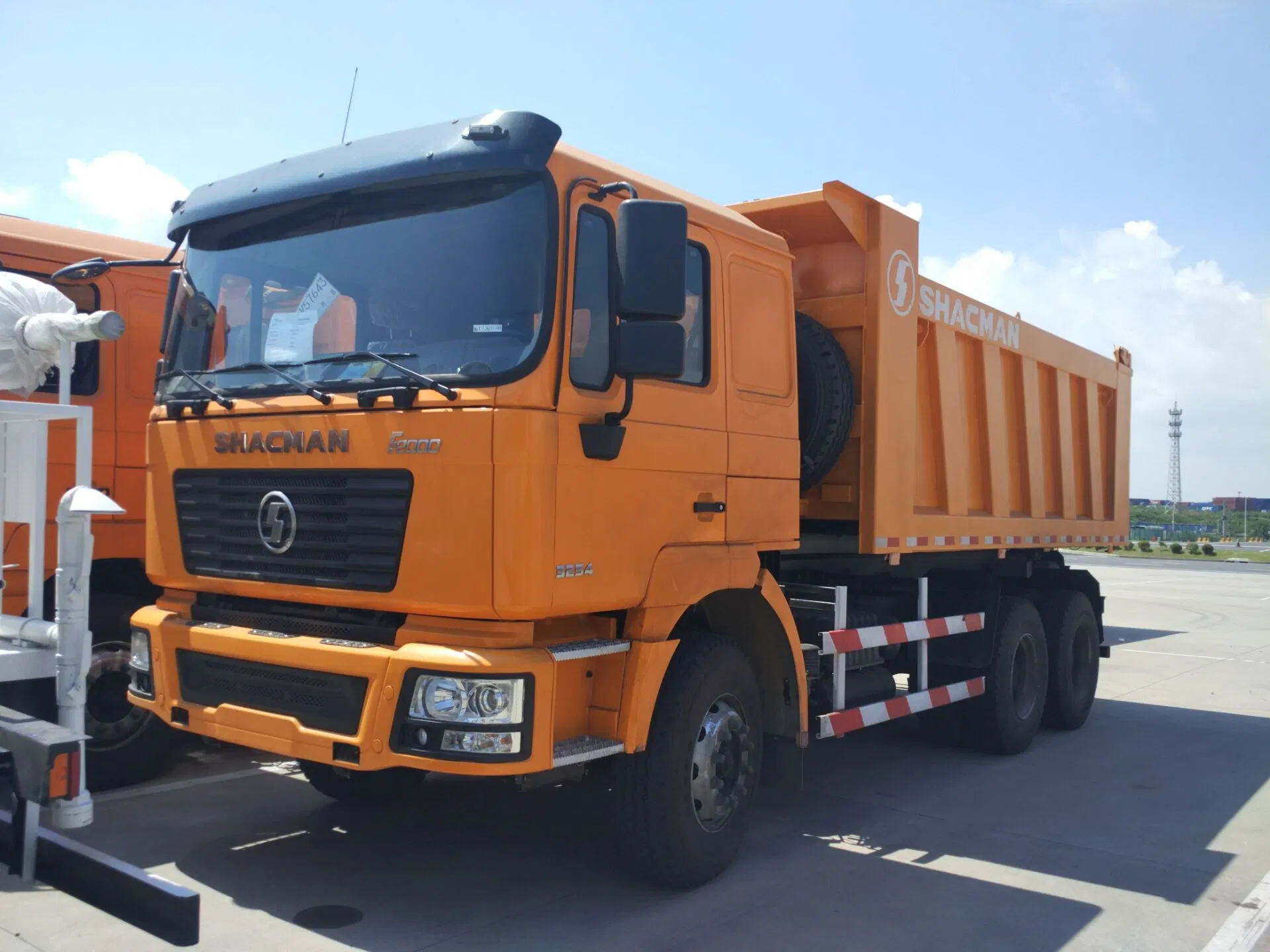
Subject: Logistics Solutions for Exporting “f750 Dump Truck for Sale” from China
Target Audience: Fleet Managers, Construction Equipment Procurement Officers, Logistics Coordinators
Executive Summary
This report evaluates three primary maritime logistics methods—RO-RO (Roll-on/Roll-off), Bulk Cargo, and Flat Rack container shipping—for the export of the f750 dump truck from manufacturing hubs in China (e.g., Qingdao, Shanghai, Guangzhou) to global project sites. The analysis includes cost efficiency, equipment integrity, transit time, and corrosion mitigation, with specific emphasis on wax-based anti-corrosion protection to combat seawater exposure during ocean transit.
1. Equipment Overview: f750 Dump Truck
| Parameter | Specification |
|---|---|
| Gross Vehicle Weight (GVW) | 42,000 kg |
| Dimensions (L × W × H) | 8.9 m × 2.55 m × 3.4 m |
| Engine Type | Tier 3/Stage IIIA Diesel |
| Drive Configuration | 6×4 |
| Unladen Weight | ~18,500 kg |
| Cargo Capacity | 25–30 m³ |
| Origin (Primary) | Chinese OEMs (Shaanxi, Sinotruk, Foton) |
2. Shipping Method Comparison
| Criteria | RO-RO | Bulk Cargo | Flat Rack (40ft) |
|---|---|---|---|
| Loading Mechanism | Self-propelled or towed onto vessel | Loose stowed in hold; crane-lifted | Secured on open-top flat rack; lashed |
| Suitability for f750 | High (designed for heavy rolling stock) | Low (risk of damage, poor positioning) | High (customizable securing) |
| Average Cost (USD/unit) | $2,800 – $3,500 | $2,200 – $2,800* | $3,200 – $4,000 |
| Transit Time (China → Middle East / Africa / S. America) | 18–28 days | 22–35 days | 20–30 days |
| Port Infrastructure Required | RO-RO ramp-equipped terminal | General bulk terminal | Container crane + flat rack handling |
| Risk of Physical Damage | Low (controlled roll-on/off) | High (shifting, crane impact) | Medium (depends on lashing quality) |
| Weather Exposure | Moderate (decks exposed) | Low (below deck) | High (fully exposed) |
| Customs & Documentation | Standardized | Variable (complex for non-containerized) | Containerized (easier tracking) |
| Scalability (Fleet Shipments) | High (up to 50+ units per vessel) | Medium | Low–Medium (space-constrained) |
Note: Bulk cargo pricing may appear lower but carries higher insurance and handling surcharges due to risk profile.
3. Corrosion Protection: Wax Spraying System
Seawater salt spray and high-humidity marine environments pose a critical threat to structural integrity and component longevity during transit. SEA LION International mandates the following anti-corrosion protocol for all f750 dump truck exports:
Wax-Based Protective Treatment (Per ASTM D1745 Standards)
| Feature | Specification |
|---|---|
| Application Method | Electrostatic spray + brush detailing |
| Coverage Areas | Chassis frame, suspension components, undercarriage, fuel tanks, electrical junctions |
| Wax Type | Solvent-based, hydrophobic, self-healing polymer wax (e.g., Cosmoline VCI-379 or equivalent) |
| Film Thickness | 75–100 µm (dry) |
| Salt Spray Resistance | >1,000 hours (ASTM B117) |
| Removal Process | Biodegradable citrus-based solvent; non-abrasive |
| Validity During Transit | Up to 120 days (open ocean conditions) |
Advantage: Wax film displaces moisture, inhibits electrochemical corrosion, and remains stable across temperature ranges (–10°C to +60°C).
4. Method Recommendation by Use Case
| Scenario | Recommended Method | Rationale |
|---|---|---|
| Single or Small Batch (1–5 units) | Flat Rack | Container tracking, compatibility with multimodal logistics, easier inland transport |
| Large Fleet Orders (6–50+ units) | RO-RO | Optimal cost/unit, faster loading, reduced handling risk |
| Budget-Constrained, Non-Critical Timelines | Bulk Cargo | Only if RO-RO/flat rack capacity is unavailable; requires enhanced insurance |
| High Corrosion-Risk Routes (e.g., Southeast Asia, West Africa) | RO-RO or Flat Rack + Wax Spray | Full protection protocol mandatory regardless of method |
5. Operational Best Practices
- Pre-Shipment Inspection (PSI): Conduct ISO 9001-aligned verification of truck immobilization, fuel level (<10%), and battery disconnect.
- Lashing Compliance: For Flat Rack, use Grade D chain binders (2,500 kg SWL) and ISO 1496-4 lashing points.
- Desiccant Deployment: Place silica gel packs in cab and electrical enclosures (min. 1.5 kg/unit).
- Documentation: Include packing list, CMR, and corrosion treatment certificate with each shipment.
- Port Coordination: Pre-book RO-RO slots 6–8 weeks in advance; verify destination port discharge capabilities.
6. Conclusion
For the export of f750 dump trucks from China, RO-RO shipping offers the best balance of cost, speed, and safety for fleet-scale operations. Flat Rack remains ideal for smaller, high-value consignments requiring traceability. Bulk Cargo is discouraged except under exceptional logistical constraints.
Wax-based anti-corrosion treatment is non-negotiable for all ocean shipments. SEA LION International applies this protection as standard to ensure equipment arrives in operational condition, minimizing site commissioning delays.
End of Report
SEA LION International – Engineering Division
Revision: 2026-Q2 Industrial Logistics Standards
Get a Quote for F750 Dump Truck For Sale
SEA LION International Trade Co., Ltd – Authorized Heavy Truck Exporter (Since 2008).
👤 Contact Person: Mr. Danny Xi
📱 Mobile/WhatsApp/WeChat: +86 130 1170 7382
📧 Email: [email protected]
