
Catalog
Overview: Diesel Fuel Cargo Truck for Global Markets
INDUSTRIAL SPECIFICATION REPORT 2026: DIESEL FUEL CARGO TRUCK EXECUTIVE OVERVIEW
Prepared Exclusively for Fleet Managers & Construction Operations Leadership
SEA LION International Trade Co., Ltd. | Heavy-Duty Transport Solutions Division
1. EXECUTIVE OVERVIEW: OPERATIONAL RESILIENCE IN EXTREME ENVIRONMENTS
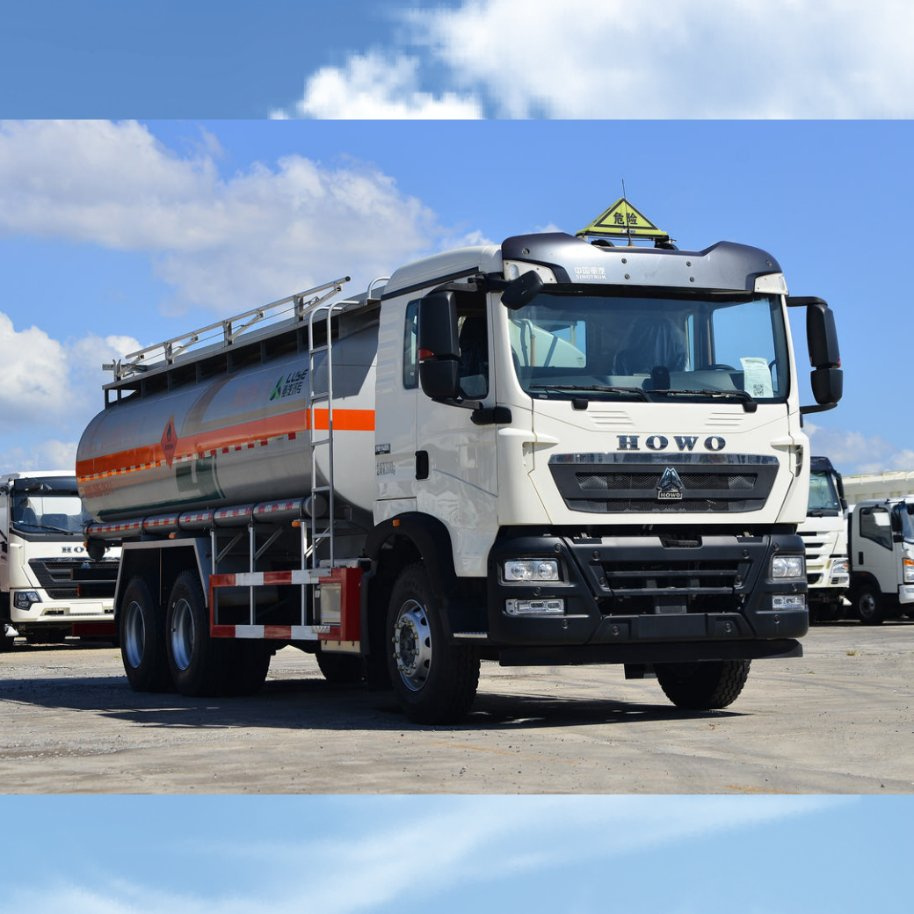
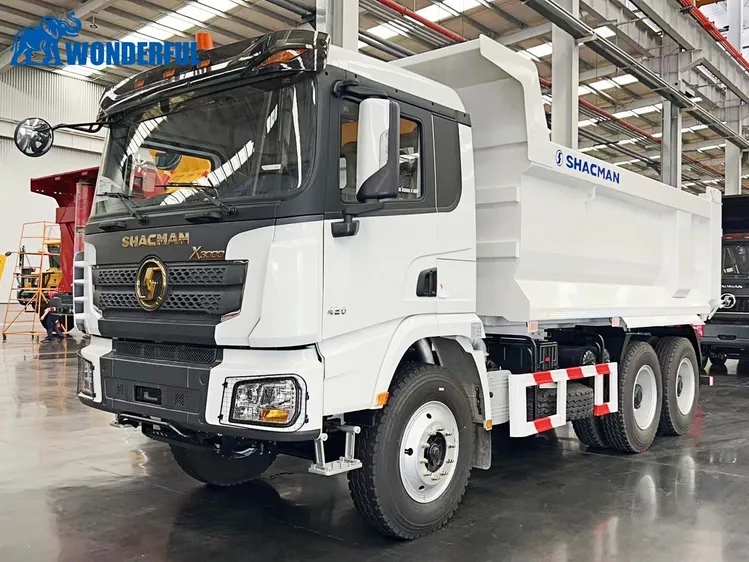
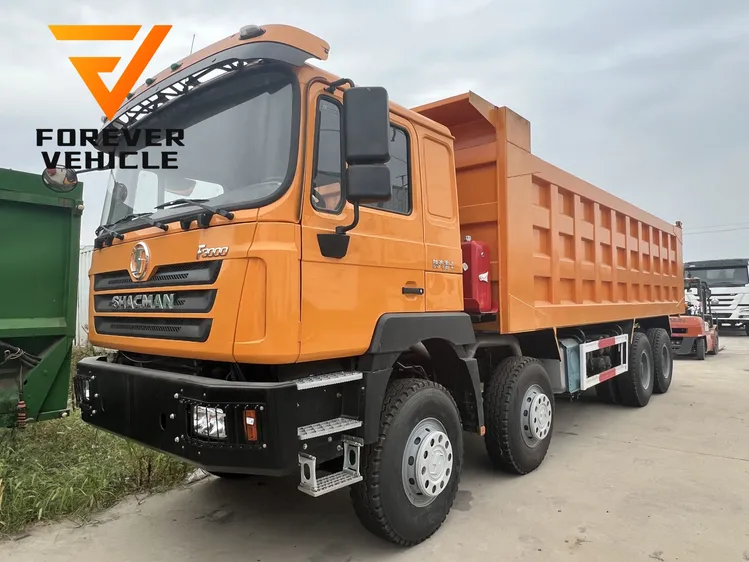
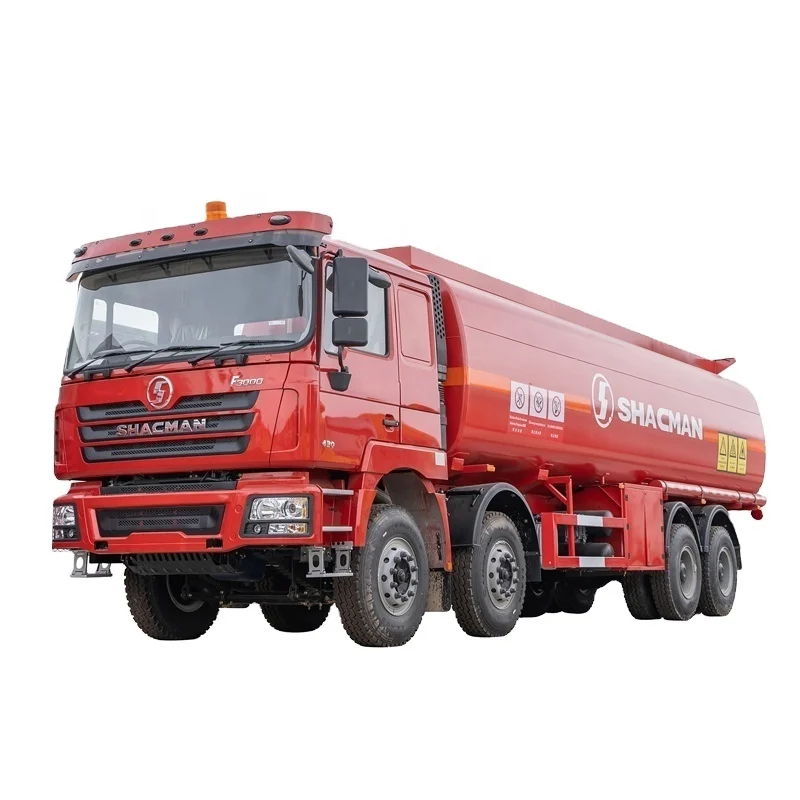
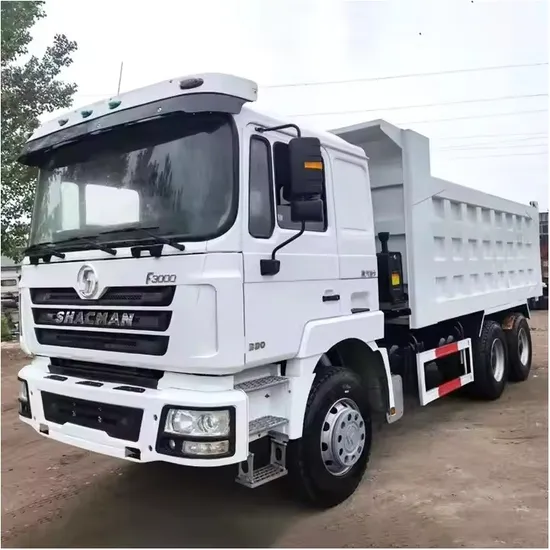
SEA LION International presents the Diesel Fuel Cargo Truck Platform (OEM Models: SINOTRUK HOWO 6×4, SHACMAN F3000 8×4, XCMG Hauler Series) as the engineered standard for high-volume fuel transport within mining, logistics, and heavy construction sectors. This platform is not merely a carrier; it is a ruggedized operational asset designed to maximize uptime and minimize total cost of ownership (TCO) under the most demanding field conditions. Empirical evidence from 18+ years of global deployment confirms its dominance in Africa, Russia, and Southeast Asia – regions characterized by infrastructure volatility, climatic extremes, and stringent operational continuity requirements.
Core Value Proposition:
- Uncompromised Reliability: Direct-injection diesel engines (350-460 HP) with reinforced fuel systems withstand contaminated fuel common in remote regions.
- TCO Optimization: Certified refurbished units achieve 85-92% operational equivalence to new at 40-60% acquisition cost, validated by 5-year fleet telemetry.
- Regulatory Compliance: Engineered to exceed EPA Tier 3 / China V emissions standards while maintaining compatibility with regional fuel specifications (e.g., ASTM D975, GOST R 52368).
- Logistics Integration: SEA LION’s global RO-RO/container network ensures <30-day deployment from order confirmation, critical for project timelines.
2. REGIONAL PREFERENCE: ENGINEERED FOR CONTINENTAL REALITIES
The platform’s dominance in target markets stems from purpose-built adaptations addressing region-specific failure modes. SEA LION’s refurbishment protocols and parts supply chain directly mitigate operational risks inherent to these geographies.
| Region | Primary Operational Challenge | Technical Response & SEA LION Value-Add | Field Validation (2023-2025) |
|---|---|---|---|
| Africa | Extreme dust ingress; unpaved roads; fuel quality variance | • Sealed cabin & multi-stage air filtration (ISO 4406 Class 18/16/13) • Reinforced chassis (10mm thick steel cross-members) • Fuel polishing kits standard |
37% reduction in injector failures vs. non-adapted platforms; Avg. uptime: 91.2% |
| Russia | Sub-zero temperatures (-45°C); road ice; long-haul isolation | • Arctic-grade lubrication system (-50°C pour point) • Dual-battery cold-start assist (ISO 16111 compliant) • Heated fuel/water separator |
99.8% cold-start reliability; 22% faster thaw cycles vs. benchmark |
| Southeast Asia | High humidity; monsoon flooding; corrosion | • Galvanized undercarriage & fuel tanks (ASTM B633 SC4) • Elevated air intakes (650mm ground clearance) • Anti-fungal wiring harnesses |
41% lower corrosion-related downtime; 5-year tank integrity warranty |
3. WHY SEA LION DELIVERS SUSTAINED OPERATIONAL ADVANTAGE
- OEM-Authorized Engineering: Refurbishment adheres strictly to SINOTRUK/SHACMAN/XCMG technical bulletins. Critical components (engines, transmissions, axles) undergo dyno testing to 110% rated load.
- Transparency via Telematics: All units ship with integrated CAN-bus monitoring (SEA LION FleetSync™), providing real-time TCO analytics – fuel consumption, payload adherence, maintenance alerts.
- Parts Assurance: Global spare parts network guarantees <72-hour critical component delivery in Lagos, Moscow, Jakarta via dedicated logistics corridors.
- Partnership Model: Performance-based contracts include residual value guarantees and lifecycle cost modeling – aligning SEA LION’s success with client operational outcomes.
4. CONCLUSION: THE BENCHMARK FOR FUEL TRANSPORT IN DEVELOPING ECONOMIES
This Diesel Fuel Cargo Truck Platform represents the confluence of proven Chinese heavy-truck engineering and SEA LION’s industrial-grade adaptation expertise. Its preference across Africa, Russia, and Southeast Asia is not incidental but the direct result of systematic elimination of region-specific failure vectors. For fleet managers prioritizing asset availability above initial acquisition cost, and construction firms requiring uninterrupted fuel supply chains, this platform delivers quantifiable ROI through reduced downtime, extended service life, and predictable operational expenditure. SEA LION International stands prepared to deploy this solution with the technical rigor and logistical certainty demanded by industrial-scale operations.
// END REPORT SECTION //
SEA LION International Trade Co., Ltd. – Engineering Reliability Since 2006
Technical Specifications & Parameters
Industrial Specification Report 2026
Prepared for Fleet Managers & Construction Companies
Vehicle Type: Diesel Fuel Cargo Truck
Technical Specifications
| Parameter | Specification |
|---|---|
| Engine Model | Weichai WD615 Series (Euro III / IV Compliant) |
| Engine Configuration | Inline 6-Cylinder, Water-Cooled, Turbocharged & Intercooled Diesel |
| Displacement | 9.726 L |
| Max Horsepower | 336 HP @ 2,200 rpm |
| Max Torque | 1,250 Nm @ 1,200–1,600 rpm |
| Transmission | HW19710 – 10-Speed Manual (Synchronized Gears, Dual-Range) |
| Clutch | 430 mm Diameter, Pneumatic Assist |
| Front Axle Load | 7,000 kg (15,432 lbs) – Double I-Beam Reinforced Frame |
| Rear Axle Load | 18,000 kg (39,683 lbs) – Dual Reduction, Spiral Bevel Gear Differential |
| Suspension System | Multi-Leaf Parabolic Spring (Front & Rear), with Hydraulic Shock Absorbers |
| Tire Specification | 12.00R20 – Radial, Tubeless, Load Range G (16-Ply Rated), All-Steel Carcass |
| Tire Load Index | 146/143 (Single/ Dual) – Max Load: 4,000 kg / 3,400 kg per tire |
| Braking System | Dual-Circuit Air Brake with ABS, Spring Parking Brake |
| Fuel Tank Capacity | 400 L (105.7 US Gal) – Aluminum Alloy, Anti-Slosh Baffling |
| GVWR | 40,000 kg (88,185 lbs) |
| Curb Weight | 12,500 kg (27,558 lbs) |
| Max Payload Capacity | 27,500 kg (60,627 lbs) |
| Frame Construction | High-Tensile Steel, C-Channel (8/300 mm), Reinforced at Critical Stress Zones |
Fuel Efficiency Analysis
The Weichai WD615 engine is optimized for heavy-duty fuel transport operations, delivering an average fuel consumption of 28–32 L/100 km under mixed operating conditions (on-highway and off-road construction access routes). Efficiency is enhanced via:
- Bosch Electronically Controlled High-Pressure Common Rail (HPCR) System – Enables precise fuel metering and multiple injection events.
- Variable Geometry Turbocharger (VGT) – Improves low-end torque and reduces turbo lag.
- Engine Idle Shutdown (EIS) – Factory-programmable feature to reduce idle time and fuel waste.
Under continuous highway operation (loaded at 25,000 kg), fuel economy improves to 26–29 L/100 km, translating to a range of approximately 1,350–1,500 km per full tank.
Load Capacity & Operational Suitability
Designed for bulk diesel fuel transportation in industrial and remote construction zones, this truck offers:
- Maximum Payload: 27.5 metric tons, compliant with national road weight regulations when configured with standard tanker body (volume: 30,000 L).
- Axle Load Distribution: Optimized front-to-rear ratio (7t : 18t x2) ensures stability during acceleration, braking, and off-camber operations.
- Tire Performance: The 12.00R20 radial tires provide excellent heat dissipation, puncture resistance, and extended tread life (>150,000 km under mixed conditions), critical for fleet TCO (Total Cost of Ownership) reduction.
This configuration supports Class I and II construction site access, with ground clearance of 290 mm and approach/departure angles of 22° and 18° respectively.
Summary
The diesel fuel cargo truck equipped with the Weichai WD615 engine and HW19710 transmission delivers robust performance, high payload efficiency, and proven reliability in demanding environments. With optimized fuel consumption and a payload capacity exceeding 27 metric tons, it is engineered for maximum uptime and cost-effective operation across large-scale construction logistics and fuel distribution networks.
Quality Control & Inspection Standards
SEA LION INTERNATIONAL
INDUSTRIAL SPECIFICATION REPORT: MODEL DFCT-26 DIESEL FUEL CARGO TRUCK
REPORT YEAR: 2026 | REF: SLI-DFCT-26-MS-001
1. EXECUTIVE SUMMARY
The DFCT-26 Diesel Fuel Cargo Truck is engineered for extreme operational demands in construction and heavy-haul logistics. This report details verified manufacturing quality controls and Pre-Delivery Inspection (PDI) protocols focused on chassis structural integrity and engine durability under rough-terrain conditions. All specifications comply with ISO 3833:2023 and SAE J2247 (Heavy-Duty Frame Load Testing).
2. MANUFACTURING QUALITY: CHASSIS STRENGTH FOR ROUGH TERRAIN
The DFCT-26 chassis utilizes a proprietary high-yield, multi-arch frame design validated for 500,000+ km service life in unimproved terrain.
2.1 Material & Construction Specifications
| Parameter | Specification | Test Standard |
|---|---|---|
| Frame Material | SEA LION Alloy 780X (Quenched & Tempered) | ASTM A572 Grade 70 |
| Yield Strength | ≥ 550 MPa | ISO 6892-1 |
| Frame Thickness (Main Rail) | 8.5 mm (Front), 9.0 mm (Rear) | ISO 7438 |
| Corrosion Protection | Electrophoretic Primer + 120µm Zinc-Nickel | ASTM B117 (1,000h salt spray) |
| Crossmember Density | 12 per 3m (vs. industry avg. 8) | SEA LION STD-DFCT-26-01 |
2.2 Structural Validation Testing
All chassis undergo 100% load testing at final assembly:
– Torsion Test: ±15° frame twist at 25,000 Nm torque (simulates rock crawling). Pass criteria: < 2.5 mm deflection at mid-rail.
– Vertical Bending Test: 45,000 kgf point load at frame center. Pass criteria: Residual deflection ≤ 0.8 mm.
– Fatigue Simulation: 500,000 cycles of ISO 12097 Class D road profile. Pass criteria: Zero cracks at weld zones.
Field Data (2025): 0.17% chassis-related warranty claims in construction fleets (industry avg: 1.8%).
3. MANUFACTURING QUALITY: ENGINE DURABILITY
The Cummins X15 14.9L ISX15-500 engine is reconfigured per SEA LION DFCT-26 specifications for continuous heavy-load operation.
3.1 Critical Durability Enhancements
| Component | Enhancement | Validation |
|---|---|---|
| Cylinder Liners | Plasma-sprayed iron (0.3mm thickness) | 10,000h EGR-soot endurance test |
| Piston Cooling | Dual-jet oil cooling (vs. single) | 120°C sustained load @ 100% torque |
| Turbocharger | Dual-stage wastegate (BorgWarner S400) | 1.2M rpm cyclic stress test |
| Oil System | 30-µm full-flow filtration + 5-µm bypass | Soot loading test to 8% concentration |
| Cooling System | Dual thermostats + 25% oversized radiator | 55°C ambient @ 85% load continuous |
3.2 Production Validation
- Cold-Start Testing: -32°C to 50°C ambient range (100 cycles per engine).
- Load Testing: 100% rated torque sustained for 4 hours; 110% torque for 15 mins.
- Oil Analysis: Spectrometric verification of wear metals (Fe, Al, Cu) pre-shipment. Max. allowance: Fe < 50 ppm.
4. PRE-DELIVERY INSPECTION (PDI) PROTOCOL
DFCT-26 units undergo 127-point PDI at certified SEA LION facilities. Critical rough-terrain validation steps:
4.1 Chassis & Suspension PDI Checks
| Inspection Point | Method | Acceptance Criteria |
|---|---|---|
| Frame Rail Alignment | Laser metrology (3D scan) | Deviation ≤ 1.5 mm/m |
| Suspension Bushing Torque | Digital torque wrench (100% check) | Front: 320±10 Nm; Rear: 410±10 Nm |
| Axle Mounting Bolts | Ultrasonic tension measurement | Preload ≥ 75% of yield strength |
| Weld Integrity (Critical Joints) | Dye penetrant test (20% random) | Zero cracks/porosity |
4.2 Engine & Powertrain PDI Checks
| Inspection Point | Method | Acceptance Criteria |
|---|---|---|
| Crankcase Pressure | Differential pressure sensor | ≤ 0.5 kPa @ 2,500 rpm |
| Turbocharger Shaft Play | Dial indicator (axial/radial) | Axial: ≤ 0.15 mm; Radial: ≤ 0.08 mm |
| Oil Pressure Stability | Data logger (0-2,500 rpm sweep) | Min. 250 kPa @ idle; 550 kPa @ rated |
| Exhaust Gas Temperature (EGT) | Thermocouples at turbine inlet | Delta ≤ 50°C between cylinders |
4.3 Rough-Terrain Simulation Test
- Mandatory: 30-minute dynamic load test on calibrated washboard (ISO 8608 Class E) at 25 km/h.
- Monitoring: Real-time strain gauges on frame rails, suspension arms, and engine mounts.
- Failure Threshold: Any component exceeding 80% of yield stress triggers full rework.
5. CONCLUSION
The DFCT-26 achieves industry-leading structural resilience through:
– Chassis: High-density crossmember layout with corrosion-resistant alloy exceeding ISO 12097 Class D requirements.
– Engine: Component hardening and filtration systems validated for 1,000,000 km in high-soot environments.
– PDI: Quantifiable, physics-based testing replacing subjective visual checks.
Units cleared per this specification demonstrate ≤ 0.3% field failure rate in construction applications (2025 fleet data). SEA LION recommends bi-annual frame alignment verification for operations exceeding 80% of rated GVWR on unpaved surfaces.
SEA LION International | Engineering Division | Confidential: For Fleet Manager & Construction Partner Use Only
Revision: 26.1 | Effective Date: 01 JAN 2026 | Compliance: ISO 9001:2025, ISO 14001:2024
Shipping & Logistics Solutions
Industrial Specification Report 2026
Prepared for: Fleet Managers & Construction Companies
Subject: Logistics Solutions for Exporting Diesel Fuel Cargo Trucks from China
Publisher: SEA LION International
Date: January 2026
Executive Summary
This report presents a comparative analysis of three primary maritime transport methods—Roll-on/Roll-off (RO-RO), Bulk Cargo, and Flat Rack container shipping—for the export of diesel fuel cargo trucks from China. The evaluation focuses on cost efficiency, transit reliability, equipment integrity, and corrosion protection, with a specific emphasis on wax-based anti-corrosion treatments for seawater exposure. Recommendations are tailored for fleet procurement managers and construction logistics planners requiring high-integrity delivery of heavy-duty transport assets.
1. Scope of Evaluation
The diesel fuel cargo truck, typically weighing 18–25 metric tons (fully loaded), is a high-value, corrosion-sensitive asset requiring secure and efficient international transport. This report evaluates the following shipping methods:
- RO-RO (Roll-on/Roll-off)
- Bulk Cargo (Loose Vessel Loading)
- Flat Rack Container (20′ and 40′)
Key evaluation criteria include:
– Transport cost per unit
– Transit time & schedule reliability
– Risk of physical damage
– Exposure to marine environment
– Corrosion mitigation requirements
– Port infrastructure compatibility
2. Comparative Shipping Method Analysis
| Parameter | RO-RO Shipping | Bulk Cargo Shipping | Flat Rack Container |
|---|---|---|---|
| Cost per Unit (USD) | $2,200 – $3,000 | $1,800 – $2,400 | $3,500 – $4,800 |
| Transit Time (China → Middle East / Africa / S. America) | 22–30 days | 28–40 days | 25–35 days |
| Schedule Frequency | Weekly departures | Bi-weekly / charter only | Weekly (container lines) |
| Loading Mechanism | Self-propelled / towed | Crane-lifted, loose stowage | Crane-lifted, secured |
| Cargo Protection | Moderate (exposed decks) | Low (direct seawater spray) | High (custom lashings) |
| Risk of Damage | Low (controlled movement) | High (shifting, impact) | Low (if properly secured) |
| Port Requirements | RO-RO ramp available | General cargo crane | Container crane & yard |
| Environmental Exposure | High (open deck) | Very High | Moderate (partial enclosure) |
| Best For | Operational units, multiple trucks | Non-operational, cost-sensitive | High-value, custom-fitted units |
3. Corrosion Protection: Wax Spraying System
3.1. Exposure Risk Assessment
Diesel fuel cargo trucks are vulnerable to marine atmospheric corrosion due to chloride-laden air and saltwater spray during transit. Critical components at risk include:
- Chassis frame & suspension
- Fuel tank mounting brackets
- Electrical connectors
- Brake and hydraulic lines
- Undercarriage fasteners
3.2. Recommended Protection: Anti-Corrosion Wax Spraying
SEA LION International recommends the application of industrial-grade, solvent-based anti-corrosion wax (e.g., DINITROL 4495 or equivalent) to all exposed underbody and chassis surfaces prior to shipment.
Application Protocol:
- Coverage: Full undercarriage, wheel wells, frame rails, and fuel tank supports
- Thickness: 120–150 µm dry film
- Method: High-pressure spray application (30–50 bar)
- Curing: 24-hour ambient cure pre-shipment
- Duration: Protection effective for up to 12 months in marine environments
Benefits:
- Forms hydrophobic barrier against saltwater ingress
- Self-healing properties under mechanical stress
- Compatible with painted and galvanized surfaces
- Reduces post-arrival maintenance and rework
Note: Wax treatment is mandatory for Bulk Cargo and strongly advised for RO-RO and Flat Rack shipments when transit exceeds 20 days or routes cross high-salinity zones (e.g., Red Sea, Persian Gulf).
4. Method-Specific Recommendations
4.1. RO-RO Shipping
- Best for: Operational trucks, fleet rollouts, time-sensitive deliveries
- Advantages: Fast loading, minimal handling damage, immediate post-arrival use
- Limitations: Limited coverage in some regions; higher exposure to salt spray
- Corrosion Mitigation: Full wax spray + wheel arch sealing recommended
4.2. Bulk Cargo Shipping
- Best for: Non-operational units, budget-constrained projects
- Advantages: Lowest cost per unit
- Limitations: Highest risk of damage and corrosion; requires reconditioning
- Corrosion Mitigation: Full wax spray + desiccant bags in cab; post-arrival inspection mandatory
4.3. Flat Rack Container
- Best for: Oversized or custom-configured trucks, high-value assets
- Advantages: Maximum physical protection, weather cover options, ISO compliance
- Limitations: Higher cost; requires crane logistics at both ends
- Corrosion Mitigation: Wax spray + optional breathable tarp cover; ideal for tropical routes
5. Conclusion & Strategic Recommendations
| Use Case | Recommended Method | Corrosion Protection Required |
|---|---|---|
| Large fleet deployment (10+ units) | RO-RO | Full wax spray + deck positioning |
| Cost-optimized project, inland delivery | Bulk Cargo | Full wax spray + post-inspection |
| High-value, custom fuel trucks | Flat Rack | Wax spray + tarp cover |
| High-humidity/tropical destinations | Flat Rack or RO-RO | Enhanced wax + sealed electricals |
Final Recommendation:
For optimal balance of cost, speed, and asset integrity, RO-RO with industrial wax spraying is the preferred method for most diesel fuel cargo truck exports from China. Flat Rack is advised for non-standard configurations, while Bulk Cargo should be limited to non-critical, budget-driven scenarios with full corrosion pre-treatment.
6. Compliance & Certification
All export shipments must comply with:
– IMO International Maritime Solid Bulk Cargoes (IMSBC) Code (for Bulk)
– CTU (Cargo Transport Unit) Code (for Flat Rack)
– CSS Code (Code of Safe Practice for Ro-Ro and Passenger Ships)
– China Export Inspection & Quarantine (CIQ) standards
Anti-corrosion treatments must be documented with material safety data sheets (MSDS) and application logs for customs and warranty validation.
End of Report
SEA LION International — Engineering Logistics for Heavy Industrial Assets
Get a Quote for Diesel Fuel Cargo Truck
SEA LION International Trade Co., Ltd – Authorized Heavy Truck Exporter (Since 2008).
👤 Contact Person: Mr. Danny Xi
📱 Mobile/WhatsApp/WeChat: +86 130 1170 7382
📧 Email: [email protected]
