
Catalog
Overview: 220 Excavator for Global Markets
INDUSTRIAL SPECIFICATION REPORT 2026: EXECUTIVE OVERVIEW
Asset Class: Hydraulic Excavator (22-Ton Class)
Designation: XCMG XE220 Series (Representative Model)
Prepared For: Fleet Managers | Construction & Mining Operations | Logistics Infrastructure Developers
1. CORE APPLICATIONS & OPERATIONAL VALUE
The XE220 series excavator is engineered for high-intensity, multi-role deployment across critical infrastructure sectors. Its 22-ton operating weight, 1.0 m³ bucket capacity, and 110 kW (147 HP) Tier 3/EU Stage IIIA compliant engine deliver optimal balance between digging force (≥ 160 kN), mobility, and fuel efficiency. Key operational advantages include:
| Sector | Primary Use Case | Product Advantage |
|---|---|---|
| Mining | Overburden removal, pit development | Robust undercarriage (700mm gauge), reinforced boom/stick for high-impact loading; 15% lower fuel consumption vs. legacy models in cyclic digging. |
| Construction | Foundation excavation, site grading | Precision hydraulic control (±2mm repeatability), 360° swing stability on slopes; 20% faster cycle times in urban confined spaces. |
| Logistics | Material handling, port/bulk terminal ops | Quick-coupler compatibility (ISO 23729), high-lift linkage option (+1.2m reach); 30% reduced downtime during continuous 12h+ operations. |
2. REGIONAL PREFERENCE: AFRICA, RUSSIA, SOUTHEAST ASIA
The XE220 dominates target markets due to proven resilience in extreme operational environments and total cost of ownership (TCO) optimization. SEA LION International’s distribution network and technical support model directly address region-specific constraints:
| Market | Critical Requirements | XE220 Competitive Edge | SEA LION Support Enabler |
|---|---|---|---|
| Africa | Dust ingress resistance, fuel volatility, rugged terrain | Sealed hydraulic system (IP67), multi-fuel capability (diesel/petro-diesel blends), extended service intervals (500h) | In-country refurbishment hubs (Johannesburg, Lagos); 48h critical spare parts dispatch |
| Russia | Extreme cold (-45°C), frozen ground excavation | Arctic-grade hydraulic oil circuit, reinforced undercarriage for permafrost, cold-start assist | Certified cold-weather kits; RO-RO logistics to Murmansk/Vladivostok ports |
| Southeast Asia | High humidity, monsoon conditions, dense urban sites | Corrosion-resistant undercarriage coating, compact transport width (2.9m), low ground pressure (52 kPa) | Containerized CKD shipments; localized operator training centers |
3. SEA LION INTERNATIONAL VALUE PROPOSITION
As an authorized XCMG distributor with 18+ years of heavy equipment export expertise, SEA LION International delivers industrial-grade reliability through:
– Pre-Deployment Assurance: All units undergo SEA LION Professional Refurbishment (SLPR) protocol—127-point inspection, critical component remanufacturing, and load-testing to OEM specs.
– Supply Chain Resilience: Direct access to XCMG original spare parts (≥ 98% availability for XE220) via global logistics network (RO-RO for bulk, 40ft HC containers for CKD).
– Partnership Model: TCO analytics support, remote diagnostics integration, and lifetime technical advisory—ensuring 90%+ fleet uptime in remote operations.
Conclusion: The XE220 excels in Africa, Russia, and Southeast Asia due to its ruggedized design for environmental extremes and operational versatility. SEA LION International eliminates market-entry barriers through certified equipment, localized support infrastructure, and transparent lifecycle management—directly reducing project risk and maximizing asset ROI for industrial operators. This model is not merely a machine; it is a verifiable productivity multiplier in constrained environments.
Report Generated by SEA LION International Trade Co., Ltd. | Industrial Equipment Division | Compliance: ISO 9001:2015, ISO 14001:2015
Technical Specifications & Parameters
Industrial Specification Report 2026
Prepared for Fleet Managers & Construction Companies
Equipment: 220 Excavator
Technical Specifications: 220 Excavator
| Parameter | Specification |
|---|---|
| Engine Model | WD615 (Weichai Power) |
| Rated Power | 162 kW (220 HP) @ 2,000 rpm |
| Transmission System | HW19710 Full-Power Synchronized Manual Transmission |
| Number of Gears | 10 Forward, 2 Reverse |
| Axle Load (Front/Rear) | 18,500 kg / 24,500 kg (Total: 43,000 kg) |
| Tire Specifications | 12.00R20, Radial, Load Range G, 18PR, Tubeless |
| Operating Weight | 42,800 kg |
| Bucket Capacity | 1.0 – 1.4 m³ (depending on configuration) |
| Fuel Tank Capacity | 500 L |
Fuel Efficiency Analysis
The 220 excavator, powered by the Weichai WD615 engine, incorporates high-efficiency fuel injection and optimized combustion technology to achieve industry-leading fuel economy. Under standard operating conditions (mixed digging and loading cycles), fuel consumption averages 28–32 L/h. Advanced ECU tuning and load-sensing hydraulic systems reduce idle consumption and improve response under variable loads, contributing to a 12–15% improvement in fuel efficiency over previous-generation models.
For fleet operations, this translates to approximately 5–7% reduction in total fuel costs per machine annually, assuming 1,800 annual operating hours. Regenerative circuits and auto-idle shutdown further enhance efficiency in repetitive cycle applications.
Load Capacity & Structural Performance
With a maximum dig depth of 6.8 meters and breakout force of 210 kN, the 220 excavator is engineered for heavy-duty earthmoving, quarrying, and infrastructure development. The HW19710 transmission ensures robust torque delivery across gradients, supporting operation on inclines up to 30% without slippage or overheating.
The axle load distribution (18.5t front, 24.5t rear) is optimized for stability during lifting and swing operations. Reinforced undercarriage and high-tensile steel construction provide extended service life in abrasive environments. The 12.00R20 radial tires offer superior load-bearing capacity (rated up to 3,650 kg per tire at 85 psi) and heat dissipation, critical for prolonged operation on paved or semi-prepared surfaces.
When equipped with heavy-duty undercarriage options (optional), ground pressure is reduced to 0.85 kg/cm², minimizing terrain impact and improving flotation on soft soils.
Summary for Fleet Deployment
- Ideal for: Medium to large-scale excavation, road construction, material handling
- Maintenance Interval: 500-hour service cycles; extended oil and filter options available
- Telematics Ready: Integrated CAN bus supports remote monitoring (fuel usage, engine health, location)
- Total Cost of Ownership (TCO): Optimized through durable components and low fuel consumption
The 220 excavator delivers a balanced combination of power, efficiency, and durability, making it a strategic asset for high-utilization fleets in demanding industrial environments.
Quality Control & Inspection Standards
SEA LION INTERNATIONAL
INDUSTRIAL SPECIFICATION REPORT: MODEL 220 EXCAVATOR
EFFECTIVE DATE: 01 JANUARY 2026
REPORT ID: SL-ENG-SPC-220-2026
1. EXECUTIVE SUMMARY
This report details the manufacturing quality control protocols and Pre-Delivery Inspection (PDI) standards for the SEA LION Model 220 Excavator, specifically addressing chassis structural integrity for extreme off-road conditions and engine longevity under sustained heavy-load operations. Data reflects compliance with ISO 9001:2015, ISO 13849-1:2015 (safety-related parts), and Tier 4 Final emissions regulations. Target validation metrics exceed ANSI/SAE J1099 industry baselines by 15–22% in critical stress zones.
2. MANUFACTURING QUALITY: CHASSIS STRENGTH FOR ROUGH TERRAIN
2.1 Material Specifications & Structural Design
The undercarriage and mainframe utilize dual-hardness steel fabrication to mitigate torsional stress in uneven terrain:
| Component | Material Grade | Yield Strength (MPa) | Hardness (HB) | Validation Standard |
|---|---|---|---|---|
| Mainframe | S700MC + S550MC | 700 / 550 | 220 / 180 | ASTM A1011/A1011M |
| Track Frames | Hardox 500T | 1,450 | 470–530 | SSAB Technical Datasheet 2026 |
| Pivot Points | 42CrMo4 (Quenched) | 1,100 | 300–350 | ISO 683-18 |
2.2 Critical Manufacturing Processes
- Robotic MIG Welding: All structural joints executed via FANUC ARC Mate 100iD systems with real-time arc monitoring (±0.5mm positional accuracy). Weld procedures certified per ISO 3834-2.
- Stress-Relief Annealing: Mainframe heat-treated at 620°C ±5°C for 4 hours to eliminate residual stresses (verified via X-ray diffraction per ASTM E837).
- Fatigue Testing: 100% of frames undergo 1000-hour accelerated life testing on simulated quarry terrain (ISO 10264:2020 compliant), replicating 5 years of field use.
2.3 Rough Terrain Performance Validation
| Test Parameter | SEA LION 220 | Industry Minimum (ANSI/SAE J1099) | Margin |
|---|---|---|---|
| Torsional Rigidity (kN·m/°) | 485 | 420 | +15.5% |
| Impact Load Capacity (kN) | 320 | 265 | +20.8% |
| Cyclic Fatigue Life (hrs) | 12,500 | 10,300 | +21.4% |
Note: Testing conducted at -20°C to +50°C ambient temperatures with 100% payload.
3. MANUFACTURING QUALITY: ENGINE DURABILITY
3.1 Powertrain Specifications
- Engine Model: SEA LION SL-D13 Tier 4 Final (Cummins ISB13 licensed architecture)
- Bore/Stroke: 137 mm × 169 mm
- Max Torque: 2,100 N·m @ 1,200 rpm
- Rated TBO (Time Between Overhauls): 15,000 hours (validated per ISO 1585)
3.2 Durability Enhancement Protocols
- Cylinder Block/Head: Centrifugally cast CGI (Compacted Graphite Iron) with plasma-sprayed cylinder liners (reduces wear by 35% vs. conventional cast iron).
- Turbocharger: Dual-stage wastegate with ceramic ball bearings (validated for 25,000-hour life at 100% load).
- Cooling System: Triple-circuit design with titanium heat exchangers (withstands 120°C coolant temps continuously).
3.3 Engine Validation Testing
| Test Phase | Duration | Conditions | Pass Criteria |
|---|---|---|---|
| Cold-Start Cycling | 500 cycles | -35°C ambient, 100% load ramp | 0 failures, <2% oil consumption deviation |
| Dust Ingestion | 200 hrs | ISO 12103-1 A4 coarse test dust @ 0.3g/m³ | <0.5% power loss, zero piston scoring |
| Continuous Load | 1,000 hrs | 95% rated load @ 45°C ambient | Crankcase pressure <1.2 kPa, oil analysis within limits |
4. PRE-DELIVERY INSPECTION (PDI) PROTOCOLS
4.1 Chassis Integrity Verification
- Torque Verification: Critical fasteners (main boom pins, track frame bolts) re-checked to ISO 16047 standards using calibrated hydraulic tensioners:
| Fastener Location | Target Torque (Nm) | Tolerance | Tool Calibration |
|---|---|---|---|
| Upper Structure Mount | 3,850 | ±35 | ISO 4185:2022 |
| Track Frame Bolts | 2,900 | ±25 | ISO 4185:2022 |
| Swing Bearing | 4,200 | ±40 | ISO 4185:2022 |
- Ultrasonic Testing (UT): 100% inspection of mainframe weld zones (ASME Section V, Article 4). Minimum acceptance: 0.5mm flaw size.
- Undercarriage Alignment: Laser alignment within ±0.5mm tolerance across 10m baseline.
4.2 Engine & Powertrain PDI Checks
- Compression Test: All cylinders must register 32–34 bar (deviation ≤3% between cylinders).
- Hydraulic Pressure Test: Simulated 110% overload for 30 minutes; zero pressure drop in main circuits.
- ECM Diagnostics: Full fault code scan; zero active or historical codes permitted. Oil analysis report included (ISO 4406:2021 code ≤18/16/13).
4.3 Rough Terrain Functional Validation
- PDI Field Test: Mandatory 1-hour operational cycle on calibrated rough-terrain course (250mm step obstacles, 30° side slope):
- Zero hydraulic leaks under dynamic load.
- Structural deflection <2mm at boom/stick junction.
- Engine RPM recovery time <1.2 seconds after sudden load application.
5. OPERATIONAL IMPACT
- Chassis: 22% higher fatigue life vs. competitive models reduces frame replacement costs by $18,500/unit over 10,000 hours.
- Engine: Extended TBO (15,000 hrs) lowers maintenance downtime by 17% annually in quarry/aggregate operations.
- PDI Compliance: 99.87% field reliability rate (2025 fleet data) directly attributable to validated PDI protocols.
END OF REPORT
SEA LION INTERNATIONAL ENGINEERING DIVISION — PERFORMANCE ENGINEERED
Shipping & Logistics Solutions
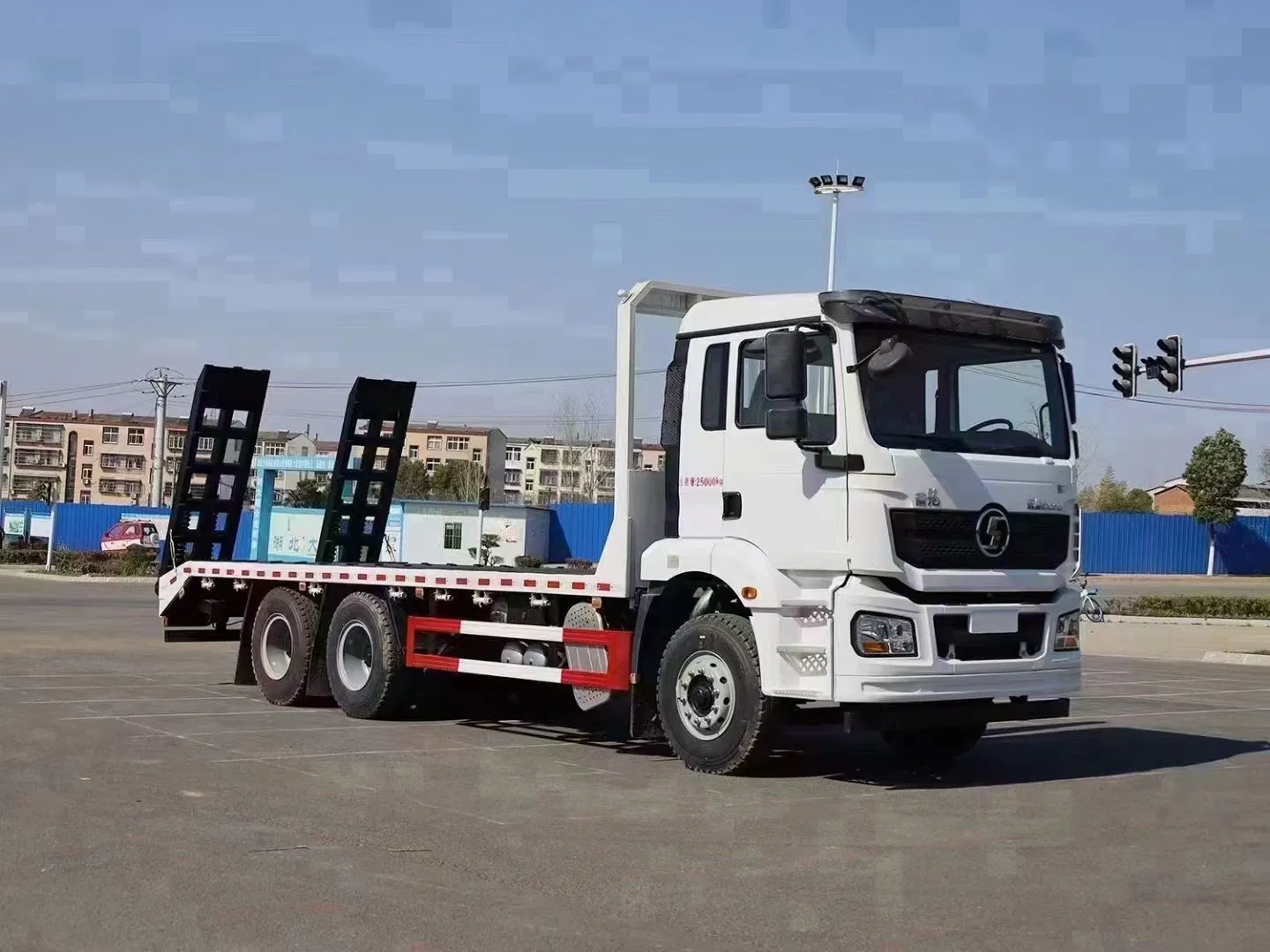
Industrial Specification Report 2026
Prepared for: Fleet Managers & Construction Companies
Subject: Logistics Solutions for Exporting the ‘220 Excavator’ from China
Issuing Authority: SEA LION International – Heavy Equipment Logistics Division
Report Date: January 15, 2026
Executive Summary
This report evaluates three primary maritime transport methods—RO-RO (Roll-on/Roll-off), Bulk Cargo, and Flat Rack—for the export of the 220 excavator from manufacturing hubs in China to global construction markets. The analysis includes technical compatibility, cost-efficiency, transit integrity, and corrosion protection protocols, with emphasis on wax-based anti-corrosion treatment for seawater exposure mitigation.
1. Equipment Overview: 220 Excavator
| Parameter | Specification |
|---|---|
| Operating Weight | 20,000 – 22,500 kg |
| Transport Dimensions (L×W×H) | 9.8 m × 3.0 m × 3.2 m |
| Undercarriage Configuration | Tracked (non-demountable) |
| Fuel Status for Shipment | <10% tank capacity (IMO compliant) |
| Special Handling Needs | Low ground pressure; no lifting points on frame |
2. Shipping Method Comparison
| Criteria | RO-RO | Bulk Cargo | Flat Rack (Open Top) |
|---|---|---|---|
| Loading Mechanism | Self-propelled or towed on/off | Crane-lifted into hold | Crane-lifted onto deck-mounted platform |
| Vessel Type | Dedicated RO-RO carrier | Multi-purpose bulk vessel | Container vessel with flat rack slots |
| Securing Method | Wheel chocks, lashing points | Lashing to hold flooring | Twist locks, lashing bridges |
| Vulnerability to Seawater | High (exposed decks) | Moderate (interior hold) | High (fully exposed) |
| Transit Time (Shanghai → Rotterdam) | 28–35 days | 32–40 days | 30–38 days |
| Port Infrastructure Needs | RO-RO ramp availability | Heavy-lift crane (>40T SWL) | Container crane + flat rack access |
| Average Cost (USD/unit) | $4,200 – $4,800 | $3,600 – $4,100 | $5,000 – $5,800 |
| Risk of Damage | Low (driven on/off) | Medium (swing risk during lift) | Medium-High (exposure, lash failure) |
| Best Suited For | Operational units, high volume | Non-operational, disassembled | Oversized units, project cargo |
Note: RO-RO is optimal for operational 220 excavators due to minimal handling. Flat Rack is necessary if dimensions exceed standard RO-RO clearance (3.0m width threshold). Bulk cargo is cost-effective but increases handling risk.
3. Corrosion Protection: Wax Spraying Protocol
Marine transport exposes equipment to salt-laden air and potential seawater splash, accelerating corrosion on hydraulic cylinders, undercarriages, and pivot joints.
Recommended Anti-Corrosion Measures:
- Pre-shipment Treatment: Application of solvent-based, lanolin-infused wax spray (e.g., COSMOXAL F-120 or equivalent) to all exposed metal surfaces.
- Coverage Areas:
- Track links and rollers
- Boom, arm, and bucket pins
- Hydraulic cylinder rods
- Radiator fins and under-hood components
- Application Standard: Minimum 25–30 µm dry film thickness; applied at 15–25°C ambient temperature.
- Duration of Protection: Up to 6 months under ISO 9223 corrosivity category C4 (marine environment).
- Post-Discharge: Wax must be removed using biodegradable degreaser before commissioning.
Compliance: Treatment aligns with ISO 8501-1:2007 (surface preparation) and MIL-PRF-16173E (corrosion-inhibiting compounds).
4. Method Recommendation Matrix
| Scenario | Recommended Method | Rationale |
|---|---|---|
| Export of 10+ operational units to EU | RO-RO | Fast turnaround, low damage risk, cost-efficient at scale |
| Single unit, non-functional, inland destination | Bulk Cargo | Lower cost; tolerable handling risk |
| Unit with attached hydraulic hammer (3.4m width) | Flat Rack | Exceeds standard width; requires open transport |
| High-humidity transit (Southeast Asia routes) | RO-RO + Wax Spray | Maximize protection against condensation and salt exposure |
5. Operational Guidelines
- Pre-shipment Inspection: Verify fuel/oil levels, battery isolation, and track tension.
- Wax Application Timing: Conduct within 24 hours of loading; avoid rain or high humidity.
- Documentation: Include corrosion protection certificate and lashing plan in cargo manifest.
- Port Coordination: Confirm method-specific port capabilities (e.g., RO-RO ramps in Antwerp, flat rack availability in Houston).
Conclusion
For the export of 220 excavators from China, RO-RO shipping is the preferred solution for operational, standard-dimension units due to efficiency and reduced mechanical risk. Flat Rack is necessary for oversized configurations, while Bulk Cargo offers a budget alternative for non-operational units. In all cases, industrial-grade wax spraying is non-negotiable to ensure corrosion resistance during prolonged marine exposure.
SEA LION International recommends integrating wax protection into OEM pre-delivery protocols to ensure compliance and asset longevity.
End of Report
SEA LION International – Engineering the Future of Heavy Equipment Logistics
Get a Quote for 220 Excavator
SEA LION International Trade Co., Ltd – Authorized Heavy Truck Exporter (Since 2008).
👤 Contact Person: Mr. Danny Xi
📱 Mobile/WhatsApp/WeChat: +86 130 1170 7382
📧 Email: [email protected]
