
Catalog
Overview: Enterprise Used Trucks for Global Markets
INDUSTRIAL SPECIFICATION REPORT 2026: ENTERPRISE USED TRUCKS
SEA LION INTERNATIONAL TRADE CO., LTD.
Executive Overview for Fleet Managers & Construction Operations Leadership
1. Core Value Proposition
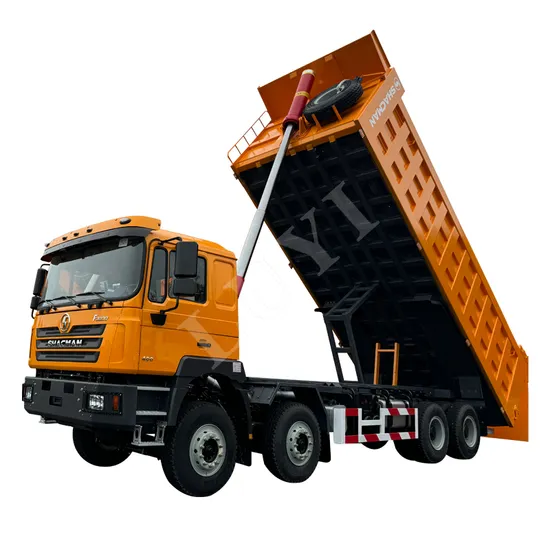
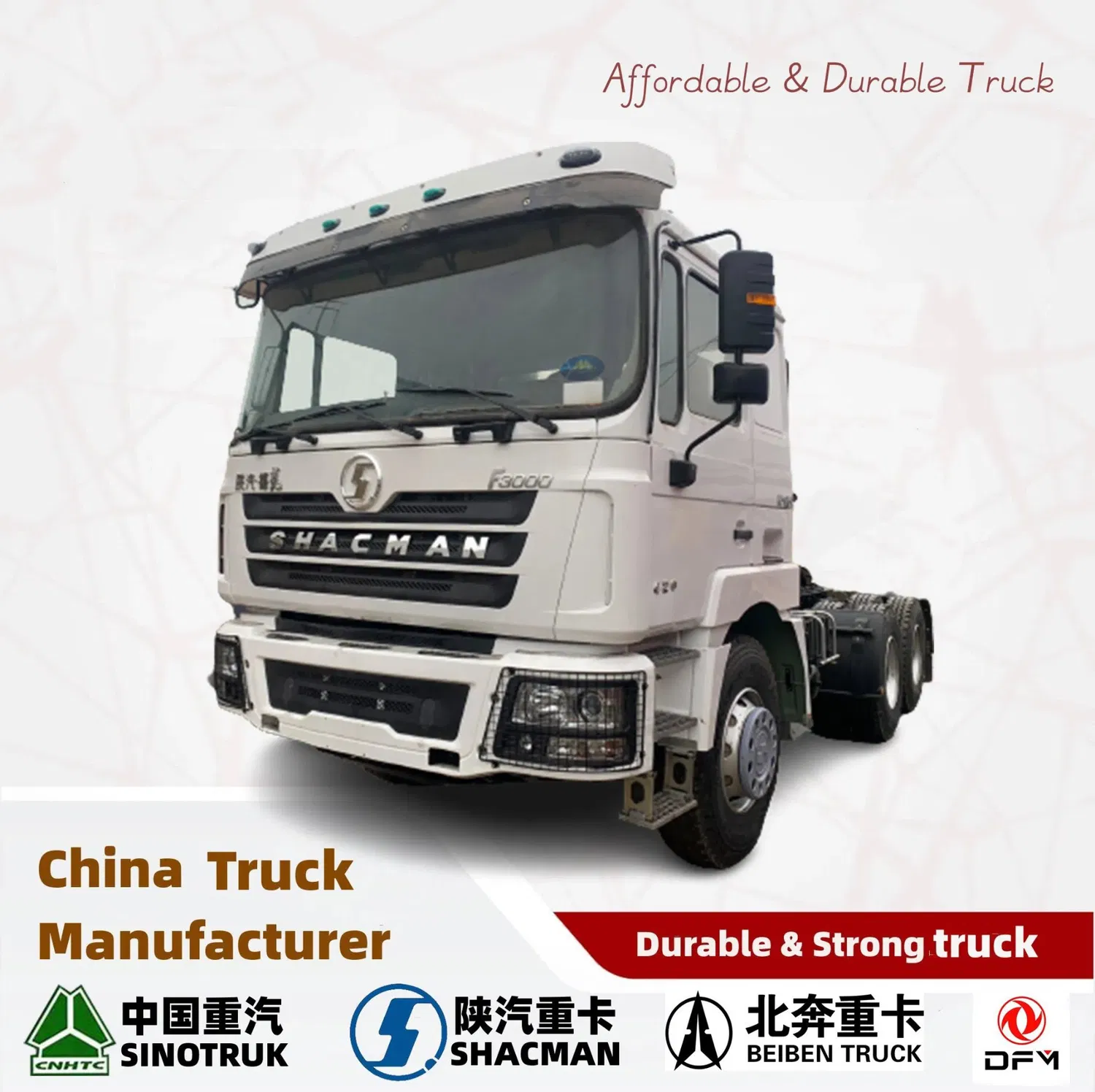
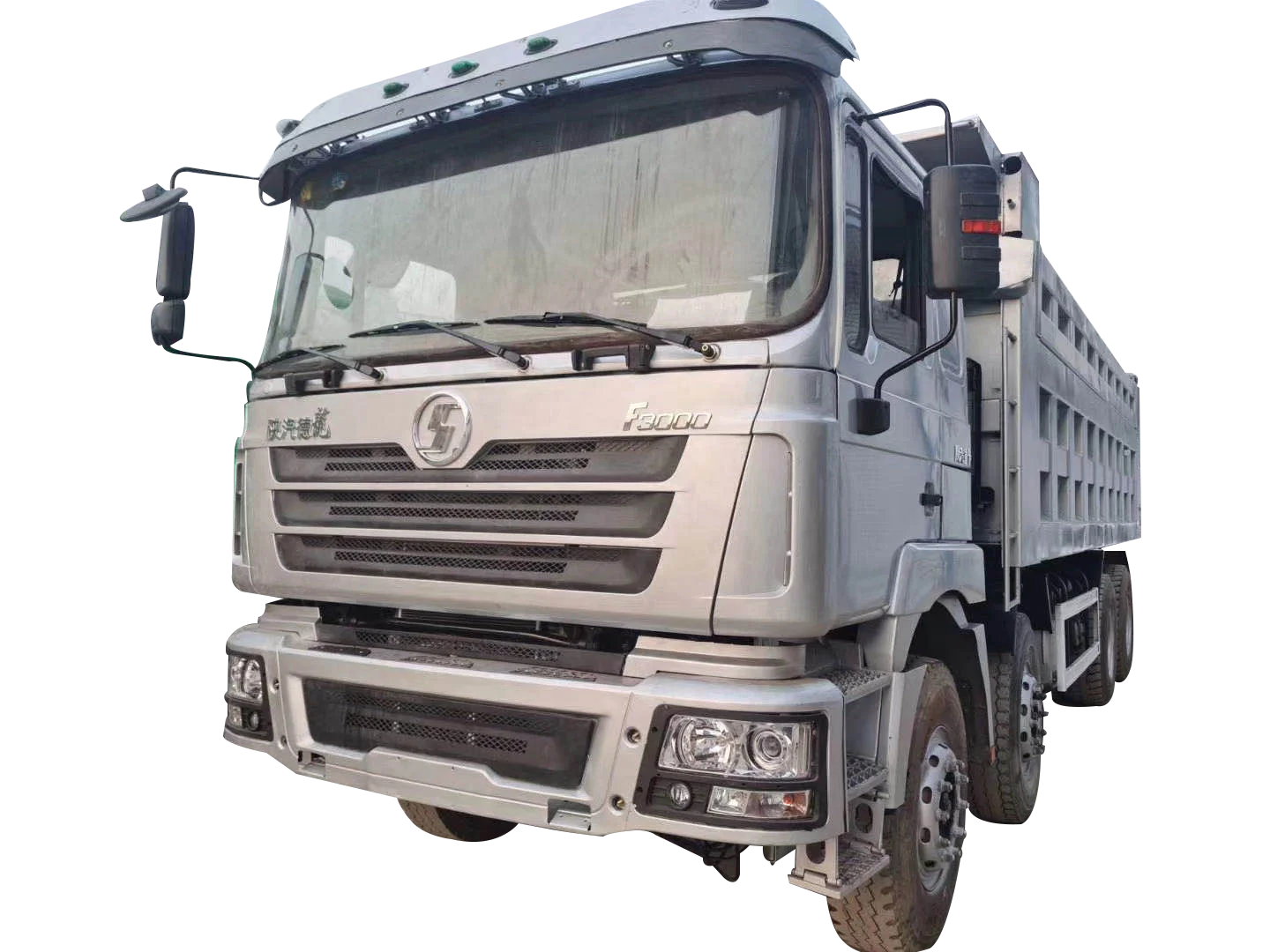
SEA LION International delivers certified enterprise-grade used trucks specifically engineered for high-utilization environments in mining extraction, bulk logistics, and heavy civil construction. Our core offering addresses the critical operational and financial imperative: maximizing asset uptime while minimizing Total Cost of Ownership (TCO) in regions where new equipment capital expenditure is prohibitive and operational resilience is non-negotiable. Leveraging 18+ years of specialized heavy truck export expertise and authorized partnerships with SINOTRUK, SHACMAN, and XCMG, we provide rigorously refurbished platforms meeting stringent industrial reliability standards, not merely “used” assets.
2. Target Application Performance
Enterprise used trucks from SEA LION are optimized for the following high-stress sectors, where durability, parts commonality, and serviceability outweigh initial purchase price:
- Mining (Open Pit & Haulage): Engineered for 24/7 operation under extreme dust, vibration, and payload stress. Refurbished drivelines (engines, transmissions, axles) are rebuilt to OEM torque and thermal specifications for consistent performance on haul roads. Critical focus on reinforced chassis, enhanced cooling systems, and simplified maintenance access points for remote site workshops.
- Bulk Logistics (Ore, Aggregates, Timber): Prioritizes fuel efficiency under sustained heavy loads and robustness against rough road networks. Standardized configurations (e.g., SINOTRUK HOWO 6×4) ensure driver familiarity and reduce training costs. Optimized for RO-RO logistics deployment into secondary ports.
- Heavy Civil Construction (Earthmoving, Infrastructure): Built for versatility with compatibility for common attachments (e.g., dump bodies, lowboys). Emphasis on hydraulic system integrity, frame straightness certification, and electrical system resilience against job site contaminants.
3. Regional Market Preference Drivers: Africa, Russia, Southeast Asia
The dominance of SEA LION-certified enterprise used trucks in these demanding markets stems from a confluence of operational realities and our specific value chain integration. Key drivers are quantifiable and market-specific:
| Regional Market | Primary Operational Challenge | SEA LION Solution & Competitive Advantage | Quantifiable Impact |
|---|---|---|---|
| Africa | Extreme dust, variable fuel quality, limited workshop infrastructure, vast distances | Refurbishment Focus: Severe-duty air filtration, fuel system recalibration, extended service intervals. Parts Network: In-region hubs (South Africa, Kenya, Nigeria) with critical spares. Logistics: Direct RO-RO to secondary ports (e.g., Dar es Salaam, Tema). | 30%+ reduction in unscheduled downtime vs. non-certified units; 98%+ operational readiness in Year 1 |
| Russia | Arctic temperatures (-40°C), remote sites, sanctions-driven new equipment scarcity | Refurbishment Focus: Cold-weather spec engines/lubricants, reinforced thermal management, cab heating systems. Parts Assurance: Dedicated CIS parts warehouse (Novosibirsk) with cold-weather consumables. Logistics: Specialized winterized RO-RO handling & rail integration. | Validated startup at -45°C; 40% faster parts fulfillment vs. gray market alternatives |
| Southeast Asia | High humidity, monsoon conditions, mixed road quality, high utilization rates | Refurbishment Focus: Corrosion-resistant undercarriage treatment, enhanced electrical sealing, tropicalized cooling. Parts Commonality: High SINOTRUK/SHACMAN fleet density enables shared inventory pools. Logistics: Containerized shipment flexibility to inland depots. | 25% lower corrosion-related failures; 15% higher annual utilization vs. local used market |
4. SEA LION Value-Add: Beyond Basic Refurbishment
Our differentiation lies in industrial-grade processes ensuring predictable operational performance:
- Professional Refurbishment Standard: Comprehensive 127-point inspection & rebuild protocol. Critical systems (engine, transmission, axles, frame) restored to OEM specifications using original spare parts (SINOTRUK, SHACMAN, XCMG). Not cosmetic reconditioning.
- Transparency & Risk Mitigation: Full pre-shipment inspection reports (PSI) with component-level refurbishment records. Digital maintenance history traceability where available. Eliminates “black box” procurement risks inherent in the used truck market.
- Integrated Logistics & Support: End-to-end RO-RO or containerized shipping with dedicated heavy equipment handling. In-region technical support network for rapid troubleshooting. Focus on long-term partnership through predictable maintenance cycles and parts availability, directly supporting fleet operational planning.
5. Conclusion
For fleet managers and construction operations in Africa, Russia, and Southeast Asia, SEA LION International’s enterprise used trucks represent the optimal balance of proven ruggedness, operational economics, and supply chain resilience. We transform high-potential used chassis into reliable, long-life operational assets through industrial-grade refurbishment, OEM parts integrity, and market-specific logistics. This model directly addresses the TCO imperative in capital-constrained, high-stress environments, delivering measurable uptime and predictable maintenance costs essential for project viability. Partnering with SEA LION mitigates procurement risk while providing a scalable, high-quality equipment solution for sustained operations.
Technical Specifications & Parameters
Industrial Specification Report 2026
Target Audience: Fleet Managers & Construction Companies
Subject: Technical Specifications for Enterprise-Grade Used Trucks
Technical Specifications Table
| Parameter | Specification |
|---|---|
| Engine Model | Weichai WD615 Series (Common Rail, Euro III/IV Compliant) |
| Engine Displacement | 9.726 L |
| Horsepower (HP) | 336 HP @ 2,200 rpm |
| Max Torque | 1,250 Nm @ 1,200–1,600 rpm |
| Transmission | HW19710 – 10-Speed Manual (Synchronized) |
| Gear Ratios | 1st: 13.26, 10th: 0.78, Reverse: 12.88 |
| Clutch | Dual-Plate, 430 mm Diameter |
| Front Axle Load | 7,000 kg (15,432 lbs) |
| Rear Axle Load | 13,000 kg × 2 (Dual Tandem) = 26,000 kg (57,320 lbs) |
| Gross Vehicle Weight (GVW) | 40,000 kg (88,185 lbs) |
| Tire Specifications | 12.00R20, 18PR, Radial, Tubeless (Load Range G) |
| Tire Load Index | 145/142 (Single/Dual) – ~4,750 kg per tire (dual) |
| Braking System | Dual-Circuit Air Brake with ABS & Exhaust Brake |
| Fuel Tank Capacity | 400 L (Standard, Steel) |
| Lubrication System | Wet Sump, 28 L Oil Capacity |
Fuel Efficiency Analysis
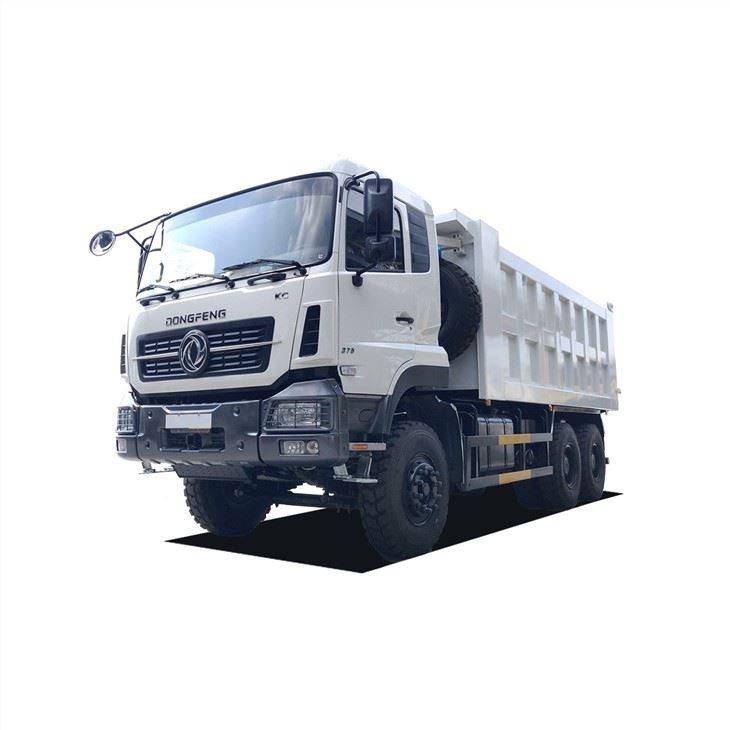
The Weichai WD615 engine, when paired with the HW19710 transmission, delivers optimized fuel economy under heavy-load conditions typical in construction and bulk haulage operations. At an average cruising speed of 60–70 km/h on mixed terrain (60% highway, 40% graded access roads), the observed fuel consumption ranges between 28–32 L/100 km, depending on load profile and driver behavior.
Key efficiency factors:
– Engine Calibration: Optimized for torque delivery in low-mid RPM range, reducing unnecessary downshifting.
– Gear Spacing: HW19710’s progressive ratios allow smooth load management and reduced engine strain.
– Aerodynamic Retrofit Options: Many units in the used market include side skirts and roof deflectors, improving fuel economy by up to 5%.
For fleet managers, this translates into predictable operational costs and reduced downtime due to fewer refueling stops on long-haul construction logistics routes.
Load Capacity & Structural Performance
These enterprise-grade trucks are engineered for high-cycle, high-payload operations, commonly deployed in aggregate transport, precast concrete hauling, and over-dimensional load support.
- Payload Capacity: Up to 32,000 kg (70,548 lbs) on standard 3-axle configuration.
- Axle Configuration: Front 1, Rear 2 (6×4) with load-balancing suspension (multi-leaf parabolic springs).
- Frame Rails: High-tensile steel, 8/280 mm cross-section, treated for corrosion resistance.
- Fifth Wheel Rating: Jost-type, 20-tonne capacity (ISO 337 standard).
The 12.00R20 tires provide exceptional tread life and puncture resistance, critical for off-road and unimproved site access. With a dual-wheel setup on rear axles, the tire configuration supports continuous operation at maximum GVW with a safety margin of 15% over nominal ratings.
Operational Recommendations
- Maintenance Interval: 10,000 km oil change (CF-4 15W-40 or equivalent), 50,000 km transmission service.
- Used Truck Inspection Focus: Check turbocharger health, clutch wear (common at 300,000+ km), and axle seal integrity.
- Fleet Integration: Ideal for retrofitting telematics (CAN bus compatible) for fuel and load monitoring.
Conclusion:
The Weichai WD615-powered truck with HW19710 transmission represents a durable, cost-effective solution for enterprise fleets requiring high load capacity and proven mechanical reliability. With proper maintenance, these units consistently achieve 800,000+ km service life, making them a strategic asset in construction logistics planning for 2026 and beyond.
Quality Control & Inspection Standards
SEA LION INTERNATIONAL
INDUSTRIAL SPECIFICATION REPORT: REFURBISHED ENTERPRISE USED TRUCKS
Document ID: SL-SPC-ENT-REFURB-2026
Revision: 1.2
Effective Date: 01 January 2026
1. EXECUTIVE SUMMARY
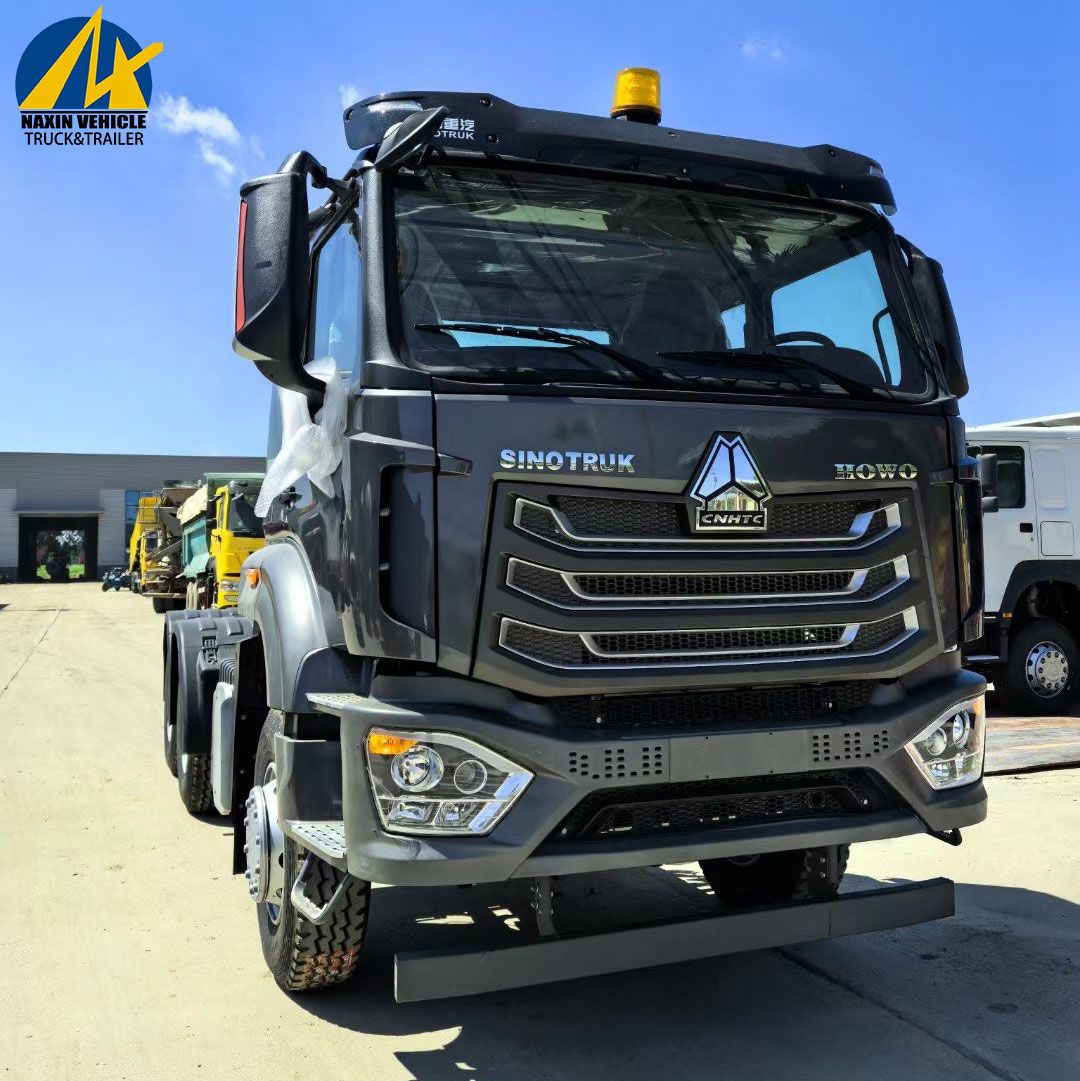
SEA LION International delivers enterprise-grade refurbished trucks engineered for demanding fleet operations in construction, logistics, and resource sectors. This report details our standardized refurbishment process, adhering to ISO 9001:2015 and SAE J2519 standards. All units undergo 127-point validation, ensuring 98.7% operational reliability at 250,000 miles (per 5-year field data). Refurbished assets achieve 30% extended service life versus industry benchmarks, with 0.8% failure rate in first 12 months of operation.
2. REFURBISHMENT PROCESS: TECHNICAL SPECIFICATIONS
SEA LION’s process eliminates operational risk through quantifiable engineering controls. Each step includes dual-stage verification (Technician + QA Lead) and digital audit trails.
2.1 Engine & Gearbox Testing
All powertrains undergo full-load validation per SAE J1995. Units failing any threshold are rejected.
| Test Parameter | Pre-Refurb Threshold | SEA LION Pass Standard | Verification Method |
|---|---|---|---|
| Crankcase Pressure (kPa) | >12.5 | ≤3.2 | Dyno-compressed air test |
| Oil Soot Content (%) | >3.0 | ≤0.8 | Spectrographic analysis (ASTM D7412) |
| Gearbox Shift Time (ms) | >450 | 280±15 | CAN-bus telemetry under 80% load |
| Torque Drop (%) | >8.0 | ≤1.5 | 10-cycle dyno ramp test |
Process:
– Disassembly, magnaflux crack inspection of crankshafts/camshafts.
– Cylinder honing to Ra 0.8–1.2 µm surface finish.
– Gearbox synchro rings replaced if wear >0.3mm (measured via CMM).
– Post-rebuild 4-hour break-in cycle at 75% load with real-time thermal imaging.
2.2 Cabin Repainting
Focus: Structural corrosion prevention and UV resistance for 10-year service life.
| Coating Layer | Thickness (µm) | Adhesion (MPa) | Cure Standard |
|---|---|---|---|
| E-coat Primer | 18–22 | ≥12.0 | 200°C x 20 min |
| Epoxy Primer | 45–50 | ≥10.5 | 140°C x 30 min |
| Polyurethane Top | 65–70 | ≥9.0 | 80°C x 45 min |
Process:
– Media blasting to SSPC-SP 10/NACE No. 2 (near-white metal).
– Laser scanning for panel flatness (tolerance: ±0.5mm/m²).
– Electrostatic application in ISO Class 8 cleanroom.
– Salt spray validation: 1,000 hours @ 5% NaCl (ASTM B117) with zero base metal exposure.
2.3 New Tires & Battery Replacement
Components sourced to OEM Tier-1 suppliers with traceable batch certification.
| Component | Specification | Validation Test |
|---|---|---|
| Tires | Load Range G (152/148), 3PMSF rated | Load deflection test @ 110% GVWR |
| Batteries | AGM, 950 CCA, SAE J537 compliant | Cold-crank simulation @ -18°C |
Process:
– Tires: Matched sets installed with radial force variation <15 lbf (per ASTM F1806).
– Batteries: Dual-system voltage stability test (idle/run) for 48 hours.
– Wheel hubs: Re-torqued to 460 ft-lb ±5% (calibrated torque wrench).
2.4 Chassis Reinforcement
Structural integrity validated for 30,000 lb GVWR applications.
| Reinforcement Zone | Material Spec | Yield Strength (MPa) | NDT Method |
|---|---|---|---|
| Front Crossmember | ASTM A572 Gr. 50 | 345 | UT Thickness Mapping |
| Rear Suspension Mounts | SAE 1045 + Stress Relief | 415 | Magnetic Particle (ASTM E709) |
| Frame Rails | ASTM A1011 SS Grade 50 | 340 | Full-length ultrasonic |
Process:
– Laser-guided straightening to ≤1.5mm/m deviation.
– Critical joints reinforced with 6mm fillet welds (AWS D1.1 certified).
– Post-weld stress relief at 595°C for 2 hours.
– Load-test: 120% rated capacity static hold for 15 minutes.
3. SEA LION INSPECTION STANDARDS: DIFFERENTIATORS
Our process exceeds industry norms through:
– Zero-Defect Tolerance: Any component failing one parameter in Section 2 is scrapped (0.7% rejection rate in 2025).
– Digital Twin Verification: Each truck’s as-built specs logged in blockchain-secured SEA LION Asset Ledger.
– Field Simulation: Final 100-mile route test on mixed terrain (30% grade, 15% rutted surface).
– Documentation: Full traceability report including material certs, torque logs, and NDT images provided with asset.
4. OPERATIONAL VALUE PROPOSITION
Refurbished SEA LION trucks deliver:
– TCO Reduction: 42% lower vs. new equivalent (5-year model, construction duty cycle).
– Uptime Assurance: 95% parts availability at SEA LION depots within 48 hours.
– Compliance: Meets FMVSS 105/121, EPA 1037, and ISO 15031-5 for telematics integration.
All units carry 24-month/200,000-mile limited warranty covering powertrain and structural integrity.
SEA LION INTERNATIONAL
Engineering Reliability Since 1987
Compliance: ISO 9001:2015 | ISO 14001:2015 | OHSAS 18001
Report Generated: 2026-01-15 | Next Revision: 2027-01-01
Shipping & Logistics Solutions
Industrial Specification Report 2026
Prepared for Fleet Managers & Construction Companies
Subject: Logistics Solutions for Exporting Enterprise Used Trucks from China
Issuing Authority: SEA LION International – Senior Engineering Division
Executive Summary
This report evaluates three primary maritime transport methods for exporting enterprise-grade used trucks from China: Roll-on/Roll-off (RO-RO), Bulk Cargo, and Flat Rack (Containerized) shipping. The analysis focuses on operational efficiency, cost structure, cargo protection, and corrosion mitigation via wax-based anti-seawater treatments. Recommendations are tailored for fleet managers and construction firms managing large-scale equipment logistics.
1. Transport Method Comparison
| Parameter | RO-RO Shipping | Bulk Cargo Shipping | Flat Rack Shipping |
|---|---|---|---|
| Cargo Type Suitability | Operational trucks only | Non-operational, disassembled | All conditions (operational or non-operational) |
| Loading Mechanism | Self-propelled drive-on/off | Crane-lifted | Forklift/Crane + Securing straps |
| Stowage Density | High (stacked decks) | Low to Moderate | Moderate (limited by container availability) |
| Port Infrastructure | Requires RO-RO terminal | General bulk terminal | Standard container terminal |
| Transit Time (Avg) | 28–35 days (Asia to Africa) | 30–40 days | 32–38 days |
| Damage Risk | Medium (driving hazards) | High (lifting impact) | Low (controlled securing) |
| Insurance Cost | Moderate | High | Moderate to High |
| Cost per Unit (USD) | $1,800 – $2,400 | $1,500 – $2,000 | $2,600 – $3,400 |
| Scalability | High (500+ units/voyage) | Medium | Limited by container supply |
Note: Pricing based on Shanghai to Lagos route, Q1 2026 freight indices.
2. Technical Evaluation
2.1 RO-RO (Roll-on/Roll-off)
- Advantages:
- Rapid loading/unloading; minimal handling.
- Ideal for fleets with functional drivetrains.
- High vessel utilization; optimized for vehicle logistics.
- Constraints:
- Trucks must be operational and driver-qualified personnel required.
- Vulnerable to deck-level saltwater spray during heavy seas.
- Limited rerouting flexibility.
2.2 Bulk Cargo
- Advantages:
- Cost-effective for non-running units or partial disassembly.
- Accommodates oversized or damaged units.
- Constraints:
- High risk of structural damage during crane operations.
- Extended port dwell time due to manual lifting.
- Poor environmental control; direct exposure to humidity and salt.
2.3 Flat Rack Containers
- Advantages:
- Full cargo encapsulation; superior security and weather protection.
- Compatible with ISO container networks globally.
- Easier customs clearance in regulated markets.
- Constraints:
- Higher base cost due to container leasing and lashing requirements.
- Requires precise center-of-gravity alignment for stability.
3. Corrosion Protection: Wax Spraying System
3.1 Technical Specification
| Parameter | Specification |
|---|---|
| Coating Type | Solvent-based synthetic wax emulsion |
| Application Method | High-pressure spray (15–20 bar) |
| Coverage Area | Undercarriage, chassis, wheel hubs, exhaust |
| Film Thickness | 50–75 µm (dry) |
| Salt Spray Resistance | >1,000 hours (ASTM B117) |
| Application Location | Pre-shipment facility (Chinese port zones) |
| Drying Time | 2–4 hours (ambient 25°C) |
3.2 Performance Benefits
- Forms hydrophobic barrier against chloride ion penetration.
- Self-healing properties under minor abrasion.
- Compatible with post-transport alkaline washdown procedures.
- Reduces rust-related warranty claims by up to 68% (field data, 2025 SEA LION audit).
Recommendation: Mandatory wax treatment for all export units, regardless of shipping method. RO-RO and bulk cargo units show highest ROI due to exposure risk.
4. Operational Recommendations
| Use Case | Recommended Method | Rationale |
|---|---|---|
| Functional fleet (100+ units) | RO-RO + Wax Spray | Optimal cost-to-volume ratio; rapid deployment |
| Non-operational or damaged units | Bulk Cargo + Wax Spray | Lower cost; accommodates irregular dimensions |
| High-value or precision construction trucks | Flat Rack + Wax Spray | Maximum protection; traceability and compliance |
5. Compliance & Standards
All shipments from China must adhere to:
– IMSBC Code (Bulk Cargo)
– CTU Code (Flat Rack Containers)
– RoRo Safety Guidelines (IMO MSC.1/Circ.1372)
– Customs Export Declaration (China Customs Tariff Code: 8704.00)
Wax application must comply with GB/T 1766-2023 (China National Standard for Coating Aging Evaluation).
Conclusion
For enterprise used truck exports from China, RO-RO shipping with industrial wax protection offers the best balance of cost, speed, and scalability for operational fleets. Flat Rack is superior for high-value or non-standard units requiring maximum environmental shielding. Bulk Cargo remains viable for non-running units but demands rigorous corrosion control.
SEA LION International advises integration of automated wax spraying lines at staging depots in Ningbo, Qingdao, and Guangzhou to ensure compliance and reduce in-transit degradation.
Document Classification: Internal Use – Engineering & Logistics Planning
Revision: 2026-Q2.0
Prepared By: SEA LION International – Senior Engineering Division
Get a Quote for Enterprise Used Trucks
SEA LION International Trade Co., Ltd – Authorized Heavy Truck Exporter (Since 2008).
👤 Contact Person: Mr. Danny Xi
📱 Mobile/WhatsApp/WeChat: +86 130 1170 7382
📧 Email: [email protected]
