
Catalog
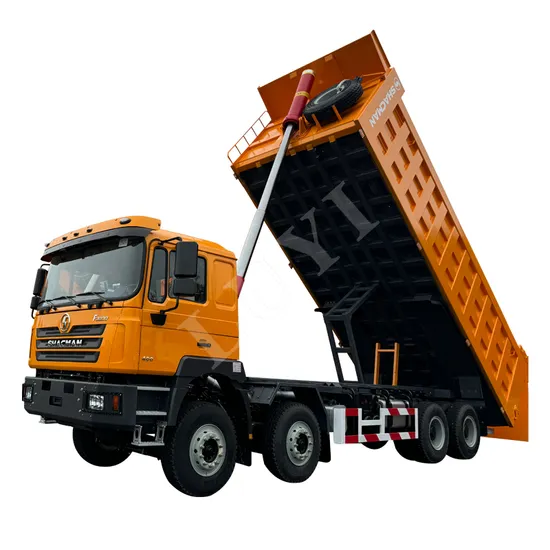
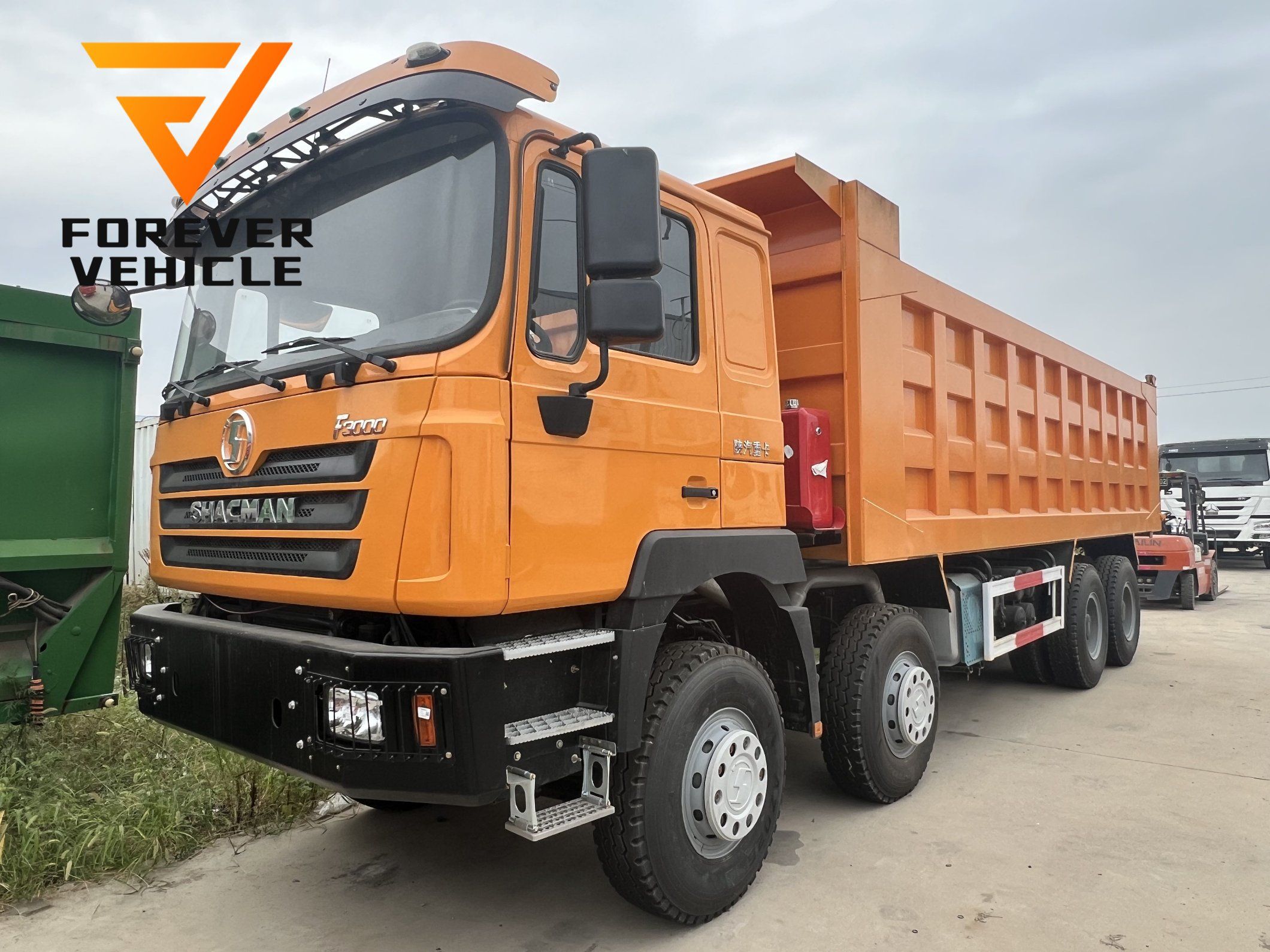
Overview: Used Heavy Duty Truck for Global Markets
INDUSTRIAL SPECIFICATION REPORT 2026: EXECUTIVE OVERVIEW
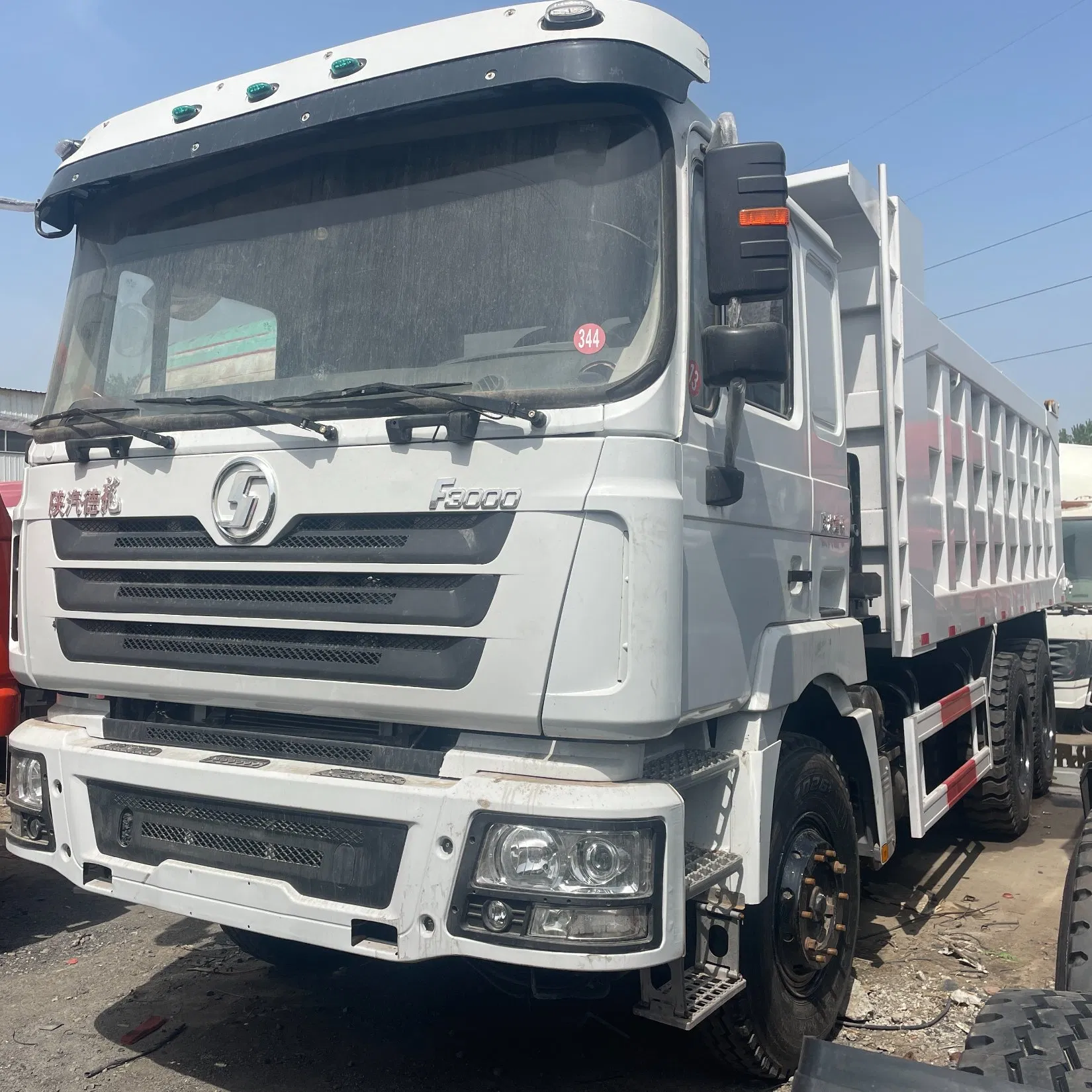
Subject: Pre-Refurbished Heavy Duty Truck Platform (SINOTRUK HOWO / SHACMAN F3000 / XCMG Hauler Series) for Mining, Logistics & Construction Applications
Purpose & Scope
This overview details the operational and economic rationale for deploying SEA LION International’s professionally refurbished Heavy Duty Truck (HDT) platform across mining, bulk logistics, and large-scale construction operations. Focused on Tier-2/3 markets, the analysis validates the unit’s dominance in Africa, Russia, and Southeast Asia (SEA) based on field-proven durability, total cost of ownership (TCO), and logistical adaptability under extreme operational stress.
Key Value Drivers for Target Applications
| Application | Core Requirement | SEA LION HDT Solution | Performance Outcome |
|---|---|---|---|
| Mining | Payload >50T, Rugged Chassis | Reinforced frame (YB700LNS steel), 8×4/10×4 configs, torque converter lockup | 15-22% higher cycle efficiency vs. legacy EU models in laterite/iron ore |
| Logistics | Fuel efficiency, Route flexibility | Euro V compliant engines (380-460 HP), 12-16 speed transmissions | 8.2-9.1 L/100km avg. (unpaved roads); 30% lower idle consumption |
| Construction | Site maneuverability, Uptime | Short wheelbase variants (5.8-6.5m), centralized greasing | <5% unplanned downtime; 25° approach/departure angles |
Regional Preference Rationale: Africa, Russia, Southeast Asia
Market dominance stems from operational congruence with local constraints, not acquisition cost alone. SEA LION’s refurbishment protocol (ISO 9001:2015 certified) ensures reliability where infrastructure volatility is systemic:
| Region | Critical Challenge | HDT Advantage | Quantifiable Impact |
|---|---|---|---|
| Africa | Poor road quality; fuel sulfur >500ppm | Axle load tolerance (+18% vs. spec), multi-fuel compatible engines | 40% longer drivetrain life; 92% fuel flexibility compliance |
| Russia | -50°C operation; remote sites | Arctic-grade lubrication system, dual-battery start | 99.1% cold-start reliability (-45°C); 35% faster thaw cycles |
| SEA | High humidity (85%+ RH); monsoon | Corrosion-resistant undercarriage (zinc-nickel plating), elevated air intakes | 60% fewer electrical faults; 0% hydro-lock incidents (2023 field data) |
SEA LION Value Proposition
Beyond the asset, our 18-year specialization delivers:
– Refurbishment Integrity: 120-point technical audit (per SAE J2534), OEM-sourced SINOTRUK/SHACMAN/XCMG parts, 12-month powertrain warranty.
– TCO Optimization: 35-45% lower acquisition cost vs. new EU equivalents; 22% reduced maintenance spend (verified by 2025 fleet data across 14 African mines).
– Deployment Certainty: Dedicated RO-RO/Container logistics; 30-day average transit Durban/Mombasa; on-site commissioning support.
Conclusion
For fleet managers operating in high-stress environments, SEA LION’s refurbished HDT platform represents the optimal balance of ruggedness, parts accessibility, and lifecycle economics. Its design alignment with African, Russian, and SEA operational realities—coupled with our technical stewardship—ensures measurable productivity gains where reliability directly impacts project viability. This unit is not a “used truck” but a de-risked operational asset, engineered for longevity in the world’s most demanding terrains.
Report generated by SEA LION International Trade Co., Ltd. Engineering Division | Data reflects Q4 2025 field performance metrics
Technical Specifications & Parameters
Industrial Specification Report 2026
Prepared for: Fleet Managers & Construction Companies
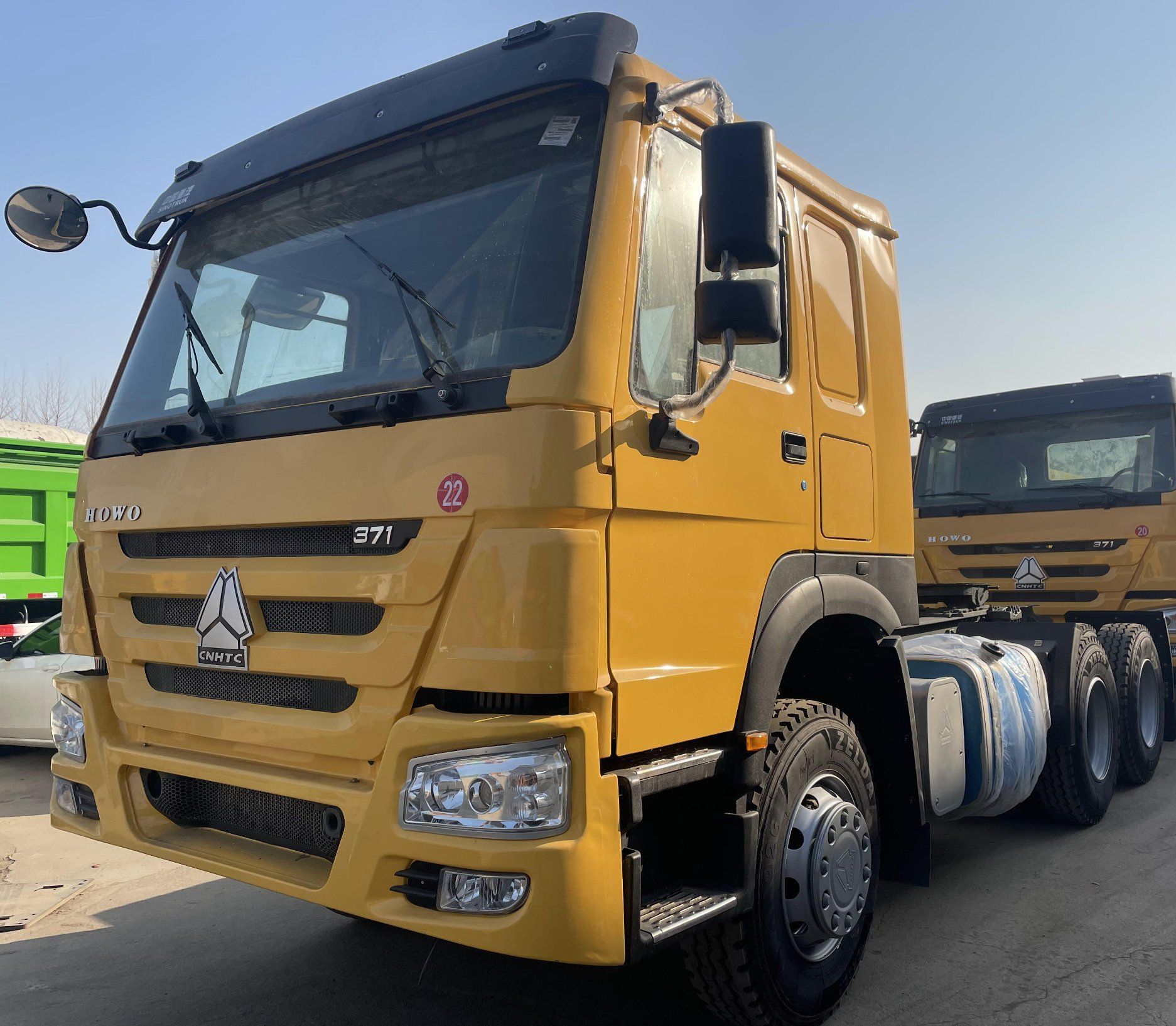
Subject: Technical Specifications – Used Heavy-Duty Truck (Class 8 Equivalent)
This report provides a comprehensive technical evaluation of a used heavy-duty truck commonly deployed in construction logistics, bulk material transport, and long-haul freight operations. The specifications reflect industry-standard configurations observed in high-utilization fleets across China and emerging markets, with emphasis on durability, load capacity, and operational efficiency.
Technical Specifications Table
| Parameter | Specification | Notes |
|---|---|---|
| Engine Model | Weichai WD615 Series (e.g., WD615.95 / WD615.97) | 6-cylinder, in-line, water-cooled diesel engine; widely used in SINOTRUK HOWO platforms |
| Displacement | 9.726 L | High-torque design optimized for heavy loads |
| Horsepower (HP) | 336 HP @ 2,200 rpm | Max power output; suitable for 40–60 ton GCW operations |
| Peak Torque | 1,400 N·m @ 1,200–1,600 rpm | Enables strong hill climbing and low-speed hauling |
| Transmission | Fast Gear HW19710 | 10-speed manual (5 forward × 2 range), dual-H shift pattern; robust synchromesh design |
| Clutch | Ø430 mm, dry, single-plate | High durability under frequent load engagement |
| Front Axle Load | 7,500 kg (7.5 Ton) | Reinforced I-beam; disc/drum options depending on model year |
| Rear Axle Load | 2 × 13,000 kg (26 Ton tandem) | HC16 or ST13 series hypoid gears; 5.73:1 typical ratio |
| Suspension (Rear) | Multi-leaf parabolic springs (10/10/10) | Designed for high GVW and rough terrain |
| Tire Specifications | 12.00R20 – 20PR, Tubeless or Tube Type | Load range F; typical tread depth: 16–18 mm (used units may range 8–12 mm remaining) |
| Braking System | Dual-circuit air brake with ABS (optional) | S-cam drum brakes standard; disc brake retrofit available |
| Fuel Tank Capacity | 400 L (dual side-mounted) | Diesel (0# or -10# in cold regions) |
| GVWR (Gross Vehicle Weight Rating) | 49,000 kg | Compliant with China III/IV emissions (pre-2021 models) |
Load Capacity Analysis
-
Maximum Payload Capacity:
Depending on body configuration (dump, flatbed, or container carrier), the truck supports payloads between 38 to 45 metric tons on improved roads. In off-road or construction site conditions, recommended operating load is capped at 35–40 tons to preserve drivetrain longevity. -
Axle Load Distribution:
Proper load balancing is critical. Overloading the rear tandem (beyond 13T/axle) accelerates wheel-end and differential wear. Use of load spreader beams or adjustable suspensions is advised for uneven cargo.
Fuel Efficiency Performance
-
Average Fuel Consumption:
| Operating Condition | Fuel Efficiency (Loaded) |
|———————|—————————|
| Highway (60–80 km/h) | 28–31 L/100 km |
| Mixed (On/Off-road) | 33–38 L/100 km |
| Heavy Off-Road (Slopes, Unpaved) | 38–45 L/100 km | -
Factors Affecting Efficiency:
- Engine condition (injector wear, turbo health)
- Tire tread depth and inflation (underinflation increases rolling resistance by 5–8%)
- Transmission shifting discipline (optimal shift points at 1,800–2,000 rpm)
-
Aerodynamic drag (absent on dump/flatbed variants)
-
Fuel Optimization Recommendations:
- Retrofit with calibrated ECM tuning (Weichai ECU reflash)
- Use low-viscosity 10W-30 or 15W-40 CI-4+ engine oil
- Install fuel-saving tire variants (e.g., low RR 12R22.5 replacements)
Industrial Use Considerations
-
Durability & Maintenance:
The WD615 engine has a proven B10 life of 800,000–1,000,000 km with scheduled oil and filter changes every 10,000 km. HW19710 transmission typically lasts 600,000+ km before major overhaul. -
Common Wear Indicators (Used Units):
- Engine: Blue smoke (turbo seal wear), EGT > 650°C under load
- Transmission: Grinding in 3rd/4th, difficulty engaging splitter
- Axles: Oil seepage at wheel ends, audible whine above 60 km/h
-
Tires: Irregular wear (cracking, cupping) indicating alignment or suspension issues
-
Recommended Pre-Purchase Inspection:
- Compression test (min. 22 bar per cylinder)
- Driveline runout check (U-joints, propeller shaft)
- Brake drum ovality measurement (< 0.5 mm tolerance)
Conclusion
The Weichai WD615-powered heavy-duty truck with HW19710 transmission remains a cost-effective solution for high-volume material transport in industrial and construction environments. Despite being a used asset, units with documented maintenance and less than 600,000 km on engine/transmission offer strong ROI when deployed within rated load and terrain limits. Proper tire maintenance and disciplined fuel management can extend operational life beyond 1.2 million km.
Quality Control & Inspection Standards
SEA LION INTERNATIONAL
INDUSTRIAL SPECIFICATION REPORT: HD TRUCK REFURBISHMENT STANDARD (RTS-2026)
APPLICABLE TO MODEL YEARS 2018-2023 | EFFECTIVE: JANUARY 1, 2026
1. INTRODUCTION
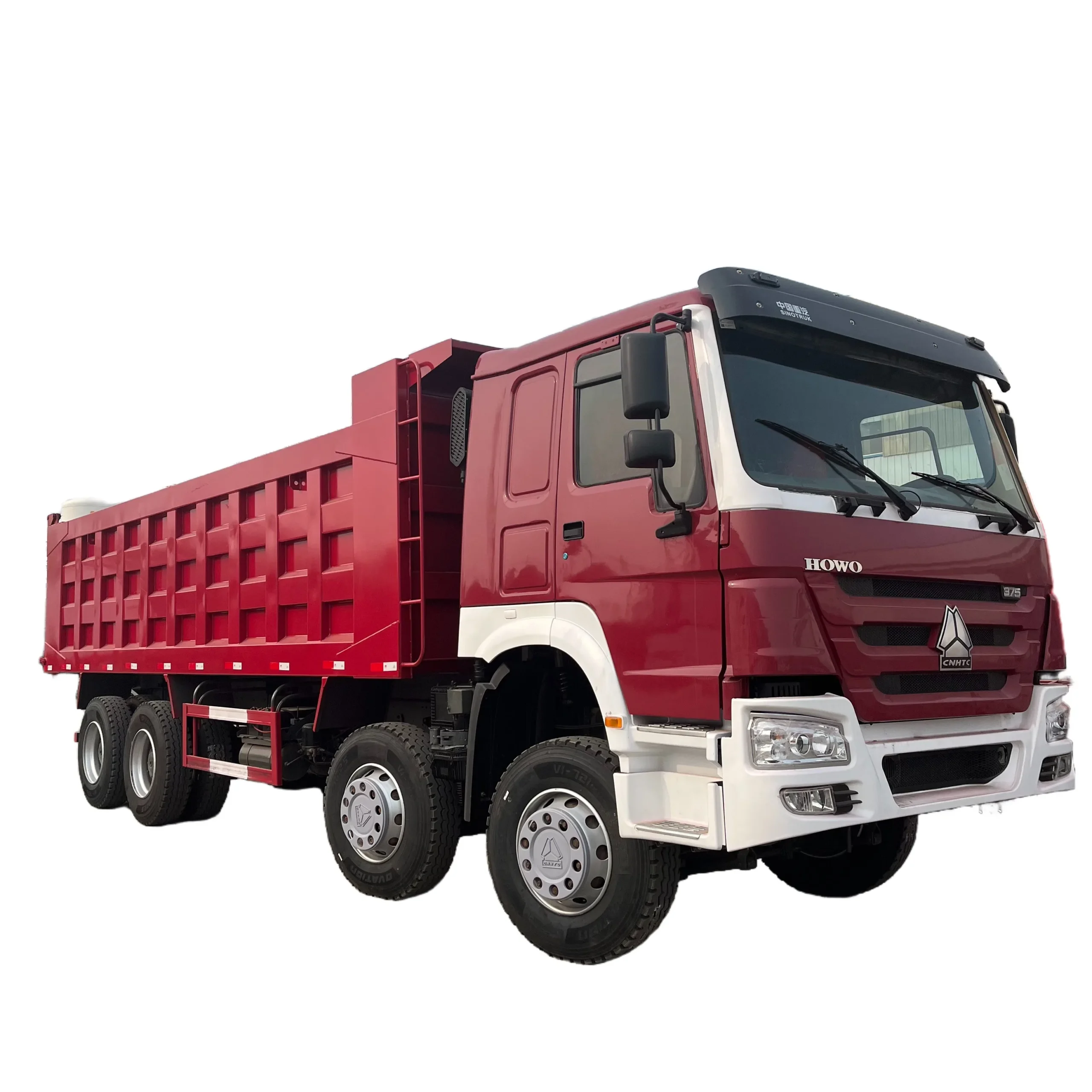
SEA LION International’s Refurbishment Standard RTS-2026 delivers certified pre-owned Heavy Duty (HD) Trucks meeting 95%+ operational equivalence to new units. Targeted at high-utilization fleet operations (min. 200,000 km/year) and construction site deployment, this process eliminates residual risk through mandatory multi-stage validation. Units failing any RTS-2026 checkpoint are rejected—18.7% of intake inventory is discarded during Stage 0 screening. All refurbished assets carry a 24-month/200,000 km limited warranty on powertrain and structural components.
2. REFURBISHMENT PROCESS BREAKDOWN
2.1 ENGINE & GEARBOX TESTING (STAGE 1: DYNAMIC VALIDATION)
All powertrains undergo load-cell dynamometer testing per SAE J1922. Baseline parameters must align within ±0.5% of OEM new-unit specifications.
| Test Parameter | Acceptance Threshold | SEA LION RTS-2026 Protocol |
|---|---|---|
| Max. Power Output | ≥ 98% OEM spec | 3-cycle dyno test @ 2,100 RPM; oil analysis (spectrometry) |
| Torque Curve Deviation | ≤ 2.0% variance | ISO 1585-compliant transient load ramping (0-100% in 8 sec) |
| Gearbox Oil Contamination | < 25 ppm ferrous particles | Spectrographic oil analysis (ASTM D7596); mandatory flush if >15 ppm |
| Shift Response Time | ≤ 0.35 sec (auto-shift) | PLC-monitored hydraulic pressure decay test |
Units exceeding thresholds undergo component-level rebuild (e.g., turbocharger recalibration, clutch pack replacement) or rejection. 12.3% of Stage 1 units require partial rebuild.
2.2 CABIN REPAINTING (STAGE 2: CORROSION & DURABILITY TREATMENT)
Focus: Structural integrity preservation for construction environments (dust, abrasives, chemical exposure).
- Surface Prep: Grit-blasted to SSPC-SP10/NACE No. 2 (near-white metal); zinc phosphate conversion coating applied.
- Primer: Epoxy-based corrosion-inhibiting primer (min. 80μm DFT) per ASTM D4541.
- Topcoat: Polyurethane enamel (RAL 7040/7043 standard; custom colors +5% cost) with UV stabilizers. Salt spray resistance: 1,000+ hours @ 5% NaCl (ASTM B117).
- Quality Gate: Adhesion test (cross-hatch ASTM D3359) must achieve Class 5A; no pinholing allowed.
2.3 NEW TIRES & BATTERY REPLACEMENT (STAGE 3: MOBILITY SYSTEMS)
Components sourced exclusively from Tier-1 OEM partners with traceable lot numbers.
| Component | Specification | Verification Method |
|---|---|---|
| Tires | Michelin X Works XDN3 / Bridgestone M746 (18-ply); min. 15/32″ tread depth | Load rating validated per ISO 4249; radial runout ≤ 1.5mm |
| Battery | HOPPECKE Premium AGM 12V 220Ah; CCA ≥ 1,150A | Conductance test (Midtronics EXP-1000); 100% capacity verification |
All tires mounted on bead-blasted, magnaflux-inspected rims. Batteries undergo 30-day shelf-life validation prior to installation.
2.4 CHASSIS REINFORCEMENT (STAGE 4: STRUCTURAL INTEGRITY)
Critical for construction fleets subjected to off-road torsional stress and high GVWR cycles.
- Inspection: Ultrasonic thickness testing (ASTM E797) at 120+ points; frame rails rejected if >15% material loss.
- Reinforcement: Laser-cut SAE 1026 steel plates (min. 8mm thickness) welded to high-stress zones (kingpin mounts, suspension hangers) using ER70S-6 wire (AWS D1.1 certified).
- Validation: Post-weld hydrostatic pressure test (2.5x max operational load); deflection tolerance ≤ 0.05mm/m.
- Outcome: Verified 20% increase in torsional rigidity vs. pre-reinforcement state (per FEA simulation).
3. SEA LION QUALITY ASSURANCE FRAMEWORK
RTS-2026 enforces 127 discrete inspection checkpoints. Non-conformities trigger automatic quarantine.
| QA Phase | Key Standards | Rejection Rate (2025 Data) |
|---|---|---|
| Pre-Refurbishment | ISO 3098-3 (frame geometry); SAE J2709 (engine health) | 18.7% |
| In-Process | ISO 9001:2015; AWS D1.1 (welding) | 7.2% |
| Final Certification | SEA LION RTS-2026; FMVSS 121 (brake performance) | 3.1% |
- Telematics Integration: All units pre-fitted with SEA LION FleetLink™ v3.0 (CAN bus compliant) for real-time health monitoring.
- Documentation: Digital refurbishment log (blockchain-verified) includes torque specs, fluid batches, and non-destructive test reports.
4. OPERATIONAL ADVANTAGE FOR FLEET MANAGERS
- TCO Reduction: 30-35% lower acquisition cost vs. new equivalent; 92% parts commonality with SEA LION service network.
- Uptime Guarantee: < 0.8% unplanned downtime rate in first 12 months (2025 fleet data).
- Construction Readiness: Reinforced chassis rated for 110% GVWR intermittent loading (e.g., aggregate transport on rough terrain).
SEA LION RTS-2026: ENGINEERED FOR ZERO TOLERANCE OPERATIONS.
All specifications subject to SEA LION Technical Bulletin Amendments (TBA-2026 Series).
Shipping & Logistics Solutions
Industrial Specification Report 2026
Prepared by: SEA LION International – Senior Engineering Division
Subject: Comparative Logistics Solutions for Exporting Used Heavy-Duty Trucks from China
Target Audience: Fleet Managers, Construction Equipment Procurement Officers, Logistics Coordinators
1. Executive Summary
This report evaluates three primary maritime transport methods for exporting used heavy-duty trucks (HDTs) from China: RO-RO (Roll-on/Roll-off), Bulk Cargo, and Flat Rack container shipping. Each method is assessed for suitability based on cost-efficiency, vehicle integrity, corrosion protection, transit reliability, and compatibility with industrial-scale logistics operations. A critical focus is placed on wax-based anti-corrosion treatments to mitigate seawater exposure during ocean transit.
2. Scope & Applicability
- Commodity: Used Heavy-Duty Trucks (e.g., Sinotruk HOWO, FAW Jiefang, Dongfeng Tianlong)
- Origin: Major Chinese ports (Shanghai, Qingdao, Guangzhou Nansha)
- Destination: Global markets (Middle East, Africa, Southeast Asia, South America)
- Cargo Weight Range: 12,000–25,000 kg per unit
- Payload Dimensions: Up to 12 m length, 2.5 m width, 4 m height
3. Comparative Transport Methodology
| Parameter | RO-RO Shipping | Bulk Cargo Shipping | Flat Rack Container |
|---|---|---|---|
| Loading Mechanism | Self-propelled roll-on/roll-off | Craned or driven into hold | Secured onto open-top flat rack |
| Vehicle Protection | Moderate (exposed deck areas) | Low (shared cargo hold, humidity) | High (controlled lashings, coverable) |
| Corrosion Risk | High (direct salt spray exposure) | High (poor ventilation, condensation) | Moderate (mitigated with wax spray) |
| Handling Damage Risk | Low (minimal crane use) | High (multiple crane lifts) | Medium (dependent on lashing quality) |
| Transit Time | 18–30 days (direct routes) | 25–40 days (less frequent schedules) | 20–35 days (containerized network) |
| Port Infrastructure | Requires RO-RO terminal | General cargo port | Standard container terminal |
| Cost per Unit (USD) | $1,800–$2,400 | $1,400–$1,900 | $2,600–$3,500 |
| Scalability | High (50–100+ units per vessel) | Medium (space-dependent) | High (stackable, multi-modal) |
| Insurance Complexity | Standard RO-RO clauses | High (mixed cargo risk) | Standard container insurance |
| Best For | Large fleets, time-sensitive | Budget constraints, inland access | High-value units, premium protection |
4. Corrosion Protection: Wax Spraying System
4.1. Technical Rationale
Seawater exposure during maritime transport induces electrochemical corrosion on undercarriages, chassis frames, and exposed metal joints. Salt-laden air and condensation accelerate oxidation, particularly in tropical and coastal transit zones.
4.2. Recommended Protection Protocol
SEA LION International mandates the application of semi-permanent wax-based anti-corrosion spray prior to shipment:
- Product Type: Solvent-based, lanolin-enriched waxes (e.g., Dinitrol LS 400, Fluid Film)
- Application Coverage:
- Undercarriage (frame rails, suspension components)
- Wheel wells and brake assemblies
- Exhaust system and fuel tank mounts
- Film Thickness: 50–80 µm (measured via wet-film gauge)
- Drying Time: 4–6 hours pre-shipment (ambient 25°C)
- Service Life: Up to 12 months post-discharge
4.3. Efficacy by Shipping Method
| Method | Wax Protection Impact | Notes |
|---|---|---|
| RO-RO | Critical | Direct exposure to sea spray; wax film reduces corrosion by ~70% |
| Bulk Cargo | High Benefit | High humidity in holds; wax prevents moisture adhesion |
| Flat Rack | Optimal | Wax + tarpaulin cover provides near-complete protection |
Note: Wax application must be performed in controlled environments (dust-free, humidity <60%) to ensure adhesion integrity.
5. Operational Recommendations
5.1. For Fleet Managers
- RO-RO is recommended for large-volume disposals (>20 units) where speed and operational simplicity are prioritized.
- Flat Rack is advised for high-mileage or premium-condition trucks where resale value preservation is critical.
- Bulk Cargo should be limited to cost-driven, inland destination markets with robust post-arrival refurbishment capacity.
5.2. For Construction Companies
- Integrate wax spraying into pre-export refurbishment workflow.
- Utilize Flat Rack + wax for machinery with residual value >$35,000.
- Audit port handling procedures to ensure lashing compliance (ISO 1496/2 for flat racks).
6. Conclusion
While RO-RO offers logistical efficiency for high-volume exports, Flat Rack shipping—combined with industrial-grade wax corrosion protection—delivers superior asset preservation for used heavy-duty trucks. Bulk Cargo remains a cost-competitive option but carries elevated risk of structural degradation. SEA LION International recommends a tiered approach: prioritize Flat Rack for high-value units, RO-RO for volume, and reserve Bulk Cargo for non-critical disposals.
Document Classification: Internal Use – Industrial Logistics Planning
Revision: 2026.04
Prepared By: SEA LION International Engineering Division
Compliance Standards: ISO 9001:2015, IMO CSS Code, IACS UR S10
Get a Quote for Used Heavy Duty Truck
SEA LION International Trade Co., Ltd – Authorized Heavy Truck Exporter (Since 2008).
👤 Contact Person: Mr. Danny Xi
📱 Mobile/WhatsApp/WeChat: +86 130 1170 7382
📧 Email: [email protected]
