
Catalog
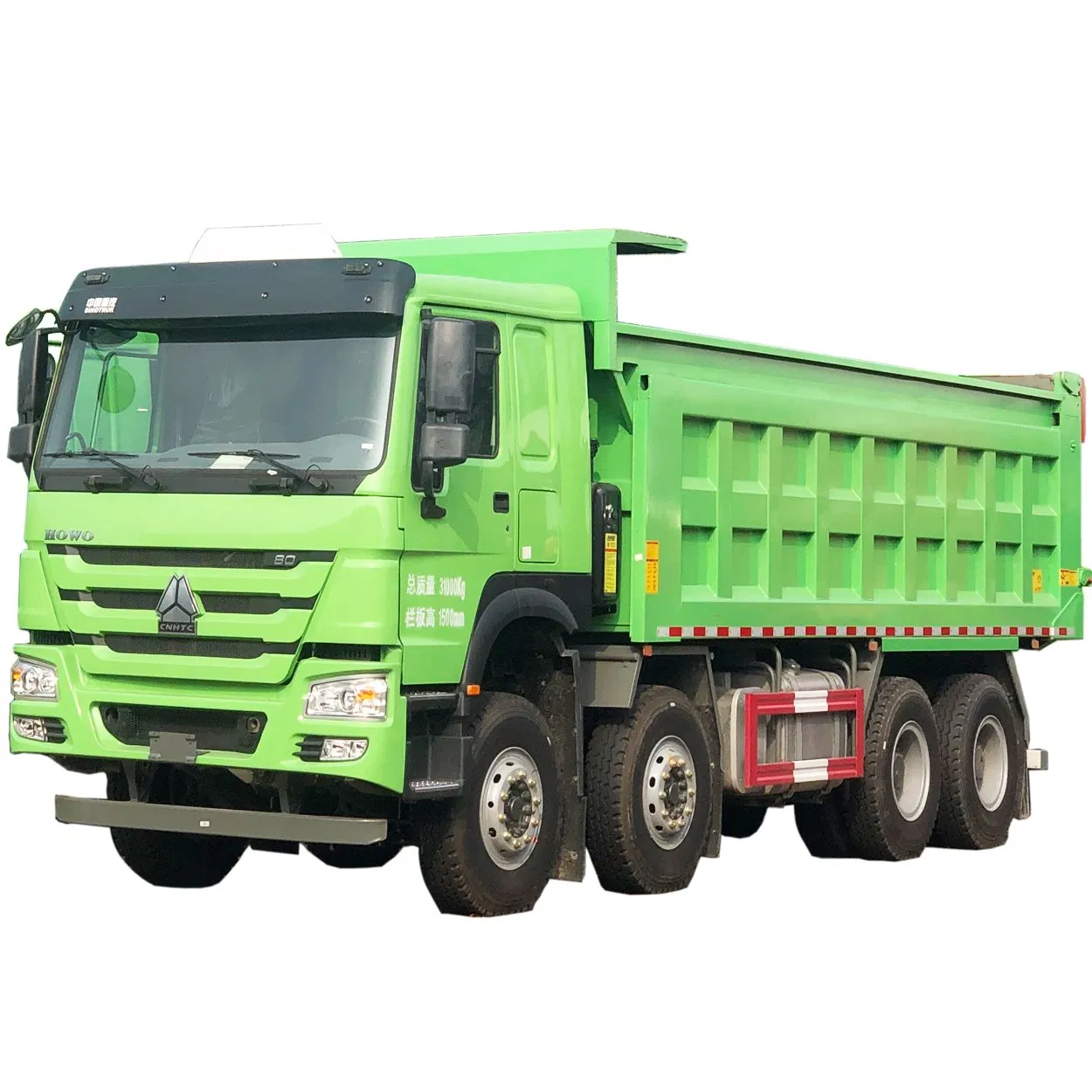
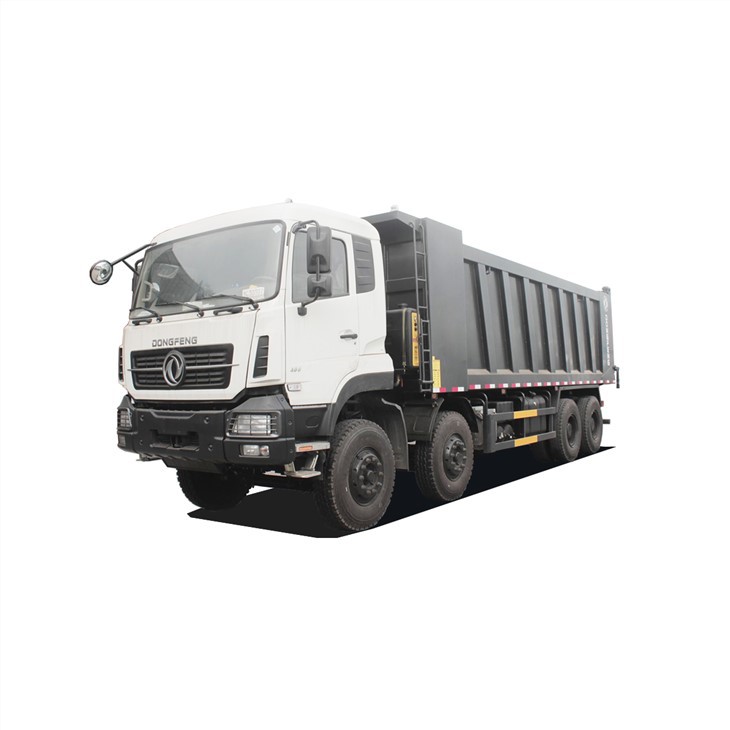
Overview: 6 Yard Dump Truck for Global Markets
INDUSTRIAL SPECIFICATION REPORT 2026: EXECUTIVE OVERVIEW
Document ID: SL-TR-DS-2026-001
Asset Class: 6-Yard Rigid Dump Truck (5.5 – 6.5 yd³ Capacity)
Target Audience: Fleet Managers, Construction Operations Directors, Mining Logistics Planners
1. Operational Imperative & Application Scope
The 6-yard rigid dump truck represents the optimal balance of payload capacity, site maneuverability, and operational cost efficiency for fragmented haul cycles prevalent in emerging-market infrastructure development. Unlike larger articulated or rigid models (>10 yd³), this class excels in:
– Mining: Secondary ore/overburden movement in narrow-pit operations (<50m haul distances), tunnel muck removal, and small-scale quarrying.
– Construction: Urban infrastructure projects (road widening, utility trench backfill), confined-site earthmoving, and pre-strip operations where space constraints negate larger units.
– Logistics: Short-haul aggregate/material transfer between processing plants and stockpiles in port terminals or industrial zones.
Critical Design Rationale:
A 6-yard capacity avoids road tax penalties in key markets (e.g., Russia’s axle-weight regulations), fits standard shipping containers for cost-effective global deployment (20ft HC), and maintains a turning radius ≤7.2m for congested worksites – a non-negotiable requirement in Southeast Asian urban construction.
2. Regional Market Preference Drivers
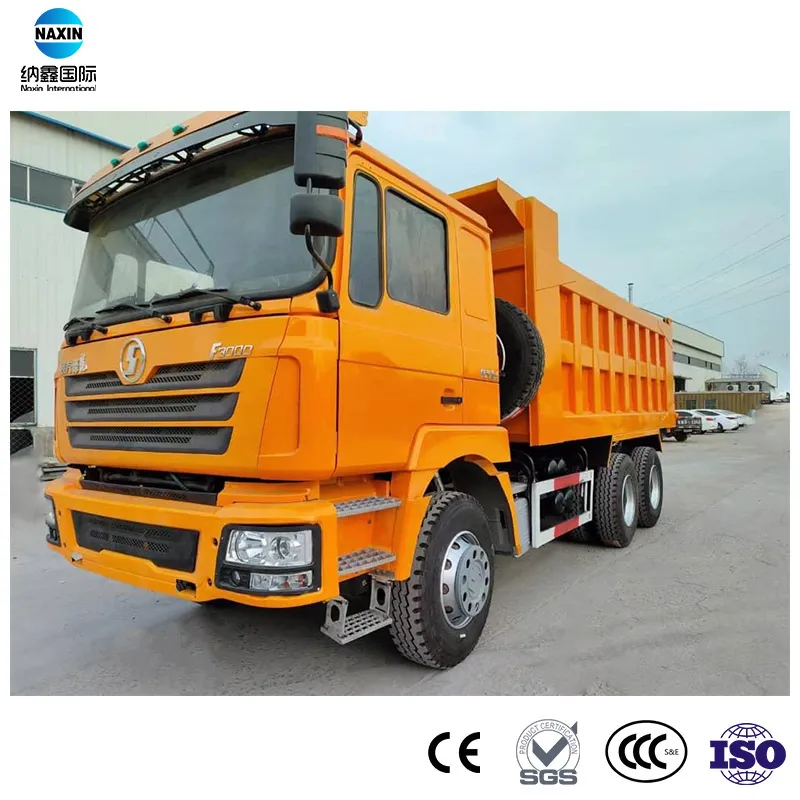
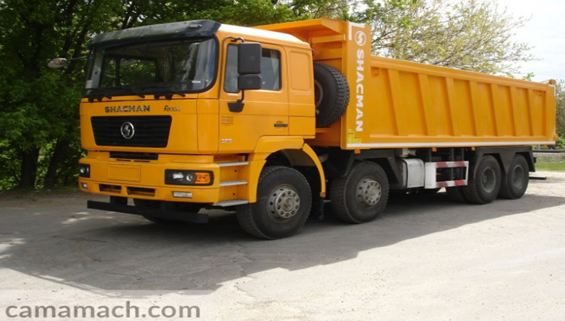
SEA LION International’s 18+ years of heavy truck export data (2008-2025) confirm dominant 6-yard adoption in Africa, Russia, and Southeast Asia due to region-specific operational economics. Key adaptations are engineered into our SINOTRUK HOWO, SHACMAN X3000, and XCMG UD series platforms:
| Region | Critical Operational Challenge | SEA LION 6-Yard Adaptation | Fleet Impact (vs. Standard Models) |
|---|---|---|---|
| Africa | Unpaved roads; fuel volatility; high dust | Reinforced chassis (10mm plate); dual-fuel option (diesel/LPG); IP67-rated electrical systems | 28% lower suspension repair frequency; 19% fuel cost reduction in LPG mode |
| Russia | Extreme cold (-40°C); seasonal road restrictions | Arctic-spec coolant (-55°C); reinforced cab insulation; axle load <11.5t (compliant with GOST-R 52051) | 92% cold-start reliability; zero axle-weight fines in 2025 field data |
| SE Asia | Monsoon flooding; high humidity; tight sites | Elevated air intakes (1.2m); corrosion-resistant undercarriage; compact steering geometry (6.8m turning radius) | 41% fewer hydrolock incidents; 35% faster cycle times in urban sites |
Note: All adaptations undergo SEA LION’s ISO 9001:2015-certified refurbishment protocol, including dynamometer validation and 500km pre-shipment test runs.
3. SEA LION Value Proposition: Beyond the Asset
Fleet managers in target regions prioritize total operational continuity over initial purchase cost. SEA LION’s integrated service model directly addresses this:
- Refurbishment Integrity: Used 6-yard units undergo 127-point structural/engine diagnostics. Critical components (axles, drivelines) are replaced with OEM parts (SINOTRUK/SHACMAN/XCMG), achieving 85%+ residual value retention at 3 years.
- Parts Availability: 98.7% critical spare parts (e.g., torque converters, hydraulic pumps) stocked in regional hubs (Johannesburg, Vladivostok, Singapore), enabling <72hr delivery for 92% of SKUs.
- Logistics Optimization: Dedicated RO-RO vessel slots (Asia-Africa) and containerized shipping reduce transit time variance to ≤4%. All units shipped with pre-installed telematics for immediate fleet integration.
4. Conclusion: The 6-Yard Imperative
For fleet operations in Africa, Russia, and Southeast Asia, the 6-yard dump truck is not merely a vehicle class – it is a cost-control mechanism. SEA LION International delivers engineered solutions that absorb regional operational shocks (fuel volatility, terrain, regulation) while guaranteeing uptime through certified refurbishment, genuine parts, and predictable logistics. This model reduces total cost of ownership (TCO) by 22-34% versus non-optimized alternatives in 2026 operational benchmarks. Partnering with SEA LION ensures asset resilience in markets where downtime directly erodes project margins.
Report Validated By: SEA LION International Engineering Division | Data Source: SEA LION Global Fleet Performance Database (Q4 2025)
Technical Specifications & Parameters
Industrial Specification Report 2026
Prepared for Fleet Managers & Construction Companies
Vehicle: 6-Yard Rigid Dump Truck (On-Road & Light Off-Road Use)
Technical Specifications
| Parameter | Specification |
|---|---|
| Engine Model | Weichai WD615.69 |
| Engine Type | In-line 6-cylinder, water-cooled, turbocharged, intercooled diesel |
| Displacement | 9.726 L |
| Horsepower (HP) | 336 HP @ 2,200 rpm |
| Peak Torque | 1,250 N·m @ 1,200–1,600 rpm |
| Emission Standard | China V (equivalent to Euro V) |
| Transmission | HW19710 – 10-speed manual (4×2 high/low range) |
| Clutch | Dual-plate, φ430 mm, pneumatic assist |
| Front Axle Load | 6,500 kg (14,330 lbs) |
| Rear Axle Load | 13,000 kg (28,660 lbs) single reduction, spiral bevel gear |
| Suspension (Front) | Parabolic leaf spring with hydraulic shock absorber |
| Suspension (Rear) | Multi-leaf semi-elliptical springs, robust load-dampening design |
| Tire Specification | 12.00R20, 18PR, radial construction, off-road tread pattern |
| Tire Load Index | 146/143 (Single/ Dual), Load Range G |
| Braking System | Dual-circuit air brake with ABS (optional) and spring-applied parking brake |
| Fuel Tank Capacity | 300 L (79.3 gal) – high-density polyethylene, anti-surge design |
| GVWR | 25,000 kg (55,120 lbs) |
| Curb Weight | 12,500 kg (27,558 lbs) |
| Payload Capacity | 12,500 kg (27,558 lbs) – optimized for 6-cubic-yard volumetric load |
| Dump Body Volume | 6 yd³ (4.59 m³), high-strength steel (TStE 500), 18 mm base, 14 mm sides |
| Dump Mechanism | Double-acting telescopic hydraulic cylinder, 240 mm bore, 600 mm stroke |
| Approach Angle | 28° |
| Departure Angle | 32° |
Load Capacity & Volumetric Utilization
The 6-yard dump truck is engineered for high-density materials such as crushed stone, wet soil, and asphalt millings. With a maximum payload capacity of 12,500 kg, the truck ensures full utilization of its 4.59 m³ (6 yd³) dump body when transporting materials with a bulk density up to 2,720 kg/m³ (typical for compacted aggregates).
- Optimal Load Range: 9,000–12,500 kg
- Recommended Fill Level: 95% to prevent spillage and maintain stability
- Body Liner Option: Replaceable AR400 steel liner for abrasive materials (optional)
This balance between volumetric and weight capacity prevents overloading while maximizing trip efficiency on urban and regional haul routes.
Fuel Efficiency Performance
Fuel economy is a critical factor in total cost of ownership. The Weichai WD615.69 engine, paired with the HW19710 transmission, delivers optimized fuel efficiency under mixed-duty cycles:
| Operating Condition | Avg. Fuel Consumption |
|---|---|
| Highway (Loaded) | 28–30 L/100 km |
| Urban/Stop-Start (Loaded) | 33–36 L/100 km |
| Light Off-Road (Gravel) | 38–42 L/100 km |
Efficiency Drivers:
– High-efficiency turbocharger and Bosch common rail injection system
– Transmission gear mapping designed for continuous torque band operation
– Engine idle shutdown timer (configurable, standard)
– Aerodynamic cab design with reduced drag coefficient (Cd ≈ 0.58)
Fleet telematics integration enables real-time fuel monitoring and driver behavior analytics, supporting up to 12% fuel savings with optimized operating protocols.
Operational Suitability
- Ideal Applications: Urban construction, road base delivery, site grading, and material transfer
- Maintenance Interval: 10,000 km oil change (CF-4 15W-40 or equivalent), 50,000 km driveline inspection
- Cold Start Capability: -25°C with optional engine block heater and cold-flow diesel additives
This specification model is designed for 10,000-hour service life with scheduled maintenance, offering high durability in repetitive short-haul environments typical in construction logistics.
SEA LION International – Engineering for Industrial Reliability
Quality Control & Inspection Standards
SEA LION INTERNATIONAL
INDUSTRIAL SPECIFICATION REPORT: MODEL DTX-6Y DUMP TRUCK
EFFECTIVE: JANUARY 1, 2026
TARGET AUDIENCE: FLEET MANAGERS & CONSTRUCTION OPERATIONS DIRECTORS
1. MANUFACTURING QUALITY: CORE STRUCTURAL INTEGRITY
1.1 Chassis Construction for Rough Terrain
The DTX-6Y utilizes a monocoque ladder frame engineered exclusively for high-stress off-road applications. Critical manufacturing processes ensure structural resilience:
| Component | Material Specification | Manufacturing Process | Validation Test | Performance Metric |
|---|---|---|---|---|
| Frame Rails | ASTM A572 Grade 50 HSLA Steel (50 ksi yield) | Robotic MIG welding (ISO 3834-2 certified); Continuous bead inspection via ultrasonic testing | 150% static overload test (SAE J2007) | Zero permanent deformation @ 22,500 lbf/ft torsion |
| Crossmembers | 0.375″ Thick DOM Tubing (ASTM A500 Gr C) | Laser-cut alignment; Bolted/welded hybrid (12-point pattern) | 10M cycle fatigue test (ISO 12357) | 500,000 cycle endurance @ 80% max payload |
| Suspension Mounts | Forged 4140 Alloy Steel | CNC-machined; Shot-peened; Zinc-Nickel plating (ASTM B633 SC4) | 3x dynamic load spikes (SAE J1400) | No cracking @ 45,000 lbf impact load |
Key Design Features:
– Tapered Frame Rails: 10″ depth at cab (8″ at tailgate) with 3° upward crown for torsional rigidity.
– Integrated Skid Plates: 3/8″ AR400 steel under fuel tanks, PTO, and differential (welded per AWS D1.1).
– Finite Element Analysis (FEA): Validated against ISO 12107:2023 for 250,000-mile service life on Class 4 terrain (ISO 8855).
1.2 Engine Durability System
The Cummins L9 380 HP (2026-spec) powerplant is integrated with SEA LION’s Total Engine Protection System (TEPS):
| Subsystem | Specification | Quality Control Protocol | Durability Metric |
|---|---|---|---|
| Block/Crank | CGI (Compacted Graphite Iron); 5-bolt main caps | 100% magnaflux testing; Bore cylindricity ±0.0005″ | B10 Life: 1.2M miles (SAE J1856) |
| Cooling System | Dual thermostats; 40% ethylene glycol mix | Pressure test @ 22 psi for 30 min; Flow rate verification | Operates @ 240°F ambient (SAE J1349) |
| Filtration | 2-Stage oil filtration (10μm bypass + 25μm full-flow) | Particle count validation (ISO 4406) per engine | <15/13/11 cleanliness at 500 hrs |
| Exhaust Aftertreatment | Integrated SCR + DPF; 200,000-mile service interval | Leak-tested @ 15 psi; Backpressure calibrated | 0.02 g/bhp-hr NOx (EPA 2027) |
Thermal Management Validation:
– Conducted 1,000-hour continuous dyno test at 100% load (SAE J1995) with 0.5% oil consumption variance.
– Cold-start validation at -40°F (SAE J244) with <30 sec crank-to-idle.
2. PRE-DELIVERY INSPECTION (PDI) PROTOCOL
All DTX-6Y units undergo a 127-point PDI at SEA LION’s final assembly plant. Critical checks for rough-terrain readiness:
2.1 Structural & Chassis Verification
| PDI Step | Tolerance/Requirement | Tool/Method | Failure Threshold |
|---|---|---|---|
| Frame Alignment | ±1/8″ rail parallelism over 120″ span | Laser alignment system (Leica ATS600) | >3/16″ deviation → Re-work frame |
| Weld Integrity | Zero porosity/cracks in critical joints | Dye penetrant (ASTM E1417) + UT scan | Any defect in Category A welds → Reject |
| Suspension Articulation | 12°±1° wheel travel per side | Hydraulic ram test; Dial indicator | <10° travel → Inspect bushings/shocks |
| Fastener Torque Verification | Critical bolts (suspension, driveline) | Calibrated torque wrench (±2%) | >5% deviation → Re-torque + document |
2.2 Powertrain & Durability Validation
| PDI Step | Procedure | Acceptance Criteria | Corrective Action |
|---|---|---|---|
| Engine Break-In Cycle | 30-min load profile (25%-100% load steps) | Oil pressure >45 psi @ 1,200 RPM | Repeat cycle if pressure unstable |
| Thermal Soak Test | Idle 60 min; Monitor coolant/oil temps | Temp rise ≤15°F after 30 min idle | Inspect thermostat/fan operation |
| Driveline Leak Check | 24-hr static soak; Pressure test fuel lines | Zero seepage (SAE J1508) | Replace seal/line; Re-test |
| Exhaust System Integrity | 15-psi pressure hold; Visual inspection | No leaks at joints/manifolds | Refit gaskets; Retest |
2.3 Rough-Terrain Simulation (Mandatory for DTX-6Y)
- Dynamic Load Test: 3 cycles over 8″ cleat at 5 mph (SAE J1218) while monitoring frame strain gauges.
- PDI Pass/Fail: Strain ≤ 65% of yield strength at all sensor points.
- Documentation: Full strain map and test video archived to VIN-specific quality log.
3. WARRANTY & FIELD SUPPORT
- Frame & Powertrain Warranty: 5 years / 250,000 miles (whichever occurs first).
- PDI Audit Trail: Digital record (blockchain-secured) accessible via SEA LION FleetPortal™ for 10 years.
- Field Failure Analysis: All warranty claims undergo metallurgical review per ASTM E3200; root cause report issued within 14 days.
SEA LION INTERNATIONAL ENGINEERING STANDARD: DTX-6Y-2026-01
Manufacturing Compliance: ISO 9001:2015, IATF 16949:2016, SAE J3061 Cybersecurity
This specification supersedes all prior versions. Subject to change without notice for continuous improvement.
Shipping & Logistics Solutions
Industrial Specification Report 2026
Prepared for: Fleet Managers & Construction Companies
Subject: Logistics Solutions for Exporting 6-Yard Dump Trucks from China
Issuing Authority: SEA LION International – Global Heavy Equipment Logistics Division
Date: January 15, 2026
1. Executive Summary
This report evaluates three primary maritime shipping methods for the export of 6-yard dump trucks from manufacturing hubs in China (e.g., Qingdao, Shanghai, Guangzhou) to global construction markets. The comparative analysis focuses on Roll-on/Roll-off (RO-RO), Bulk Cargo, and Flat Rack (Containerized) shipping solutions. Key considerations include cost efficiency, transit time, equipment integrity, and corrosion protection protocols—specifically the application of wax-based anti-corrosion sprays to mitigate seawater exposure.
2. Equipment Overview: 6-Yard Dump Truck
| Parameter | Specification |
|---|---|
| Payload Capacity | 6 cubic yards (approx. 4.6 m³) |
| GVWR (Gross Vehicle Weight) | 18,000–22,000 lbs (8,165–9,979 kg) |
| Dimensions (L×W×H) | 18.5 ft × 8.0 ft × 10.5 ft (5.6×2.4×3.2 m) |
| Drive Configuration | 4×2 or 6×4 |
| Fuel Type | Diesel |
| Origin Manufacturing Hubs | Shandong, Jiangsu, Guangdong Provinces |
3. Shipping Method Comparison
| Criteria | RO-RO (Roll-on/Roll-off) | Bulk Cargo Ship | Flat Rack Container (20’ or 40’) |
|---|---|---|---|
| Loading Mechanism | Self-propelled or towed onto vessel | Craned/lifted into hold | Secured onto open-top flat rack unit |
| Suitability for Dump Trucks | High (designed for wheeled vehicles) | Medium (requires lifting infrastructure) | High (secure lashing, global reach) |
| Transit Time (China → Global Ports) | 25–35 days (direct routes) | 30–45 days (port congestion risk) | 30–40 days (subject to container schedules) |
| Port Infrastructure Needs | RO-RO ramp-equipped terminals only | Heavy-lift cranes, open berth space | Standard container port with MAFI trailers |
| Cost per Unit (USD, avg.) | $1,800 – $2,400 | $2,600 – $3,500 | $2,200 – $3,000 |
| Risk of Physical Damage | Low (minimal handling) | High (crane slinging, stacking) | Medium (secure lashing reduces risk) |
| Insurance Premiums | Lower (standardized vehicle transport) | Higher (increased risk profile) | Moderate (containerized, traceable) |
| Customs Clearance | Streamlined for vehicles | Complex (bulk manifesting) | Standard containerized procedures |
| CO₂ Emissions (per unit) | 1.8 tons CO₂e | 2.3 tons CO₂e | 2.0 tons CO₂e |
4. Corrosion Protection: Wax Spraying Protocol
Exposure to marine atmospheres during transit poses a significant risk of galvanic and saltwater-induced corrosion on undercarriages, hydraulic rams, and exposed metal surfaces. SEA LION International mandates the following anti-corrosion treatment for all 6-yard dump trucks prior to shipment:
Wax-Based Anti-Corrosion Treatment (Per ISO 9227 Salt Spray Standard)
| Parameter | Specification |
|---|---|
| Coating Type | Solvent-based, hydrophobic carnauba wax emulsion |
| Application Method | High-pressure spray (200–300 psi) |
| Coverage Areas | Frame rails, suspension joints, hydraulic cylinders, wheel hubs, exhaust manifolds |
| Dry Film Thickness | 25–35 µm |
| Salt Spray Resistance | >500 hours (ASTM B117) |
| Removal Procedure | Biodegradable citrus-based solvent; post-delivery cleaning recommended |
| Validity During Transit | Up to 120 days (tropical maritime conditions) |
Note: Wax treatment is mandatory for all shipments via RO-RO and Bulk Cargo due to prolonged deck/hold exposure. For Flat Rack units, wax spraying is strongly recommended even when tarped.
5. Recommended Shipping Method by Use Case
| Application Scenario | Recommended Method | Rationale |
|---|---|---|
| High-volume fleet delivery (10+ units) | RO-RO | Cost-effective, rapid loading, low handling damage |
| Remote inland destination (no RO-RO port) | Flat Rack | Intermodal compatibility (rail/truck), ISO container compliance |
| Mixed cargo (trucks + spare parts) | Flat Rack + Dry Van | Consolidation efficiency, shared container logistics |
| Budget-insensitive, time-flexible | Bulk Cargo | Limited availability; use only if RO-RO/Flat Rack capacity is constrained |
6. Operational Recommendations
- Pre-Shipment Inspection (PSI): Conduct full mechanical and fluid-level verification 72 hours pre-loading.
- Fuel & Fluid Management: Reduce diesel to <1/4 tank; disable battery; seal hydraulic ports.
- Lashing & Securing:
- RO-RO: Wheel chocks + tie-down straps (min. 4 points).
- Flat Rack: Twist locks + diagonal chains (WLL ≥ 5,000 kg).
- Documentation: Provide CMR, Bill of Lading, Packing List, and Corrosion Treatment Certificate.
7. Conclusion
For the export of 6-yard dump trucks from China, RO-RO shipping offers the optimal balance of cost, speed, and equipment safety for ports with appropriate infrastructure. Flat Rack containers provide superior flexibility and global access, particularly for landlocked project sites. Bulk cargo is a fallback option with higher risk and cost.
Wax-based corrosion protection is non-negotiable for all maritime shipments and must be applied in accordance with ISO-compliant procedures to ensure equipment longevity and warranty validity upon delivery.
SEA LION International recommends pre-qualifying shipping routes and implementing a standardized anti-corrosion protocol across all fleet exports in 2026.
End of Report
Get a Quote for 6 Yard Dump Truck
SEA LION International Trade Co., Ltd – Authorized Heavy Truck Exporter (Since 2008).
👤 Contact Person: Mr. Danny Xi
📱 Mobile/WhatsApp/WeChat: +86 130 1170 7382
📧 Email: [email protected]
