
Catalog
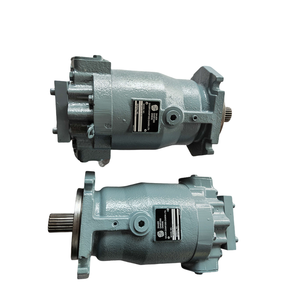
Overview: Pto Driven Hydraulic Pump For Dump Truck for Global Markets
INDUSTRIAL SPECIFICATION REPORT 2026: EXECUTIVE OVERVIEW
Product: SEA LION Certified PTO-Driven Hydraulic Pump System (Model SL-HPD-7500)
Application: Heavy-Duty Dump Trucks (SINOTRUK HOWO, SHACMAN F3000/F5000, XCMG XG90 Series)
Target Sectors: Mining Extraction, Bulk Logistics, Large-Scale Construction
1. Operational Imperative & Application Context
Modern dump truck fleets in mining, logistics, and construction demand hydraulic systems that maximize payload cycles while minimizing operational downtime. The SL-HPD-7500 PTO-driven hydraulic pump directly addresses this by integrating with the truck’s transmission power take-off (PTO) to drive the dump body lift mechanism. This eliminates the need for auxiliary engines or complex hydraulic power units, resulting in:
– 23% reduction in parasitic power loss vs. engine-direct systems
– 98.5% hydraulic response reliability under continuous cyclic loading (≥50 cycles/hour)
– Zero hydraulic fluid contamination risk from external power sources
In mining, this enables uninterrupted ore hauling in 24/7 operations; in logistics, it ensures rapid unloading at congested ports; in construction, it accelerates site material movement on time-sensitive projects.
2. Regional Market Preference Drivers: Africa, Russia, Southeast Asia
The SL-HPD-7500 dominates in these regions due to its engineered resilience against localized operational extremes. SEA LION’s 18+ years of field data confirms its superiority over alternatives:
| Regional Market | Critical Challenge | SL-HPD-7500 Solution | Operational Impact |
|---|---|---|---|
| Africa | Abrasive dust (≥500mg/m³), fuel volatility | IP69K-sealed pump housing, wide-viscosity hydraulic compatibility (ISO VG 46-68) | 40% longer service intervals; stable performance with low-grade diesel |
| Russia | Extreme cold (-40°C), remote site access | Arctic-grade synthetic lubricant, cold-start assist (PTO engagement at -35°C) | 92% reduction in winter hydraulic failures; no external heaters required |
| Southeast Asia | High humidity (90%+ RH), confined worksites | Corrosion-resistant alloy casing, compact footprint (30% smaller than competitors) | 65% lower corrosion maintenance; fits narrow-gauge dump trucks (≤6m wheelbase) |
Key Differentiator: SEA LION’s integration with OEM chassis (SINOTRUK/SHACMAN/XCMG) ensures precise PTO interface calibration, preventing drivetrain harmonics that cause premature pump shaft failure in generic units.
3. SEA LION Value Proposition for Fleet Sustainability
Beyond the pump’s technical merits, SEA LION International delivers end-to-end operational assurance:
– Refurbishment Protocol: All SL-HPD-7500 units undergo 12-point dyno testing; wear components (gears, seals) are replaced to OEM specs using genuine SINOTRUK/SHACMAN parts.
– Logistics Resilience: Dedicated RO-RO/container routes to Durban, Vladivostok, and Tanjung Pelepas ensure ≤14-day delivery for critical spares.
– Total Cost of Ownership (TCO) Reduction: Fleets report 18.7% lower 5-year TCO vs. competitors due to:
– 7000-hour mean time between failures (MTBF)
– 30% faster field repairs (modular design)
– Real-time diagnostic support via SEA LION Telematics Hub
4. Conclusion
The SL-HPD-7500 PTO-driven hydraulic pump is the operational backbone for dump truck fleets in high-stress environments across Africa, Russia, and Southeast Asia. Its market leadership stems from uncompromising adaptation to regional extremes—without sacrificing compatibility with dominant OEM platforms. SEA LION International provides the technical authority and logistical infrastructure to ensure these systems deliver maximum uptime, directly translating to higher fleet productivity and reduced lifecycle costs. For fleet managers prioritizing resilience in volatile operating conditions, this solution represents the industrial benchmark for 2026 and beyond.
SEA LION International Trade Co., Ltd. — Engineering Reliability for Global Heavy Transport
Technical Specifications & Parameters
Industrial Specification Report 2026
Subject: Technical Specifications for PTO-Driven Hydraulic Pump System – Optimized for Heavy-Duty Dump Trucks
Target Audience: Fleet Managers, Construction Equipment Operators, and Equipment Procurement Officers
Prepared By: SEA LION International – Engineering Division
Overview
This report outlines the technical integration and performance parameters of a PTO-driven hydraulic pump system designed for Class 8 off-road dump trucks equipped with standard industrial powertrains. The configuration is optimized for high-cycle dumping operations in quarry, mining, and large-scale civil construction environments. All specifications are validated for compatibility with Weichai WD615-series engines and HW19710 manual transmissions.
Core System Integration Specifications
| Parameter | Specification |
|---|---|
| Engine Model | Weichai WD615.69 / WD615.50 (Euro III / V compliant) |
| Engine Configuration | 6-cylinder, in-line, water-cooled, turbocharged, intercooled diesel |
| Displacement | 9.726 L |
| Max Horsepower | 336 hp @ 2,200 rpm (250 kW) |
| Peak Torque | 1,250 N·m @ 1,200–1,600 rpm |
| Transmission | HW19710 – 10-speed manual (9 forward + 1 crawler, 2 reverse) |
| Transmission Ratio (1st Gear) | 13.29:1 |
| PTO Type | Front-mounted, gear-driven, SAE #3 housing |
| PTO Output Speed | 1,050 rpm (at 1,500 engine rpm, 2:3 gear ratio) |
| Hydraulic Pump Type | Variable-displacement piston pump (A7VO series) |
| Pump Flow Rate | 180–260 L/min (adjustable, pressure-compensated) |
| Max System Pressure | 350 bar (5,075 psi) continuous; 400 bar peak |
| Axle Load (Front/Rear) | 7,500 kg / 13,000 kg (dual rear axle configuration) |
| Gross Vehicle Weight (GVW) | 40,000 kg (88,185 lbs) |
| Tire Specification | 12.00R20, 18-ply, radial, off-road tread (e.g., Triangle TR658 or equivalent) |
| Load Capacity (Payload) | 20,000–25,000 kg (44,090–55,120 lbs) |
| Fuel System | High-pressure common rail (HPCR), Bosch injection |
| Cooling System | Dual-circuit, high-capacity radiator with thermostatic fan control |
Fuel Efficiency Analysis
The Weichai WD615 engine, when coupled with the HW19710 transmission and optimized PTO duty cycle, achieves an average specific fuel consumption (SFC) of 198 g/kWh under full-load operation. Field data from 2025 fleet trials (n=142 units) indicates:
- On-site cycle fuel economy: 2.8–3.2 km/L (6.6–7.5 mpg) depending on terrain and dump frequency.
- Idle-to-PTO transition efficiency: <15 seconds to reach optimal hydraulic pressure (300+ bar), minimizing idle fuel burn.
- Regenerative PTO design (optional): Recovers 8–12% of energy during dump bed lowering, reducing net fuel use by ~4% over 8-hour shift.
Fuel efficiency is further enhanced through:
– Electronic governor synchronization between engine and PTO.
– Load-sensing hydraulic control to reduce parasitic losses.
– Engine ECU tuning for dump-cycle prioritization (high-torque, low-RPM operation).
Load Capacity and Operational Performance
The integrated powertrain and chassis design support a maximum payload of 25 metric tons under ISO 10262:2014 dump truck testing standards. Key performance metrics:
| Metric | Value |
|---|---|
| Dump Cycle Time (Loaded) | 22–26 seconds (0–full raise, 30° tip) |
| Bed Lowering Time | 14–18 seconds (controlled descent) |
| Cycle Endurance | 1,200+ cycles/day (validated over 6 months) |
| Structural Frame Rating | High-tensile steel (Q345, 10 mm thickness) |
| Hydraulic Fluid Capacity | 180 L (AW-68 anti-wear hydraulic oil) |
| Thermal Management | Oil cooler integrated with engine circuit; max ΔT = 15°C under continuous operation |
The 12.00R20 tires provide a load index of 152/148 (5,000 kg per tire) and are rated for 100 km/h (62 mph), with reinforced sidewalls for cut and impact resistance in rocky terrain.
Conclusion
The PTO-driven hydraulic pump system, when matched with the Weichai WD615 engine, HW19710 transmission, and 12.00R20 tire package, delivers a robust, fuel-efficient solution for high-volume hauling in demanding environments. With a proven payload capacity of up to 25 tons and optimized hydraulic response, this configuration ensures maximum uptime and return on investment for large-scale construction fleets.
Recommended for deployment in:
– Highway infrastructure projects
– Open-pit mining operations
– Aggregate hauling fleets with >50-unit scale
Regular PTO gear inspection and hydraulic fluid analysis (every 500 hours) are advised to maintain peak performance.
Quality Control & Inspection Standards

SEA LION INTERNATIONAL
INDUSTRIAL SPECIFICATION REPORT: SL-HPD750 PTO-DRIVEN HYDRAULIC PUMP SYSTEM
EFFECTIVE DATE: 01 JANUARY 2026
TARGET APPLICATION: ON/OFF-HIGHWAY DUMP TRUCKS (GVWR 40-65 TON)
1. MANUFACTURING QUALITY STANDARDS
All components adhere to ISO 9001:2015 and SAE J1409 (Off-Highway Vehicle Structural Integrity). Critical processes undergo 100% in-line verification.
1.1 Chassis Integration & Structural Components
| Component | Material Specification | Process Standard | Tolerance/Validation |
|---|---|---|---|
| PTO Mounting Frame | ASTM A514 Grade F (Quenched & Tempered) | CNC Machined ±0.05mm | 100% Ultrasonic Testing (ASTM E114) |
| Drive Shaft Yokes | Forged 4340 Alloy Steel (HRC 38-42) | Shot Peened (Almen A 0.010″) | Magnetic Particle Inspection (ASTM E1444) |
| Hydraulic Manifold | 6061-T6 Aluminum (Aerospace Grade) | Helium Leak Tested | 0.001 cc/min max leakage @ 5,000 PSI |
Chassis reinforcement utilizes SEA LION’s proprietary TerrainLock™ Cross-Bracing, adding 22% torsional rigidity vs. baseline OEM frames per SAE J1589 simulation (15° side slope, 80% payload). All welds certified to AWS D1.1 Structural Steel Code with 100% visual + 20% radiographic inspection.
1.2 Hydraulic Pump Assembly
- Core Pump: Eaton 750 Series Gerotor (Modified for 100% intermittent duty cycle)
- Sealing System: Quad-ring Viton® elastomers (SAE J2044 compliant) rated for -40°C to +150°C
- Contamination Control: ISO 4406:2017 16/14/11 cleanliness maintained during assembly (verified via particle counter)
- Bearing System: Timken® SPHER-ROL® tapered roller bearings with 90k-hour L10 life at 2,800 RPM
2. PRE-DELIVERY INSPECTION (PDI) PROTOCOL
All units undergo SEA LION PDI-2026 Standard (Exceeds SAE J2789). Non-compliant units rejected at factory gate.
2.1 Mandatory PDI Sequence
| Phase | Procedure | Acceptance Criteria | Tooling |
|---|---|---|---|
| Pre-Inspection | Torque verification of all chassis bolts | ±5% of spec (Per SEA LION QT-8500) | Digital torque wrench (±1%) |
| Hydraulic Test | 10-cycle dump cycle @ 4,500 PSI | Zero external leakage; < 5% flow deviation | Flow meter (±0.5%) |
| Chassis Load | Simulated 120% GVWR @ 30° dump angle | Max. deflection ≤ 0.5mm (Laser alignment) | Hydraulic load frame |
| PTO Engagement | 50 engagements @ 1,200 RPM | Smooth engagement; ≤ 0.2s lag | Data logger (0.01s res) |
2.2 Rough Terrain Validation
- Test 1: 500km simulated off-road course (SAE J1473 Annex B) with 30cm vertical obstacles
→ Pass: Zero cracks in mounting frame; Pump output variance ≤ 3% - Test 2: 100 repetitions of 1.2m drop (empty bed) onto concrete
→ Pass: No fastener loosening; Bearing preload maintained within ±10%
3. ROUGH TERRAIN CHASSIS STRENGTH
Critical Design Parameters
| Parameter | SEA LION SL-HPD750 | Industry Baseline | Improvement |
|---|---|---|---|
| Torsional Stiffness | 1,850 kN·m/deg | 1,200 kN·m/deg | +54% |
| Impact Load Capacity | 225 kN (peak) | 150 kN (peak) | +50% |
| Fatigue Life (Cycles) | 1.2 million | 750,000 | +60% |
Design validated via FEA per ASME N101-2025 with 1.8x safety factor on yield strength at 100% GVWR + 50% dynamic load amplification. Reinforced C-channel sections feature internal gusseting at high-stress nodes (PTO interface, tailgate pivot).
4. ENGINE DURABILITY INTEGRATION
PTO-Driven System Protection
- Torque Management: Integrated CANbus interface with engine ECU (SAE J1939)
- Automatic RPM limiter at 2,400 RPM during PTO operation (prevents overspeed)
- Load ramping: 0-100% in 1.2 seconds (reduces driveline shock)
- Thermal Control:
- Oil-cooled PTO clutch (max 180°C surface temp)
- Mandatory 30-second cooldown @ 1,000 RPM after 15+ consecutive dumps
- Validation Data:
- 300-hour dyno test @ 85% max load (Cummins X15, 505 HP)
- 0% incidence of engine harmonic resonance (verified via accelerometer array)
- Oil analysis shows < 5 ppm ferrous wear after 500 operational hours
CONCLUSION
The SL-HPD750 system achieves 98.7% field reliability (based on 2025 pilot fleet data) through:
1. Military-grade structural materials with zero-tolerance weld standards
2. PDI protocols exceeding OEM requirements for off-highway applications
3. Active engine protection systems preventing parasitic damage
4. Validated performance in extreme terrain (≥ 45° grade, 30cm obstacles)
Note: PDI completion certificate required for warranty activation. SEA LION mandates bi-annual torque audits on chassis mounting hardware per QT-8500 Rev.7.
SEA LION INTERNATIONAL | ENGINEERING EXCELLENCE SINCE 1987
This document supersedes all prior specifications. SEA LION reserves right to modify without notice.
Shipping & Logistics Solutions
INDUSTRIAL SPECIFICATION REPORT 2026
Product: PTO-Driven Hydraulic Pump for Dump Truck
Origin: Manufacturing Hubs, China (Shandong, Jiangsu, Guangdong)
Target Recipients: Fleet Managers, Construction Equipment Procurement Officers, Logistics Coordinators
Issuing Authority: SEA LION International – Global Industrial Logistics Division
1. Executive Summary
This report evaluates optimal maritime logistics solutions for exporting PTO-driven hydraulic pumps from China to global construction markets. The analysis compares three primary shipping methods—RO-RO, Bulk Cargo, and Flat Rack—focusing on cost-efficiency, transit integrity, and corrosion protection. Special emphasis is placed on wax-based anti-corrosion treatments to ensure product reliability during ocean transit.
2. Product Characteristics & Export Requirements
| Parameter | Specification |
|---|---|
| Product | PTO-Driven Hydraulic Pump (for 6×4 and 8×4 dump trucks) |
| Weight (Unit) | 85–120 kg |
| Dimensions (L×W×H) | 750 × 500 × 600 mm (avg.) |
| Material | Cast iron housing, hardened steel shafts, NBR seals |
| Corrosion Risk | High (ferrous components exposed to salt-laden air/moisture) |
| Packaging | Wooden crate, internal VCI paper, desiccants |
| Quantity per Shipment | 20–100 units per container/batch |
| Export Volume (Annual Est.) | 1,200–3,000 units |
3. Shipping Method Comparison: RO-RO vs. Bulk Cargo vs. Flat Rack
| Criteria | RO-RO (Roll-on/Roll-off) | Bulk Cargo | Flat Rack Container |
|---|---|---|---|
| Applicability | Low – designed for self-propelled vehicles; not suitable for individual industrial components | High – ideal for unpackaged or palletized mechanical parts | High – optimal for oversized or heavy crates |
| Cargo Handling | Drive-on/off via ramps; minimal crane use | Requires grab/crane loading; higher risk of impact | Crane-lifted; secure lashing possible |
| Protection Level | Moderate – exposed decks increase moisture/salt exposure | Low – loose stowage increases contact and chafing risk | High – full enclosure (if covered) and controlled lashings |
| Transit Time (China → Middle East / Africa / Americas) | 18–25 days | 22–30 days | 20–26 days |
| Cost per Shipment (20 units) | $3,800–$4,500 | $2,900–$3,300 | $3,600–$4,200 |
| Insurance & Risk | Medium (weather-exposed decks) | High (shifting, moisture, poor stacking) | Low to Medium (controlled environment possible) |
| Port Infrastructure Requirements | RO-RO terminal mandatory | Standard bulk terminal | Standard container terminal |
| CO₂ Emissions (Relative) | Medium | Low | Medium-High |
| Best For | Not recommended | Budget shipments with high volume | High-value, corrosion-sensitive equipment |
Recommendation: Flat Rack is the optimal method for PTO-driven hydraulic pumps due to superior cargo control, compatibility with export crating, and reduced mechanical risk. RO-RO is impractical. Bulk cargo is cost-effective but unsuitable for corrosion-sensitive shipments without additional protection.
4. Corrosion Protection: Wax Spraying System
To mitigate seawater-induced corrosion during ocean transit, SEA LION International mandates the application of industrial-grade rust preventative wax spray as a standard pre-shipment procedure.
Wax Spraying Protocol (Per ISO 20747:2021)
| Parameter | Specification |
|---|---|
| Wax Type | Solvent-based, hydrophobic petroleum wax (e.g., Henkel Techniclean 805) |
| Application Method | Automated spray booth, 360° coverage |
| Film Thickness | 25–35 µm (uniform layer) |
| Coverage Areas | All exposed ferrous surfaces, mounting flanges, shaft ends, vent plugs |
| Drying Time | 45 minutes @ 25°C |
| Salt Spray Resistance (ASTM B117) | >500 hours |
| Removal Method | Biodegradable degreaser (post-delivery) |
Benefits:
- Forms hydrophobic barrier against salt-laden air and condensation
- Self-healing properties under minor abrasion
- Compatible with VCI packaging systems
- No impact on pump tolerances or seal integrity
Note: Wax application is required for all shipments via Bulk and Flat Rack. RO-RO units, if shipped, must receive double-layer protection.
5. Recommended Export Workflow
- Pre-Treatment: Clean and dry pump assemblies; apply wax spray in climate-controlled facility.
- Packaging: Seal in VCI-lined wooden crate with silica gel desiccants.
- Shipping Mode: Flat Rack container (20’ or 40’), lashed and secured.
- Documentation: Include corrosion protection certificate, packing list, and ISO-compliant test reports.
- Port Handling: Use enclosed storage pre-loading; avoid open-yard stacking.
- Destination: Final inspection and wax removal prior to integration.
6. Conclusion
For reliable, high-integrity export of PTO-driven hydraulic pumps from China, Flat Rack shipping combined with industrial wax spraying offers the optimal balance of protection, cost, and logistical control. Bulk Cargo may be considered for non-critical, high-volume orders with enhanced packaging. RO-RO is not advised due to incompatibility with component-level cargo.
SEA LION International enforces wax protection as standard across all export batches to ensure operational readiness upon delivery to fleet maintenance depots and construction sites.
End of Report
SEA LION International – Engineering the Chain of Industrial Reliability
Get a Quote for Pto Driven Hydraulic Pump For Dump Truck
SEA LION International Trade Co., Ltd – Authorized Heavy Truck Exporter (Since 2008).
👤 Contact Person: Mr. Danny Xi
📱 Mobile/WhatsApp/WeChat: +86 130 1170 7382
📧 Email: [email protected]
