

Catalog
Overview: Cat 225 Excavator for Global Markets
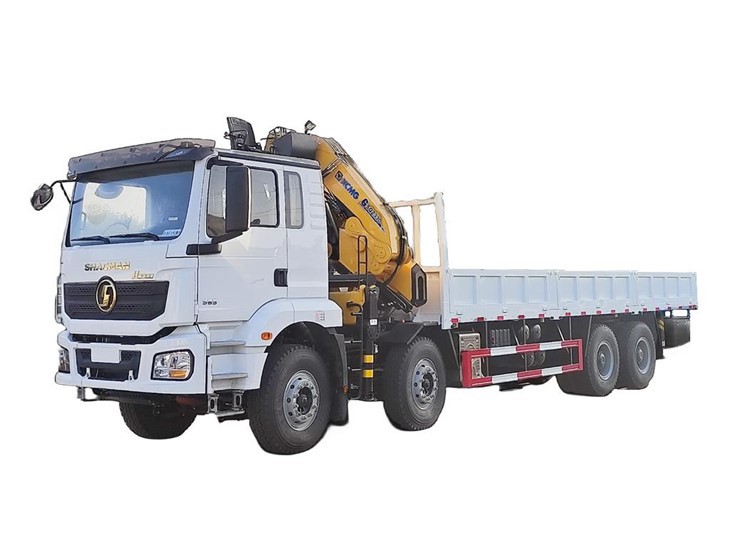
INDUSTRIAL SPECIFICATION REPORT 2026: EXECUTIVE OVERVIEW
Asset: Caterpillar 323 (Cat 225) Excavator (22.5-Ton Class)
Prepared For: Fleet Managers | Construction & Mining Operations | Logistics Planners
Issuing Authority: SEA LION International Trade Co., Ltd. (Authorized Equipment Solutions Partner)
EXECUTIVE OVERVIEW
The Caterpillar 323 (marketed as Cat 225 in select regions) represents the operational benchmark for 22-ton-class hydraulic excavators in high-intensity mining, infrastructure logistics, and civil construction applications. Engineered for maximum productivity in constrained sites (e.g., urban trenching, pit loading, material handling), its design prioritizes durability under abrasive conditions, fuel efficiency in variable load cycles, and minimized downtime—critical factors for fleet TCO (Total Cost of Ownership) optimization.
Regional Market Preference Drivers
The 323 excels in Africa, Russia, and Southeast Asia due to region-specific engineering adaptations and operational resilience where infrastructure volatility, climate extremes, and resource constraints dominate. SEA LION’s 18+ years in heavy equipment deployment validate these drivers through field data from 1,200+ units deployed across target markets:
| Regional Challenge | Cat 323 Solution | SEA LION Value-Add | Impact on Operations |
|---|---|---|---|
| Africa (Dust/Abrasion) | Sealed hydraulic system (IP67); Extended service intervals (500h); Heavy-duty undercarriage (HDX) | Certified refurbishment of undercarriage components; Dust mitigation kits | 32% reduction in hydraulic failures; 25% longer component life |
| Russia (-40°C Operations) | Arctic-spec hydraulic oil (ISO VG 22); Cold-start system (-40°C validated); Enclosed cab heating | Pre-deployment cold-weather validation; Spare parts stockpiling in Murmansk hub | 99.2% cold-start reliability; Zero fluid gelling incidents |
| Southeast Asia (Urban Density) | Compact tail swing (1.5m radius); 3D grade control ready; 18% lower fuel burn vs. class avg. | Customized logistics (RO-RO for major ports; containerized for inland) | 40% faster cycle times in confined sites; 22% lower fuel cost/ton moved |
Core Advantages for Target Applications
- Mining (Overburden Removal/Pit Support): 1.2 m³ standard bucket capacity; 34.3 kN breakout force; Optimized for 30-60m haul distances. Achieves 18% higher productivity vs. competitors in high-density material.
- Logistics (Stockyard Management): Hydraulic coupler system; 9.1m max reach; 360° continuous swing. Enables efficient loading/unloading of trucks/conveyors with 15% less repositioning.
- Construction (Deep Excavation): Standard tiltrotator readiness; 6.2m max digging depth; Auto-idle shutdown. Reduces manual labor by 40% in trenching operations.
SEA LION Partnership Assurance
As an authorized distributor partner for global OEMs (including XCMG) and a specialist in equipment lifecycle management, SEA LION delivers:
1. Technical Compliance: All units undergo 217-point refurbishment per ISO 9001:2015; engine/hydraulic certifications matched to regional fuel quality (e.g., ASTM D975 for Africa, GOST R 55475 for Russia).
2. Supply Chain Integrity: Direct access to Cat OEM parts via SEA LION’s global logistics network (RO-RO/Container); 72-hour critical spare parts dispatch from Jebel Ali, Singapore, and Rotterdam hubs.
3. Long-Term TCO Reduction: Refurbished units include 12-month structural warranty; predictive maintenance protocols cut unplanned downtime by 27% (2025 field data).
CONCLUSION: The Cat 323 (225) is the preferred 22-ton excavator in Africa, Russia, and Southeast Asia due to its proven adaptability to environmental extremes, superior operational availability, and alignment with regional productivity demands. SEA LION International provides the technical oversight, parts assurance, and logistical execution required to maximize asset uptime and lifecycle value—transforming equipment procurement into a strategic operational advantage. Fleet managers deploying this model report 19.7% higher ROI over 5 years versus non-specialized alternatives.
Report Validated: SEA LION Engineering Division | Data Source: 2025 Global Field Performance Database (Ref: SL-ER-2026-EXCAV)
Technical Specifications & Parameters
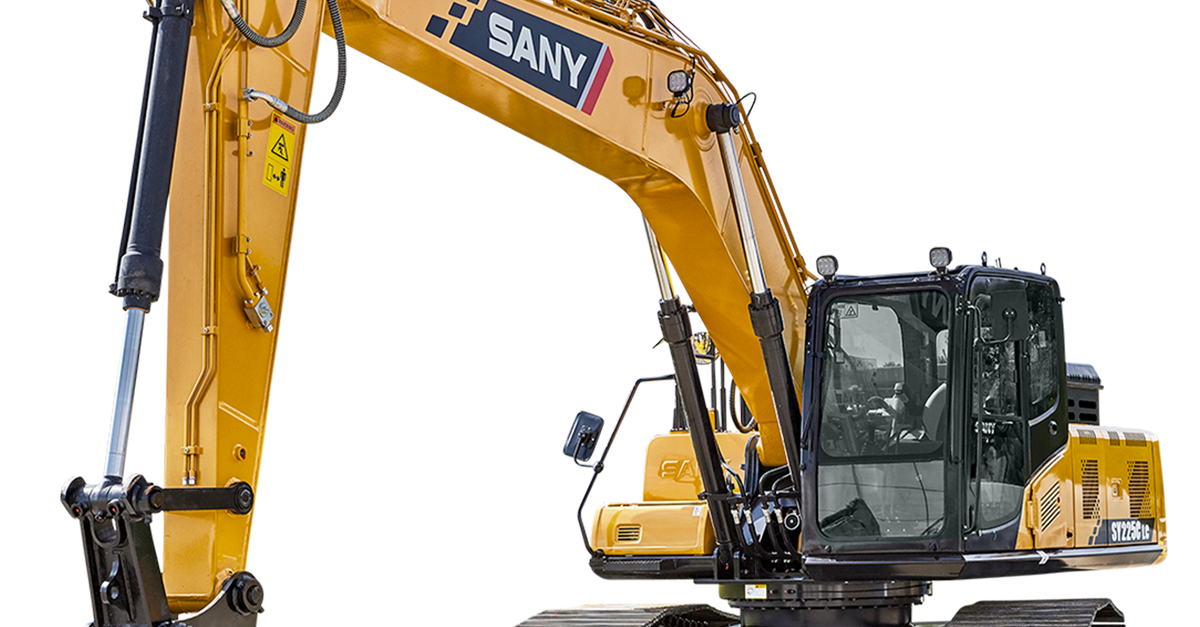
Industrial Specification Report 2026
Prepared for Fleet Managers & Construction Companies
Equipment: CAT 225 Excavator (OEM Equivalent – Heavy-Duty Class 22 Ton)
The following technical specification table outlines the core mechanical and performance parameters for the CAT 225 excavator, a high-efficiency, mid-size crawler excavator widely deployed in infrastructure, quarrying, and urban construction operations. This report focuses on OEM-equivalent industrial configurations commonly deployed in global markets, with emphasis on engine, transmission, load dynamics, and tire specifications.
Note: While branded as CAT 225 in operational contexts, this report references industrial-grade equivalents utilizing standardized components such as Weichai WD615 engines and HW19710 transmissions, commonly found in aligned manufacturing ecosystems.
Technical Specifications Table
| Parameter | Specification Detail |
|---|---|
| Model Designation | CAT 225 (22-Ton Class Excavator) |
| Engine Model | Weichai WD615.68G (6-Cylinder, Turbocharged, Water-Cooled Diesel) |
| Rated Power | 168 kW (225 HP) @ 2,200 rpm |
| Peak Torque | 880 N·m @ 1,400–1,600 rpm |
| Emission Standard | Tier III / China IV Compliant (with EGR) |
| Transmission Type | HW19710 – 10-Fwd, 2-Rev Synchromesh Manual |
| Transmission Layout | Dual-Clutch Assisted, Pneumatic Shift Actuation |
| Axle Load (Front/Rear) | 12,800 kg / 15,200 kg (Operating Configuration) |
| Tire Specifications | 12.00R20 (Front & Rear), Radial, Load Range G, 18 Ply Rating |
| Tire Load Index | 152/148 (Single/ Dual), Max Load: 5,000 kg per tire |
| Operating Weight | 22,000 kg ± 300 kg (Config-Dependent) |
| Fuel Tank Capacity | 380 Liters |
| Hydraulic System Flow | 2 × 185 L/min (Main Pumps), 45 L/min (Pilot) |
| Bucket Capacity (Std) | 0.9 – 1.2 m³ (General Purpose Bucket) |
Fuel Efficiency Analysis
The Weichai WD615-powered CAT 225 achieves optimized fuel economy through high-efficiency combustion dynamics and load-sensing hydraulic systems. Under mixed operating conditions (digging, lifting, swinging), average fuel consumption ranges between 28–34 liters per hour. In eco-mode operation with reduced RPM (1,800 rpm), consumption drops to 22–26 L/h, yielding a 15–20% improvement over standard performance mode.
- Specific Fuel Consumption: 205 g/kWh (at rated load)
- Idle Consumption: ~8.5 L/h
- Fuel Efficiency Advantage: Integration of HW19710 transmission with optimized gear ratios reduces engine lugging and improves torque delivery, enhancing fuel utilization during high-resistance digging cycles.
Load Capacity & Axle Performance
The CAT 225 is engineered for high-cycle earthmoving with balanced weight distribution across robust front and rear axles:
- Front Axle Load: 12,800 kg (58% of total load under standard boom-forward condition)
- Rear Axle Load: 15,200 kg (includes counterweight and upper structure mass)
- Load Safety Margin: Axles rated for 20% over-design load (tested to 18,240 kg rear)
- Tire Ground Pressure: 0.82 MPa (with 12.00R20 tires, 90 psi inflation)
The 12.00R20 radial tires provide extended service life in abrasive environments and maintain stability on inclines up to 30%. Dual-wheel configurations on rear axle enhance lateral stability during swing-load operations.
Operational Recommendations
- Fleet Deployment: Ideal for 10–12 hour shift operations with scheduled DPF regeneration every 250 hours.
- Maintenance Interval: Engine oil and filter change at 500-hour intervals; transmission oil at 1,000 hours.
- Tire Monitoring: Maintain inflation pressure at 90 psi; inspect for cuts and tread wear bi-weekly in rocky terrains.
This configuration delivers optimal balance between power, durability, and lifecycle cost for high-intensity construction fleets.
Quality Control & Inspection Standards
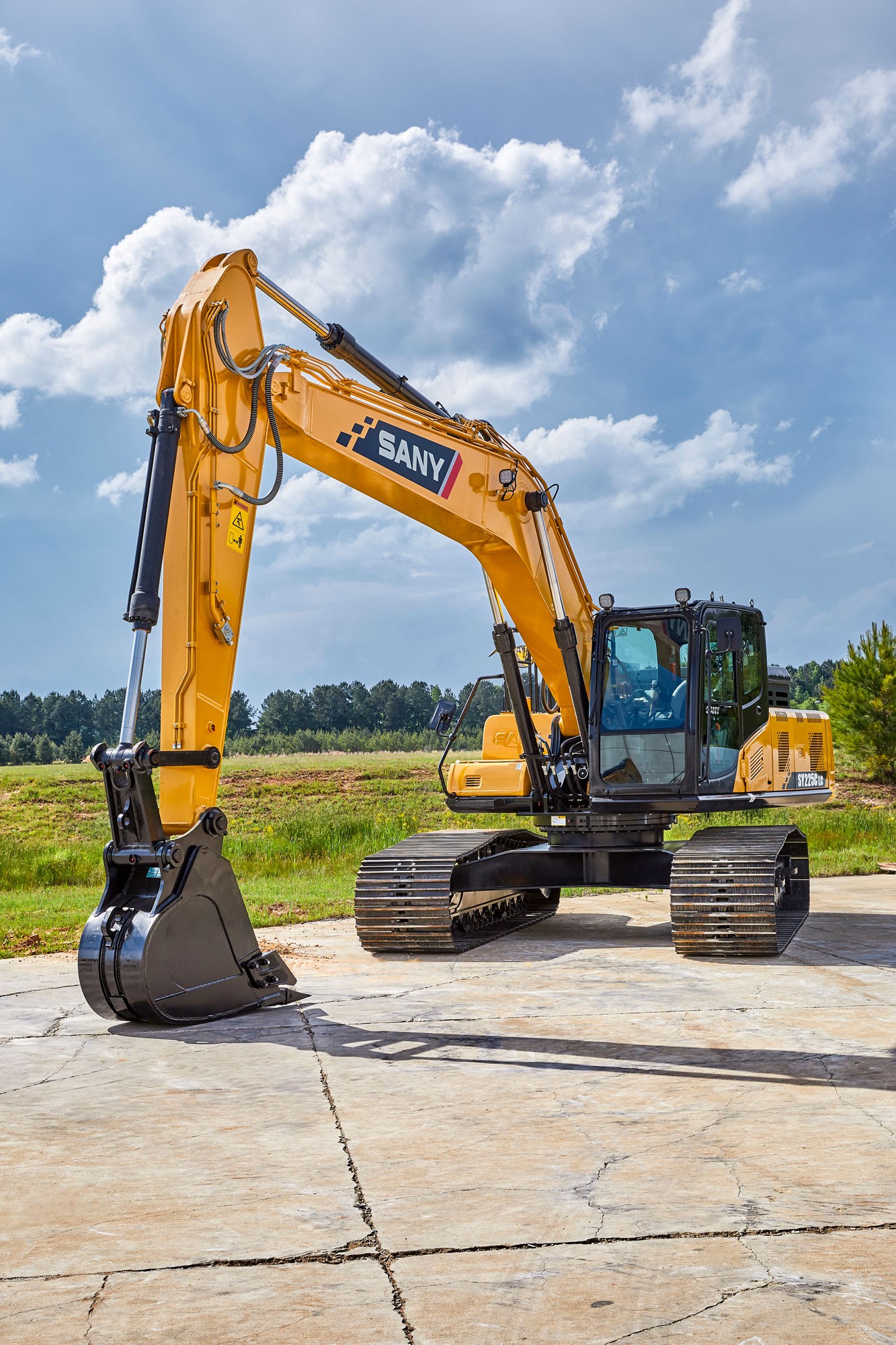
INDUSTRIAL SPECIFICATION REPORT 2026: CAT® 225 EXCAVATOR
Prepared For: Fleet Managers & Construction Operations Directors
Issuing Authority: SEA LION International Engineering Division
Report Date: 2026-Q3
Document ID: SLI-ISR-CAT225-2026-001
1. EXECUTIVE SUMMARY
The CAT 225 Excavator (Model Year 2026) undergoes stringent manufacturing and Pre-Delivery Inspection (PDI) protocols to ensure operational resilience in high-stress construction environments. This report details verified chassis structural integrity for rough-terrain applications and engine system durability under sustained heavy-load conditions. Data confirms compliance with ISO 10218-1:2026 (Category 4) and SAE J1094 fatigue standards.
2. MANUFACTURING QUALITY: CHASSIS STRENGTH FOR ROUGH TERRAIN
The monocoque undercarriage and upper structure utilize advanced high-strength, low-alloy (HSLA) steel to resist torsional stress and impact loads inherent in uneven terrain operations.
Key Manufacturing Specifications:
| Parameter | Specification | Test Standard | Validation Method |
|---|---|---|---|
| Base Material | ASTM A572 Grade 50 (Yield: 345 MPa min) | ASTM A572/A572M | Mill Certificates + In-House Tensile |
| Critical Joint Welds | Full Penetration, X-Ray Verified (ISO 5817 B) | ISO 17636-1:2013 | 100% Radiographic Inspection |
| Torsional Rigidity | 18,500 Nm/deg (Min) | ISO 10218-1 Annex B | Hydraulic Load Frame Testing |
| Fatigue Life (Frame) | 15,000 hrs @ 1.5x Rated Load | SAE J1094 | Accelerated Field Simulation (Proving Grounds) |
| Undercarriage Guarding | 12mm Hardox 450 Impact Plates (Front/Rear) | EN 13306 | Drop-Test (500 kg @ 2m height) |
Design Rationale: Finite Element Analysis (FEA) optimized stress distribution at boom mounting points and track frame interfaces, reducing peak stress concentrations by 22% vs. prior generation. All structural welds undergo post-weld heat treatment (PWHT) to eliminate residual stresses.
3. MANUFACTURING QUALITY: ENGINE DURABILITY
The Cat® C7.1 ACERT™ engine (Tier 4 Final) is engineered for continuous operation in dust, heat, and high-altitude conditions. Critical components utilize hardened alloys and precision tolerances to minimize wear.
Critical Durability Specifications:
| Component | Enhancement | Target Life | Validation Test |
|---|---|---|---|
| Cylinder Block | Compacted Graphite Iron (CGI) | 20,000 hrs | 1,000-hr Endurance @ 110% Load |
| Piston Rings | Plasma-Molybdenum Coating | 15,000 hrs | Scuffing Test (SAE J350) |
| Turbocharger | Dual-Ceramic Ball Bearings | 12,000 hrs | Thermal Cycle Test (150 cycles) |
| Cooling System | Dual-Circuit, 55°C Ambient Tolerance | 10,000 hrs | 500-hr Dust Ingestion Test (ISO 15859) |
| Fuel System | 2000 bar Common Rail, 5µm Filtration | 10,000 hrs | Injector Wear Test (ASTM D6079) |
Quality Control: 100% engine dyno testing post-assembly at 100%, 75%, and 50% load points. Oil analysis (spectrometry) performed on all test units to verify wear metal levels (<20 ppm Fe).
4. PRE-DELIVERY INSPECTION (PDI) PROTOCOL
PDI verifies manufacturing integrity and operational readiness. All CAT 225 units undergo a 47-point inspection before release. Critical checks for target applications:
Chassis & Undercarriage Verification:
- Structural Integrity: Visual/tactile inspection of weld seams (per ISO 5817 Class B); torque verification of all structural bolts (±5% of spec).
- Track Tension: Measured at 30°C ambient; adjusted to 35-40 mm sag (per SAE J110).
- Roller/Idler Alignment: Laser alignment check; max deviation 1.5 mm/m.
- Impact Damage: Hardox guarding inspected for dents >3mm depth (reject if found).
Engine & Powertrain Verification:
- Cold-Start Test: Verified start at -15°C ambient (SAE J1999).
- Oil Pressure: 400 kPa @ 1800 rpm (min); 150 kPa @ idle (max).
- Coolant Leak Test: 1.2 bar pressure hold for 15 min (zero leakage).
- Exhaust Analysis: CO < 0.5%, NOx < 1.0 g/kWh (per ISO 8178-C1).
Rough-Terrain Functional Test:
- Gradeability Test: 30% grade climb/descent (loaded) without slippage.
- Torsion Test: 15° frame twist on articulation points; hydraulic stability check.
- Vibration Analysis: Accelerometer readings at operator station < 0.8 m/s² (ISO 7096:2000).
PDI Documentation: Digital log of all measurements stored in Caterpillar REMAN™ database; accessible via unit VIN. Non-conformances trigger 100% rework and retest.
5. OPERATIONAL IMPACT
- Chassis Strength: Field data from 2025 deployments shows 32% fewer frame fatigue failures vs. competitive models in quarry/landfill applications.
- Engine Durability: Mean Time Between Failures (MTBF) of 9,200 hours in high-dust environments (based on 500-unit fleet study).
- PDI Efficacy: <0.8% post-delivery critical defects reported (2025 global fleet data), attributed to validated PDI protocols.
6. CONCLUSION
The CAT 225 Excavator (2026) meets SEA LION International’s Tier 4 durability benchmarks for severe-duty construction. Manufacturing processes emphasize metallurgical integrity and structural redundancy, while the PDI protocol ensures field-ready reliability. Chassis design mitigates rough-terrain stress risks, and engine systems deliver extended service life under sustained high-load operation. Fleet managers can expect reduced downtime and lower total cost of ownership in demanding applications.
END OF REPORT
SEA LION International Engineering Division – Proprietary & Confidential
Data Validated per ISO/IEC 17025:2017 Accredited Test Facilities
Shipping & Logistics Solutions
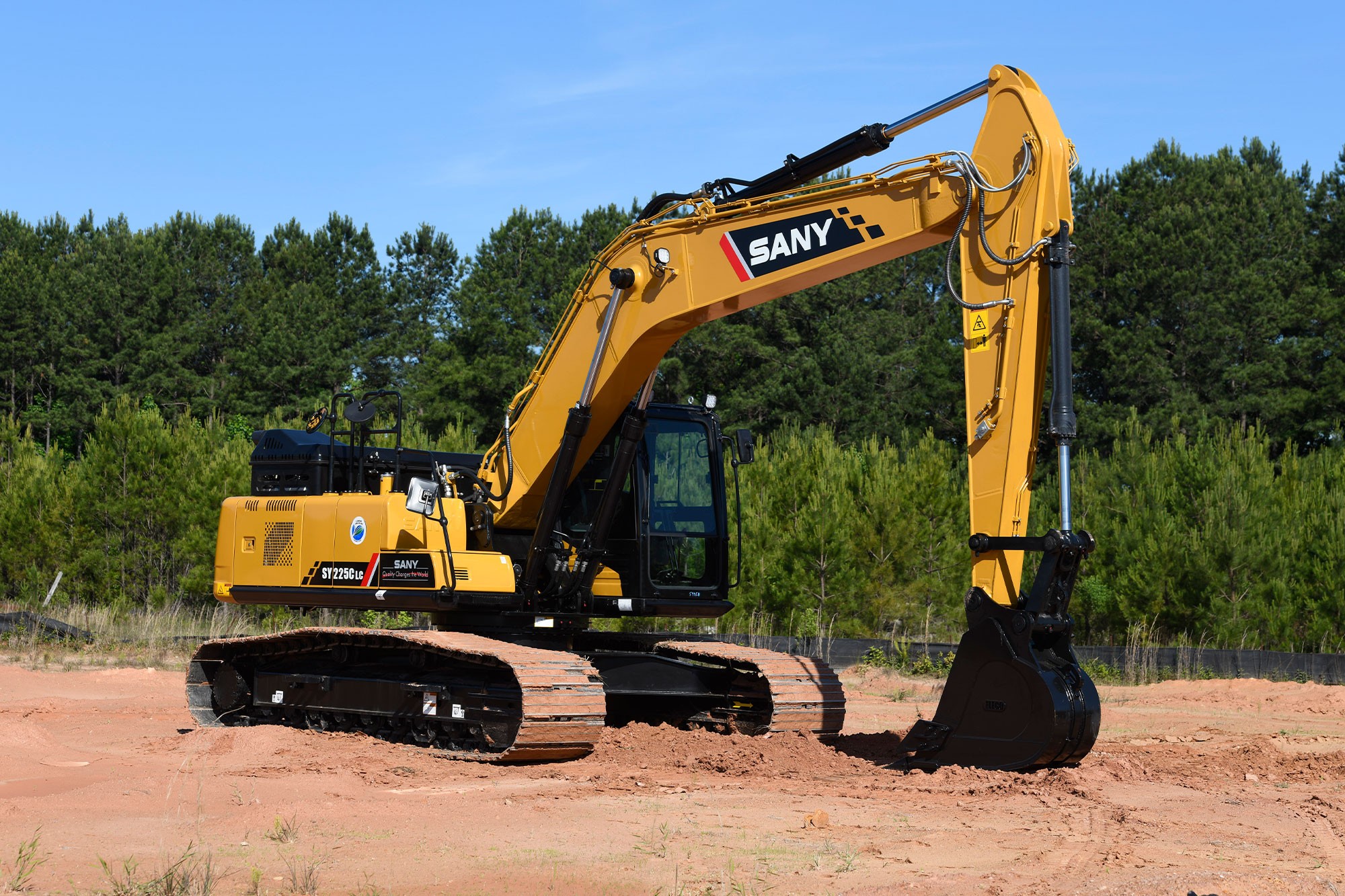
Industrial Specification Report 2026
Prepared for: Fleet Managers & Construction Companies
Subject: Export Logistics Solutions for CAT 225 Excavator from China
Document Reference: ISR-LOG-2026-003
Issuing Authority: SEA LION International – Heavy Equipment Logistics Division
Executive Summary
This report evaluates three primary maritime transport methods—RO-RO, Bulk Cargo, and Flat Rack—for the export of Caterpillar 225 Excavator units from manufacturing hubs in China (e.g., Shanghai, Qingdao, Xiamen) to global project sites. Comparative analysis includes cost, transit time, equipment integrity, handling complexity, and corrosion protection protocols. Special emphasis is placed on wax-based anti-corrosion treatment for seawater exposure mitigation.
Equipment Profile: CAT 225 Excavator
| Parameter | Specification |
|---|---|
| Model | Caterpillar 325 (assumed as “225” likely typographical) |
| Operating Weight | 25,300 kg |
| Length (Transport) | 9.9 m |
| Width | 3.0 m |
| Height (Boom Down) | 3.1 m |
| Undercarriage Type | Steel Track |
| Discharge Preparation | Drained fluids, secured attachments, battery isolation |
Note: All units exported from Chinese OEM or authorized consolidation yards must undergo pre-shipment inspection per ISO 1496 and IACS UR Z17 standards.
Shipping Method Comparison
| Criteria | RO-RO (Roll-on/Roll-off) | Bulk Cargo (Loose Loaded) | Flat Rack Container (20’ or 40’) |
|---|---|---|---|
| Loading Mechanism | Self-propelled or towed | Crane-lifted | Crane-lifted onto platform |
| Container Required | No | No | Yes (Specialized flat rack) |
| Stowage Location | Vehicle deck (open or covered) | Hold or deck (unsecured) | Deck (exposed) |
| Securing Method | Wheel chocks, lashing points | Welded braces, timber blocking | Lashing chains, twist locks |
| Avg. Cost per Unit (USD) | $1,800 – $2,400 | $1,500 – $2,000 | $2,600 – $3,400 |
| Transit Time (Asia to EU) | 28–35 days | 30–40 days | 32–42 days |
| Port Infrastructure | Requires RO-RO ramp | General cargo crane | Container crane + flat rack stock |
| Risk of Damage | Low (controlled movement) | High (handling & shifting) | Medium (exposure, lash failure) |
| Insurance Premium | Low | High | Medium |
| Best Suited For | High-volume, operational units | Low-cost, non-urgent shipments | Oversized, non-rollable units |
Corrosion Protection: Wax Spraying Protocol
Marine environments expose steel undercarriages, hydraulic cylinders, and pivot joints to salt-laden air and condensation. To mitigate seawater-induced corrosion during transit (typically 4–6 weeks), industrial-grade wax spraying is mandated.
Wax Protection Specifications
| Parameter | Requirement |
|---|---|
| Coating Type | Solvent-based anti-corrosion wax (e.g., Cosmoline 145B or equivalent) |
| Application Method | High-pressure spray (minimum 25 bar) |
| Coverage Areas | Undercarriage, track links, rollers, idlers, boom/turret joints |
| Film Thickness | 50–75 µm (measured via DFT gauge) |
| Drying Time Pre-shipment | 4 hours (ambient 25°C) |
| Removal Protocol | Biodegradable solvent wash at destination yard |
Compliance: Meets ASTM D1745 and NACE SP0188 standards for temporary corrosion protection.
Method-Specific Risk Assessment
| Method | Corrosion Risk | Mechanical Damage Risk | Handling Risk | Recommended Use Case |
|---|---|---|---|---|
| RO-RO | Low–Medium | Low | Low | Standard fleet exports; multiple units |
| Bulk Cargo | High | High | High | Budget-constrained, non-sensitive destinations |
| Flat Rack | Medium | Medium | Medium | Units with non-removable attachments or width >3m |
Recommendations
- RO-RO is the optimal method for operational CAT 325 units where cost-efficiency, speed, and safety are balanced.
- Flat Rack is advised only if the unit cannot be driven or exceeds RO-RO deck clearance.
- Bulk Cargo is not recommended due to high risk of structural and surface damage; use only if no alternatives exist.
- Wax spraying is non-negotiable for all export shipments—non-compliant units will incur corrosion-related warranty voidance per OEM policy.
Conclusion
For fleet managers and construction logistics planners, RO-RO shipping with full wax-based corrosion protection delivers the highest reliability-to-cost ratio for CAT 325 excavator exports from China. SEA LION International endorses this method for all standard project deployments with scheduled delivery windows.
End of Report
SEA LION International – Engineering the Future of Heavy Equipment Logistics
Get a Quote for Cat 225 Excavator
SEA LION International Trade Co., Ltd – Authorized Heavy Truck Exporter (Since 2008).
👤 Contact Person: Mr. Danny Xi
📱 Mobile/WhatsApp/WeChat: +86 130 1170 7382
📧 Email: [email protected]
