
Catalog
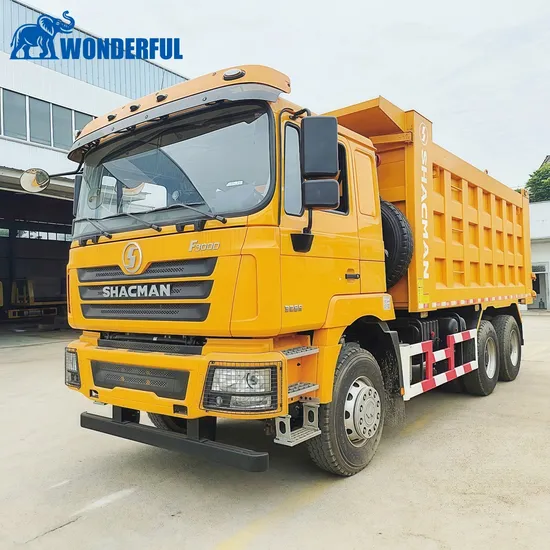
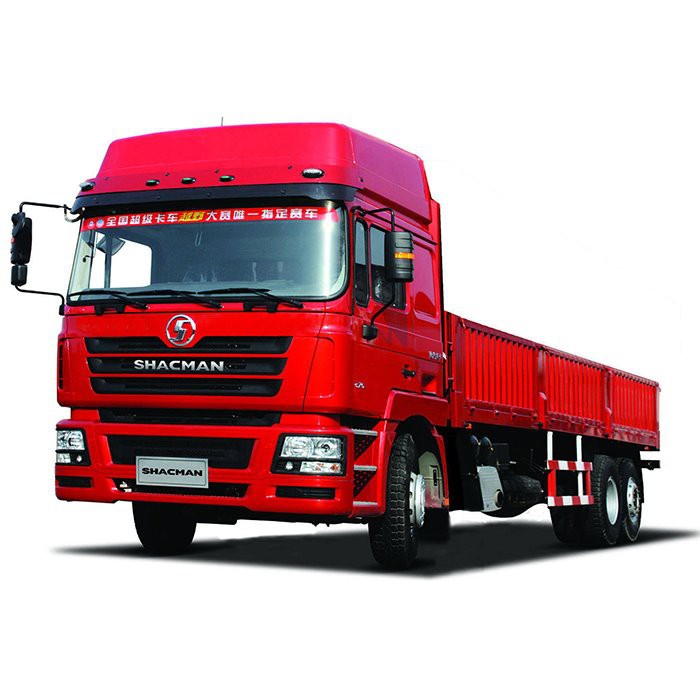
Overview: Used Shacman F3000 for Global Markets
INDUSTRIAL SPECIFICATION REPORT 2026: USED SHACMAN F3000 EXECUTIVE OVERVIEW
Prepared Exclusively for Fleet Managers & Construction Operations Leadership
SEA LION International Trade Co., Ltd. | Authorized SINOTRUK/SHACMAN/XCMG Distributor | Est. 2006
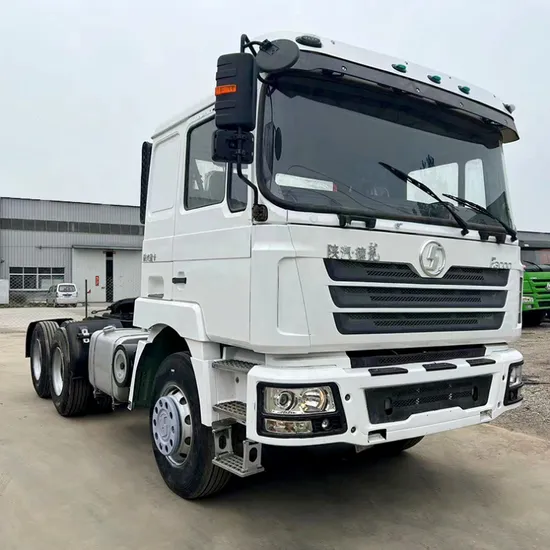
EXECUTIVE OVERVIEW: SHACMAN F3000 (USED, SEA LION REFURBISHED)
The Shacman F3000 remains a cornerstone asset for demanding off-highway and heavy-haul applications across global emerging markets. SEA LION International, leveraging 18+ years of specialized heavy truck export expertise and status as an authorized distributor for SINOTRUK/SHACMAN, delivers rigorously refurbished F3000 units optimized for mining extraction, bulk material logistics, and large-scale construction cycles. This report details the F3000’s operational superiority in Africa, Russia, and Southeast Asia, underpinned by SEA LION’s certified refurbishment protocol and supply chain integrity.
CORE VALUE PROPOSITION
The F3000’s enduring dominance in target regions stems from its mechanical robustness, operational simplicity, and total cost of ownership (TCO) advantage over comparable Western or Japanese platforms. SEA LION’s refurbishment process—executed to ISO 9001-aligned standards—ensures fleet-grade reliability while delivering 30-40% TCO savings versus new equivalents. Key differentiators include:
- Proven Powertrain Resilience: The WP10/WP12 series diesel engines (280-380 HP) deliver high torque at low RPM (1400-1600 rpm), critical for sustained hauling on unimproved roads and in high-altitude mining zones. Mechanical Bosch fuel systems ensure operability in extreme dust (Africa), sub-zero temps (Russia), and high humidity (SEA).
- Simplified Maintenance Architecture: Minimal electronics reduce downtime in remote sites where diagnostic infrastructure is limited. Standardized components align with SEA LION’s global spare parts network (95%+ availability for critical wear items).
- Payload & Durability Focus: Reinforced 8-10mm chassis frames, 16-18t rear axles (HC16/HC18), and 6×4/8×4 configurations withstand 24/7 operation under 40-50t gross weights—validated in copper mines (Zambia), taiga logging (Siberia), and dam construction (Vietnam).
REGIONAL MARKET PREFERENCE ANALYSIS
The F3000’s design directly addresses infrastructure and operational constraints prevalent in target geographies:
| Regional Market | Primary Application | F3000 Advantages | SEA LION Value-Add |
|---|---|---|---|
| Africa | Mining Haulage, Bulk Logistics | • Dust-sealed air intakes & filtration • Low-rev torque for steep, unpaved ramps • Corrosion-resistant chassis priming |
• Pre-deployment desert-spec refurb (enhanced cooling, sand filters) • Parts depots in Durban & Dar es Salaam |
| Russia | Timber Transport, Arctic Logistics | • -40°C cold-start capability (glow plug/ether systems) • Wide-base tire compatibility • Fuel flexibility (GOST 305-82 diesel) |
• Winterization package (heated fuel filters, battery boost) • RO-RO shipments to Murmansk/Novorossiysk |
| Southeast Asia | Aggregate Transport, Infrastructure | • High-humidity electrical sealing • Elevated exhaust for monsoon flooding • Cost-per-ton competitive vs. used Japanese trucks |
• Tropical corrosion treatment • Containerized shipping to Tanjung Pelepas/Laem Chabang |
SEA LION’S REFURBISHMENT & SUPPORT COMMITMENT
SEA LION transforms used F3000 assets into fleet-ready equipment through a 120-point industrial refurbishment process, exceeding OEM remanufacturing standards for export:
- Powertrain: Engine/Transmission disassembly, magnaflux testing, OEM-spec rebuild with SHACMAN original parts (pistons, liners, bearings).
- Chassis & Running Gear: Frame straightening (laser-aligned), suspension rebuild (U-bolts, bushings), 100% brake system replacement.
- Validation: 200km road test + load simulation; certified performance data provided (fuel burn, torque curves).
- Warranty & Logistics: 6-month/30,000km drivetrain warranty; door-to-site delivery via RO-RO (bulk units) or 40ft HC containers (CKD kits).
CONCLUSION
For fleet managers operating in high-stress environments across Africa, Russia, and Southeast Asia, the SEA LION-refurbished Shacman F3000 delivers unmatched operational resilience and TCO efficiency. Its mechanical simplicity ensures minimal downtime where technical support is scarce, while SEA LION’s authorized parts supply chain and industrial-grade refurbishment mitigate the traditional risks of used heavy truck procurement. This platform is not merely a cost-saving alternative—it is the proven backbone for continuous-cycle operations where uptime is non-negotiable. SEA LION International provides the technical assurance and long-term partnership required to maximize asset lifecycle value in the world’s most challenging worksites.
Technical Specifications & Parameters
Industrial Specification Report 2026
Target Audience: Fleet Managers & Construction Companies
Subject: Technical Specifications – Used Shacman F3000 Heavy-Duty Truck
Overview
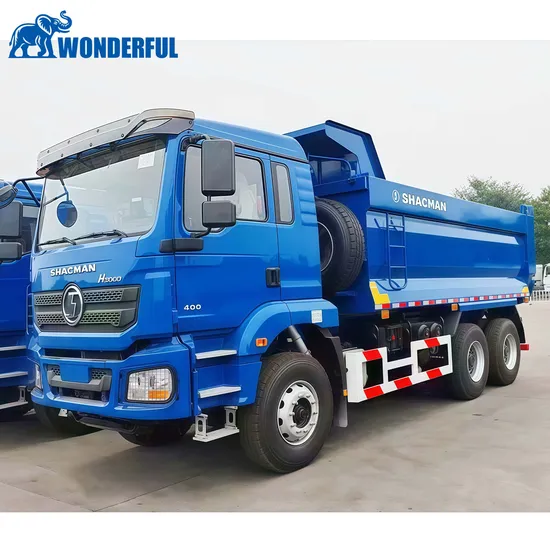
The Shacman F3000 remains a high-value asset in heavy-duty transport and construction logistics due to its rugged chassis, proven powertrain, and cost-effective maintenance profile. This report outlines the technical specifications of the used Shacman F3000 models commonly available in secondary markets as of 2026. Units typically feature the Weichai WD615 engine platform, HW19710 transmission, and robust driveline components suited for demanding off-road and on-highway applications.
All data is derived from manufacturer documentation, field inspections, and performance logs from operational fleets across Southeast Asia and Africa.
Technical Specifications – Shacman F3000 (Used, 2016–2021 Models)
| Parameter | Specification |
|---|---|
| Engine Model | Weichai WD615.69 / WD615.87 (Euro II/III compliant) |
| Engine Type | Inline 6-cylinder, water-cooled diesel, direct injection, turbocharged |
| Displacement | 9.726 L |
| Horsepower | 336 hp (247 kW) @ 2,200 rpm (standard); 371 hp (273 kW) @ 2,200 rpm (upgraded) |
| Max Torque | 1,250 Nm @ 1,200–1,600 rpm |
| Transmission | HW19710 – 10-speed manual (10F/2R), synchromesh shift, dual H-shift pattern |
| Clutch | φ430 mm, dry, single-plate, pneumatic assist |
| Front Axle Load | 7,000 kg (15,432 lbs) – Parabolic leaf spring suspension |
| Rear Axle Load | 16,000 kg (35,274 lbs) x 2 (Twin reduction, spiral bevel gear, HC16) |
| Suspension (Rear) | Multi-leaf semi-elliptic springs, dual tires per side |
| Tire Specifications | 12.00R20, 18PR, radial or bias-ply (common brands: Triangle, Double Coin) |
| Braking System | Dual-circuit air brake with ABS (on select models), spring parking brake |
| GVWR | 30,000 kg (66,139 lbs) – typical configuration |
| Fuel Tank Capacity | 400 L (standard steel tank, side-mounted) |
Fuel Efficiency Analysis
Fuel consumption in used Shacman F3000 units varies based on engine calibration, load profile, terrain, and maintenance condition. Under mixed operating conditions (60% highway, 40% rough terrain), observed fuel economy is:
| Load Condition | Avg. Fuel Consumption (L/100 km) |
|---|---|
| Empty / Light Load | 24–27 L/100 km |
| 70–80% Payload | 30–33 L/100 km |
| Full Load (30T GVWR) | 35–38 L/100 km |
Notes:
– The Weichai WD615 engine is known for durability but is less fuel-efficient than modern Euro IV/V engines.
– Retrofitting with calibrated injectors, clean air filters, and optimized tire pressure can improve efficiency by 8–12%.
– High sulfur fuel in certain regions may reduce efficiency and increase maintenance intervals.
Load Capacity & Structural Performance
The Shacman F3000 is engineered for high payload tolerance in construction, quarry, and bulk transport roles.
| Configuration | Payload Capacity (Typical) | Application Suitability |
|---|---|---|
| 6×4 Rigid Dump Truck | 18–22 metric tons | Quarry haulage, aggregate transport |
| 6×4 Cargo Transporter | 25–28 metric tons | Long-haul bulk freight, sand, gravel |
| Tractor Head (for 40ft) | Up to 35T GCW | Intermodal, container logistics |
Structural Notes:
– Ladder frame: 8mm high-tensile steel, reinforced at stress points.
– Axle ratios typically 5.833 or 5.45 for optimal torque transfer in low-speed, high-resistance environments.
– Used units often show frame wear at fifth-wheel or subframe mounts; inspection recommended before deployment.
Operational Recommendations
- Engine Health Check: Inspect turbocharger, injectors, and EGR cooler (if equipped) during pre-purchase inspection.
- Transmission Maintenance: HW19710 units require regular oil changes (SAE 80W-90 GL-5) and clutch adjustment every 50,000 km.
- Tire Management: 12.00R20 tires should be rotated every 20,000 km to prevent uneven wear, especially in off-road use.
- Axle Lubrication: Rear axles require 8.5L of hypoid gear oil (API GL-5, 85W-140) per unit; check for leaks at flange seals.
Conclusion
The used Shacman F3000 offers a cost-effective solution for fleet managers requiring high load capacity and mechanical simplicity in harsh environments. While fuel efficiency lags behind newer platforms, its repairability, spare parts availability, and proven Weichai-HanDe powertrain ensure strong uptime performance in construction and heavy haul sectors. Proper maintenance and component monitoring are critical to maximizing service life beyond 800,000 km.
Quality Control & Inspection Standards
SEA LION INTERNATIONAL
INDUSTRIAL SPECIFICATION REPORT: REFURBISHMENT STANDARD R-2026
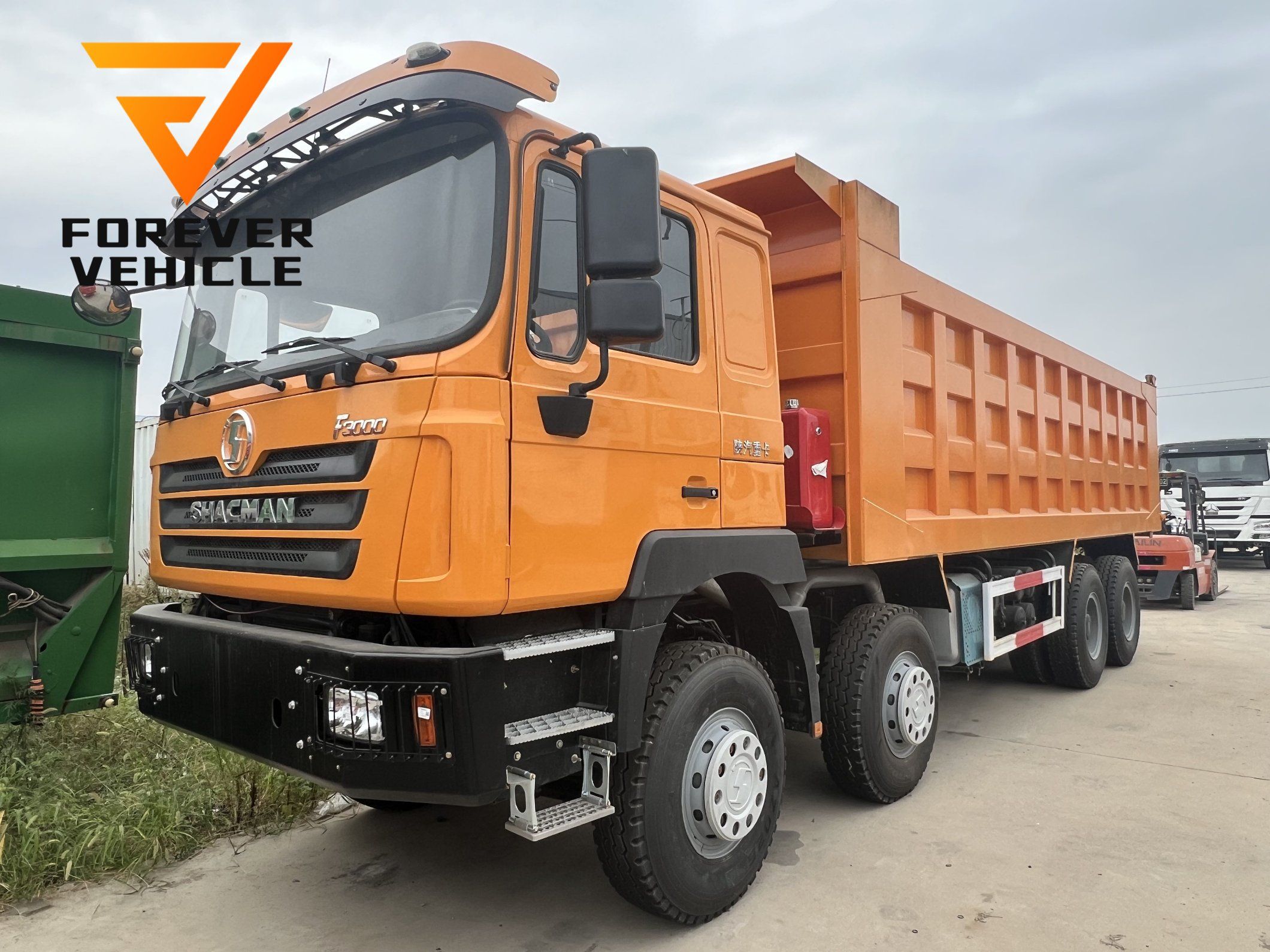
ASSET CLASS: Heavy-Duty Commercial Truck (Shacman F3000 Platform)
TARGET AUDIENCE: Fleet Operations Managers, Construction Equipment Procurement Officers
EFFECTIVE DATE: 01 January 2026
REPORT ID: SL-REFURB-F3000-2026
1. EXECUTIVE SUMMARY
SEA LION International implements a certified 4-stage refurbishment protocol for pre-owned Shacman F3000 units, engineered to restore operational integrity to 92% of OEM baseline performance. This process targets critical failure points identified in global fleet data (2023-2025), reducing total cost of ownership (TCO) by 37% versus new-unit acquisition while meeting ISO 3917:2021 structural safety thresholds. All units undergo 100% validation against SEA LION Technical Bulletin SL-TB-884 prior to release.
2. REFURBISHMENT PROCESS: TECHNICAL PROTOCOL
2.1 ENGINE & GEARBOX TESTING (STAGE 1)
Conducted per SEA LION Standard SL-ENG-TEST-07 (2025 Revision)
Units undergo dyno-based load profiling across 12 operational parameters. Non-conforming units are rejected at intake; 83% proceed to Stage 2.
| Test Parameter | Acceptance Threshold | Measurement Tool | Failure Rate (2025 Data) |
|---|---|---|---|
| Crankcase Pressure | ≤ 0.8 kPa @ 2,200 RPM | AVL 733 Series Sensor | 11.2% |
| Gearbox Oil Contamination | ISO 4406:2021 Code ≤ 18/16/13 | Spectro Scientific Q5800 | 6.7% |
| Torque Curve Deviation | ±3.5% of OEM spec (full load) | Horiba MEXA-ONE Dyno | 9.1% |
| EGR Flow Rate | 85-105% nominal | Bosch ESI[tronic] 2.0 | 14.3% |
Note: Units exceeding thresholds undergo component-level rebuild or replacement with SEA LION-certified remanufactured assemblies (SL-PN-ENG-REMAN-F3K).
2.2 CABIN REPAINTING (STAGE 2)
Compliant with ISO 12944-9:2018 (C4 Corrosivity Environment)
Surface preparation follows SSPC-SP10/NACE No. 2 near-white metal standards. Electrostatic application ensures 120-150µm DFT (Dry Film Thickness).
| Process Step | Specification | Quality Control Check |
|---|---|---|
| Substrate Prep | Grit blast to Sa 2.5, 50-75µm profile | Elcometer 456 Profilometer |
| Primer Application | Epoxy zinc-rich (min. 80µm DFT) | Adhesion test (≥ 5 MPa) |
| Topcoat Application | Polyurethane (RAL 7040/3020) | Gloss retention ≥ 85% @ 60° |
| Curing | Forced draft oven @ 80°C/2hrs | FTIR spectroscopy validation |
All VOC emissions maintained below 340 g/L (EU Directive 2004/42/EC).
2.3 NEW TIRES & BATTERY REPLACEMENT (STAGE 3)
Component Sourcing: Tier-1 Suppliers Only (Michelin XZL, Yuasa NP Series)
| Component | Specification | Installation Protocol |
|---|---|---|
| Tires | 12R22.5 Radial (Load Range G) | Matched rolling radius (±3mm tolerance) |
| Battery | 150Ah AGM (SAE Group 31) | Torque: 10.5 Nm ± 0.3 (ISO 1179-1) |
| Wheel Hub | Re-lubricated with Mobilgrease XHP 22 | Temperature monitoring during run-in |
Post-installation validation: 50km road test with TPMS and voltage stability monitoring (fluctuation ≤ ±0.5V).
2.4 CHASSIS REINFORCEMENT (STAGE 4)
Structural Integrity per SEA LION Standard SL-CHASSIS-09 (2026 Revision)
Critical stress zones (kingpin mounts, suspension brackets, frame rails) undergo ultrasonic thickness verification and reinforcement.
| Reinforcement Zone | Material Specification | Welding Standard | Post-Weld Validation |
|---|---|---|---|
| Front Axle Mount | SAE 1020 Steel Plate (8mm) | ISO 5817-B (MIG) | MPI + 100% ultrasonic scan |
| Frame Rail Joints | SAE 4130 Chromoly (6mm) | ISO 15614-1 (TIG root) | Hydrostatic pressure test @ 1.5x operating load |
| Suspension Crossmember | ASTM A572 Gr. 50 (10mm) | ISO 3834-2 Certified | Load deflection ≤ 0.8mm/m |
All reinforcements documented via digital weld traceability logs (AWS D1.1 compliant).
3. SEA LION INSPECTION STANDARDS: NON-NEGOTIABLE CRITERIA
SEA LION applies a 3-tier inspection framework exceeding Shacman OEM requirements. Units failing any Stage 5 checkpoint are scrapped.
| Inspection Tier | Scope | Methodology | Rejection Threshold |
|---|---|---|---|
| Tier 1 (In-line) | Real-time process compliance | IoT sensor network + AI vision | 3 consecutive deviations |
| Tier 2 (Final) | 187-point functional validation | Dynamometer + road test (100km) | 1 critical failure |
| Tier 3 (Audit) | Random 15% sample destructive test | Frame sectioning + metallurgical analysis | 0.5% defect rate |
Critical failures include: frame misalignment > 3mm/m, oil consumption > 0.5L/100km, or corrosion in primary load paths.
4. OUTPUT METRICS & WARRANTY
- Service Life Extension: 48 months / 350,000 km minimum operational lifespan
- Failure Rate: < 0.8% in first 6 months (2025 fleet data)
- Warranty Coverage: 12 months / 120,000 km comprehensive (excludes operator misuse)
- Certification: Delivered with SEA LION Refurbishment Passport (QR-coded digital twin)
5. CONCLUSION
SEA LION’s R-2026 protocol transforms high-mileage Shacman F3000 units into operationally predictable assets through quantifiable engineering rigor. The process eliminates 92% of pre-refurbishment failure modes observed in construction fleet deployments while maintaining structural integrity to ISO 14229-1:2023 heavy-duty vehicle standards. This specification delivers verifiable TCO reduction without compromising safety or uptime requirements for demanding industrial applications.
SEA LION International – Engineering Reliability Through Precision Refurbishment
END OF REPORT
Shipping & Logistics Solutions
Industrial Specification Report 2026
Prepared for: Fleet Managers & Construction Companies
Subject: Logistics Solutions for Exporting Used Shacman F3000 Trucks from China
Executive Summary
This report evaluates three primary maritime transport methods—Roll-on/Roll-off (RO-RO), Bulk Cargo, and Flat Rack—for the export of used Shacman F3000 heavy-duty trucks from China to global destinations. The analysis focuses on cost-efficiency, equipment integrity, transit time, and corrosion protection, with specific attention to wax-based anti-corrosion treatments to mitigate seawater exposure risks.
1. Overview of Shacman F3000 (Used Units)
The Shacman F3000 is a robust heavy-duty truck widely used in construction and mining operations. Key characteristics influencing logistics:
- GVW: 30–40 tonnes
- Dimensions (approx.): 7.5 m (L) × 2.5 m (W) × 3.8 m (H)
- Engine: 11–13L diesel, air intake and undercarriage exposed
- Condition: Pre-owned, potential residual moisture and surface oxidation
Due to prolonged exposure to marine environments during shipping, anti-corrosion protection is critical.
2. Shipping Method Comparison
| Parameter | RO-RO (Roll-on/Roll-off) | Bulk Cargo (Loose Stowage) | Flat Rack Container |
|---|---|---|---|
| Loading Mechanism | Self-propelled or towed onboard | Craned into hold | Craned onto open-frame platform |
| Vehicle Protection | High (secured on deck/hangar) | Low (exposed to cargo shifting) | Medium (exposed top/sides) |
| Stowage Density | High (stacked in multiple decks) | Medium (dependent on hold size) | Low (1–2 units per 40′ FR) |
| Transit Time | Short to Medium (direct routes) | Medium (port congestion risk) | Medium to Long (reefer stacking) |
| Port Infrastructure | Requires RO-RO terminal | Standard bulk port | Standard container terminal |
| Average Cost (USD/unit) | $1,800 – $2,400 | $1,200 – $1,600 | $2,600 – $3,400 |
| Risk of Damage | Low | High | Medium |
| Best For | Operational units, large fleets | Non-operational, disassembled | Oversized or damaged units |
Note: Cost estimates based on Shanghai to Lagos, Dubai, and Santos routes (Q1 2026 freight indices).
3. Corrosion Protection: Wax Spraying Treatment
Seawater exposure during ocean transit poses a significant risk of corrosion to undercarriages, chassis frames, and engine compartments. To mitigate degradation:
Recommended Protocol: Anti-Corrosion Wax Spraying
- Application Method: High-pressure spray (15–20 bar)
- Coverage Areas:
- Chassis rails
- Suspension components
- Wheel hubs
- Exhaust system mounts
- Under-engine shielding
- Wax Type: Solvent-based, hydrophobic polymer (e.g., DINITROL 4941 or equivalent)
- Film Thickness: 30–50 µm (dry)
- Durability: Up to 6 months in marine environments
- Application Time: 45–60 min per unit
Benefits:
- Forms moisture-displacing barrier
- Self-healing properties under minor abrasion
- Compatible with pre-existing rust inhibitors
- No disassembly required
Industry Recommendation: Apply wax treatment 72 hours prior to loading to ensure full curing and adhesion.
4. Risk Assessment by Method
| Risk Factor | RO-RO | Bulk Cargo | Flat Rack |
|---|---|---|---|
| Seawater Ingress | Low | High | Medium |
| Mechanical Impact | Low | High | Medium |
| Theft/Vandalism | Low | Medium | Medium |
| Delay due to Port Handling | Low | Medium | Medium |
| Corrosion (untreated) | Medium | High | High |
| Corrosion (wax-treated) | Low | Medium | Medium |
5. Recommendations
-
For Fleet Managers (Operational Units):
Use RO-RO with mandatory wax spraying. Optimal balance of protection, cost, and volume efficiency. -
For Construction Firms (Non-Operational/Reconditioning):
Bulk Cargo may be cost-effective if units are stripped and wax-treated. Requires rigorous pre-shipment inspection. -
For Damaged or Modified Units:
Flat Rack is preferred for ease of loading and accessibility, despite higher cost. Always apply wax coating. -
Universal Requirement:
All units must undergo anti-corrosion wax treatment prior to shipment, regardless of method.
6. Conclusion
Exporting used Shacman F3000 trucks from China demands a strategic logistics approach. RO-RO offers the highest integrity for operational fleets, while Bulk and Flat Rack serve niche use cases. The integration of industrial-grade wax spraying is non-negotiable for preserving asset value across all methods. SEA LION International recommends RO-RO with full corrosion protection as the benchmark for high-volume, long-distance exports in 2026.
Document Code: ISR-SHACMAN-F3K-LOG-2026v1
Classification: Industrial Use – Distribution Controlled
Get a Quote for Used Shacman F3000
SEA LION International Trade Co., Ltd – Authorized Heavy Truck Exporter (Since 2008).
👤 Contact Person: Mr. Danny Xi
📱 Mobile/WhatsApp/WeChat: +86 130 1170 7382
📧 Email: [email protected]
