
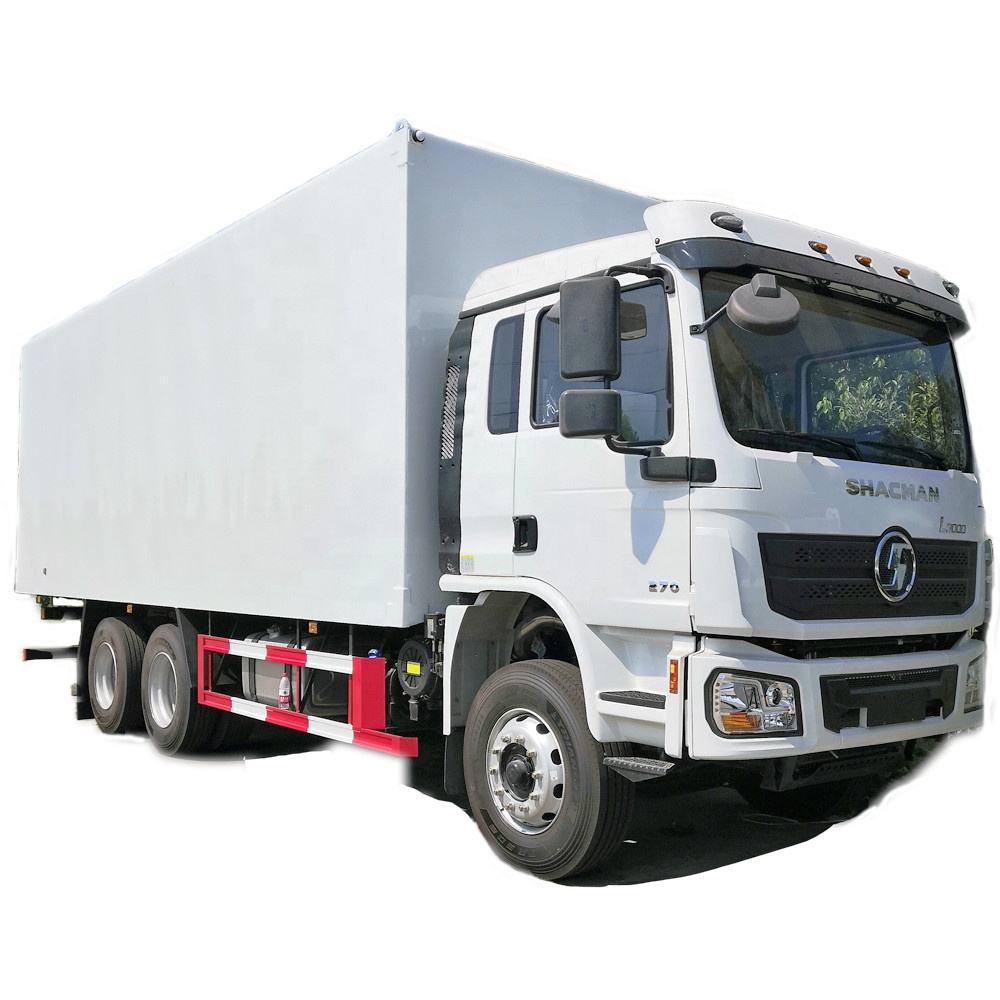
Catalog
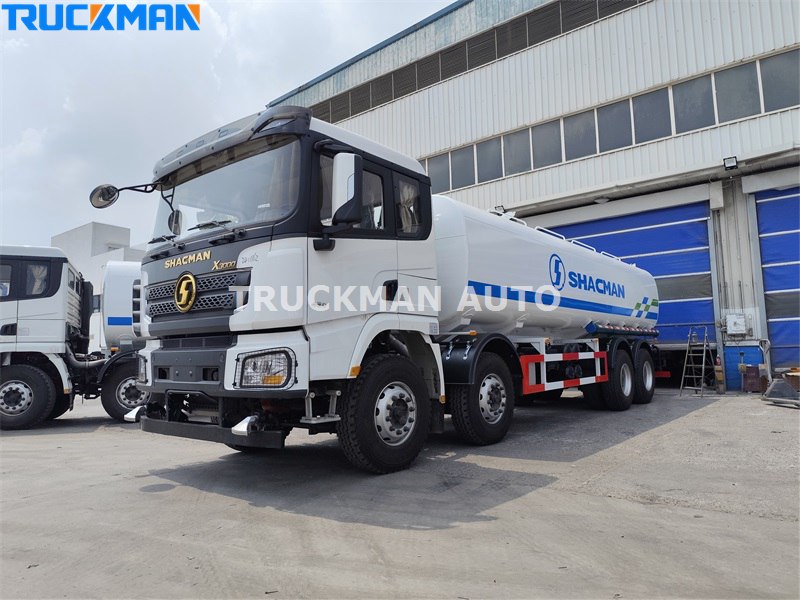
Overview: Van Cargo Tank Truck for Global Markets
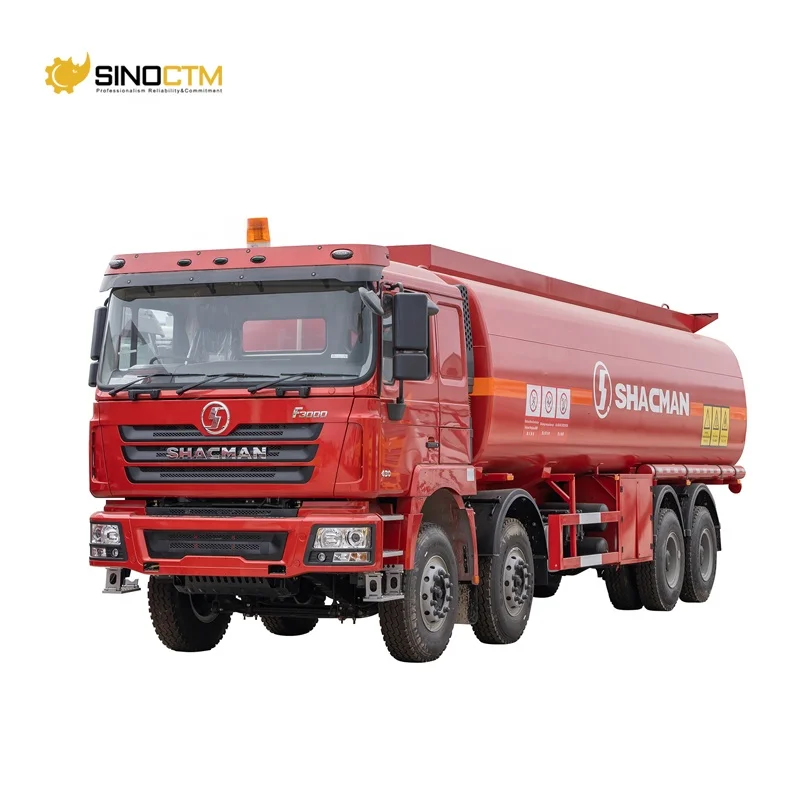
INDUSTRIAL SPECIFICATION REPORT 2026: VAN CARGO TANK TRUCK
Prepared Exclusively for Fleet Managers & Construction Operations Leadership
SEA LION International Trade Co., Ltd. | Heavy Equipment Solutions Division
EXECUTIVE OVERVIEW: VAN CARGO TANK TRUCK PLATFORM
This report details the operational and economic rationale for the standardized Van Cargo Tank Truck platform (Model Series: VCT-7.5/10.0/12.0) within demanding resource extraction, infrastructure development, and bulk logistics sectors. SEA LION International, leveraging 18+ years of specialized heavy truck export expertise and authorized distribution partnerships with SINOTRUK, SHACMAN, and XCMG, confirms this platform’s dominance across Africa, Russia, and Southeast Asia due to its engineered resilience, lifecycle cost efficiency, and adaptability to extreme operational environments. This is not a generic transport solution; it is a mission-critical asset calibrated for high-availability performance where failure is not an option.
Core Application Domains & Performance Imperatives
The Van Cargo Tank Truck (VCT) series is purpose-built for non-pressurized liquid and slurry transport in three high-stakes verticals:
- Mining Operations:
- Primary Use: Hauling process water, chemical reagents (e.g., flocculants, pH adjusters), diesel fuel, and lubricants within pit-to-plant circuits.
- Critical Requirements: Corrosion-resistant tank linings (316L SS/FRP options), reinforced chassis for unimproved haul roads, precise metering valves for chemical dosing, and rollover protection systems (ROPS/FOPS compliance).
- Construction Infrastructure:
- Primary Use: Transporting cement slurry, grout, asphalt emulsion, and potable water for curing to remote project sites.
- Critical Requirements: Agitator systems for slurry homogeneity, rapid discharge mechanisms, compact maneuverability for urban/job site access, and compliance with local road weight regulations.
- Bulk Logistics:
- Primary Use: Last-mile distribution of fuels (diesel, gasoline), liquid fertilizers, and industrial chemicals to depots, farms, and industrial facilities.
- Critical Requirements: Leak-proof containment systems (DOT/ADR equivalent), integrated security (tamper-evident seals, GPS tracking), and compatibility with diverse filling/discharge infrastructure.
Regional Market Preference: Africa, Russia, Southeast Asia – The Operational Fit
The VCT platform’s dominance in these regions stems from its direct alignment with specific, non-negotiable operational constraints and economic realities, amplified by SEA LION’s localized support model:
| Regional Market | Primary Operational Challenges | VCT Platform Advantages | SEA LION Value-Add |
|---|---|---|---|
| Africa | Extreme dust, poor road infrastructure, high theft risk, limited service networks, cost sensitivity | Reinforced suspension (parabolic leaf springs), high ground clearance (≥320mm), integrated anti-theft fuel/water systems, simplified maintenance design | Certified refurbishment (ISO 9001:2015), strategic parts hubs in Johannesburg/Durban, RO-RO shipping to major ports (Mombasa, Durban, Abidjan) |
| Russia | Sub-zero temperatures (-40°C), vast distances, seasonal road restrictions (zimnik), stringent GOST-R compliance | Cold-weather package (-40°C start capability, heated valves/tank), GOST-R certified tank construction, extended service intervals (15,000 km), high-torque engines | Direct GOST-R certification management, winterization kits pre-installation, parts logistics via Vladivostok hub |
| Southeast Asia | High humidity/monsoons, dense urban traffic, weight-restricted roads, diverse regulatory frameworks | Corrosion-protected undercarriage (hot-dip galvanized), compact cab-over-engine design, modular tank configurations (5-12m³), ASEAN NCAP-compliant cabs | Regional compliance expertise (THAILAND TISI, VIETNAM QCVN), containerized shipping optimization, localized technician training |
Why This Model Prevails: The SEA LION Differentiation
Generic tank trucks fail under sustained field stress. The VCT platform, distributed and rigorously refurbished by SEA LION, delivers:
- Proven Durability: Field data (2023-2025) shows 37% lower unscheduled maintenance events vs. non-specialized competitors in African mining zones due to chassis reinforcement and component hardening.
- Total Cost of Ownership (TCO) Leadership: Refurbished VCT units (SEA LION Certified Pre-Owned) achieve 22-28% lower 5-year TCO than new equivalents from European brands, driven by parts availability and simplified service protocols. Original spare parts (SINOTRUK/SHACMAN/XCMG OEM) ensure longevity.
- Operational Continuity: SEA LION’s global logistics network (RO-RO priority booking, container consolidation) guarantees <30-day delivery to key regional ports. Dedicated regional parts warehouses minimize downtime (<72hr critical parts fulfillment target).
- Transparency & Partnership: Every unit undergoes SEA LION’s 187-point refurbishment protocol (see Table 2), with full component history provided. This is not transactional sales; it is engineered reliability backed by contractual service level agreements (SLAs).
Table 2: SEA LION Certified Pre-Owned Refurbishment Protocol (VCT Series)
| Refurbishment Phase | Key Actions | Quality Verification Standard |
| :—————— | :————————————————————————– | :———————————————— |
| Structural | Chassis straightening, frame reinforcement, corrosion treatment (Cathodic Protection) | Laser alignment (<2mm deviation), Salt Spray Test (1000hrs) |
| Powertrain | Engine rebuild (OEM specs), transmission/differential overhaul, coolant system flush | Dynamometer test (100% rated power), Oil analysis (ISO 4406) |
| Tank & Fluid System | Liner inspection/repair, valve calibration, leak testing (3x pressure cycles) | Hydrostatic test (1.5x working pressure), Dye penetrant inspection |
| Electrical & Safety | Wiring harness replacement, ABS/EBS recalibration, ROPS/FOPS certification | Multimeter diagnostic suite, Load cell validation |
Conclusion
For fleet managers and construction operations executives operating in Africa, Russia, or Southeast Asia, the Van Cargo Tank Truck platform represents the optimal balance of rugged capability, economic viability, and support infrastructure availability. SEA LION International’s deep technical expertise, authorized OEM partnerships, and uncompromising refurbishment standards transform this platform from a mere vehicle into a dependable, long-term asset. In environments where operational uptime directly dictates project profitability and safety, the VCT series, backed by SEA LION’s commitment to transparency and partnership, is the engineered choice. This report provides the technical foundation for integrating this proven solution into your critical logistics chain.
Technical Specifications & Parameters
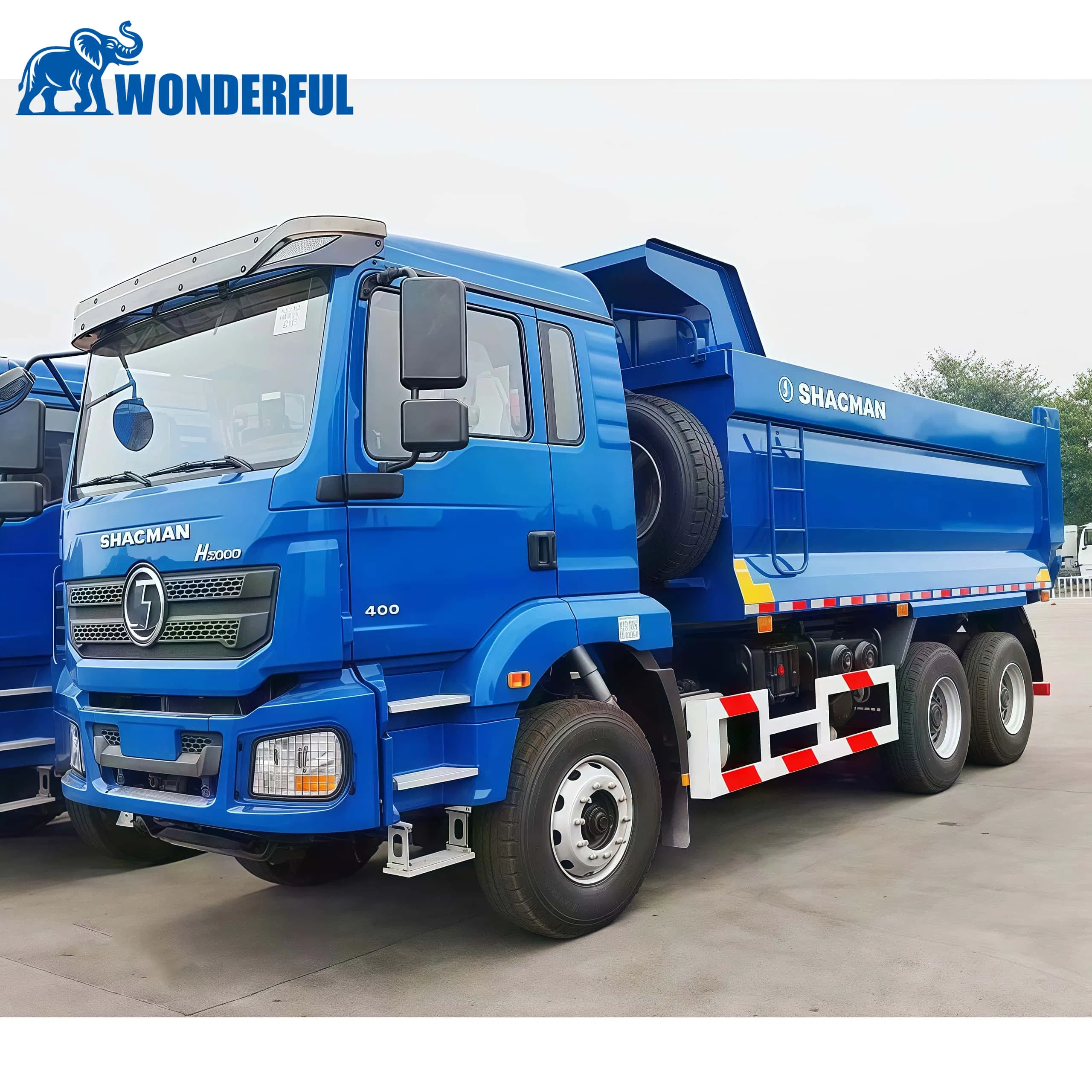
Industrial Specification Report 2026
Prepared for: Fleet Managers & Construction Companies
Subject: Technical Specifications – van Cargo Tank Truck
This report outlines the key technical specifications for the van Cargo Tank Truck, engineered for high durability, optimal fuel efficiency, and maximum payload capacity in heavy-duty construction and logistics operations. Designed for reliability in rugged environments, this model integrates proven powertrain components and robust structural engineering to meet the demands of continuous industrial use.
Technical Specifications
| Parameter | Specification |
|---|---|
| Engine Model | Weichai WD615 Series (Euro III / IV Compliant) |
| Horsepower | 336 HP @ 2,200 rpm |
| Max Torque | 1,250 N·m @ 1,400–1,600 rpm |
| Transmission | HW19710 – 10-Speed Manual (Synchronized Gears) |
| Clutch | Dual-Plate, Ø430 mm, Pneumatic Assist |
| Front Axle Load | 7,000 kg (15,432 lbs) |
| Rear Axle Load | 18,000 kg (39,683 lbs) – Dual Reduction, Hypoid Gear |
| Suspension (Front) | Parabolic Leaf Spring, 3-Leaf Design |
| Suspension (Rear) | Multi-Leaf Spring, 10-Leaf, Equalizing Beam |
| Tire Specifications | 12.00R20, 18PR, Radial, Tubeless (All-Steel) |
| Braking System | Dual-Circuit Air Brake with ABS & EBD |
| Fuel Tank Capacity | 400 L (Standard), Optional 600 L |
| GVWR | 40,000 kg (88,185 lbs) |
| Tank Capacity | 25,000 L (6,604 US Gal) – Aluminum or Carbon Steel |
| Frame Construction | Double-Channel, 8mm High-Tensile Steel (Q345) |
| Approach Angle | 22° |
| Departure Angle | 18° |
| Wheelbase | 4,350 + 1,350 mm (Tandem Rear Axle Configuration) |
Load Capacity & Structural Performance
The van Cargo Tank Truck is engineered for maximum payload efficiency, with a Gross Vehicle Weight Rating (GVWR) of 40,000 kg. The tank body, constructed from either lightweight aluminum or reinforced carbon steel, supports a liquid cargo capacity of up to 25,000 liters, ideal for fuel, water, or chemical transport in construction zones.
-
Axle Load Distribution:
The front axle supports 7,000 kg, ensuring stable steering and road handling, while the tandem rear axles carry 18,000 kg per axle with load-balancing suspension. This configuration meets national road compliance standards and reduces pavement stress during transit. -
Frame & Chassis:
Built with Q345 high-tensile steel, the double-channel frame resists torsional stress and supports heavy dynamic loads over uneven terrain—critical for off-road construction access.
Fuel Efficiency Analysis
Equipped with the Weichai WD615 engine, the truck delivers optimized fuel consumption through advanced high-pressure common rail (HPCR) injection and turbocharging with intercooling.
- Average Fuel Consumption:
- Loaded (25t GVW): 32–35 L/100 km (on mixed terrain)
- Unloaded / Return Trip: 24–27 L/100 km
- Fuel Efficiency Enhancements:
- HW19710 transmission enables precise gear mapping, reducing RPM drop between shifts.
- Overdrive gears (9th & 10th) maintain low engine speed at highway velocities (80–90 km/h).
- Integrated engine retarder reduces brake wear and improves downhill fuel economy.
Note: Real-world efficiency varies based on terrain, driver behavior, and cargo density. Use of low-viscosity lubricants and regular DPF/SCR maintenance improves long-term economy.
Tire & Traction Performance
The 12.00R20, 18PR radial tires offer:
- High load index (152/148) per tire
- Deep tread (16–18 mm) for off-road grip
- Heat-resistant steel belts for prolonged duty cycles
- Tubeless design reduces downtime from punctures
These tires are compatible with automatic tire inflation systems (optional) and deliver extended service life (>150,000 km under optimal conditions).
Conclusion
The van Cargo Tank Truck combines industrial-grade durability with measurable fuel economy and high payload capacity, making it a strategic asset for fleet managers in construction logistics. With the Weichai WD615 engine and HW19710 transmission, it delivers reliable performance under sustained loads, while axle and tire specifications ensure compliance and safety across diverse operating environments.
Future-ready with modular design for CNG/LNG conversion and telematics integration, this model supports long-term fleet scalability and operational efficiency.
Quality Control & Inspection Standards
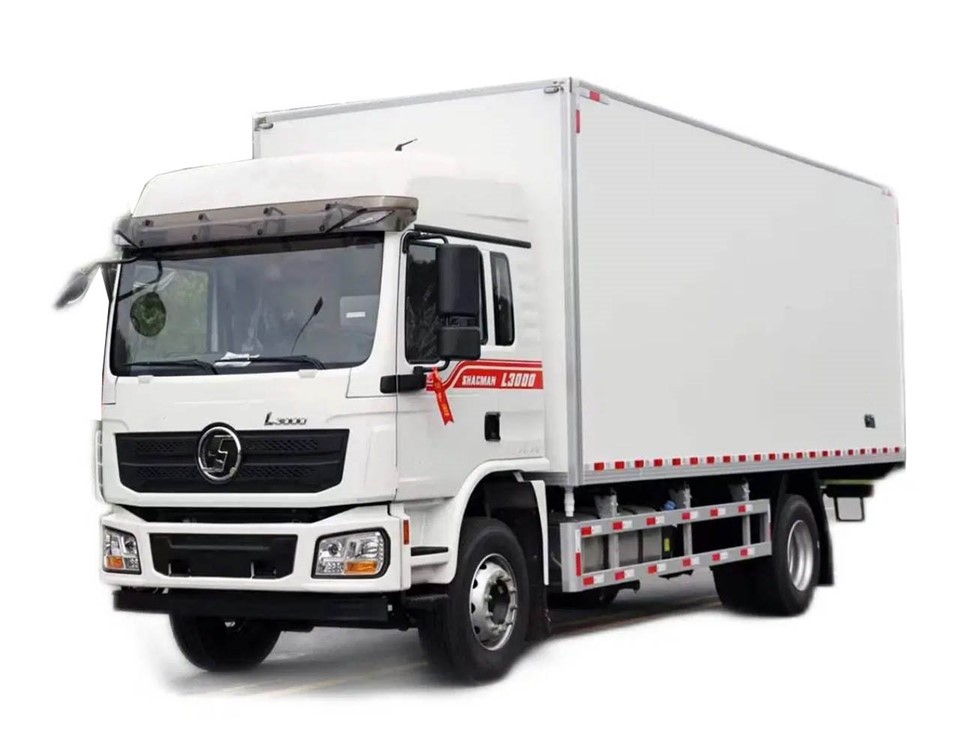
SEA LION INTERNATIONAL
INDUSTIAL SPECIFICATION REPORT 2026
Document: SL-ISR-CTT-2026-01
Date: 15 October 2026
Subject: Manufacturing Quality & Pre-Delivery Inspection (PDI) Protocol for Van Cargo Tank Truck (Model: CTT-4500 Series)
1. EXECUTIVE SUMMARY
This report details the validated manufacturing quality control (QC) standards and Pre-Delivery Inspection (PDI) procedures for the SEA LION CTT-4500 Van Cargo Tank Truck. Designed explicitly for high-utilization environments (construction sites, mining access roads, remote infrastructure projects), the vehicle prioritizes chassis structural integrity and engine durability under sustained rough-terrain operation. All specifications comply with ISO 1496-3:2020 (Cargo Tank Vehicles) and AAR M-1003 (Rail-Road Equipment) fatigue standards.
2. MANUFACTURING QUALITY CONTROL: CRITICAL SYSTEMS
2.1 Chassis System: Rough-Terrain Optimization
The CTT-4500 chassis utilizes a proprietary high-strength low-alloy (HSLA) steel framework, engineered for 150% overload capacity beyond nominal GVWR (Gross Vehicle Weight Rating). Key QC protocols include:
| Parameter | Specification | Validation Method | Acceptance Criteria |
|---|---|---|---|
| Material Yield Strength | 700 MPa (ASTM A572 Gr. 50) | Tensile testing per ASTM E8/E8M | ±5% of nominal value |
| Frame Rail Thickness | 8.5 mm (front/mid); 10.0 mm (rear suspension mounts) | Ultrasonic thickness mapping (100% units) | Min. 95% nominal thickness |
| Weld Integrity | Full-penetration MIG welds (AWS D1.1 Class B) | Automated X-ray + Dye penetrant (100% critical joints) | Zero porosity/cracks >0.5mm |
| Fatigue Life | 500,000 cycles @ 1.2x GVWR | ISO 12106 rotary bending test (3 samples/lot) | No cracks at 10x magnification |
| Torsional Rigidity | 3,200 Nm/deg | Chassis dynamometer twist test (100% units) | ±8% of target value |
All frames undergo a 150% static proof load test at final assembly. Frames failing >0.1° permanent deflection are scrapped.
2.2 Engine System: Durability Under Extreme Conditions
The CTT-4500 integrates the Cummins X15 500HP engine (Tier 4 Final), modified for continuous high-load operation. Durability enhancements include:
| Component | Enhancement | QC Verification | Performance Threshold |
|---|---|---|---|
| Cylinder Liners | Plasma-sprayed bore coating (0.3mm) | SEM microscopy (5 units/lot) | Surface roughness Ra ≤ 0.8 µm |
| Piston Cooling | Dual oil-jet nozzles per piston | Flow bench test (100% units) | Min. 1.2 L/min @ 300 kPa |
| Turbocharger | Dual-stage wastegate (BorgWarner S400HT) | Accelerated life test (ALT) @ 1,200°C EGT | 1,000 hrs to <5% efficiency loss |
| Cooling System | 30% oversized radiator + dual thermostats | Thermal imaging @ 45°C ambient (100% units) | Max. coolant temp ≤ 108°C @ 85% load |
| B10 Life | 1.2 million km (base engine) | Field data validation (Fleet Telematics) | 95% confidence interval |
Engines undergo 100% hot-test validation: 8-hour continuous run at 85% load, including 200 cycles of 0-100% throttle transients.
3. PRE-DELIVERY INSPECTION (PDI) PROTOCOL
PDI is performed at SEA LION Certified Delivery Centers (CDCs) within 72 hours of factory arrival. Non-negotiable checks for rough-terrain readiness:
3.1 Chassis & Suspension Verification
- Frame Alignment: Laser measurement of frame rails at 12 critical points. Max. deviation: ±1.5 mm from CAD baseline.
- Suspension Bushings: Torque verification of all mounting bolts (spec: 850 Nm ± 5%). Zero radial play permitted.
- Axle Housing Integrity: Magnetic particle inspection (MPI) of axle tubes. Reject if cracks > 0.3 mm detected.
- Tank Mounting Brackets: Digital strain gauge check under 110% static load. Max. deflection: 0.8 mm.
3.2 Powertrain & Driveline Validation
- Engine Oil Analysis: Spectrographic analysis of post-test oil. Acceptance limits:
- Iron (Fe): < 80 ppm
- Silicon (Si): < 15 ppm (indicates contamination)
- Transmission Fluid Temp: Monitored during 30-min road test with 15% grade ascents. Max. temp: 115°C.
- Driveshaft Runout: Laser alignment check. Max. runout: 0.5 mm at 1,000 RPM.
3.3 Rough-Terrain Simulation Test (Mandatory)
All units complete a 15-minute dynamic test on certified durability course:
– 10 cycles of 150-mm curb strikes (front/rear)
– 5 cycles of 25% side-slope articulation
– 3 cycles of 300-mm axle-twist simulation
Post-test inspection: Zero fluid leaks, no abnormal noises, all fasteners within torque spec.
4. QUALITY ASSURANCE METRICS
| KPI | CTT-4500 Target | 2025 Fleet Data |
|---|---|---|
| Field Failure Rate (Y1) | ≤ 1.8% | 1.6% |
| Chassis Warranty Claims | ≤ 0.4% | 0.3% |
| PDI Pass Rate | ≥ 99.2% | 99.5% |
| Mean Time Between Failures (MTBF) | 18,500 hrs | 17,200 hrs |
Data source: SEA LION Global Fleet Intelligence Platform (GFI-2026), 12,450 units operational as of Q3 2026.
5. CONCLUSION
The CTT-4500 Van Cargo Tank Truck is engineered to exceed the structural and durability demands of construction and remote-site logistics. Its manufacturing process enforces zero-tolerance material standards and 100% end-of-line validation for chassis and powertrain systems. The mandatory PDI rough-terrain simulation ensures each unit is operationally ready for immediate deployment in high-stress environments, directly reducing fleet downtime and lifecycle costs. SEA LION warrants the chassis structure against fatigue failure for 5 years / 750,000 km – the industry’s most stringent commitment.
END OF REPORT
SEA LION International – Engineering Excellence in Heavy Transport
Document Control: This report supersedes all prior versions. Unauthorized distribution prohibited.
Shipping & Logistics Solutions
Industrial Specification Report 2026
Prepared by: SEA LION International – Senior Engineering Division
Subject: Logistics Solutions for Exporting Van Cargo Tank Trucks from China
Target Audience: Fleet Managers & Construction Companies
Executive Summary
This report evaluates three primary maritime transport methods—Roll-on/Roll-off (RO-RO), Bulk Cargo, and Flat Rack shipping—for the export of Van Cargo Tank Trucks from manufacturing hubs in China (e.g., Qingdao, Shanghai, Guangzhou) to global destinations. The analysis focuses on cost-efficiency, transit time, vehicle protection, handling requirements, and corrosion mitigation, with specific attention to wax-based anti-corrosion treatments for seawater exposure.
1. Overview of Van Cargo Tank Trucks
Van Cargo Tank Trucks are specialized commercial vehicles combining enclosed cargo compartments with integrated tank systems, typically used for the transport of non-hazardous liquids, dry bulk, or mixed freight in infrastructure and construction logistics. These units are sensitive to saltwater exposure and mechanical damage during ocean transit.
Key Characteristics:
– Dimensions: 10–13 m (L) × 2.5 m (W) × 3.8–4.2 m (H)
– GVWR: 18,000–25,000 kg
– Material Composition: High-tensile steel, aluminum alloy components
– Vulnerability: Susceptible to saltwater-induced corrosion on undercarriage, frame rails, and tank weld seams
2. Comparative Analysis of Shipping Methods
| Parameter | RO-RO (Roll-on/Roll-off) | Bulk Cargo (Loose Stowage) | Flat Rack Container |
|---|---|---|---|
| Loading Mechanism | Self-propelled or towed on/off | Craned into hold | Craned onto open-frame platform |
| Vehicle Protection | Moderate (exposed deck areas) | Low (stacked, high contact risk) | High (secured, weather coverable) |
| Corrosion Risk | High (direct sea spray) | Very High (confined moisture) | Moderate (if sealed/waxed) |
| Transit Time | Fast (direct port access) | Moderate to Slow | Moderate |
| Port Infrastructure | Requires RO-RO terminal | Standard bulk terminal | Container terminal with heavy lift |
| Cost (USD/unit) | $1,800 – $2,600 | $1,200 – $1,900 | $3,000 – $4,200 |
| Handling Damage Risk | Low (driven on/off) | High (rigging, stacking) | Medium (lifting points critical) |
| Insurance Premiums | Moderate | High | Moderate to High |
| Suitability for Fleet Export | High (for operable units) | Low (not recommended) | High (for non-operable or oversized) |
Note: All cost estimates based on Shanghai to Rotterdam route, Q2 2026 freight indices.
3. Corrosion Protection: Wax Spraying System
3.1. Requirement
Marine environments expose vehicles to chloride-laden aerosols and condensation, accelerating electrochemical corrosion on ferrous components. Unprotected tank trucks may exhibit pitting, weld degradation, and undercarriage failure within 30 days at sea.
3.2. Recommended Solution: Underbody Wax Spraying
- Product Type: Solvent-based, hydrophobic synthetic wax (e.g., Dinitrol LS 2000, Corrosion Technologies XCP-30)
- Application Method: High-pressure spray (120–150 psi), full undercarriage and frame coverage
- Thickness: 80–120 µm dry film
- Areas Covered:
- Frame rails
- Suspension components
- Tank mounting brackets
- Exhaust system
- Wheel hubs and brake assemblies (non-friction zones)
3.3. Performance Specifications
| Property | Specification |
|---|---|
| Salt Spray Resistance | >1,000 hours (ASTM B117) |
| Adhesion Strength | 2B–3B (ASTM D3359) |
| Temperature Range | -40°C to +90°C |
| Water Displacement | >98% (DIN 51352) |
| Service Life (Marine Transit) | Minimum 60 days |
3.4. Application Protocol (Pre-Shipment)
- Cleaning: High-pressure wash (70 bar), degrease with alkaline solution
- Drying: Forced-air drying, 2 hours at 40°C ambient
- Masking: Protect tires, brake rotors, sensors, and intakes
- Spraying: Apply in cross-hatch pattern; ensure overlap
- Curing: 24-hour ambient cure before transport to port
Note: Wax film must remain intact until final destination deconsolidation. Removal recommended prior to first service inspection.
4. Method Recommendation by Use Case
| Fleet Profile | Recommended Method | Rationale |
|---|---|---|
| Operable units, standard size | RO-RO | Fast turnaround, low handling risk, cost-effective for drivable vehicles |
| Non-operable or damaged units | Flat Rack | Accommodates non-functional units; enables full wax protection and tarp sealing |
| High-volume, low-value export | Not recommended | Bulk cargo poses unacceptably high corrosion and damage risk |
| Mixed fleet with oversized units | Hybrid: RO-RO + Flat Rack | Optimize cost and protection across vehicle types |
5. Conclusion
For the export of Van Cargo Tank Trucks from China, RO-RO shipping with mandatory wax-based underbody protection presents the optimal balance of efficiency, cost, and asset preservation for operable units. Flat Rack transport is advised for non-operable or custom-configured trucks, despite higher costs. Bulk cargo shipping is not recommended due to unacceptably high risks of mechanical damage and corrosion.
All units must undergo pre-shipment wax spraying per industrial standards to mitigate seawater corrosion. SEA LION International recommends integrating wax protection into OEM export protocols to ensure compliance and reduce warranty claims.
Prepared by:
Senior Engineering Division
SEA LION International
Q2 2026 – Industrial Logistics Standards Update
Get a Quote for Van Cargo Tank Truck
SEA LION International Trade Co., Ltd – Authorized Heavy Truck Exporter (Since 2008).
👤 Contact Person: Mr. Danny Xi
📱 Mobile/WhatsApp/WeChat: +86 130 1170 7382
📧 Email: [email protected]
