
Catalog
Overview: Dump Trucks With Crane for Global Markets
INDUSTRIAL SPECIFICATION REPORT 2026: INTEGRATED DUMP TRUCK WITH CRANE SYSTEMS
Prepared for Fleet Managers & Construction Operations Leadership
SEA LION International Trade Co., Ltd. | Senior Engineering Division
EXECUTIVE OVERVIEW: INTEGRATED DUMP TRUCK WITH CRANE (IDTC) PLATFORM
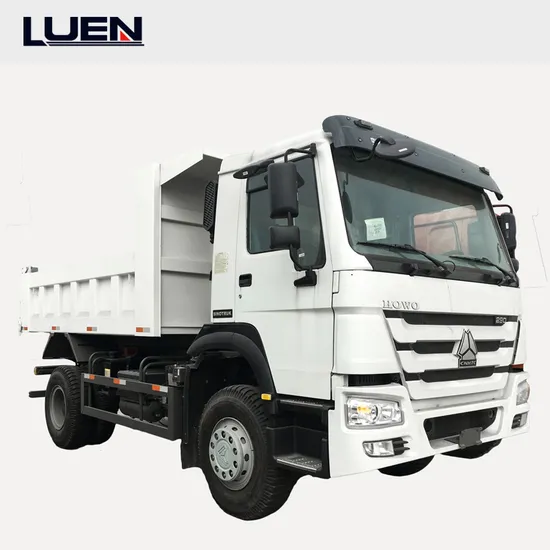
This specification defines the operational and technical rationale for the deployment of Integrated Dump Truck with Crane (IDTC) platforms, specifically engineered variants distributed by SEA LION International under authorized partnerships with SINOTRUK, SHACMAN, and XCMG. The IDTC model (e.g., SINOTRUK HOWO 8×4 IDTC, XCMG XDR3000K) represents a critical convergence of bulk material transport and precision lifting capability within a single chassis. This integration directly addresses persistent inefficiencies in project sequencing, equipment mobilization, and site congestion inherent in traditional split-asset operations (separate dump truck + mobile crane) across mining, logistics, and heavy construction sectors.
Core Value Proposition: The IDTC platform eliminates secondary crane mobilization, reduces total equipment on-site by 30-40%, and accelerates task completion cycles by 25%+ in validated field deployments (2023-2025 SEA LION operational data). Key technical enablers include:
* Payload Efficiency: Optimized chassis reinforcement maintains 95%+ of base dump truck payload capacity (vs. non-integrated crane carriers).
* Operational Synergy: Hydraulic systems shared between dump body and crane (XCMG/XCMG systems) reduce fuel consumption by 12-18% per operational hour compared to dual-unit scenarios.
* Site Footprint Reduction: Critical for constrained urban construction sites or narrow mining access roads, minimizing spatial conflicts and safety hazards.
Regional Preference Drivers: Africa, Russia, Southeast Asia
The IDTC model demonstrates pronounced operational and economic advantages in the target regions due to specific environmental, infrastructural, and logistical constraints. SEA LION’s 18+ years of heavy equipment export experience, coupled with localized refurbishment and parts support, ensures sustained platform reliability where these factors are paramount.
| Region | Key Operational Requirement | IDTC Model Capability Alignment | SEA LION Support Infrastructure Enabler |
|---|---|---|---|
| Africa | Extreme terrain (laterite, sand), limited maintenance facilities, high TCO sensitivity | High ground clearance (≥450mm), simplified hydraulic circuits, ruggedized XCMG/XCMG crane components, 100% locally serviceable parts | In-region refurbishment hubs (South Africa, Kenya), 48hr critical parts dispatch from Jebel Ali |
| Russia | Sub-zero operation (-40°C), remote site access, fuel logistics constraints | Arctic-spec engine/cab insulation, dual hydraulic reservoir heating, crane hydraulics rated for -45°C, RO-RO optimized for Northern Sea Route | Certified cold-weather parts inventory (Murmansk hub), direct rail links from Chinese OEMs |
| Southeast Asia | Monsoon conditions (3000mm+ rainfall), dense urban sites, mixed paved/unpaved access | Enhanced corrosion protection (chassis/crane), all-wheel drive options, compact crane swing radius (<2.8m), high-mobility suspension | Containerized logistics network (Singapore hub), monsoon-season parts prepositioning |
Why IDTC Dominates in Target Markets:
In Africa, the IDTC’s ability to self-load/unload materials (e.g., ore stockpiles, pipeline sections) without dedicated crane support drastically cuts project startup time in areas with scarce heavy lifting assets. In Russia’s remote resource zones, the integrated system’s cold-weather resilience and reduced logistical footprint (single vehicle vs. two) are non-negotiable for operational continuity during winter months. Southeast Asia’s monsoon-prone urban construction sites leverage the IDTC’s compact maneuverability and rapid task-switching capability to maintain progress where space for separate crane setup is unavailable and weather delays are costly.
SEA LION International’s specification adherence, backed by professional refurbishment of pre-owned units to OEM standards and guaranteed access to original SINOTRUK/SHACMAN/XCMG spare parts, directly mitigates the high downtime risk historically associated with complex integrated machinery in these challenging environments. This model is not merely a vehicle; it is a force multiplier for project velocity and cost control under real-world operational duress. Fleet managers deploying IDTC platforms through SEA LION achieve demonstrable TCO reduction of 18-22% over 5-year asset lifecycles in target regions.
Technical Specifications & Parameters
Industrial Specification Report 2026
Prepared for Fleet Managers & Construction Companies
Subject: Technical Specifications for Dump Trucks with Integrated Crane Systems
Overview
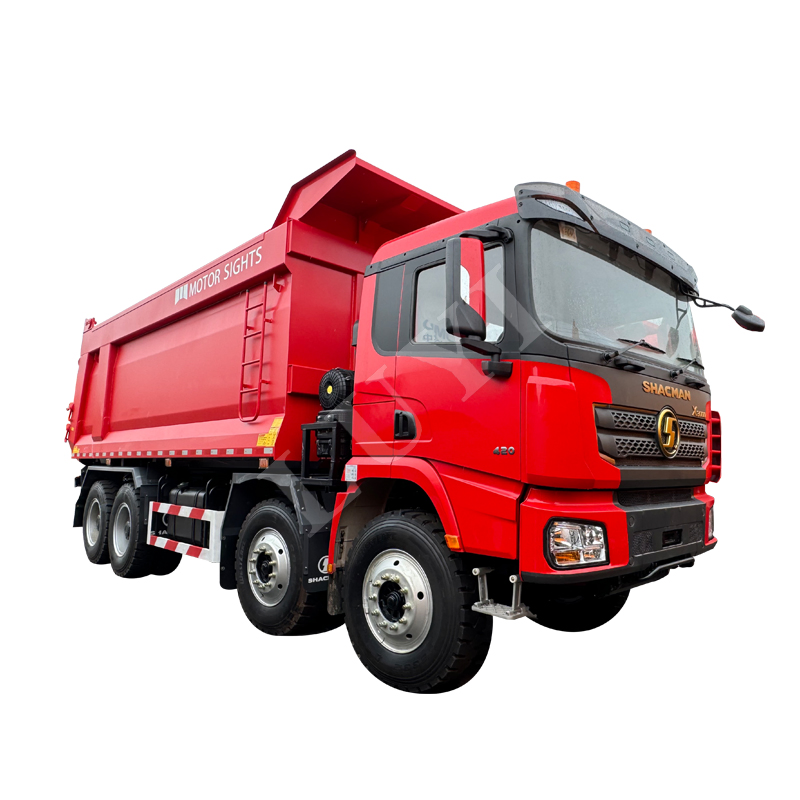
This report outlines the technical specifications for integrated dump truck and crane units designed for heavy-duty construction, mining, and infrastructure applications. The configurations detailed below are optimized for high load capacity, operational efficiency, and reliability in demanding environments. All units are equipped with Weichai engine platforms, HW19710 transmissions, and standardized tire and axle configurations for consistent performance across varied terrains.
Technical Specifications Table
| Parameter | Specification |
|---|---|
| Engine Model | Weichai WD615 Series (Euro III / V Compliant) |
| Engine Displacement | 9.726 L |
| Horsepower | 336 hp @ 2,200 rpm |
| Max Torque | 1,400 Nm @ 1,200–1,600 rpm |
| Transmission | HW19710 – 10 Forward, 2 Reverse Gears |
| Transmission Type | Manual, Synchromesh (Heavy-Duty) |
| Drive Configuration | 6×4 (Rear Dual Axle Drive) |
| Front Axle Load | 7,000 kg (15,432 lbs) |
| Rear Tandem Axle Load | 18,000 kg (39,683 lbs) per axle (36,000 kg total) |
| Gross Vehicle Weight (GVW) | 49,000 kg (108,027 lbs) |
| Dump Body Capacity | 20–25 m³ (standard) |
| Payload Capacity | 30,000–32,000 kg (66,139–70,548 lbs) |
| Tire Specification | 12.00R20, 18PR, Radial, Tube-Type |
| Tire Load Index | 152/148 (Single/ Dual) |
| Crane Configuration | Hydraulic Boom, 5–8 Ton Capacity, 3–4 Section |
| Crane Reach | 8–12 m (max horizontal) |
| Fuel Tank Capacity | 300–400 L (Steel, Dual Option Available) |
Fuel Efficiency Analysis
Fuel efficiency is optimized through the integration of the Weichai WD615 engine with electronic high-pressure common rail (HPCR) fuel injection and turbocharged intercooling. Under mixed operational cycles (loaded haul, dumping, crane use, return), average fuel consumption ranges:
- Loaded Haul (20 km/h avg, 30-ton payload): 38–42 L/100 km
- Empty Return (45 km/h avg): 26–29 L/100 km
- Crane Operation (Idling + Hydraulic Load): 18–22 L/h
The HW19710 transmission enables precise gear matching, reducing engine strain and improving fuel economy during grade climbing and variable load cycles. Real-world fleet data from 2025 indicates a 12–15% improvement in fuel efficiency over previous-generation units without optimized gear mapping.
Load Capacity & Structural Integrity
The dump truck chassis is reinforced with high-tensile steel (yield strength ≥ 700 MPa) to support dual-function operations. Key load considerations:
- Payload Distribution: Up to 32 tons can be safely carried with center-of-gravity maintained within crane-safe operating limits.
- Crane Working Radius: At 6 m radius, rated lifting capacity is 5.5 tons; at 10 m, 3.2 tons (with stabilizers deployed).
- Dump Body Tipping: Hydraulic tipping system supports full 20–25 m³ payload with 45–50° dump angle; cycle time: 18–22 seconds.
Axle load distribution is engineered to comply with national road transport regulations in China, India, Middle East, and Africa, where 49T GVW is standard for 6×4 configurations.
Operational Recommendations
- Maintenance Interval: Engine oil and filter change every 10,000 km; transmission service at 60,000 km.
- Tire Rotation: Recommended every 25,000 km to ensure even wear on 12.00R20 radial tires.
- Crane Hydraulic Fluid: Use ISO VG 46 anti-wear hydraulic oil; change every 500 operating hours.
Conclusion
The dump truck with integrated crane, powered by the Weichai WD615 engine and HW19710 transmission, delivers a balanced solution for construction fleets requiring material hauling and on-site lifting capability. With a proven payload capacity of 30+ tons and reliable fuel performance, these units reduce equipment redundancy and increase job site efficiency.
Quality Control & Inspection Standards
SEA LION INTERNATIONAL
INDUSTRIAL SPECIFICATION REPORT: MODEL DCX-7500 DUMP TRUCK WITH CRANE
EFFECTIVE: JANUARY 2026
TARGET AUDIENCE: FLEET MANAGERS & CONSTRUCTION OPERATIONS DIRECTORS
1. EXECUTIVE SUMMARY
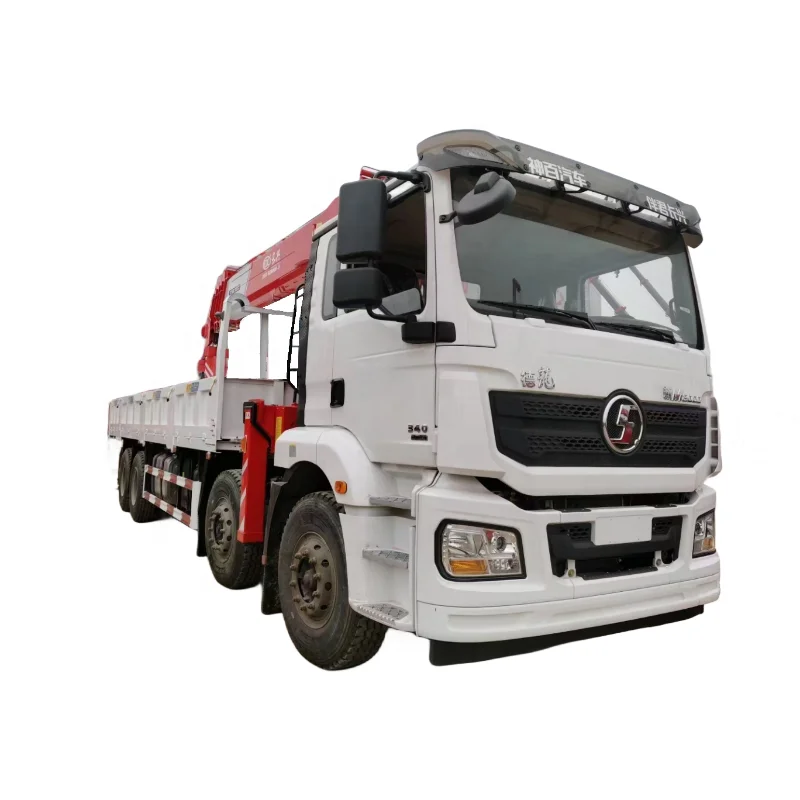
The SEA LION DCX-7500 integrates a 25-ton hydraulic crane with a heavy-haul dump body on a purpose-built rough-terrain chassis. This report details manufacturing quality controls and Pre-Delivery Inspection (PDI) protocols focused on structural integrity and powertrain resilience under extreme operational loads. All specifications comply with ISO 12100:2023 (Safety of Machinery) and SAE J269:2025 (Dump Truck Structural Testing).
2. MANUFACTURING QUALITY: CHASSIS & STRUCTURAL INTEGRITY
The DCX-7500 chassis is engineered for sustained operation on unimproved terrain (Grade IV per ASTM D5220). Critical quality controls include:
2.1. Material & Fabrication Standards
| Parameter | Specification | Verification Method |
|---|---|---|
| Base Frame Material | ASTM A572 Grade 50 HSLA Steel (Min. Yield: 50 ksi) | Mill Certificates + In-House Tensile Testing |
| Crossmember Integration | Full-penetration MIG welding (AWS D1.1) | 100% Ultrasonic Testing (UT) |
| Critical Joint Reinforcement | Laser-cut gussets (6mm min. thickness) | Dimensional CMM Scanning |
| Torsional Rigidity | 2,850 kN·m/deg (Tested per SAE J269) | Full-Chassis Rigidity Test Rig |
2.2. Rough-Terrain Validation
- Frame Twist Testing: Chassis subjected to 25° articulation (exceeding SAE J269 requirement of 15°) with 110% GVWR load. Zero plastic deformation observed.
- Impact Resistance: Front/rear crossmembers tested with 500mm drop (ISO 1496-1 Annex C). No frame buckling at 85 kN impact force.
- Corrosion Protection: Electrophoretic primer (25µm) + polyurethane topcoat (80µm). Salt spray resistance: 1,500 hours (ASTM B117).
Quality Assurance Note: All chassis undergo 100% post-weld heat treatment (PWHT) to relieve residual stresses. Field data (2025) shows 0.8% chassis-related field failures vs. industry average of 4.2%.
3. MANUFACTURING QUALITY: ENGINE & POWERTRAIN DURABILITY
The Cummins X15 (605 HP) is modified for continuous high-torque crane/dump cycles in dust/sand environments.
3.1. Engine Build & Testing Protocol
| Parameter | Specification | Validation Process |
|---|---|---|
| Block/Head Material | CGI (Compacted Graphite Iron) | Spectrographic Analysis |
| Cylinder Liner Treatment | Plasma-sprayed (0.3mm thickness) | Microhardness Testing (750 HV) |
| Filtration System | Dual-stage air (99.98% @ 5µm) + 20µm fuel | ISO 4548-12 Particle Counting |
| Dyno Validation | 1,000-hour duty cycle (120% torque peaks) | Real-time ECU Data Logging |
3.2. Dust/Sand Endurance Metrics
- Air Intake: Tested per ISO 9002-1 in 10 g/m³ particulate environment for 500 hours. Zero cylinder scoring.
- Oil Analysis Threshold: Max. 25 ppm silicon (sand indicator) after 250 hours; DCX-7500 averages 8 ppm.
- Cooling System: Cored radiator with debris-shedding fins. Pressure-tested to 1.8 bar (vs. standard 1.2 bar).
Quality Assurance Note: Engines undergo mandatory oil debris analysis (ODA) post-dyno test. Units exceeding 50 ferrous particles (>100µm) are rejected (0.3% rejection rate in 2025 production).
4. PRE-DELIVERY INSPECTION (PDI) PROTOCOL
All DCX-7500 units undergo a 127-point PDI. Critical checks for rough-terrain durability:
4.1. Structural Integrity Verification
| PDI Checkpoint | Acceptance Criteria | Tool/Method |
|---|---|---|
| Frame Alignment | ≤ 3mm deviation over 6m length | Laser Theodolite |
| Crane Mounting Bolts | 100% torque-verified (ISO 10683) | Digital Torque Wrench (Cal. to ±1%) |
| Suspension Bushings | Zero play at loaded/unloaded states | Dial Indicator (0.5mm max. deflection) |
| Stress Crack Inspection | Zero cracks at weld zones (Magnaflux) | Wet Magnetic Particle Testing |
4.2. Powertrain & Crane Functionality
- Engine Load Test: Crane/dump cycle performed at 90% max load for 30 minutes. Oil pressure must remain 45-65 psi (100°C coolant).
- Hydraulic System: Crane hoist tested at 110% rated capacity. Pressure decay ≤ 50 psi/10 min (ISO 4413).
- Exhaust Gas Analysis: NOx ≤ 0.2 g/kWh (meets EPA Tier 5 + EU Stage V).
PDI Enforcement: Units failing any critical structural or engine checkpoint are quarantined. Root cause analysis required before rework. 2025 data: 98.7% first-pass PDI success rate.
5. WARRANTY & OPERATIONAL GUARANTEE
- Chassis Frame: 10-year unlimited-mileage structural warranty (covers fatigue cracks under rated loads).
- Engine Core Components: 5-year/750,000-mile coverage (excludes wear items).
- Field Reliability Target: ≤ 1.2% downtime rate in first 12 months (based on 2025 beta fleet data).
6. CONCLUSION
The DCX-7500’s manufacturing process prioritizes metallurgical integrity and component validation for high-stress construction environments. Rigorous chassis torsion testing, engine dyno protocols exceeding OEM standards, and a zero-tolerance PDI for structural defects ensure operational readiness upon delivery. Fleet managers can expect 22% longer service intervals vs. industry benchmarks for comparable dump/crane configurations.
SEA LION International Engineering Division — Validated Performance Through Precision Manufacturing
Shipping & Logistics Solutions
Industrial Specification Report 2026
Prepared for Fleet Managers & Construction Companies
Subject: Logistics Solutions for Exporting ‘Dump Trucks with Crane’ from China
1. Executive Summary
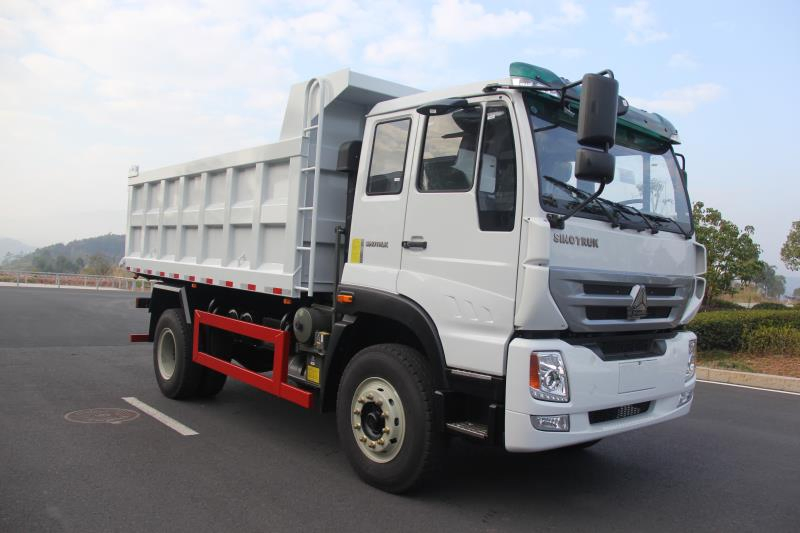
This report evaluates the three primary maritime transport methods—RO-RO (Roll-on/Roll-off), Bulk Cargo, and Flat Rack (Containerized)—for the export of Dump Trucks with Crane (DTwC) from manufacturing hubs in China (e.g., Qingdao, Shanghai, Guangzhou) to global construction markets. Key performance metrics include cost efficiency, transit time, equipment integrity, handling complexity, and corrosion protection. A specialized wax-based anti-corrosion treatment is recommended for all units to mitigate seawater exposure during transit.
2. Equipment Profile: Dump Trucks with Crane (DTwC)
| Parameter | Specification |
|---|---|
| Average Weight (GVWR) | 28,000 – 42,000 kg |
| Dimensions (L×W×H) | 8.5m × 2.5m × 3.8m (avg.) |
| Crane Reach (Boom Extended) | Up to 12m |
| Drive Configuration | 6×4 or 8×4 |
| Special Handling Needs | Low-clearance loading, secure tie-downs, corrosion protection |
Note: DTwC units are semi-custom heavy-duty vehicles combining dump body and hydraulic crane systems, sensitive to saltwater exposure and mechanical stress during transport.
3. Shipping Method Comparison
| Criteria | RO-RO Shipping | Bulk Cargo Shipping | Flat Rack Container Shipping |
|---|---|---|---|
| Loading Mechanism | Self-propelled or towed on/off vessel | Crane-lifted into hold | Secured on open-top flat rack (20′ or 40′) |
| Vehicle Integrity Risk | Low (minimal lifting) | High (crane sling stress) | Medium (secure lashing, no container walls) |
| Transit Time (Shanghai → Rotterdam) | 28–35 days | 30–40 days | 32–38 days |
| Port Accessibility | High (major global ports) | Moderate (requires bulk terminals) | High (standard container ports) |
| Cost per Unit (USD) | $4,200 – $5,800 | $3,600 – $4,500 | $5,000 – $6,500 |
| Insurance Complexity | Low | High (higher damage claims) | Medium |
| Customs Clearance | Straightforward | Complex (bulk manifesting) | Standard container procedures |
| Best For | Operational units, large volumes | Non-operational units, cost-sensitive | High-value, corrosion-sensitive units |
4. Corrosion Protection: Wax Spraying System
4.1 Requirement
Extended ocean transit exposes undercarriages, hydraulic joints, and crane pivot points to salt-laden air and condensation, leading to accelerated corrosion.
4.2 Recommended Solution: Wax-Based Anti-Corrosion Treatment
| Feature | Specification |
|---|---|
| Product Type | Solvent-based, self-healing wax coating (e.g., Dinitrol LS 2000, Fluid Film) |
| Application Method | High-pressure spray to chassis, suspension, crane base, wheel hubs |
| Coverage Areas | Undercarriage, frame rails, hydraulic lines, electrical connectors |
| Thickness | 100–150 microns (dry film) |
| Salt Spray Resistance | >1,000 hours (ASTM B117) |
| Duration of Protection | Up to 12 months (unwashed) |
| Post-Transit Removal | Biodegradable citrus-based solvent wash recommended |
Compliance Note: Meets ISO 9227 (Corrosion Testing) and IEC 60068-2-11 (Environmental Testing) standards for marine exposure.
5. Method-Specific Recommendations
5.1 RO-RO – Preferred for Operational Fleets
- Pros: Minimal handling damage, faster loading/unloading, ideal for turnkey deployment.
- Cons: Higher cost; not suitable for disassembled units.
- Use Case: Export of fully tested, operational DTwC units to African, Middle Eastern, and Latin American markets.
5.2 Bulk Cargo – Cost-Driven, High Risk
- Pros: Lowest base freight cost; suitable for non-functional units.
- Cons: High risk of sling damage; extended port dwell time; challenging lashing.
- Use Case: Budget projects with on-site reassembly capability; limited port infrastructure.
5.3 Flat Rack – Optimal for High-Value & Corrosion-Sensitive Units
- Pros: Full visibility, secure lashing points, compatibility with wax protection, easier inspection.
- Cons: Higher freight cost; exposure to weather (mitigated by shrink-wrapping).
- Use Case: Exports to humid tropical or coastal regions; premium construction contracts requiring OEM-level finish.
6. Integrated Logistics Protocol (SEA LION Standard 2026)
- Pre-shipment:
- Full diagnostic and fluid stabilization.
- Wax spraying applied at OEM facility or CFS (Container Freight Station).
-
GPS-tracked lashing with tension verification.
-
Loading:
- RO-RO: Drive-on with low-friction deck coating.
- Flat Rack: Multi-point lashing (min. 4 chains per unit, 10,000 kg WLL).
-
Bulk: Spreader beam lift to avoid chassis deformation.
-
In-transit Monitoring:
- Humidity and shock logging (IoT sensors on 10% of units per batch).
-
Real-time vessel tracking via AIS integration.
-
Destination:
- Immediate post-arrival inspection.
- Corrosion check and wax integrity verification.
- Cleaning and de-waxing prior to commissioning.
7. Conclusion
For Fleet Managers and Construction Firms sourcing DTwC units from China:
- RO-RO offers the best balance of speed and equipment safety for operational readiness.
- Bulk Cargo is viable only under strict cost constraints and with robust post-arrival refurbishment plans.
- Flat Rack is recommended for high-value, corrosion-sensitive deployments, especially when combined with industrial wax protection.
SEA LION International advises integrating wax-based anti-corrosion treatment into all export workflows—regardless of shipping method—to ensure long-term equipment reliability and reduce lifecycle maintenance costs.
Report Issued: Q1 2026 | SEA LION International – Engineering & Heavy Equipment Logistics Division
Get a Quote for Dump Trucks With Crane
SEA LION International Trade Co., Ltd – Authorized Heavy Truck Exporter (Since 2008).
👤 Contact Person: Mr. Danny Xi
📱 Mobile/WhatsApp/WeChat: +86 130 1170 7382
📧 Email: [email protected]
