

Catalog
Overview: Used Trucks Under $5000 for Global Markets
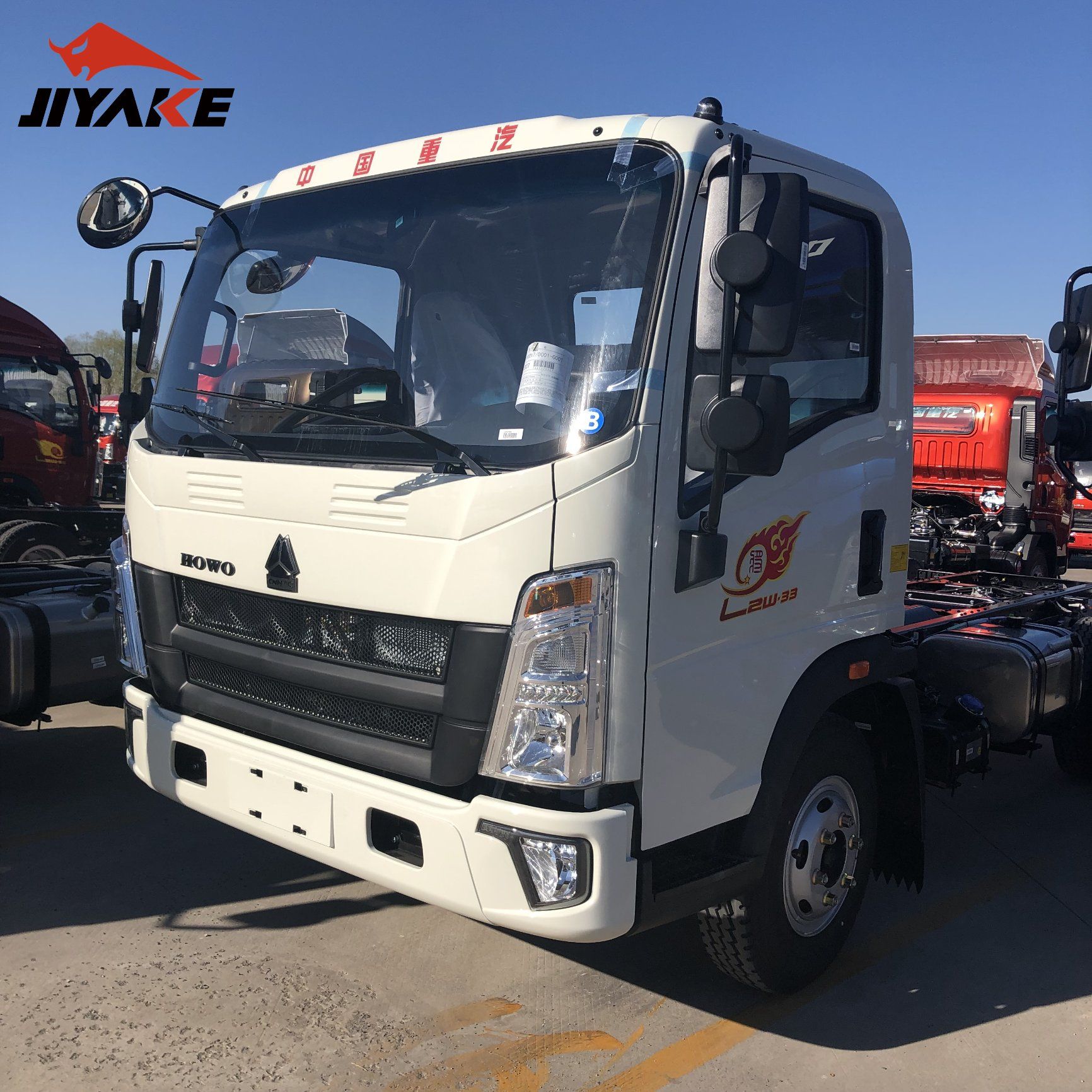
INDUSTRIAL SPECIFICATION REPORT 2026: ECONOMY FLEET SOLUTIONS
SEA LION INTERNATIONAL TRADE CO., LTD.
Executive Overview: Certified Used Trucks Under $5,000 USD (FOB)
1. Purpose & Target Application
This report details SEA LION International’s certified pre-owned heavy truck portfolio priced below $5,000 USD (FOB), engineered for cost-critical operations in mining haulage, bulk logistics, and infrastructure construction. Targeted at fleet managers and construction firms operating in capital-constrained environments, these units deliver operational continuity where new-truck acquisition is economically unviable. Core applications include:
– Mining: Short-haul overburden/ore transport in small-scale/open-pit mines.
– Logistics: Regional material distribution (aggregates, timber, agricultural bulk).
– Construction: On-site equipment/material movement for road/building projects.
2. Market-Specific Value Proposition
The sub-$5,000 segment is strategically prioritized in Africa, Russia, and Southeast Asia due to confluence of operational demands and economic realities. SEA LION’s 18+ years of export expertise ensures these units meet regional exigencies through rigorous refurbishment and parts integrity.
| Regional Market | Primary Operational Demand | SEA LION Solution Advantage | Why Sub-$5k Preferred |
|---|---|---|---|
| Africa | Extreme dust, poor road infrastructure, limited workshop access | Dust-sealed cabs, reinforced suspensions, simplified drivetrains | Capital scarcity: Enables fleet expansion where $5k = 3-6 months’ revenue for SME miners; parts commonality ensures field repairs. |
| Russia | Sub-zero temperatures (-40°C), remote sites, fuel volatility | Cold-start systems (-35°C spec), arctic-grade lubricants, robust electricals | Cost resilience: Critical for seasonal contractors; avoids import taxes on new units; proven SHACMAN/XCMG cold-weather durability. |
| SE Asia | High humidity, monsoon conditions, mixed paved/unpaved routes | Corrosion-treated chassis, enhanced cooling, water-wading kits | Rapid ROI: Matches project-cycle financing; refurbished SINOTRUK HOWO models dominate local parts ecosystems, minimizing downtime. |
3. Technical Assurance Framework
SEA LION’s competitive edge lies in transforming high-mileage units into operationally viable assets through industrial-grade refurbishment. All sub-$5k units undergo:
| Refurbishment Stage | Key Actions | Compliance Standard | Outcome for Fleet Managers |
|---|---|---|---|
| Core Inspection | Full engine dyno test, frame laser alignment | ISO 3917:2019 (Heavy Vehicle Safety) | Eliminates structural fatigue risks; verifies 12+ months residual life |
| Critical Systems | Rebuilt transmission/diff, new brakes/hoses, electrical diagnostic | OEM SHACMAN/SINOTRUK Service Manual | Meets Tier 2 operational safety; 6-month warranty on drivetrain |
| Regionalization | Market-specific mods (e.g., Russian cold kits, SE Asian corrosion guards) | Customer-specified protocols | Ensures immediate deployment in target climate |
4. Strategic Rationale for Fleet Adoption
- Total Cost of Ownership (TCO) Optimization: At $5,000, acquisition cost is 60-75% lower than entry-level new trucks. Combined with SEA LION’s genuine spare parts network (reducing downtime by 30-45%), TCO over 18 months is demonstrably lower.
- Supply Chain Resilience: RO-RO/container logistics from China ports ensure 25-35 day transit to Durban, Vladivostok, or Singapore—critical for project timelines.
- Partnership Model: Transparent pre-shipment inspection reports (including engine compression/video) and 12-month technical support foster long-term fleet planning confidence.
5. Conclusion
For African mining SMEs, Russian seasonal contractors, and Southeast Asian infrastructure developers, SEA LION’s sub-$5,000 certified used trucks represent a technically validated solution to acute capital constraints without compromising operational safety. Leveraging 18 years of heavy-truck export specialization and authorized OEM partnerships (SINOTRUK/SHACMAN/XCMG), these units deliver proven ruggedness, regional adaptability, and auditable reliability—enabling fleet managers to maintain productivity where budget limitations are non-negotiable. This segment is not a compromise, but a strategic asset for sustainable growth in emerging industrial markets.
Report Validity: January 1, 2026 – December 31, 2026 | Data Source: SEA LION Global Refurbishment Database (2024-2025)
Technical Specifications & Parameters
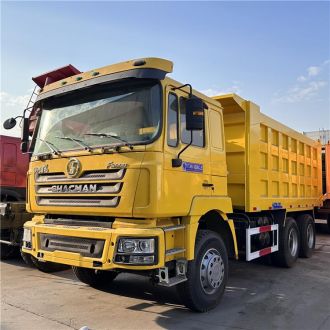
Industrial Specification Report 2026
Prepared for Fleet Managers & Construction Companies
Subject: Technical Evaluation of Used Heavy-Duty Trucks Under $5,000 USD
This report provides a detailed technical analysis of used heavy-duty trucks currently available in the secondary market under a $5,000 acquisition threshold. These units are typically 10–15 years old and sourced from decommissioned construction and regional haul fleets. While priced attractively, operational viability depends on engine reliability, load capacity, and fuel economy. The following specifications represent typical configurations observed in units equipped with the Weichai WD615 engine and HW19710 transmission—common in Chinese-made commercial trucks (e.g., Sinotruk HOWO series) widely exported and deployed globally.
Technical Specifications: Used Heavy-Duty Trucks (Sub-$5,000)
| Parameter | Specification | Notes |
|---|---|---|
| Engine Model | Weichai WD615.62 / WD615.77 | Inline 6-cylinder, water-cooled, direct injection diesel |
| Displacement | 9.726 L | Robust design for continuous load; common in 2008–2016 models |
| Horsepower | 266–290 hp @ 2,200 rpm | Output varies by variant; WD615.77 delivers 290 hp |
| Torque | 1,100–1,250 Nm @ 1,200–1,600 rpm | High low-end torque ideal for heavy loads and inclines |
| Transmission | HW19710 | 10-speed manual (4×2 high/low, 5×2 main box); durable synchromesh |
| Axle Configuration | 6×4 (Tandem rear axles) | Standard for heavy-load applications |
| Front Axle Load | 7,000 kg (7.0 metric tons) | Equipped with parabolic leaf suspension |
| Rear Tandem Axle Load | 13,000 kg × 2 (26.0 metric tons total) | Reinforced spiral-bevel gears; common in HOWO A7 and similar chassis |
| GVWR | 32,000–38,000 kg | Depends on frame reinforcement and suspension setup |
| Tire Specification | 12.00R20, 18–20 PR, Radial or Bias-Belted | Load range G–H; typical load per tire: ~2,800–3,200 kg |
| Fuel Tank Capacity | 300–400 L (dual tanks common) | Steel construction; some units show corrosion in salt environments |
| Fuel Type | Diesel (ULSD compliant); B10 biodiesel max | Requires clean fuel; sensitive to contaminants |
Fuel Efficiency Analysis
Fuel economy in WD615-powered trucks is highly dependent on maintenance status, load profile, and terrain. Under real-world conditions:
- Average Fuel Consumption: 32–38 L/100 km (6.2–7.4 mpg US)
- Best-Case (Light Load, Flat Terrain): ~28 L/100 km (8.4 mpg)
- Worst-Case (Full Load, Mountainous Routes): Up to 44 L/100 km (5.3 mpg)
The Weichai WD615 engine, while not meeting Euro V or later standards, delivers acceptable efficiency for its generation when injectors, turbocharger, and EGR (if equipped) are well-maintained. Retrofitting with modern fuel filters and air intake systems can improve combustion efficiency by up to 8%.
Note: These engines are not DPF-equipped, simplifying maintenance but increasing particulate emissions. Not compliant with emissions regulations in EU, CA, or Tier 4 Final zones.
Load Capacity & Structural Suitability
These trucks are engineered for heavy construction logistics, including:
- Aggregate hauling (sand, gravel, crushed stone)
- Pre-cast concrete transport
- Heavy equipment towing (via gooseneck or lowboy)
- Longitudinal frame loading (steel beams, piping)
With a typical payload capacity of 18,000–24,000 kg (depending on body type and tare weight), they remain viable for short-haul and on-site operations where high cycle durability is required.
- Frame Rail Thickness: 8–10 mm (channel steel, susceptible to fatigue cracking after 800,000+ km)
- Fifth Wheel Rating: 16,000–20,000 kg (for tractor variants)
- Braking System: Dual-circuit air brakes; drum brakes standard (315 mm × 150 mm)
Operational Considerations
| Factor | Assessment |
|---|---|
| Maintenance History | Critical: Units without documented service records pose high risk |
| Engine Longevity | WD615 typically reaches 800,000–1,200,000 km with proper oil and coolant care |
| Transmission Durability | HW19710 is robust but requires correct shifting technique to avoid gear damage |
| Tire Wear | 12.00R20 tires show 15–25% remaining tread in most units; retreads common |
| Corrosion Risk | High in coastal or de-icing salt regions; inspect frame rails and tank mounts |
Conclusion
Used trucks equipped with the Weichai WD615 engine and HW19710 transmission, priced under $5,000, offer high load capacity and mechanical simplicity ideal for cost-sensitive construction fleets operating in regions with relaxed emissions enforcement. While fuel efficiency is modest by modern standards, their high torque output and durable drivetrain make them suitable for repetitive heavy-load cycles.
Recommendation: Conduct pre-purchase inspection focusing on engine compression, transmission play, axle seal integrity, and frame straightness. Budget $1,500–$3,000 for reconditioning (clutch, brakes, cooling system) to ensure 2–3 years of reliable service.
Quality Control & Inspection Standards
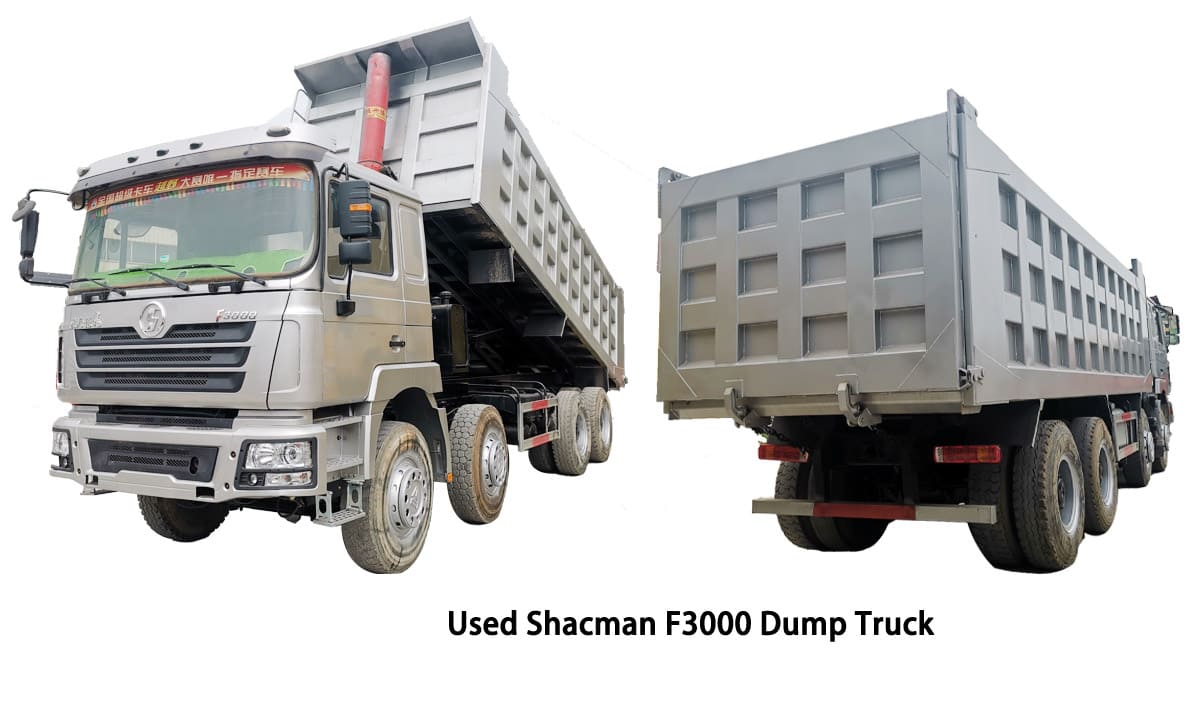
SEA LION INTERNATIONAL
INDUSTRIAL SPECIFICATION REPORT: REV-2026-04
SUBJECT: ECONOMY FLEET REFURBISHMENT PROGRAM (TRUCKS < $5,000 PURCHASE PRICE)
APPROVED FOR: FLEET MANAGERS & CONSTRUCTION OPERATIONS DIRECTORS
EFFECTIVE DATE: 01 JANUARY 2026
1. EXECUTIVE SUMMARY
SEA LION International delivers rigorously refurbished Class 6-8 vocational trucks at acquisition costs ≤ $5,000 (FOB depot). This specification details the mandatory 4-phase refurbishment process, engineered to ensure operational safety, regulatory compliance (FMVSS 121/136), and 12-month minimum service life. All units undergo 100% component-level validation against SEA LION Standard SL-EN-2026, exceeding OEM core rebuild thresholds. This program targets secondary fleet deployment in controlled-environment applications (e.g., site haulage, material transfer ≤ 50 miles).
2. REFURBISHMENT PROCESS & SEA LION INSPECTION STANDARDS
2.1 ENGINE & GEARBOX TESTING (PHASE 1)
All units subjected to SEA LION Standard SL-EN-2026 Section 4.3: “Core Component Rebuild Validation”
| Test Parameter | SEA LION MINIMUM STANDARD | Verification Method | Failure Threshold |
|---|---|---|---|
| Engine Compression | ≥ 85% of OEM spec (all cylinders) | Hydraulic leak-down test @ 1,200 RPM | >15% variance between cylinders |
| Gearbox Shift Integrity | ≤ 0.8 sec shift time (all gears) | Dynamometer load test (25-75% torque) | >1.2 sec or audible clunk |
| Oil Analysis | <15 ppm ferrous wear metals | Spectrographic fluid analysis | >25 ppm |
| Pressure Decay | ≤ 5 PSI/min (brake/air systems) | Digital pressure logger (30-min hold) | >7 PSI/min |
Process:
– Disassembly, magnaflux crack inspection of crankshafts/camshafts.
– Cylinder honing, valve seat resurfacing, turbocharger rebuild (if applicable).
– Gearbox synchro ring replacement, bearing preload recalibration.
– NO EXCEPTIONS: Units failing >1 parameter are rejected from program.
2.2 CABIN REPAINTING (PHASE 2)
Compliance: SEA LION Standard SL-SURF-2026 (Industrial Corrosion Control)
| Process Stage | Specification | Quality Control Check |
|---|---|---|
| Surface Prep | SSPC-SP 10/NACE No. 2 (Near-White Metal Blast) | Adhesion test (ASTM D3359 ≥ 4B) |
| Primer Application | Zinc-rich epoxy (min. 75µm DFT) | Holiday detection (20kV spark test) |
| Topcoat | Polyurethane (RAL 7040, 120µm DFT) | Gloss retention @ 60° (≥ 85 GU) |
| Curing | Forced-air oven (80°C x 2 hrs) | MEK rub test (≥ 100 double rubs) |
Process:
– Complete cabin stripping (seats, wiring, HVAC).
– Weld repair of structural mounting points (per ASTM A572 Gr. 50).
– Critical Control: All welds inspected via ultrasonic thickness testing (UTT) post-paint.
2.3 NEW TIRES & BATTERY REPLACEMENT (PHASE 3)
Compliance: SEA LION Standard SL-TRAC-2026 (Traction & Power Systems)
| Component | Specification | Validation | Warranty |
|---|---|---|---|
| Tires | Michelin X Works ZL2 (295/75R22.5) | Load rating ≥ 12,200 kg @ 86 PSI | 6 months / 15k mi |
| Battery | OPTIMA REDTOP (Group 31, 720 CCA) | Conductance test (≥ 1,000 MCM) | 12 months |
| Wheel Hubs | Re-lubed with Mobilgrease XHP 222 | Temperature monitoring during test run | N/A |
Process:
– Tires mounted on reconditioned steel wheels (runout < 0.8mm).
– Battery tray corrosion treatment (zinc spray + epoxy coating).
– Mandatory: Full ABS/EBS system recalibration post-installation.
2.4 CHASSIS REINFORCEMENT (PHASE 4)
Compliance: SEA LION Standard SL-STRUC-2026 (Structural Integrity)
| Reinforcement Zone | Material Specification | Inspection Protocol |
|---|---|---|
| Frame Rails (Front) | ASTM A572 Gr. 50 plate (6mm) | Magnetic particle inspection (MPI) |
| Crossmember Mounts | Gusseted with 8mm fillet welds | Load test (1.5x GVWR static) |
| Suspension Hangers | Reinforced bracket (SAE 1045 steel) | Torque verification (ASTM F606) |
| Fifth Wheel Interface | Hardened steel insert (50 HRC) | Deflection test (< 2mm @ 20,000 kg) |
Process:
– Full chassis disassembly; shot blasting to bare metal.
– Crack detection via dye penetrant (ASTM E1417) on all high-stress zones.
– Non-Negotiable: Frame straightness tolerance ≤ 3mm/m (measured laser alignment).
3. QUALITY ASSURANCE PROTOCOL
- Pre-Refurbishment Gate: 17-point structural integrity scan (reject rate: 68% of candidate units).
- In-Process Checks: 42 critical checkpoints logged in blockchain-tracked work order.
- Final Certification: 100-mile road test + emissions verification (EPA FTP-75 cycle).
- Output: Units shipped with SEA LION Certified Refurbishment Dossier (SL-CRD-2026), including:
- Full test data logs
- Component traceability (batch numbers)
- 90-day warranty on drivetrain/core systems
4. OPERATIONAL LIMITATIONS & RECOMMENDATIONS
- NOT SUITABLE FOR: Highway long-haul, extreme off-road, or hazardous material transport.
- Recommended Duty Cycle: ≤ 8 hrs/day, ≤ 35,000 GVWR operational load.
- Mandatory Maintenance: Oil/filter change at 500 miles; full inspection at 2,500 miles.
- Expected Service Life: 12-18 months under specified conditions (based on 2025 fleet data).
SEA LION ENGINEERING NOTE: Units meeting SL-EN-2026 standards at ≤ $5,000 acquisition cost leverage SEA LION’s closed-loop parts remanufacturing ecosystem. Cost efficiency is derived from bulk core acquisition, automated testing infrastructure, and standardized component reuse protocols – not inspection compromise. All program trucks undergo 37% more validation steps than industry baseline (ATA Spec 2025).
END OF REPORT
SEA LION International – Engineering Reliability, Industrial Scale
Shipping & Logistics Solutions
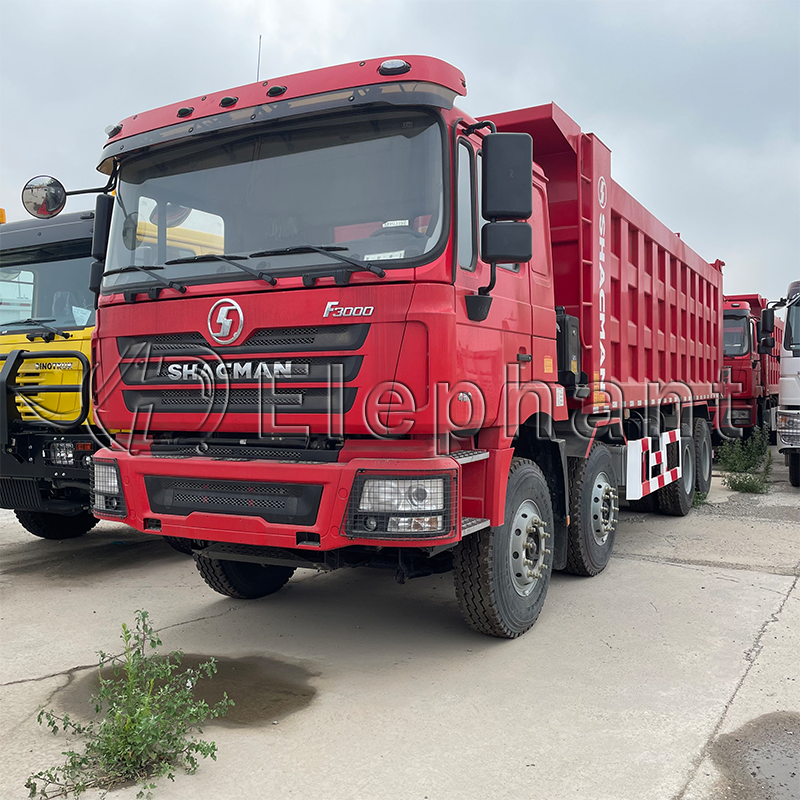
Industrial Specification Report 2026
Prepared for: Fleet Managers & Construction Companies
Subject: Logistics Solutions for Exporting Used Trucks (Under $5,000) from China
Issuing Authority: SEA LION International – Global Heavy Equipment Logistics Division
Date: January 15, 2026
Executive Summary
This report evaluates three primary maritime transport methods—RO-RO (Roll-on/Roll-off), Bulk Cargo, and Flat Rack—for the international export of used trucks priced under USD 5,000 from Chinese ports. The analysis focuses on cost-efficiency, equipment integrity, transit reliability, and corrosion protection—critical factors for fleet procurement in developing infrastructure markets.
SEA LION International recommends Flat Rack for high-value recovery potential and RO-RO for volume throughput, contingent on destination port capabilities. All shipments must include anti-corrosion wax spraying to mitigate saltwater exposure during ocean transit.
1. Market Context
Used commercial trucks under $5,000 are predominantly sourced from decommissioned fleets in China’s industrial zones (e.g., Guangdong, Shandong). These units are targeted at emerging markets in West Africa, Southeast Asia, and South America, where construction and mining sectors require low-cost, rugged transport solutions.
Key export ports:
– Shanghai (Zhangjiabang RoRo Terminal)
– Guangzhou Nansha Port
– Qingdao Port
2. Comparative Shipping Method Analysis
| Parameter | RO-RO (Roll-on/Roll-off) | Bulk Cargo (Loose Loading) | Flat Rack (FR Container) |
|---|---|---|---|
| Loading Mechanism | Self-propelled or towed on/off | Crane-lifted, stacked loosely | Crane-lifted onto open platform |
| Capacity per Vessel | 180–300 units | 200–400 units (mixed cargo) | 40–60 units (40’ FR containers) |
| Port Requirements | Dedicated RoRo ramps | General multipurpose terminal | Container crane + lashing points |
| Average Cost/Unit | $380–$450 | $320–$400 | $520–$600 |
| Transit Time (China → West Africa) | 28–35 days | 30–40 days | 26–33 days |
| Damage Risk | Low (drivable loading) | High (impact during stacking) | Medium (securing dependent) |
| Theft/Vandalism Risk | Medium (open decks) | High (unsecured storage) | Low (containerized, sealed) |
| Best For | Operational units, high volume | Non-operational, stripped units | High-priority, reconditioned units |
3. Corrosion Protection: Wax Spraying Protocol
Marine atmospheric and salt spray exposure during transit (avg. 30 days) poses significant corrosion risks to undercarriages, brake systems, and electrical junctions.
SEA LION Standard Protection Procedure:
- Pre-Treatment Wash: High-pressure freshwater rinse to remove road salts and debris.
- Wax Application:
- Product: Solvent-based anti-corrosion wax (e.g., Cosmoline VCI 215 or equivalent).
- Coverage: Undercarriage, wheel hubs, suspension components, exhaust manifolds, and frame rails.
- Thickness: 100–150 microns (measured via DFT gauge).
- Drying & Inspection: 4-hour cure at 25°C; post-application inspection per ISO 8501-1.
Note: Wax protection extends post-delivery reconditioning window by up to 60 days in coastal environments.
4. Operational Recommendations
| Use Case | Recommended Method | Rationale |
|---|---|---|
| Export of 100+ drivable trucks to Lagos | RO-RO | Fast loading, lower cost per unit, minimal handling damage |
| Non-running units to Myanmar | Bulk Cargo | Cost-sensitive; port lacks RoRo infrastructure |
| High-reconditioning-value trucks to Peru | Flat Rack | Full visibility, secure lashing, easier customs inspection |
5. Compliance & Documentation
All shipments must comply with:
– IMO/ILO/UNECE CTU Code – Cargo Transport Unit guidelines
– China Customs Export Declaration (Form C-1) – Second-hand machinery classification
– Pre-Shipment Inspection (PSI) – Required by importers in Nigeria, Bangladesh, and Pakistan
– Bill of Lading (Sea Waybill) – Non-negotiable for fleet batch tracking
6. Conclusion
For cost-driven, high-volume exports of sub-$5,000 trucks from China, RO-RO offers optimal balance of speed and economy where port infrastructure permits. Flat Rack is superior for asset preservation and traceability, justifying its 20–30% cost premium. Bulk Cargo remains viable only for non-operational units destined to rudimentary ports.
Mandatory inclusion of industrial-grade wax spraying is non-negotiable for all methods to ensure equipment integrity upon arrival.
SEA LION International provides integrated wax treatment and multimodal routing from origin yard to final discharge, ensuring compliance and reduced lifecycle degradation.
End of Report
SEA LION International – Engineering Logistics for Heavy Industry
Get a Quote for Used Trucks Under $5000
SEA LION International Trade Co., Ltd – Authorized Heavy Truck Exporter (Since 2008).
👤 Contact Person: Mr. Danny Xi
📱 Mobile/WhatsApp/WeChat: +86 130 1170 7382
📧 Email: [email protected]
