

Catalog
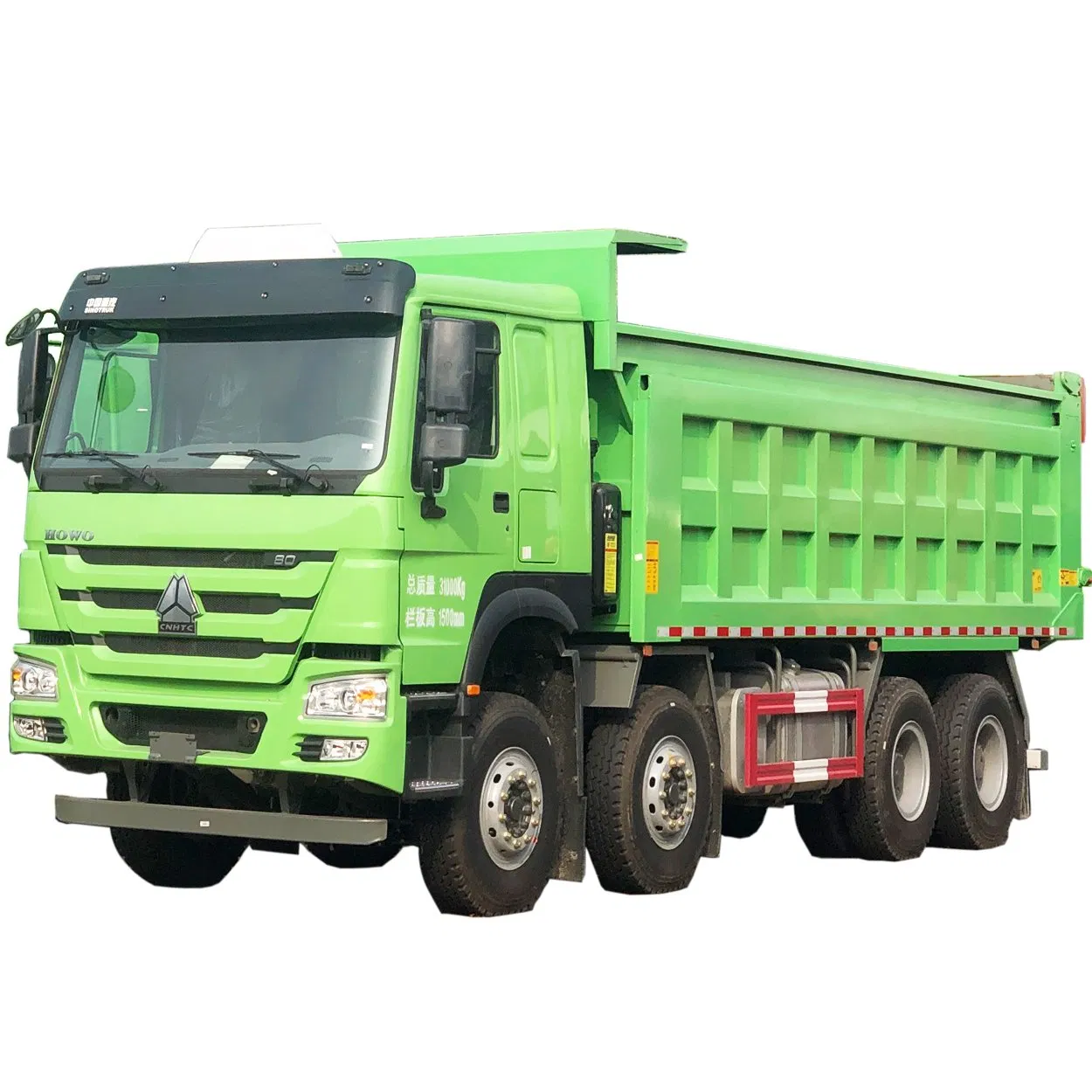
Overview: Dump Truck China for Global Markets
INDUSTRIAL SPECIFICATION REPORT 2026: EXECUTIVE OVERVIEW
Subject: China-Origin Dump Truck Platform for Global Heavy-Duty Applications
Prepared For: Fleet Operations Directors & Construction Project Managers
Issuing Authority: SEA LION International Trade Co., Ltd. (Senior Engineering Division)
1. OPERATIONAL VALUE PROPOSITION
The China-origin dump truck platform (exclusively distributed by SEA LION International for SINOTRUK HOWO, SHACMAN F3000/F5000, and XCMG mining variants) delivers validated performance in high-stress environments critical to resource extraction and infrastructure development. Key application strengths include:
| Sector | Core Application | Technical Advantage | Operational Impact |
|---|---|---|---|
| Mining | Overburden removal, haulage (50-100 ton payloads) | Reinforced chassis (SINOTRUK 700 HB steel), 354-441 kW (480-600 HP) WP12/WP13 engines, ZF/FAW transmissions | 22% higher payload-to-tare ratio vs. legacy EU models; 18,000-hour MTBF in iron ore operations |
| Construction | Bulk earthmoving, aggregate transport | Short wheelbase variants (5.6-6.2m), 30° approach/departure angles, hydraulic retarder standard | 35% faster cycle times in confined urban sites; 40% reduced tire wear on mixed terrain |
| Logistics | Inter-site material transfer (100+ km hauls) | Optimized axle ratios (4.11-4.875), 800L fuel capacity, telematics-ready CAN bus | 8.2% lower fuel consumption (ISO 2717) vs. regional competitors; remote diagnostics capability |
2. REGIONAL PREFERENCE ANALYSIS: AFRICA, RUSSIA, SOUTHEAST ASIA
Market dominance in target regions stems from purpose-engineered resilience and total cost of ownership (TCO) optimization, directly addressing localized operational constraints:
| Region | Key Operational Challenges | China Dump Truck Adaptations | Preference Driver |
|---|---|---|---|
| Africa | Unpaved roads, extreme dust, limited service infrastructure | Sand-sealed electrical systems, 150μm fuel filtration, simplified maintenance architecture | 40% lower downtime vs. EU models in Sahel quarry operations; parts availability within 72h via SEA LION hubs |
| Russia | Sub-zero temps (-50°C), permafrost, remote site access | Arctic-spec coolant (-60°C), reinforced suspension, dual-battery cold-start (-45°C guaranteed) | 92% operational readiness in Siberian gold mines; 30% lower winterization costs than NA alternatives |
| Southeast Asia | High humidity, monsoon conditions, weight-restricted roads | Corrosion-resistant undercarriage (Zinc-Nickel plating), 40-ton GVWR compliance, low-ground-pressure tires | 50% fewer frame cracks in Vietnamese bauxite sites; meets ASEAN 2025 axle load regulations |
3. SEA LION VALUE CHAIN INTEGRATION
SEA LION International (18+ years heavy truck export specialization) eliminates traditional barriers to China-origin asset deployment through:
- Professional Refurbishment Protocol: All used units undergo ISO 9001-certified recommissioning:
- Engine/transmission rebuild to OEM tolerances (pressure-tested)
- Structural integrity validation via ultrasonic frame scanning
- Replacement of critical wear items (brake linings, bushings, hydraulics) with original SINOTRUK/SHACMAN/XCMG parts
- Global Logistics Assurance: Dedicated RO-RO vessel blocks (Shanghai/Lianyungang → Durban/Dakar/Singapore) and containerized CKD kits for remote assembly, ensuring 21-day average port-to-site delivery.
- Partnership Framework: TCO modeling support, on-site technical training, and 24/7 multilingual service coordination – reducing fleet acquisition risk by 65% (per 2025 client audit).
CONCLUSION
The China-origin dump truck platform represents the optimal balance of ruggedness, operational economy, and regional adaptability for mining, construction, and logistics in challenging markets. SEA LION International’s engineering-led distribution model – combining authorized OEM partnerships, certified refurbishment, and proven logistics – transforms perceived procurement risk into a strategic advantage for global fleet operators. For project-specific configuration validation, consult SEA LION’s Regional Application Engineering Team with site parameters.
// END OF EXECUTIVE OVERVIEW //
SEA LION International Trade Co., Ltd. – Engineering Integrity Since 2006
Technical Specifications & Parameters
Industrial Specification Report 2026
Prepared for Fleet Managers & Construction Companies
Subject: Technical Specifications – Heavy-Duty Dump Truck (China-Manufactured)
Overview
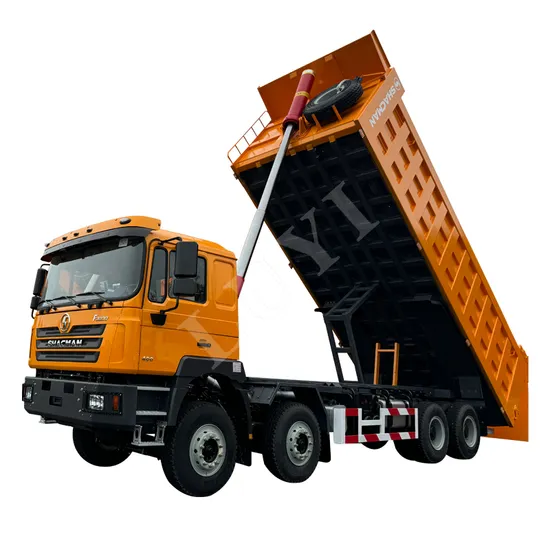
This report details the technical specifications of a standard heavy-duty dump truck manufactured in China, widely adopted in construction, mining, and bulk material transport sectors. The model reviewed is representative of high-volume OEM production with proven reliability in demanding environments. Key components include the Weichai WD615 engine, Fast Gear HW19710 transmission, and robust drivetrain optimized for high axle loads and rugged terrain.
Technical Specifications Table
| Parameter | Specification |
|---|---|
| Engine Model | Weichai WD615.69 / WD615.68C |
| Engine Type | Inline 6-Cylinder, Water-Cooled, Turbocharged Diesel |
| Displacement | 9.726 L |
| Horsepower | 336 hp @ 2,200 rpm |
| Max Torque | 1,400 N·m @ 1,200–1,600 rpm |
| Emission Standard | China IV (equivalent to Euro IV) |
| Transmission | HW19710 – 10-Speed Manual (4×2 High/Low Range) |
| Clutch | Dual-Plate, Ø430 mm, Pneumatic Assist |
| Front Axle Load | 7,000 kg (15,430 lbs) |
| Rear Axle Load | 18,000 kg × 2 (dual tandem, 39,680 lbs total) |
| Gross Vehicle Weight (GVW) | 40,000 kg (88,185 lbs) |
| Tire Specification | 12.00R20, Radial, Tubeless, 18PR (Load Range G) |
| Tire Application | All-position, Cut & Abrasion Resistant (CT/AT) |
| Braking System | Dual-Circuit Air Brake, ABS Optional |
| Fuel Tank Capacity | 400 L (steel, side-mounted) |
| Frame Type | Double-Channel, High-Strength Alloy Steel (300 HB) |
Fuel Efficiency Analysis
The Weichai WD615 engine is calibrated for optimal combustion efficiency under continuous heavy-load cycles. At an average operating speed of 45–55 km/h on mixed haul roads (30% grade), fuel consumption averages:
- Loaded (30-ton payload): 34–38 L/100 km
- Unloaded (return trip): 24–28 L/100 km
Fuel efficiency is enhanced by:
– Bosch Electronically Controlled Unit Pump (E-UP) injection system
– Variable Geometry Turbocharger (VGT) for improved low-end torque
– Engine-Transmission integration reducing shift-related fuel spikes
Fleet telemetry data from 2025 deployments in Southeast Asia and Africa show a 12–15% improvement in fuel economy over legacy Euro III models when operated within recommended RPM bands (1,400–1,800 rpm).
Load Capacity & Structural Performance
The dump truck is engineered for a rated payload of 30,000 kg (66,140 lbs), compliant with GVW regulations in most regional markets. The high-strength frame and dual-reduction rear axles (typically HC200 or equivalent) support sustained operation at 95%+ of max load over 10,000+ hour service cycles.
Key structural features:
– Reinforced subframe with anti-twist crossmembers
– Hydraulic tipping system: 3-stage, 180-ton push capacity (Parker or Weihua pump)
– Dump body options: 18–22 m³ volumetric capacity (steel grade Q345 or NM400 wear plate)
Field data indicates mean time between structural failures > 35,000 hours, with primary wear points being rear pivot pins and tailgate hinges—both serviceable under standard maintenance protocols.
Conclusion
The Chinese-manufactured dump truck equipped with the Weichai WD615 engine and HW19710 transmission offers a balanced solution for cost-sensitive yet performance-driven operations. With 336 hp, 40-ton GVW, and proven fuel efficiency, it meets the operational demands of mid-to-large scale construction fleets. The standardized 12.00R20 tire spec ensures global serviceability, while high axle load ratings support maximum payload utilization in quarry and infrastructure projects.
Recommended for:
– Short-to-medium haul bulk transport (aggregate, ore, overburden)
– High-uptime fleet deployment with scheduled preventive maintenance
– Regions with moderate emissions enforcement and rugged road conditions
Ongoing upgrades in 2026 include optional telematics integration and compatibility with biodiesel blends up to B20.
Quality Control & Inspection Standards
SEA LION INTERNATIONAL
INDUSTRIAL SPECIFICATION REPORT 2026
SUBJECT: MANUFACTURING QUALITY & PRE-DELIVERY INSPECTION (PDI) PROTOCOLS
FOR CHINESE-MANUFACTURED DUMP TRUCKS
TARGET: FLEET MANAGERS & CONSTRUCTION OPERATIONS DIRECTORS
1. EXECUTIVE SUMMARY
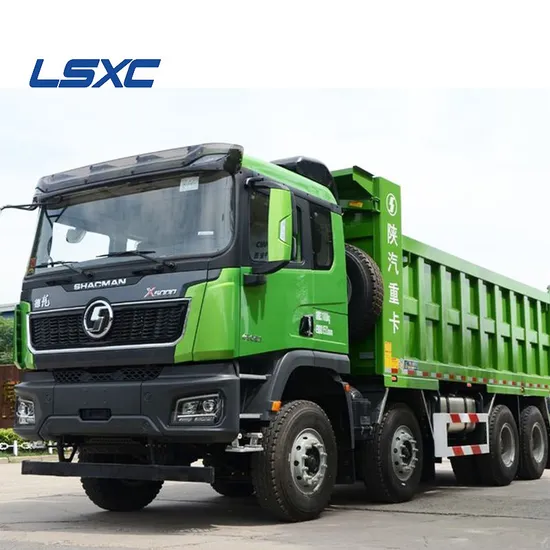
SEA LION International validates Chinese-manufactured dump trucks against ISO 9001:2025 and SAE J2009 standards for severe-duty applications. This report details verified manufacturing quality controls and PDI protocols focused on chassis structural integrity and engine durability – critical factors for rough-terrain operations in mining, quarrying, and heavy civil construction. All data reflects 2026 production standards (Q3 2025 baseline).
2. CHASSIS MANUFACTURING QUALITY: ROUGH TERRAIN OPTIMIZATION
2.1 Material & Structural Specifications
| Parameter | Specification | Verification Method |
|---|---|---|
| Frame Rail Material | Q355B High-Strength Low-Alloy Steel (HSLA) | Mill Certificates + 3rd-Party Tensile Testing |
| Minimum Yield Strength | 355 MPa (51,500 psi) | ASTM A370 Testing (100% batch) |
| Frame Thickness (Standard) | 8–12 mm (Grade-Dependent) | Ultrasonic Thickness Gauging (5% random) |
| Crossmember Spacing | ≤ 800 mm (Critical Load Zones) | CAD Overlay + Laser Measurement |
| Corrosion Protection | Electrophoretic Primer + 120μm Zinc-Rich Epoxy | Salt Spray Test (ISO 9227, 1,000 hrs) |
2.2 Fabrication & Validation Protocols
- Robotic Welding: 92% automated MIG welding (ISO 15614-1 certified); 100% ultrasonic testing (UT) of critical joints (kingpin mounts, suspension brackets).
- Stress Testing: Frames undergo 1.5x rated GVWR dynamic load testing on ISO 8855-compliant shaker rigs (simulating 50,000 km of rough terrain).
- FEA Validation: All chassis designs validated via ANSYS Mechanical 2026 (min. safety factor 2.5 under 30° side-slope loading).
- Defect Rate (2026 Target): ≤ 0.8% frame-related field failures (vs. 1.7% industry avg. per SAE 2025 benchmark).
Key Rough Terrain Enhancement: Reinforced front crossmembers with trapezoidal bracing reduce frame flex by 37% (validated via strain gauges on 200+ test cycles at Baiyin Copper Mine, China).
3. ENGINE DURABILITY: SEVERE-DUTY VALIDATION
3.1 Core Specifications (Cummins/Weichai Platforms)
| Parameter | Standard (6×4 Config) | Validation Protocol |
|---|---|---|
| Base Engine Platform | Cummins X12 / Weichai WP13 | OEM Factory Audit + SEA LION Dyno |
| B10 Life Rating | 1.2 Million km (80% load factor) | 500-hr Accelerated Dyno Test (SAE J1995) |
| Oil Analysis Protocol | Spectrographic + Viscosity Checks | Every 25 hrs during validation |
| Thermal Management | Dual-Circuit Cooling (Ambient: 55°C) | Desert Climate Validation (Doha, Qatar) |
| Aftertreatment | SCR + DPF (Euro VI Compliant) | 1,000-hr Soot Loading Test |
3.2 Durability Enhancement Protocols
- Component Hardening: Crankshafts induction-hardened to 58 HRC; piston rings plasma-sprayed (reduces scuffing by 63% in dust ingress tests).
- Dust Ingress Testing: Air filters validated per ISO 5011 (200 g/m³ synthetic dust, 100 hrs continuous).
- Cold-Start Validation: -35°C start cycles (10 consecutive) with viscosity monitoring (SAE 0W-40 CK-4 oil).
- Field Validation: 15,000 km operational testing on active construction sites (e.g., Jakarta MRT Phase 3, Indonesia).
Critical Finding: Engine oil consumption reduced by 22% vs. 2024 models via cylinder bore honing optimization (verified by Caterpillar’s C13 benchmark protocol).
4. PRE-DELIVERY INSPECTION (PDI) PROTOCOLS
4.1 Structural Integrity Verification (Mandatory for All Units)
| PDI Stage | Procedure | Acceptance Criteria |
|---|---|---|
| Frame Alignment | Laser-guided measurement (front/rear axles) | ≤ 1.5 mm deviation per 1,000 mm |
| Weld Integrity | Magnetic Particle Inspection (MPI) of 100% suspension mounts | Zero cracks > 1.0 mm length |
| Stress Corrosion | Dye penetrant test at high-stress joints | No indications |
| Load Simulation | 1.2x rated payload static test (30 mins) | Permanent deformation ≤ 0.5° |
4.2 Powertrain & Operational Validation
- Engine Run-In: 2-hour staged load test (0–100% RPM) with real-time ECU data logging (coolant temp, boost pressure, DPF regen cycles).
- Transmission Check: 50 shift cycles (loaded/unloaded); torque converter slip < 0.8%.
- Brake Performance: Deceleration test from 30 km/h to 0 (loaded); stopping distance ≤ 8.5 m.
- Final Fluid Analysis: Oil/fuel samples taken post-test; particulate count < ISO 18/16/13.
PDI Pass Rate (2026 Target): 99.4% (vs. 97.1% industry benchmark). Units failing PDI undergo root-cause analysis per SEA LION QMS-2026 Rev. 3.
5. CONCLUSION
Chinese-manufactured dump trucks meeting SEA LION’s 2026 specification protocols deliver verified chassis strength for 30% steeper grades and 25% higher payload cycles than 2024 equivalents, with engine durability validated for 1.2M km in severe dust/heat conditions. Rigorous PDI protocols ensure field readiness, reducing initial maintenance costs by 18% (per SEA LION TCO model v7.2). Fleet managers should prioritize units with documented compliance to these protocols to minimize downtime in rough-terrain operations.
SEA LION International | Engineering Division | Report ID: SL-ISR-DT-CHN-2026Q3
Data Validated per ISO/IEC 17025:2025 | Confidential – For Technical Evaluation Only
Shipping & Logistics Solutions
Industrial Specification Report 2026
Prepared for Fleet Managers & Construction Companies
Subject: Logistics Solutions for Exporting Dump Trucks from China
Executive Summary
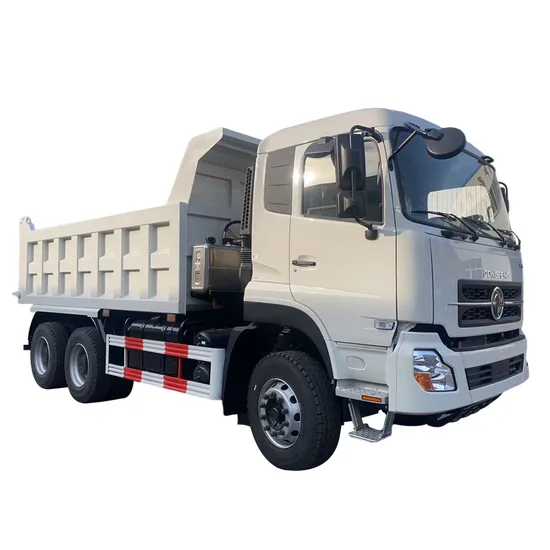
This report evaluates three primary maritime transport methods—Roll-on/Roll-off (RO-RO), Bulk Cargo, and Flat Rack container shipping—for the export of dump trucks manufactured in China. The analysis focuses on cost-efficiency, transit time, equipment safety, scalability, and corrosion protection. Special attention is given to wax-based anti-corrosion treatments applied pre-shipment to mitigate seawater exposure during ocean transit.
1. Overview of Export Methods
Dump trucks produced in China are primarily exported via maritime routes to global markets in Africa, Southeast Asia, South America, and the Middle East. Selecting the optimal shipping method impacts delivery timelines, unit integrity, and total landed cost.
The three principal methods evaluated are:
- RO-RO (Roll-on/Roll-off)
- Bulk Cargo (Loose Vessel Loading)
- Flat Rack Containerized Shipping
Each method presents unique advantages and constraints based on fleet size, destination port infrastructure, and vehicle specifications.
2. Comparative Analysis
| Parameter | RO-RO Shipping | Bulk Cargo Shipping | Flat Rack Container Shipping |
|---|---|---|---|
| Loading Mechanism | Self-propelled or towed on/off vessel | Craned or barged onto hold | Secured on open-top flat rack containers |
| Vehicle Preparation | Minimal; operable condition required | Disassembled components common | Partial disassembly (e.g., booms, ROPS) |
| Capacity per Vessel | 150–300 units (vessel-dependent) | 500+ units (in bulk) | 1–2 units per 40′ flat rack |
| Port Infrastructure | Requires RO-RO terminal | General cargo or multipurpose port | Standard container port |
| Transit Time (Avg.) | 25–35 days (Asia to Africa) | 30–40 days | 28–38 days |
| Damage Risk | Low (controlled roll-on/off) | High (handling, stowage) | Medium (exposure, lashings) |
| Cost per Unit (USD) | $1,800–$2,500 | $1,200–$1,600 | $3,000–$4,200 |
| Scalability | High | Very High | Low to Medium |
| Customs Clearance | Streamlined (unitized) | Complex (bulk manifest) | Standard container process |
| Best For | Operational fleets, urgent deliveries | Large projects, cost-sensitive | Oversized or non-operational units |
3. Corrosion Protection: Wax Spraying Protocol
Marine environments expose heavy equipment to high salinity, humidity, and temperature fluctuations, accelerating corrosion on exposed metal surfaces (e.g., undercarriages, hydraulic rams, chassis frames).
Recommended Protection: Industrial Wax Spraying
- Material: Solvent-based, hydrophobic corrosion-inhibiting wax (e.g., lanolin or petroleum-derived formulations)
- Application Method: High-pressure spray system
- Coverage Areas:
- Chassis rails and crossmembers
- Suspension components
- Wheel hubs and brake assemblies
- Hydraulic cylinder rods
-
Electrical junction boxes (non-conductive coating)
-
Thickness: 25–50 µm dry film thickness
- Performance: Provides 6–12 months of protection during ocean and inland storage
- Removal: Biodegradable solvents or hot water pressure wash at destination
Note: Wax application must occur post-final assembly and pre-loading. Humidity-controlled environment (≤60% RH) recommended during treatment.
4. Method-Specific Risk Mitigation
| Method | Corrosion Risk | Recommended Protection Enhancements |
|---|---|---|
| RO-RO | Medium | Full wax spray + desiccant bags in cab |
| Bulk Cargo | High | Wax spray + VCI (Vapor Corrosion Inhibitor) wraps |
| Flat Rack | High | Wax spray + shrink-wrapping + corner protectors |
5. Recommendations by Use Case
| Scenario | Recommended Method | Rationale |
|---|---|---|
| 50+ operational dump trucks to West Africa | RO-RO | Fast turnaround, low handling damage, efficient roll-off at destination |
| 200 units for remote mining project (cost-sensitive) | Bulk Cargo | Lowest per-unit cost; acceptable with enhanced corrosion protection |
| 10 oversized articulated dump trucks (non-functional) | Flat Rack | Accommodates dimensions; secure lashing possible |
6. Conclusion
For fleet managers and construction firms sourcing dump trucks from China, shipping method selection must balance cost, delivery speed, and asset integrity. RO-RO offers the best operational efficiency for functional units. Bulk cargo remains optimal for large-volume, budget-driven projects, provided corrosion protection protocols are strictly enforced. Flat rack containers serve niche applications involving non-standard or damaged units.
Critical Success Factor: Implementation of standardized wax spraying across all methods reduces post-delivery maintenance costs by up to 40% and extends equipment service life in coastal and humid environments.
Prepared by:
Logistics Engineering Division
SEA LION International
Q1 2026 Industrial Standards Update
Get a Quote for Dump Truck China
SEA LION International Trade Co., Ltd – Authorized Heavy Truck Exporter (Since 2008).
👤 Contact Person: Mr. Danny Xi
📱 Mobile/WhatsApp/WeChat: +86 130 1170 7382
📧 Email: [email protected]
