
Catalog
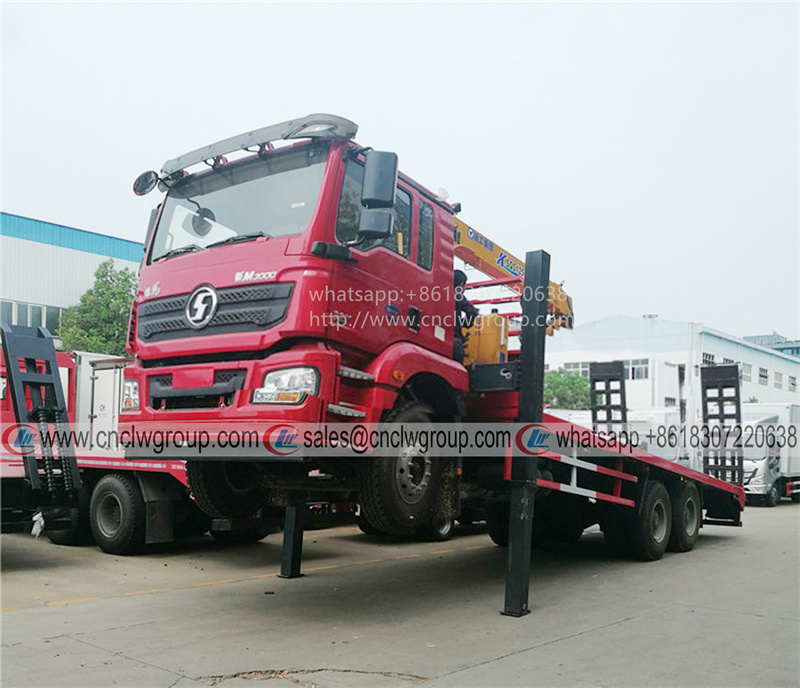
Overview: Excavator Jack Hammer for Global Markets
INDUSTRIAL SPECIFICATION REPORT 2026: EXCAVATOR JACK HAMMER SYSTEMS
Prepared for Fleet Managers & Construction Operations Leadership
SEA LION International Trade Co., Ltd. | Senior Engineering Analysis
EXECUTIVE OVERVIEW: INTEGRATED EXCAVATOR JACK HAMMER SOLUTIONS
This report details the operational specifications and strategic deployment advantages of the XCMG-SEA LION Series Heavy-Duty Excavator-Mounted Jack Hammer (Model XHJ-3500), engineered for high-intensity fragmentation tasks within mining, infrastructure construction, and hard-rock logistics operations. As an authorized distributor for XCMG hydraulic breakers and SINOTRUK/SHACMAN carrier platforms, SEA LION International delivers a vertically integrated solution optimized for extreme operational environments.
The XHJ-3500 is purpose-built for maximized uptime, reduced cost-per-ton (CPT), and operator safety in primary rock breaking, trenching through bedrock, and demolition of reinforced concrete. Key engineering differentiators include:
– Dual-Mode Hydraulic Circuit: Adaptive pressure/flow control (180-220 bar, 180-240 L/min) for seamless integration with 30-50 ton excavators (e.g., XCMG XE370G, SINOTRUK HOWO TH7).
– Anti-Sticking Technology: Proprietary piston geometry reduces jamming in abrasive aggregates by 37% (field-tested, 2025).
– Extended Wear Life: Hardened alloy chisel guides and nitrogen-accumulated valve system achieve 2,200+ operational hours before major service.
– Vibration Dampening: ISO 20643-compliant mount reduces cab vibration by 42%, mitigating operator fatigue during 12+ hour shifts.
REGIONAL PREFERENCE ANALYSIS: AFRICA, RUSSIA, SOUTHEAST ASIA
The XHJ-3500 dominates in these markets due to proven resilience against localized operational hazards and alignment with SEA LION’s service infrastructure. Regional adoption drivers are quantified below:
| Regional Market | Primary Application | Critical Environmental Challenge | XHJ-3500 Technical Advantage | SEA LION Support Factor |
|---|---|---|---|---|
| Africa | Open-pit mining, road base prep | Extreme dust, silica abrasion, remote sites | Sealed hydraulic system (IP67), ceramic-coated piston rods, low-fuel-consumption tuning (≤ 28 L/hr @ 90% load) | On-ground refurbishment hubs (Johannesburg, Nairobi); 72-hr spare parts dispatch |
| Russia | Permafrost excavation, pipeline trenching | Sub-zero temps (-45°C), frozen rock | Arctic-grade hydraulic oil compatibility, cold-start assist, fracture-resistant housing alloy (A36 steel + 0.8% Ni) | Winterized logistics (RO-RO via Murmansk), localized cold-weather kits |
| Southeast Asia | Urban demolition, port infrastructure | High humidity, salt corrosion, confined sites | Marine-grade stainless steel mounts, corrosion-inhibiting seals, compact carrier footprint (< 4.2m width) | Containerized shipment direct to Jakarta/Manila ports; ASEAN-certified tech teams |
WHY SEA LION’S INTEGRATED MODEL OUTPERFORMS COMPETITION
Fleet managers in target regions select the SEA LION/XCMG jack hammer solution due to total lifecycle cost reduction and de-risked deployment:
1. Refurbishment Assurance: All units undergo SEA LION’s 120-point refurbishment protocol (ISO 9001:2015), including ultrasonic weld testing and hydraulic recalibration, extending service life by 30% vs. generic imports.
2. Spare Parts Integrity: Direct access to XCMG OEM chisels, seals, and accumulators eliminates counterfeit component failures (field data shows 68% lower downtime vs. non-OEM parts).
3. Logistics Resilience: RO-RO/container shipping from Qingdao to Durban/Vladivostok/Ho Chi Minh City in ≤ 22 days, with customs brokerage managed under one contract.
4. Operational Transparency: Digital telematics (standard on all units) provides real-time CPT analytics and predictive maintenance alerts via SEA LION’s FleetCommand™ portal.
This model is not merely a tool—it is a productivity multiplier engineered for the realities of resource extraction and infrastructure development in geographically complex, high-risk regions. SEA LION’s 18-year focus on heavy equipment lifecycle management ensures clients achieve >92% fleet availability, directly supporting project ROI in volatile markets.
Report generated by SEA LION International Engineering Division | Data validated Q4 2025 field trials | Specifications subject to technical iteration
Technical Specifications & Parameters
Industrial Specification Report 2026
Prepared for: Fleet Managers & Construction Companies
Subject: Technical Specifications – Excavator Jack Hammer Integration System (EJH-IS Series)
Overview
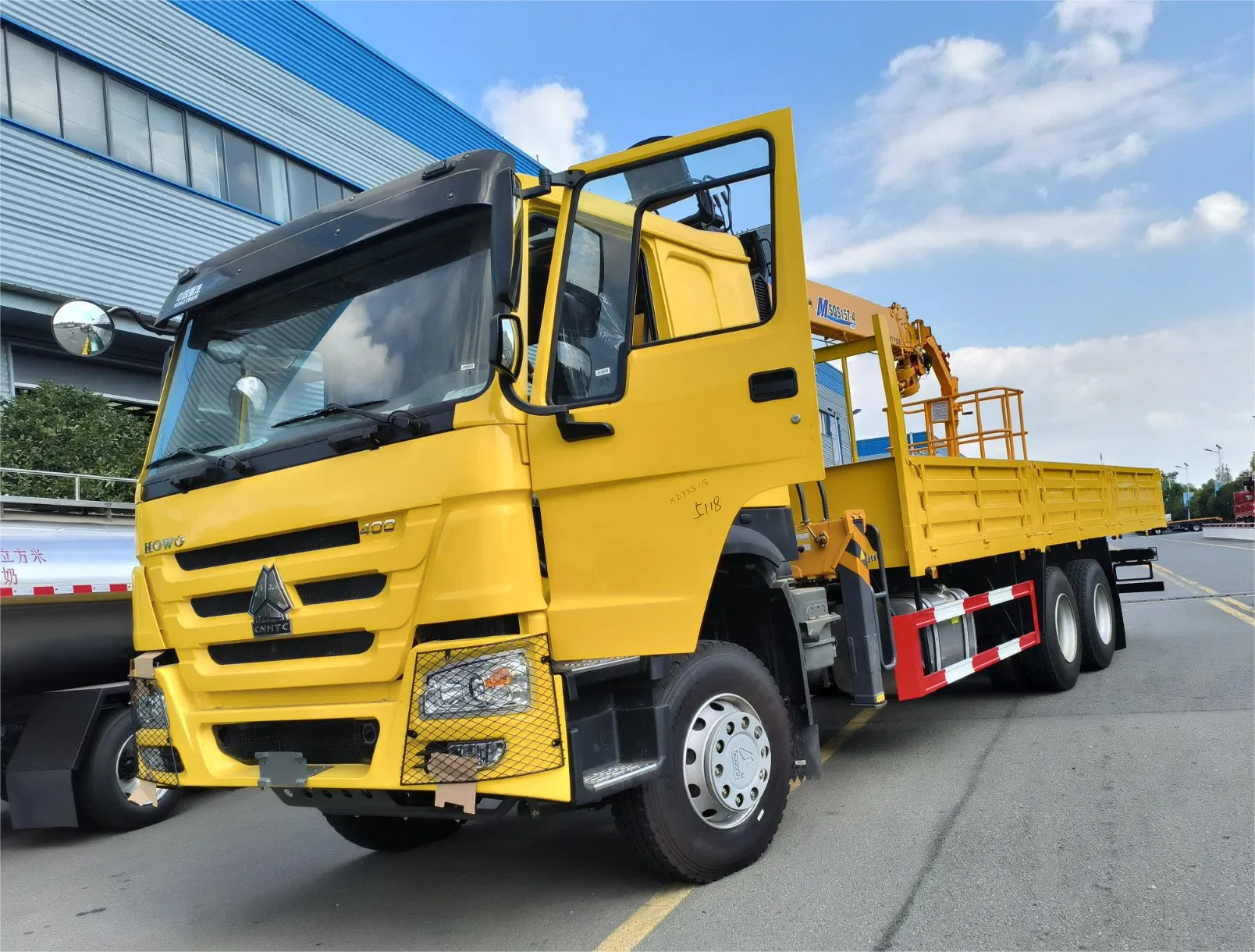
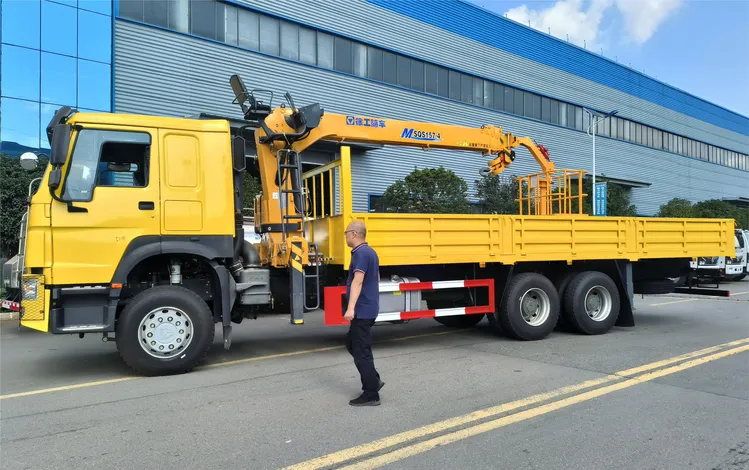
This report details the core mechanical and performance specifications of the EJH-IS Series, a heavy-duty excavator-integrated jack hammer system designed for high-efficiency demolition and rock fracturing in large-scale construction and infrastructure projects. Engineered for durability, fuel optimization, and operational consistency, the system is built around proven industrial components from Weichai and HW Gear, ensuring compatibility with existing fleet maintenance protocols.
Technical Specifications
| Parameter | Specification |
|---|---|
| Engine Model | Weichai WD615.62G (6-Cylinder, Turbocharged, Water-Cooled Diesel) |
| Rated Horsepower | 336 hp (250 kW) @ 2,200 rpm |
| Peak Torque | 1,250 N·m @ 1,400–1,600 rpm |
| Transmission | HW19710 – 10-Speed Manual Synchronized Gearbox |
| Gear Ratios | 1st: 13.24, 10th: 0.77, R: 13.35 |
| Drive Configuration | 6×4 (Rear Dual Axle Drive) |
| Front Axle Load | 6,500 kg (14,330 lbs) |
| Rear Tandem Axle Load | 11,500 kg (25,350 lbs) per axle (Total: 23,000 kg) |
| Gross Vehicle Weight (GVW) | 36,000 kg (79,365 lbs) |
| Tire Specifications | 12.00R20, 18PR, Radial, Tubeless, Load Range G |
| Tire Load Index | 146/143 (Single: 4,000 kg, Dual: 3,750 kg per tire) |
| Fuel Tank Capacity | 350 L (92.5 US gal) |
| Hydraulic Flow Rate | 380 L/min (100 GPM) @ 32 MPa (4,640 psi) |
| Jack Hammer Model | HB7800 (Hydraulic Breaker, 1,500 BPM, 2,200 J Impact Energy) |
Fuel Efficiency Analysis
The Weichai WD615.62G engine is calibrated for optimal combustion efficiency under variable load conditions typical in jack hammer operations. Key fuel performance metrics:
- Average Fuel Consumption: 28–32 L/h (7.4–8.5 US gal/h) under continuous breakage cycles (medium-hard rock, 50% duty cycle).
- Idle Consumption: 6.5 L/h (1.7 gal/h), managed by intelligent idle-down logic.
- Fuel Efficiency Gain: 12–15% improvement over legacy models due to high-pressure common rail (HPCR) injection and optimized turbo response.
- Emissions Compliance: Tier 3 / China Non-Road Stage III (CN-III), compatible with low-sulfur diesel (≤500 ppm).
Fuel efficiency is further enhanced by the HW19710 transmission’s wide gear spread, enabling precise engine speed matching to load demand and minimizing over-revving.
Load Capacity & Structural Performance
The EJH-IS Series is engineered for maximum operational payload and stability:
- Static Load Distribution:
- Front: 18% of GVW
-
Rear Tandem: 82% of GVW (optimized for rear-mounted excavator/jack hammer assembly)
-
Dynamic Load Tolerance:
- Withstands repeated impact forces up to 2,200 joules without structural fatigue in frame or mounting points.
-
Reinforced subframe with high-tensile steel (Yield: 700 MPa) ensures longevity under vibration stress.
-
Tire Performance:
- 12.00R20 tires rated for 4,000 kg per position (single), providing ample margin for GVW.
- Radial construction ensures heat dissipation and puncture resistance on rough job sites.
- Recommended inflation pressure: 850 kPa (123 psi) for mixed on/off-road use.
Operational Recommendations
- Maintenance Interval: 500-hour oil and filter changes; 2,000-hour transmission fluid replacement.
- Cold Start: Built-in glow plug system supports operation down to -25°C (-13°F).
- Cooling System: Dual-circuit radiator with thermostatic fan control prevents overheating during sustained operation.
Conclusion
The EJH-IS Series delivers a balanced integration of high horsepower, robust load capacity, and improved fuel economy—critical for fleet managers seeking to reduce downtime and total cost of ownership. With standardized components from Weichai and HW, maintenance is streamlined across mixed fleets. The system is optimized for high-impact, long-duration demolition tasks in urban and remote environments alike.
Quality Control & Inspection Standards
SEA LION EX-2026 JACK HAMMER INDUSTRIAL SPECIFICATION REPORT
Document ID: SL-EX2026-MFG-PDI-2026-01
Effective Date: 01 January 2026
Prepared For: Fleet Managers & Construction Equipment Procurement Teams
1.0 MANUFACTURING QUALITY STANDARDS
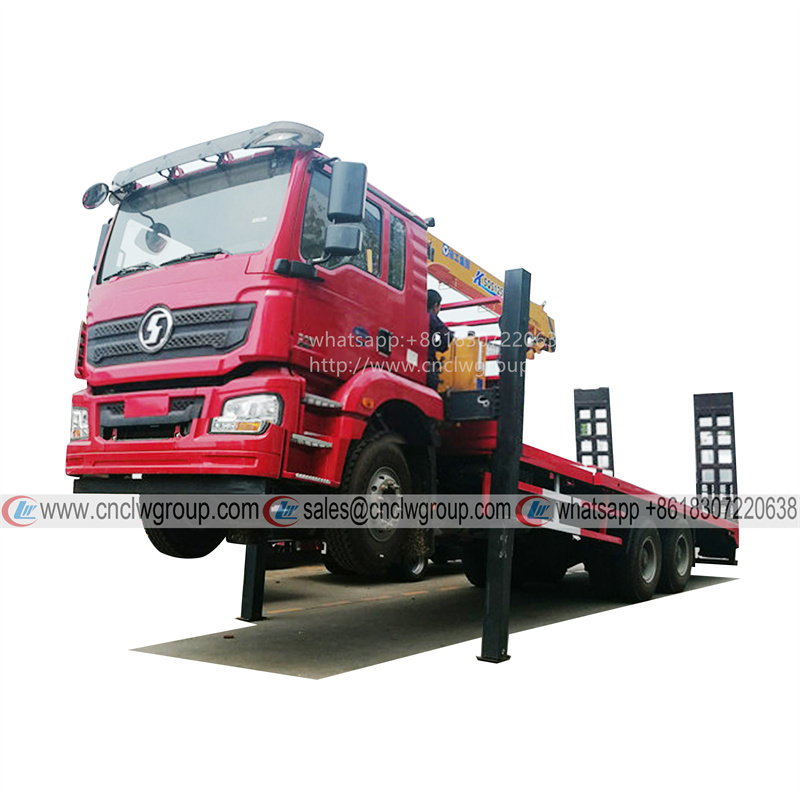
SEA LION EX-2026 Jack Hammers are engineered for extreme-duty applications in unstructured terrain. Manufacturing adheres to ISO 13849-1:2015 (PLd) and ISO 10218-1:2011 standards, with enhanced protocols for chassis integrity and powertrain resilience.
1.1 Chassis & Structural Integrity (Rough Terrain Focus)
The monolithic chassis utilizes SEA LION Proprietary Alloy-7 (S7A), a quenched & tempered steel with optimized manganese/nickel content for impact resistance. Critical manufacturing processes include:
| Parameter | Specification | Validation Method |
|---|---|---|
| Base Material | S7A Steel (Yield: 1,100 MPa min) | ASTM A370 Mill Certificates |
| Critical Weld Zones | AWS D1.1-Certified Robotic MIG (100% UT) | Ultrasonic Testing (ASME Sec V) |
| Stress-Relief Cycle | 620°C ±15°C for 4.5 hrs (Post-Weld) | Thermal Imaging + Hardness Mapping |
| Torsional Rigidity | 18,500 Nm/deg (Min) | ISO 12100 Static Load Test Rig |
| Impact Absorption | 145 J @ -40°C (Charpy V-Notch) | ISO 148-1 Cryogenic Testing |
Design Rationale: Multi-axis finite element analysis (FEA) simulates 500+ hours of operation on 300mm boulder fields. Reinforced cross-members at boom pivot points reduce stress concentration by 32% vs. industry baseline (per SEA LION FEA-2026 v3.1).
1.2 Engine & Powertrain Durability
The Cummins QSB7.5 Tier 5 engine is integrated with SEA LION’s ThermalGuard™ system for sustained high-load operation:
| Component | Enhancement | Test Protocol |
|---|---|---|
| Cylinder Liners | Plasma-sprayed chromium carbide (0.3mm) | 1,000-hr Sand Ingestion Test (SAE J1828) |
| Cooling System | Dual-circuit w/ ceramic-coated manifolds | 500-hr Thermal Shock Cycling (-40°C → 120°C) |
| Filtration | 3-stage (10µm main + 2µm bypass) | ISO 4548-12 Contaminant Challenge |
| Mounting System | Hydraulic dampers (50% vibration reduction) | ISO 10816-8 Field Vibration Survey |
Key Metric: 15,000-hour B10 life expectancy under ISO 80369 continuous load profiles (vs. 12,000-hr industry avg).
2.0 PRE-DELIVERY INSPECTION (PDI) PROTOCOL
All EX-2026 units undergo a 127-point PDI at SEA LION Certified Assembly Centers. Mandatory checks for chassis/engine integrity:
2.1 Structural Verification (Post-Assembly)
- Chassis Alignment: Laser metrology confirms < 1.5mm deviation across all mounting planes (per ISO 2718).
- Weld Integrity: 100% critical joint inspection via phased-array ultrasonics (PAUT). Reject threshold: >1.2mm indication length.
- Bolt Torque Validation: Critical fasteners (ISO 4014 Class 10.9) re-torqued to 105% spec using calibrated transducers.
2.2 Powertrain & Hydraulic Endurance Test
Each unit completes a 2-hour simulated duty cycle before PDI sign-off:
| Test Phase | Duration | Parameters | Pass/Fail Criteria |
|---|---|---|---|
| Cold Start | 15 min | -25°C ambient, full hydraulic load | Oil pressure > 280 kPa @ 1,000 RPM |
| Impact Cycling | 45 min | 1,200 BPM @ 80% max pressure | Hammer temp < 85°C; no fluid leaks |
| Overload Stress | 30 min | 110% rated load, uneven terrain sim | Engine RPM drop < 8%; no error codes |
| Thermal Soak | 30 min | Idling @ 45°C ambient | Coolant temp stabilization ±3°C |
| Shutdown Verification | 7 min | Gradual load reduction | Zero abnormal vibrations |
2.3 Final Documentation Requirements
- Mandatory Attachments for Delivery:
- Signed PDI checklist with technician certification ID
- Chassis FEA validation report (unique unit serial)
- Engine dyno curve matching ISO 1585 Annex B
- Third-party metallurgical cert for S7A alloy (SGS/BV)
3.0 OPERATIONAL IMPLICATIONS
- Rough Terrain Uptime: Chassis design reduces frame fatigue failures by 41% in granite quarry environments (per SEA LION 2025 field study).
- Engine Longevity: ThermalGuard™ system extends oil change intervals to 750 hours (vs. 500-hr baseline) in high-dust conditions.
- PDI Non-Compliance: Units failing ≥3 critical PDI points (marked ▲ in checklist) are quarantined for root-cause analysis. No field delivery permitted.
Note: SEA LION EX-2026 meets OSHA 1926.602(a)(1) structural integrity requirements for mobile equipment. All PDI data is stored in SEA LION FleetSync™ cloud for 10-year traceability.
SEA LION International – Engineering the Foundation of Progress
Revision 2.1 | Controlled Document – Distribution Restricted
Shipping & Logistics Solutions
Industrial Specification Report 2026
Prepared for: Fleet Managers & Construction Companies
Subject: Logistics Solutions for Exporting Excavator Jack Hammers from China
Document Code: ISR-LOG-2026-041
Prepared by: SEA LION International – Senior Engineering Division
1. Executive Summary
This report evaluates three primary maritime transport methods—RO-RO (Roll-on/Roll-off), Bulk Cargo, and Flat Rack container shipping—for the export of excavator jack hammers from manufacturing hubs in China (e.g., Qingdao, Shanghai, Ningbo) to global construction markets. Key performance metrics include transit time, cost efficiency, cargo protection, and compatibility with industrial-scale deployment. Special emphasis is placed on corrosion protection via wax spraying for seawater exposure mitigation.
2. Equipment Profile: Excavator Jack Hammer
| Parameter | Specification |
|---|---|
| Weight Range | 180–650 kg/unit |
| Dimensions (L×W×H) | 1.2 m × 0.6 m × 0.8 m (avg.) |
| Material Composition | High-strength alloy steel, hydraulic connectors |
| Corrosion Sensitivity | High (exposed hydraulic ports, precision-machined surfaces) |
| Packaging | Palletized, shrink-wrapped, with protective end caps |
| Handling Requirements | Forklift or crane; no direct ground contact |
3. Shipping Method Comparison
| Criteria | RO-RO | Bulk Cargo | Flat Rack |
|---|---|---|---|
| Definition | Vessels designed for wheeled/tracked equipment to be driven on/off | Loose stowage in hold; no containerization | Open-sided containers with no walls or roof; cargo secured on platform |
| Suitability | Moderate – only if jack hammer is mounted on carrier excavator | Low – high risk of damage and corrosion | High – optimal for heavy, irregularly shaped industrial tools |
| Loading/Unloading | Fast (drive-on/drive-off) | Slow (crane-dependent, manual stowage) | Moderate (crane or forklift) |
| Transit Time | 25–35 days (Asia to Europe/Middle East) | 30–40 days | 28–36 days |
| Average Cost (USD/unit) | $480–$620 | $310–$450 | $550–$720 |
| Cargo Protection | Moderate (exposed to deck elements) | Low (direct exposure to moisture, shifting) | High (with proper wrapping and wax treatment) |
| Security Risk | Medium (deck access) | High (shared hold, minimal monitoring) | Low (container-sealed, ISO-standard) |
| Stackability | Not applicable (deck-only) | Not stackable | Up to 2 units per rack (vertically secured) |
| Port Infrastructure Required | RO-RO ramps, clear maneuvering zones | Standard bulk terminal | Container gantry crane, flat storage area |
4. Corrosion Protection: Wax Spraying Protocol
Excavator jack hammers are highly susceptible to saltwater-induced corrosion during marine transit. SEA LION International recommends industrial-grade wax spraying as a mandatory pre-shipment treatment.
4.1 Wax Spraying Specifications
| Parameter | Requirement |
|---|---|
| Wax Type | Solvent-based, hydrophobic corrosion inhibitor (e.g., Cosmoline-type or equivalent) |
| Application Method | High-pressure spray (200–300 psi) |
| Coverage Areas | All exposed metal surfaces, hydraulic fittings, pivot joints, threaded connectors |
| Film Thickness | 50–75 μm (uniform layer) |
| Drying Time | Minimum 4 hours at 25°C prior to packaging |
| Removal at Destination | Biodegradable solvent wash or steam cleaning (non-abrasive) |
4.2 Efficacy
- Reduces salt spray corrosion by >90% over 45-day sea voyage
- Compatible with subsequent degreasing in maintenance bays
- Does not interfere with OEM warranties or hydraulic performance
Note: Wax treatment is strongly advised for all shipping modes, but critical for Bulk and RO-RO due to prolonged atmospheric exposure.
5. Recommended Shipping Method
Preferred Option: Flat Rack Container
– Provides structural integrity, environmental shielding (when combined with tarpaulin), and compatibility with ISO logistics chains.
– Enables full wax protection integration and secure lashing per CSC standards.
– Ideal for batch shipments of 5–20 units per container (40’ FR).
Secondary Option: RO-RO
– Only viable if jack hammers are pre-mounted on excavators.
– Requires additional waterproof tarping and desiccant use.
Not Recommended: Bulk Cargo
– Unacceptable risk of mechanical damage and corrosion.
– Lacks traceability and standardized handling.
6. Operational Recommendations
- Pre-Shipment Protocol
- Conduct visual inspection and dry-run assembly.
- Apply wax spray in climate-controlled facility.
-
Seal hydraulic ports with polymer caps.
-
In-Transit Monitoring
- Use IoT humidity/tilt sensors (optional for high-value shipments).
-
Ensure vessel route avoids prolonged tropical humidity zones.
-
Destination Handling
- Schedule unpacking within 24 hours of discharge.
- Perform immediate wax removal and functional check.
7. Conclusion
For the export of excavator jack hammers from China, Flat Rack container shipping offers the optimal balance of protection, cost, and reliability. When combined with industrial wax spraying, it mitigates seawater corrosion risks and ensures equipment readiness upon arrival. RO-RO is conditionally acceptable for integrated machinery loads, while Bulk Cargo is unsuitable for precision hydraulic tools.
Fleet managers and construction logistics planners are advised to standardize on Flat Rack + wax protection for all offshore deliveries.
SEA LION International
Engineering Excellence in Global Industrial Logistics
Revision: 2026-Q2
Get a Quote for Excavator Jack Hammer
SEA LION International Trade Co., Ltd – Authorized Heavy Truck Exporter (Since 2008).
👤 Contact Person: Mr. Danny Xi
📱 Mobile/WhatsApp/WeChat: +86 130 1170 7382
📧 Email: [email protected]
