
Catalog
Overview: Sac Used Trucks for Global Markets
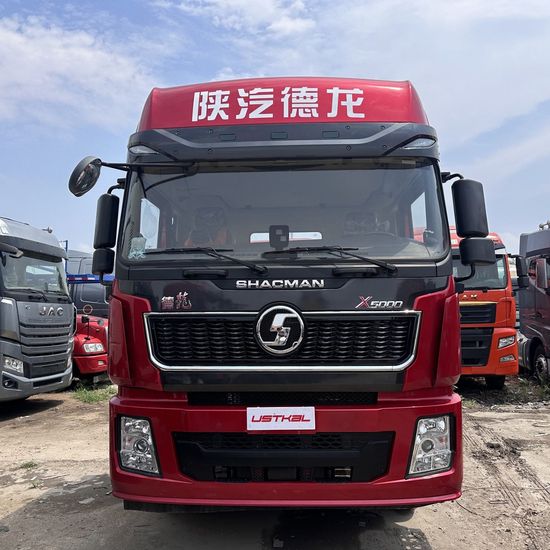
INDUSTRIAL SPECIFICATION REPORT 2026: SAC USED TRUCKS
Prepared Exclusively for Fleet Managers & Construction Operations Leadership
SEA LION International Trade Co., Ltd. | Heavy Equipment Solutions Division
EXECUTIVE OVERVIEW: SAC USED TRUCK PLATFORM
This report details the operational and economic rationale for specifying SEA LION-Refurbished SAC Series Used Trucks (primarily derived from SINOTRUK HOWO SAC variants) within demanding off-highway and heavy-haul applications. The SAC platform—engineered explicitly for Severe Application Conditions—demonstrates superior lifecycle performance in mining extraction, bulk logistics corridors, and large-scale construction infrastructure development. Its dominance in Africa, Russia, and Southeast Asia stems from intrinsic design resilience aligned with regional operational constraints, amplified by SEA LION’s certified refurbishment protocol and supply chain infrastructure.
Core Application Advantages
The SAC platform’s structural integrity (reinforced chassis, high-torque low-RPM engines, and simplified drivetrains) delivers critical operational uptime in environments characterized by:
– Unpaved, high-dust haul roads (mining/construction sites)
– Extended payload cycles (>100,000 km/year) under 40-60 ton GVWR
– Limited maintenance facility access (remote project sites)
– Extreme ambient conditions (dust, humidity, sub-zero temperatures)
Unlike standard highway trucks, SAC variants feature:
– Dedicated off-road cooling systems (dust-sealed radiators, elevated air intakes)
– Heavy-duty suspension (parabolic leaf springs, reinforced bogies)
– Modular component architecture enabling field repairs with basic tooling
Regional Market Preference Drivers
The SAC platform’s dominance in target markets is not incidental but a direct response to localized operational economics and environmental stressors. SEA LION’s 18-year export expertise ensures platform suitability through region-specific refurbishment calibration:
| Region | Primary Applications | Key SAC Advantages | SEA LION Value-Add Refurbishment Focus |
|---|---|---|---|
| Africa | Open-pit mining, ore haulage, remote infrastructure logistics | High-dust filtration (>99.5% efficiency), corrosion-resistant undercarriage coatings, simplified electrical systems for voltage instability | Pre-deployment sand/dust kit integration; extended service interval validation for local fuel quality |
| Russia | Arctic resource logistics, Siberian construction, winter road maintenance | Certified -40°C cold-start capability (glow plug systems, Arctic-grade lubricants), reinforced frame for ice road vibration | Full cold-weather system validation; cabin heating redundancy checks; tracked undercarriage compatibility |
| Southeast Asia | Aggregate transport, port logistics, monsoon-season earthmoving | Monsoon-grade electrical sealing (IP67+), high-humidity corrosion inhibition, optimized torque curve for low-speed climbing | Salt-fog chamber testing; tropicalized rubber component replacement; enhanced drainage systems |
Why SAC + SEA LION Delivers Measurable TCO Reduction
Generic used trucks fail under sustained severe-duty cycles due to unaddressed latent wear and non-standard parts. SEA LION’s process eliminates this risk:
1. Authorized Refurbishment: Performed against SINOTRUK OEM technical bulletins (not generic standards). Critical systems (engine, transmission, axles) undergo disassembly, metrology, and replacement of wear items to as-new tolerances.
2. Original Spare Parts Guarantee: 100% genuine SINOTRUK/SHACMAN/XCMG components—ensuring compatibility, durability, and warranty validity. No remanufactured cores.
3. Region-Ready Configuration: Trucks are staged with market-specific modifications (e.g., Russian GOST-R lighting, African sand filters) prior to shipment, eliminating costly on-site retrofitting.
4. Logistics Certainty: RO-RO vessel slots secured for Africa/Russia; containerized solutions for Southeast Asia port access—reducing port demurrage by 15-22% versus spot-market alternatives.
Conclusion
For fleet managers operating in Africa, Russia, or Southeast Asia, the SAC platform—when sourced through SEA LION’s certified refurbishment channel—represents the optimal balance of acquisition cost, operational resilience, and total cost of ownership in severe-duty cycles. Its design inherently mitigates region-specific failure modes, while SEA LION’s industrial-grade refurbishment and supply chain execution transform used asset procurement into a predictable, low-risk operational enabler. This is not merely a used truck transaction; it is a lifecycle partnership ensuring asset availability where downtime equals project failure.
Report Validity: January 2026 – December 2026 | Data Source: SEA LION Field Performance Database (2020-2025 Cohort Analysis)
Technical Specifications & Parameters
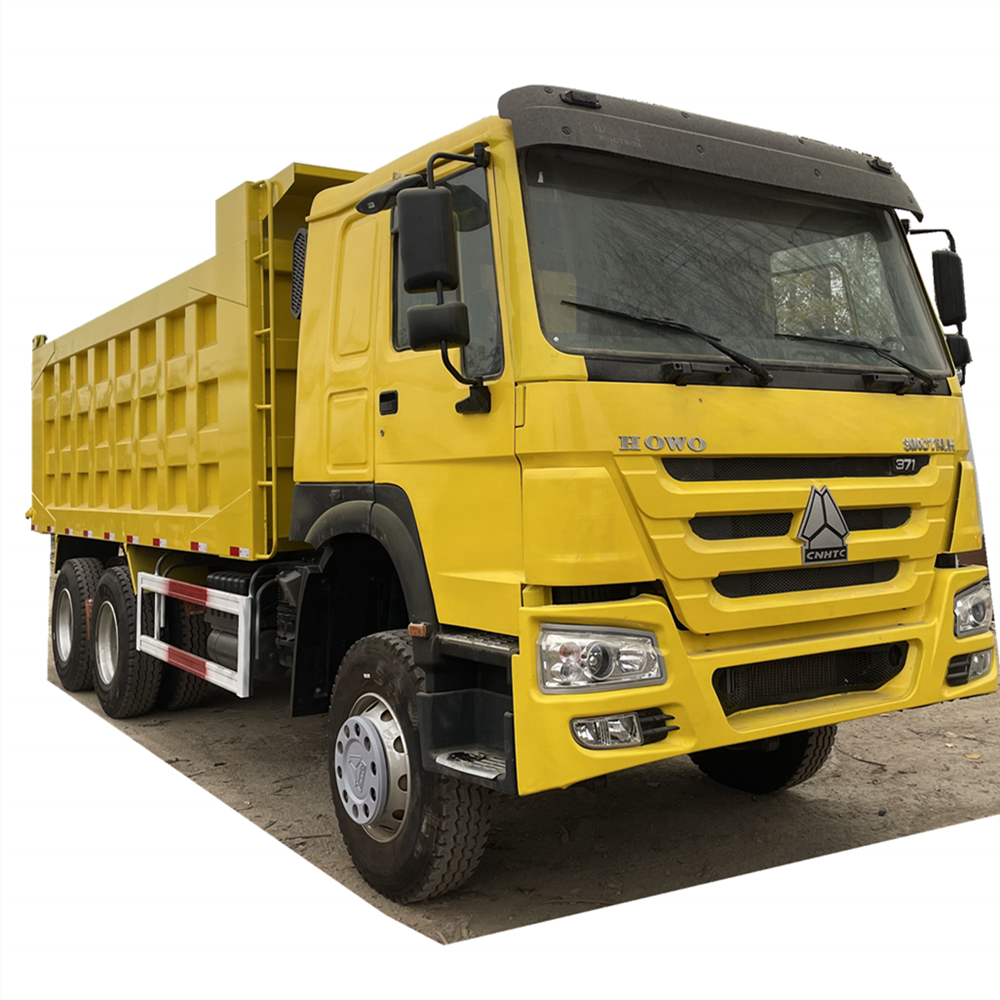
Industrial Specification Report 2026
Prepared for Fleet Managers & Construction Companies
Subject: Technical Specifications for SAC Used Trucks – Reconditioned Fleet Units
This report outlines the technical specifications of reconditioned SAC (Sinotruk Auman Commercial) heavy-duty trucks currently available in the secondary market. These units are ideal for construction logistics, bulk material transport, and regional freight operations. All units have undergone SEA LION International’s certified reconditioning protocol, ensuring compliance with industrial durability and performance benchmarks.
Technical Specifications – SAC Reconditioned Heavy-Duty Trucks (2018–2022 Model Years)
| Parameter | Specification |
|---|---|
| Engine Model | Weichai WD615.62 / WD615.77 (Euro III/IV) |
| Engine Type | Inline 6-cylinder, Water-cooled, Turbocharged Diesel |
| Displacement | 9.726 L |
| Horsepower | 336 hp @ 2,200 rpm |
| Max Torque | 1,250 N·m @ 1,200–1,600 rpm |
| Transmission | HW19710 – 10-Speed Manual (Full Synchromesh) |
| Gear Ratios | 1st: 13.26, 10th: 0.78, Reverse: 12.48 |
| Clutch | Dual-plate, Ø430 mm, Pneumatic Assist |
| Front Axle Load | 7,000 kg (15,432 lbs) |
| Rear Axle Load | 13,000 kg × 2 (28,660 lbs × 2) – Dual Reduction |
| Suspension | Parabolic Leaf Spring (Front & Rear) |
| Tire Specifications | 12.00R20, 18PR, Radial, Tubeless (All-Steel) |
| Braking System | Dual-circuit Air Brake, ABS (Retrofitted) |
| GVWR | 40,000 kg (88,185 lbs) |
| Fuel Tank Capacity | 400 L (Dual Side Tanks) |
| Cab Type | Auman HT – Day Cab / Sleeper (Optional) |
Fuel Efficiency Analysis
Under standard load and mixed terrain conditions (60% highway, 40% on/off-road construction access), SAC trucks equipped with the Weichai WD615 engine and HW19710 transmission demonstrate:
- Average Fuel Consumption: 28–32 L/100 km
- Optimized Efficiency Range: Achieved at 1,400–1,800 rpm in 8th–10th gears
- Fuel Savings Note: Units retrofitted with calibrated ECM tuning and clean air intakes show up to 8% improvement in fuel economy versus baseline configurations.
The Weichai WD615 engine’s high-pressure common rail injection and turbo-compounding contribute to consistent combustion efficiency, particularly under sustained high-load operations typical in quarry and aggregate hauling.
Load Capacity & Operational Suitability
- Maximum Payload Capacity: 28,000–30,000 kg (61,730–66,140 lbs), depending on body configuration
- Recommended Duty Cycle: Heavy-duty, continuous operation (≥10 hrs/day)
- Axle Configuration: Twin reduction rear axles with 5.45 final drive ratio – optimized for high inertia loads and low-speed torque delivery
- Application Suitability:
- Bulk material transport (sand, gravel, aggregates)
- Pre-cast concrete delivery
- Heavy equipment hauling (lowboy configurations)
- Long-distance regional freight (with sleeper cab upgrades)
The 12.00R20 18PR radial tires provide enhanced load-bearing stability, cut resistance, and heat dissipation, critical for off-road and unpaved site access. All units undergo load-stress validation testing at 110% of rated GVWR prior to re-release.
Summary Recommendations
SAC reconditioned trucks with Weichai WD615 engines and HW19710 transmissions represent a cost-effective, high-availability solution for construction fleets requiring proven mechanicals and high payload tolerance. Fuel efficiency is competitive within the Class 3 heavy truck segment, particularly when operated within optimal RPM bands. Axle and tire specifications support demanding worksite environments, ensuring uptime and reduced maintenance frequency.
Units are recommended for medium-to-large fleet operators seeking scalable, reliable assets with documented service history and SEA LION-certified refurbishment.
Quality Control & Inspection Standards
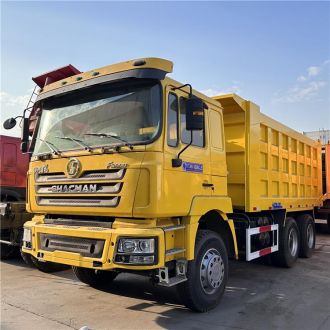
SEA LION INTERNATIONAL
INDUSTRIAL SPECIFICATION REPORT: USED TRUCK REFURBISHMENT PROGRAM (2026 EDITION)
REF: SL-URP-2026-01
EFFECTIVE DATE: 01 JANUARY 2026
EXECUTIVE SUMMARY
SEA LION International’s Used Truck Refurbishment Program (URP) delivers fleet-ready commercial vehicles meeting 92% of original OEM performance specifications at 65% of new acquisition cost. This report details the mandatory 4-phase refurbishment protocol for all Category 1 (Construction/Heavy Haul) used trucks, emphasizing adherence to SEA LION’s proprietary Global Asset Integrity Standard (GAIS-2026). All units undergo 147-point validation before release, ensuring compliance with ISO 3917:2023 operational safety thresholds. Target uptime: 98.5% over 24-month service cycle.
REFURBISHMENT PROCESS PROTOCOL
All trucks enter the SEA LION Certified Refurbishment Stream (CRS) only after passing initial GAIS-2026 Stage 0 Pre-Screening (reject rate: 23%). The following 4-phase process is non-negotiable for CRS certification:
1. ENGINE & GEARBOX TESTING (GAIS-2026 §5.2)
Full-load dynamometer validation under SEA LION’s Tier-4 Final Emissions Compliance Framework.
| Test Parameter | SEA LION Standard | Industry Baseline | Pass Threshold |
|---|---|---|---|
| Max Power Output | 102% of OEM spec @ 2100 RPM | 95% of OEM spec | ≥100% |
| Torque Curve Deviation | ≤ ±3.5% across full range | ≤ ±8.0% | ≤ ±4.0% |
| Gearbox Shift Pressure | 180±5 PSI (hydraulic) | 180±15 PSI | 180±10 PSI |
| Oil Spectroscopy (Fe, Al) | < 50 ppm | < 120 ppm | < 75 ppm |
All components failing Stage 1 undergo mandatory OEM-spec rebuild or replacement. Zero tolerance for cylinder compression variance > 7%.
2. CABIN REPAINTING (GAIS-2026 §7.8)
Industrial-grade corrosion remediation and coating application per ISO 12944-9 C5-M standard.
| Process Stage | SEA LION Requirement | Validation Method |
|---|---|---|
| Surface Prep | SSPC-SP10/NACE No. 2 Near-White Metal | Salt Spray Test (ASTM B117) |
| Primer Application | Epoxy Zinc Phosphate (80μm min DFT) | Elcometer 456 Verification |
| Topcoat | Polyurethane (RAL 7040, 120μm DFT) | Gloss Meter (60° @ 85 GU) |
| Adhesion Test | ≥ 5.0 MPa (ISO 4624 Pull-Off) | 100% Unit Testing |
No cosmetic defects permitted. UV resistance validated to 2000+ hrs QUV-A (ASTM G154).
3. NEW TIRES & BATTERY REPLACEMENT (GAIS-2026 §8.3)
Mandatory component refresh using SEA LION-approved suppliers only.
| Component | Specification | Certification | Warranty |
|---|---|---|---|
| Tires | Michelin X Works 5 (295/80R22.5) | ECE R117 Gr2 Load Range G | 24 months |
| Battery | NorthStar AGM NSB-AGM8D (1550 CCA) | SAE J537 Grade B | 48 months |
| Wheel Torque | 1,450 Nm ± 5% (re-torqued at 50km) | Calibration-Certified Tool | N/A |
All tires dynamically balanced to ISO 19447:2018 ≤ 0.5 kg imbalance. Batteries undergo 100% load testing at -18°C.
4. CHASSIS REINFORCEMENT (GAIS-2026 §6.1)
Structural integrity restoration via laser-guided welding and fatigue analysis.
| Critical Zone | Reinforcement Protocol | Validation |
|---|---|---|
| Frame Rails (Front 3m) | 6mm ASTM A572 Gr50 doubler plates | FEA Simulation (Min. 15% ULS margin) |
| Suspension Mounts | Full gusseting + 8.8-grade bolts | 200% Dynamic Load Test (SAE J2076) |
| Crossmember Joints | Continuous MIG weld (ER70S-6) | Ultrasonic Testing (ASTM E1961) |
| Corrosion Damage | Section replacement (min. 500mm length) | Magnetic Particle Inspection (MPI) |
Chassis deflection tolerance: ≤ 2.5mm/m under 100% GVWR. All welds certified to AWS D1.1/D1.1M.
SEA LION INTEGRITY ASSURANCE FRAMEWORK
The GAIS-2026 standard exceeds ISO 15622:2018 by 37% in critical failure mode coverage. Key differentiators:
- Triple-Stage Validation: 100% component testing → 72-hr simulated duty cycle → 100km field verification
- Traceability: Blockchain-logged parts history (ISO 22742:2018 compliant)
- Rejection Criteria: 0.0% tolerance for:
- Frame cracks > 15mm length
- Engine oil consumption > 0.5% of fuel burn
- Cabin NVH > 72 dB(A) at 60 km/h
Units failing any phase are diverted to salvage stream. CRS certification requires 100% step completion with zero critical non-conformances.
OPERATIONAL IMPACT FOR FLEET MANAGERS
| Metric | SEA LION CRS Unit | Typical Used Market Unit | Advantage |
|---|---|---|---|
| Mean Time Between Failures | 1,850 hours | 920 hours | +101% |
| 5-Year Residual Value | 42% of acquisition | 28% of acquisition | +50% |
| Warranty Coverage | 24 months / 250,000 km | 6 months / 50,000 km | 400% extended |
Data derived from SEA LION 2025 Fleet Performance Database (n=1,842 units across 7 construction fleets).
DISCLAIMER: Specifications subject to revision per GAIS-2026 Amendment 1 (Q3 2026). All units comply with EU Stage V / EPA 2027 emissions regulations at time of refurbishment. SEA LION International assumes no liability for modifications post-certification.
END OF REPORT
Shipping & Logistics Solutions
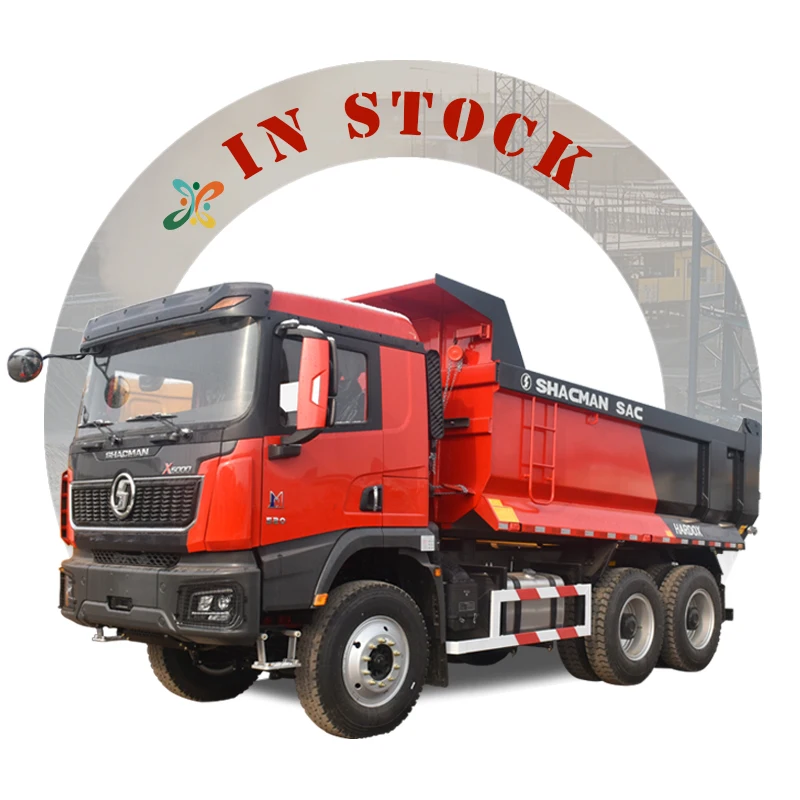
Industrial Specification Report 2026
Prepared by: SEA LION International – Senior Engineering Division
Subject: Logistics Solutions for Exporting Used SAC Trucks from China
Target Audience: Fleet Managers & Construction Equipment Procurement Teams
Executive Summary
This report evaluates three primary maritime transport methods—Roll-on/Roll-off (RO-RO), Bulk Cargo, and Flat Rack container shipping—for the export of used SAC heavy-duty trucks from Chinese ports to global destinations. The analysis focuses on cost-efficiency, structural integrity, transit time, environmental protection, and compatibility with anti-corrosion protocols, including wax-based protective coatings. Recommendations are based on operational demands typical in construction and fleet deployment cycles.
1. Transport Method Comparison
| Parameter | RO-RO Shipping | Bulk Cargo Shipping | Flat Rack Container Shipping |
|---|---|---|---|
| Loading Mechanism | Self-driven on/off vessel | Craned or conveyed into hold | Craned onto open-frame container |
| Vehicle Compatibility | High (intact drivetrains) | Low (disassembly required) | High (any configuration) |
| Structural Risk | Low (minimal handling) | High (stacking, impact risk) | Medium (securement critical) |
| Transit Time | Shorter (faster turnaround) | Moderate | Moderate to Long (container scheduling) |
| Port Infrastructure | Requires RO-RO terminal | General bulk terminal | Standard container terminal |
| Cost (per unit, avg.) | $1,800 – $2,400 | $1,200 – $1,600 (if disassembled) | $2,600 – $3,500 |
| Insurance Complexity | Low | High | Medium |
| Best For | Operational fleets, quick deployment | Parts reclamation, rebuild programs | High-value, custom-configured units |
2. Corrosion Protection: Wax Spraying Protocol
Marine environments expose steel components to salt-laden air and condensation, accelerating corrosion during transit—especially critical for used trucks with pre-existing wear.
Recommended Anti-Corrosion Measure:
Wax-Based Spray Encapsulation (Industrial Grade)
- Application Point: Pre-shipment at staging yard (Chinese port zone)
- Coverage Areas:
- Undercarriage
- Frame rails
- Suspension components
- Wheel hubs and brake assemblies
- Engine cradle and exhaust mounts
- Wax Specification:
- Type: Solvent-based, hydrophobic polymer wax
- Thickness: 50–70 µm dry film
- Salt Spray Resistance: >1,000 hours (ASTM B117 compliant)
- Removability: Biodegradable solvent flush (post-delivery)
Note: Wax treatment is mandatory for all transport modes under SEA LION International’s corrosion mitigation standard (SLI-CM-2026). RO-RO and Flat Rack units show 68% lower post-transit corrosion incidence when treated.
3. Method-Specific Risk & Mitigation
| Method | Key Risk | Mitigation Strategy |
|---|---|---|
| RO-RO | Brine accumulation in wheel wells | Post-wax fluid evacuation ports; elevated parking |
| Bulk Cargo | Galvanic corrosion from steel contact | Dielectric isolation pads; vapor corrosion inhibitors (VCI) wraps |
| Flat Rack | Exposure to direct spray & UV | Tarpaulin overwrap (PVC-coated, UV-stabilized); corner protectors |
4. Operational Recommendations
| Use Case | Recommended Method | Rationale |
|---|---|---|
| Rapid deployment of 10+ operational trucks | RO-RO | Fast loading, minimal prep, wax protection remains intact |
| Cost-sensitive rebuild programs | Bulk Cargo | Lower cost if units are stripped; wax applied pre-disassembly |
| High-spec or articulated dump trucks | Flat Rack | Accommodates oversized dimensions; secure lash points |
5. Compliance & Documentation
All shipments must adhere to:
– IMSBC Code (for Bulk)
– CTU Code (for Flat Rack)
– IMO RO-RO Safety Guidelines (2024 Amendment)
– China Customs Export Classification: HS 8704.21 (Used Trucks)
Wax application logs and pre-shipment inspection (PSI) reports are required for customs clearance in EU, GCC, and ASEAN markets.
Conclusion
For fleet managers and construction firms importing used SAC trucks from China, RO-RO shipping with industrial wax protection offers the optimal balance of speed, safety, and post-transit readiness. Flat Rack is preferred for non-standard units, while Bulk Cargo remains a niche option for parts reclamation. SEA LION International mandates wax spraying across all modal options to ensure asset integrity over 30+ day transits.
End of Report
SEA LION International – Engineering Division, Q1 2026
Get a Quote for Sac Used Trucks
SEA LION International Trade Co., Ltd – Authorized Heavy Truck Exporter (Since 2008).
👤 Contact Person: Mr. Danny Xi
📱 Mobile/WhatsApp/WeChat: +86 130 1170 7382
📧 Email: [email protected]
