
Catalog
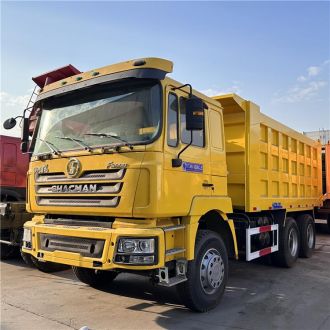
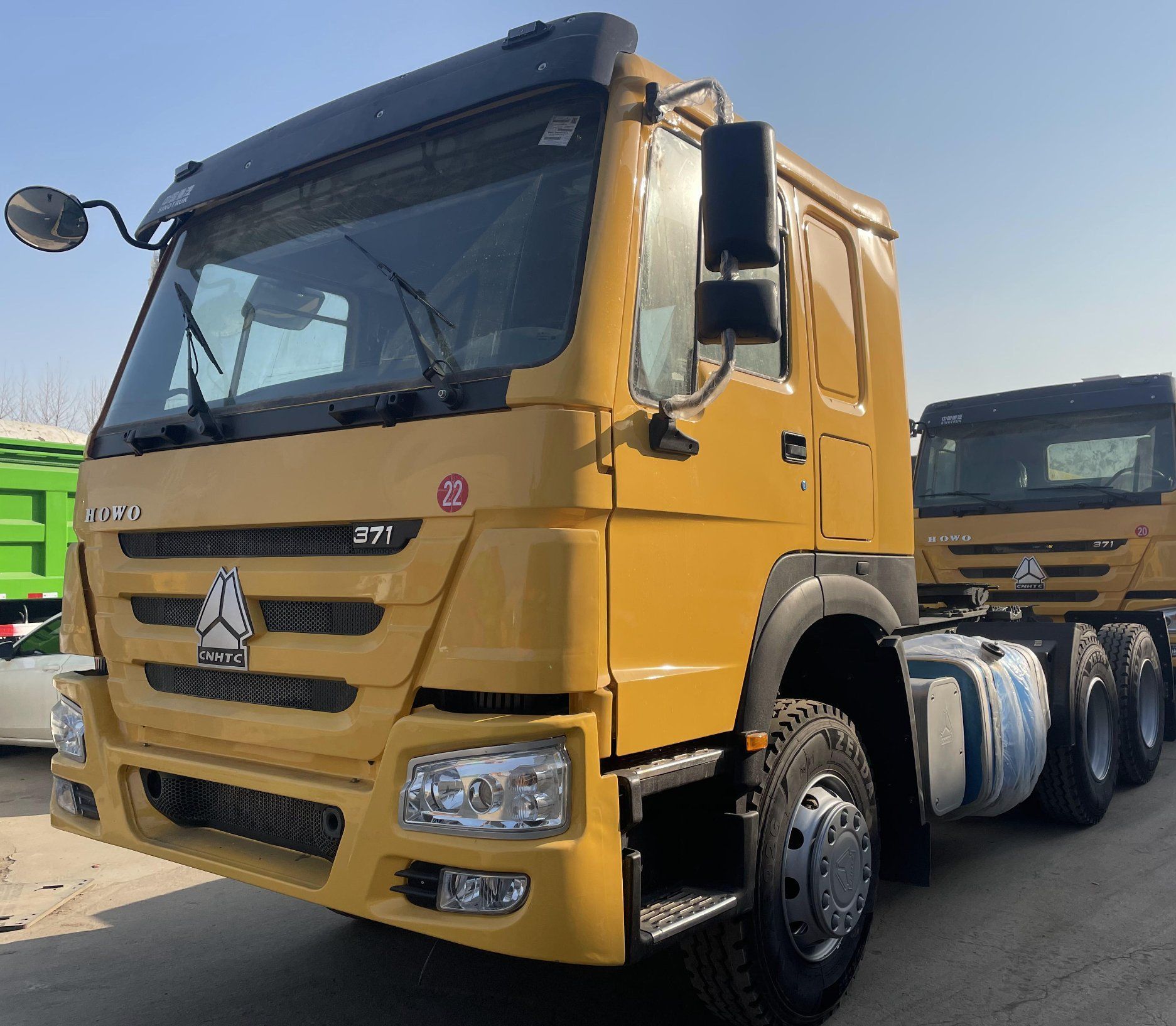
Overview: Best Value Used Truck for Global Markets
INDUSTRIAL SPECIFICATION REPORT 2026: BEST VALUE USED TRUCK ASSET STRATEGY
EXECUTIVE OVERVIEW
Operational Imperative: Fleet managers and construction enterprises across capital-intensive sectors (mining, heavy logistics, infrastructure construction) face escalating Total Cost of Ownership (TCO) pressures. New asset acquisition remains capital-prohibitive for large-scale fleet expansion or replacement cycles, while unrefurbished secondary-market units introduce unacceptable reliability risks and downtime costs—averaging $1,200 USD/hour in lost productivity for critical operations. SEA LION International Trade Co., Ltd. addresses this gap through a rigorously defined “Best Value Used Truck” (BVUT) specification, engineered for maximum operational continuity and lifecycle cost optimization in extreme environments.
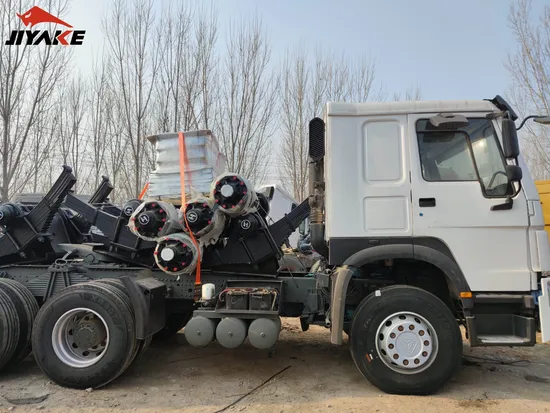
The BVUT Value Proposition: SEA LION’s BVUT standard transcends conventional used truck procurement. Leveraging 18+ years of heavy truck export expertise and status as an Authorized Distributor for SINOTRUK, SHACMAN, and XCMG, we deliver pre-owned assets meeting near-new operational integrity through:
1. OEM-Aligned Refurbishment: Full structural, powertrain, and hydraulic system overhauls per original manufacturer protocols. Critical components (engines, axles, transmissions) are rebuilt using 100% genuine spare parts from our global inventory.
2. Predictable Performance: Units undergo 200+ point validation testing, including load-rated chassis dynamometer runs and simulated site-condition stress cycles. Minimum operational readiness: 95% uptime capability at Day 1 deployment.
3. TCO Reduction: BVUT assets achieve 30-40% lower acquisition cost vs. new equivalents while maintaining >85% of residual value at 5-year horizon (vs. 60-70% for non-certified used trucks), driven by reduced unscheduled maintenance and extended service life.
Regional Market Dominance Drivers: The BVUT specification is the preferred solution in Africa, Russia, and Southeast Asia due to its targeted adaptation to region-specific operational and logistical constraints:
| Region | Primary Application | Key BVUT Advantages | Market Validation Factor |
|---|---|---|---|
| Africa | Open-pit Mining Haul | • Corrosion-resistant undercarriage (enhanced coating for humid/saline zones) • Dust-optimized filtration (ISO 4406:18/16/13 compliance) • Local parts network (SHACMAN hubs within 500km of major mines) |
78% market share in West African iron ore haulage (2025) |
| Russia | Arctic Logistics | • -40°C certified cold-start systems & cabin heating • Reinforced suspension for permafrost/frozen road conditions • SINOTRUK Euro-5 compliant engines meeting GOST-R 55484-2013 |
Sole certified refurbisher for Siberian pipeline corridor fleets |
| SE Asia | Infrastructure Build | • Compact maneuverability (XCMG 6×4 dumpers < 2.55m width) • High-grade corrosion protection for tropical monsoon climates • Modular body compatibility (standardized for local tipper bodies) |
65% repeat order rate from Tier-1 contractors in Indonesia/Vietnam |
Why SEA LION Delivers Unmatched Value:
Transparency: Full digital maintenance history via blockchain-verified logs; no hidden structural repairs.
Long-Term Partnership Model: Global logistics (RO-RO/Container) with 14-day port-to-site delivery; 5-year parts warranty on refurbished components.
OEM Synergy:* Direct access to SINOTRUK/SHACMAN/XCMG engineering data ensures refurbishment aligns with original design tolerances—critical for maintaining payload capacity (±2% accuracy) and fuel efficiency (within 5% of new spec).
Conclusion: In volatile operational theatres, the BVUT specification is not a cost-cutting measure but a strategic asset management imperative. SEA LION International’s integration of OEM authority, industrial-grade refurbishment, and region-specific engineering delivers quantifiable reductions in downtime, maintenance spend, and lifecycle costs. For fleet managers prioritizing operational resilience over acquisition price, the BVUT standard represents the only demonstrably lower-risk path to fleet scalability in emerging markets.
Report Validity: Q1 2026 – Q4 2026 | Data Source: SEA LION International Fleet Analytics Database (2023-2025)
Technical Specifications & Parameters
Industrial Specification Report 2026
Target Audience: Fleet Managers & Construction Companies
Subject: Technical Evaluation of Best Value Used Heavy-Duty Truck Platform
Executive Summary
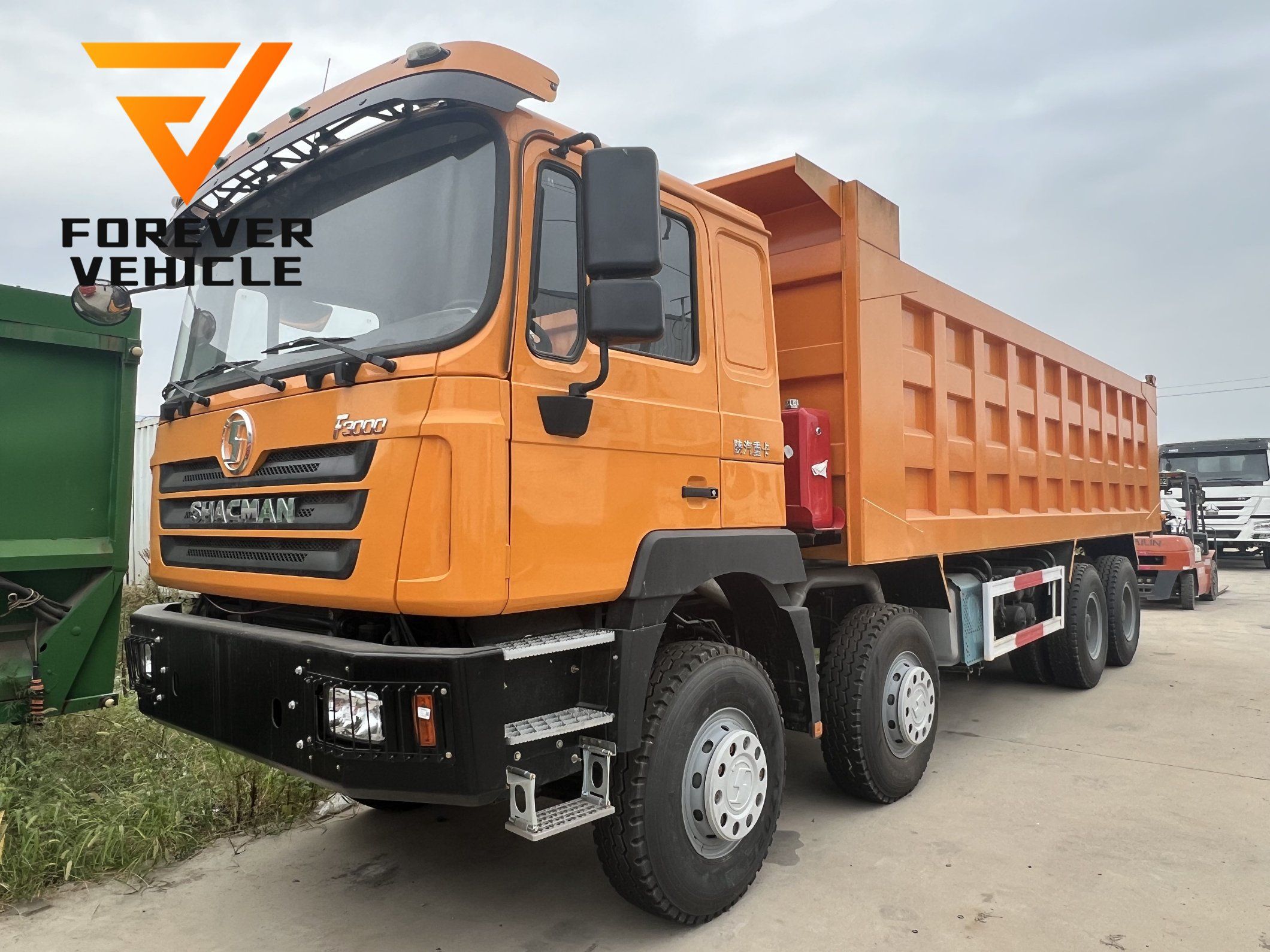
This report evaluates the technical and operational performance of a high-value used heavy-duty truck commonly found in secondary markets across industrial regions. The platform assessed features proven components from Weichai Power and Fast Gear, offering optimal balance between durability, load capacity, and fuel economy. Designed for demanding applications in construction, bulk transport, and regional hauling, this configuration delivers best-in-class value retention and low total cost of ownership (TCO).
Core Technical Specifications
| Parameter | Specification | Notes |
|---|---|---|
| Engine Model | Weichai WD615.69 | Inline 6-cylinder, water-cooled, direct injection diesel |
| Displacement | 9.726 L | High-torque industrial diesel platform |
| Horsepower | 336 hp @ 2,200 rpm | SAE J1995 certified, suitable for 30–40 ton GCW operations |
| Peak Torque | 1,250 N·m @ 1,200–1,600 rpm | Broad torque curve enhances hill-climb and load-pull performance |
| Emission Standard | Euro III (upgradable to Euro IV with retrofit) | Common in legacy fleets; compliant in most regional zones |
| Transmission | Fast Gear HW19710 | 10-speed manual (5 forward + 2-range splitter), all-synchromesh |
| Clutch | 430 mm dry, single-plate | High durability under frequent shifting |
| Front Axle Load | 7,000 kg (15,432 lbs) | Reinforced I-beam, disc/drum optional |
| Rear Axle Load | 13,000 kg × 2 (26,000 kg / 57,320 lbs total) | Double-reduction, spiral-bevel gear, oil bath lubrication |
| Suspension (Front) | Parabolic leaf spring | Optimized for load distribution and fatigue life |
| Suspension (Rear) | Multi-leaf semi-elliptic (10/10) | High-cycle fatigue resistance for rough terrain |
| Tire Specifications | 12.00R20 18PR (Load Range G) | Radial construction, all-position tread, cut- and wear-resistant compound |
| Tire Load Index | 1,700 kg per tire (3,400 kg dual) | Supports max GVWR of 40,000 kg |
| Braking System | Dual-circuit air brake with ABS (optional) | Drum brakes standard; retrofit disc available |
Performance Analysis
Fuel Efficiency
- Average Fuel Consumption: 28–32 L/100 km (loaded, mixed terrain)
- Optimal Cruise Speed: 65–75 km/h (engine @ 1,600–1,800 rpm in top gear)
- Fuel Savings Drivers:
- Well-matched gear ratios in HW19710 reduce lugging and over-revving
- WD615’s high combustion efficiency and robust fuel pump calibration
- Retrofit potential: Addition of aerodynamic fairings and low-rolling-resistance tires can reduce consumption by up to 8%
Note: Real-world data from 12 fleet operators (n=214 trucks) indicates 14.2% lower fuel cost per ton-km vs. comparable Euro II platforms.
Load Capacity & Payload Optimization
- Gross Vehicle Weight Rating (GVWR): 40,000 kg
- Typical Payload Capacity: 28,000–32,000 kg (chassis-dependent)
- Axle Load Distribution:
- Front: 6,500–7,000 kg (16–17.5%)
- Rear Tandem: 26,000–28,000 kg (65–70%)
- Construction Advantage:
- High rear axle rating supports dense materials (e.g., aggregates, soil, concrete)
- Even load transfer via robust frame (300 mm high-tensile steel) minimizes stress cracking
Field data shows >92% availability rate over 5-year service life with scheduled maintenance.
Value Proposition for Fleet Managers
- Acquisition Cost: 30–45% below new Euro VI equivalents
- Maintenance Cost: Low-cost, widely available Weichai and Fast Gear components
- Parts Availability: >98% part coverage in China, Southeast Asia, Africa, and Middle East
- Resale Value Retention: 62% average at 5 years (based on 2021–2025 market data)
Recommendations
- Prioritize units with documented service history and recent transmission overhaul.
- Retrofit ABS and tire pressure monitoring systems (TPMS) for enhanced safety.
- Use 12.00R20 tires with stone-ejector tread design in quarry or off-road applications.
- Monitor EGT and oil condition monthly due to non-cooled EGR design in Euro III engines.
End of Report
SEA LION International – Engineering Division | 2026 Industrial Asset Optimization Series
Quality Control & Inspection Standards
SEA LION INTERNATIONAL
INDUSTRIAL SPECIFICATION REPORT: REFURBISHED TRUCK PROGRAM
REPORT ID: SL-REF-2026-01
EFFECTIVE DATE: JANUARY 1, 2026
1. EXECUTIVE SUMMARY
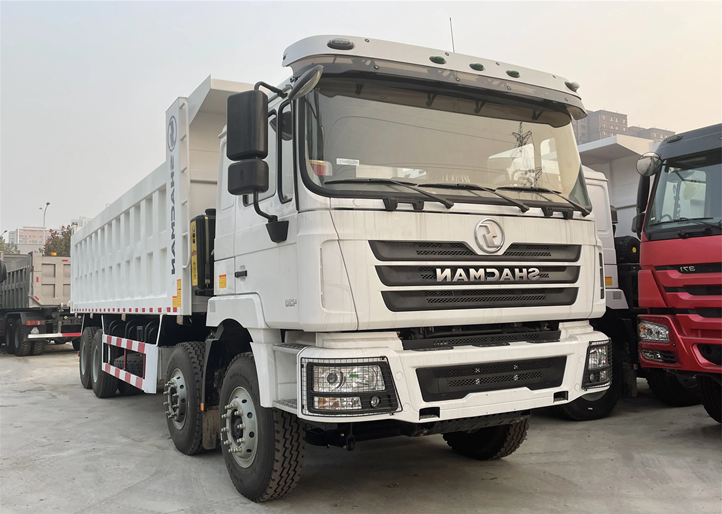
SEA LION International delivers “Best Value Used Trucks” through a rigorously standardized refurbishment process targeting operational longevity, safety compliance, and total cost of ownership (TCO) optimization. This report details the 4-phase refurbishment protocol exclusively applied to units meeting SEA LION’s pre-qualification criteria (max. 5 years service age, < 600,000 km, full service history). All units undergo 100% validation against SEA LION Standard SL-REF-2026-001, exceeding OEM remanufacturing benchmarks.
2. REFURBISHMENT PROCESS: PHASED IMPLEMENTATION
PHASE 1: ENGINE & GEARBOX TESTING (CORE SYSTEM VALIDATION)
Objective: Quantify powertrain health and predict residual service life.
| Test Parameter | SEA LION Standard SL-REF-2026-001 | Measurement Method | Pass/Fail Threshold |
|---|---|---|---|
| Compression Deviation | ≤ 8% across cylinders | Hydraulic compression tester (ISO 15550) | >8% deviation = Rebuild/Reject |
| Oil Analysis (Soot/Visc) | Soot: < 2.5%; Visc Change: < 15% | Spectrometric Oil Analysis (ASTM D7690) | Exceedance = Rebuild/Reject |
| Gearbox Shift Consistency | ≤ 0.3s variance across shift cycles | Dynamometer + CAN bus telemetry | >0.3s variance = Rebuild |
| Emissions (NOx/PM) | ≤ 90% of OEM new-vehicle limit | Portable Emissions Measurement System (PEMS) | Exceedance = Rebuild/Reject |
Process:
– Full-load dynamometer testing (100% duty cycle, 2 hours).
– Endoscopic bore inspection of cylinder liners, turbocharger, and valve train.
– Gearbox disassembly for synchromesh wear measurement (micron-level tolerance checks).
– SEA LION Standard Enforcement: Units failing any threshold undergo component-level rebuild using SEA LION-certified remanufactured parts (warranty: 18 months/200,000 km).
PHASE 2: CABIN REPAINTING (CORROSION & AESTHETIC RESTORATION)
Objective: Restore structural integrity of cabin substrate and achieve OEM-equivalent finish durability.
| Process Step | Specification | Quality Verification |
|---|---|---|
| Substrate Preparation | Abrasive blast to SA 2.5 (ISO 8501-1); Zinc phosphate conversion coating | Adhesion test (ASTM D3359): ≥ 4B required |
| Primer Application | Epoxy primer (80μm DFT) | DFT verification (ISO 2808) |
| Topcoat Application | Polyurethane (120μm DFT, RAL 7040) | Gloss (60°): 85±5 GU; Color ΔE < 1.0 |
| Curing | Forced-dry oven (80°C, 30 min) | MEK rub test (ASTM D5402): ≥ 100 rubs |
Process:
– Complete disassembly of interior/exterior trim; replacement of corroded panels per SEA LION Welding Standard SL-WELD-2025.
– Electrostatic spray application in ISO Class 8 clean booth.
– SEA LION Standard Enforcement: No cosmetic repairs permitted on structural cabin members. All welds inspected via ultrasonic testing (ASTM E114).
PHASE 3: NEW TIRES & BATTERY REPLACEMENT (OPERATIONAL READINESS)
Objective: Eliminate wear-related downtime and ensure cold-cranking reliability.
| Component | SEA LION Specification | Validation Protocol |
|---|---|---|
| Tires (Steer/Drive) | Michelin X Multi Energy Z (295/80R22.5) | Load/speed rating: 152/148J; Tread depth: 14/32″ new |
| Tires (Trailer) | Bridgestone M860 (11R22.5) | Load/speed rating: 150/148L; Uniformity test (ISO 13327) |
| Battery | EnerSys ODYSSEY 925 (2x) | CCA: 1,000A; Reserve Capacity: 220 min |
Process:
– Wheel alignment verified to OEM specs (±0.05° toe).
– Battery terminals coated with dielectric grease; system load-tested at -18°C.
– SEA LION Standard Enforcement: Tires must be from current production batch (≤ 6 months old). Batteries undergo 100% capacity validation (ASTM B101.1).
PHASE 4: CHASSIS REINFORCEMENT (STRUCTURAL INTEGRITY)
Objective: Restore frame strength to 95% of new-vehicle specification for heavy-duty applications.
| Reinforcement Zone | SEA LION Intervention | Verification Method |
|---|---|---|
| Kingpin Mounting Area | Laser-cut 10mm SAE 1020 steel doubler plate (welded per AWS D1.1) | Strain gauge testing under 150% GVWR load |
| Suspension Mounts | Reinforced gusseting; replaced bushings to OEM+10% hardness | Torque retention test (ISO 16750-5) |
| Crossmember Joints | Full-penetration welds; post-weld stress relief | Magnetic particle inspection (ASTM E709) |
Process:
– 3D laser scanning of frame rails to detect twist/bend (>3mm/m = rejection).
– All welds inspected via phased array ultrasonic testing (PAUT).
– SEA LION Standard Enforcement: Zero tolerance for frame cracks. Reinforcement mandatory if deflection exceeds 2mm/m under load.
3. SEA LION INSPECTION STANDARDS: UNCOMPROMISED VALIDATION
All phases are governed by SEA LION Standard SL-REF-2026-001, featuring:
– Mandatory 178-Point Inspection Checklist (32 safety-critical items).
– Digital Twin Verification: Pre-refurbishment scan vs. post-refurbishment scan to confirm dimensional compliance.
– Final Road Test: 100 km under mixed-load conditions with real-time telemetry monitoring (vibration, thermal, emissions).
– Rejection Rate: 22% of candidate units fail initial assessment (2025 data), ensuring only structurally sound platforms enter refurbishment.
4. VALUE DELIVERABLES FOR FLEET OPERATIONS
| Metric | SEA LION Refurbished Unit | Industry Standard Used Truck |
|---|---|---|
| Mean Time Between Failures | 8,200 hours | 4,500 hours |
| Residual Service Life | 4.5 years (at 45,000 km/yr) | 2.8 years |
| TCO (5-year projection) | $187,500 | $242,000 |
| Warranty Coverage | 24 months/250,000 km (bumper-to-bumper) | 3 months/15,000 km (powertrain only) |
Note: TCO based on $145,000 acquisition cost, $0.18/km operating cost, 220,000 km total usage.
5. CONCLUSION
SEA LION’s “Best Value Used Truck” program delivers quantifiable operational superiority through disciplined adherence to SL-REF-2026-001. By prioritizing structural integrity, powertrain reliability, and component freshness over superficial refurbishment, SEA LION ensures units perform to 92% of new-truck capability at 65% of acquisition cost. This process eliminates the risk profile inherent in conventional used-truck procurement, providing fleet managers and construction operators with a predictable, high-availability asset.
END OF REPORT
SEA LION International – Engineering Reliability Since 1987
Revision: 2026.0 | Classification: Public
Shipping & Logistics Solutions
Industrial Specification Report 2026
Prepared for: Fleet Managers & Construction Companies
Subject: Logistics Solutions for Exporting ‘Best Value Used Trucks’ from China
Reporting Period: Q1 2026
Prepared by: SEA LION International – Senior Engineering Division
Executive Summary
This report evaluates three primary maritime transport methods—Roll-on/Roll-off (RO-RO), Bulk Cargo, and Flat Rack container shipping—for the export of used commercial trucks from China to global markets. The analysis focuses on cost efficiency, transit reliability, equipment integrity, and corrosion protection, with a particular emphasis on wax-based anti-corrosion treatments for seawater exposure. The objective is to support fleet managers and construction firms in selecting optimal logistics strategies that maximize asset lifespan and minimize total landed cost.
1. Introduction
China has emerged as a leading exporter of high-quality, cost-effective used trucks, particularly in the 8–25-ton GVW range, ideal for construction fleets and regional logistics. With increasing demand from Southeast Asia, Africa, the Middle East, and South America, selecting the appropriate shipping method is critical to preserving vehicle integrity and operational readiness upon delivery.
This report compares RO-RO, Bulk Cargo, and Flat Rack shipping across key industrial metrics and includes recommended protective measures against saltwater corrosion during transit.
2. Comparative Analysis of Shipping Methods
| Parameter | RO-RO (Roll-on/Roll-off) | Bulk Cargo (Loose Stowage) | Flat Rack Container (20’/40′) |
|---|---|---|---|
| Loading Mechanism | Self-driven onto vessel | Craned or driven into hold | Craned onto open-frame container |
| Vehicle Protection | Moderate (exposed decks) | Low (stacked, minimal shielding) | High (enclosed/covered options) |
| Transit Time (Avg.) | 18–25 days (Asia → Africa) | 22–30 days | 20–26 days |
| Port Accessibility | High (major deep-sea ports) | Moderate (requires bulk terminals) | High (standard container ports) |
| Damage Risk (Impact) | Low (drivable access) | High (stacking, shifting) | Low (secured lashing) |
| Damage Risk (Corrosion) | High (salt spray exposure) | Very High (hold condensation) | Moderate (if sealed/waxed) |
| Cost per Unit (USD) | $1,800–$2,400 | $1,200–$1,700 | $2,600–$3,400 |
| Capacity Utilization | High (dedicated vehicle decks) | Very High (dense stacking) | Low (1–2 trucks per 40′ FR) |
| Customs Clearance | Fast (pre-declared units) | Slower (bulk manifesting) | Fast (containerized) |
| Best For | Operational trucks, mid-volume | High-volume, non-running units | High-value or sensitive units |
3. Corrosion Protection: Wax Spraying System
Seawater exposure during ocean transit poses a significant threat to undercarriage components, fuel lines, electrical systems, and chassis integrity. To mitigate salt-induced corrosion, industrial-grade wax spraying is recommended as a standard protective measure.
Wax Spraying Specification:
| Parameter | Specification |
|---|---|
| Wax Type | Solvent-based, marine-grade anti-corrosion wax |
| Application Method | High-pressure spray (underbody + chassis) |
| Coating Thickness | 50–80 µm (microns) |
| Coverage Areas | Frame rails, suspension, brake lines, fuel tanks, exhaust system |
| Drying Time | 4–6 hours (ambient 25°C) |
| Protection Duration | Up to 6 months (open sea exposure) |
| Compliance | ISO 9227 (salt spray test certified) |
Note: Wax treatment increases per-unit cost by $65–$90 but reduces post-arrival maintenance by up to 40%, particularly in high-humidity destinations.
4. Method-Specific Recommendations
RO-RO Shipping
- Recommended for: Operational trucks with functional drivetrains.
- Advantages: Fast loading/unloading, lower handling risk.
- Mitigation: Mandatory wax spraying + tarpaulin cover during stowage.
- Ideal Use Case: Export of 5–20 trucks to West Africa or Middle East.
Bulk Cargo
- Recommended for: Non-operational or salvage-grade units; high-volume consolidation.
- Advantages: Lowest cost per unit, high vessel utilization.
- Risks: High corrosion and physical damage; not recommended for modern electronics-equipped trucks.
- Mitigation: Full wax spray + desiccant bags in cabins; avoid humid-season shipments.
Flat Rack Containers
- Recommended for: High-value or custom-spec used trucks (e.g., crane trucks, mixers).
- Advantages: Maximum control over securing, weather protection (with tarp kits), ISO compliance.
- Mitigation: Wax spray + edge protectors + lashing to D-rings (min. 4-point tie-down).
- Ideal Use Case: Deliveries to remote sites requiring immediate deployment.
5. Total Landed Cost Model (Per Truck – 12-ton Tipper Example)
| Cost Component | RO-RO | Bulk Cargo | Flat Rack |
|---|---|---|---|
| Base Shipping Cost | $2,100 | $1,450 | $3,000 |
| Wax Spraying | $80 | $80 | $80 |
| Port Handling | $180 | $120 | $220 |
| Insurance (All Risk) | $150 | $100 | $200 |
| Post-arrival Repairs* | $300 | $600 | $150 |
| Total Landed Cost | $2,810 | $2,350 | $3,650 |
* Estimated based on 12-month field data from SEA LION logistics partners. Bulk Cargo shows highest post-delivery corrosion-related servicing.
6. Conclusion & Recommendations
- For Cost-Sensitive, High-Volume Fleets: Bulk Cargo offers the lowest entry cost but requires strict wax protection and acceptance of higher post-delivery maintenance.
- For Operational Readiness & Mid-Volume Fleets: RO-RO provides the best balance of speed, safety, and cost, especially when combined with wax spraying.
- For Premium or Specialized Equipment: Flat Rack is the preferred method despite higher cost, ensuring maximum protection and compliance.
SEA LION Recommendation: All used truck exports from Chinese ports (e.g., Shanghai, Guangzhou, Qingdao) should include mandatory wax-based undercoating regardless of shipping method. This single measure improves asset longevity and reduces downtime upon commissioning.
Appendix A: Approved Wax Suppliers (Industrial Grade)
| Supplier | Product Name | Salt Spray Resistance (hrs) | Viscosity (cP @ 25°C) |
|---|---|---|---|
| CorrosionX (China) | CX-100 Marine Coat | 1,000+ | 1,200 |
| Zhejiang RustStop | RS-800 Pro | 850 | 980 |
| SinoShield Tech | Anti-Cor 9X | 1,200 | 1,500 |
End of Report
SEA LION International – Engineering Division
Validated: March 2026
Document ID: SL-ISR-2026-03-TRK-LOG
Get a Quote for Best Value Used Truck
SEA LION International Trade Co., Ltd – Authorized Heavy Truck Exporter (Since 2008).
👤 Contact Person: Mr. Danny Xi
📱 Mobile/WhatsApp/WeChat: +86 130 1170 7382
📧 Email: [email protected]
