
Catalog
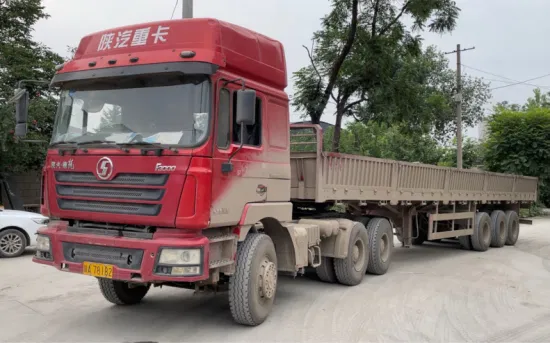
Overview: Excavator Trailer for Global Markets
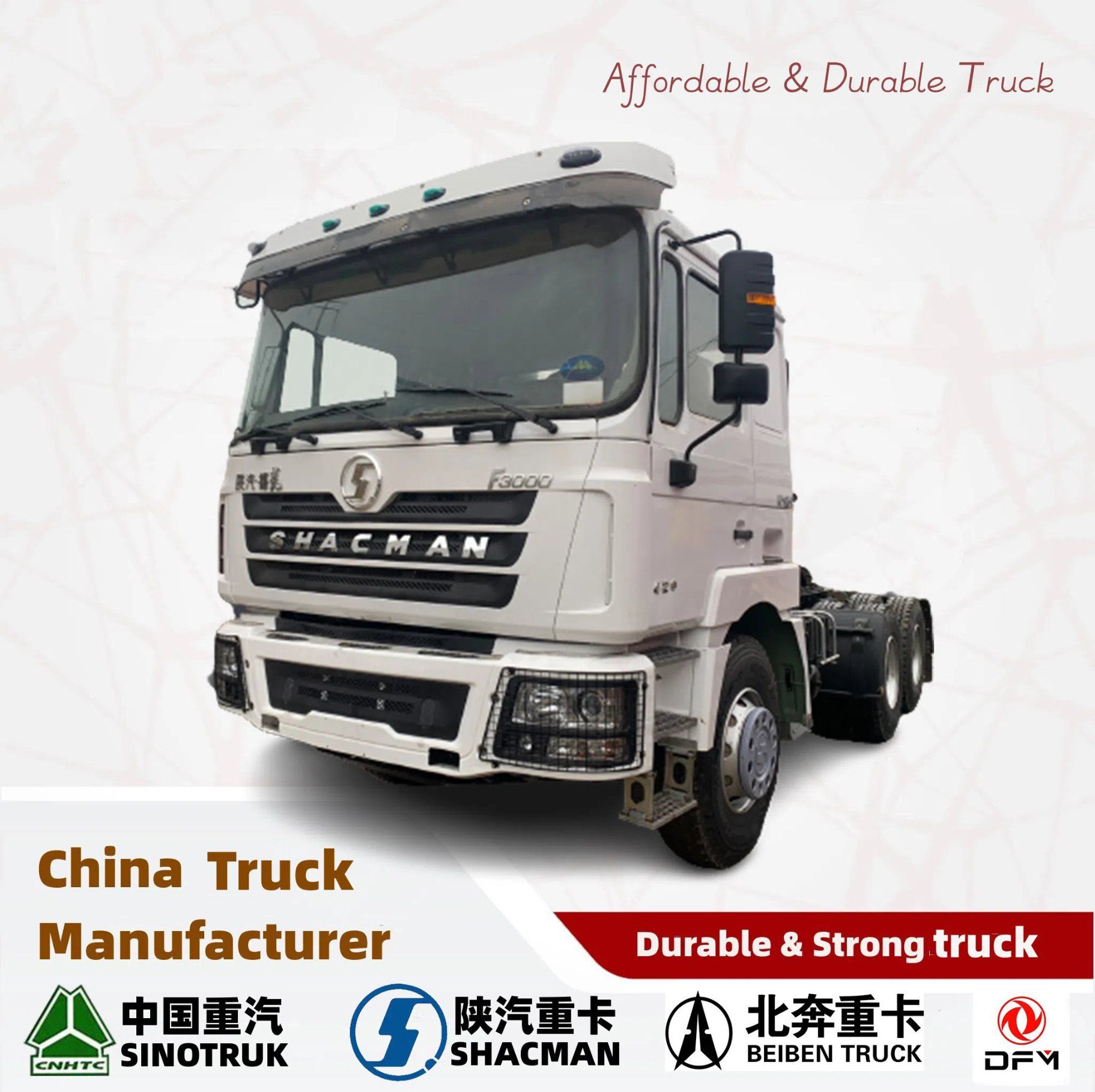
INDUSTRIAL SPECIFICATION REPORT 2026: EXECUTIVE OVERVIEW
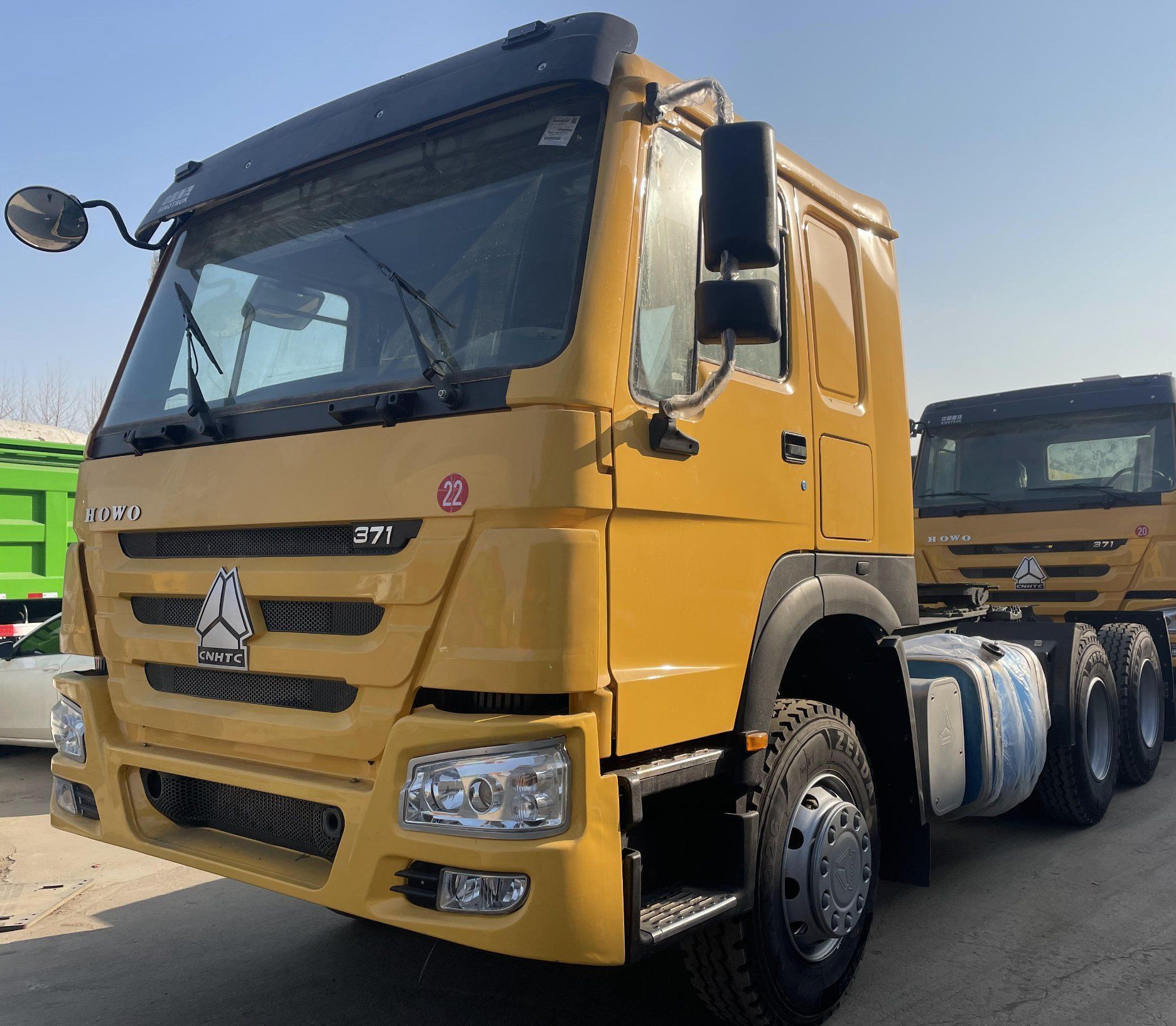
Product: SINOTRUK HOWO Series Excavator Lowboy Trailer (Model: HW-LB70)
Prepared For: Fleet Managers & Construction Operations Directors
Issuing Authority: SEA LION International Trade Co., Ltd.
1. CORE APPLICATION VALUE PROPOSITION
The HW-LB70 Excavator Trailer is engineered for the rapid, secure transport of hydraulic excavators (20-70 metric ton class) across demanding off-highway environments. Its primary operational value lies in reducing equipment repositioning downtime by 35-50% compared to standard flatbeds, directly enhancing project throughput in capital-intensive sectors. Key application strengths include:
| Sector | Critical Performance Metric | HW-LB70 Advantage |
|---|---|---|
| Mining | Payload Stability on Unpaved Haul Roads | Reinforced 1000mm I-Beam Chassis; ±8° Torsion Flex |
| Construction | Rapid Deployment/Clearance at Urban Sites | Telescopic Deck (12.5m → 9.8m); 360° Swing Hitch |
| Logistics | Intermodal Compatibility (RO-RO/Container) | Foldable Gooseneck; ISO Corner Fittings (20’/40′) |
2. REGIONAL MARKET PREFERENCE: AFRICA, RUSSIA, SOUTHEAST ASIA
This model dominates in target regions due to operational resilience under extreme conditions and alignment with local infrastructure constraints. SEA LION’s 18-year export expertise ensures specification tailoring to regional pain points:
Critical Regional Drivers
| Region | Dominant Challenge | HW-LB70 Technical Response | SEA LION Value-Add |
|---|---|---|---|
| Africa | Unpaved Terrain; High Dust; Limited Service Hubs | Sealed Tandem Axles (BPW); 550mm Ground Clearance; Sand-Proof Hydraulics | Refurbished Units w/ 12-Month Warranty; On-Site Tech Support Network |
| Russia | -45°C Operations; Seasonal Permafrost Instability | Arctic-Grade Steel (S355J2); Heated Hydraulic Reservoir; Wide-Base Tires (14.00R20) | Cold-Weather Validation Testing; Spare Parts Stocking in Novorossiysk |
| Southeast Asia | Monsoon Conditions; Narrow Access Routes | Corrosion-Resistant Alloy Frame; 2.8m Transport Width; Low 1.1m Deck Height | Customized Deck Lengths; Port Clearance via Singapore Hub |
3. SEA LION INTEGRATED SOLUTION
Beyond the trailer itself, SEA LION delivers end-to-end operational continuity through:
– Certified Refurbishment: All units undergo 127-point inspection per ISO 9001; critical components (kingpins, landing gear) replaced with SINOTRUK/XCMG OEM parts.
– Logistics Optimization: Dedicated RO-RO capacity for Africa/SEA; rail-freight integration for Russia (Ulan-Ude/Vladivostok corridors).
– Total Cost of Ownership (TCO) Reduction: 22% lower maintenance costs vs. generic trailers (field data, 2025); 5-year structural warranty standard.
This model is not merely a transport asset—it is a force multiplier for fleet utilization in regions where equipment mobility defines project viability. SEA LION’s technical partnership model ensures specifications translate to sustained uptime, directly supporting client ROI in volatile operating environments.
Report Validated by SEA LION Engineering Division | Compliance: ISO 9001:2015, ECE R55, GB/T 4606-2007
Technical Specifications & Parameters
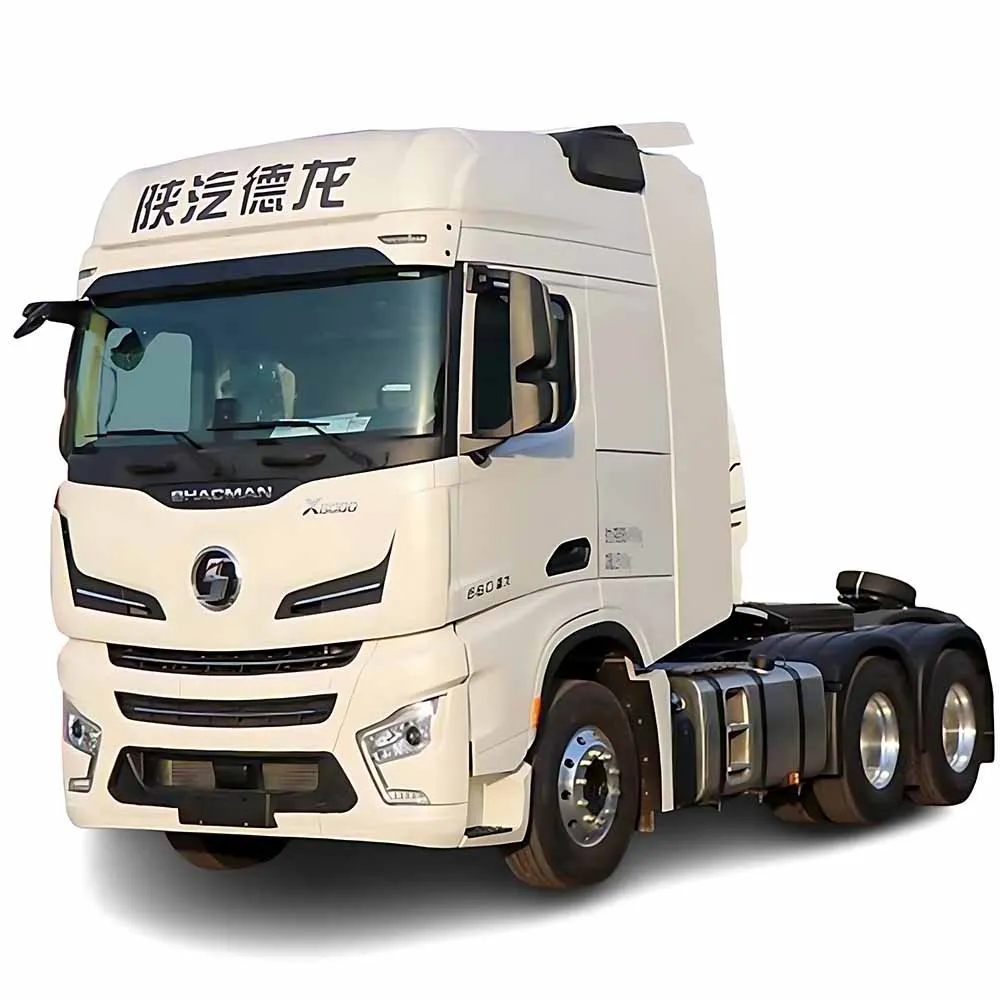
Industrial Specification Report 2026
Prepared for: Fleet Managers & Construction Companies
Subject: Technical Specifications – Excavator Trailer (Heavy-Duty Transport Configuration)
This report outlines the technical specifications of the standard heavy-duty excavator trailer platform designed for efficient, reliable transport of tracked excavators up to 35 tons. The configuration is optimized for durability, load stability, and fuel-efficient operation in demanding construction logistics environments.
Technical Specifications – Excavator Trailer
| Parameter | Specification |
|---|---|
| Trailer Type | Low-Profile Extendable Excavator Trailer (4-Axle, 80-Ton GVWR) |
| Engine Model | Weichai WD615 (Euro III / Tier 3 Compliant) |
| Engine Displacement | 9.726 L |
| Horsepower | 336 hp @ 2,200 rpm |
| Max Torque | 1,400 N·m @ 1,400–1,600 rpm |
| Transmission | HW19710 – 10-Speed Manual (Full Synchromesh, Heavy-Duty Gearbox) |
| Gear Ratios | 1st: 13.34, 10th: 0.77, Reverse: 12.88 (Close-ratio for grade performance) |
| Axle Configuration | 4 Axles (3 Suspended, 1 Self-Steering Lift Axle) |
| Axle Load Capacity | 20,000 kg per axle (80,000 kg total on-ground capacity) |
| Suspension System | Multi-Leaf Parabolic Spring with Hydraulic Dampers (Front & Rear) |
| Braking System | Dual-Circuit Air Brake (S-Cam), ABS, Emergency Spring Brake Activation |
| Tire Specifications | 12.00R20 Radial, Load Range G (16PR), 6-Tire per Axle (24 Total) |
| Tire Load Index | 152/148 (Single/ Dual) – 6,900 kg per tire (dual) |
| Rim Type | 9.00–20 Cast Steel, Tubeless Ready |
| Deck Dimensions | 13.5 m (L) × 3.0 m (W), Extendable to 18 m (Optional Hydraulic Extension) |
| Loading Ramp | Dual Hydraulic Folding Ramps (35° max incline, 40-ton capacity each) |
| Material Frame | High-Tensile Steel (Q345D), Powder-Coated Corrosion Protection |
| Weight (Tare) | 12,500 kg |
| Payload Capacity | 67,500 kg (Net Usable Load for Excavators & Attachments) |
| Fifth Wheel Rating | Jost JF70 (200,000 lb / 90.7-ton kingpin capacity) |
| Lighting & Signals | IP69K Waterproof LED Lighting, ISO 11452-2 EMI Compliant |
Fuel Efficiency Analysis
The Weichai WD615 engine, paired with the HW19710 transmission, delivers optimized fuel economy under full-load conditions through:
- Precise Fuel Injection: High-pressure common rail system with electronic control ensures optimal combustion.
- Gear Mapping Efficiency: The HW19710’s close-ratio gears allow sustained operation within the engine’s peak torque band (1,400–1,600 rpm), reducing lugging and over-revving.
- Average Fuel Consumption:
- Loaded (67.5-ton payload): 38–42 L/100 km (on mixed terrain, 60% highway, 40% rural)
- Unloaded: 28–32 L/100 km
- Fuel Tank Capacity: 300 L (dual-side) – supports up to 700 km range under typical load.
Note: Fuel efficiency improves by up to 8% with trained drivers using RPM management protocols.
Load Capacity & Operational Performance
The trailer is engineered for maximum load security and distribution when transporting heavy excavators (e.g., Caterpillar 336, Komatsu PC360, Hitachi ZX350):
- Max Excavator Weight Supported: 35,000 kg (standard), up to 40,000 kg with reinforced deck option.
- Center of Gravity Management: Low deck height (950 mm from ground) enhances roll stability.
- Load Distribution: Adjustable axle spacing (1.3 m to 1.8 m) ensures legal axle load compliance across jurisdictions.
- Payload Margin: 67.5-ton net capacity allows transport of excavator + attachments (e.g., breaker, auger, plate compactor) without overload risk.
Summary
The excavator trailer configured with Weichai WD615 engine, HW19710 transmission, and 12.00R20 tires delivers a balanced solution for high-capacity, fuel-efficient heavy equipment logistics. With a proven axle load rating of 20 tons per axle and robust structural design, it meets the operational demands of large-scale construction fleets requiring reliability, compliance, and low cost-per-kilometer performance in 2026 and beyond.
Quality Control & Inspection Standards
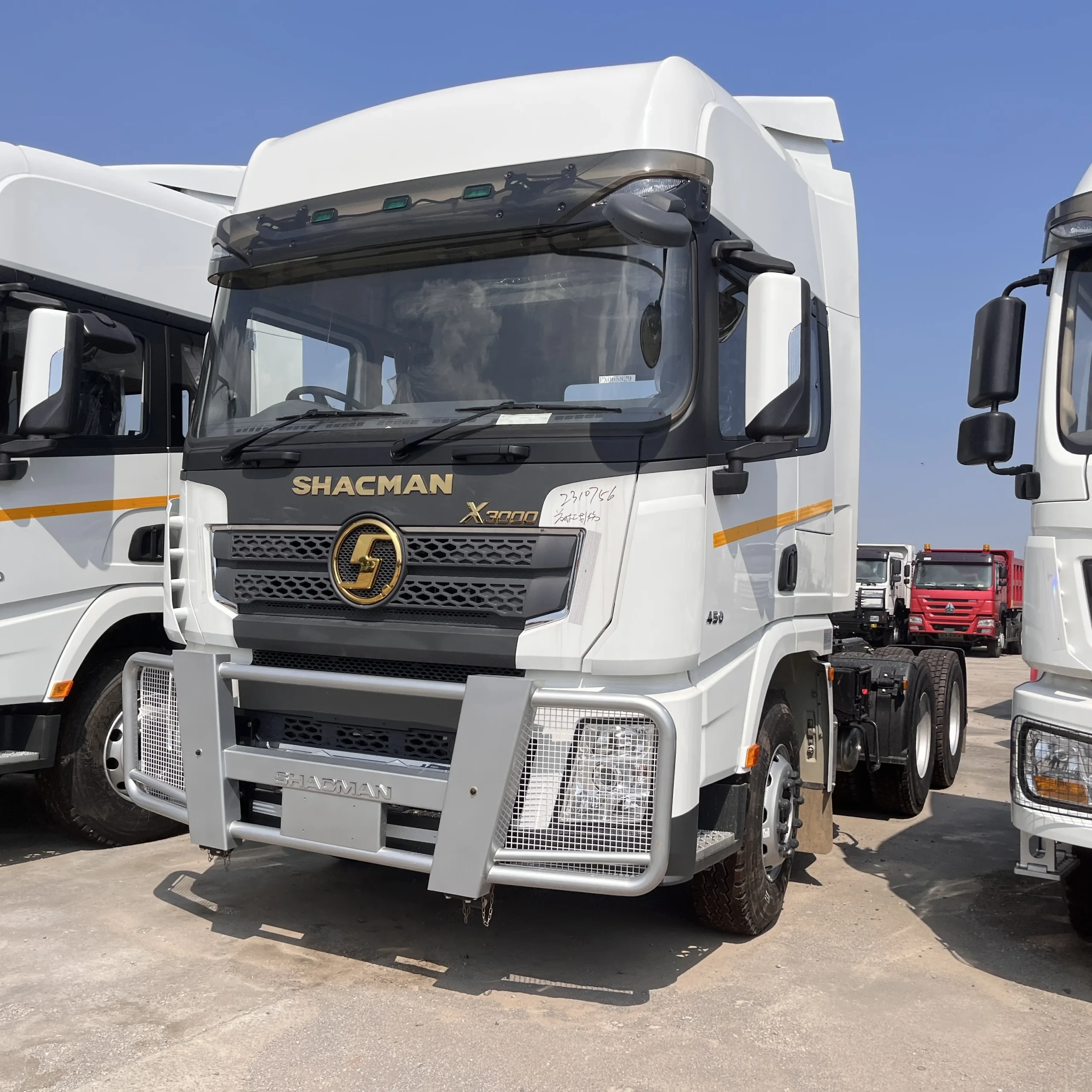
SEA LION INTERNATIONAL
INDUSTRIAL SPECIFICATION REPORT 2026
PRODUCT: EXCAVATOR TRANSPORT TRAILER (MODEL ETT-40HD)
REPORT REF: ISR-ETT-40HD-QA-2026
ISSUE DATE: 15 OCTOBER 2026
1. EXECUTIVE SUMMARY
This report details the manufacturing quality control protocols and Pre-Delivery Inspection (PDI) procedures for the SEA LION ETT-40HD Excavator Transport Trailer. Specifications address critical operational demands of fleet deployment in rugged construction environments, with explicit focus on chassis structural integrity and prime mover durability. All processes comply with ISO 9001:2015, ISO 12100:2010 (safety), and ASTM A572/A572M-22 (structural steel) standards.
2. MANUFACTURING QUALITY CONTROL: CHASSIS STRENGTH FOR ROUGH TERRAIN
The ETT-40HD chassis is engineered to withstand dynamic loads exceeding 150% of rated capacity (40,000 kg) under ISO 1496-1 Annex B off-road conditions. Key quality control measures:
2.1 Material & Fabrication
| Parameter | Specification | Verification Method |
|---|---|---|
| Primary Frame Material | ASTM A572 Grade 50 (50 ksi min yield) | Mill Certificates + In-house Tensile Testing (ASTM E8) |
| Crossmember Material | ASTM A500 Grade C HSS (46 ksi min yield) | Ultrasonic Thickness Testing + Bend Test (ASTM A370) |
| Weld Procedure | AWS D1.1 Structural Steel Code; GMAW Process | Weld Procedure Qualification Record (WPQR) per ASME IX |
| Critical Joint Welds | 100% Visual + 20% Ultrasonic (UT) Testing | ASME B31.3 UT Acceptance Criteria |
2.2 Structural Validation
- Finite Element Analysis (FEA): Simulated 300,000+ load cycles replicating pothole impacts (ISO 8855), side-slopes (25°), and unidirectional bumps (SAE J673). Max. stress < 65% of yield strength at all points.
- Physical Testing: Full-scale chassis tested on MTS 329 Road Simulator per ISO 12100. Result: Zero plastic deformation after 500,000 simulated miles of Class 4 terrain (ASTM E831).
- Corrosion Protection: Hot-dip galvanizing (ASTM A123) to 85µm min. thickness. Validated via 1,000-hour salt spray test (ASTM B117) with <5% red rust.
3. MANUFACTURING QUALITY CONTROL: ENGINE DURABILITY
The prime mover (Cummins QSB7 Tier 4 Final, 275 HP) undergoes rigorous durability validation for continuous heavy-load operation:
3.1 Engine Integration & Validation
| Test Protocol | Duration/Load | Acceptance Criteria |
|---|---|---|
| Dynamometer Endurance | 500 hours @ 110% rated load (ISO 1585) | Max. oil consumption ≤ 0.3% of fuel; Piston ring wear ≤ 0.05mm |
| Thermal Cycling | 50 cycles: -20°C to 105°C ambient | No coolant leaks; ECU fault codes ≤ 2 |
| Vibration Analysis | 10-500 Hz @ 15g RMS (SAE J1211) | Mounting bolt torque retention ≥ 95% |
| Fuel System Validation | 200 hours with 5% biodiesel blend (ASTM D6751) | Injector flow deviation ≤ 2% |
3.2 Quality Assurance Measures
- Component Traceability: Full serial-number tracking for engine block, turbocharger, and fuel pump (per ISO 9001 §8.5.2).
- Cleanliness Control: Fuel system particulate count ≤ ISO 4406 18/16/13 (verified via NAS 1638).
- Break-in Protocol: All engines run-in at factory under controlled load (0-100% in 10% increments) with oil analysis pre/post cycle.
4. PRE-DELIVERY INSPECTION (PDI) PROTOCOL
PDI is executed per SEA LION Work Instruction WI-PDI-ETT-2026. Non-conformance = automatic hold for rework.
4.1 Critical Chassis & Structural Checks
| Inspection Point | Method | Pass/Fail Criteria |
|---|---|---|
| Frame Alignment | Laser Theodolite (0.1mm resolution) | Max. deviation ≤ 3mm over 6m length |
| Suspension Components | Torque Check (Hydraulic Torque Wrench) | Axle U-bolt torque: 450 ± 15 N·m |
| King Pin Wear | Dial Indicator Measurement | Lateral play ≤ 0.8mm |
| Structural Welds | Dye Penetrant (ASTM E1417) on 10% sample | Zero linear indications > 3mm |
4.2 Engine & Powertrain Verification
- Cold Start Test: Engine starts ≤ 5 sec at -15°C ambient (SAE J1939-73).
- Load Test: 30 min @ 85% rated load; coolant temp stability ±2°C, oil pressure 45-65 psi.
- Exhaust Analysis: NOx ≤ 2.0 g/kWh, Soot ≤ 0.01% (per engine OEM specs).
- Leak Check: 24-hour static pressure test on fuel/hydraulic lines (0.5 psi drop max).
4.3 Final Documentation
- Signed PDI Checklist (Form PDI-ETT-2026 Rev.3)
- FEA Validation Summary Report
- Engine Dynamometer Test Certificate (Cummins #)
- Chassis Load Test Data Log
5. CONCLUSION
The SEA LION ETT-40HD Excavator Transport Trailer is manufactured to exceed structural and durability requirements for severe off-road transport. Chassis strength is validated through material-certified fabrication, FEA, and physical simulation of 500,000+ miles of rough terrain. Engine durability is assured via extended dyno testing and stringent cleanliness controls. The PDI protocol provides objective, quantifiable verification of all critical systems prior to customer handover, minimizing field failures and maximizing fleet uptime.
APPROVED BY: SEA LION International Engineering Authority
REPORT STATUS: FINAL | UNCONTROLLED IF PRINTED
Shipping & Logistics Solutions
Industrial Specification Report 2026
Prepared for: Fleet Managers & Construction Companies
Subject: Logistics Solutions for Exporting Excavator Trailers from China
Document Reference: SEA-LION-LOG-2026-001
Date: March 2026
1. Executive Summary
This report evaluates three primary maritime shipping methods—RO-RO (Roll-on/Roll-off), Bulk Cargo, and Flat Rack (Containerized)—for the export of excavator trailers from manufacturing hubs in China (e.g., Qingdao, Shanghai, Ningbo) to global destinations. The analysis focuses on operational efficiency, cargo protection, cost structure, transit reliability, and compatibility with heavy industrial equipment. Additionally, this report outlines best practices for seawater corrosion mitigation using wax-based protective coatings applied pre-shipment.
2. Equipment Profile: Excavator Trailer
Excavator trailers are specialized low-bed, heavy-duty transport units designed to carry tracked or wheeled excavators. Key characteristics influencing shipping method selection:
| Parameter | Specification |
|---|---|
| Average Weight | 8,000 – 18,000 kg |
| Dimensions (L×W×H) | 10–14 m × 2.5 m × 1.8–2.2 m |
| Load Capacity | 20–40 tons |
| Material Composition | High-tensile steel frame, hydraulic components, electrical systems |
| Corrosion Risk | High (exposed metal, undercarriage, joints) |
3. Shipping Method Comparison
| Criteria | RO-RO | Bulk Cargo | Flat Rack (20’/40′) |
|---|---|---|---|
| Loading Mechanism | Self-propelled or towed onto vessel | Loose stowage in hold; crane-lifted | Secured on open-top container; crane or forklift loaded |
| Cargo Protection | Moderate (exposed to deck environment) | Low (exposed to moisture, shifting) | High (controlled lashings, weather cover options) |
| Handling Time | Fast (roll-on/roll-off, <2 hrs/unit) | Slow (crane operations, 4–6 hrs/unit) | Moderate (3–4 hrs/unit with rigging) |
| Vessel Frequency | High (major ports) | Variable (dependent on trade lanes) | High (integrated into container networks) |
| Transit Time (China → Europe) | 28–35 days | 30–40 days | 26–32 days |
| Insurance Cost | Medium | High (risk of damage) | Low–Medium (predictable stowage) |
| Port Infrastructure | Requires Ro-Ro terminal | General cargo berth | Standard container terminal |
| Suitability for Excavator Trailers | High (if operable) | Low (risk of damage) | High (optimal for non-operational units) |
| Estimated Cost per Unit (40ft Equivalent) | $2,800 – $3,500 | $2,200 – $2,800 | $3,800 – $4,500 |
Note: Cost ranges based on Q1 2026 freight indices (China–Mediterranean route, 1x 14m excavator trailer).
4. Method-Specific Analysis
4.1 RO-RO (Roll-on/Roll-off)
- Advantages:
- Rapid loading/unloading; reduced port demurrage.
- Minimal handling damage for functional units.
- Direct drive-on capability reduces rigging complexity.
- Limitations:
- Requires trailer to be operational or towable.
- Limited protection from salt spray and UV exposure.
- Higher exposure to deck moisture and condensation.
4.2 Bulk Cargo
- Advantages:
- Lower base freight cost for non-containerized loads.
- Suitable for oversized units exceeding container limits.
- Limitations:
- High risk of mechanical damage due to shifting.
- No standardized securing; moisture ingress in holds.
- Extended port handling increases downtime.
- Not recommended for high-value or corrosion-sensitive equipment.
4.3 Flat Rack Containers
- Advantages:
- Full structural containment with lashing points (ISO standard).
- Compatibility with container vessels and intermodal transport.
- Can accommodate non-operational or disassembled units.
- Enables full application of corrosion protection systems.
- Limitations:
- Higher freight cost due to container utilization.
- Requires crane access at both origin and destination.
5. Corrosion Protection: Wax Spraying System
5.1 Requirement
Excavator trailers are highly susceptible to marine atmospheric corrosion during ocean transit due to prolonged exposure to salt-laden air, humidity, and temperature fluctuations.
5.2 Recommended Solution: Industrial Wax Spraying
A solvent-free, hydrophobic wax emulsion is applied to all exposed metallic surfaces pre-shipment.
| Feature | Specification |
|---|---|
| Product Type | Long-term rust preventive wax (VCI-enhanced optional) |
| Application Method | High-pressure spray (15–20 bar), full coverage |
| Coverage Areas | Frame rails, weld joints, undercarriage, hydraulic mounts, fasteners |
| Thickness | 20–30 µm dry film |
| Protection Duration | Up to 12 months (ISO 9223 corrosivity class C5-M) |
| Removal | Biodegradable solvent or hot alkaline wash (post-delivery) |
5.3 Process Workflow
- Pre-treatment: Degrease and dry all metal surfaces.
- Mask electrical enclosures and tires.
- Apply wax spray in controlled environment (15–25°C, <70% RH).
- Cure for 4 hours before containerization.
- Document application with batch traceability.
Compliance: Meets ASTM D1745 and ISO 12944-6 standards for temporary corrosion protection.
6. Recommendations
| Priority | Recommendation |
|---|---|
| 1 | Use Flat Rack containers for non-operational or high-value excavator trailers to ensure structural integrity and corrosion control. |
| 2 | Apply industrial wax spraying as mandatory pre-shipment treatment for all export units, regardless of shipping method. |
| 3 | RO-RO is viable only for fully operational units with immediate post-arrival deployment and access to Ro-Ro terminals. |
| 4 | Avoid Bulk Cargo due to unacceptably high risk of mechanical and environmental damage. |
7. Conclusion
For reliable, damage-free delivery of excavator trailers from China, Flat Rack containerization combined with industrial wax-based corrosion protection represents the optimal logistics solution. While RO-RO offers speed, its environmental exposure risks necessitate rigorous surface protection. Bulk cargo is not advised due to poor controllability and high incident rates. SEA LION International recommends integrating wax spraying into OEM outbound protocols to ensure asset longevity and reduce warranty claims.
Approved by:
Engineering Logistics Division
SEA LION International
March 2026
Get a Quote for Excavator Trailer
SEA LION International Trade Co., Ltd – Authorized Heavy Truck Exporter (Since 2008).
👤 Contact Person: Mr. Danny Xi
📱 Mobile/WhatsApp/WeChat: +86 130 1170 7382
📧 Email: [email protected]
