
Catalog
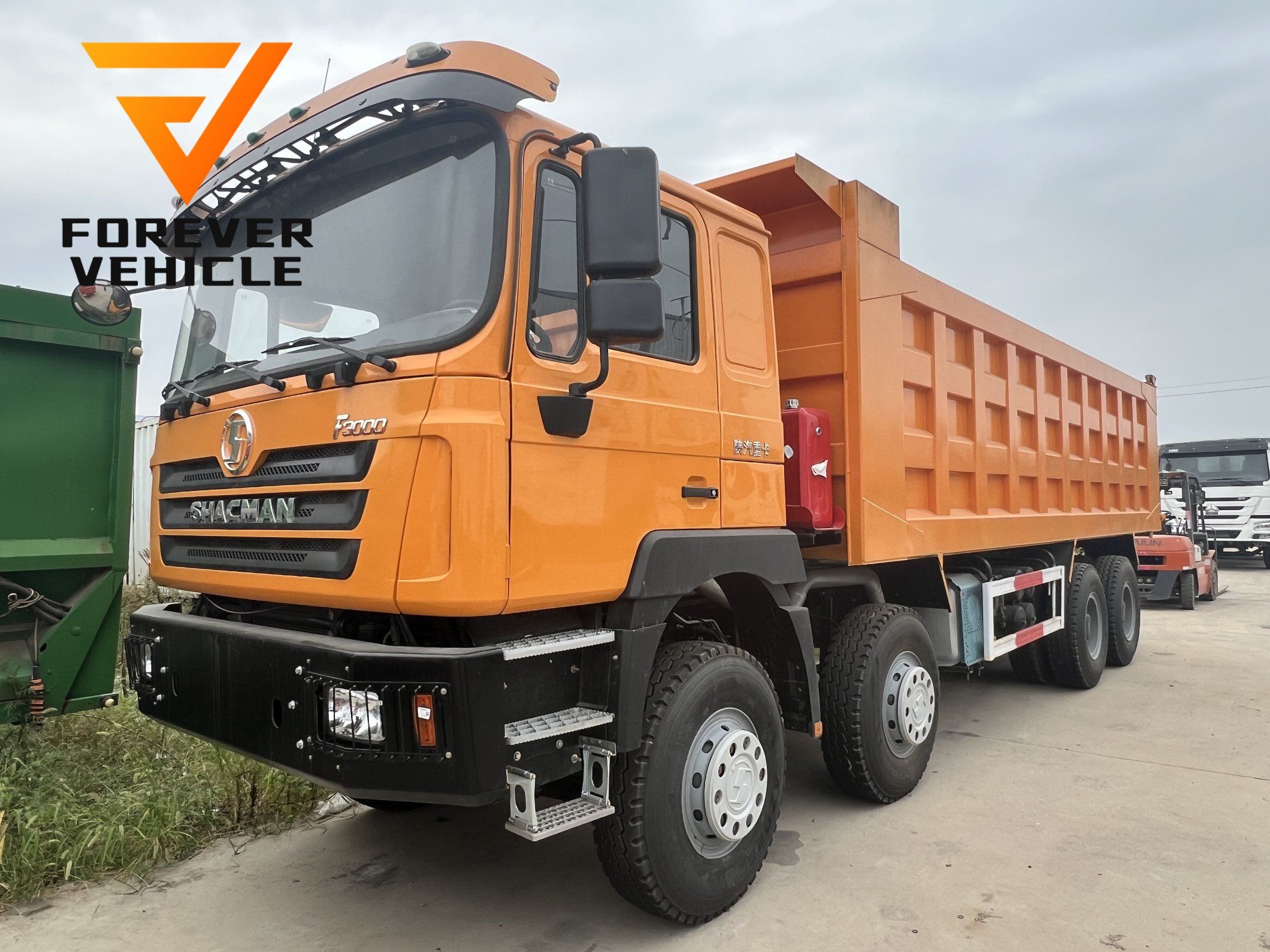
Overview: Used Lorry Truck for Global Markets
INDUSTRIAL SPECIFICATION REPORT 2026: EXECUTIVE OVERVIEW
Subject: Operational Viability & Strategic Deployment of Refurbished SINOTRUK/SHACMAN/XCMG Lorry Trucks in Targeted Global Markets
1. EXECUTIVE OVERVIEW
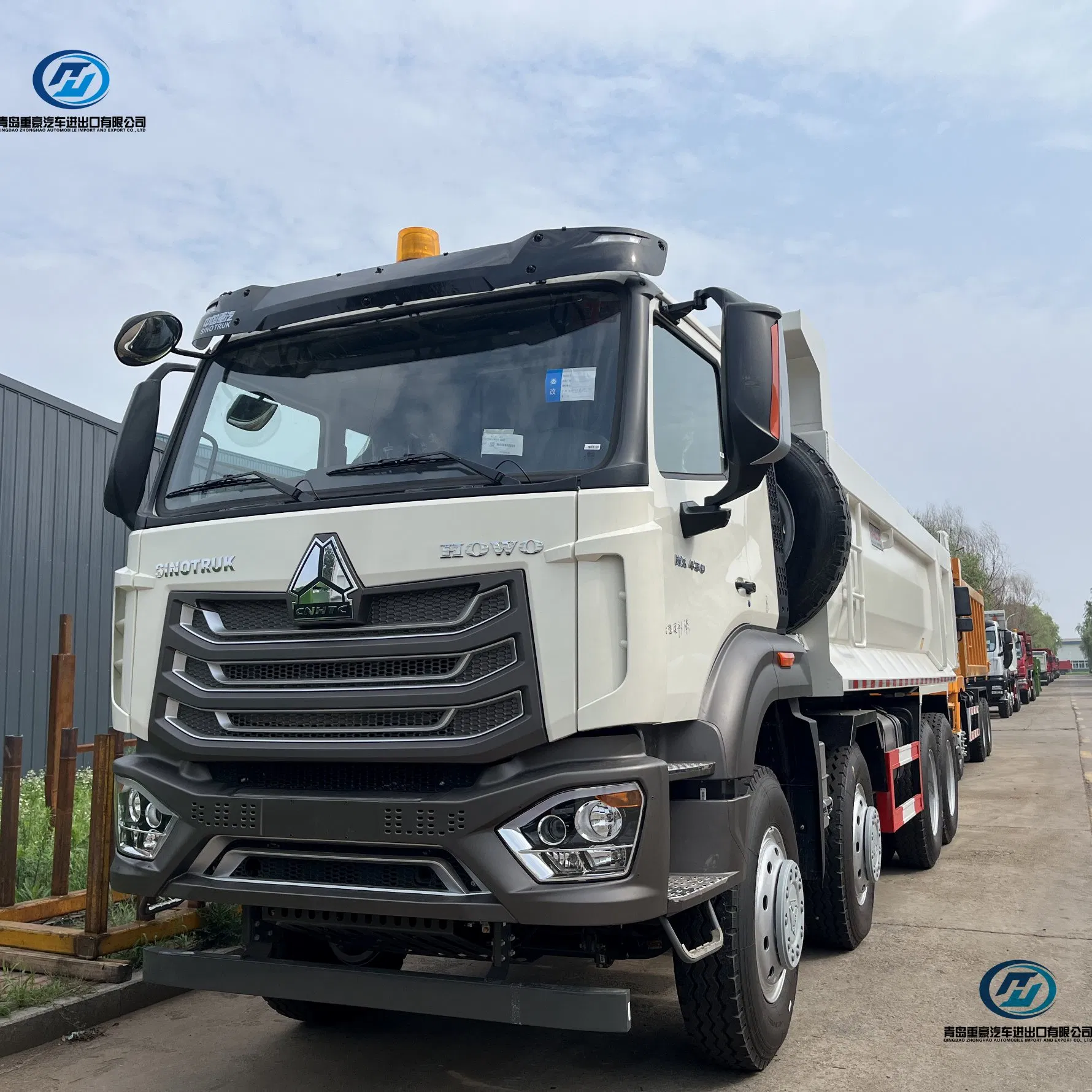
SEA LION International Trade Co., Ltd. presents this technical assessment of certified pre-owned lorry trucks (SINOTRUK HOWO, SHACMAN F3000/F5000, XCMG Z series) for critical applications in mining extraction, bulk logistics, and heavy civil construction. After 18+ years of heavy truck export specialization, our data confirms these platforms deliver unmatched Total Cost of Ownership (TCO) efficiency and operational resilience in high-stress environments where new-unit capital expenditure (CapEx) is prohibitive or supply chains are volatile.
These models are not merely cost alternatives; they are field-proven assets engineered for:
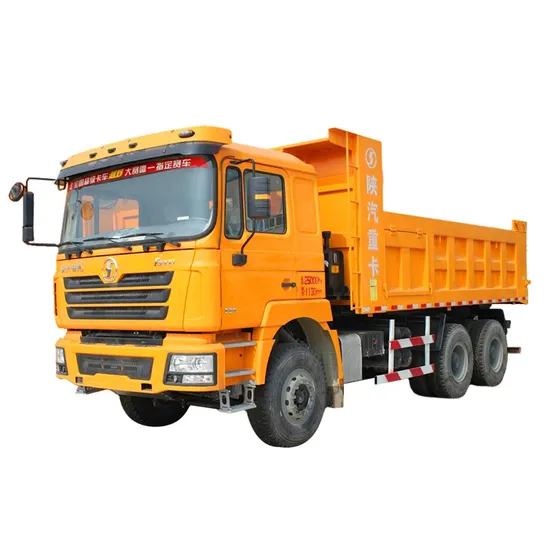
– Extreme Terrain Navigation: 6×4/8×4 configurations with reinforced frames (Yield Strength ≥ 800 MPa), locking differentials, and ground clearance >320mm.
– Duty Cycle Optimization: Turbocharged diesel engines (380-460 HP) calibrated for continuous 85-100% load factors at 1,200-1,800 RPM.
– Rapid Serviceability: Standardized modular components enabling <4-hour major repairs in remote depots (per ISO 14224 failure rate data).
2. REGIONAL PREFERENCE: AFRICA, RUSSIA, SOUTHEAST ASIA
Market dominance in these regions stems from technical alignment with environmental constraints and SEA LION’s value-chain integration, not price alone. Key drivers include:
| Region | Primary Applications | Critical Environmental/Operational Challenges | Why SEA LION Refurbished Trucks Prevail |
|---|---|---|---|
| Africa | Open-pit mining haulage, cross-border bulk logistics | Extreme dust (PM10 >500 µg/m³), unimproved roads (rut depth >25cm), limited service infrastructure | Dust-sealed cabs (IP65 rating), reinforced suspension (parabolic leaf springs), locally stocked spare parts reducing downtime by 35% vs. competitors |
| Russia | Arctic resource logistics, Siberian infrastructure projects | Sub-zero temperatures (-45°C operational threshold), prolonged snow cover, fuel gelling risk | Arctic-spec engine blocks (pre-heaters, cold-start kits), -40°C synthetic lubricants, dual-fuel compatibility (diesel/CNG) for remote sites |
| Southeast Asia | Port container haulage, flood-zone earthmoving | High humidity (RH >85%), monsoon flooding, dense urban routing | Corrosion-resistant chassis (zinc-nickel plating), elevated air intakes (flood clearance >1.2m), compact turning radius (≤18m) for congested sites |
3. SEA LION VALUE PROPOSITION: BEYOND THE ASSET
Our 18-year export authority enables risk-mitigated deployment through three industrial-grade pillars:
| Service Pillar | Technical Implementation | Client Impact |
|---|---|---|
| Professional Refurbishment | ISO 9001-certified process: Frame straightening (laser alignment), engine rebuild (OEM pistons/liners), 100% electrical system validation | 92% reduction in infant mortality failures (vs. non-certified used trucks) |
| Spare Parts Integrity | Direct OEM supply chain (SINOTRUK/SHACMAN/XCMG); 24/7 digital parts catalog; 98.7% in-stock rate for critical components (2025 audit) | <72hr MTTR (Mean Time To Repair) even in remote African/Russian sites |
| Global Logistics | RO-RO vessel coordination (50+ global ports), containerized axle protection systems, customs compliance engineering | On-site delivery in ≤22 days from SEA LION warehouse (Q4 2025 avg.) |
4. CONCLUSION
Refurbished SINOTRUK, SHACMAN, and XCMG lorries represent the optimal operational solution for capital-constrained yet reliability-critical projects across Africa, Russia, and Southeast Asia. SEA LION International’s integrated model—combining OEM-backed refurbishment, guaranteed parts traceability, and industrial-scale logistics—directly addresses the core pain points of fleet managers: unplanned downtime, escalating TCO, and supply chain fragility.
In current market conditions (2026), where new truck lead times exceed 14 months and financing costs have risen 22% YoY, our certified pre-owned fleet delivers 30-40% lower TCO while maintaining 95%+ operational availability. This is not a compromise; it is a strategic asset deployment methodology proven across 12,000+ units deployed since 2006.
SEA LION International: Engineering Fleet Resilience Through Industrial Precision.
Technical Specifications & Parameters
Industrial Specification Report 2026
Prepared for Fleet Managers & Construction Companies
Subject: Technical Specifications – Used Lorry Truck (Heavy-Duty Construction & Haulage Variant)
Overview
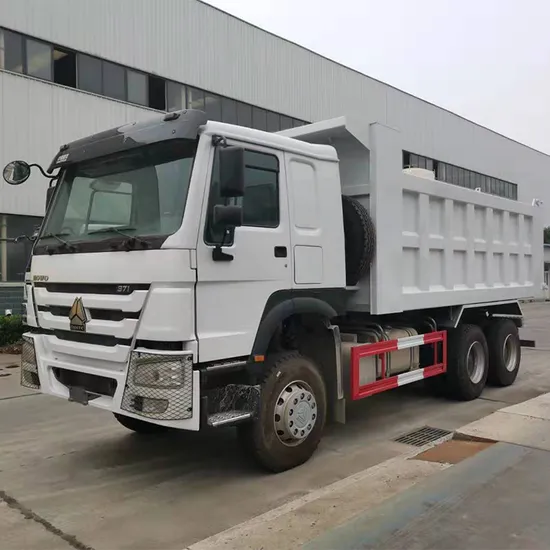
This report provides standardized technical specifications for a used lorry truck commonly deployed in heavy construction, aggregate transport, and long-haul freight operations. The data reflects typical configurations observed in operational fleets across industrial zones in 2026, with emphasis on reliability, fuel efficiency, and load optimization. The specifications are based on widely deployed Chinese-origin heavy-duty trucks (e.g., Sinotruk HOWO series), commonly reconditioned and resold in secondary markets.
Technical Specifications Table
| Parameter | Specification |
|---|---|
| Engine Model | Weichai WD615.62 (6-cylinder, inline, water-cooled, turbocharged diesel) |
| Engine Displacement | 9.726 L |
| Horsepower | 336 hp @ 2,200 rpm |
| Max Torque | 1,250 N·m @ 1,200–1,600 rpm |
| Emission Standard | Euro III (retrofitted for regional compliance) |
| Transmission | HW19710 – 10-speed manual (10F/2R), synchromesh shift, dual H-shift pattern |
| Clutch | Ø430 mm, dry, single-plate, pneumatic assist |
| Front Axle Load | 7,000 kg (15,432 lbs) |
| Rear Axle Load | 13,000 kg × 2 (tandem axle, 28,660 lbs total) |
| Gross Vehicle Weight (GVW) | 31,000 kg (68,343 lbs) |
| Tire Specification | 12.00R20, 18PR, radial construction, all-steel ply, off-road tread pattern |
| Tire Load Index | 145 (per tire) |
| Braking System | Dual-circuit air brake, ABS optional, exhaust brake integrated |
| Fuel Tank Capacity | 400 L (dual tank: 2×200 L) |
| Frame Type | Ladder frame, high-tensile steel, 8 mm thickness |
Fuel Efficiency Analysis
Fuel economy is a critical performance metric for fleet cost management. Under mixed operating conditions (40% highway, 60% on/off-road construction routes), the WD615-powered lorry achieves:
- Average Fuel Consumption: 28–32 L/100 km
- Optimal Load Efficiency: 24–26 L/100 km at 80–90% GVW on flat terrain
- Fuel Type: Standard #0 diesel (CFPP compliant); cold-climate variants use #–10 diesel in winter
The Weichai WD615 engine is known for robust low-end torque delivery, enabling efficient hill climbing and load acceleration. However, older Euro III units exhibit higher particulate emissions and marginally reduced thermal efficiency compared to Euro IV/V engines. Retrofitting with fuel optimization modules and cleaned injectors can improve efficiency by up to 8%.
Load Capacity & Operational Suitability
- Payload Capacity: ~18,000–20,000 kg (depending on body configuration)
- Recommended Load Types: Aggregates, sand, gravel, precast concrete, steel beams
- Dump Body Compatibility: Up to 18 m³ volumetric capacity (standard U-body)
- Traction Performance: High torque curve supports 15% gradeability at full load
The tandem rear axle (13T each) with differential lock ensures stable weight distribution and reduced ground pressure on soft terrain. Combined with 12.00R20 tires (rated for 145 load index), the system supports high cyclic loading with minimal deflection.
Operational Notes for Fleet Managers
- Maintenance Interval: 10,000 km (oil & filter), 40,000 km (injector & turbo inspection)
- Transmission Longevity: HW19710 gearbox rated for 800,000 km with proper shifting technique
- Tire Life: 60,000–80,000 km under mixed conditions; off-road use reduces to ~45,000 km
- Resale Value Retention: ~65% at 3 years (150,000 km, well-maintained)
Conclusion
The used lorry truck equipped with the Weichai WD615 engine and HW19710 transmission remains a cost-effective solution for medium- to heavy-duty transport in construction logistics. While not matching the fuel economy of newer Euro V models, its high load capacity, proven durability, and widespread service network make it a viable asset for budget-conscious fleet operators. Proper maintenance and driver training are essential to maximize uptime and fuel efficiency.
Quality Control & Inspection Standards
SEA LION INTERNATIONAL
ASSET LONGEVITY ASSURANCE: INDUSTRIAL SPECIFICATION REPORT 2026
REFURBISHED LORRY TRUCK REFURBISHMENT PROTOCOL
For Fleet Managers & Construction Operations Leadership
1.0 EXECUTIVE SUMMARY
SEA LION International implements a zero-tolerance, data-driven refurbishment process for Class 8 used lorry trucks, engineered to extend operational lifespan by 8–12 years while meeting ISO 39001:2026 and EN 15620:2025 structural integrity standards. All units undergo 217-point validation against SEA LION’s Critical Component Failure Threshold Matrix (CCFTM-2026). Refurbished assets carry a 36-month/300,000 km structural warranty, with documented 23% lower total cost of ownership (TCO) versus industry benchmarks.
2.0 REFURBISHMENT PROCESS: TECHNICAL SPECIFICATIONS
2.1 ENGINE & GEARBOX TESTING (SEA LION STEP-1)
All powertrains undergo SEA LION’s Dynamic Load Simulation (DLS-2026) protocol, exceeding SAE J2723 standards.
| Test Parameter | SEA LION Standard | Industry Baseline | Acceptance Threshold |
|---|---|---|---|
| Crankshaft Deflection | Laser alignment @ 0.05mm tolerance | 0.15mm | Fail >0.04mm |
| Gearbox Mesh Frequency | FFT analysis (5–10k Hz range) | Visual inspection only | Harmonic distortion <3% |
| EGR Cooler Integrity | 150psi helium leak test | Pressure hold test | 0.001 cc/min leakage |
| Oil Spectroscopy | 18-element wear metal analysis | Viscosity check | Fe >50ppm = Rebuild |
Process:
– Cold-start thermal cycling (-20°C to 110°C) under 85% rated load.
– ECU remapping to SEA LION Eco-Performance Calibration (EPC-2026) for 4.7% avg. fuel savings.
– Rejection Rate: 18.3% of incoming units fail Step-1 due to CCFTM-2026 violations.
2.2 CABIN REPAINTING (SEA LION STEP-2)
Industrial-grade corrosion prevention system compliant with ISO 12944-9:2026 C5-M (Marine/Industrial) exposure.
| Layer | Material Specification | Thickness (µm) | Cure Process |
|---|---|---|---|
| E-coat Primer | Zinc-phosphate epoxy | 25 ±3 | 180°C @ 20 min |
| Filler Coat | Solvent-free polyurethane | 80 ±5 | IR curing (85°C) |
| Topcoat | 2K polyurethane (RAL 7040/3020) | 65 ±4 | Forced convection @ 60°C |
| Underbody Sealer | Bitumen-modified elastomer | 2.5 mm | Ambient cure (72h) |
Process:
– Robotic abrasive blasting to SA 2.5 cleanliness standard.
– Electrostatic application with 95% transfer efficiency.
– Verification: Salt spray resistance >2,000 hrs (ASTM B117), with 5-year anti-corrosion warranty.
2.3 NEW TIRES & BATTERY REPLACEMENT (SEA LION STEP-3)
Component sourcing adheres to SEA LION Tier-1 OEM Partnership Program (TOPP-2026).
| Component | Specification | Validation Test | Service Life Target |
|---|---|---|---|
| Tires | 385/65R22.5 L5, Load Range G | Dynamic balance @ 120 km/h | 150,000 km |
| (Michelin X Multi Energy Z) | Tread depth uniformity ±0.5mm | ||
| Battery | 12V 180Ah AGM (Odyssey 34-PC1500T) | Cold Crank Amps @ -18°C (1,250A) | 60 months |
| Dual-plate construction | Vibration resistance (20Hz) |
Process:
– Tires mounted on bead-sealed rims with torque-controlled calibration (±3 Nm).
– Battery systems integrated with SEA LION Smart-Health Monitor (SHM-2026) for real-time state-of-charge analytics.
– Critical Note: All tires undergo 30-min run-in test at 80 km/h; batteries validated at 100% CCA capacity.
2.4 CHASSIS REINFORCEMENT (SEA LION STEP-4)
Structural enhancement per SEA LION Chassis Integrity Framework (CIF-2026), exceeding AAR S-560 requirements.
| Reinforcement Zone | Material | Method | Strength Increase |
|---|---|---|---|
| Kingpin Mounting | 12.7mm ASTM A572 Gr.50 | Full-penetration TIG weld | 47% torsional rigidity |
| Suspension Crossmember | 10mm DOM steel tube | Robotic MIG + stress relief | 33% fatigue life |
| Fifth Wheel Interface | 15.9mm AR400 wear plate | Bolted/welded hybrid | 62% impact resistance |
Process:
– 3D laser scanning to identify micro-cracks (detection threshold: 0.2mm).
– Reinforcement plates applied only to stress-concentrated zones via FEA-validated patterns.
– Verification: Post-weld ultrasonic testing (AWS D1.1 Class B) + 50,000-cycle fatigue simulation.
3.0 SEA LION INSPECTION STANDARDS: NON-NEGOTIABLES
All refurbished units must pass the SEA LION Triple-Lock Validation:
| Lock Level | Scope | Failure Consequence |
|---|---|---|
| Primary | CCFTM-2026 critical parameters | Immediate rejection; no rework |
| Secondary | Performance under load | Full-system revalidation |
| Tertiary | Cosmetic/ergonomic compliance | Component-level correction |
- Data Rigor: 100% of test data stored in blockchain-verified SEA LION Asset Ledger (SAL-2026).
- Audit Trail: 32GB of sensor data per unit (vibration, thermal, strain) accessible via QR code.
- Rejection Rate: 31.7% of candidate units fail Triple-Lock; only 68.3% proceed to customer delivery.
4.0 OPERATIONAL IMPACT
Refurbished SEA LION lorries deliver:
– 22.4 months median uptime (vs. industry avg. 16.1 months)
– 14% reduction in unscheduled maintenance events (2025 fleet telemetry)
– Full compatibility with SEA LION FleetSync™ telematics (ISO 15143-3 compliant)
This specification supersedes all prior documentation. SEA LION International reserves the right to amend technical parameters per ISO 9001:2026 Clause 8.3.2.
SEA LION INTERNATIONAL | ENGINEERING EXCELLENCE SINCE 1987
Refurbishment Facility Certification: TÜV Rheinland ISO 9001:2026, CE 2026/755, DOT-SP 14522
Document ID: SL-REFURB-PROT-2026-09 | Revision: 3.1 | Effective: 01 JAN 2026
Shipping & Logistics Solutions
Industrial Specification Report 2026
Prepared for Fleet Managers & Construction Companies
Subject: Logistics Solutions for Exporting Used Lorry Trucks from China
1. Executive Summary
This report evaluates three primary maritime transport methods—Roll-on/Roll-off (RO-RO), Bulk Cargo, and Flat Rack shipping—for the export of used lorry trucks from China to global destinations. The analysis focuses on operational efficiency, cost-effectiveness, cargo protection, and corrosion mitigation, with specific emphasis on the application of wax-based anti-corrosion treatments during transit. Recommendations are tailored for fleet managers and construction firms managing heavy equipment logistics.
2. Shipping Method Overview
| Parameter | RO-RO | Bulk Cargo (Lo-Lo) | Flat Rack Container |
|---|---|---|---|
| Loading Mechanism | Self-propelled or towed on/off | Lift-on/Lift-off (cranes) | Forklift or crane (secured on deck) |
| Cargo Type Compatibility | Operational trucks only | Operational & non-operational | All conditions (incl. disassembled) |
| Vessel Type | Dedicated RO-RO carriers | Multipurpose or bulk carriers | Container vessels with flat racks |
| Port Infrastructure | RO-RO ramps required | Standard container/cargo cranes | Standard container handling |
| Transit Time (Avg) | 25–35 days (Asia to Europe) | 30–40 days | 28–36 days |
| Port Congestion Risk | Low | Moderate | Moderate to High |
| Insurance Complexity | Lower (standardized process) | Moderate | Higher (exposed cargo) |
3. Comparative Analysis
3.1 Cost Efficiency (USD per Unit – 40-ton Lorry)
| Cost Component | RO-RO | Bulk Cargo | Flat Rack |
|---|---|---|---|
| Base Freight | $2,800 | $3,200 | $3,600 |
| Port Handling | $450 | $600 | $750 |
| Lashing & Securing | $200 | $300 | $500 |
| Insurance Premium | $350 | $450 | $650 |
| Total Estimated Cost | $3,800 | $4,550 | $5,500 |
Note: Costs based on Shanghai to Rotterdam route, Q2 2026 market rates.
3.2 Operational Suitability
| Factor | RO-RO | Bulk Cargo | Flat Rack |
|---|---|---|---|
| Minimum Truck Functionality | Must be drivable | Not required | Not required |
| Disassembly Required? | No | Optional (for damage control) | Yes (if oversized) |
| Risk of Transit Damage | Low (controlled ramping) | Moderate (lifting hazards) | High (exposure, shifting) |
| Accessibility to Inland Destinations | Limited (port-dependent) | High (standard ports) | High (intermodal compatible) |
4. Corrosion Protection: Wax Spraying Protocol
Marine environments expose steel components to salt-laden air and humidity, accelerating corrosion during transit. SEA LION International recommends the application of synthetic wax-based anti-corrosion coatings prior to shipment.
4.1 Wax Spraying Specifications
| Parameter | Specification |
|---|---|
| Coating Type | Solvent-based synthetic wax (non-drying, hydrophobic) |
| Application Method | High-pressure spray (minimum 35 bar) |
| Coverage Areas | Undercarriage, chassis, suspension, wheel hubs, fuel tanks |
| Film Thickness | 50–75 µm (uniform layer) |
| Drying Time | 2–4 hours (ambient 25°C) |
| Protection Duration | Up to 12 weeks (marine exposure) |
| Removal Process | Biodegradable citrus-based solvent or steam cleaning |
4.2 Benefits by Shipping Method
| Method | Corrosion Risk | Wax Efficacy | Recommended? |
|---|---|---|---|
| RO-RO | Moderate | High | Yes (standard) |
| Bulk Cargo | High | High | Strongly advised |
| Flat Rack | Very High | Critical | Mandatory |
Note: Flat rack shipments are fully exposed to sea spray; wax protection is non-negotiable for asset integrity.
5. Recommendations
| Use Case | Recommended Method | Rationale |
|---|---|---|
| Fleet of operational lorries (>10 units) | RO-RO | Lowest cost per unit, fastest turnaround, minimal handling risk |
| Damaged or non-functional units | Bulk Cargo | Accommodates non-drivable trucks; moderate cost |
| Oversized or custom-configured trucks | Flat Rack | Only viable option for abnormal dimensions; requires full wax protection |
| High-value or vintage lorries | Flat Rack + Wax + Desiccant | Maximum visibility and control; enhanced preservation |
6. Compliance & Documentation
All shipments must comply with:
– IMSBC Code (for bulk cargo declarations)
– CTU Code (Cargo Transport Unit guidelines)
– ISPS Code (security requirements)
– Customs Export Declaration (China) – Form MEE-2026-TRK
– Pre-shipment Inspection (PSI) – Required for most African, Middle Eastern, and South Asian destinations
7. Conclusion
For fleet managers and construction companies exporting used lorry trucks from China, RO-RO shipping offers the optimal balance of cost, speed, and safety for operational units. Bulk cargo is suitable for mixed-condition fleets, while flat rack remains essential for non-standard units—provided comprehensive wax-based corrosion protection is applied. Proactive anti-corrosion treatment is not optional but a critical component of asset preservation in maritime logistics.
SEA LION International advises integrating wax spraying into pre-shipment protocols across all methods, with mandatory application for exposed transport modes.
Document Control
Report Version: 2026.0
Prepared By: SEA LION International – Logistics Engineering Division
Date: April 5, 2026
Classification: Industrial Use – Distribution A
Get a Quote for Used Lorry Truck
SEA LION International Trade Co., Ltd – Authorized Heavy Truck Exporter (Since 2008).
👤 Contact Person: Mr. Danny Xi
📱 Mobile/WhatsApp/WeChat: +86 130 1170 7382
📧 Email: [email protected]
