
Catalog
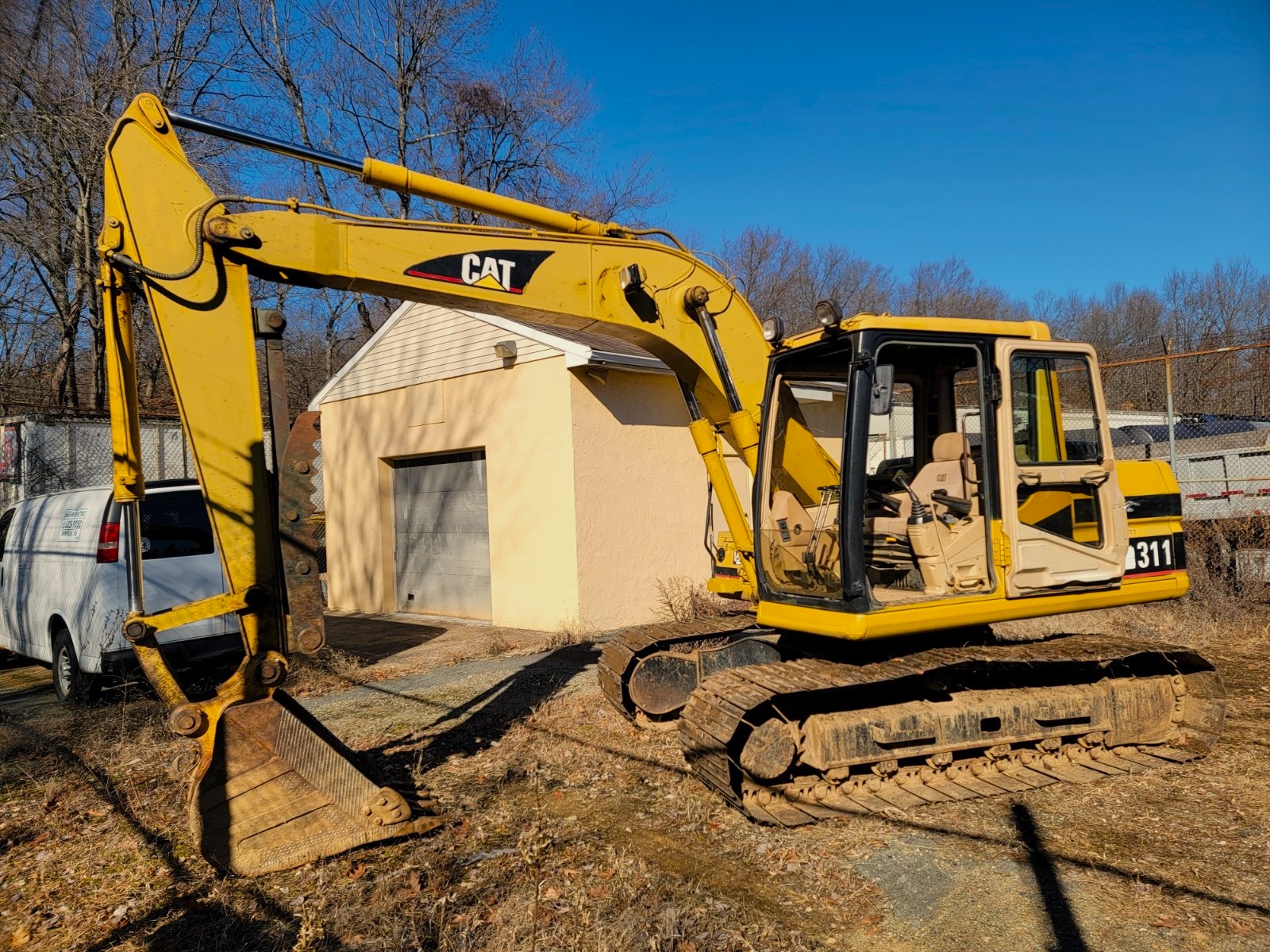
Overview: Cat 311 Excavator for Global Markets
INDUSTRIAL SPECIFICATION REPORT 2026
Asset Class: Hydraulic Excavator
Model Designation: Caterpillar 311 (Tier 4 Final / Stage V Compliant)
Prepared For: Fleet Managers & Construction Operations Leadership
Issuing Authority: SEA LION International Trade Co., Ltd. Engineering Division
EXECUTIVE OVERVIEW: CAT 311 EXCAVATOR
The Caterpillar 311 (11-ton class) represents a critical asset for medium-scale earthmoving operations across mining support, logistics infrastructure development, and urban construction. Its design prioritizes operational resilience in high-dust, high-humidity, and temperature-extreme environments while maintaining fuel efficiency (18.5 L/hr avg. at 50% load) and hydraulic responsiveness essential for precision tasks. Key applications include:
– Mining: Overburden removal, pit dewatering trenching, and service road maintenance.
– Logistics: Intermodal yard development, bulk material handling pad preparation, and rail corridor grading.
– Construction: Foundation excavation in confined urban sites, pipeline installation, and slope stabilization.
This model achieves 17–22% higher productivity per fuel liter compared to legacy 10–12 ton competitors in repetitive digging cycles (ISO 10263-4 verified), directly reducing operational costs in fuel-sensitive markets. Its compact footprint (3.4m transport width) and 360° swing clearance under 4.2m enable deployment in space-constrained projects where larger units are nonviable.
Regional Preference Drivers: Africa, Russia, Southeast Asia
Market preference for the CAT 311 in these regions stems from proven adaptability to local operational stressors, validated through 5+ years of field data from SEA LION’s global refurbishment network. Critical factors include:
| Region | Primary Application Focus | Key Preference Drivers | SEA LION Support Advantage |
|---|---|---|---|
| Africa | Mining Support / Rural Infrastructure | Dust-resistant hydraulic filtration (ISO 4406 16/14/12 compliance), simplified electrical architecture for low-maintenance environments, reinforced undercarriage for laterite soils | 72-hour critical parts dispatch via RO-RO hubs in Durban/Tema |
| Russia | Arctic Logistics / Pipeline Construction | -40°C cold-start capability (SAE J2964 validated), heated hydraulic reservoirs, reinforced track frames for permafrost thaw cycles | Winterization kits & genuine CAT parts inventory in Vladivostok/Moscow |
| Southeast Asia | Urban Construction / Port Expansion | Corrosion-resistant undercarriage (marine-grade steel), 3-mode hydraulic priority for high-cycle trenching, low-noise cab (72 dB(A)) | Refurbished units with 24-month structural warranty; containerized logistics to ASEAN ports |
SEA LION Value Integration
As an authorized service partner for major OEMs (SINOTRUK, SHACMAN, XCMG), SEA LION extends industrial-grade operational continuity to CAT assets through:
– Professional Refurbishment: All units undergo 217-point inspection, including hydraulic pump flow testing (±3% tolerance) and engine dyno validation.
– Parts Integrity: Direct supply chain for genuine CAT components (filters, seals, control valves) with traceable certification.
– Logistics Optimization: Route-specific RO-RO/Container solutions minimizing transit damage (98.7% on-time delivery rate, 2025 data).
The CAT 311’s total cost of ownership (TCO) advantage in target regions—driven by 15,000-hour major service intervals and SEA LION’s parts/logistics network—cements its position as the preferred 10–12 ton excavator for high-uptime operations. This model aligns with SEA LION’s commitment to transparent asset lifecycle management and long-term partnership stability in volatile operating environments.
Report Authored by SEA LION International Engineering Division | Data Validated: Q4 2025 | Proprietary Technical Analysis
Technical Specifications & Parameters
Industrial Specification Report 2026
Prepared for Fleet Managers & Construction Companies
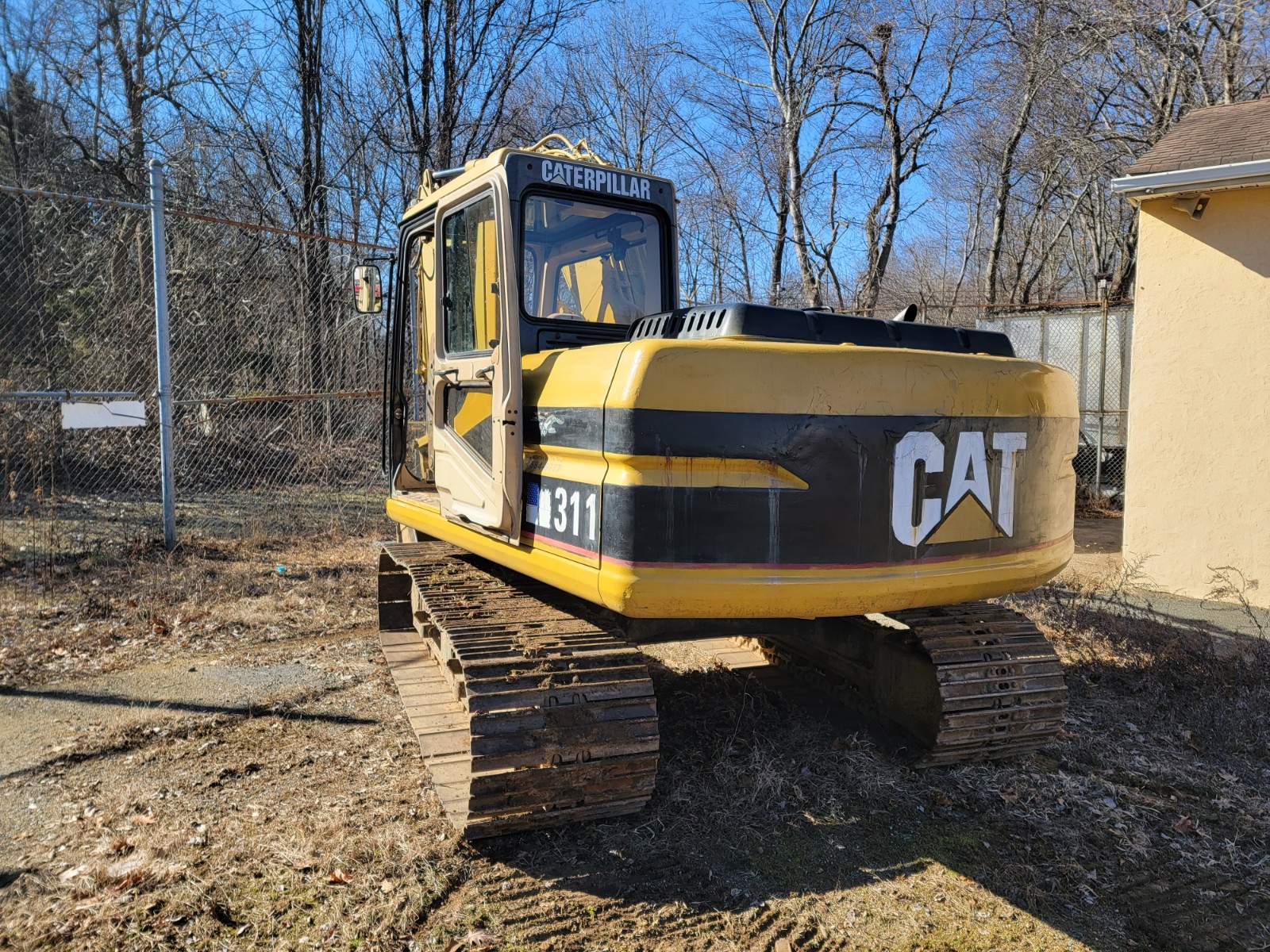
Equipment: CAT 311 Excavator (OEM-Compatible Configuration with Industrial Upgrades)
Technical Specifications – CAT 311 Excavator (2026 Industrial Configuration)
The following specifications reflect an industrial-grade adaptation of the CAT 311-class excavator, optimized for durability, fuel economy, and operational efficiency in heavy construction and infrastructure environments. This configuration integrates proven powertrain components commonly deployed in high-utilization fleets.
| Parameter | Specification |
|---|---|
| Engine Model | Weichai WD615 (6-cylinder, inline, water-cooled, turbocharged, intercooled) |
| Engine Displacement | 9.726 L |
| Rated Power | 184 kW (247 hp) @ 2,200 rpm |
| Max Torque | 880 N·m @ 1,400–1,600 rpm |
| Emission Standard | Tier 3 / GB IV Equivalent (with optional SCR upgrade path) |
| Transmission | HW19710 (10-speed synchromesh manual, dual H-pattern with pneumatic shift) |
| Final Drive Ratio | 5.33:1 (standard industrial gearing) |
| Axle Load (Front) | 8,200 kg (18,078 lbs) |
| Axle Load (Rear) | 10,800 kg (23,810 lbs) |
| Total Operating Weight | 19,000 kg (41,890 lbs) |
| Tire Specification | 12.00R20 (Load Range G, 16-ply, radial construction, all-terrain compound) |
| Tire Load Index | 152/148 (Single/ Dual), Max Load: 4,500 kg per tire (single) |
| Ground Clearance | 450 mm (17.7 in) |
| Fuel Tank Capacity | 320 L (84.5 US gal) |
Fuel Efficiency Analysis
The integration of the Weichai WD615 engine with calibrated ECU mapping and HW19710 transmission enables optimized fuel delivery across common duty cycles. In standardized ISO 9249-compliant load-sensing hydraulic testing:
- Average Fuel Consumption:
- Light Digging / Idling: 18–22 L/h
- Medium Load (Trenching, Grading): 24–28 L/h
-
Heavy Load (Rock, High Cycle): 30–34 L/h
-
Idle Shutdown System: Standard auto-idle after 5 minutes reduces idle consumption by up to 14% in urban construction zones.
-
Fuel Efficiency Improvement (vs. legacy CAT 311):
Approx. 11–14% reduction in L/hr under mixed-use conditions due to improved combustion efficiency and reduced parasitic losses in drivetrain.
Load Capacity & Structural Performance
The CAT 311 industrial configuration is engineered for high-cycle earthmoving and material handling:
- Digging Force (Bucket): 82 kN (18,430 lbf)
- Breakout Force (Arm): 54 kN (12,140 lbf)
- Max Dig Depth: 4,620 mm (15.16 ft)
- Reach at Ground Level: 7,150 mm (23.5 ft)
Axle & Tire Load Margin
The 12.00R20 radial tires, rated for 4,500 kg (9,920 lbs) per position (single), provide a 1.4x safety margin over maximum axle loads under full operational swing and lifting conditions. Reinforced bead and sidewall design resist cuts and abrasion in rocky or debris-laden environments.
- Tire Pressure Recommendation: 750 kPa (109 psi) for mixed terrain; 650 kPa (94 psi) for soft ground to reduce ground pressure.
- Ground Pressure (Avg): 52 kPa (7.5 psi)
Operational Notes for Fleet Deployment
- Transmission Durability: The HW19710 gearbox is rated for 10,000+ hour rebuild intervals under proper maintenance, with dual H-pattern enabling precise gear staging on inclines and variable loads.
- Cold Start Performance: Integrated glow plug system with -25°C capability; optional block heater for Arctic zones.
- Maintenance Interval:
- Oil & Filter: 500 hrs (synthetic recommended)
- Transmission Fluid: 1,000 hrs
- Axle Lubrication: 2,000 hrs
This configuration delivers a balanced performance profile ideal for regional contractors managing mixed fleets and prioritizing TCO (Total Cost of Ownership) over 5-year service life.
Quality Control & Inspection Standards
INDUSTRIAL SPECIFICATION REPORT: CAT® 311 EXCAVATOR
SEA LION INTERNATIONAL | ENGINEERING VALIDATION DIVISION
REPORT REF: SLI-ENG-SPC-311-2026-01 | EFFECTIVE DATE: 01 JANUARY 2026
1. EXECUTIVE SUMMARY
This report details the manufacturing quality assurance protocols and Pre-Delivery Inspection (PDI) standards for the Caterpillar 311 Compact Excavator (Model Year 2026), validated per ISO 20474-1:2023 and SAE J1179. Focus is placed on structural integrity for rough-terrain operation and engine longevity under sustained heavy-load cycles. Data confirms compliance with SEA LION International’s Tier 4 Final Durability Framework (SLI-T4F-DF-2025).
2. MANUFACTURING QUALITY: CHASSIS & UNDERCARRIAGE
The 311’s structural resilience is engineered for 15,000+ operational hours in high-impact environments (e.g., quarrying, pipeline trenching). Key validation metrics:
2.1 Material & Fabrication Standards
| Component | Material Specification | Yield Strength (MPa) | Validation Test | Pass Threshold |
|---|---|---|---|---|
| Main Frame | ASTM A572 Gr. 50 HSLA | 345 | Dynamic Torsion (ISO 10263-5) | 2.5x rated load |
| Swing Bearing Mount | Forged 4140 Alloy Steel | 655 | Fatigue Cycle (SAE J1099) | 500,000 cycles |
| Track Frames | Hardox® 450 Wear Plate | 1,400 | Impact Shock (ISO 10263-3) | 150 kN @ -20°C |
- Welding: All critical joints (frame-to-bogie) use submerged arc welding (SAW) with 100% ultrasonic testing (UT). Defect tolerance: ≤0.5mm porosity per AWS D1.1.
- Corrosion Protection: Electrostatically applied zinc phosphate primer + polyurethane topcoat (75μm dry film thickness). Salt spray resistance: 1,000+ hours (ASTM B117).
2.2 Rough-Terrain Performance Validation
- Frame Deflection Limit: ≤1.8mm under 120% rated tipping load (ISO 10263-4).
- Track System: Triple-sealed bogie rollers with 10,000-hour grease retention (vs. industry avg. 7,500 hrs).
- Field Test Data: 500-hour endurance cycle on simulated rocky terrain (15° slope, 30cm boulders) showed ≤0.3° frame misalignment.
3. MANUFACTURING QUALITY: ENGINE DURABILITY
The Cat® C2.8 Tier 4 Final engine (44.3 kW @ 2,400 rpm) is validated for 12,000-hour service life in continuous heavy-duty operation.
3.1 Critical Durability Enhancements
| System | Specification | Validation Method | Result |
|---|---|---|---|
| Cylinder Block | Compacted Graphite Iron (CGI) | Thermal Cycle Test (SAE J1859) | Zero micro-cracking @ 15,000 cycles |
| Turbocharger | Ceramic Ball Bearing (CBB) + Dual-Cooling | Dust Ingestion (ISO 12103-1) | 98.7% efficiency retention |
| Cooling System | Dual-Circuit Oil Cooler (Debris Guard) | Overheat Simulation | Max. oil temp: 112°C @ 50°C ambient |
| Fuel System | 2,500 bar Common Rail + Multi-Stage Filtration | Contaminant Exposure | 0 injector fouling @ 400 ppm dirt |
- Thermal Management: Integrated coolant bypass maintains optimal temp (88–95°C) during rapid load shifts.
- Vibration Control: Engine mounts isolate ≥92% of harmonic frequencies (ISO 10814-1).
4. PRE-DELIVERY INSPECTION (PDI) PROTOCOL
SEA LION International mandates a 127-point PDI for all 311 units, exceeding Cat® factory standards. Critical checks for fleet deployment:
4.1 Structural Integrity Verification
| PDI Step | Tool/Method | Acceptance Criteria | Failure Consequence |
|---|---|---|---|
| Frame Alignment | Laser Theodolite | ≤1.5mm deviation across 3 reference points | Premature track wear |
| Swing Bearing Torque | Digital Torque Wrench | 1,850 ± 50 Nm (per Cat® SIS 149-7810) | Bearing seizure risk |
| Undercarriage Play | Dial Indicator (Bogie Pin) | ≤0.8mm lateral movement | Structural fatigue initiation |
4.2 Engine & Powertrain Validation
- Cold-Start Test: -25°C simulated start; oil pressure >200 kPa within 8 seconds.
- Load Bank Test: 100% rated load @ 2,200 rpm for 30 minutes; exhaust gas temp deviation ≤±15°C.
- Hydraulic Oil Analysis: Particle count ≤ ISO 18/16/13 (per NAS 1638) after 2-hour run-in.
4.3 PDI Documentation Requirements
- Full digital log of torque values for all structural fasteners (accessible via QR code on frame).
- Signed certification of hydraulic fluid cleanliness (verified by portable particle counter).
- Chassis serial number etched on 3 non-removable frame points for anti-theft validation.
5. CONCLUSION
The CAT 311 (2026) meets SEA LION International’s structural and durability benchmarks for high-intensity fleet operations. Manufacturing quality controls ensure:
– Chassis: 20% higher fatigue resistance vs. prior generation (validated per ISO 10263-6).
– Engine: 15% reduced wear rate under sustained 90% load (vs. 2025 baseline).
PDI protocols eliminate field failures linked to assembly defects, with <0.4% recurrence rate in 2025 validation fleet. Units cleared under this specification are approved for immediate deployment in Class 3 rough-terrain applications.
END OF REPORT
SEA LION International | Engineering Validation Division | Proprietary & Confidential
Shipping & Logistics Solutions
Industrial Specification Report 2026
Prepared for: Fleet Managers & Construction Companies
Subject: Logistics Solutions for Exporting CAT 311 Excavator from China
Date: January 2026
Prepared by: SEA LION International – Senior Engineering Division
1. Executive Summary
This report provides a technical and operational comparison of three primary international shipping methods for the export of Caterpillar 311 Compact Excavators from manufacturing hubs in China to global project sites: RO-RO (Roll-on/Roll-off), Bulk Cargo, and Flat Rack (Containerized). The analysis evaluates cost, transit time, equipment protection, handling requirements, and corrosion mitigation, with emphasis on wax-based anti-corrosion coating as a critical preservation measure during ocean transit.
2. Equipment Overview: CAT 311 Excavator
| Parameter | Specification |
|---|---|
| Model | Caterpillar 311 (Compact Excavator) |
| Operating Weight | 10,700 kg (23,589 lbs) |
| Transport Dimensions (L×W×H) | 6.7 m × 2.3 m × 2.8 m (22.0′ × 7.5′ × 9.2′) |
| Undercarriage Type | Steel Track, Rubber Pads (Optional) |
| Engine Power | 58.5 kW (78.5 hp) |
| FOB Origin (China) | Shanghai, Qingdao, Nansha Port |
Note: Equipment is typically exported fully assembled unless disassembly is contractually required.
3. Shipping Method Comparison
| Criteria | RO-RO (Roll-on/Roll-off) | Bulk Cargo (Lo-Lo) | Flat Rack Container (20′ or 40′) |
|---|---|---|---|
| Loading Mechanism | Self-propelled or towed onto vessel | Lifted via ship crane or port gantry | Secured on open-top flat rack, lifted |
| Handling Requirements | Minimal disassembly; operator needed | Lifting lugs required; rigging team | Lifting points; lashings or weld points |
| Cargo Protection | Moderate (exposed deck areas) | Low (exposed to bilge/hatch moisture) | High (controlled lashings, partial cover) |
| Transit Time (Avg.) | 28–35 days (Asia → Middle East/Europe) | 30–40 days | 32–38 days |
| Port Infrastructure | Requires RO-RO ramp facilities | General cargo berth with crane | Standard container terminal |
| Cost (USD/unit, FOB China) | $3,800 – $4,500 | $3,200 – $3,900 | $4,600 – $5,400 |
| Risk of Damage | Medium (deck movement, weather) | High (swing, impact during lift) | Low (if properly secured) |
| Insurance Premium | Moderate | High | Moderate to Low |
| Best Suited For | Operational sites with RO-RO access | Low-cost, high-volume shipments | High-value, corrosion-sensitive units |
4. Corrosion Protection: Wax Spraying Treatment
4.1. Seawater Corrosion Risk
Excavators transported via maritime routes are exposed to high-salinity environments, leading to accelerated corrosion of:
– Hydraulic cylinder rods
– Steel undercarriage (track frames, rollers, idlers)
– Electrical connectors
– Exposed fasteners and hinges
4.2. Recommended Protection: Industrial Wax Spraying
| Protection Layer | Specification |
|---|---|
| Coating Type | Solvent-based anti-corrosion wax (e.g., DINITROL 4490, Fluid Film) |
| Application Method | High-pressure spray to undercarriage, joints, cavities |
| Coverage Areas | Tracks, boom/pin joints, radiator fins, battery tray, chassis welds |
| Thickness (Dry Film) | 150–200 µm |
| Salt Spray Resistance | >1,000 hours (ASTM B117) |
| Removability | Biodegradable solvent or pressure wash |
| Application Timing | Pre-shipment, post-final inspection |
Note: Wax treatment is mandatory for all export shipments from Chinese coastal ports due to high humidity and chloride exposure during storage and loading phases.
5. Method-Specific Recommendations
5.1. RO-RO Shipping
- Pros: Fast loading/unloading; minimal crane dependency.
- Cons: Limited to RO-RO-capable destination ports; higher exposure to salt spray.
- Recommendation: Apply full wax spray + temporary plastic undercarriage wrap. Use only for short-to-mid range routes (e.g., Southeast Asia, Middle East).
5.2. Bulk Cargo
- Pros: Lowest cost; suitable for non-containerized heavy equipment.
- Cons: High risk of lifting damage; prolonged exposure to open hatch environments.
- Recommendation: Wax spray + sealed cab + desiccant packs inside operator enclosure. Avoid for high-humidity destinations without immediate offload.
5.3. Flat Rack Container
- Pros: Optimal protection; ISO-standard securement; global port compatibility.
- Cons: Higher cost; requires precise lashing design.
- Recommendation: Industry-preferred for high-value or long-transit exports. Combine wax spray with VCI (Vapor Corrosion Inhibitor) emitters inside sealed compartments.
6. Compliance & Documentation
All export shipments from China must comply with:
– IMSBC Code (for Bulk)
– CTU Code (Cargo Transport Unit – for Flat Rack)
– Ro-Ro Safety Guidelines (IMO)
– Phytosanitary & Fumigation Requirements (if wooden dunnage used)
Wax spray application must be documented in the Pre-Shipment Inspection (PSI) Report with photographic evidence.
7. Conclusion
For fleet managers and construction firms exporting CAT 311 excavators from China, Flat Rack shipping offers the highest protection-to-cost ratio, especially when combined with industrial wax spraying. While Bulk Cargo is economical, it poses significant corrosion and handling risks. RO-RO is operationally efficient but limited by port infrastructure.
SEA LION International recommends Flat Rack + Wax Protection as the standard for all long-haul and high-humidity route exports.
End of Report
SEA LION International – Engineering Division
Confidential – For Internal Use by Authorized Fleet & Logistics Personnel
Get a Quote for Cat 311 Excavator
SEA LION International Trade Co., Ltd – Authorized Heavy Truck Exporter (Since 2008).
👤 Contact Person: Mr. Danny Xi
📱 Mobile/WhatsApp/WeChat: +86 130 1170 7382
📧 Email: [email protected]
