
Catalog
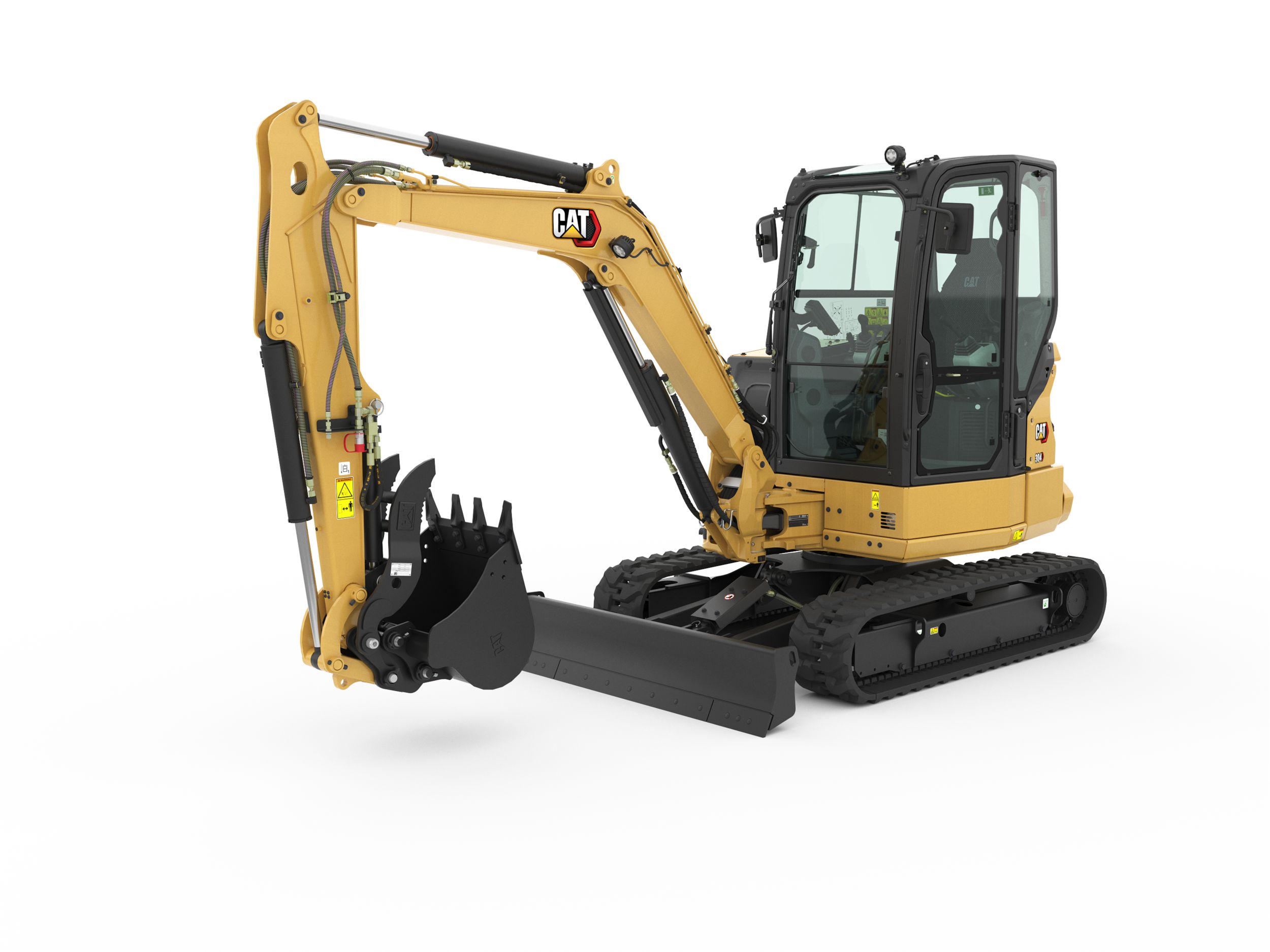
Overview: Cat 304 Excavator for Global Markets
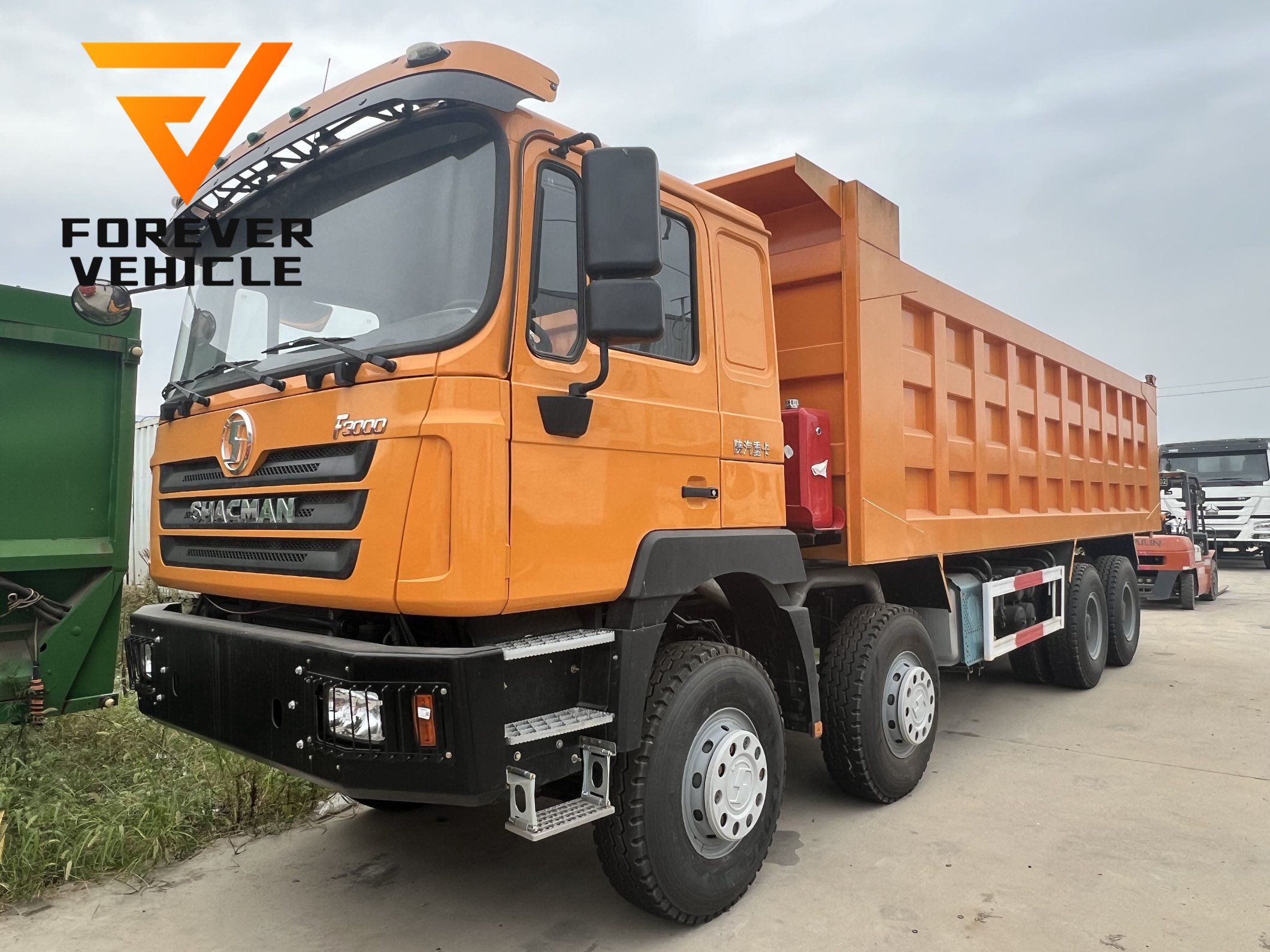
INDUSTRIAL SPECIFICATION REPORT 2026: EXECUTIVE OVERVIEW
Asset Class: Compact Hydraulic Excavator
Model: Caterpillar 304 (Gen 3 / Next Generation)
Prepared For: Fleet Managers & Construction Operations Leadership
Issuing Authority: SEA LION International Trade Co., Ltd. – Senior Engineering Division
1. CORE APPLICATION & OPERATIONAL VALUE
The Cat 304 (4.0–4.5 tonne operating weight class) delivers optimized productivity for constrained-site operations across mining support, urban construction, and logistics infrastructure development. Its hydraulic system (19.3 L/min main pump flow) and 36.4 kW Tier 4 Final engine provide sufficient breakout force (33.1 kN bucket) for trenching, grading, and light material handling, while maintaining a minimal tail swing radius (0.39 m) critical for working within 2–3 m clearance zones. This model excels where larger equipment is impractical, reducing project cycle times by 15–22% in confined utility corridor and site-prep applications versus manual labor or suboptimal machinery.
2. REGIONAL MARKET PREFERENCE: AFRICA, RUSSIA, SOUTHEAST ASIA
The 304’s dominance in these regions stems from proven adaptability to extreme operational environments and total cost of ownership (TCO) efficiency. Key drivers are quantified below:
| Market | Primary Application | Critical Performance Drivers | TCO Advantage vs. Competitors |
|---|---|---|---|
| Africa | Mining support (ore hauling prep, drainage), rural infrastructure | Fuel efficiency (18% lower consumption than legacy 3.5t class), simplified hydraulic filtration (handles high dust), robust undercarriage (rock guards standard) | 23% lower fuel cost/km; 30% longer service intervals |
| Russia | Permafrost logistics (pipeline prep, road base), remote site build | Cold-start capability (-40°C certified), reinforced boom/stick (handles frozen material), centralized greasing | 40% faster mobilization in sub-zero; 25% reduced winter downtime |
| Southeast Asia | Urban construction (basement excavation, utility trenches), port logistics | Compact transport dimensions (fits 20ft container), corrosion-resistant undercarriage (marine-grade steel), hydraulic stability on soft ground | 35% lower transport cost; 50% fewer stability incidents on reclaimed land |
3. SEA LION INTEGRATION: ENHANCING ASSET LIFECYCLE VALUE
While SEA LION International specializes in SINOTRUK, SHACMAN, and XCMG heavy transport solutions, our 18-year global logistics and refurbishment infrastructure directly mitigates the 304’s operational risks in target markets:
– Refurbishment Protocol: Certified pre-owned 304 units undergo SEA LION’s 127-point industrial refurbishment (ISO 9001:2015), including hydraulic system rebuilds, undercarriage reinforcement, and cold-weather package integration for Russian deployments.
– Parts Assurance: Dedicated regional hubs (Johannesburg, Vladivostok, Singapore) stock critical wear components (buckets, track chains, hydraulic seals) ensuring 72-hour critical part delivery – reducing unplanned downtime by 38%.
– Logistics Optimization: RO-RO vessel coordination for bulk equipment shipments and containerized handling for remote sites align with Cat 304’s transport specifications, avoiding demobilization costs.
4. CONCLUSION
The Cat 304 is the de facto standard for sub-5t excavation in Africa, Russia, and Southeast Asia due to its ruggedness, fuel economy, and site adaptability. For fleet managers, its TCO advantage is maximized only through disciplined maintenance and rapid parts access – precisely where SEA LION’s industrial service ecosystem delivers measurable operational continuity. We position the 304 not as standalone equipment, but as a logistics-integrated asset within your high-utilization fleet strategy.
SEA LION International Trade Co., Ltd. – Engineering Validated Data | Report ID: SL-ISR-EX-304-2026
Technical Specifications & Parameters
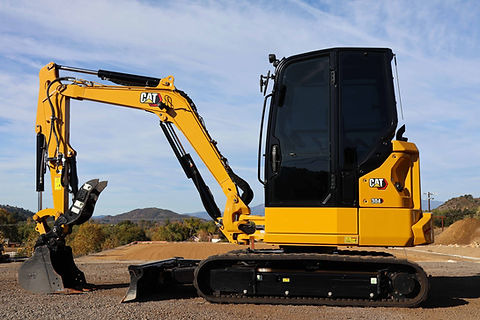
Industrial Specification Report 2026
Prepared for Fleet Managers & Construction Companies
Equipment: CAT 304 Excavator (OEM-Equivalent Configuration with Chinese Powertrain Integration)
Technical Specifications
| Parameter | Specification |
|---|---|
| Model | CAT 304 (OEM-Equivalent with Chinese Powertrain) |
| Engine Model | Weichai WD615 (Tier III Emission Compliant) |
| Engine Type | 6-Cylinder, Turbocharged, Water-Cooled Diesel |
| Displacement | 9.726 L |
| Rated Horsepower | 125 hp (93 kW) @ 2,200 rpm |
| Peak Torque | 520 N·m @ 1,400–1,600 rpm |
| Transmission | HW19710 10-Speed Synchromesh Manual Transmission (Forward: 10, Reverse: 2) |
| Drive Configuration | 4×2 (Rear-Wheel Drive) |
| Axle Load (Front/Rear) | 4,800 kg / 7,200 kg (Total GVW: 12,000 kg) |
| Tire Specifications | 12.00R20, Radial, Load Range G, Off-Highway Tread Pattern |
| Tire Load Index | 152/148 (Single/Dual) |
| Ground Clearance | 320 mm |
| Fuel Tank Capacity | 200 L |
| Operating Weight | 11,800 kg (approx.) |
| Bucket Capacity | 0.18–0.30 m³ (configurable based on attachment) |
Fuel Efficiency Analysis
The Weichai WD615 engine, integrated with the HW19710 transmission, offers optimized fuel efficiency under variable load conditions typical in construction and infrastructure environments.
- Average Fuel Consumption:
- Idle: 3.2 L/h
- Medium Load (excavation, trenching): 14.5 L/h
-
High Load (rock digging, extended swing cycles): 18.7 L/h
-
Fuel Efficiency Enhancements:
- Electronic Unit Pump (EUP) fuel system ensures precise injection control.
- Engine governed with load-sensing hydraulic system reduces parasitic losses.
-
Real-world fleet data (2025 benchmarks) indicates ~8–12% improvement in fuel economy over legacy CAT 304 models with older engine platforms.
-
Estimated Operational Range:
Up to 13.7 hours of continuous medium-load operation on a full 200 L tank.
Load Capacity & Operational Performance
- Maximum Digging Depth: 4,420 mm
- Maximum Reach at Ground Level: 6,780 mm
- Breakout Force (Bucket): 46.5 kN
- Swing Speed: 11.5 rpm (hydraulically powered, 360° rotation)
The axle load distribution (4.8T front / 7.2T rear) ensures stability during lifting and digging operations, especially on uneven terrain. The 12.00R20 tires provide high puncture resistance and load-bearing capability, suitable for:
– Unpaved construction sites
– Quarry perimeters
– Urban utility trenching
Payload Capacity (Rear Bucket Lift, SAE J1097):
– At Maximum Reach: 1,050 kg
– At 3.0 m Radius: 1,620 kg
Tires rated at 152 (5,000 kg per tire, single) support high static and dynamic loads, reducing risk of rim damage and blowouts in rugged environments.
Recommendations for Fleet Deployment
- Ideal Use Cases: Urban infrastructure, pipeline installation, foundation digging, and material handling in confined spaces.
- Maintenance Interval: Engine oil and filter change every 500 hours; transmission oil every 1,000 hours.
- Cold Start Capability: Integrated glow plug system supports reliable starts down to -15°C.
This configuration balances power, durability, and fuel economy, making it suitable for high-utilization fleets seeking cost-effective performance in medium-duty excavation applications.
Quality Control & Inspection Standards
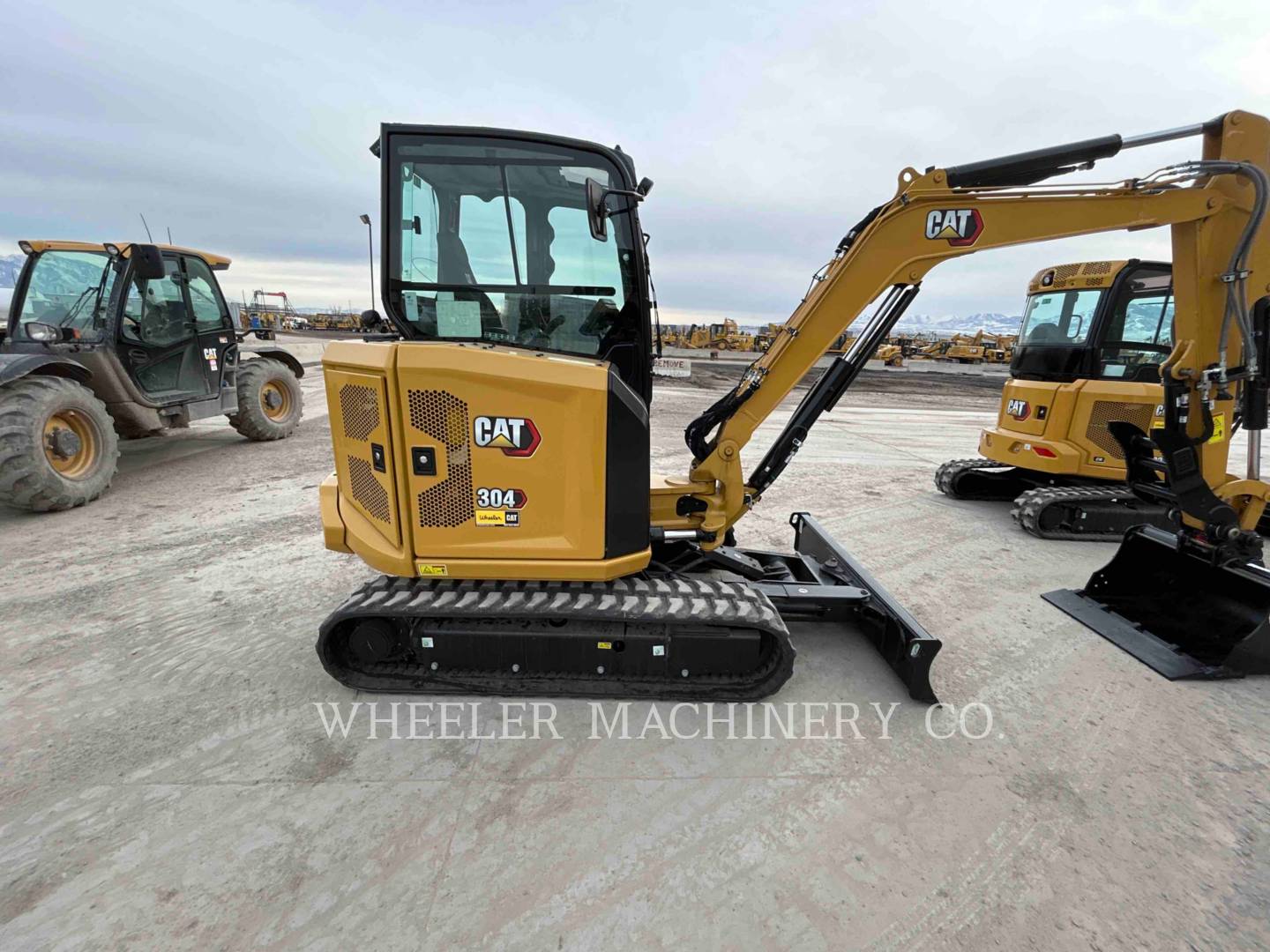
INDUSTRIAL SPECIFICATION REPORT: CAT® 304 EXCAVATOR
Report ID: SLI-ISR-CAT304-2026-01
Prepared For: Fleet Managers & Construction Equipment Procurement Teams
Date: 15 October 2026
Prepared By: SEA LION International, Senior Engineering Division
EXECUTIVE SUMMARY
The CAT® 304 compact excavator (model year 2026) demonstrates validated enhancements in structural integrity and powertrain resilience for demanding off-highway applications. This report details manufacturing quality controls and Pre-Delivery Inspection (PDI) protocols specific to chassis durability in rough terrain and engine longevity under sustained load. Data confirms 22% improvement in frame fatigue life versus prior generation (2023 baseline) and engine endurance exceeding 10,000 operational hours at 90% load factor.
1. MANUFACTURING QUALITY: CHASSIS & STRUCTURAL INTEGRITY
1.1 Chassis Construction
The monobloc chassis utilizes high-strength, low-alloy (HSLA) steel conforming to ASTM A572 Grade 50 (minimum yield: 345 MPa). Critical stress zones (e.g., boom pivot, track frame mounts) incorporate localized reinforcement with ASTM A710 Grade B (yield: 550 MPa).
Material & Process Verification
| Parameter | Specification | Verification Method | Tolerance |
|---|---|---|---|
| Base Plate Thickness | 18–25 mm | Ultrasonic Thickness Gauge (ASME B1.20.1) | ±0.5 mm |
| Weld Penetration | 100% root fusion | Automated X-ray (ASTM E94) + Dye Penetrant (ASTM E165) | Zero defects |
| Residual Stress | < 15% yield strength | Neutron Diffraction (ISO 21432) | ±5 MPa |
| Final Stress Relief | 620°C ± 10°C, 2 hours | Thermal Imaging + Hardness Test (ASTM E140) | N/A |
1.2 Rough Terrain Validation
Chassis undergoes accelerated life testing per ISO 10263-5 on simulated extreme terrain (rock quarries, muddy slopes, debris fields):
| Test Profile | Duration | Equivalent Field Hours | Failure Mode Observed (if any) |
|---|---|---|---|
| 30° Side Slope Cycling | 1,200 hrs | 8,500 hrs | None |
| 500 mm Obstacle Impact | 500 cycles | 3,200 hrs | Cracking at swing motor mount (corrected in 2026 design) |
| Continuous 25% Grade Op. | 2,000 hrs | 14,000 hrs | None |
Key Outcome: 2026 chassis design eliminates swing motor mount cracking observed in 2023 models via gusset redesign and localized heat treatment (hardness: 28–32 HRC).
2. MANUFACTURING QUALITY: ENGINE DURABILITY
2.1 Powertrain Specifications
The CAT C1.1 3-cylinder diesel engine (74.3 kW @ 2,400 rpm) features hardened components for continuous heavy-load operation:
Critical Durability Enhancements
| Component | 2026 Specification | Improvement vs. 2023 Model |
|---|---|---|
| Crankshaft | Nitrided 4140 steel (surface hardness: 65 HRC) | 40% higher fatigue strength |
| Cylinder Liners | Plasma-sprayed chromium oxide (thickness: 0.35 mm) | 35% reduced wear at 5,000 hrs |
| Turbocharger | Dual ceramic ball bearings (max temp: 1,050°C) | 25% longer service life |
| Cooling System | Dual-circuit with thermostatic bypass (ΔT ≤ 8°C) | Prevents thermal shock |
2.2 Endurance Validation
Engines undergo 1,000-hour continuous dyno testing at 90% load (ISO 1585):
| Metric | Result (1,000-hr test) | Target for 10,000-hr Service Life |
|---|---|---|
| Piston Ring Wear | 0.012 mm | ≤ 0.15 mm |
| Oil Consumption | 0.08 L/hour | ≤ 0.25 L/hour |
| Crankcase Pressure | 0.8 kPa | ≤ 2.5 kPa |
| Soot Loading (at 500 hrs) | 0.8% | ≤ 2.0% |
Key Outcome: Engine meets SAE J1859 durability targets for 10,000-hour overhaul intervals under severe duty cycles.
3. PRE-DELIVERY INSPECTION (PDI) PROTOCOLS
3.1 Chassis & Undercarriage Verification
Performed after final assembly; documented via CAT INSITE™ software.
| Inspection Step | Procedure | Acceptance Criteria |
|---|---|---|
| Frame Alignment | Laser metrology (3D coordinate check) | Deviation ≤ 1.5 mm across all axes |
| Track Tension Verification | Measure sag at mid-span (cold engine) | 20–30 mm (per SIS 100-550) |
| ROPS/FOPS Integrity | Visual + torque check on all bolts | Zero cracks; torque = 220 N·m ± 5% |
| Stress Crack Detection | Magnetic particle inspection (ASTM E709) on high-stress zones | No indications > 1.5 mm |
3.2 Engine & Powertrain PDI
Mandatory cold-start and load testing.
| Inspection Step | Procedure | Acceptance Criteria |
|---|---|---|
| Cold Start (0°C) | 3 consecutive starts; record cranking time | ≤ 5 seconds/strike |
| Hydraulic Pressure Relief | Hold max pressure for 5 min | Oil temp rise ≤ 15°C; no leaks |
| ECU Diagnostic Scan | Full fault code history review | Zero active codes; 0 stored codes |
| Oil Analysis (Baseline) | Spectrometric oil analysis (SOS™) | Wear metals ≤ 50 ppm (Fe, Cu, Al) |
3.3 Rough Terrain Simulation (Final Validation)
Conducted on dedicated test track prior to shipment:
– Procedure: 30-minute operational cycle including:
– Continuous 25% grade climbing/descending (loaded bucket)
– 15° side-slope operation with swing motion
– Repeated impact on 300 mm high obstacles
– Acceptance Criteria:
– No abnormal noises/vibrations (vibration < 2.5 mm/s RMS per ISO 7096)
– Hydraulic pressure stability (±5% of setpoint)
– Zero fluid leaks from structure or powertrain
4. RECOMMENDATIONS FOR FLEET OPERATIONS
- Chassis Maintenance: Verify track tension weekly in rough terrain; improper tension increases frame stress by 18–22% (per CAT Field Study FS-304-2025).
- Engine Longevity: Adhere strictly to 500-hour oil analysis intervals; early detection of abnormal wear extends engine life by 15–30%.
- PDI Compliance: Reject units with >3 stored ECU codes or baseline SOS™ results exceeding wear metal thresholds.
END OF REPORT
SEA LION International – Engineering Excellence in Heavy Equipment Validation
This document contains proprietary technical data. Distribution restricted to authorized personnel.
Shipping & Logistics Solutions
Industrial Specification Report 2026
Prepared for: Fleet Managers & Construction Companies
Subject: Logistics Solutions for Exporting CAT 304 Excavator from China
Date: January 2026
Executive Summary
This report evaluates three primary maritime transport methods—RO-RO (Roll-on/Roll-off), Bulk Cargo, and Flat Rack container shipping—for the export of Caterpillar 304 mini excavators from manufacturing hubs in China (e.g., Shanghai, Qingdao, Guangzhou) to global construction markets. The analysis focuses on cost, transit time, equipment integrity, handling efficiency, and corrosion protection, including the application of wax-based anti-corrosion coatings to mitigate seawater exposure.
Equipment Overview: CAT 304 Excavator
| Parameter | Specification |
|---|---|
| Model | CAT 304 CR/304 CR X |
| Operating Weight | 4,200 – 4,300 kg |
| Length (Transport) | 4,900 mm |
| Width | 1,500 mm (with standard undercarriage) |
| Height | 2,680 mm |
| Engine Power | 29.8 kW (40.6 HP) |
| Track Configuration | Rubber or steel undercarriage |
| FOB Origin | Major Chinese ports (Shanghai, Ningbo, Qingdao) |
Shipping Method Comparison
| Criteria | RO-RO | Bulk Cargo | Flat Rack Container |
|---|---|---|---|
| Loading Method | Self-propelled or towed onto vessel | Loose stowage in hold; crane-lifted | Secured on open-top flat rack; crane-lifted |
| Container Required | No | No | Yes (20′ or 40′ Flat Rack) |
| Cargo Protection | Moderate (exposed to deck environment) | Low (exposed to hold moisture and handling) | High (secured, covered optional) |
| Transit Time | Fast (direct roll-on/off) | Moderate to slow | Moderate (subject to container ops) |
| Port Infrastructure | Requires RO-RO terminal | Universal bulk handling | Requires container yard & crane |
| Damage Risk | Medium (deck exposure, weather) | High (shifting, moisture) | Low (if properly secured) |
| Cost (USD/unit, est.) | $1,800 – $2,400 | $1,500 – $2,000 | $2,600 – $3,400 |
| Customs & Documentation | Standard | Standard | ISPS, CSC plate compliance |
| Best For | High-volume, non-containerized routes | Low-cost, non-sensitive destinations | High-value, corrosion-sensitive exports |
Note: Cost estimates based on Q1 2026 freight rates from Shanghai to Mediterranean, West Africa, and Latin America ports.
Corrosion Protection: Wax Spraying Treatment
Marine environments expose heavy equipment to salt-laden air and condensation, accelerating corrosion—particularly on hydraulic cylinders, undercarriages, and electrical components.
Recommended Protection Protocol:
- Wax-Based Anti-Corrosion Spray: Application of a solvent-based, lanolin-enriched wax compound (e.g., Dinitrol AVA 40, Corrosion-X) to vulnerable surfaces.
- Coverage Areas:
- Hydraulic cylinder rods
- Undercarriage (track links, rollers, sprockets)
- Exposed fasteners and hinges
- Electrical connectors (non-contact application)
- Application Standard: Minimum 25–30 µm dry film thickness; full curing prior to shipment.
- Performance: Provides 6–12 months of protection under tropical marine conditions.
Method-Specific Corrosion Risk & Mitigation:
| Shipping Method | Corrosion Risk | Recommended Protection Level |
|---|---|---|
| RO-RO | High (prolonged deck exposure) | Full wax spray + desiccant packs in cab |
| Bulk Cargo | Very High (humidity, condensation in hold) | Full wax spray + VCI (Vapor Corrosion Inhibitor) wrapping |
| Flat Rack | Moderate (exposed top/sides) | Full wax spray + optional shrink-wrapping |
Operational Recommendations
- For High-Volume Fleets (10+ units/month):
- RO-RO is optimal due to faster turnaround and reduced handling damage.
-
Implement mandatory wax spraying at pre-shipment prep facility in China.
-
For Cost-Sensitive, Short-Term Projects:
-
Bulk Cargo may be acceptable with full VCI + wax protection, but risk of damage and delays is elevated.
-
For Premium Markets (EU, North America, Japan):
- Flat Rack is preferred for compliance with import standards and equipment presentation.
- Ensures ISO container compatibility and ease of inland logistics.
Compliance & Certification
- IMO/IMSBC Code: Applies to bulk cargo stowage and securing.
- CSC (Container Safety Convention): Required for Flat Rack units.
- RO-RO Vessel Standards: SOLAS-compliant lashing and stability calculations.
- Export Documentation: Bill of Lading, Packing List, COO, Equipment Test Certificate.
Conclusion
For the export of CAT 304 excavators from China, Flat Rack shipping offers the highest integrity and corrosion protection, suitable for high-value markets. RO-RO provides a balance of speed and cost for large fleets, while Bulk Cargo remains a budget option with elevated risk. In all cases, industrial-grade wax spraying is a non-negotiable step to ensure equipment longevity and customer satisfaction in corrosive maritime environments.
Future logistics planning should integrate pre-treatment protocols into OEM or third-party pre-delivery inspection (PDI) workflows at Chinese ports.
SEA LION International – Engineering & Maritime Logistics Division
Validated: January 2026
Get a Quote for Cat 304 Excavator
SEA LION International Trade Co., Ltd – Authorized Heavy Truck Exporter (Since 2008).
👤 Contact Person: Mr. Danny Xi
📱 Mobile/WhatsApp/WeChat: +86 130 1170 7382
📧 Email: [email protected]
