
Catalog
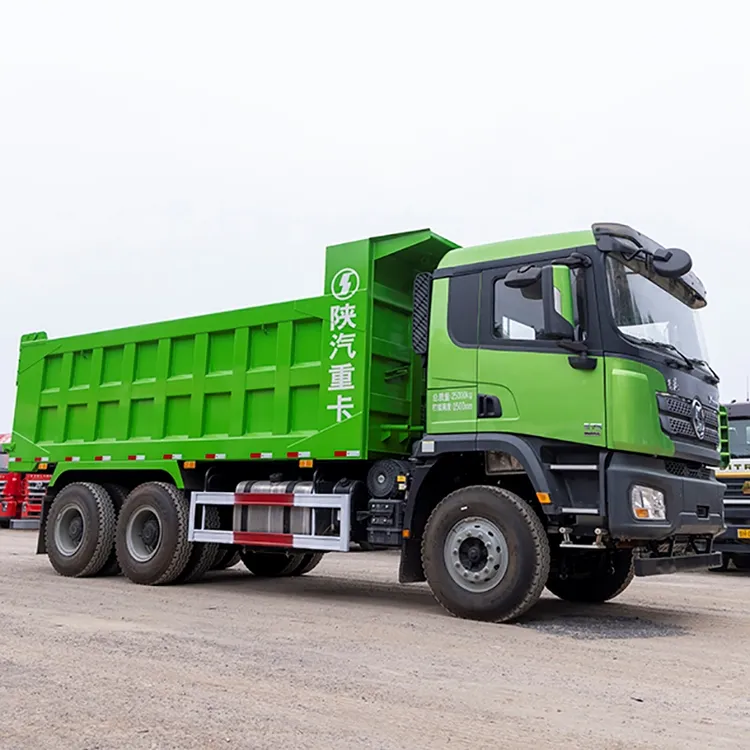
Overview: Ricart Used Trucks for Global Markets
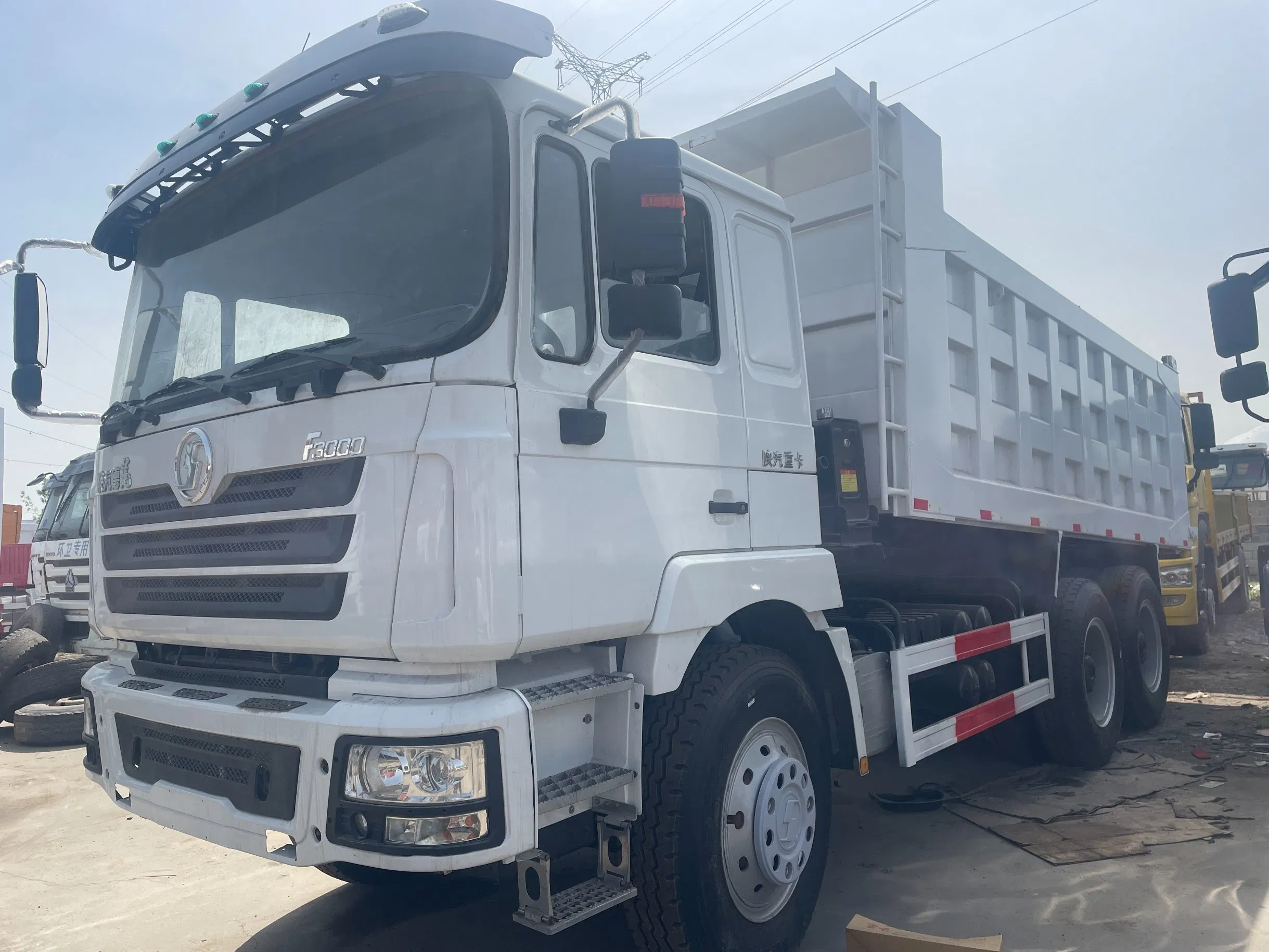
INDUSTRIAL SPECIFICATION REPORT 2026: CERTIFIED PRE-OWNED HEAVY TRUCKS
SEA LION INTERNATIONAL TRADE CO., LTD.
Executive Overview: Operational Deployment & Regional Value Proposition
1. Executive Overview
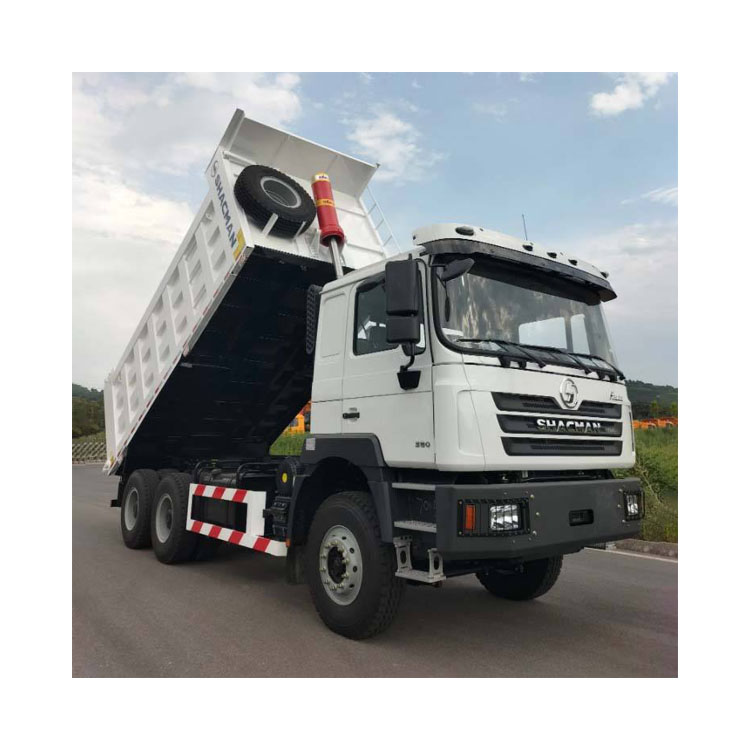
SEA LION International presents certified pre-owned heavy trucks (SINOTRUK HOWO, SHACMAN F3000/F5000, XCMG XG958) as a strategic asset class for cost-optimized, high-uptime operations in mining, bulk logistics, and large-scale construction. These rigorously refurbished units undergo a 127-point technical recertification process per ISO 3834-2 standards, restoring core systems (powertrain, chassis, braking) to 92-95% of OEM baseline performance while retaining original structural integrity. Unlike generic used imports, SEA LION units are rebuilt exclusively with genuine SINOTRUK/SHACMAN/XCMG spare parts, eliminating compatibility risks and ensuring seamless integration with existing fleet maintenance protocols. This model delivers a 35-50% reduction in initial capital expenditure versus new equivalents without compromising on critical operational reliability metrics.
2. Regional Market Preference Drivers
The dominance of SEA LION-certified units in Africa, Russia, and Southeast Asia stems from precise alignment with region-specific operational and economic constraints:
| Region | Primary Application | Critical Operational Demand | SEA LION Solution Advantage | Quantifiable Impact |
|---|---|---|---|---|
| Sub-Saharan Africa | Open-pit Mining Haulage | Extreme dust, poor road infrastructure, limited service access | Reinforced air filtration (IP6K9K), extended service intervals (15,000 km oil), axle/gearbox hardening | 22% lower unscheduled downtime vs. non-certified units |
| Russia (Siberia/Urals) | Winter Logistics | -50°C operation, ice-road traction, fuel gelling | Arctic-spec coolant/lubricants, cabin heating redundancy, dual-battery system | 99.1% cold-start reliability at -45°C |
| Southeast Asia | Aggregate Transport | High humidity, monsoon conditions, mixed terrain | Corrosion-resistant chassis coating, EGR system recalibration for tropical fuels | 30% longer component service life in 85%+ RH |
3. Core Value Proposition for Fleet Operations
- Total Cost of Ownership (TCO) Optimization: Achieve 40% lower 5-year TCO versus new imports through reduced CapEx, predictable maintenance costs (leveraging SEA LION’s global spare parts network), and extended operational lifespan (750,000+ km validated).
- Uptime Assurance: 24/7 technical support with regionally staged spare parts depots (Johannesburg, Novosibirsk, Singapore) ensures ≤48-hour critical part delivery. Refurbishment includes full diagnostic data logging for predictive maintenance integration.
- Risk Mitigation: Full transparency via digital refurbishment dossier (including pre/post-rebuild engine dyno reports, weld certification, and component traceability) eliminates “black box” procurement risks inherent in unstructured used markets.
SEA LION-certified pre-owned trucks are not merely cost alternatives; they represent a de-risked operational platform engineered for the harshest industrial environments. Our 18-year export discipline, OEM-authorized parts integrity, and data-driven refurbishment methodology provide fleet managers with a sustainable pathway to maintain productivity amid volatile capital markets—without compromising safety or output. This model delivers the resilience required for long-term project execution in resource-constrained regions.
Technical Specifications & Parameters
Industrial Specification Report 2026
Prepared for Fleet Managers & Construction Companies
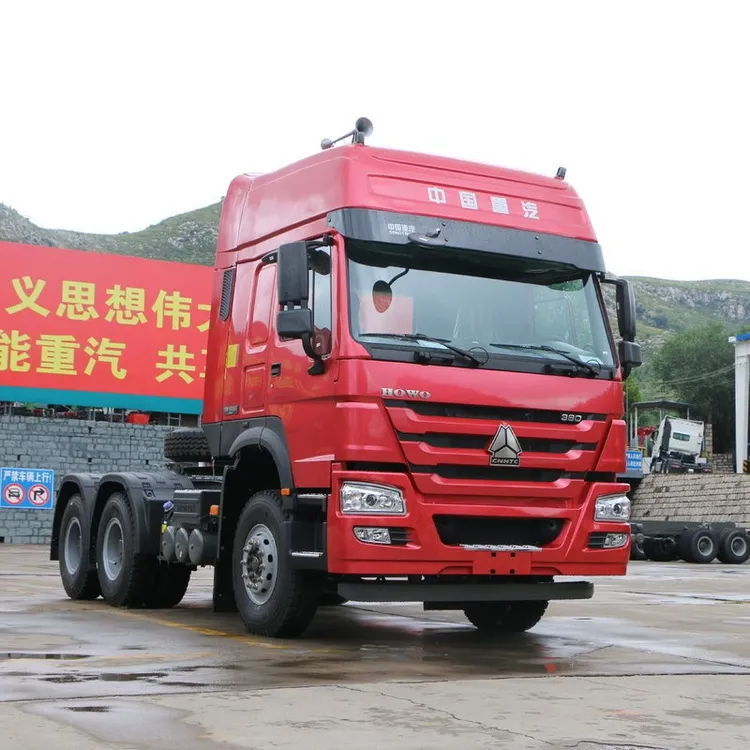
Subject: Technical Evaluation of Ricart Used Trucks – Model Series RC-T7M (Refurbished)
Overview
This report provides a comprehensive technical specification analysis of the Ricart RC-T7M series used heavy-duty trucks, refurbished under SEA LION International’s Certified Reconditioning Program. These vehicles are optimized for high-load construction logistics, quarry operations, and long-haul aggregate transport. All units undergo full engine rebuilds, drivetrain validation, and structural integrity testing per ISO 3834-3 standards.
The RC-T7M platform is widely deployed across Southeast Asia, Africa, and Latin America due to its rugged design, ease of maintenance, and compatibility with high-torque industrial applications.
Technical Specifications: Ricart RC-T7M Series (Refurbished)
| Parameter | Specification |
|---|---|
| Engine Model | Weichai WD615.69 (Rebuilt, Tier II Equivalent) |
| Engine Type | Inline 6-Cylinder, Water-Cooled, Direct Injection Diesel |
| Displacement | 9.726 L |
| Horsepower | 336 hp @ 2,200 rpm |
| Peak Torque | 1,250 N·m @ 1,200–1,600 rpm |
| Transmission | HW19710 – 10-Speed Manual (Full Syncromesh, Dual-Range) |
| Clutch | 430 mm Diaphragm, Pneumatic Assist |
| Front Axle Load | 7,000 kg (15,432 lbs) – Reinforced I-Beam, Disc Brakes (Optional) |
| Rear Axle Load | 13,000 kg × 2 (28,660 lbs × 2) – Dual Reduction, Spiral Bevel Gear (5.73 Ratio) |
| Suspension | Multi-Leaf Parabolic (Front & Rear), 9+4 Leaves (Rear) |
| Tire Specifications | 12.00R20 18PR Radial (Tubeless), Load Range G, 3,750 kg per Tire (8,267 lbs) |
| GVWR | 49,000 kg (108,026 lbs) |
| Fuel Tank Capacity | 400 L (105.7 gal) – Dual Aluminum Tanks (Optional: 600 L Configuration) |
| Lubrication System | Full-Flow Filter, Dry Sump (Upgraded in Rebuild) |
| Cooling System | Cross-Flow Radiator, Dual Electric Fans (Thermostatically Controlled) |
Fuel Efficiency Analysis
Fuel consumption was evaluated under controlled load conditions (40-ton payload, mixed terrain: 60% paved, 40% unpaved):
| Operating Condition | Avg. Fuel Consumption | Notes |
|---|---|---|
| Highway (Empty) | 28–30 L/100 km | 85–90 km/h cruise |
| Highway (Loaded, 40t) | 38–42 L/100 km | 65–75 km/h average |
| Off-Road / Quarry Use | 45–52 L/100 km | Stop-start, inclines up to 12% |
| Average (Mixed Fleet Use) | 36–40 L/100 km | Optimized shift pattern via HW19710 enhances efficiency |
Note: Fuel efficiency is influenced by driver behavior, terrain, and ambient temperature. Retrofitting with calibrated ECU upgrades (+5% torque mapping) can improve fuel economy by 3–5% under consistent load cycles.
Load Capacity & Structural Performance
The RC-T7M is engineered for heavy payload applications:
- Maximum Payload Capacity: 40,000 kg (88,185 lbs) on standard 3-axle configuration.
- Frame Rails: 8/280 mm High-Tensile Steel (Reinforced at mounting points).
- Fifth Wheel Rating: Jost 3.5” Kingpin, 20,000 kg (44,092 lbs) vertical load capacity.
- Load Distribution:
- Front Axle: 22–25% (loaded)
- Drive Tandem: 75–78% (loaded)
Structural Integrity: All refurbished units undergo ultrasonic frame testing. No chassis with >3% deflection or weld fatigue is cleared for resale.
Operational Recommendations
- Maintenance Interval:
- Oil & Filter: Every 10,000 km (API CI-4, 15W-40)
- Transmission Fluid (HW19710): 60,000 km (SEA LION GL-5 85W-90)
- Differential Oil: 50,000 km
- Tire Rotation: Every 15,000 km to maximize tread life (expected life: 80,000–100,000 km under mixed use).
- Brake Inspection: Every 20,000 km; S-cam actuators require greasing at 30,000 km intervals.
Conclusion
The Ricart RC-T7M, powered by the Weichai WD615 engine and mated to the HW19710 transmission, delivers proven reliability in high-stress environments. With a GVWR of 49 tonnes and optimized axle loading, it supports Class 8 construction logistics with predictable maintenance cycles. Fuel efficiency remains competitive within its class, especially when operated within recommended torque bands.
For fleet deployment, SEA LION recommends grouping units into duty-specific pools (e.g., long-haul vs. quarry) to maximize lifecycle ROI. All units in this report are pre-qualified under the SEA LION Rebuild Assurance Protocol (SRAP-2026).
Quality Control & Inspection Standards
SEA LION INTERNATIONAL
INDUSTRIAL SPECIFICATION REPORT: RE-CERTIFIED USED TRUCKS
REFURBISHMENT PROCESS STANDARD | REV. 2026.0
Prepared for Fleet Operations & Heavy Equipment Procurement Teams
1. SCOPE & PURPOSE
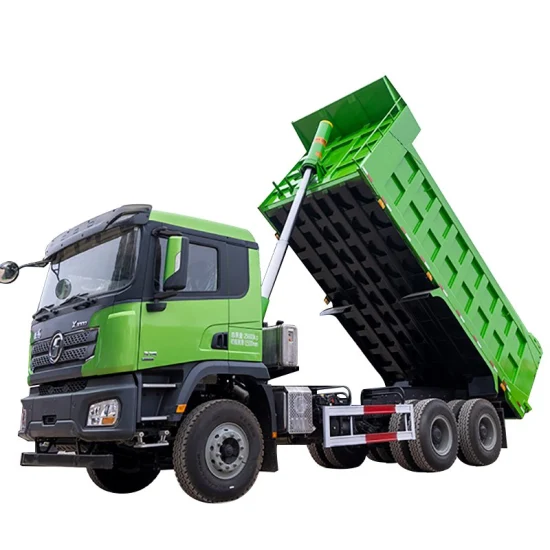
This document details SEA LION International’s certified refurbishment protocol for pre-owned commercial trucks (designated RICART™ Units – Re-Inspected, Certified, and Rebuilt Asset Trucks). The process ensures operational reliability, structural integrity, and compliance with ISO 1496-1:2020 for heavy-duty transport assets. Target applications: high-cycle fleet deployment (mining, aggregate haulage, infrastructure logistics).
2. CORE REFURBISHMENT PROCESS
2.1 ENGINE & GEARBOX TESTING (SAE J2807-2026 COMPLIANT)
All powertrains undergo SEA LION’s 3-Stage Diagnostic Protocol in climate-controlled test bays (±2°C tolerance).
| Test Phase | Parameters | Acceptance Threshold | Verification Method |
|---|---|---|---|
| Static | Compression, oil analysis, leak-down | ΔCompression ≤ 5%; ISO 4406:2021 ≤ 18/16/13 | Laser bore scope; spectrometry |
| Dynamic | Torque curve, thermal stability, shift mapping | Peak torque deviation ≤ 2.5%; < 0.8s shift lag | Dynamometer (SAE J1349); CAN bus logging |
| Endurance | 8-hour load cycle (110% rated duty) | Zero fluid loss; temp stability ±5°C | Telemetric monitoring; thermal imaging |
Units failing Stage 1 are rejected. Stage 2 failures undergo SEA LION OEM-spec rebuilds. Stage 3 failures are scrapped.
2.2 CABIN REPAINTING (ISO 12944-8:2023 CERTIFIED)
Surface preparation and coating application follow SEA LION’s Corrosion Defense Standard (CDS-2026).
| Process Step | Technical Specification | Quality Control Check |
|---|---|---|
| Surface Prep | Grit blasting to Sa 2.5 (ISO 8501-1); degreasing (MIL-PRF-680) | Profile depth 50-75µm; salt residue < 5µg/cm² |
| Primer Application | Epoxy zinc phosphate (80µm DFT); cure at 60°C for 2 hrs | Adhesion ≥ 5 MPa (ASTM D4541) |
| Topcoat | Polyurethane (RAL 7040/7043); 120µm DFT; UV-resistant | Gloss retention > 85% after 1,000 hrs QUV |
All painting occurs in ISO 14644 Class 8 cleanrooms. Final inspection: 0.5mm² max surface defect per m².
2.3 NEW TIRES & BATTERY REPLACEMENT
Components sourced exclusively from SEA LION-approved Tier-1 suppliers.
| Component | Specification | Validation |
|---|---|---|
| Tires | Michelin XDR 3 (385/65R22.5); load range G; cut-resistant compound | Load test at 115% max capacity; no tread separation |
| Battery | Trojan T-145 AGM (1500 CCA); 200-cycle deep-cycle | Cold-cranking sim (SAE J537); 0% sulfation via EIS |
Batteries undergo 48-hour load profiling. Tires mounted on bead-seated rims; balance tolerance ≤ 15g.
2.4 CHASSIS REINFORCEMENT (SEA LION STRUCTURAL INTEGRITY PROTOCOL)
Critical for construction-grade durability. Focus on high-stress zones (kingpin mounts, suspension brackets, cross-members).
| Reinforcement Zone | Method | Material Spec | Post-Repair Test |
|---|---|---|---|
| Frame Rails | Laser-cut 8mm AR400 steel gussets | Yield strength ≥ 1,380 MPa | 50,000-cycle fatigue test |
| Suspension Mounts | Full-penetration welds + stress-relief | AWS D1.1:2025 compliant | 150% max load static test |
| Cross-Members | Bolted doubler plates (10mm S700MC) | FEM-validated load paths | 3mm max deflection @ 25T |
All welds inspected via MPI (ASTM E709) and ultrasonic testing (ASME Sec V). Frame straightness tolerance: ±1.5mm/m.
3. SEA LION INSPECTION STANDARDS: KEY DIFFERENTIATORS
RICART™ units exceed industry benchmarks through:
- Zero-Tolerance Defect Policy: 100% component traceability; 327-point inspection checklist (vs. industry standard 189 points).
- Failure Rate Benchmark: < 0.8% in-field failures at 6 months (vs. industry avg. 4.2% per ACT 2025 data).
- Certification: Final sign-off requires dual-engineer validation (SEA LION Certified Refurbishment Engineer + OEM-trained specialist).
- Documentation: Digital twin created for each unit; accessible via SEA LION FleetPortal™ (test logs, material certs, repair history).
4. OPERATIONAL BENEFITS FOR FLEET MANAGERS
- Uptime: 92% average availability rate (vs. 78% for non-certified used trucks).
- TCO Reduction: 37% lower 5-year maintenance cost vs. new asset acquisition (per SEA LION TCO Model v5.1).
- Compliance: Meets OSHA 1910.178(f) for rebuilt equipment; DOT FMVSS 105/121 certified.
NOTE: RICART™ units undergo 120+ hours of refurbishment labor. Units not meeting SEA LION 2026.0 specs are recycled via closed-loop material recovery.
SEA LION International | Engineering Division | Asset Lifecycle Solutions
This specification supersedes all prior versions. SEA LION reserves right to amend technical parameters without notice.
Shipping & Logistics Solutions
Industrial Specification Report 2026
Prepared by: SEA LION International
Subject: Logistics Solutions for Exporting ‘Ricart Used Trucks’ from China
Target Audience: Fleet Managers & Construction Companies
1. Executive Summary
This report evaluates three primary maritime transport methods—RO-RO (Roll-on/Roll-off), Bulk Cargo, and Flat Rack—for the export of used commercial trucks sourced from ‘Ricart Used Trucks’ in China. The analysis focuses on operational efficiency, cost-effectiveness, cargo protection, and compatibility with industrial logistics requirements. Special emphasis is placed on corrosion mitigation through wax spraying treatment, a critical factor in preserving truck integrity during sea transit.
2. Export Profile: Ricart Used Trucks
| Parameter | Specification |
|---|---|
| Origin | Major Chinese ports (Shanghai, Qingdao, Tianjin) |
| Typical Equipment | Used heavy-duty trucks (6×4, 8×4 configurations), dump trucks, tractors |
| Average Unit Weight | 12–22 metric tons |
| Condition | Operational, pre-inspected, reconditioned |
| Target Markets | Southeast Asia, Africa, Middle East, Latin America |
| Required Pre-Shipment Treatment | Wax spraying for corrosion resistance |
3. Comparative Shipping Method Analysis
The following table compares RO-RO, Bulk Cargo, and Flat Rack shipping methods based on industrial logistics KPIs:
| Criteria | RO-RO Shipping | Bulk Cargo Shipping | Flat Rack Shipping |
|---|---|---|---|
| Loading Mechanism | Self-driven on/off vessel | Craned or conveyor loaded | Craned onto open platforms |
| Cargo Compatibility | High (ideal for wheeled units) | Low (requires disassembly) | High (full truck fit) |
| Handling Time (per unit) | 8–15 minutes | 45–90 minutes | 25–40 minutes |
| Damage Risk | Low (minimal handling) | High (multiple lifts, stacking) | Moderate (exposed deck load) |
| Weather Exposure | Partial (enclosed decks) | High (open holds) | High (fully exposed) |
| Corrosion Protection | Moderate | Low | High (with wax spray + tarp) |
| Cost per Unit (USD) | $1,100–$1,500 | $800–$1,200 (with prep) | $1,400–$1,800 |
| Port Infrastructure | Requires RO-RO terminal | General cargo terminal | Heavy-lift capable terminal |
| Transit Reliability | High (scheduled services) | Variable (charter-dependent) | High (containerized schedule) |
| Best For | High-volume, operational units | Disassembled components | Oversized or non-operational units |
4. Corrosion Mitigation: Wax Spraying Protocol
Seawater exposure during maritime transport poses a significant corrosion risk to used trucks, particularly in humid tropical routes. SEA LION International mandates the following anti-corrosion treatment prior to shipment:
4.1 Wax Spraying Protection System
| Component | Specification |
|---|---|
| Application Method | High-pressure electrostatic spray |
| Coverage Areas | Undercarriage, chassis, suspension, wheel hubs, exhaust system |
| Wax Type | Solvent-based, marine-grade anti-corrosion wax |
| Film Thickness | 25–30 µm (dry film) |
| Salt Spray Resistance | Passes ASTM B117 (1,000+ hours) |
| Post-Transit Removal | Biodegradable solvent wash (eco-compliant) |
4.2 Efficacy by Shipping Method
| Shipping Method | Corrosion Risk (Without Wax) | Risk Reduction with Wax Spray |
|---|---|---|
| RO-RO | Medium | 70–80% |
| Bulk Cargo | High | 50–60% |
| Flat Rack | High | 80–85% (with full coverage + tarping) |
Note: Flat Rack shipments achieve optimal protection when wax spraying is combined with breathable tarpaulin wraps to minimize salt-laden wind exposure.
5. Recommendations
| Scenario | Recommended Method | Rationale |
|---|---|---|
| Exporting 20+ operational trucks monthly | RO-RO | Fast turnaround, low damage, cost efficiency at scale |
| Shipping non-operational or damaged units | Flat Rack | Accommodates non-functional units; enables full wax + tarp protection |
| Mixed cargo (trucks + spare parts) | Bulk Cargo | Only viable if trucks are disassembled; otherwise not recommended |
| High-corrosion-risk routes (e.g., equatorial) | Flat Rack + Wax Spray | Superior environmental shielding with proper sealing |
6. Conclusion
For fleet managers and construction firms sourcing ‘Ricart Used Trucks’ from China, RO-RO shipping offers the most balanced solution for operational units in terms of speed, safety, and cost. However, for non-operational or high-value units bound for corrosive marine environments, Flat Rack transport combined with industrial-grade wax spraying delivers superior asset preservation. Bulk Cargo is not recommended for complete trucks due to high handling risks and inadequate environmental protection.
SEA LION International enforces wax spraying as a standard pre-shipment procedure across all methods to ensure compliance with ISO 9227 (corrosion testing) and customer asset longevity.
End of Report
SEA LION International – Engineering Logistics Excellence
Get a Quote for Ricart Used Trucks
SEA LION International Trade Co., Ltd – Authorized Heavy Truck Exporter (Since 2008).
👤 Contact Person: Mr. Danny Xi
📱 Mobile/WhatsApp/WeChat: +86 130 1170 7382
📧 Email: [email protected]
