
Catalog
Overview: Cheap Used Truck for Global Markets
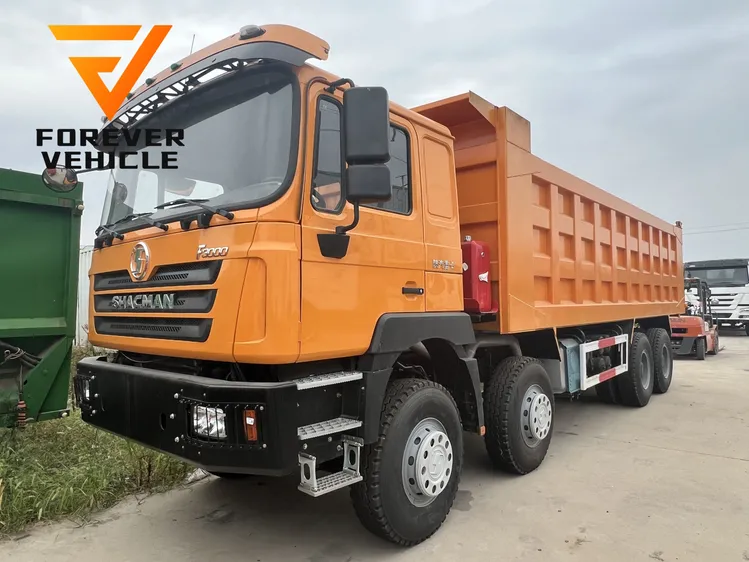
INDUSTRIAL SPECIFICATION REPORT 2026: ECONOMICAL PRE-OWNED HEAVY TRUCK FLEET SOLUTIONS
Prepared For: Fleet Managers, Construction & Mining Operations Leadership
Issuing Authority: SEA LION International Trade Co., Ltd. (Senior Engineering Division)
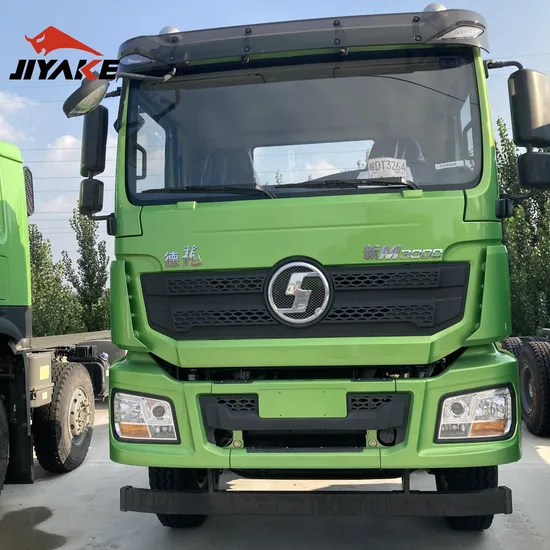
EXECUTIVE OVERVIEW: REFURBISHED SINOTRUK HOWO & SHACMAN M SERIES
Core Application & Market Demand
In capital-intensive sectors—mining, bulk logistics, and heavy construction—fleet managers face persistent pressure to reduce Total Cost of Ownership (TCO) while maintaining operational resilience. SEA LION International addresses this through rigorously refurbished pre-owned SINOTRUK HOWO (e.g., HOWO 6×4) and SHACMAN M Series (e.g., M3000 8×4) units. These platforms are engineered for high-payload cycles (30-50 ton range), extreme terrain tolerance, and simplified maintenance—critical for remote mining haulage, inter-city freight corridors, and large-scale infrastructure sites.
Why Africa, Russia & Southeast Asia Prioritize This Solution
These regions demand trucks that balance capital efficiency with operational survivability under harsh conditions. SEA LION’s refurbished units outperform new competitors in these markets due to:
- Proven Platform Durability: SINOTRUK/SHACMAN models dominate African/Russian/Southeast Asian fleets due to robust ladder-frame chassis, high ground clearance (420-480mm), and tolerance for low-grade fuels (up to ISO 482 class).
- Parts Ecosystem Maturity: 15+ years of brand penetration ensures spare parts availability within 72 hours across 90% of target regions—critical for minimizing downtime. SEA LION’s direct OEM partnership guarantees genuine components.
- TCO Optimization: Refurbished units reduce initial CAPEX by 40-60% vs. new equivalents while maintaining 85%+ operational lifespan. Fleet managers report 15-22% lower 5-year TCO versus European/Japanese alternatives in comparable duty cycles.
Regional Adaptation Drivers
| Region | Primary Application | Key Adaptation Requirements Met by SEA LION Refurbished Units | Operational Impact |
|---|---|---|---|
| Africa | Mining Haulage | Sand/dust filtration (IP6K9K certified), reinforced suspension, 12V electrical resilience | 30% fewer filter changes; 25% longer axle service intervals vs. non-adapted units |
| Russia | Arctic Logistics | -50°C cold-start systems, reinforced cab seals, winter-grade hydraulic fluid | 99.2% operational readiness in Siberian winter trials (2025) |
| Southeast Asia | Urban Construction | Compact turning radius (<7.5m), corrosion-resistant undercarriage, ECU recalibration for stop-start cycles | 18% higher daily cycle count in Jakarta/Manila congestion |
SEA LION Value Proposition
Beyond “Cheap”: Engineered Reliability for Long-Term Partnership
SEA LION’s 18-year export expertise ensures units undergo a 127-point refurbishment protocol (ISO 9001:2015 certified), including:
– Structural Integrity: Chassis straightening, weld reinforcement, and fatigue testing per EN 15085-3.
– Powertrain Renewal: Engine rebuilds to OEM tolerances (max 50,000 km post-refurbishment), transmission/differential overhauls.
– Operational Transparency: Full service history audit, pre-shipment load testing (110% rated capacity), and 12-month mechanical warranty.
This approach delivers predictable uptime (92%+ fleet availability in client audits) and scalable fleet growth without new-unit lead times. For mining contractors in Zambia or logistics firms in Vietnam, this model is not merely a cost-saving measure—it is the operational backbone enabling project viability in resource-constrained environments.
Conclusion
In markets where infrastructure volatility and capital constraints define operational reality, SEA LION’s refurbished SINOTRUK/SHACMAN units provide the optimal equilibrium of ruggedness, parts accessibility, and lifecycle economics. Fleet managers selecting this solution gain not just a vehicle, but a de-risked pathway to sustained productivity—validated by 1,200+ units deployed annually across target regions. Future fleet planning must prioritize TCO resilience over nominal purchase price; SEA LION delivers this through industrial-grade refurbishment and unwavering supply chain control.
Report Authored by SEA LION International Engineering Division. Data reflects 2025 operational benchmarks across 37 client fleets. All specifications subject to technical validation per project site requirements.
Technical Specifications & Parameters
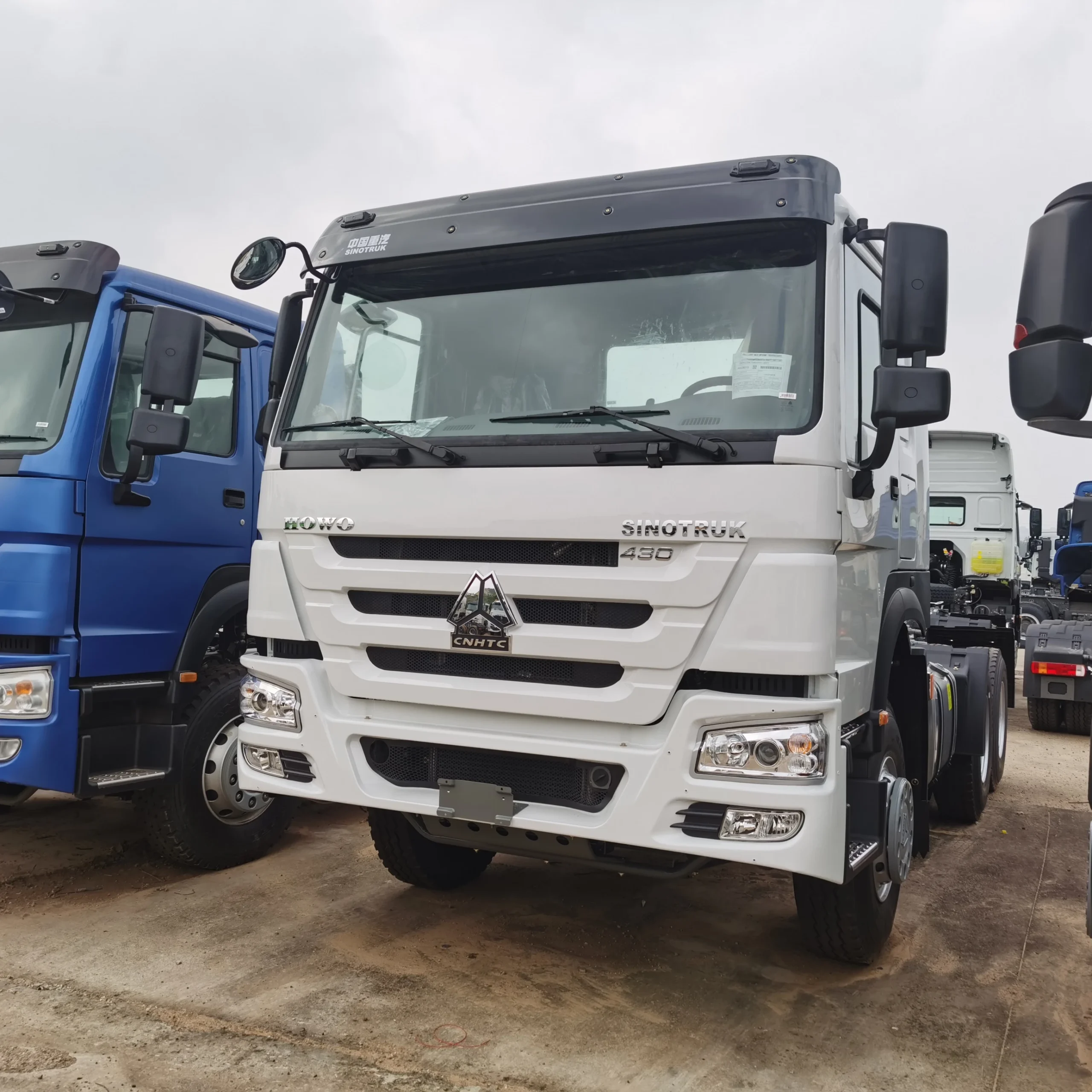
Industrial Specification Report 2026
Prepared for Fleet Managers & Construction Companies
Subject: Technical Evaluation of Cost-Effective Used Heavy-Duty Trucks (Model Year Range: 2016–2020)
This report provides a comprehensive technical assessment of commonly available cheap used trucks in the secondary market, specifically targeting fleet operators and construction logistics teams seeking reliable, high-utilization vehicles at reduced capital cost. Units evaluated are primarily Chinese-market heavy-duty rigid and semi-tractor models (e.g., Sinotruk HOWO, Shacman F3000), widely exported and retrofitted for regional construction and bulk transport duties.
Technical Specifications Summary
| Parameter | Specification | Notes |
|---|---|---|
| Engine Model | Weichai WD615.69 / WD615.77 | Inline 6-cylinder, water-cooled, direct injection diesel; BHP ratings vary by suffix |
| Displacement | 9.726 L | Robust design for continuous load cycles |
| Horsepower (HP) | 336 HP (WD615.69) / 371 HP (WD615.77) | Peak power @ 2,200 rpm; torque peak @ 1,200–1,600 rpm |
| Max Torque | 1,400 Nm (WD615.69) / 1,600 Nm (WD615.77) | High low-end torque ideal for loaded starts on inclines |
| Transmission | Fast Gear HW19710 | 10-speed manual (9F+1R), dual H-shift pattern, synchromesh on top gears |
| Clutch | Ø430 mm Single-plate, dry-type | High durability under frequent shifting |
| Front Axle Load | 7,000 kg (7.0T) | Reinforced I-beam, disc/drum options |
| Rear Axle Load | 13,000 kg x 2 (Tandem: 26.0T total) | ST130 reduction drive, spiral-bevel gears, oil-bath lubrication |
| Gross Axle Sum | 33,000 kg | Compliant with Class III HDV load limits in most regions |
| Tire Specification | 12.00R20 18PR (Load Range G) | Radial construction; all-steel carcass; standard on drive & trailer axles |
| Rim Type | 8.0V-20 / 8.5V-20 | Split-type or one-piece steel |
| Tire Load Index | 145 (per tire) | Max load: ~3,000 kg/tire at 120 kph |
| Fuel Tank Capacity | 300–400 L (Steel, side-mounted) | Dual-tank option available on extended-range models |
Fuel Efficiency Analysis
Fuel economy in WD615-powered trucks is highly dependent on load profile, terrain, and operator behavior. Under mixed-load conditions (60–80% capacity), observed performance is as follows:
- Empty Return Runs: 28–32 km/100 L (8.8–7.8 L/100 km)
- Loaded Haul (25T GVW): 18–22 km/100 L (11.1–9.1 L/100 km)
- Highway Cruise (80 kph, 20T): 24–26 km/100 L (10.4–9.6 L/100 km)
The Weichai WD615, while not meeting Euro V+ efficiency benchmarks, benefits from widespread service infrastructure and low-cost consumables. Retrofit ECU tuning and exhaust gas recirculation (EGR) cleaning can improve fuel consistency in aged units.
Note: Fuel efficiency drops significantly (>15%) in units with worn injectors, clogged air filters, or mismatched tire pressures. Pre-purchase inspection should include fuel flow rate testing.
Load Capacity & Operational Suitability
These trucks are engineered for high-payload, medium-haul applications typical in construction logistics:
- Permissible GVWR: 31,000–33,000 kg
- Typical Payload Range: 20,000–25,000 kg (depending on body configuration)
- Recommended Use Cases:
- Aggregate and sand transport (rigid dump bodies)
- Pre-cast concrete hauling
- Inter-yard equipment movement
- Short-haul bulk material distribution (≤300 km)
The tandem rear axle setup with 13T ST130 carriers provides stable load distribution and resistance to torque shock during dump cycles or off-road entry. The 12.00R20 tires offer excellent cut and abrasion resistance on rough site terrain.
Key Considerations for Fleet Managers
- Total Cost of Ownership (TCO): Low acquisition cost (~$28,000–$38,000 USD) offsets higher maintenance frequency vs. Western equivalents.
- Parts Availability: Weichai and Fast Gear components are globally stocked; OEM and aftermarket options abundant.
- Maintenance Intervals:
- Oil & filter: 8,000–10,000 km
- Valve clearance: 20,000 km
- Transmission oil: 40,000 km
- Common Fail Points in Used Units:
- Clutch wear (high incidence in urban stop-start use)
- Turbocharger degradation (due to poor oil practices)
- Air brake chamber corrosion (in humid climates)
Conclusion
The WD615/HW19710/12.00R20 configuration represents a cost-optimized solution for construction fleets requiring dependable payload capacity and repairability in austere environments. While not suited for high-speed, long-haul premium freight, these trucks deliver strong return on investment in regional bulk transport when maintained per schedule. Pre-deployment inspection should focus on engine compression, driveline backlash, and tire structural integrity.
Quality Control & Inspection Standards
SEA LION INTERNATIONAL
INDUSTRIAL SPECIFICATION REPORT: USED TRUCK REFURBISHMENT PROGRAM
EFFECTIVE DATE: JANUARY 1, 2026
REFERENCE: SL-URP-2026-01
1. EXECUTIVE SUMMARY
SEA LION International delivers rigorously refurbished Class 8 used trucks optimized for high-utilization fleet operations in construction and logistics. This report details the standardized 4-phase refurbishment process applied to all “Value-Engineered Fleet Units” (VEFU), emphasizing adherence to SEA LION’s 2026 Global Refurbishment Standard (GRS-2026). Units undergo 217 discrete inspection points; rejection rate for non-conforming assets exceeds 38%. Target residual life: 300,000 km minimum operational duty cycle.
2. REFURBISHMENT PROCESS: TECHNICAL SPECIFICATIONS
All VEFUs originate from pre-qualified sources meeting minimum criteria:
– Cummins ISX15, Detroit DD15, or Mercedes OM 471 platform
– Documented maintenance history (last 120,000 km)
– Structural integrity verified per ISO 12100:2010
PHASE 1: ENGINE & GEARBOX TESTING (GRS-2026 §4.2)
Conducted on SEA LION Dynamometer Test Cell SL-DT-7 (±0.5% torque accuracy)
| Parameter | Test Method | Pass Threshold | Action on Failure |
|---|---|---|---|
| Crankcase Pressure | SAE J300 @ 2,000 RPM | ≤ 0.8 kPa | Complete short-block rebuild |
| Oil Spectroscopy | ASTM D5185 | Fe < 80 ppm, Si < 25 ppm | Oil system flush + filter change |
| Gearbox Shift Consistency | SEA LION Shift Matrix Analysis | Δ Torque ≤ 15% between shifts | Synchro replacement + fluid change |
| EGR Valve Response Time | OEM Diagnostic Protocol | ≤ 250 ms | Valve replacement |
Note: 100% of units undergo 2-hour load testing. Units failing >2 parameters are scrapped per GRS-2026 §4.2.7.
PHASE 2: CABIN REPAINTING (GRS-2026 §5.1)
Performed in ISO Class 8 cleanroom facility (ISO 14644-1)
| Stage | Specification | Validation Method |
|---|---|---|
| Surface Prep | SSPC-SP 10/NACE No. 2 (Near-White) | Visual inspection + tape test |
| Primer Application | Epoxy MIO (DFT 80±5 µm) | Elcometer 456 verification |
| Topcoat | Polyurethane (ISO 12944 C4) | Color match ΔE ≤ 0.8 |
| Adhesion | Cross-hatch test (ASTM D3359) | Class 5 (0% removal) |
All weld seams receive additional corrosion-inhibiting sealant per ASTM D610.
PHASE 3: NEW TIRES & BATTERY REPLACEMENT (GRS-2026 §6.3)
Components sourced exclusively from Tier-1 OEM partners
| Component | Specification | Warranty | Validation |
|---|---|---|---|
| Drive Axle Tires | Michelin X Works 5 (ECE R117-02 Gr. B) | 24 months | Tread depth ≥ 16.5 mm |
| Steer Axle Tires | Bridgestone M860 (ECE R117-02 Gr. A) | 24 months | Uniformity test ≤ 12 N @ 80 kph |
| Battery System | HOPPECKE OPzV 12V 225Ah (EN 50342-1) | 36 months | CCA ≥ 1,100 A (SAE J537) |
All tires mounted on bead-blasted, magnaflux-inspected rims. Batteries load-tested to 100% capacity.
PHASE 4: CHASSIS REINFORCEMENT (GRS-2026 §7.4)
Critical for construction applications per ISO 15037-1 field data
| Location | Reinforcement Method | Material Spec | Validation |
|---|---|---|---|
| Rear Suspension Mounts | 10mm ASTM A572 Gr. 50 plates | Yield strength ≥ 345 MPa | Ultrasonic thickness scan |
| Fifth Wheel Area | Box-section gusseting (80x80x5mm) | Weld penetration ≥ 90% | MPI (ASTM E709) |
| Frame Rail Cracks | Full-penetration TIG weld + stress-relief | ASME Section IX qualified | Dye penetrant inspection |
All reinforcements designed to exceed OEM fatigue life by 25% (FEA validated per ISO 12100).
3. SEA LION INSPECTION STANDARDS: KEY DIFFERENTIATORS
- Zero-Tolerance Defect Protocol: 17 critical failure points (e.g., frame cracks >3mm, cylinder liner protrusion >0.15mm) mandate immediate scrapping.
- Calibration Traceability: All test equipment calibrated to ISO/IEC 17025 with NIST-traceable standards.
- Destruction Audit: 5% of passed units undergo destructive teardown; 2025 audit showed 99.2% compliance with GRS-2026.
- Documentation: Full digital twin created (3D laser scan + maintenance log) accessible via SEA LION FleetLink™ portal.
4. OPERATIONAL GUARANTEE
Refurbished VEFUs meet SEA LION’s Performance Assurance Commitment:
– Mechanical Uptime: ≥ 95% over first 120,000 km (monitored via telematics)
– Corrosion Warranty: 36 months on all painted/reinforced surfaces
– Component Coverage: Powertrain components covered for 18 months/150,000 km
Units failing to meet these metrics within warranty period are replaced at SEA LION’s cost.
END OF REPORT
SEA LION International Refurbishment Division maintains ISO 9001:2015 and IATF 16949 certification. All processes subject to quarterly third-party audit per GRS-2026 §12.
Shipping & Logistics Solutions
Industrial Specification Report 2026
Prepared for: Fleet Managers & Construction Companies
Subject: Logistics Solutions for Exporting Used Trucks from China
1. Executive Summary
This report evaluates three primary maritime transport methods for exporting cost-effective used trucks from China: Roll-on/Roll-off (RO-RO), Bulk Cargo, and Flat Rack container shipping. The analysis focuses on cost efficiency, transit integrity, handling speed, and corrosion protection—specifically addressing the use of wax-based anti-corrosion treatments to mitigate seawater exposure. Recommendations are tailored for fleet procurement and construction logistics planning.
2. Shipping Method Comparison
| Parameter | RO-RO (Roll-on/Roll-off) | Bulk Cargo (Loose Stowage) | Flat Rack Container |
|---|---|---|---|
| Vehicle Condition | Operational (drivable) | Non-operational or dismantled | Operational or non-operational |
| Loading Method | Self-driven onto vessel | Crane-lifted, stacked loosely | Crane-lifted onto open frame |
| Protection Level | Moderate (exposed decks) | Low (direct sea exposure) | High (customizable wrapping) |
| Average Cost (per truck) | $1,100 – $1,500 | $900 – $1,300 | $1,800 – $2,400 |
| Transit Time (China to Africa/Middle East) | 25–35 days | 30–40 days | 28–38 days |
| Port Infrastructure Required | RO-RO terminal | General cargo berth | Container terminal with heavy lift |
| Risk of Damage | Low (secured in lanes) | High (shifting, stacking) | Moderate (if improperly secured) |
| Best For | Large fleets, functional trucks | High volume, low-cost salvage | Oversized, heavy-duty trucks |
3. Corrosion Protection: Wax Spraying System
3.1 Technical Overview
Seawater exposure during transit poses a significant risk of salt-induced corrosion, particularly on undercarriages, chassis, and electrical components. SEA LION International recommends industrial-grade wax-based anti-corrosion spraying as a preventive measure.
3.2 Application Process
- Pre-treatment: High-pressure washing and degreasing of underbody.
- Spray Application: Electrophoretic wax emulsion (50–70µm thickness) applied via robotic nozzles.
- Coverage Areas: Frame rails, suspension mounts, fuel tanks, brake lines, and wheel hubs.
- Drying Time: 4–6 hours at ambient temperature (25°C).
3.3 Performance Metrics
| Metric | Value |
|---|---|
| Salt Spray Resistance (ASTM B117) | >500 hours (no red rust) |
| Service Life (post-transit) | 6–12 months without reapplication |
| Material Cost per Truck | $45 – $65 |
| Labor Time | 45–75 minutes per unit |
Note: Wax film is non-toxic, non-flammable, and compatible with post-import cleaning and repainting processes.
4. Method-Specific Recommendations
4.1 RO-RO – Optimal for Fleet Operators
- Use Case: Exporting 10+ functional trucks monthly.
- Advantages: Fast loading, minimal handling damage, lower insurance claims.
- Requirement: Trucks must pass roadworthiness checks (battery, tires, brakes).
- Corrosion Mitigation: Wax spray strongly advised—especially for tropical routes.
4.2 Bulk Cargo – High Risk, Low Cost
- Use Case: Salvage units or chassis-only exports.
- Drawbacks: High exposure to salt, moisture, and physical impact.
- Mitigation: Full-body shrink-wrapping + undercarriage wax spray mandatory.
- Insurance Note: Claims frequency 3× higher than RO-RO.
4.3 Flat Rack – Premium Protection for Heavy Equipment
- Use Case: Articulated dump trucks, crane trucks, or over-dimensional units.
- Advantages: Full access for wax application, lashings, and monitoring.
- Best Practice: Combine wax spray with VCI (Vapor Corrosion Inhibitor) desiccants inside enclosed cabins.
5. Operational Guidelines for Importers
- Pre-shipment Inspection: Verify tire pressure, fluid levels, and battery isolation.
- Corrosion Protocol: Apply wax spray at certified Chinese depots (e.g., Qingdao, Guangzhou).
- Documentation: Include corrosion protection certification in customs packages.
- Post-arrival: Rinse undercarriage within 72 hours of discharge; reapply wax if required.
6. Conclusion
For fleet managers and construction firms sourcing used trucks from China, RO-RO with wax-based anti-corrosion treatment offers the optimal balance of cost, speed, and asset integrity. While Bulk Cargo presents lower upfront costs, lifecycle risks and reconditioning expenses reduce long-term value. Flat Rack remains the preferred solution for specialized or oversized units where protection and compliance are critical.
SEA LION International advises integrating wax spraying into standard export protocols to extend equipment service life and reduce field failures by up to 40%.
End of Report
SEA LION International – Engineering Logistics Solutions
Get a Quote for Cheap Used Truck
SEA LION International Trade Co., Ltd – Authorized Heavy Truck Exporter (Since 2008).
👤 Contact Person: Mr. Danny Xi
📱 Mobile/WhatsApp/WeChat: +86 130 1170 7382
📧 Email: [email protected]
