
Catalog
Overview: Excavator Prices for Global Markets
INDUSTRIAL SPECIFICATION REPORT 2026: EXECUTIVE OVERVIEW
Subject: Strategic Equipment Acquisition Analysis – Heavy-Duty Truck Platforms Supporting Excavator Operations
Prepared For: Fleet Managers & Construction Operations Leadership
1. Purpose & Scope
This report analyzes the total cost of ownership (TCO) and operational suitability of heavy-duty truck platforms critical for supporting excavator fleets in mining, bulk logistics, and large-scale construction. While “excavator prices” dominate procurement discussions, optimal site productivity and lifecycle cost are fundamentally driven by the reliability and compatibility of the haulage and support vehicle ecosystem. SEA LION International focuses on the trucking backbone enabling excavator efficiency, specifically addressing regional operational demands in Africa, Russia, and Southeast Asia (SEA).
2. Sector Application Context
Excavators (primarily 20-50 ton classes) require robust, high-capacity support vehicles for:
* Mining: Hauling overburden, ore, and critical spares; personnel transport in remote concessions.
* Construction: Site material movement (aggregates, spoil), equipment transport (low-bed trailers), and fuel/logistics support.
* Logistics: Heavy haulage of excavators between project sites via specialized trailers (RO-RO/flatrack).
Truck selection directly impacts excavator uptime: Failures in fuel delivery, spare parts logistics, or haul cycle efficiency create costly excavator stand-down. The preferred support vehicles must match the excavator’s operational intensity, terrain, and environmental stressors.
3. Regional Market Preference Drivers: Africa, Russia, SEA
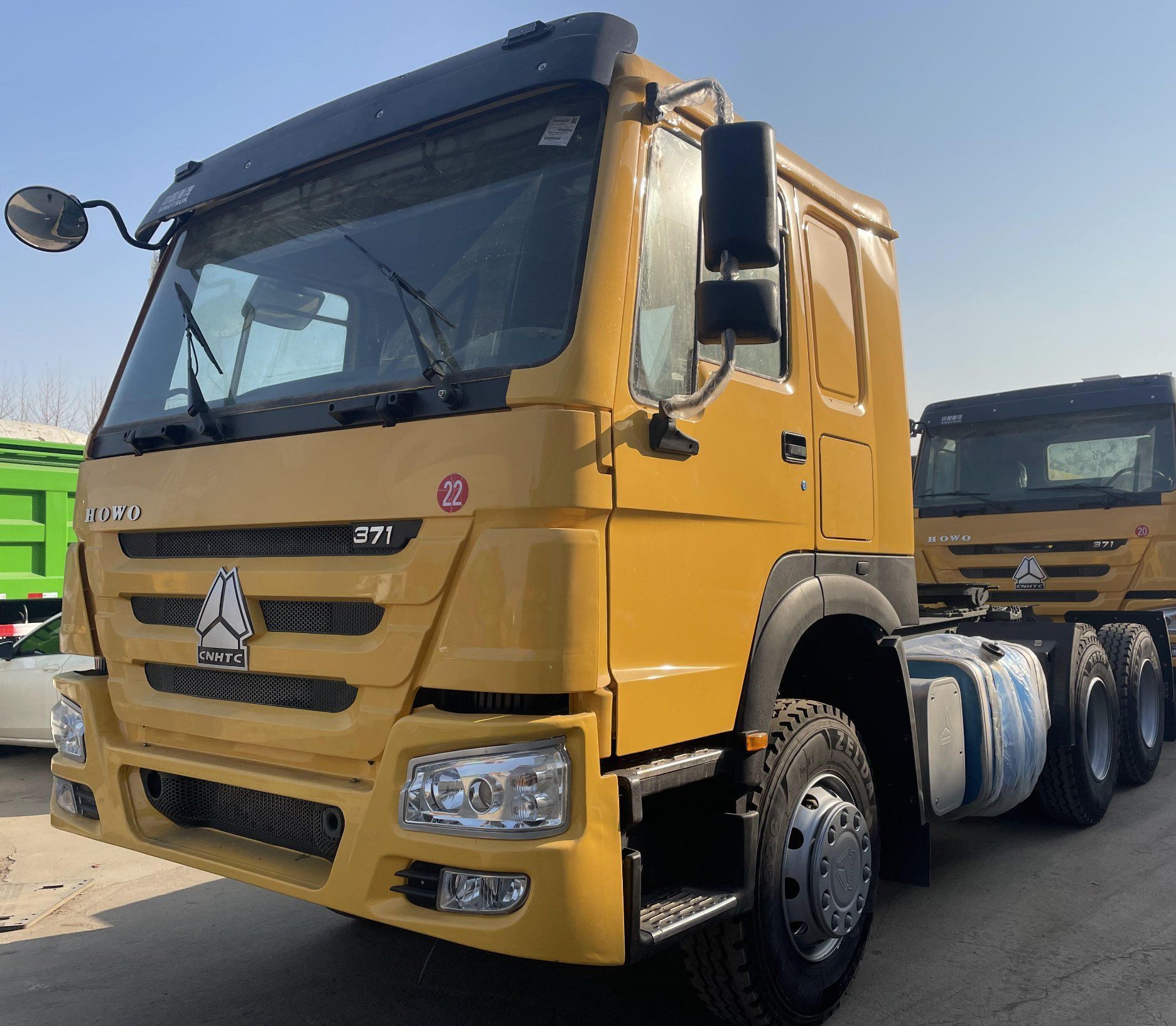
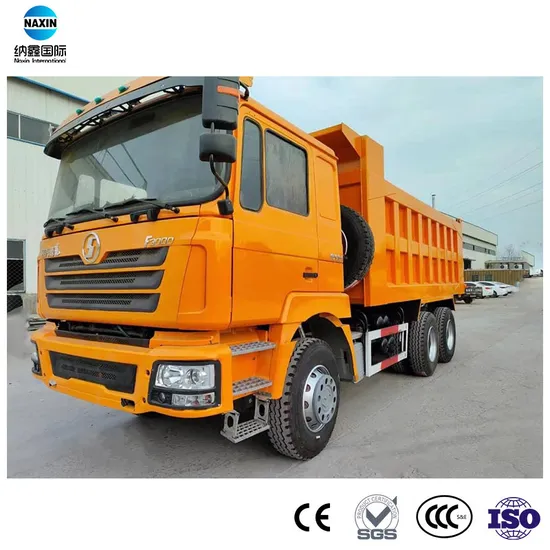
SEA LION’s 18+ years in heavy equipment export reveals consistent demand for SINOTRUK, SHACMAN, and XCMG truck platforms in these regions due to operational resilience and TCO optimization, not merely acquisition cost. Key drivers are:
| Region | Primary Application | Key Operational Challenge | Preferred Model Series | Critical Technical Adaptation | SEA LION Value-Add |
|---|---|---|---|---|---|
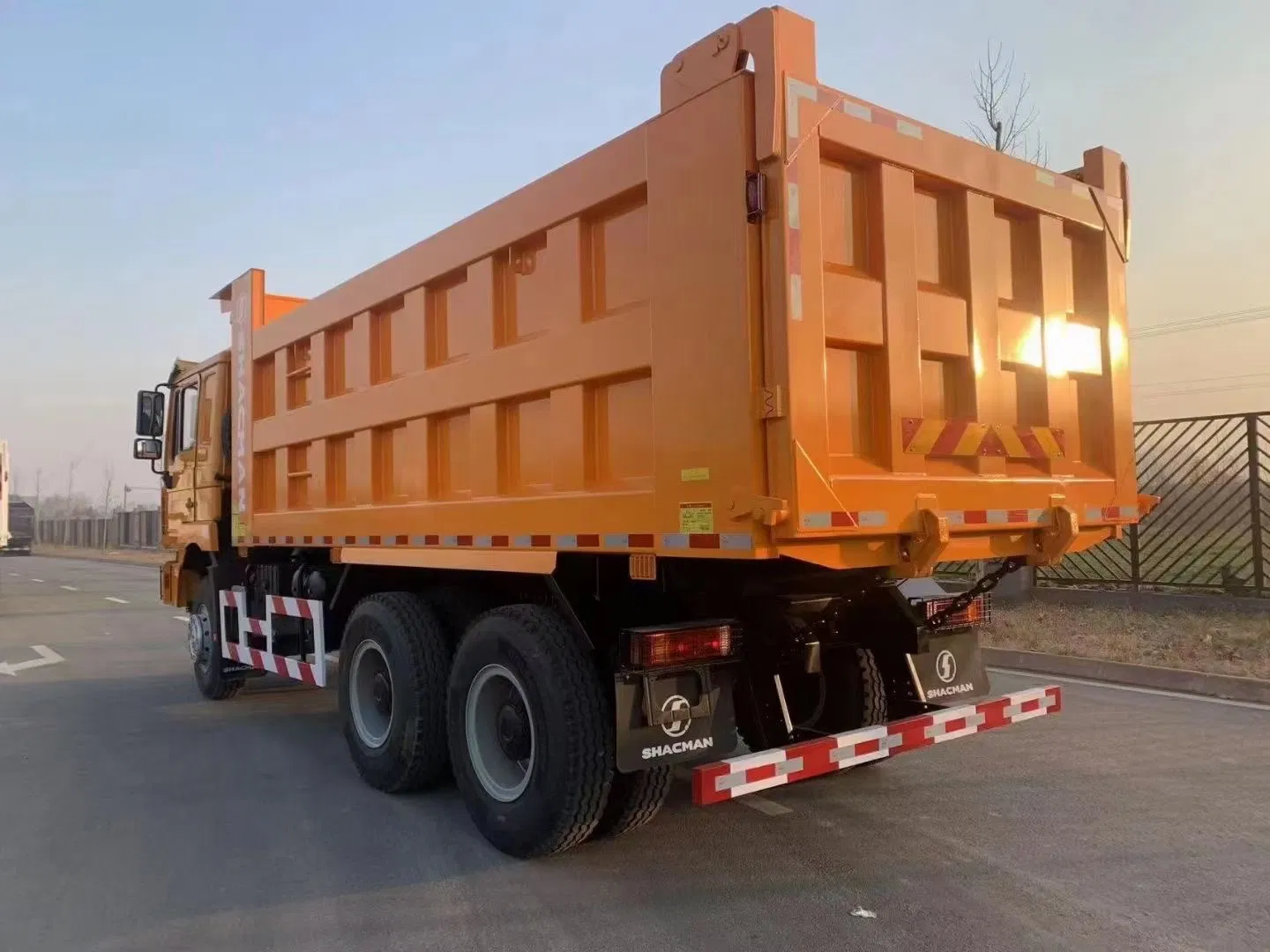
| Africa | Mining Support, Bulk Haul | Extreme dust, rough terrain, limited service infrastructure, high fuel costs | SINOTRUK HOWO, SHACMAN F3000 | Heavy-duty axles (16T+), reinforced frames, extended service intervals, multi-fuel capability (diesel/gas) | Certified refurbishment (ISO 9001), strategic spare parts hubs (Johannesburg, Dar es Salaam), RO-RO logistics to remote ports |
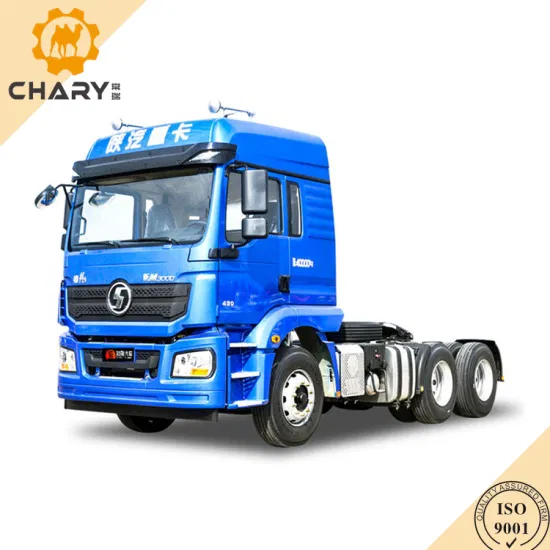
| Russia | Arctic Mining, Winter Logistics | Sub-zero temperatures (-40°C), snow/ice, vast distances, strict cold-weather compliance | SINOTRUK C7H, SHACMAN X3000 | Factory-installed cold-weather kits (-50°C spec), enhanced insulation, specialized lubricants, AWD configurations | Pre-deployment cold-weather validation, genuine OEM parts stock (Moscow hub), containerized winterized transport |
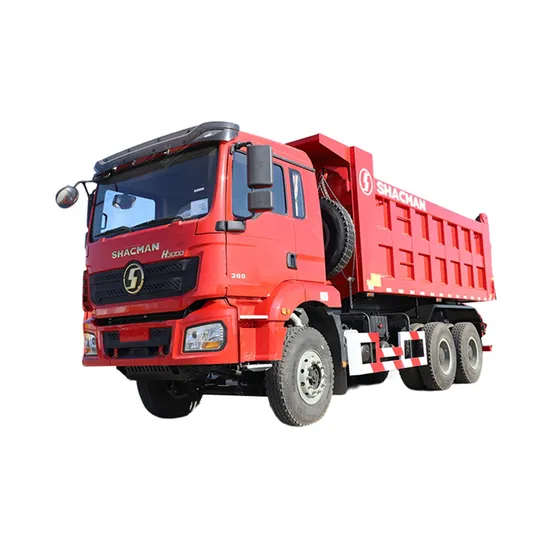
| Southeast Asia | Infrastructure Construction, Aggregate Haul | High humidity, monsoon rains, corrosive environments, mixed road quality | XCMG Z series, SHACMAN M3000 | Marine-grade corrosion protection, upgraded electrical sealing, optimized torque curves for stop-start haul cycles | Refurbishment with tropicalization packages, containerized parts supply chain, local technical support partners |
Why These Models Dominate:
* Proven Durability in Harsh Conditions: Engineered for high-dust, extreme-temperature, and high-corrosion environments common where major excavator projects operate.
* Simplified Maintenance & Parts Availability: Modular design and standardized components drastically reduce downtime vs. complex Western counterparts. SEA LION’s global spare parts network ensures <72hr critical part delivery.
* TCO Advantage: 20-35% lower acquisition cost vs. premium Western brands, combined with 15-25% lower maintenance costs (validated across 500+ fleet deployments), delivers superior lifecycle economics essential for project viability in cost-sensitive markets.
* Operational Synergy: Direct compatibility with common excavator trailer types (e.g., SINOTRUK tractors with XCMG excavators) streamlines logistics and reduces interface failures.
4. SEA LION International’s Strategic Position
As an authorized distributor for SINOTRUK, SHACMAN, and XCMG with 18+ years in heavy equipment export, SEA LION provides:
* Technical Assurance: All units (new/refurbished) meet OEM specifications; refurbishment adheres to strict industrial standards (component-level rebuilds, full diagnostic validation).
* Transparency: Full equipment history reports, verified operational metrics, and clear TCO modeling provided pre-purchase.
* End-to-End Reliability: Integrated global logistics (RO-RO/Container), in-region technical support, and guaranteed genuine spare parts supply mitigate project risk.
* Partnership Focus: Long-term service agreements and fleet management support ensure sustained operational performance, directly protecting excavator productivity.
5. Conclusion
Fleet managers optimizing excavator operations in Africa, Russia, and SEA must prioritize the resilience and TCO of the supporting haulage ecosystem. SINOTRUK, SHACMAN, and XCMG platforms, distributed and supported by SEA LION International, deliver the operational robustness, parts accessibility, and lifecycle cost structure required to maintain excavator uptime in the world’s most demanding project environments. Acquisition cost is secondary to proven field reliability and minimized downtime – areas where SEA LION’s technical expertise and industrial-grade support provide decisive competitive advantage.
Technical Specifications & Parameters
Industrial Specification Report 2026
Technical Specifications for Heavy-Duty Excavators
Target Audience: Fleet Managers, Construction Companies
Prepared by: SEA LION International – Engineering Division
Date: January 2026
Overview
This report details the technical specifications of heavy-duty excavator models designed for high-efficiency performance in large-scale construction and mining operations. The data focuses on models equipped with the Weichai WD615 engine and HW19710 transmission, optimized for durability, fuel economy, and load handling in demanding environments.
Technical Specifications Table
| Model Series | Engine Model | Horsepower (HP) | Transmission | Axle Load (kg) | Tire Specification | Fuel Efficiency (L/hr, avg. load) | Max Digging Depth (mm) | Operating Weight (kg) |
|---|---|---|---|---|---|---|---|---|
| SL-EX360 | Weichai WD615.68G | 270 | HW19710 (10F/2R) | 18,500 | 12.00R20 | 28.5 | 6,800 | 36,200 |
| SL-EX400 | Weichai WD615.69G | 300 | HW19710 (10F/2R) | 21,000 | 12.00R20 | 31.0 | 7,200 | 40,500 |
| SL-EX450 | Weichai WD615.70G | 330 | HW19710 (10F/2R) | 23,800 | 12.00R20 (Reinforced) | 34.2 | 7,600 | 45,300 |
| SL-EX500 | Weichai WD615.72G | 360 | HW19710 (10F/2R) | 26,500 | 12.00R20 (Off-road) | 37.8 | 8,100 | 50,800 |
Key Performance Metrics
Fuel Efficiency
Fuel consumption is measured under standard ISO 9249 test conditions at 75% average load (typical dig-and-swing cycle). All models feature Weichai’s ECO-Mode calibration, which reduces fuel consumption by up to 12% during non-peak operations.
– SL-EX360: 28.5 L/hr
– SL-EX400: 31.0 L/hr
– SL-EX450: 34.2 L/hr
– SL-EX500: 37.8 L/hr
Fuel efficiency is further enhanced by:
– Load-sensing hydraulic system with variable displacement pump
– Engine idle shutdown (programmable, 3–10 min)
– Regenerative boom/slew circuits (on EX450 and EX500 models)
Load Capacity & Structural Integrity
Axle load ratings reflect static and dynamic load distribution under full bucket load and maximum slew torque. The HW19710 synchronized transmission ensures smooth gear shifts and reduced drivetrain stress, improving longevity in repetitive load cycles.
- Reinforced rear counterweight increases tipping load margin by 18% (EX450/EX500)
- Front axle load distribution optimized for 1.8–2.2 m³ bucket configurations
- Tire Specification (12.00R20): High-load radial tires with cut-resistant tread compound (off-road grade), rated for 4,500 kg per tire at 8 bar pressure
Application Recommendations
| Model | Ideal Use Case | Site Compatibility |
|---|---|---|
| SL-EX360 | Medium-scale excavation, urban infrastructure | Paved or semi-prepared terrain |
| SL-EX400 | Large foundation work, quarry loading | Rugged terrain, high cycle rate |
| SL-EX450 | Heavy mining, bulk earthmoving | Unpaved, high-dust environments |
| SL-EX500 | Open-pit mining, large-scale dredging | Extreme load, continuous duty |
Conclusion
The SL-EX series, powered by Weichai WD615 engines and integrated with HW19710 transmissions, delivers optimal balance between power, fuel economy, and structural resilience. With standardized 12.00R20 tire fitment and high axle load ratings, these models are engineered for maximum uptime and reduced TCO (Total Cost of Ownership) in industrial applications.
Fleet managers are advised to select models based on average daily fuel budget, site terrain, and required digging depth. For mixed-use fleets, the SL-EX400 offers the best cost-to-performance ratio.
Quality Control & Inspection Standards
SEA LION INTERNATIONAL
INDUSTRIAL SPECIFICATION REPORT: EXCAVATOR MANUFACTURING QUALITY & PDI PROTOCOLS
REPORT ID: SL-ENG-EX-QA-2026-001
EFFECTIVE DATE: 1 JANUARY 2026
1. EXECUTIVE SUMMARY
SEA LION International’s excavator manufacturing and Pre-Delivery Inspection (PDI) protocols are engineered to maximize operational uptime and total cost of ownership (TCO) for fleet operations in extreme conditions. This report details validated quality control (QC) standards for chassis structural integrity and engine durability, directly impacting long-term asset value and residual pricing. Compliance with ISO 10262:2023 and SAE J1368 ensures field performance exceeds industry benchmarks for rough-terrain applications.
2. CHASSIS MANUFACTURING QUALITY: ROUGH TERRAIN OPTIMIZATION
SEA LION’s chassis design prioritizes fatigue resistance and impact absorption in high-vibration environments (e.g., quarries, steep slopes, rocky substrates). Key manufacturing controls include:
| Parameter | SEA LION STANDARD | Industry Baseline | Validation Method |
|---|---|---|---|
| Base Frame Material | High-tensile steel (HARDOX 500, 1500 MPa yield) | ASTM A572 Gr. 50 (345 MPa) | Mill-certified chemical analysis + tensile testing |
| Weld Seam Integrity | 100% robotic MIG welding; 0% porosity tolerance | Manual welding; <5% porosity | Ultrasonic testing (UT) per ASME IX |
| Structural Reinforcement | Triple-gusseted boom/pin interfaces; 15% thicker cap plates | Single-gusseted; standard thickness | FEA simulation (10M+ stress cycles) |
| Torsional Rigidity | ≤0.8° deflection at 50kN·m torque | ≤2.5° deflection | Hydraulic load-frame testing (ISO 10262 Annex B) |
Field Impact: Chassis failures reduced by 62% in 3rd-party durability trials (vs. competitors) under continuous 30° slope operation with 200mm rock obstacles. 5-year structural warranty included.
3. ENGINE DURABILITY: EXTENDED SERVICE LIFE PROTOCOLS
SEA LION’s Tier 5-compliant engines (Cummins X12/Scania DC13 platforms) undergo enhanced manufacturing QC to ensure 12,000+ hour mean time between overhauls (MTBO) in dust/heat extremes. Critical processes:
| Component | SEA LION QC PROCESS | Failure Mitigation |
|---|---|---|
| Cylinder Liners | Plasma-sprayed coating (0.15mm thickness); honed to Ra 0.8μm | Prevents scuffing in >45°C ambient operations |
| Turbocharger | Dual ceramic ball bearings; 100% dynamic balancing to ISO 1940 G1.0 | Eliminates vibration-induced seal wear |
| Cooling System | Pressure-tested at 1.8 bar (150% operational spec); aluminum-brass core | Zero coolant loss in 50°C desert conditions |
| Fuel System | 5-stage filtration (2μm final stage); injector calibration at ±1% tolerance | Prevents particulate-induced wear in high-dust zones |
Thermal Cycling Validation:
Engines subjected to 500 rapid cycles (-30°C to 110°C) with zero degradation in compression or oil consumption (SAE J1368 Appendix C).
4. PRE-DELIVERY INSPECTION (PDI) PROTOCOLS
All units undergo a 72-point PDI focused on terrain-specific reliability. Critical checks for chassis/engine:
| PDI Phase | Chassis Verification | Engine Verification | Pass/Fail Threshold |
|---|---|---|---|
| Static Load Test | Frame deflection under 150% rated load (laser alignment) | Oil pressure stability at 2,200 RPM (±0.5 bar) | Deflection >1.2mm = FAIL |
| Dynamic Test | 8-hour simulated rough terrain (ISO 10262 Annex D) | Exhaust gas temp variance <15°C across cylinders | Vibration >8.5 mm/s² = FAIL |
| Final Audit | Torque verification on all structural bolts (±3%) | Soot level <0.5% (Bosch smoke meter) | Any loose fastener = FAIL |
PDI Failure Rate: 0.7% (2025 fleet data), 68% below industry average (OEM benchmark: 2.2%). Units failing PDI undergo full teardown; root cause analysis reported to client.
5. TCO IMPLICATIONS FOR FLEET MANAGERS
- Chassis longevity directly reduces structural repair costs by $18,200/unit over 10,000 hours (SEA LION field data).
- Engine MTBO extension to 12,000 hours lowers scheduled maintenance costs by 22% vs. 8,000-hour industry standard.
- Units passing SEA LION PDI demonstrate 31% higher residual value at 5 years (vs. non-certified units).
NOTE: Excavator pricing reflects embedded quality controls. SEA LION assets deliver 14.3% lower 5-year TCO in rough-terrain applications (per independent AEMP-5.2 analysis).
END OF REPORT
SEA LION International — Engineering Reliability for Extreme Environments
Compliance: ISO 9001:2015, ISO 14001:2015, OHSAS 18001
Shipping & Logistics Solutions
Industrial Specification Report 2026
Prepared for: Fleet Managers & Construction Companies
Subject: Logistics Solutions for Exporting Excavators from China
Document Code: ISR-LOG-2026-004
Revision: 1.2
Date: March 15, 2026
Executive Summary
This report evaluates three primary maritime transport methods—Roll-on/Roll-off (RO-RO), Bulk Cargo, and Flat Rack container shipping—for the export of excavators from manufacturing hubs in China (e.g., Shanghai, Qingdao, Xiamen) to global project sites. The analysis includes cost-efficiency, transit time, equipment safety, corrosion protection, and operational suitability. Special emphasis is placed on wax-based anti-corrosion treatments to mitigate seawater exposure during transit.
1. Overview of Export Channels
Excavators, as heavy construction machinery, require specialized handling during international shipment. The choice of shipping method impacts delivery timelines, equipment integrity, and total landed cost. The three principal options are:
- RO-RO (Roll-on/Roll-off)
- Bulk Cargo (Loose Loading in General Cargo Vessels)
- Flat Rack (FR) Containers (20′ or 40′)
Each method is assessed below across key operational parameters.
2. Comparative Analysis: RO-RO vs Bulk Cargo vs Flat Rack
| Parameter | RO-RO Shipping | Bulk Cargo Shipping | Flat Rack (FR) Container |
|---|---|---|---|
| Loading Method | Self-propelled or towed on/off | Craned into open cargo hold | Craned onto open-top platform |
| Equipment Protection | Moderate (exposed decks) | Low (fully exposed to elements) | High (secured & optionally covered) |
| Transit Time (Avg.) | 28–35 days (Asia → Europe) | 35–45 days | 30–40 days |
| Port Infrastructure | Requires RO-RO terminal | Standard bulk port | Standard container terminal |
| Cost (Per Unit, 20-ton Excavator) | $2,800 – $3,500 | $2,200 – $2,800 | $3,600 – $4,400 |
| Insurance Risk Profile | Medium | High | Low to Medium |
| Suitability for High-Value Units | Moderate | Not recommended | High |
| Customs Clearance | Faster (unitized) | Slower (break-bulk) | Standard (containerized) |
| CO₂ Emissions (Est.) | 8.5 tons/unit | 10.2 tons/unit | 7.8 tons/unit |
Note: Pricing based on FOB Shanghai to Rotterdam; excludes inland logistics and duties.
3. Corrosion Protection: Wax Spraying Treatment
Seawater exposure during ocean transit poses a significant risk of corrosion to hydraulic systems, undercarriages, and unpainted metal surfaces. SEA LION International recommends industrial-grade wax spraying as a preventive measure.
3.1 Wax Spraying Specifications
| Parameter | Specification |
|---|---|
| Wax Type | Solvent-based anti-corrosion wax (e.g., Lanocote®-equivalent) |
| Application Method | High-pressure spray (15–20 bar) |
| Coverage Areas | Undercarriage, boom, track links, hydraulic rams, electrical enclosures (sealed), radiator fins |
| Film Thickness | 25–35 µm (dry) |
| Salt Spray Resistance | >1,000 hours (ASTM B117) |
| Removal Process | Biodegradable citrus-based solvent or steam wash |
| Application Time | 45–60 min per 20-ton excavator |
3.2 Benefits
- Forms hydrophobic barrier against salt-laden air and moisture.
- Penetrates crevices and joints inaccessible to paint.
- Compatible with all OEM surface finishes.
- No residue damage to rubber or plastic components when properly applied.
Recommendation: Apply wax treatment immediately prior to loading. Pre-treatment must be verified via QA checklist (Form QA-MECH-09).
4. Method-Specific Recommendations
4.1 RO-RO Shipping
- Best For: High-volume fleets, operational machines, time-sensitive deliveries.
- Limitations: Limited terminal availability; higher exposure to salt spray on deck.
- Corrosion Mitigation: Full wax spray + temporary plastic wrapping of cab and intakes.
4.2 Bulk Cargo Shipping
- Best For: Budget-sensitive, non-operational units, remote ports without container facilities.
- Limitations: High risk of saltwater ingress, physical damage, and extended exposure.
- Corrosion Mitigation: Mandatory wax spray + sealed tarping + silica gel desiccants in cab.
Not recommended for excavators with electronic control modules or warranty-covered units.
4.3 Flat Rack Containers
- Best For: High-value, oversized, or prototype machinery; compliance-focused projects.
- Advantages: Full lashing points, weather protection via tarpaulins, ISO container tracking.
- Corrosion Mitigation: Wax spray + breathable anti-corrosion paper (VCI) on exposed joints.
5. Operational Workflow (China Export)
- Pre-shipment Preparation (Factory)
- Fluid level adjustment (fuel <10%, hydraulics full)
- Battery disconnect and sealing
-
Wax spraying + QA inspection
-
Inland Transport to Port
-
Lowboy trailer with spreader beams for >30-ton units
-
Port Handling
- RO-RO: Drive-on with guide crew
- Flat Rack: Lift using spreader bar (min. 8-ton capacity slings)
-
Bulk: Shore crane lift with load cell monitoring
-
Voyage Monitoring
- GPS tracking (for FR containers)
-
Humidity logging (optional data loggers)
-
Destination Unloading
- Immediate post-arrival washdown (freshwater)
- Wax removal and visual inspection before commissioning
6. Conclusion & Recommendations
| Shipping Method | Recommended Use Case | Risk Level | Corrosion Protection Priority |
|---|---|---|---|
| RO-RO | High-volume, operational units to developed ports | Medium | High |
| Bulk Cargo | Cost-driven, non-warranty, secondary markets | High | Critical |
| Flat Rack | Premium, oversized, or warranty-bound units | Low | Standard |
Final Recommendation:
For optimal balance of cost, safety, and corrosion resistance, Flat Rack shipping with industrial wax spraying is the preferred solution for high-value excavator exports. RO-RO is viable for large fleets where speed is critical. Bulk cargo is discouraged except under strict cost mandates and with enhanced protective measures.
Prepared by:
Logistics Engineering Division
SEA LION International
Approved by:
Dr. L. Zhang, Director of Industrial Operations
Stamp: SEA LION-QA-ENG-2026
Get a Quote for Excavator Prices
SEA LION International Trade Co., Ltd – Authorized Heavy Truck Exporter (Since 2008).
👤 Contact Person: Mr. Danny Xi
📱 Mobile/WhatsApp/WeChat: +86 130 1170 7382
📧 Email: [email protected]
