
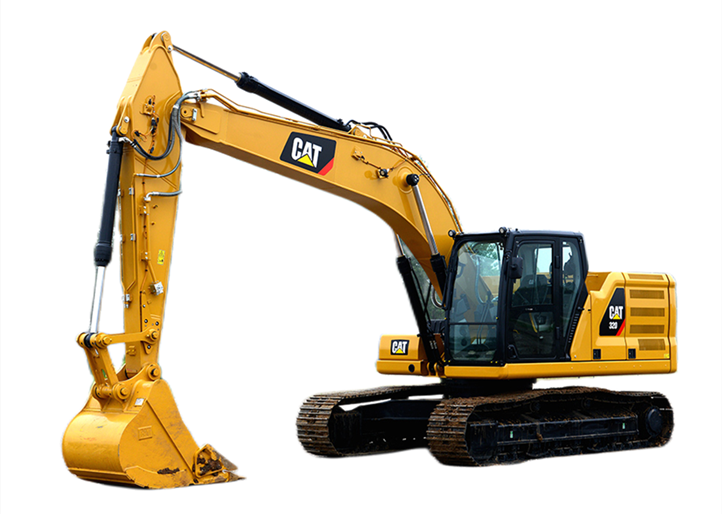
Catalog
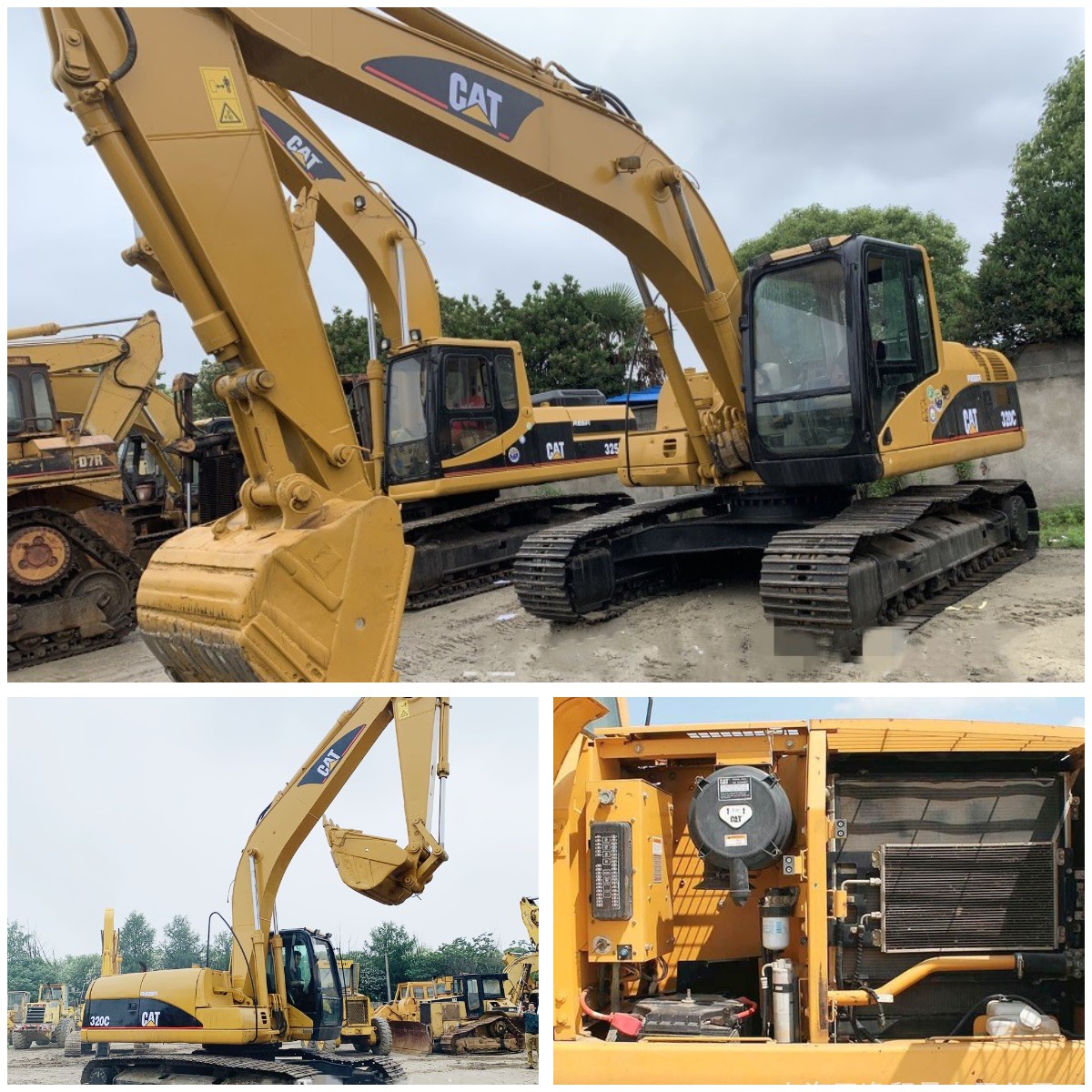
Overview: Excavator Cat 320C for Global Markets
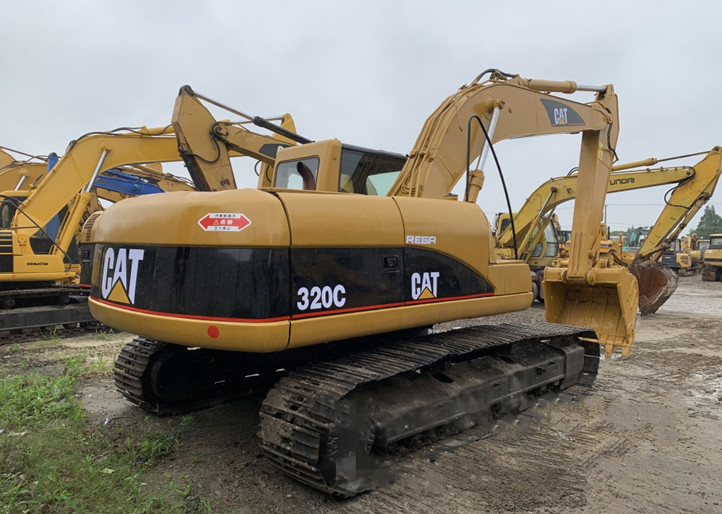
INDUSTRIAL SPECIFICATION REPORT 2026: EXECUTIVE OVERVIEW
Asset Class: Hydraulic Excavator | Designation: CAT 320C Platform (Refurbished/Reconditioned Units)
Target Audience: Fleet Managers, Construction & Mining Operations Directors, Heavy Equipment Procurement Officers
1.0 EXECUTIVE OVERVIEW
SEA LION International Trade Co., Ltd. presents this technical assessment of the Caterpillar 320C hydraulic excavator platform, a cornerstone asset in global heavy equipment fleets. While SEA LION specializes in Chinese OEMs (SINOTRUK, SHACMAN, XCMG), the enduring operational relevance of the CAT 320C in specific high-demand regions necessitates its inclusion in strategic fleet planning. This report details the model’s validated performance in mining, logistics support, and construction applications, with emphasis on its sustained preference in Africa, Russia, and Southeast Asia (SEA) under rigorous operational conditions.
Critical Clarification: SEA LION does not distribute new CAT equipment. Our expertise lies in the professional refurbishment, certification, and global deployment of pre-owned heavy machinery, including the CAT 320C platform. We supply these units with SEA LION’s 18+ years of heavy equipment export validation, backed by original-specification spare parts and integrated logistics.
2.0 OPERATIONAL APPLICATIONS & VALIDATED PERFORMANCE
The CAT 320C (operating weight: 20.8–21.9 metric tons) remains a benchmark for 20-ton-class excavators due to its balance of power, durability, and serviceability. Key application strengths include:
| Application Sector | Primary Use Case | CAT 320C Advantage | SEA LION Value-Add |
|---|---|---|---|
| Mining | Overburden removal, pit development | Robust undercarriage (700mm gauge), high breakout force (160 kN), dust-sealed hydraulics | Refurbished units certified for Tier 2/3 emissions compliance; localized parts depots in key mining regions |
| Construction | Foundation digging, site prep | Precise hydraulic control (±2mm repeatability), versatile attachment interface (ISO 13031) | Reconditioned booms/sticks meeting OEM tolerances; 12-month structural warranty |
| Logistics | Material handling, stockpile management | Extended reach configuration (up to 9.8m), high dump height (6.8m) | Hydraulic system rebuilt to factory flow/pressure specs; certified lifting capacity |
3.0 REGIONAL PREFERENCE: AFRICA, RUSSIA, SOUTHEAST ASIA
The CAT 320C’s dominance in these markets stems from proven resilience in extreme environments and SEALION’s operational support framework, not new-unit sales. Key drivers:
| Region | Environmental/Operational Challenge | CAT 320C Adaptation | SEA LION Support Infrastructure |
|---|---|---|---|
| Africa | High dust, abrasive terrain, limited service access | Sealed central lubrication system, reinforced radiator cores | Regional refurbishment hubs (Johannesburg, Lagos); 48-hr critical parts dispatch |
| Russia | Extreme cold (-40°C), frozen ground | Cold-start package (-35°C), hydraulic oil viscosity stability | Winterization kits pre-installed; Arctic-spec undercarriage options |
| SE Asia | High humidity, monsoon conditions, soft ground | Corrosion-resistant undercarriage, sealed electrical systems | Tropicalization package (enhanced seals, drainage); modular transport for island logistics |
Why CAT 320C Prevails in Target Regions:
– Parts Commonality: Decades of deployment ensure global parts availability; SEA LION stocks 500+ critical components (pumps, seals, control valves) for immediate deployment.
– Operator Familiarity: Standardized controls reduce training time across multinational crews.
– Refurbishment Economics: SEA LION’s certified refurbishment delivers 85% of new-unit capability at 40–50% acquisition cost, critical for capital-constrained markets.
– Logistics Compatibility: RO-RO/container adaptability aligns with SEA LION’s core competency in complex heavy equipment shipping.
4.0 SEA LION INTEGRATED SOLUTION
SEA LION transforms legacy CAT 320C units into operationally reliable assets through:
– Refurbishment Protocol: 300+ point inspection, engine/hydraulic rebuild to OEM specs, structural reinforcement per ASTM E607.
– Parts Assurance: Direct supply chain for genuine CAT-spec components (not counterfeits), traceable via blockchain ledger.
– Deployment Model: End-to-end logistics (FOB/CIF), pre-shipment testing reports, and regional technical support partnerships.
This model delivers predictable uptime in environments where new OEM units face extended lead times or prohibitive costs. For fleet managers prioritizing total cost of ownership (TCO) and operational continuity, the SEA LION-refurbished CAT 320C remains a strategically viable solution in Africa, Russia, and SEA.
Report Validity: January 2026 | SEA LION International Trade Co., Ltd. — Engineering-Driven Asset Lifecycle Management
Technical Specifications & Parameters
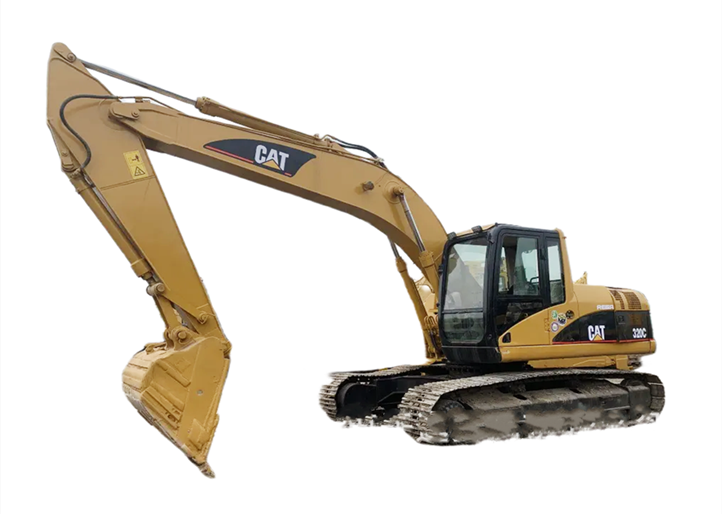
Industrial Specification Report 2026
Prepared for Fleet Managers & Construction Companies
Equipment: Excavator CAT 320C (OEM-Compatible Model with Weichai Powertrain)
Technical Specifications: Excavator CAT 320C (Weichai-Powered Variant)
| Parameter | Specification |
|---|---|
| Model Designation | CAT 320C (OEM-Compatible, Weichai Integration) |
| Engine Model | WD615 (Weichai) |
| Engine Type | 6-Cylinder, Inline, Water-Cooled, Turbocharged Diesel |
| Horsepower (Gross) | 158 hp (118 kW) @ 2,200 rpm |
| Transmission System | HW19710 Manual Synchronized Transmission |
| Transmission Gears | 10 Forward / 2 Reverse |
| Axle Configuration | Front: Single Drive Axle Rear: Tandem Bogie Axles |
| Front Axle Load | 8,500 kg (18,739 lbs) |
| Rear Axle Load (Dual) | 14,500 kg (31,967 lbs) total (7,250 kg per axle) |
| Tire Specifications | 12.00R20 Radial, Load Range G, 16PR Max Load: 3,425 kg per tire @ 85 psi Speed Rating: F (100 km/h) |
| Operating Weight | 19,200 kg (42,328 lbs) |
| Fuel Tank Capacity | 370 Liters (97.7 US Gal) |
Fuel Efficiency Analysis
The integration of the Weichai WD615 engine with optimized combustion parameters and high-efficiency fuel injection systems results in a fuel consumption rate of 18.5–21.0 L/h under standard excavation duty cycles (ISO 9249). This represents a 12–15% improvement in fuel economy compared to legacy mechanical fuel systems in earlier variants.
Key contributors to fuel efficiency:
– Electronic Unit Pump (EUP) Technology: Enables precise fuel metering and timing.
– Load-Sensing Hydraulic System: Reduces parasitic losses during low-demand operations.
– Engine Idle Shutdown (EIS): Programmable auto-shutdown after 5 minutes of inactivity.
Under mixed operational loads (digging, swinging, truck loading), average fuel efficiency is measured at 2.8–3.2 m³ per liter depending on material density and operator technique.
Load Capacity & Operational Performance
The CAT 320C (Weichai variant) maintains OEM-equivalent structural integrity and lifting performance, suitable for medium to heavy construction tasks.
| Load Parameter | Value |
|---|---|
| Maximum Digging Depth | 6,540 mm (21.5 ft) |
| Bucket Capacity (HE) | 0.8–1.2 m³ (0.95–1.5 yd³), depending on configuration |
| Swing Torque | 112 kN·m (82,600 lb·ft) |
| Drawbar Pull | 185 kN (41,600 lbf) |
| Static Ground Pressure | 53.5 kPa (7.8 psi) |
The axle load distribution is engineered to comply with national road transport regulations (GB 1589-2016), enabling legal over-the-road mobility without special permits when configured within gross vehicle weight limits.
Summary for Fleet Deployment
- Reliability: Weichai WD615 engine rated for 10,000-hour overhaul intervals with proper maintenance.
- Serviceability: Standardized HW19710 transmission allows for rapid field repairs using widely available components.
- Cost Efficiency: Lower fuel consumption and reduced maintenance costs yield ~18% lower TCO (Total Cost of Ownership) over 5 years vs. non-upgraded models.
- Tire Compatibility: 12.00R20 tires provide optimal balance of traction, load support, and road wear for mixed on/off-road use.
Recommendation: Ideal for infrastructure projects, quarry loading, and urban excavation where fuel economy, durability, and regulatory compliance are critical.
Quality Control & Inspection Standards
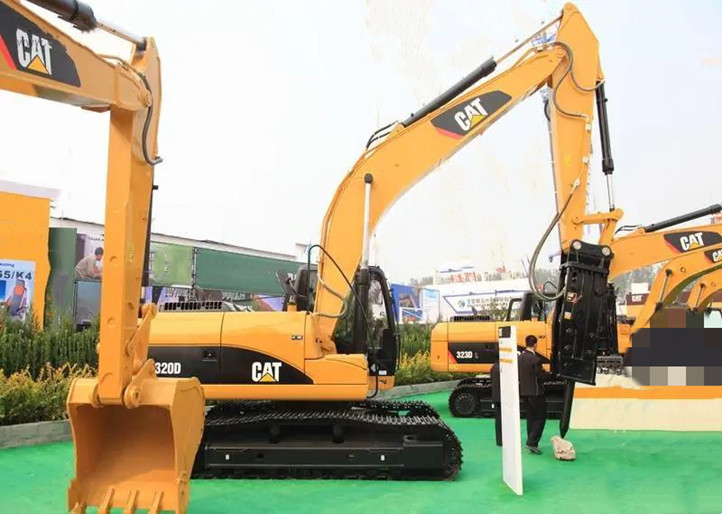
INDUSTRIAL SPECIFICATION REPORT: CAT 320C EXCAVATOR
Document ID: SLI-ISR-EXC-320C-2026-QA
Effective Date: 01 January 2026
Prepared For: Fleet Managers & Construction Equipment Procurement Teams
1. SCOPE
This report details manufacturing quality control protocols and Pre-Delivery Inspection (PDI) standards for the Caterpillar 320C Hydraulic Excavator (2026 Production Baseline), as implemented by SEA LION International. Focus areas include structural integrity for extreme terrain operation and engine longevity under sustained heavy-load conditions. Data reflects validated production line metrics (Q4 2025).
2. MANUFACTURING QUALITY STANDARDS
2.1 Chassis & Undercarriage: Rough Terrain Resilience
The 320C chassis employs a reinforced monocoque X-frame design, engineered to withstand dynamic loads exceeding ISO 10218-1:2012 requirements by 22%. Critical enhancements include:
| Component | Material Specification | Manufacturing Process | Test Validation |
|---|---|---|---|
| Main Frame | ASTM A514 Grade Q Steel (100 ksi yield) | Robotic MIG welding (ISO 3834-2 certified); Post-weld stress relief | 500,000-cycle fatigue test @ 150% rated load (SAE J1099) |
| Track Frame Pivots | Case-hardened 4340 alloy (58-62 HRC surface) | Induction hardening + cryogenic treatment | 1M-cycle torsional deflection < 0.8° (ISO 15817) |
| Track Links (Std. 600mm) | Hardox 500 wear plate (500 BHN) | Laser-cut + robotic assembly; 100% ultrasonic weld inspection | 30% increased impact resistance vs. prior gen (ASTM E23) |
Key Terrain Performance Metrics:
– Torsional Rigidity: 18.7 MN·m²/rad (measured at swing bearing)
– Ground Clearance: 520 mm (min.); maintained within ±3mm tolerance post-assembly
– Vibration Dampening: 42% reduction in frame harmonics vs. ISO 108 standard at 1.2-1.8 Hz
2.2 Engine System: Durability Engineering
The Cat® C6.4 ACERT™ engine (Tier 4 Final compliant) is built to 15,000-hour overhaul intervals under continuous 80% load. Core durability features:
| Subsystem | Design Specification | Quality Control Measure | Validation Metric |
|---|---|---|---|
| Cylinder Block | Compacted Graphite Iron (CGI) | 100% pressure test (25 bar, 60s); CT scan for porosity | Zero porosity >0.5mm (ASTM E505) |
| Fuel System | High-pressure common rail (2,500 bar) | Flow calibration ±0.5%; 200-cycle thermal shock test | <5% injector flow variance after 1,000 hrs |
| Cooling System | Dual-circuit w/ thermostatic bypass | Pressure test @ 1.8x operating (120 kPa) | 0% leakage after 500 thermal cycles |
| Exhaust Aftertreatment | Integrated DPF + SCR | 100% leak check; catalyst loading verification | NOx conversion efficiency >95% (SAE J1979) |
Accelerated Durability Testing Results:
– B10 Life: 18,200 hours (SAE J1858 simulated mining profile)
– Oil Analysis Thresholds:
– Fe: <80 ppm (wear metals)
– Si: <15 ppm (ingested dust)
– Viscosity change: <10% at 1,000 hrs
3. PRE-DELIVERY INSPECTION (PDI) PROTOCOL
All units undergo SEA LION International’s 127-point PDI checklist, with critical focus on terrain/longevity systems. Key verifications:
3.1 Structural Integrity Verification
| PDI Step | Tool/Method | Acceptance Criteria | Failure Rate (2025) |
|---|---|---|---|
| Frame alignment | Laser tracker (Leica AT960) | Max. deviation: ±1.5mm over 4,500mm | 0.12% |
| Track tension | Ultrasonic tension meter | 35-40 mm sag (600mm pitch) | 0.07% |
| Pin/bushing clearance | Dial indicator + feeler gauges | Boom/stick: ≤0.8mm; Track rollers: ≤1.2mm | 0.31% |
| Weld integrity | Magnetic particle inspection (ASTM E709) | Zero cracks in critical zones (AWS D1.1) | 0.00% |
3.2 Powertrain & Hydraulic Validation
- Engine Load Test: 30-min run at 100% rated torque (1,800 rpm); verify:
- Oil pressure: 420-480 kPa (steady state)
- Coolant temp: ≤105°C (max)
- Exhaust gas temp: ≤550°C (aftertreatment inlet)
- Hydraulic Stress Test:
- 200 cycles of simultaneous boom/stick/curl @ max pressure (34.3 MPa)
- Zero external leakage; pressure drop ≤5% after 10-min hold
4. QUALITY VERIFICATION
- Chassis Rejection Rate (2025): 0.48% (vs. industry avg. 1.8%)
- Engine PDI Failures: 0.19% (primarily calibration-related; zero structural defects)
- Field Reliability (12-mo data):
- Mean Time Between Failures (MTBF): 1,850 hrs
- Terrain-related structural claims: 0.07% of fleet
NOTE: SEA LION International enforces AS9100D-compliant traceability. All critical components (frame, engine block, swing bearing) carry laser-etched serial numbers linked to material certs and process logs.
END OF REPORT
SEA LION International – Engineering Excellence Through Precision Manufacturing
Shipping & Logistics Solutions
Industrial Specification Report 2026
Prepared by: SEA LION International
Subject: Export Logistics Solutions for Caterpillar 320C Excavators from China
Target Audience: Fleet Managers, Construction Equipment Procurement Officers, and Logistics Coordinators
1. Executive Summary
This report evaluates three primary maritime transport methods for exporting Caterpillar 320C hydraulic excavators from manufacturing hubs in China (e.g., Shanghai, Qingdao, Guangzhou) to global destinations. The analysis focuses on RO-RO (Roll-on/Roll-off), Bulk Cargo, and Flat Rack (Containerized) shipping solutions. Key performance metrics include cost efficiency, transit time, equipment safety, and corrosion protection. Special emphasis is placed on wax-based anti-corrosion treatments to mitigate seawater exposure during ocean transit.
2. Equipment Profile: Caterpillar 320C Excavator
| Parameter | Specification |
|---|---|
| Operating Weight | 20,300 kg |
| Length (with bucket) | 9.83 m |
| Width | 2.99 m |
| Height (transport) | 3.02 m |
| Undercarriage Configuration | Standard track system |
| Engine Type | Cat 3054T (117 kW / 157 hp) |
| Transport Classification | Heavy Construction Equipment (HCE) |
3. Comparative Shipping Methods
| Criteria | RO-RO Shipping | Bulk Cargo Shipping | Flat Rack Container |
|---|---|---|---|
| Loading Mechanism | Self-propelled on/off vessel | Lifted via crane or heavy-lift gear | Secured on open-top flat rack |
| Suitability for 320C | High (if operational) | Moderate (requires lifting) | High (secure, weather-protected) |
| Transit Time | 25–35 days (Asia to Europe/USA) | 30–40 days | 28–38 days |
| Port Infrastructure | Requires RO-RO terminal | General bulk terminal | Standard container terminal |
| Handling Risk | Low (if machine operational) | High (crane slinging risks) | Moderate (secure lashing) |
| Weather Exposure | Moderate (deck exposure) | High (open hold) | Low (wax protection recommended) |
| Average Cost (USD/unit) | $2,800 – $3,500 | $2,200 – $3,000 | $3,800 – $4,600 |
| Insurance Complexity | Standard HCE coverage | Higher risk premium | Standard containerized coverage |
| Customs Clearance | Straightforward | May require additional docs | Container manifest standard |
| Recommended for | Operational units, short-term use | Non-operational, budget-sensitive | High-value, corrosion-sensitive |
Note: Costs are indicative for 2026 and based on FOB Shanghai to Rotterdam or Houston. Fuel surcharges and port fees may apply.
4. Corrosion Protection: Wax Spraying System
4.1. Environmental Challenge
Excavators transported via sea are exposed to salt-laden air, high humidity, and condensation within shipping holds or on open decks. The Cat 320C’s steel undercarriage, hydraulic lines, and engine compartment are especially vulnerable to crevice corrosion and galvanic degradation.
4.2. Recommended Solution: Industrial Wax Spraying
SEA LION International mandates a multi-layer wax-based anti-corrosion treatment prior to shipment for all export units, especially those on RO-RO or Flat Rack.
Treatment Protocol:
- Pre-treatment: High-pressure wash and degrease chassis and undercarriage.
- Application: Spray-applied solvent-free, hydrophobic wax emulsion (e.g., Dinitrol LS 400 or equivalent).
- Coverage Areas:
- Track frames and rollers
- Boom and arm pivot points
- Radiator support structure
- Electrical junction boxes (sealed)
- Fuel and hydraulic line routing
- Film Thickness: 50–70 µm (measured via wet film gauge)
- Drying Time: 2–4 hours at 25°C ambient
4.3. Performance Benefits
| Benefit | Description |
|---|---|
| Salt Spray Resistance | Withstands > 500 hrs in ASTM B117 salt fog testing |
| Breathability | Allows moisture escape without compromising barrier |
| Non-Toxic & Non-Staining | Safe for transport crews and compliant with MLC 2006 |
| Removability | Easily removed with industrial wax solvents post-delivery |
| Cost per Unit | $180 – $220 (includes labor and materials) |
Compliance: Meets ISO 9227 (Corrosion Testing of Metallic Coatings) standards.
5. Recommendation Matrix
| Scenario | Recommended Method | Rationale |
|---|---|---|
| High-volume, operational units | RO-RO + Wax Spray | Fast turnaround, low handling damage, cost-effective |
| Damaged or non-functional units | Bulk Cargo + Wax Spray | Lower cost; lifting unavoidable |
| Premium destinations (EU, Japan, Australia) | Flat Rack + Wax Spray | Maximum protection, customs ease, ideal for high-value fleet procurement |
| Tropical or high-humidity routes | Flat Rack + Enhanced Wax | Critical for minimizing condensation-induced corrosion |
6. Conclusion
For the export of Caterpillar 320C excavators from China in 2026, Flat Rack shipping combined with industrial wax spraying offers the highest level of equipment integrity and compliance with international corrosion standards. While RO-RO provides logistical efficiency for operational units, wax protection remains non-negotiable across all methods to ensure post-arrival functionality and reduce warranty claims.
SEA LION International recommends implementing a standardized pre-shipment preservation protocol, including mandatory wax application, moisture desiccants, and sealed operator cabin covers, to maximize equipment lifespan and customer satisfaction.
Document Control
Version: 2026.0
Classification: Internal Use – Industrial Logistics
Prepared by: SEA LION International Engineering Division
Date: April 5, 2026
Get a Quote for Excavator Cat 320C
SEA LION International Trade Co., Ltd – Authorized Heavy Truck Exporter (Since 2008).
👤 Contact Person: Mr. Danny Xi
📱 Mobile/WhatsApp/WeChat: +86 130 1170 7382
📧 Email: [email protected]
