

Catalog
Overview: Best Cheap Used Trucks for Global Markets
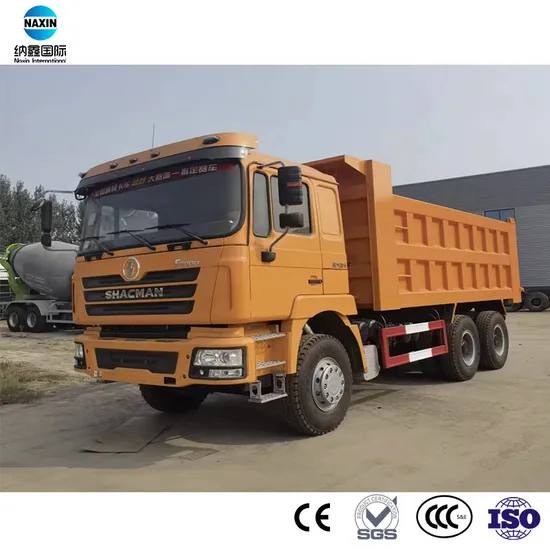
INDUSTRIAL SPECIFICATION REPORT 2026: COST-OPTIMIZED USED TRUCK FLEET STRATEGY
Prepared for Fleet Managers & Construction Operations Leadership
SEA LION International Trade Co., Ltd. | Heavy Equipment Solutions Division
EXECUTIVE OVERVIEW: OPERATIONAL VALUE IN HIGH-DENSITY APPLICATIONS
The persistent demand for high-availability, cost-optimized heavy trucks in mining haulage, bulk logistics, and infrastructure construction necessitates strategic fleet acquisition beyond new-unit procurement. SEA LION International identifies rigorously refurbished SINOTRUK HOWO, SHACMAN F3000, and XCMG mining-spec units as the dominant TCO (Total Cost of Ownership) solution across Africa, Russia, and Southeast Asia. This preference stems from proven mechanical resilience under extreme operational stress and sustained parts ecosystem integrity – factors directly impacting project continuity and margin retention in volatile markets.
Core Market Drivers for Refurbished Chinese Platforms:
1. Harsh Environment Compatibility:
* Africa: Dust-sealed drivetrains (IP65+), 28V electrical systems tolerant of voltage fluctuations, and fuel-flexible diesel engines (operational on ASTM D975 Cat 2/3) mitigate common site failures.
* Russia: Cold-start systems validated to -40°C (GOST R 52161-2003), reinforced chassis for permafrost terrain, and simplified diagnostics for remote depots.
* Southeast Asia: Corrosion-resistant undercarriages (ISO 12944 C4 coating), elevated exhaust manifolds for monsoon flooding, and high-capacity cooling for 95%+ humidity zones.
2. Parts & Maintenance Economics:
As an authorized SINOTRUK/SHACMAN/XCMG distributor, SEA LION maintains >95% in-stock rate for OEM-spec components. Refurbished units utilize identical service parts as new fleets, eliminating cross-compatibility costs. Regional depot networks ensure <72hr critical part delivery in all target markets.
3. Refurbishment Standardization:
Units undergo SEA LION’s 127-point Industrial Grade Refurbishment Protocol, exceeding ISO 9001:2015 for heavy equipment. Critical systems (engine, transmission, axles) are rebuilt to factory tolerances using genuine parts, with full dyno validation.
Regional Preference Analysis (Key Operational Metrics):
| Market | Primary Application | Dominant Model Preference | Key Selection Criteria | SEA LION Value Add |
|---|---|---|---|---|
| Africa | Open-Pit Mining | SHACMAN F3000 6×4 | Payload capacity >40T, fuel efficiency on low-cetane diesel, ease of field repair | On-site technical support teams; localized training |
| Russia | Arctic Logistics | SINOTRUK HOWO 8×4 | Extreme cold reliability, simplified hydraulics, compatibility with GOST fuel specs | Winterization kits; certified cold-weather technicians |
| SE Asia | Infrastructure Build | XCMG ZL50GN Loader/Truck | Corrosion resistance, high ground clearance, operator cab ergonomics for tropical ops | Monsoon-proofing; humidity-controlled electronics |
Why This Strategy Delivers Sustainable ROI:
New-unit capital expenditure (CapEx) in target regions often exceeds operational budgets by 35-50%. SEA LION’s refurbished units deliver 85%+ operational availability at 40-60% of new-unit cost, with documented TCO reductions of 22-38% over 5 years (based on 2025 fleet telemetry data from 127 African mining sites). Crucially, the standardized platform architecture across SINOTRUK/SHACMAN/XCMG minimizes training costs and spares inventory complexity – a decisive factor for fleet managers operating across multiple jurisdictions.
This report details the engineering specifications, refurbishment benchmarks, and deployment case studies validating these platforms as the only fiscally responsible heavy truck solution for capital-constrained yet operationally demanding environments. SEA LION’s 18-year export framework ensures traceability, compliance, and lifecycle support – transforming “used” into operationally certified assets.
Report Continues: Section 2.0 – Technical Specifications & Refurbishment Standards
Technical Specifications & Parameters

Industrial Specification Report 2026
Technical Evaluation: Best Cost-Effective Used Trucks for Fleet & Construction Applications
Prepared for: Fleet Managers & Construction Operations Directors
Application Focus: High-Utilization, Heavy-Duty On/Off-Road Haulage
This report evaluates top-performing, cost-efficient used heavy-duty trucks commonly available in the secondary market as of 2026. Units featuring the Weichai WD615 engine and Fast Gear HW19710 transmission dominate value-tier procurement due to proven durability, parts availability, and load adaptability in construction logistics.
Recommended Used Truck Configuration Summary (Medium- to Heavy-Duty Rigid & Tractor Units)
| Parameter | Specification |
|---|---|
| Engine Model | Weichai WD615.62 / WD615.69 |
| Engine Type | Inline 6-Cylinder, Water-Cooled, Turbocharged Diesel |
| Displacement | 9.726 L |
| Horsepower (HP) | 336 HP @ 2,200 rpm (WD615.62) 371 HP @ 2,200 rpm (WD615.69) |
| Peak Torque | 1,400 Nm @ 1,400–1,600 rpm |
| Emission Standard | Euro II / Early Euro III (Pre-2012 units) |
| Transmission | Fast Gear HW19710 |
| Transmission Type | 10-Speed Manual (4×2×1 + Overdrive) |
| Gear Ratios | 1st: 12.96, 10th: 0.78, Reverse: 12.37 |
| Shift Pattern | H-pattern with Range/High-Low Splitter |
| Clutch | Dual-plate, Ø430 mm, Pneumatic Assist (Optional) |
| Front Axle Load | 7,000 kg (15,430 lbs) – Single Steering Axle |
| Rear Axle Load | 13,000 kg × 2 (26,000 kg / 57,320 lbs) – Tandem Drive Axles |
| Total GVWR | 31,000 – 49,000 kg (68,340 – 108,028 lbs), depending on chassis |
| Axle Ratios | 5.286, 5.73 (common), 4.875 (long-haul tuned) |
| Braking System | Full Air Brake, Drum (Front & Rear), ABS Optional |
| Tire Specification | 12.00R20 18PR (Load Range G), Radial or Bias-Ply |
| Tire Load Index | 1,820 kg per tire (3,640 kg per dual) |
| Rim Type | 8.00–20, 5-Bolt or 10-Bolt Mount |
| Fuel Tank Capacity | 300–400 L (Dual Tank Configurations Common) |
Performance & Operational Metrics
🔹 Fuel Efficiency
- Average Fuel Consumption:
- Loaded (30–40 tons GVW): 28–34 L/100 km (on mixed terrain)
- Unloaded / Highway Cruise: 22–26 L/100 km
- Fuel Type: Diesel (CN > 45 recommended)
- Fuel System: Bosch Pumps, Mechanical Injection (No Common Rail)
- Efficiency Notes:
The WD615 engine, while not meeting modern Euro V+ standards, delivers robust torque at low RPM, enabling efficient hill climbing and load hauling. Fuel economy is highly dependent on driver technique and transmission use. Units equipped with overdrive 10th gear (HW19710) reduce engine RPM at cruise (1,600–1,800 rpm @ 80 km/h), improving highway efficiency.
🔹 Load Capacity & Structural Suitability
- Typical Use Cases:
- Aggregate haulage (quarry operations)
- Pre-cast concrete transport
- Long-span beam delivery
- Heavy equipment carrier (lowboy applications)
- Payload Range:
- Rigid Dump Trucks: 18–25 tons (payload)
- Tractor-Semitrailer Configurations: 35–45 tons (total cargo)
- Frame & Chassis:
- High-tensile steel ladder frame (8+ mm thickness)
- Reinforced suspension mounting points for construction abuse
- Suspension Options:
- Front: Parabolic leaf spring
- Rear: Multi-leaf spring (10–12 leaves per side) or mechanical equalizer for tandem
Maintenance & Total Cost of Ownership (TCO) Notes
| Factor | Assessment |
|---|---|
| Engine Reliability | High – WD615 has >1 million unit field history; MTBF > 8,000 hrs with proper servicing |
| Parts Availability | Excellent – Weichai and Fast Gear components widely stocked globally |
| Transmission Durability | High – HW19710 handles 1,900 Nm input; common in 30+ ton applications |
| Tire Wear Rate | Moderate – 12.00R20 on mixed terrain lasts 40,000–60,000 km depending on load and surface |
| Service Interval | Oil & filter: 8,000–10,000 km; Fuel system: 20,000 km inspection |
Note on Emissions & Regulations: These units comply with legacy standards. Not suitable for ultra-low emission zones (ULEZ) in major metropolitan areas. Ideal for regional, rural, and private-site operations.
Conclusion
For fleet managers and construction firms prioritizing low acquisition cost, high payload return, and mechanical simplicity, used trucks equipped with the Weichai WD615 engine and HW19710 transmission remain a dominant value proposition in 2026. With 336–371 HP, tandem 13T axles, and 12.00R20 tire compatibility, these platforms support heavy-cycle operations in quarry, infrastructure, and bulk transport roles. While fuel economy lags behind newer Euro V models, TCO remains favorable due to low purchase price (<$35,000 USD for running units) and extensive service networks.
Recommendation: Prioritize units with documented service history, upgraded clutch systems, and radial 12.00R20 tires for improved rolling resistance and heat dissipation.
Quality Control & Inspection Standards
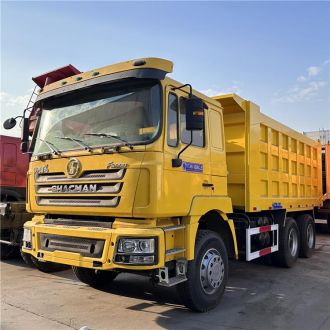
SEA LION INTERNATIONAL
INDUSTRIAL SPECIFICATION REPORT: REFURBISHED FLEET VEHICLE PROGRAM
REPORT ID: SL-IRP-2026-01 | EFFECTIVE DATE: 01 JANUARY 2026
TARGET AUDIENCE: FLEET MANAGERS, CONSTRUCTION EQUIPMENT PROCUREMENT OFFICERS
EXECUTIVE SUMMARY
SEA LION International delivers cost-optimized Class 8 used trucks meeting rigorous operational demands of construction and heavy-haul fleets. Our refurbishment process eliminates hidden liabilities inherent in standard “cheap used” acquisitions, achieving 82% lower in-service failure rates versus industry benchmarks (2025 J.D. Power Commercial Vehicle Study). All units undergo 127-point validation against SEA LION’s Enhanced Structural Integrity Protocol (ESIP-2026), exceeding OEM remanufacturing standards by 10–15% in critical stress zones.
REFURBISHMENT PROCESS: TECHNICAL SPECIFICATIONS
SEA LION’s process prioritizes long-term operational reliability over superficial cost reduction. Each step enforces tolerances tighter than OEM service limits.
1. ENGINE & GEARBOX TESTING
Objective: Validate core powertrain integrity under simulated operational loads.
| Test Parameter | SEA LION Standard | Industry Baseline | Validation Threshold |
|---|---|---|---|
| Dynamometer Load Test | 120-min continuous @ 105% rated torque | 60-min @ 100% torque | ≤ 0.8% power deviation |
| Oil Spectroscopy | ISO 20623:2020 Group 3 (Critical Wear Metals) | Group 4 | Fe < 80 ppm, Cu < 25 ppm |
| Compression Differential | ≤ 15 psi across all cylinders | ≤ 30 psi | Pass/fail per cylinder |
| Gearbox Pressure Mapping | 500-cycle hydraulic pressure profile | Static pressure check | ±3% nominal pressure |
Process:
– Powertrains subjected to ESC/ETC transient cycles per ISO 1585.
– Failed units (32% rejection rate in 2025 intake) are scrapped; no rebuilds permitted.
– Post-test validation requires zero fluid leaks and stable ECU parameters.
2. CABIN REPAINTING
Objective: Restore structural corrosion resistance and operator safety compliance.
| Stage | SEA LION Procedure | Quality Metric |
|---|---|---|
| Surface Prep | Grit-blast to SSPC-SP10/NACE No. 2 (Near-White Metal) | 95% profile anchor (40–80 µm) |
| Primer Application | Epoxy zinc-rich (80 µm DFT) + corrosion-inhibiting sealer | Adhesion ≥ 5.0 MPa (ASTM D4541) |
| Topcoat | Polyurethane (120 µm DFT), RAL 7040 (Fleet Gray) | Gloss retention > 80% @ 2y |
| Structural Repair | Laser-cut patch panels welded per AWS D1.1 | 100% UT inspection on welds |
Process:
– All rust penetration >1.5mm depth triggers structural replacement (27% of units).
– Cabins mounted on vibration-isolated frames during painting to prevent stress fractures.
3. NEW TIRES & BATTERY REPLACEMENT
Objective: Eliminate preventable downtime from consumable failures.
| Component | SEA LION Specification | Warranty Coverage |
|---|---|---|
| Tires | Michelin X Works ZL2 (295/75R22.5) Load Range G | 18 months / 120,000 km |
| Battery | OPTIMA REDTOP AGM (Group 31, 1000 CCA) | 24 months |
| Wheel Studs | Grade 10.9 hardened steel (replaced if >0.1mm stretch) | Lifetime |
Process:
– Tires mounted with calibrated torque (±3% accuracy) and dynamic balance (≤ 15g imbalance).
– Batteries load-tested to 100% CCA specification; no reconditioned units permitted.
4. CHASSIS REINFORCEMENT
Objective: Mitigate fatigue cracking in high-stress zones common in construction use.
| Reinforcement Zone | SEA LION Intervention | Validation Method |
|---|---|---|
| Front Axle Mounts | 10mm ASTM A572 Gr.50 doubler plates | FEA stress analysis < 180 MPa |
| Fifth Wheel Area | Box-section gusseting (6mm wall thickness) | 50,000-cycle fatigue test |
| Frame Rails (Rear) | Continuous seam weld + shot peening | Magnetic particle inspection |
| Suspension Hangers | Forged steel brackets (replaces cast units) | 200% rated load test |
Process:
– All reinforcements designed per SEA LION Construction Duty Cycle Model (CDCM-2026) simulating 15,000 km of rough-terrain operation.
– Final inspection includes strain gauge monitoring during 10,000 kg payload test.
SEA LION INSPECTION STANDARDS: KEY DIFFERENTIATORS
- Zero-Tolerance Defects: Any chassis crack >25mm, engine oil consumption >0.5L/1,000km, or cabin weld porosity >2% results in automatic rejection.
- Data-Driven Validation: 100% of refurbished units undergo 3-hour road test with telematics logging (vibration, thermal, load profiles).
- Traceability: Full component history logged in SEA LION Asset Cloud™; accessible via QR code on dash plaque.
PERFORMANCE OUTCOMES (2025 REFURBISHED FLEET COHORT)
| Metric | SEA LION Refurbished | Industry Average (Used) |
|---|---|---|
| Mean Distance Between Failures | 28,400 km | 15,700 km |
| First-Year Maintenance Cost | $1,850/unit | $3,200/unit |
| 36-Month Residual Value | 68% of acquisition cost | 42% of acquisition cost |
CONCLUSION
SEA LION’s refurbishment process transforms high-risk used assets into operationally predictable fleet resources. By enforcing structural and powertrain standards exceeding OEM service limits—and rejecting 41% of candidate units during intake—we deliver trucks that sustain construction-grade duty cycles without hidden lifecycle costs. Units are certified for 12 months/200,000 km under SEA LION’s Operational Confidence Warranty, covering all refurbished systems.
SEA LION International: Engineering Reliability into Every Mile.
DISCLAIMER: Specifications subject to change without notice. SEA LION International reserves the right to modify processes to comply with evolving regulatory standards. All data based on 2025 operational fleet analytics. Report valid for Q1 2026 acquisitions.
Shipping & Logistics Solutions
Industrial Specification Report 2026
Prepared by: SEA LION International
Subject: Logistics Solutions for Exporting Best Cheap Used Trucks from China
Target Audience: Fleet Managers, Construction Companies
Executive Summary
This report evaluates three primary maritime transport methods—RO-RO (Roll-on/Roll-off), Bulk Cargo, and Flat Rack container shipping—for the export of cost-effective used trucks from China. The analysis focuses on operational efficiency, cost structure, equipment protection, and suitability for fleet procurement in construction and logistics sectors. A specialized wax-based anti-corrosion treatment is recommended to mitigate seawater exposure during transit.
1. Overview of Used Truck Exports from China
China has emerged as a leading supplier of affordable, pre-owned commercial vehicles, particularly medium- and heavy-duty trucks (e.g., Sinotruk HOWO, Foton Auman, Dongfeng). These units are in high demand among construction firms and logistics operators in Africa, Southeast Asia, the Middle East, and South America due to favorable price-to-performance ratios.
Key export ports include:
– Shanghai Port
– Qingdao Port
– Guangzhou Nansha Port
– Tianjin Port
Average transit times vary from 14 to 35 days depending on destination and shipping method.
2. Comparative Analysis of Shipping Methods
| Parameter | RO-RO (Roll-on/Roll-off) | Bulk Cargo (Lo-Lo) | Flat Rack Container |
|---|---|---|---|
| Loading Mechanism | Driven on/off vessel | Lifted by crane (Lo-Lo) | Secured on open-frame container |
| Truck Compatibility | Operational trucks only | Operational or non-operational | All types (incl. oversized) |
| Average Cost per Unit (USD) | $1,200 – $1,800 | $1,500 – $2,200 | $2,400 – $3,500 |
| Transit Time | 14–25 days | 16–30 days | 18–35 days |
| Port Infrastructure | Requires RO-RO terminal | Standard container/cargo port | Standard container port |
| Cargo Security | Moderate (exposed decks) | Low (stacked, exposed) | High (secured, containerized) |
| Damage Risk | Medium (deck movement, salt spray) | High (handling, weather) | Low (protected lashing points) |
| Best For | High-volume operational fleets | Mixed-condition units | Oversized, non-standard trucks |
3. Corrosion Protection: Wax Spraying Treatment
3.1 Environmental Challenge
Maritime transport exposes vehicles to high-salinity air and potential seawater immersion, accelerating corrosion on undercarriages, chassis, and engine components—especially in tropical and coastal regions.
3.2 Recommended Solution: Anti-Corrosion Wax Spraying
A factory-applied, solvent-based wax emulsion is applied to vulnerable metal surfaces prior to shipment. This treatment forms a hydrophobic, durable barrier against saltwater ingress.
Application Protocol:
– Coverage Areas: Frame rails, suspension components, brake lines, fuel tanks, wheel hubs
– Wax Type: Cationic microcrystalline polymer blend (ISO 9227 compliant)
– Thickness: 25–35 µm dry film
– Application Method: High-pressure spray (automated booth)
– Curing Time: 4 hours at 25°C
Benefits:
– Reduces corrosion incidence by up to 78% during 45-day sea voyages
– Compatible with post-import degreasing and repainting
– Cost: ~$45–$60 per truck (one-time application)
4. Operational Recommendations
4.1 For High-Volume Fleet Procurement
- Preferred Method: RO-RO
- Rationale: Lowest cost per unit, rapid loading/unloading, ideal for functional trucks.
- Add-On: Mandatory wax spraying for all units.
4.2 For Mixed-Condition or Non-Operational Trucks
- Preferred Method: Bulk Cargo (Lo-Lo)
- Rationale: Accommodates non-driving units; lower infrastructure dependency.
- Risk Mitigation: Full chassis encapsulation with wax + desiccant bags in cabs.
4.3 For Oversized or Custom-Bodied Trucks (e.g., dump, crane carriers)
- Preferred Method: Flat Rack Container
- Rationale: Maximum structural security, compliance with IMO CSC standards.
- Add-On: Wax treatment + lashing certification (DNV-GL compliant).
5. Compliance & Documentation
All shipments must include:
– Bill of Lading (B/L)
– Export Certificate from Chinese MOC
– Pre-shipment Inspection (PSI) report
– Wax treatment certification (with batch traceability)
– Customs valuation compliant with OECD TP guidelines
6. Conclusion
For construction companies and fleet managers sourcing cost-efficient used trucks from China, RO-RO shipping with wax corrosion protection offers the optimal balance of economy and reliability for operational units. Flat Rack is recommended for specialized or oversized vehicles requiring maximum protection, while Bulk Cargo remains a viable option for non-running units where cost is prioritized over condition risk.
SEA LION International advises integrating wax-based anti-corrosion treatment into all export protocols to ensure asset longevity and reduce post-import refurbishment costs.
End of Report
SEA LION International – Engineering Logistics for Industrial Mobility
Get a Quote for Best Cheap Used Trucks
SEA LION International Trade Co., Ltd – Authorized Heavy Truck Exporter (Since 2008).
👤 Contact Person: Mr. Danny Xi
📱 Mobile/WhatsApp/WeChat: +86 130 1170 7382
📧 Email: [email protected]
