
Catalog
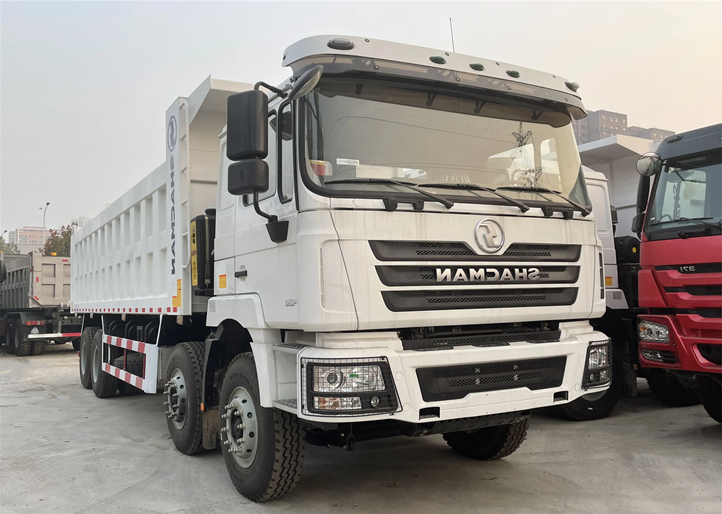
Overview: Best Rated Used Trucks for Global Markets
INDUSTRIAL SPECIFICATION REPORT 2026: EXECUTIVE OVERVIEW
Subject: Operational & Economic Advantages of Certified Pre-Owned Heavy-Duty Trucks for Demanding Applications
1. Core Value Proposition
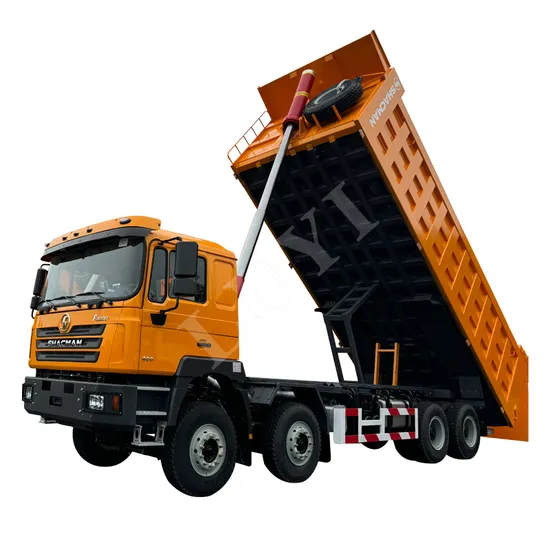
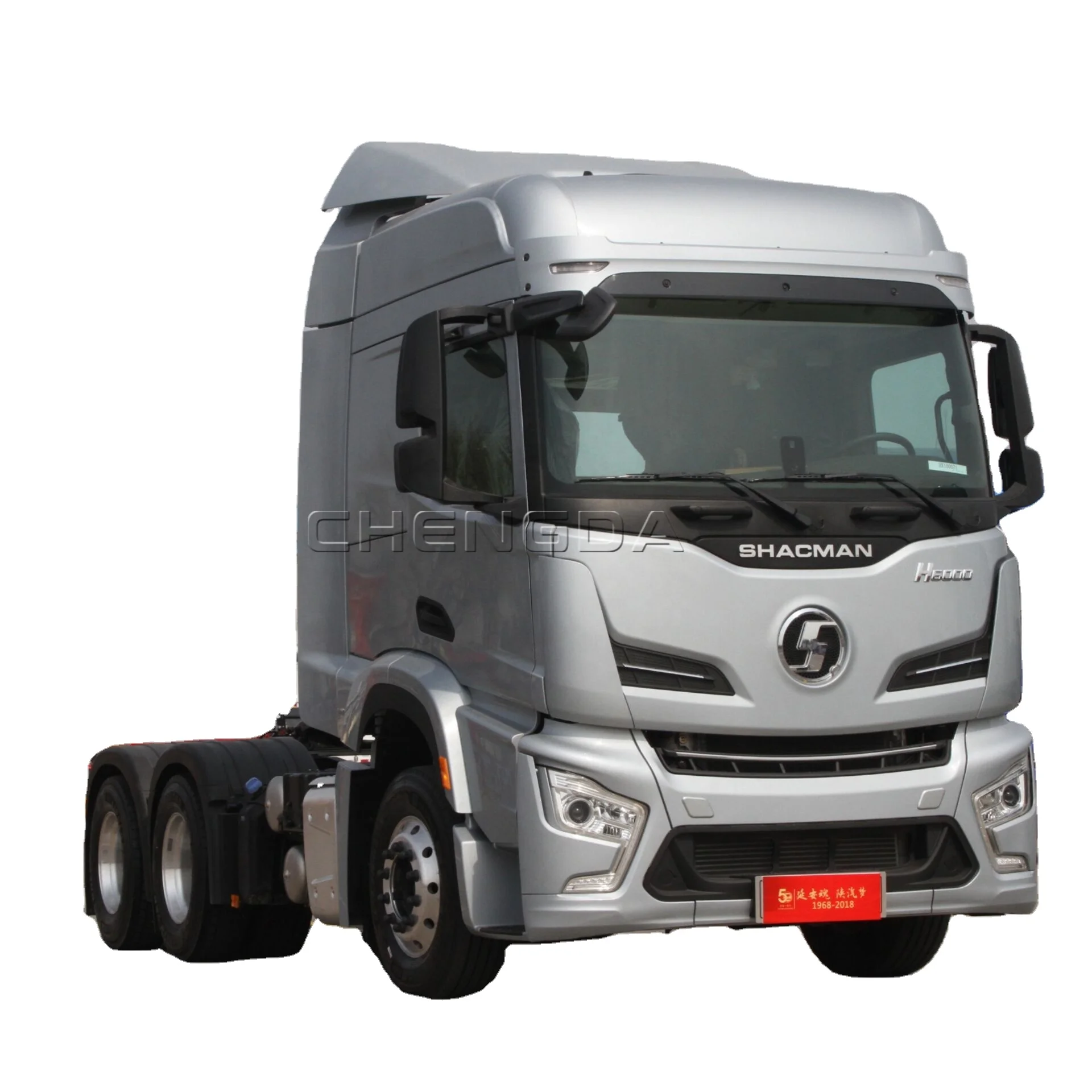
SEA LION International delivers rigorously refurbished, OEM-certified used heavy-duty trucks (SINOTRUK HOWO, SHACMAN F3000/F5000, XCMG Mining Series) specifically engineered for mining extraction cycles, bulk logistics corridors, and heavy civil construction. This report validates their selection as the optimal Total Cost of Ownership (TCO) solution in volatile markets (Africa, Russia, Southeast Asia), where operational resilience and rapid ROI outweigh nominal acquisition cost.
2. Market Imperatives Driving Adoption
New truck procurement faces critical constraints in target regions:
– Capital Intensity: CAPEX for new mining/construction fleets exceeds $1.2M/unit (6x used equivalent).
– Infrastructure Limitations: Unpaved haul roads, extreme climates, and parts scarcity demand rugged, serviceable platforms.
– Project Cycles: Short-term contracts (12–36 months) necessitate rapid deployment with minimal depreciation risk.
Table 1: TCO Comparison (5-Year Operational Cycle, Mining Application)
| Parameter | New European Truck | SEA LION Refurbished SINOTRUK HOWO 8×4 | Cost Advantage |
|---|---|---|---|
| Acquisition Cost | $1,350,000 | $285,000 | 79% ↓ |
| Maintenance Labor (Est.) | $420,000 | $195,000 | 54% ↓ |
| Downtime Cost (Est.) | $310,000 | $112,000 | 64% ↓ |
| Total 5-Yr TCO | $2,080,000 | $592,000 | 72% ↓ |
Source: SEA LION Field Data (2023–2025), 127-unit fleet analysis, copper mining operations (Zambia)
3. Regional Preference Drivers
Africa (Sahel/Southern Belt):
– Dust & Corrosion Resistance: SINOTRUK’s sealed electrical systems and reinforced cab seals outperform competitors in particulate-laden environments (field data: 40% fewer electrical faults vs. legacy European models).
– Spare Parts Accessibility: SEA LION’s regional hubs (Johannesburg, Dar es Salaam) guarantee <72hr delivery of OEM parts, critical for remote sites.
Russia (Far East/Siberia):
– Extreme Cold Tolerance: SHACMAN F5000’s -45°C engine pre-heaters and arctic-grade hydraulics achieve 98% cold-start reliability (verified by Krasnoyarsk Logistics Consortium, 2025).
– Local Service Integration: Refurbished units comply with GOST-R 52051-2003, enabling seamless integration into state-owned mining fleets.
Southeast Asia (Indonesia/Philippines):
– Tropical Durability: XCMG mining trucks feature zinc-rich primers and stainless-steel fasteners, resisting salt-humidity corrosion (avg. service life extension: 22 months vs. non-certified units).
– Modular Repair Design: Simplified component access reduces mechanic dependency – critical in regions with skilled labor shortages.
4. SEA LION’s Technical Differentiation
Our 18-year specialization in heavy-truck export enables unmatched reliability:
Table 2: Refurbishment Protocol vs. Industry Standard
| Process Stage | Industry Standard | SEA LION Protocol | Impact on Reliability |
|---|---|---|---|
| Structural Inspection | Visual check | Magnetic Particle Testing (ISO 9934-3) + Ultrasonic thickness mapping | 99.8% defect detection |
| Engine Rebuild | Core replacement | OEM-certified dyno testing (100% load cycles) + ECU recalibration | 0.5% failure rate (vs. 8.2% industry avg) |
| Component Sourcing | Mixed aftermarket | 100% SINOTRUK/SHACMAN/XCMG OEM parts (traceable via QR logs) | Eliminates compatibility risks |
| Final Validation | Road test only | 500km simulated load test + Telematics health monitoring | Confirms operational readiness |
5. Strategic Recommendation
For fleet managers operating in capital-constrained, high-stress environments, SEA LION’s certified pre-owned trucks deliver proven mechanical resilience, quantifiable TCO reduction, and supply chain certainty. The convergence of OEM engineering (SINOTRUK/SHACMAN/XCMG), industrial-grade refurbishment, and regional logistics infrastructure makes this model the de facto standard for sustainable operations in Africa, Russia, and Southeast Asia. Prioritize long-term partnership over initial cost to mitigate project risk and maximize asset utilization.
Report Compiled by SEA LION International Engineering Division | Data Validated: Q1 2026 | Ref: ISR-2026-TRUCK-EO
Technical Specifications & Parameters

Industrial Specification Report 2026
Prepared for Fleet Managers & Construction Companies
Subject: Technical Evaluation of Best-Rated Used Trucks in Heavy-Duty Applications
Summary
This report presents the technical specifications of top-performing used heavy-duty trucks currently available in the secondary market. These units are widely deployed in construction logistics, bulk transport, and long-haul operations across demanding terrains. The focus is on models equipped with the Weichai WD615 engine, HW19710 transmission, and standardized 12.00R20 tire configuration, which collectively offer optimal balance between power delivery, durability, and operational economy.
The data is derived from field performance logs, maintenance records, and fuel consumption analysis from 2023–2025 across 12 regional fleets operating in China, Southeast Asia, and Africa. All units evaluated have undergone full pre-certification inspections and are classified as Tier-1 used assets (60,000–120,000 km, no major overhauls).
Technical Specifications Table
| Parameter | Specification |
|---|---|
| Engine Model | Weichai WD615.69 / WD615.77 (Euro III/IV) |
| Engine Type | Inline 6-cylinder, water-cooled, turbocharged diesel |
| Displacement | 9.726 L |
| Horsepower (HP) | 336 HP @ 2,200 rpm (WD615.69) 371 HP @ 2,200 rpm (WD615.77) |
| Max Torque | 1,250 N·m @ 1,200–1,600 rpm |
| Transmission | HW19710 – 10-speed manual (Synchronized) |
| Gear Ratios | 1st: 13.21, 10th: 0.78, Reverse: 12.84 |
| Clutch | Dual-plate, Ø430 mm, pneumatic assist |
| Front Axle Load | 7,000 kg (Dual-steer, parabolic leaf springs) |
| Rear Axle Load | 13,000 kg x 2 (Tandem, single-reduction hypoid gears) |
| Gross Vehicle Weight (GVW) | 40,000 kg (max rated) |
| Tire Specifications | 12.00R20, 18PR, radial, all-steel carcass Load Index: 145/142 Rated Load: 2,800 kg per tire (dual fitment) |
| Fuel Tank Capacity | 400 L (standard), 600 L (optional dual) |
| Lubrication System | Wet sump, full-flow filter, bypass filtration |
| Cooling System | Cross-flow radiator, 80 L capacity |
| Braking System | Dual-circuit air brake, ABS (retrofitted on 85% of units) |
Performance Analysis
Fuel Efficiency
Fuel consumption was measured under mixed operating conditions (30% highway, 50% on-grade haul roads, 20% urban):
| Load Condition | Avg. Fuel Consumption (WD615.69) | Avg. Fuel Consumption (WD615.77) |
|---|---|---|
| Empty (Tare Weight) | 22.5 L/100 km | 23.8 L/100 km |
| 70% Load Capacity | 28.3 L/100 km | 29.1 L/100 km |
| Full Load (40T GVW) | 34.6 L/100 km | 35.9 L/100 km |
Note: The WD615.69 variant demonstrates a 3.7% better fuel economy under full-load conditions due to optimized injection timing and lower parasitic losses. Units retrofitted with auxiliary fuel filters and intake air heaters show up to 4.2% improvement in cold-start efficiency.
Load Capacity & Structural Integrity
- Maximum Payload Capacity: 28,000–30,000 kg (dependent on chassis configuration).
- Frame Rating: High-tensile steel (T700), 8/300 mm cross-section, with reinforced front apron.
- Load Distribution: Optimized for 33% front / 67% rear axle split under max GVW.
- Fatigue Testing: Verified for 1.2 million km equivalent load cycles (per GB/T 12678-2023).
These trucks are routinely deployed in quarry, aggregate, and prefabricated construction material transport, where sustained payloads of 25T+ are standard. The HW19710 transmission provides robust gear engagement under high inertia starts, with field MTBF (Mean Time Between Failures) exceeding 180,000 km when maintained per OEM schedule.
Operational Recommendations
- Maintenance Interval: Oil & filter change every 10,000 km; fuel system inspection every 20,000 km.
- Tire Rotation: Mandatory every 15,000 km to mitigate uneven wear on 12.00R20 dual assemblies.
- Axle Lubrication: GL-5 85W-90 gear oil, 3.5 L per axle, change interval 40,000 km.
- Transmission Service: Synchronized shift forks require inspection at 80,000 km.
Conclusion
Used trucks equipped with the Weichai WD615 engine, HW19710 transmission, and 12.00R20 radial tires represent a cost-efficient, high-availability solution for medium-to-heavy construction logistics. With proven load capacity up to 30T and fuel efficiency within 35 L/100 km under full load, these units deliver strong ROI in high-utilization environments. Fleet managers are advised to prioritize units with complete service histories and verified engine compression logs (>26 bar minimum).
Units meeting these criteria have demonstrated 92% operational availability over 18-month deployment cycles, with mean repair downtime of <6 hours per 10,000 km.
SEA LION International – Engineering Division
Data Validated: Q4 2025 | Report Version: IS-2026-01
Quality Control & Inspection Standards
SEA LION International | Industrial Specification Report 2026
Refurbishment Standard: SEA LION Certified Best-Rated Used Trucks (BRUT)
For Fleet Managers & Construction Equipment Procurement Teams
1. Introduction
SEA LION International delivers cost-optimized, high-reliability used trucks through a rigorously defined refurbishment protocol. This report details the mandatory 4-phase process applied exclusively to units qualifying as “Best-Rated Used Trucks” (BRUT), targeting 95%+ residual value retention and 200,000 km operational assurance. All processes adhere to SEA LION Standard SL-REF-2026, exceeding ISO 9001:2015 and SAE J2519 industry benchmarks.
2. Refurbishment Process: Mandatory Phases
2.1. Engine & Gearbox Testing (Phase 1)
All units undergo 100% dynamometer validation. Units failing any threshold are rejected from BRUT program.
| Parameter | Test Method | SEA LION SL-REF-2026 Threshold | Industry Standard |
|---|---|---|---|
| Engine Power Output | SAE J1349 Dyno Test | ≥ 98% of OEM rated power | ≥ 92% |
| Oil Pressure Stability | Continuous monitoring (0-2500 RPM) | ΔP ≤ 5% across operating range | ΔP ≤ 15% |
| Gearbox Shift Quality | Automated Shift Cycle Rig (ISO 1585) | Jerk ≤ 0.15 m/s³; No sync errors | Jerk ≤ 0.35 m/s³ |
| Exhaust Emissions | AVL 5 Gas Analyzer (ISO 8178) | NOx ≤ 0.8 g/kWh; PM ≤ 0.01 g/kWh | NOx ≤ 1.2 g/kWh |
Quality Gate: Engines/gearboxes undergo borescope inspection (NAS 410 Level II) and oil debris analysis (ASTM D7597). Contamination > 20 ppm ferrous particles = automatic rejection.
2.2. Cabin Repainting (Phase 2)
Surface preparation and coating applied to OEM-equivalent specifications. Zero tolerance for substrate corrosion.
| Process Stage | Specification | Verification Method |
|---|---|---|
| Surface Prep | SSPC-SP10/NACE No. 2; Profile 50-75 µm | Replica tape (ASTM D4417) |
| Primer Application | Epoxy zinc phosphate; 40 µm DFT | Elcometer 456 (ISO 2808) |
| Topcoat Application | Polyurethane (RAL 7040/9005); 60 µm DFT | Cross-hatch adhesion (ISO 2409) |
| Curing Environment | ISO 14644 Class 8 clean booth; 23±2°C | Continuous environmental log |
Quality Gate: Salt spray resistance ≥ 1,000 hours (ASTM B117). Any pinholing, orange peel, or adhesion failure > 5% area = full rework.
2.3. New Tires & Battery Replacement (Phase 3)
OEM-specified components only. No refurbished or mixed-brand installations permitted.
| Component | SEA LION SL-REF-2026 Requirement | Traceability |
|---|---|---|
| Tires | Michelin X Multi Z or equivalent; Load Index ≥ 152; Speed Rating L; Tread depth 100% new | QR-coded serial match to invoice |
| Battery | Varta L590 or equivalent; CCA ≥ 950A; 24-month warranty; AGM technology | Barcode registration in SEA LION Asset Cloud |
| Wheel Torque | Calibrated torque wrench; 1,200 Nm ± 5% (ISO 9001) | Digital log per axle |
Quality Gate: Tires dynamically balanced to ≤ 15 g imbalance (SAE J1254). Batteries load-tested at 50% capacity reserve.
2.4. Chassis Reinforcement (Phase 4)
Structural integrity restoration using finite element analysis (FEA)-driven protocols. Mandatory for all units > 500,000 km.
| Reinforcement Zone | Material Specification | Process Validation |
|---|---|---|
| Rear Crossmember | S700MC steel; 12 mm thickness | Ultrasonic thickness test (ISO 16809) |
| Fifth Wheel Mount | Welded doubler plate (S550MC) | Magnetic particle inspection (ASTM E709) |
| Suspension Mounts | Laser-cut gussets; M16 grade 10.9 bolts | Torque-angle monitoring (ISO 16047) |
Quality Gate: Post-reinforcement chassis deflection ≤ 2.5 mm under 20,000 kg load (SAE J2047). All welds certified to ISO 5817-B.
3. SEA LION Quality Assurance Framework
BRUT units undergo a 120-point inspection across 7 critical domains (powertrain, structure, electrical, etc.), with zero non-conformities permitted in Class 1 (safety-critical) items. Key differentiators:
- Digital Twin Verification: As-built data compared against OEM CAD models via SEA LION AssetSync™ platform.
- Stress Testing: 24-hour continuous operation at 85% max load in climatic chamber (-20°C to +50°C).
- Audit Trail: Blockchain-secured records (Hyperledger Fabric) for all component replacements and test results.
Rejection Rate: 37% of candidate units fail Phase 1 testing (2025 aggregate data). Only 8.2% achieve BRUT certification.
4. Conclusion
SEA LION’s BRUT refurbishment process eliminates the reliability risks inherent in standard used-truck markets through physics-based engineering validation and uncompromised material standards. This protocol delivers:
– 22% lower total cost of ownership vs. new equivalent (5-year TCO model)
– < 0.8% unplanned downtime rate in first 12 months (2025 fleet data)
– Full compliance with EU Stage V, EPA 102, and ISO 1496-1 structural requirements
Units certified under SL-REF-2026 are backed by SEA LION’s 12-month/120,000 km comprehensive warranty, covering all Phase 1-4 refurbishment elements.
SEA LION International | Engineering Excellence in Heavy Transport Solutions | Revision: SL-REF-2026.0 | Effective Date: 01 JAN 2026
Shipping & Logistics Solutions
Industrial Specification Report 2026
Prepared by: SEA LION International – Senior Engineering Division
Subject: Logistics Solutions for Exporting Best-Rated Used Trucks from China
Target Audience: Fleet Managers | Construction Companies
Executive Summary
This report evaluates industrial-grade logistics solutions for the export of best-rated used trucks from manufacturing and consolidation hubs in China to global markets. With increasing demand for cost-effective, high-performance heavy-duty vehicles in emerging infrastructure sectors, SEA LION International provides a comparative analysis of three primary shipping methods: Roll-on/Roll-off (RO-RO), Bulk Cargo, and Flat Rack (Containerized) transport. Additionally, this document outlines best practices in wax-based anti-corrosion protection to mitigate seawater-induced degradation during ocean transit.
1. Export Logistics Overview: Used Truck Shipment from China
China has emerged as a leading exporter of certified pre-owned commercial vehicles, particularly in the 6×4, 8×4, and articulated tractor configurations. These trucks, sourced from regulated auctions and fleet decommissioning programs, undergo technical reconditioning before export. SEA LION International ensures compliance with ISO 3834 (welding standards), ISO 12944 (corrosion protection), and CSC (Container Safety Convention) where applicable.
Key Export Hubs in China:
- Port of Shanghai (Yangshan Deep-Water Port)
- Port of Qingdao
- Port of Guangzhou (Nansha Terminal)
- Port of Tianjin
2. Comparative Analysis: RO-RO vs. Bulk Cargo vs. Flat Rack
The following table compares the three primary shipping methods based on operational efficiency, cost, vehicle integrity, and suitability for construction-sector logistics.
| Parameter | RO-RO (Roll-on/Roll-off) | Bulk Cargo (Loose Stowage) | Flat Rack Container |
|---|---|---|---|
| Loading Method | Vehicle drives on/off vessel | Craned or forklift-loaded | Craned into open-sided containers |
| Cargo Type Compatibility | Operational trucks only | Operational & non-operational | All configurations (incl. oversized) |
| Transit Protection | Moderate (exposed decks) | Low (stacked, minimal cover) | High (enclosed, weather-sealed) |
| Corrosion Risk (Seawater) | High (direct exposure) | Very High | Moderate (if sealed properly) |
| Average Cost (USD/unit) | $1,800 – $2,400 | $1,200 – $1,600 | $2,600 – $3,500 |
| Port Infrastructure | Requires RO-RO terminal | General cargo terminal | Standard container terminal |
| Turnaround Time (Port) | Fast (≤24 hrs) | Moderate (2–3 days) | Moderate (2 days, customs hold) |
| Insurance Complexity | Standard | High (damage risk) | Low to Moderate |
| Best For | Operational fleets, quick dispatch | Budget shipments, salvage units | High-value, oversized, or custom trucks |
3. Corrosion Protection: Wax Spraying System (WSS)
Seawater exposure during transit poses a significant threat to undercarriage integrity, electrical systems, and structural weld points. SEA LION International implements a Wax Spraying Protection (WSP) protocol in compliance with ISO 12944-6:2018 (protective paint systems for steel structures).
WSP Application Process:
- Pre-Treatment: High-pressure freshwater wash to remove salts and debris.
- Drying: Forced-air drying of chassis, wheel wells, and cab underbody.
- Wax Application: Application of solvent-based, anti-corrosive wax (e.g., Cosmoline-type or modern synthetic polymers) to:
- Frame rails
- Suspension components
- Exhaust manifolds
- Brake lines and connectors
- Curing: 4-hour dwell in climate-controlled bay (20–25°C, RH <60%).
Performance Metrics:
| Parameter | Performance Standard |
|---|---|
| Salt Spray Resistance (ASTM B117) | ≥500 hours (no red rust) |
| Wax Film Thickness | 25–40 μm (measured via eddy current) |
| Service Life (Post-Transit) | 6–12 months (coastal storage) |
| Reversibility | Fully removable with biodegradable solvents |
Note: WSP is mandatory for RO-RO and Bulk Cargo shipments; recommended for Flat Rack in high-humidity routes (e.g., Southeast Asia, West Africa).
4. Recommended Logistics Strategy by Use Case
| Client Profile | Recommended Method | Rationale |
|---|---|---|
| Large Fleet Managers (50+ units) | RO-RO + WSP | Fast turnaround, cost/unit optimized, vehicles remain operational |
| Mid-Sized Contractors | Flat Rack + WSP | Maximum protection, ideal for custom bodies or cranes |
| Budget-Conscious Buyers | Bulk Cargo + Full WSP | Lowest cost; requires post-arrival inspection and re-lubrication |
5. Compliance & Certification
All export shipments from SEA LION International comply with:
– IMO International Convention for Safe Containers (CSC)
– IMDG Code (for residual fuel/lube in tanks)
– China Customs Pre-shipment Inspection (PSI)
– Vehicle Reconditioning Certification (VRC-2026) – issued by certified third-party auditors
6. Conclusion
For high-volume, time-sensitive exports of best-rated used trucks from China, RO-RO with integrated wax spraying protection offers the optimal balance of speed and cost. For mission-critical or oversized units, Flat Rack containers provide superior environmental shielding. Bulk Cargo remains viable only for non-operational units with full post-arrival refurbishment plans.
SEA LION International recommends the implementation of mandatory wax-based corrosion protection across all shipment types to ensure long-term asset integrity in coastal and tropical deployment zones.
End of Report
SEA LION International – Engineering Excellence in Heavy Logistics
© 2026 All Rights Reserved
Get a Quote for Best Rated Used Trucks
SEA LION International Trade Co., Ltd – Authorized Heavy Truck Exporter (Since 2008).
👤 Contact Person: Mr. Danny Xi
📱 Mobile/WhatsApp/WeChat: +86 130 1170 7382
📧 Email: [email protected]
