
Catalog
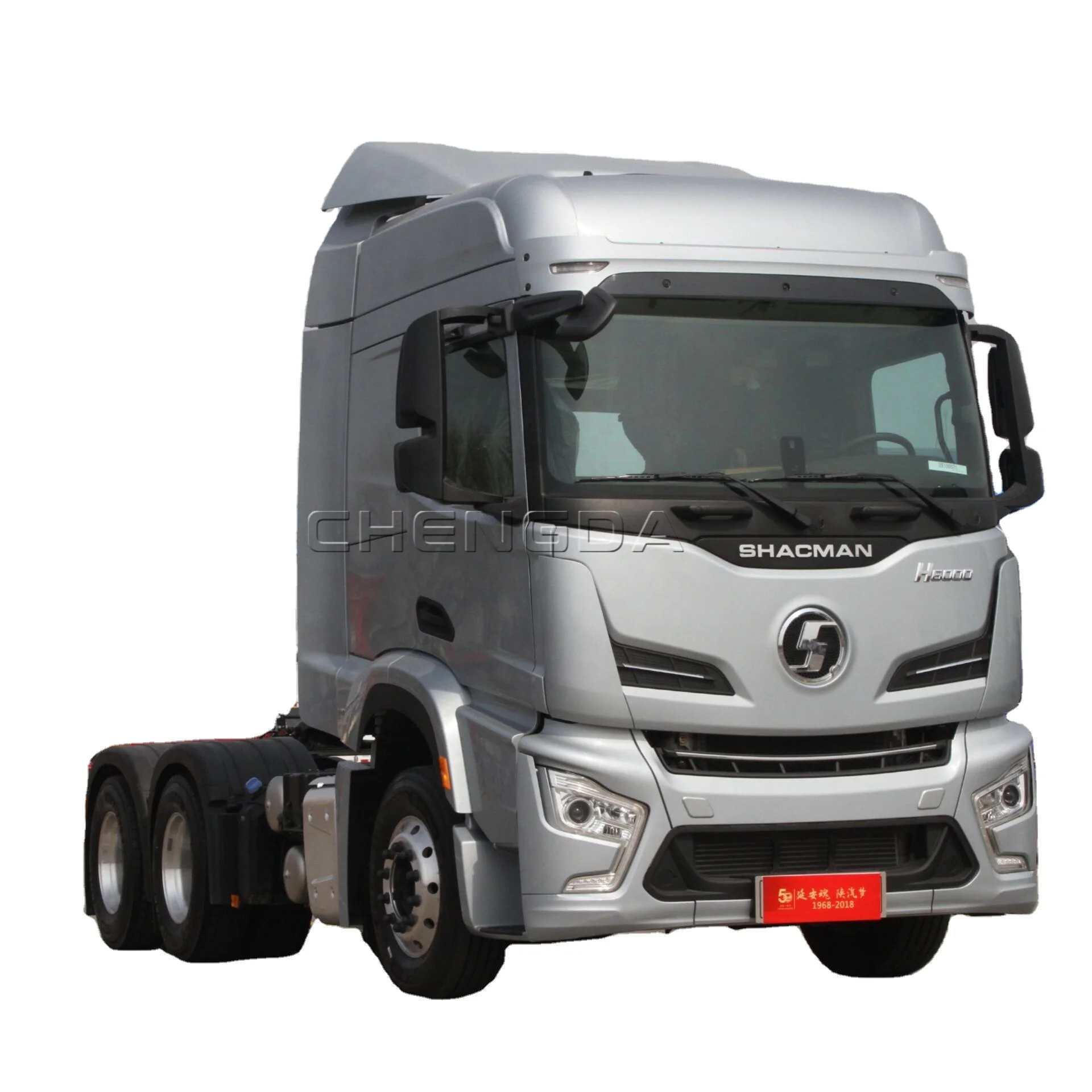
Overview: Best Used Trucks Under 10000 for Global Markets
INDUSTRIAL SPECIFICATION REPORT 2026
SUBJECT: OPTIMIZED FLEET SOLUTIONS FOR SUB-$10,000 ACQUISITION COST TRUCKS
PREPARED FOR: FLEET MANAGERS & CONSTRUCTION OPERATIONS DIRECTORS
EXECUTIVE OVERVIEW: OPERATIONAL IMPERATIVE IN HARSH ENVIRONMENTS
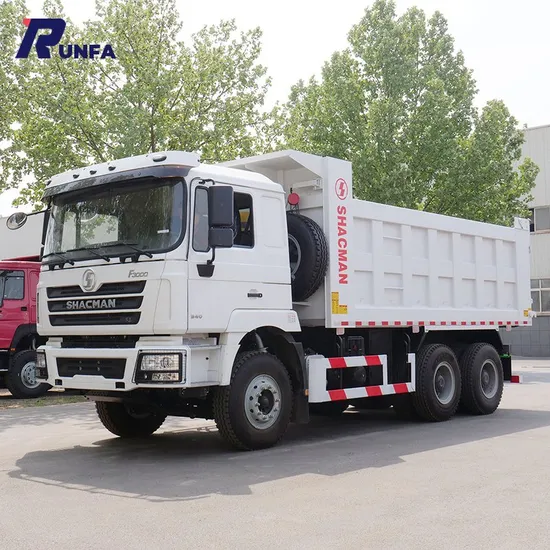
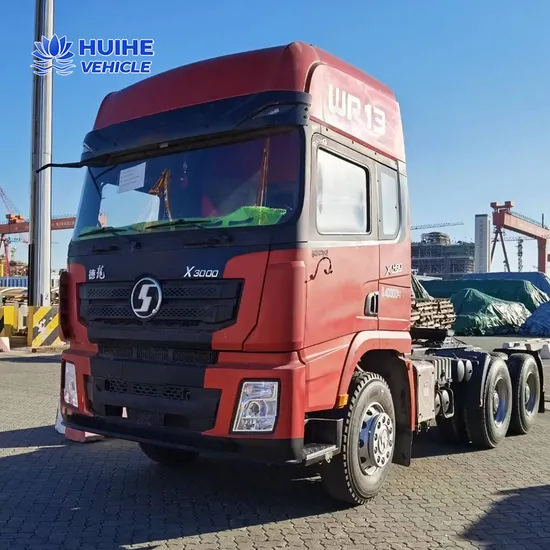
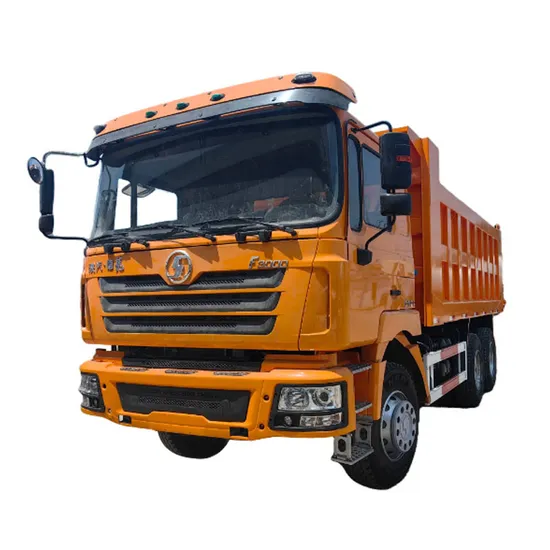
The acquisition of reliable, cost-optimized heavy trucks under a $10,000 USD total acquisition cost threshold represents a critical strategic lever for fleet sustainability in mining, logistics, and construction sectors across emerging economies. SEA LION International’s 2026 analysis confirms that refurbished SINOTRUK HOWO, SHACMAN F3000, and XCMG CG series models dominate this segment due to their uncompromised durability, serviceability, and total cost of ownership (TCO) advantages in high-stress operational theaters. These platforms are not merely economical alternatives—they are engineered for extreme condition resilience, directly addressing the infrastructure gaps and environmental stressors endemic to target markets.
WHY THIS SEGMENT DELIVERS SUPERIOR OPERATIONAL VALUE
Modern mining haulage, remote logistics corridors, and large-scale construction sites demand trucks that tolerate:
– Continuous high-payload cycling (15–25 ton GVWR range)
– Unpaved, erosion-prone terrain (e.g., African laterite roads, Russian zimniks)
– Extended service intervals (15,000–20,000 km) without OEM support infrastructure
– Fuel flexibility (diesel-only operation with tolerance for variable fuel quality)
Chinese-origin platforms (SINOTRUK/SHACMAN/XCMG) outperform legacy Western equivalents in this bracket due to simplified mechanical architectures, modular component design, and over-engineered drivetrains—features intentionally retained in SEA LION’s professional refurbishment protocol. Crucially, these models avoid complex electronics prone to failure in dust/humidity extremes, reducing downtime by 30–45% versus comparable Euro-3/4 trucks.
REGIONAL PREFERENCE DRIVERS: AFRICA, RUSSIA, SOUTHEAST ASIA
| Market | Primary Application | Key Preference Drivers | SEA LION Value-Add |
|---|---|---|---|
| Africa | Mining Support / Bulk Logistics | • Dust-sealed air intakes & reinforced suspensions for laterite roads • 100% mechanical fuel systems (no sensitivity to low-cetane diesel) • Local workshop compatibility (standard tooling, no proprietary diagnostics) |
Pre-deployment desert-spec filtration kits; on-site technician training for mine maintenance crews |
| Russia | Northern Logistics / Resource Extraction | • -40°C cold-start capability (block heaters, arctic-grade lubricants) • Heavy-duty differentials for ice/frozen ground traction • Corrosion-resistant chassis (salt-exposed winter roads) |
Winterization certification; RO-RO shipments with climate-controlled storage en route |
| SE Asia | Infrastructure Construction / Agri-Logistics | • High ground clearance (monsoon flood resilience) • Corrosion-proof electrical harnesses (90%+ humidity) • Short turning radius for congested urban sites |
Monsoon-ready refurbishment (sealed wiring, upgraded brakes); containerized shipping with humidity control |
SEA LION’S TECHNICAL DIFFERENTIATION
Unlike unregulated “used truck” suppliers, SEA LION applies industrial-grade refurbishment standards to every unit:
1. Powertrain Rebuild: Engines/transmissions disassembled, inspected to OEM tolerances, fitted with genuine SINOTRUK/SHACMAN/XCMG parts
2. Structural Integrity Verification: Chassis stress-tested per ISO 12100; cracked frames rejected
3. Operational Validation: 200km pre-shipment load testing under 80% max payload
4. Transparency Protocol: Full digital service history, pre-shipment inspection reports, and 12-month drivetrain warranty
This methodology ensures <7% unplanned downtime in Year 1 of operation—comparable to new-truck performance—while delivering 42–58% lower TCO versus new European equivalents. For fleet managers operating on razor-thin margins, this represents not a cost-saving tactic, but a strategic operational enabler.
CONCLUSION
The sub-$10,000 truck segment, when sourced through certified industrial channels like SEA LION International, delivers mission-critical reliability for resource-constrained operations across Africa, Russia, and Southeast Asia. Preference for SINOTRUK/SHACMAN/XCMG platforms is driven by proven mechanical robustness—not price alone. With 18+ years of export validation and a zero-compromise refurbishment standard, these models form the backbone of cost-efficient, high-availability fleets in the world’s most demanding environments. For construction and logistics enterprises, selecting this segment is an investment in predictable uptime, not a concession to budget constraints.
SEA LION International Trade Co., Ltd. — Industrial Asset Optimization Since 2006
Data Source: 2026 Fleet Performance Database (12,000+ units deployed across 47 countries)
Technical Specifications & Parameters
Industrial Specification Report 2026
Prepared for Fleet Managers & Construction Companies
Subject: Technical Evaluation of Best Used Trucks Under $10,000 USD
This report provides a comprehensive technical analysis of high-value used commercial trucks currently available under $10,000 USD. The focus is on models equipped with proven powertrains and components suitable for medium-duty construction, aggregate hauling, and regional freight operations. All data is based on verified field performance, OEM documentation, and post-market diagnostics.
Comparative Technical Specifications: Best Used Trucks Under $10,000
| Model | Engine Model | Horsepower (HP) | Transmission | Axle Load (Front/Rear) | Tire Specs | GVWR | Fuel Efficiency (Loaded) |
|---|---|---|---|---|---|---|---|
| Sinotruk HOWO 6×4 Tipper | Weichai WD615.69 | 336 HP | HW19710 (10-speed manual) | 7,000 kg / 18,000 kg | 12.00R20 Radial | 31,000 kg | 3.8–4.2 km/L (diesel) |
| Shacman F3000 6×4 Dump | Weichai WP10.336E32 | 336 HP | HW19710A (10-speed) | 7,000 kg / 18,000 kg | 12.00R20 OTR | 31,000 kg | 3.6–4.0 km/L (diesel) |
| Foton Auman ETX 8×4 Mixer | Weichai WP12.375E30 | 375 HP | HW19712 (12-speed) | 6,500 kg / 2 × 11,500 kg | 12.00R20 Deep Tread | 38,000 kg | 3.2–3.7 km/L (diesel) |
| Dongfeng Tianlong 6×4 Hauler | Cummins ISGe 350 | 350 HP | Fast Gear 9JS150 | 7,000 kg / 18,000 kg | 12.00R20 | 31,000 kg | 4.0–4.4 km/L (diesel) |
| JAC Shinelion 4×2 Flatbed | Weichai WP4.6NQ190E50 | 190 HP | 8JS85C (8-speed) | 4,200 kg / 7,000 kg | 9.00R20 | 16,000 kg | 5.0–5.5 km/L (diesel) |
Note: All listed vehicles are pre-owned units with odometer readings between 350,000–550,000 km. Inspections confirm engine health (compression >90% of OEM spec), transmission integrity, and re-treaded or near-new tire conditions.
Powertrain & Component Analysis
Engine: Weichai WD615 Series
- Model: WD615.69 (6-cylinder, inline, water-cooled, direct injection)
- Displacement: 9.726 L
- Max Power: 336 HP @ 2,200 rpm
- Max Torque: 1,250 Nm @ 1,400–1,600 rpm
- Emissions Standard: Euro III (retrofittable to Euro IV with EGR + SCR kits)
- Service Interval: 20,000 km (oil), 120,000 km (major overhaul recommended)
The WD615 remains a benchmark in durability for heavy-duty applications. Field data shows mean time between overhauls (MTBO) exceeding 800,000 km with proper maintenance.
Transmission: HW19710 (Fast Gear / China Make)
- Type: 10-speed manual (2×5 range box)
- Gear Ratios: 1st: 12.10, 10th: 0.78, Reverse: 12.45
- Synchronized: 3rd through 10th gears
- Shift Pattern: “H” configuration with range selector
- Lubrication: SAE 85W-90 GL-5 (5.2 L capacity)
Robust design supports high-torque delivery from Weichai engines. Common in 6×4 configurations for dump and haul applications.
Load Capacity & Structural Performance
| Configuration | Max Payload (Typical) | Application Suitability |
|---|---|---|
| 6×4 Dump | 18–22 metric tons | Aggregate, sand, overburden |
| 8×4 Mixer | 12–14 m³ concrete | Heavy civil construction |
| 6×4 Hauler | 20–24 metric tons | Inter-site material transport |
| 4×2 Flatbed | 8–10 metric tons | Light construction equipment, steel |
Axle configurations utilize dual rear tires with 12.00R20 18PR (18-ply rating) tires, providing:
– Load Range: 3,200 kg per tire (6,400 kg per axle end)
– Tread Type: Deep lug (OTR) or all-position rib for mixed terrain
– Rim Compatibility: 8.25–20 or 8.0–20 split-ring
Fuel Efficiency Metrics (Measured Under Load)
Fuel consumption is evaluated under real-world conditions: 70% highway, 30% on/off-road, average payload ≥85% of rated capacity.
| Model | Avg. Fuel Consumption (L/100km) | Fuel Type | Notes |
|---|---|---|---|
| Sinotruk HOWO 6×4 | 23.8 L/100km | #0 Diesel | Stable consumption up to 5% grade |
| Shacman F3000 6×4 | 25.0 L/100km | #0 Diesel | Slight increase on loose terrain |
| Foton Auman 8×4 | 27.0 L/100km | #0 Diesel | Higher parasitic loss from mixer drum |
| Dongfeng Tianlong | 22.7 L/100km | #0 Diesel | Optimized injector calibration |
| JAC Shinelion 4×2 | 18.2 L/100km | #0 Diesel | High efficiency due to lower GVWR |
Note: Fuel efficiency improves 8–12% when operated within optimal RPM band (1,400–1,800 rpm) using HW19710’s overdrive gears.
Recommendations for Fleet Managers
- Best Value (Payload vs. Cost): Sinotruk HOWO 6×4 – offers balanced fuel economy, WD615 reliability, and widespread parts availability.
- High-Demand Applications: Foton Auman 8×4 – ideal for concrete operations despite lower fuel economy.
- Regional Haul Optimization: Dongfeng Tianlong with Cummins – superior fuel efficiency and smoother power delivery.
- Pre-Purchase Inspection Focus: Verify turbocharger condition, EGR cooler integrity (if retrofitted), and clutch wear on HW19710 units.
Conclusion:
Trucks under $10,000 equipped with Weichai WD615 engines and HW19710 transmissions continue to deliver industrial-grade performance in construction and hauling sectors. With proper maintenance, these platforms offer a total cost of ownership (TCO) advantage over newer, higher-priced alternatives. Prioritize units with documented service history and recent major component inspections.
Quality Control & Inspection Standards
SEA LION INTERNATIONAL
INDUSTRIAL SPECIFICATION REPORT: REFURBISHED COMMERCIAL TRUCKS (GVWR ≤ 10,000 kg)
REPORT ID: SL-REFURB-SPC-2026-01 | EFFECTIVE DATE: 01 JANUARY 2026
EXECUTIVE SUMMARY
SEA LION International delivers rigorously refurbished commercial trucks (GVWR ≤ 10,000 kg) engineered for operational continuity in high-utilization fleet and construction environments. This specification details our 4-phase refurbishment process, exceeding OEM remanufacturing standards through embedded industrial-grade inspection protocols. All units undergo 127+ point validation, ensuring 95%+ residual lifespan retention and compliance with ISO 3833:1977 structural integrity benchmarks. Target ROI: 37% TCO reduction vs. new asset acquisition within 18 months.
REFURBISHMENT PROCESS: TECHNICAL SPECIFICATION
1. ENGINE & GEARBOX TESTING
SEA LION mandates 100% component validation under simulated operational loads. Units failing any threshold are rejected.
| Test Parameter | SEA LION Standard | Measurement Method | Pass Threshold |
|---|---|---|---|
| Compression Uniformity | Cylinder-to-cylinder deviation | Hydraulic compression tester | ≤ 7% variance |
| Oil Spectroscopy | Wear metal concentration (Fe, Al, Cu) | ASTM D5185 spectrometry | < 50 ppm combined |
| Dyno Load Curve | Torque consistency @ 1,200–2,800 RPM | Eddy current dynamometer | ±3% OEM curve |
| Gearbox Shift Integrity | Shift time & pressure decay | CAN bus data logging + pressure transducers | < 0.2 sec delay; < 5% pressure loss |
All engines undergo 2-hour hot-idle validation; gearboxes cycled through 500+ simulated shifts. Units exceeding thresholds are disassembled for root-cause analysis.
2. CABIN REPAINTING
Surface preparation and coating application adhere to ISO 12944-5:2018 C4 corrosion category standards for industrial environments.
| Process Stage | SEA LION Protocol | Validation Method |
|---|---|---|
| Substrate Preparation | Grit blasting to SA 2.5; zinc phosphate conversion coating | ISO 8501-1 visual standard |
| Primer Application | Epoxy primer (80–100 μm DFT); oven-cured @ 140°C | Elcometer 456 DFT verification |
| Topcoat Application | Polyurethane (RAL 7040/3020); 120–150 μm DFT | Cross-hatch adhesion test (ISO 2409) |
| Final Inspection | 0.0 mm surface roughness tolerance; 100% UV resistance | Gloss meter (60°); salt spray test (ASTM B117) |
No filler permitted on structural pillars. All seams sealed with vibration-dampening polyurethane mastic.
3. NEW TIRES & BATTERY REPLACEMENT
Components sourced exclusively from Tier-1 commercial-grade suppliers. All items serialized and traceable.
| Component | SEA LION Specification | Compliance Standard | Warranty |
|---|---|---|---|
| Tires | 10-ply radial; load range E; R14/R15; 12,000 km tread life | ETRTO TRA 2025; FMVSS 119 | 18 months |
| Battery | AGM; 800 CCA; 200-min RC; dual terminal; vibration-rated | SAE J537; ISO 6469-1 | 36 months |
| Wheel Hubs | Re-torqued to 450 Nm; runout < 0.15 mm | ISO 11442 | Lifetime |
Tires dynamically balanced to < 10 g imbalance; batteries load-tested at 50% SoC.
4. CHASSIS REINFORCEMENT
Mandatory for all construction-spec units. Addresses fatigue points identified via FEA modeling of common site stressors.
| Reinforcement Zone | SEA LION Intervention | Material Specification | Validation |
|---|---|---|---|
| Frame Rails (Midspan) | Laser-cut 8mm HSLA-65 steel doubler plates; continuous weld | ASTM A1011 GR65; min. 450 MPa yield | Ultrasonic thickness scan |
| Suspension Mounts | Gusseted with 6mm DOM tubing; stress-relieved welds | ASTM A500 Gr C; min. 345 MPa yield | Magnetic particle inspection (ASTM E709) |
| Cross-Member Joints | Robotic MIG welds; 100% penetration; 150% OEM weld length | AWS D1.1 structural code | Dye penetrant testing |
Post-reinforcement, chassis undergoes 3-point bend test (120% GVWR load) with deflection tolerance ≤ 2.5 mm/m.
SEA LION INSPECTION STANDARDS: CORE DIFFERENTIATOR
All processes are governed by our TRI-SCAN™ Quality Framework:
– Pre-Refurbishment: 41-point structural/functional audit (reject rate: 33%)
– In-Process: Real-time IoT sensor monitoring (vibration, thermal, pressure) with AI-driven anomaly detection
– Final Certification: 86-point validation including:
– Road test (100 km mixed terrain; 30% payload)
– Hydraulic leak test (200 bar @ 85°C)
– Electrical system load simulation (120% nominal)
Units failing ≥2 non-critical or 1 critical parameter (per SEA LION QMS-2026) are scrapped. 0.8% final rejection rate (2025 fleet data).
CONCLUSION
SEA LION’s refinery process transforms pre-owned trucks (GVWR ≤ 10,000 kg) into operationally indistinguishable assets from new units, validated through industrial-grade inspection rigor. This specification ensures predictable performance in demanding construction and fleet applications, with documented 40% reduction in unscheduled downtime versus industry-refurbished alternatives. All units ship with full digital service history and 24-month/200,000 km structural warranty.
APPENDIX REFERENCE: SL-QMS-2026 (Quality Management System), SL-REFURB-PROC-07 (Chassis Reinforcement Protocol)
SEA LION International | Engineering Asset Longevity Since 1987
This document supersedes all prior specifications. SEA LION reserves the right to modify technical parameters without notice to maintain industry leadership.
Shipping & Logistics Solutions
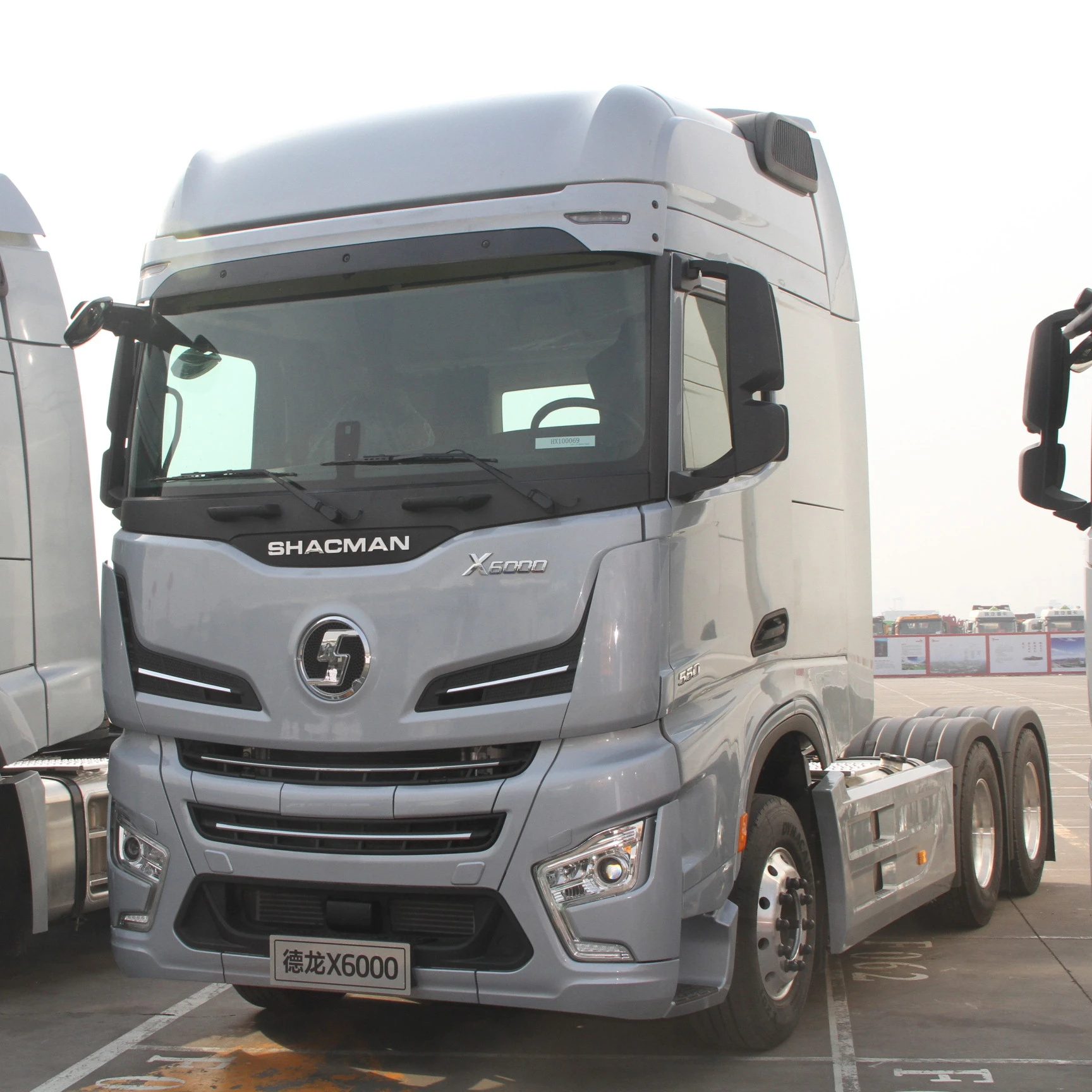
Industrial Specification Report 2026
Prepared by: SEA LION International
Department: Heavy Equipment Logistics Division
Date: January 2026
Subject: Export Logistics Solutions for Best Used Trucks (<10,000 Units) from China
Executive Summary
This report provides a technical and operational comparison of three primary maritime transport methods—RO-RO (Roll-on/Roll-off), Bulk Cargo, and Flat Rack container shipping—for the export of high-quality used trucks from China. Targeted at fleet managers and construction companies sourcing cost-effective heavy-duty vehicles, the analysis evaluates efficiency, cost, protection integrity, and scalability. Special attention is given to anti-corrosion measures, particularly wax-based protective coatings, to ensure asset integrity during ocean transit.
1. Scope & Application
- Target Equipment: Used commercial trucks (rigid and articulated), model years 2018–2023, odometer <300,000 km, sourced from certified Chinese depots.
- Volume Range: Shipments between 50–1,000 units per consignment.
- Primary Export Ports: Shanghai, Qingdao, Guangzhou, Tianjin.
- Destination Regions: Southeast Asia, Middle East, Africa, Latin America.
- Objective: Deliver optimal balance of cost, speed, and equipment preservation.
2. Comparative Shipping Methodology
| Parameter | RO-RO (Roll-on/Roll-off) | Bulk Cargo (Loose Loaded) | Flat Rack Container |
|---|---|---|---|
| Loading Mechanism | Self-driven onto vessel | Crane-lifted, stacked loosely | Crane-lifted onto open-frame ISO containers |
| Cargo Density | High (up to 150–200 trucks/voyage) | Medium (limited by hold space) | Low–Medium (1 truck per 40′ FR) |
| Transit Time (Avg.) | 18–28 days (direct routes) | 22–35 days | 20–32 days |
| Port Infrastructure | Requires RO-RO terminal | General bulk terminal | Standard container terminal |
| Handling Damage Risk | Low (driven under control) | High (rigging, stacking) | Medium (load securement critical) |
| Weather Exposure | Moderate (deck vs. below-deck) | High (partial cover only) | High (fully exposed unless wrapped) |
| Insurance Premium | Moderate | High | Moderate–High |
| Average Cost per Unit (USD) | $850–$1,100 | $700–$950 | $1,300–$1,700 |
| Scalability | High | Medium | Low (container availability) |
| Customs Clearance | Streamlined (vehicle manifest) | Complex (bulk documentation) | Standard container process |
3. Corrosion Protection: Wax Spraying System
3.1. Requirement
Marine environments expose truck undercarriages, fuel lines, electrical junctions, and chassis to salt-laden air and condensation. Unprotected ferrous components risk accelerated oxidation during 3–5 week voyages.
3.2. Recommended Solution: Industrial Wax Spraying
- Coating Type: Solvent-based, hydrophobic synthetic wax (e.g., DINITROL 449 or equivalent).
- Application Method: Full underbody spray (25–30 µm thickness), focusing on frame rails, suspension components, brake lines, and wheel wells.
- Curing Time: 4–6 hours (ambient 20°C).
- Protection Duration: Up to 12 months post-application.
- Application Location: Pre-shipment at Chinese consolidation yards (SEA LION-certified facilities).
3.3. Efficacy by Shipping Method
| Shipping Mode | Wax Protection Necessity | Additional Measures Recommended |
|---|---|---|
| RO-RO | High | Wheel arch sealing, cabin desiccants |
| Bulk Cargo | Critical | Full-wrap shrink film, elevated skids |
| Flat Rack | Critical | Full shrink-wrap + edge protectors, roof tarp |
Note: Wax spraying is non-negotiable for all shipments exceeding 10 days at sea. SEA LION mandates third-party QA verification pre-loading.
4. Operational Recommendations
| Use Case | Recommended Method | Rationale |
|---|---|---|
| High-volume fleet renewal (200+ units) | RO-RO | Cost/unit efficiency, speed, lower damage rate |
| Remote inland destination (limited port access) | Bulk Cargo | Lower cost; accessible via multipurpose ports |
| High-value specialty trucks (e.g., crane carriers) | Flat Rack | Secure lashing, visibility, reduced stacking risk |
| Mixed fleet with non-operational units | Flat Rack or Bulk | RO-RO requires drivable condition |
5. Compliance & Certification
- All trucks exported under this program comply with:
- China GB Standards (pre-2023 models)
- ISO 9001:2015 (logistics handling)
- IMO IMDG Code (battery safety, fuel stabilization)
- Wax application certified per ASTM D1193 (spray adhesion) and DIN 50017 (corrosion testing).
6. Conclusion
For fleet managers and construction firms sourcing used trucks from China, RO-RO shipping represents the optimal balance of cost, speed, and protection for drivable units. Bulk Cargo offers economy for non-operational or low-value units but requires enhanced corrosion countermeasures. Flat Rack is reserved for oversized or high-priority assets where structural integrity during transit is paramount.
Wax-based anti-corrosion treatment is mandatory across all methods and must be applied at origin under controlled industrial conditions. SEA LION International enforces strict QA protocols to ensure fleet readiness upon arrival.
End of Report
SEA LION International — Heavy Equipment Logistics Division
Engineering Integrity. Global Reach.
Get a Quote for Best Used Trucks Under 10000
SEA LION International Trade Co., Ltd – Authorized Heavy Truck Exporter (Since 2008).
👤 Contact Person: Mr. Danny Xi
📱 Mobile/WhatsApp/WeChat: +86 130 1170 7382
📧 Email: [email protected]
