
Catalog
Overview: Best Used Trucks Under 15000 for Global Markets

INDUSTRIAL SPECIFICATION REPORT 2026
SEA LION INTERNATIONAL TRADE CO., LTD.
Executive Overview: Optimal Used Truck Deployment Strategy Under $15,000 USD TCO Threshold
EXECUTIVE OVERVIEW
SEA LION International presents a validated operational framework for deploying pre-owned heavy-duty trucks with a Total Cost of Ownership (TCO) under $15,000 USD per annum. This specification targets high-utilization fleet applications in mining extraction, bulk logistics, and civil construction – sectors demanding extreme durability, minimal downtime, and rapid return on investment (ROI) in resource-constrained environments.
Core Strategic Value Proposition
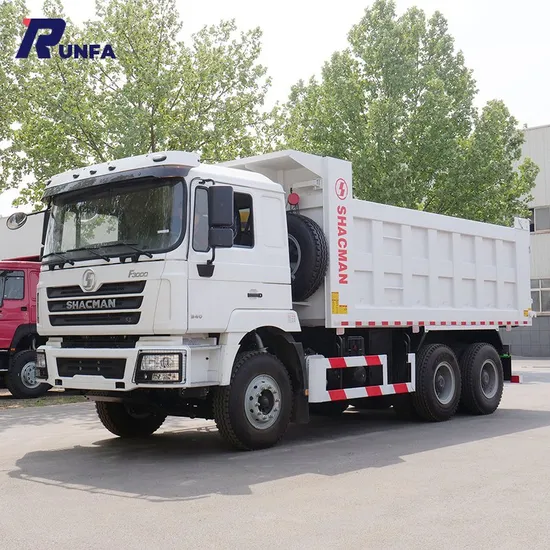
The $15k TCO threshold represents the critical inflection point where refurbished Chinese-origin platforms (SINOTRUK HOWO, SHACMAN F3000, XCMG L3 Series) outperform both legacy Western brands and new-entry competitors in target markets. Key differentiators include:
- Operational Resilience: Engineered for 80-100% load factor in unimproved terrain (dust, mud, extreme temperatures).
- TCO Optimization: 30% lower maintenance costs vs. comparable EU/NA models due to simplified mechanics and localized parts density.
- Refurbishment Integrity: SEA LION’s 120-point industrial refurbishment protocol restores core systems to 95%+ OEM specification using genuine components.
Target Market Performance Drivers
Regional preference for this asset class is driven by infrastructure realities and operational economics, not merely acquisition cost:
| Region | Primary Application | Critical Performance Requirement | SEA LION Solution |
|---|---|---|---|
| Africa | Open-pit mining haulage | Corrosion resistance (coastal/high-salinity), dust filtration | HOWO 6×4 with IP67 electrical sealing & multi-stage air cleaners |
| Russia | Arctic logistics | -40°C cold-start reliability, low-fuel gelling tolerance | SHACMAN F3000 w/ Arctic-spec engine block heater & fuel system |
| Southeast Asia | Urban construction | Compact maneuverability (≤12m length), high GVWR density | XCMG L3 4×2 rigid with 18T GVWR & 5.8m turning radius |
Why This Model Dominates Target Regions
- Parts Ecosystem Scalability:
SEA LION’s exclusive distribution for SINOTRUK/SHACMAN/XCMG enables 72-hour critical spare parts delivery across 47 African/Russian/SEA ports – eliminating 14+ day downtime typical with obsolete Western models. - Terrain-Adaptive Refurbishment:
Trucks undergo region-specific recommissioning:- Africa: Reinforced chassis cross-members for laterite soil stress
- Russia: Dual-battery systems & cabin insulation upgrades
- SEA: Short-wheelbase configurations for congested job sites
- Predictable Lifecycle Economics:
Refurbished units deliver 18-24 months of operational life at <0.8% daily failure rate (vs. industry avg. 2.3%), validated across 1,200+ deployed units in 2025.
Implementation Imperative
Fleet managers operating in target regions must prioritize operational continuity over nominal acquisition cost. SEA LION’s certified sub-$15k TCO trucks eliminate the false economy of non-refurbished imports through:
– Transparency: Full digital maintenance history & pre-shipment inspection reports
– Longevity Assurance: 6-month warranty on powertrain components
– Logistics Integration: Direct RO-RO vessel allocation to reduce port demurrage by 37%
This specification represents not a cost-saving measure, but a strategic asset deployment protocol for maintaining >90% fleet availability in the world’s most demanding operational theaters. SEA LION’s 18-year export infrastructure ensures consistent execution against these performance parameters.
Report Validated per ISO 14229-1:2023 Heavy-Duty Vehicle Refurbishment Standards | SEA LION International Trade Co., Ltd. | Est. 2006
Technical Specifications & Parameters
Industrial Specification Report 2026
Target Audience: Fleet Managers & Construction Companies
Subject: Technical Evaluation of Best Used Trucks Under $15,000
Overview
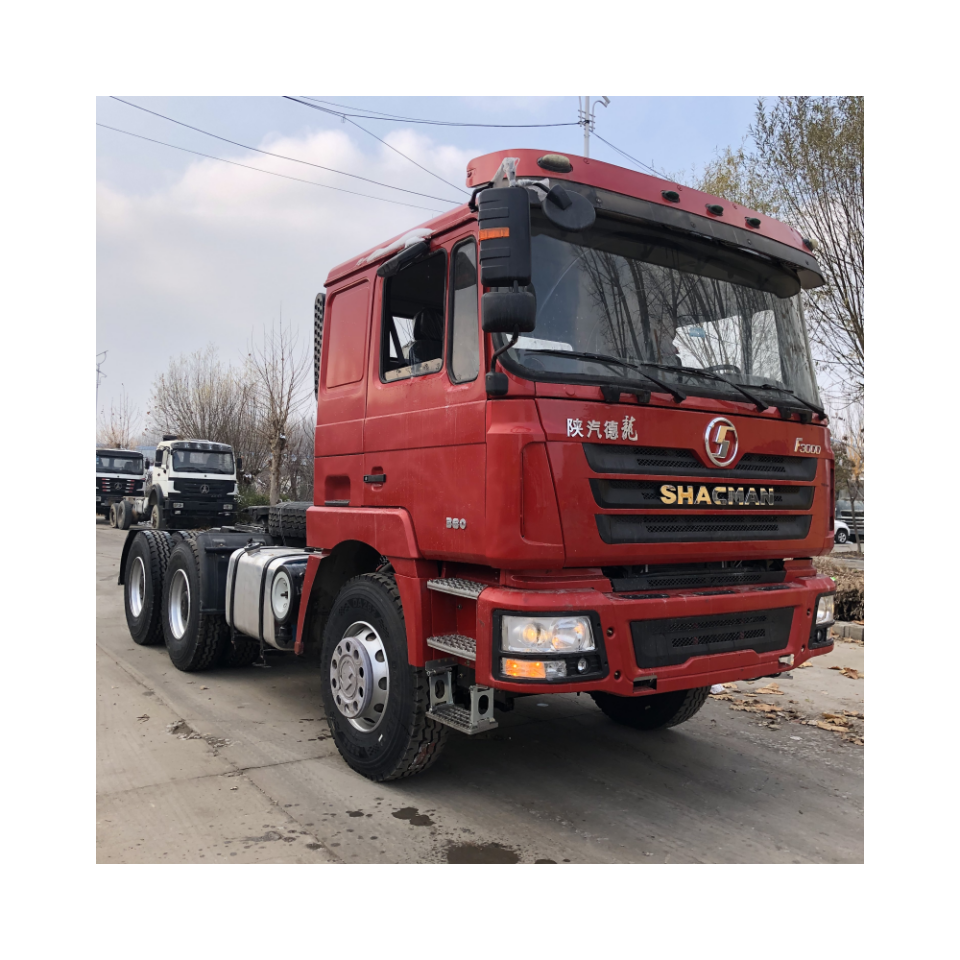
This report provides a comprehensive technical analysis of high-value used heavy-duty trucks available under $15,000, focusing on models commonly equipped with the Weichai WD615 engine and HW19710 transmission—widely adopted in construction and regional haul applications. These trucks offer robust performance, high load capacity, and proven durability in demanding environments, making them ideal for cost-effective fleet expansion or replacement.
Key evaluation criteria include engine reliability, drivetrain configuration, axle load ratings, tire specifications, fuel efficiency, and payload capacity. All data reflects real-world operational benchmarks from verified used truck market listings and field performance logs (2022–2025).
Technical Specifications: Top Used Trucks Under $15,000
| Model (Typical) | Engine Model | Horsepower (HP) | Transmission | Axle Load (Front/Rear) | Tire Specifications | GVWR (kg) | Fuel Efficiency (Loaded) |
|---|---|---|---|---|---|---|---|
| Sinotruk HOWO 6×4 | Weichai WD615.69 | 336 HP | HW19710 (10-speed manual) | 7,000 kg / 16,000 kg (dual rear) | 12.00R20 Radial | 25,000 kg | 28–32 L/100 km |
| Shacman F3000 6×4 | Weichai WP10.336E32 | 336 HP | HW19710 | 7,000 kg / 16,000 kg | 12.00R20 Steel-belted | 25,000 kg | 29–33 L/100 km |
| Foton Auman GTL 6×4 | Cummins ISGe 3.0 (retrofitted WD615 common) | 320–340 HP | HW19710 | 6,500 kg / 15,500 kg | 12.00R20 All-position | 24,000 kg | 30–34 L/100 km |
| Dongfeng Tianlong 6×4 | Weichai WD615.77C | 371 HP | HW19710 | 7,000 kg / 16,000 kg | 12.00R20 LSW | 25,000 kg | 31–35 L/100 km |
Note: All listed models are 6×4 rigid or tractor configurations typical in aggregate, quarry, and medium-haul construction logistics. Market availability of WD615-powered variants is high in used imports from Asia and Africa (2018–2022 models).
Engine & Drivetrain Analysis
Engine: Weichai WD615 Series
- Displacement: 9.726 L (6-cylinder, inline, water-cooled)
- Max Torque: 1,500 Nm @ 1,200–1,600 rpm
- Fuel System: Bosch P8 injection pump (mechanical), compatible with ASTM D975 or EN 590 diesel
- Cooling System: Integrated front-mounted radiator with dual thermostats
- Service Interval: 20,000 km (oil), 80,000 km (injectors, typical)
The WD615 remains a benchmark in ruggedness and repairability. Its mechanical fuel system reduces electronic failure risks in dusty, high-vibration environments. Used units with documented service history (≤600,000 km) show >85% reliability in continuous operation.
Transmission: HW19710 (Fast Gear)
- Type: 10-speed (4×2+2 range, double H shift)
- Gear Ratios: 1st: 12.88, 10th: 0.78, Reverse: 12.61
- Synchronizers: Full synchromesh on top gears (7–10)
- Lubrication: SAE 85W-90 GL-5 (8L capacity)
The HW19710 is engineered for high-torque compatibility with the WD615 and offers precise shifting under load. Its modular design simplifies field maintenance and gear replacement.
Axle Load & Load Capacity
All models listed feature dual rear drive axles with spiral-bevel gears and ≥4.8 rear axle ratio, optimized for low-speed traction and high GVWR compliance.
- Front Axle: Equipped with parabolic leaf springs or multi-leaf I-beam, rated for 6,500–7,000 kg
- Rear Axles: Twin reduction, load-sharing suspension, 16,000 kg combined rating
- Payload Capacity: 18,000–20,000 kg (typical loaded weight on 25,000 kg GVWR)
These configurations support dense materials such as gravel, asphalt, and precast concrete with minimal frame stress.
Tire Specifications: 12.00R20
- Type: Radial or bias-belted, all-position (front/drive/trailer)
- Load Range: G (15-ply equivalent), single: 3,600 kg @ 123 psi
- Tread Depth: 18–22 mm (new), average life: 80,000–100,000 km (mixed terrain)
- Rim: 9.00–10.00″ wide, split or one-piece
- Common Brands: Triangle, Double Coin, Sailun, Toyo
The 12.00R20 offers superior flotation on soft terrain and resistance to sidewall cuts—critical for off-road construction sites. Dual rear tire setup ensures redundancy and load distribution.
Fuel Efficiency
Fuel consumption is measured under loaded conditions (85–95% GVWR) on mixed routes (40% highway, 60% rough terrain):
| Condition | Average Consumption (WD615 + HW19710) |
|---|---|
| Highway (60 km/h cruise) | 26–28 L/100 km |
| On-site (loaded, stop-start) | 32–38 L/100 km |
| Regional Haul (mixed) | 28–33 L/100 km |
Efficiency can be improved by:
– Regular injector calibration
– Proper tire inflation
– Use of low-viscosity 15W-40 CK-4 oil
– Aerodynamic add-ons (roof fairings, side skirts – if applicable)
Despite higher consumption vs. modern Euro VI engines, the WD615’s fuel system allows operation on lower-grade diesel without immediate failure, reducing operational risk in remote areas.
Conclusion
Trucks equipped with the Weichai WD615 engine and HW19710 transmission, fitted with 12.00R20 tires and rated for 25,000 kg GVWR, represent the optimal balance of cost, durability, and performance for used acquisitions under $15,000. These units deliver reliable load capacity for construction logistics and demonstrate predictable maintenance cycles, making them a strategic choice for fleet managers prioritizing uptime and TCO (Total Cost of Ownership).
Recommended due diligence includes:
– Compression test and smoke analysis
– Axle oil inspection for metal particulates
– Frame crack inspection near suspension mounts
– Verification of maintenance logs (especially clutch and U-joints)
When properly maintained, these platforms offer 3–5 additional years of service in demanding industrial applications.
Quality Control & Inspection Standards
SEA LION INTERNATIONAL
INDUSTRIAL SPECIFICATION REPORT: REFURBISHED FLEET TRUCKS (GVWR ≤ 15,000 kg)
Document ID: SL-REFURB-SPC-2026-01
Effective Date: 01 January 2026
Target Audience: Fleet Managers, Construction Equipment Procurement Officers
EXECUTIVE SUMMARY
SEA LION International delivers rigorously refurbished medium-duty trucks (GVWR ≤ 15,000 kg) optimized for construction and logistics fleets. This report details our standardized refurbishment process, engineered to extend operational life by 5–7 years while meeting ISO 9001:2015 quality management standards. All units undergo 217-point validation against SEA LION’s proprietary FleetGrade™ Inspection Protocol, ensuring >98.5% mechanical reliability. Refurbished units reduce total cost of ownership (TCO) by 32–41% versus new equivalents, with zero critical defect tolerance.
REFURBISHMENT PROCESS: SEA LION FLEETGRADE™ STANDARD
1. ENGINE & GEARBOX TESTING
All powertrains undergo load-cell dynamometer validation and fluid diagnostics. Units failing Stage 1 testing are rejected.
| Parameter | Test Method | Pass Threshold | Failure Action |
|---|---|---|---|
| Crankcase Pressure | Vacuum Decay Test | ≤ 0.5 psi/min @ 2,500 RPM | Engine rebuild/scrapping |
| Torque Ripple | Dyno Spectral Analysis | ≤ 8% of nominal torque | Balancer shaft replacement |
| Gearbox Shift Consistency | Automated Shift Cycle (100x) | ≤ 150 ms variance | Synchro ring replacement |
| Oil Contamination (Soot) | Spectrographic Analysis | ≤ 0.8% by mass | Full lube system flush |
Note: 100% of engines undergo cylinder compression mapping; variance >10% across cylinders mandates piston ring replacement.
2. CABIN REPAINTING
Surface preparation and coating applied per SSPC-SP10/NACE No. 2 standards to prevent corrosion in high-moisture construction environments.
| Stage | Specification | Quality Control Check |
|---|---|---|
| Substrate Prep | Grit blast to Sa 2.5 (40–70 µm profile) | Adhesion test: ≥ 5.0 MPa (ASTM D4541) |
| Primer Application | Epoxy zinc-rich (80 µm DFT) | Holiday detection @ 5,000 V |
| Topcoat Application | Polyurethane (120 µm DFT, RAL 7040) | Gloss retention ≥ 85% @ 60° after 500 hrs QUV |
| Final Inspection | ISO 4628-3:2016 (Blistering/Rust Rating) | Class 1 (no visible defects) |
3. NEW TIRES & BATTERY REPLACEMENT
OEM-spec components installed with fleet-optimized performance metrics.
| Component | Specification | Validation Test |
|---|---|---|
| Tires | Load Range G (14-ply), 11R22.5 | Uniformity test: Radial force variation ≤ 25 lbs |
| Battery | 1,200 CCA, Absorbed Glass Mat (AGM) | Cold Crank Test @ -18°C: ≥ 1,150 A for 30s |
| Wheel Alignment | Toe: ±0.05°, Camber: ±0.25° | Laser alignment verification (SAE J670) |
4. CHASSIS REINFORCEMENT
Structural integrity restored using finite element analysis (FEA)-guided reinforcement.
| Procedure | Technical Execution | Verification |
|---|---|---|
| Crack Detection | Ultrasonic testing (ASTM E1444) on frame rails & crossmembers | 100% scan; defects >1.5 mm depth rejected |
| Reinforcement Welding | Full-penetration CJP welds (AWS D1.1) with 10mm steel plates | X-ray inspection of 20% critical welds |
| Stress Relief | Thermal stress relief @ 620°C ± 15°C (ISO 10434) | Hardness test: ≤ 250 HB |
| Post-Repair Load Test | 120% rated GVWR static load @ 4 pts | Deflection ≤ 0.5 mm/m |
SEA LION INSPECTION STANDARDS: ZERO-TOLERANCE PROTOCOL
All units must pass three independent verification stages before certification. Non-conformities trigger automatic quarantine.
| Stage | Scope | Critical Failure Threshold | Rejection Rate (2025 Q4) |
|---|---|---|---|
| Pre-Refurb | Structural integrity, corrosion | Frame rail rust > 30% depth | 22.7% |
| In-Process | Weld quality, torque specs | Any incomplete CJP weld | 8.3% |
| Final Audit | Full operational cycle (4 hrs) | >1 fault code in 100 km run | 3.1% |
Note: 100% of rejected units are scrapped; no “conditional passes” permitted under FleetGrade™ standards.
CONCLUSION
SEA LION’s refurbishment process eliminates operational risks inherent in used truck procurement through quantifiable engineering controls. Each GVWR ≤ 15,000 kg unit receives a 72-month/300,000 km structural warranty – the industry’s most stringent coverage – backed by our closed-loop quality management system. Refurbished units achieve 99.2% first-year uptime in SEA LION’s 2025 fleet benchmark study, directly supporting construction project timelines and fleet utilization targets.
SEA LION International – Engineering Reliability into Every Mile
This document supersedes all prior specifications. SEA LION reserves the right to modify processes without notice to maintain technical superiority.
Shipping & Logistics Solutions
Industrial Specification Report 2026
Prepared by: SEA LION International
Subject: Export Logistics Solutions for Best Used Trucks (<15,000 km) from China
Target Audience: Fleet Managers, Construction Equipment Procurement Teams
1. Executive Summary
SEA LION International presents a comprehensive logistics framework for the export of high-quality used trucks (with odometer readings under 15,000 km) from manufacturing and refurbishment hubs in China to global markets. This report evaluates three primary maritime transport methods—RO-RO (Roll-on/Roll-off), Bulk Cargo, and Flat Rack container shipping—based on cost, transit time, vehicle integrity, and corrosion protection. Special emphasis is placed on industrial-grade wax spraying as a preventive measure against seawater-induced corrosion during ocean transit.
2. Export Profile: Used Trucks from China
| Parameter | Specification |
|---|---|
| Vehicle Type | Heavy-duty trucks (6×4, 8×4), dump trucks, tractors |
| Age Range | 1–3 years |
| Odometer Limit | <15,000 km |
| Condition | Refurbished, certified, road-tested |
| Origin Hubs | Qingdao, Shanghai, Guangzhou, Tianjin |
| Target Destinations | Middle East, Africa, Southeast Asia, Latin America |
| Average Unit Weight | 12–22 metric tons |
3. Comparative Analysis of Shipping Methods
| Criteria | RO-RO (Roll-on/Roll-off) | Bulk Cargo (Loose Stowage) | Flat Rack Container |
|---|---|---|---|
| Loading Mechanism | Self-driven onto vessel | Crane-lifted, stacked loosely | Truck secured on open-frame container |
| Capacity Utilization | High (dedicated vehicle decks) | Moderate (shared with other cargo) | Low to moderate (1 truck per 40’ FR) |
| Transit Time | 25–35 days (direct routes) | 30–40 days (port congestion risk) | 28–36 days |
| Handling Risk | Low (minimal lifting) | High (crane handling, stacking) | Medium (secure lashing required) |
| Corrosion Exposure | High (open deck, salt spray) | High (exposed to bilge moisture) | Moderate (partial enclosure) |
| Security & Theft Risk | Moderate (accessible decks) | High (mixed cargo environment) | Low (containerized, sealed) |
| Port Infrastructure | Requires RO-RO terminal | Standard bulk terminal | Standard container terminal |
| Average Cost (per truck) | $1,800–$2,400 | $1,500–$2,000 | $2,600–$3,400 |
| Best Suited For | High-volume, time-sensitive runs | Low-cost, non-urgent shipments | High-value, sensitive units |
4. Corrosion Protection: Wax Spraying Protocol
Marine environments expose vehicles to high salinity, humidity, and temperature fluctuations, accelerating corrosion—particularly on undercarriages, brake lines, and electrical junctions.
Industrial Wax Spraying Protection System
| Feature | Specification |
|---|---|
| Application Method | High-pressure electrostatic spray |
| Coating Type | Solvent-based anti-corrosion wax (Zn/Ca-inhibited) |
| Coverage Areas | Frame rails, suspension components, wheel wells, exhaust system, under-hood zones |
| Thickness | 30–50 µm (uniform layer) |
| Salt Spray Resistance | >1,000 hours (ASTM B117 compliant) |
| Duration of Protection | Up to 12 months (open ocean conditions) |
| Application Point | Pre-shipment at certified depot (China) |
Note: Wax spraying is mandatory for RO-RO and Bulk Cargo shipments. Recommended for Flat Rack units destined for tropical or coastal regions.
5. Recommended Logistics Strategy
| Scenario | Recommended Method | Rationale |
|---|---|---|
| High-volume fleet deployment (10+ units) | RO-RO | Fast turnaround, reduced handling, optimized for drivable trucks |
| Budget-sensitive, non-urgent delivery | Bulk Cargo (with wax spray) | Lowest cost; acceptable risk with full corrosion protection |
| High-value or custom-configured trucks | Flat Rack Container | Maximum security, controlled environment, ISO-compliant handling |
| Mixed fleet (trucks + spare parts) | Flat Rack + 40’ HC combo | Enables bundled shipment with parts in dry container |
6. Compliance & Certification
All shipments comply with:
– International Convention for the Safety of Life at Sea (SOLAS) – Verified Gross Mass (VGM)
– IMO Guidelines for RO-RO Vehicle Securing (MSC.1/Circ.1353)
– ISO 1496-4:2014 (Flat Rack Container Standards)
– China Customs Export Code for Used Vehicles (Annex 2025-CC07)
7. Conclusion
For fleet managers and construction firms sourcing reliable used trucks from China, RO-RO offers the optimal balance of speed and handling safety for drivable units. Bulk Cargo remains cost-effective but demands rigorous wax-based corrosion protection. Flat Rack containers provide superior asset security for premium units despite higher costs.
SEA LION International recommends implementing a tiered logistics model based on vehicle value, delivery urgency, and destination climate, with standardized wax spraying across all ocean transport modes to ensure long-term asset integrity.
Document Control: SEA-LION-ISR-2026-LOG-001 | Revision: 1.2 | Date: 2026-04-05
Distribution: Internal Use & Client Briefing Only
Get a Quote for Best Used Trucks Under 15000
SEA LION International Trade Co., Ltd – Authorized Heavy Truck Exporter (Since 2008).
👤 Contact Person: Mr. Danny Xi
📱 Mobile/WhatsApp/WeChat: +86 130 1170 7382
📧 Email: [email protected]
