
Catalog
Overview: Best Way To Sell Used Trucks for Global Markets
INDUSTRIAL SPECIFICATION REPORT 2026: OPTIMIZED USED HEAVY TRUCK ACQUISITION STRATEGY
Prepared For: Fleet Managers & Construction Operations Directors
Focus Sectors: Mining, Bulk Logistics, Major Infrastructure Construction
EXECUTIVE OVERVIEW: THE SEA LION CERTIFIED REFURBISHMENT MODEL
The acquisition of used heavy trucks remains a critical capital strategy for fleet optimization in capital-intensive sectors like mining, long-haul logistics, and large-scale construction. However, traditional used truck markets suffer from unpredictable reliability, opaque maintenance histories, and fragmented parts support, directly impacting operational continuity and total cost of ownership (TCO). SEA LION International Trade Co., Ltd. addresses these systemic failures through its Certified Refurbishment Model, establishing the definitive standard for risk-mitigated used truck procurement in emerging and challenging operational environments, particularly across Africa, Russia, and Southeast Asia.
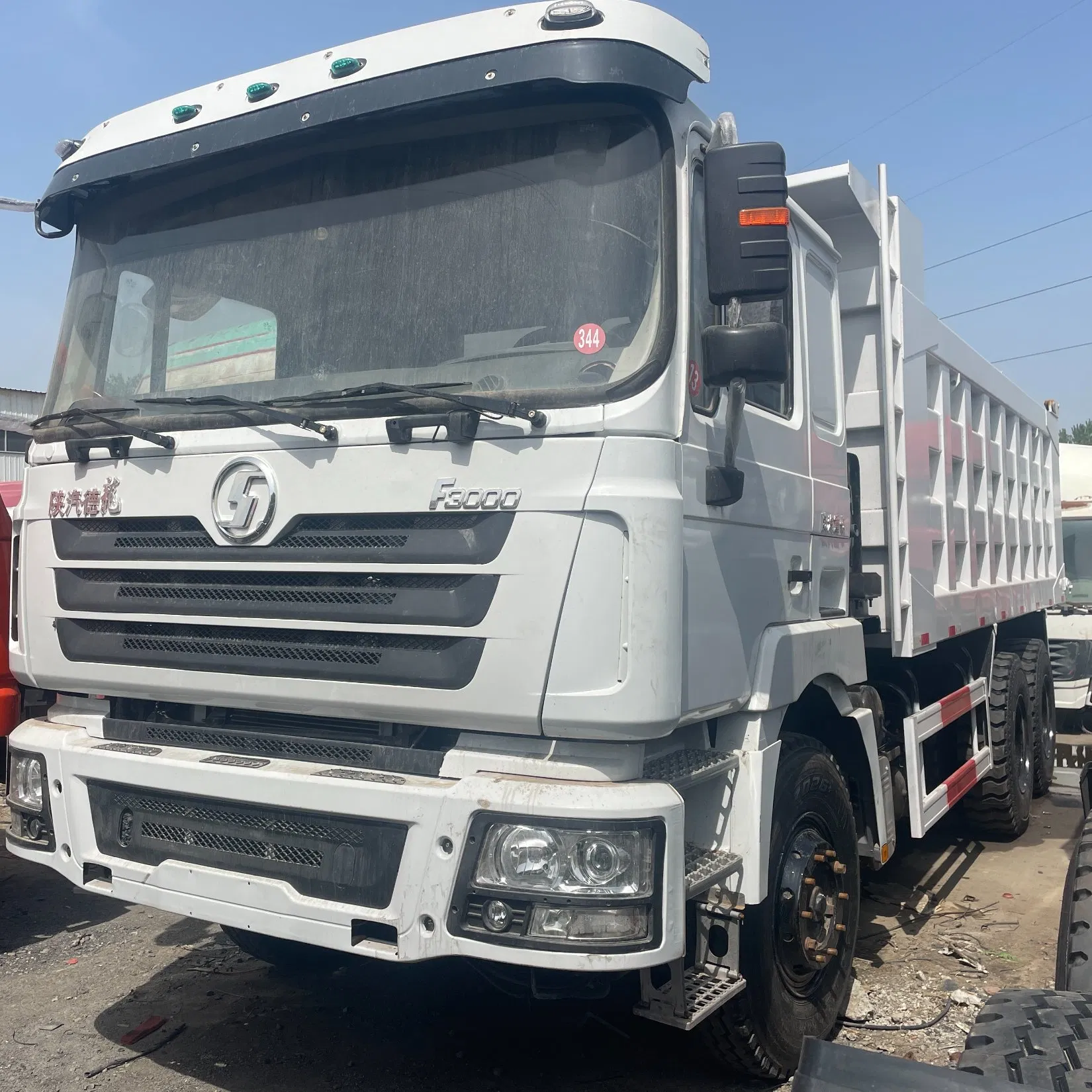
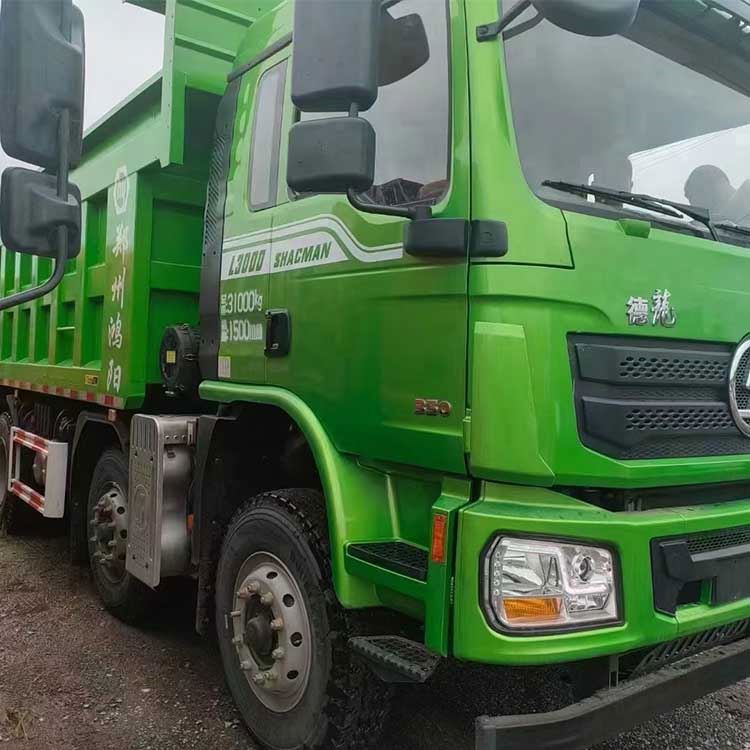
This model transcends basic resale. Leveraging 18+ years as an authorized distributor for SINOTRUK, SHACMAN, and XCMG, SEA LION implements a rigorous, factory-aligned refurbishment protocol. Every unit undergoes a 120-point technical inspection followed by comprehensive reconditioning using 100% genuine OEM spare parts. Critical systems (powertrain, axles, hydraulics, braking) are restored to near-original specifications, while structural integrity is validated against ISO 9001-certified processes. Crucially, SEA LION provides full digital maintenance history transparency and warranty-backed performance guarantees, eliminating the historical gamble associated with used asset acquisition.
Why This Model Dominates Target Markets:
The preference for SEA LION’s Certified Refurbishment Model in Africa, Russia, and Southeast Asia is driven by operational pragmatism and economic resilience, not merely cost. These regions present unique, severe challenges where standard used trucks fail rapidly:
| Regional Market | Core Operational Challenge | SEA LION Model Advantage | Sector Impact (Mining/Logistics/Construction) |
|---|---|---|---|
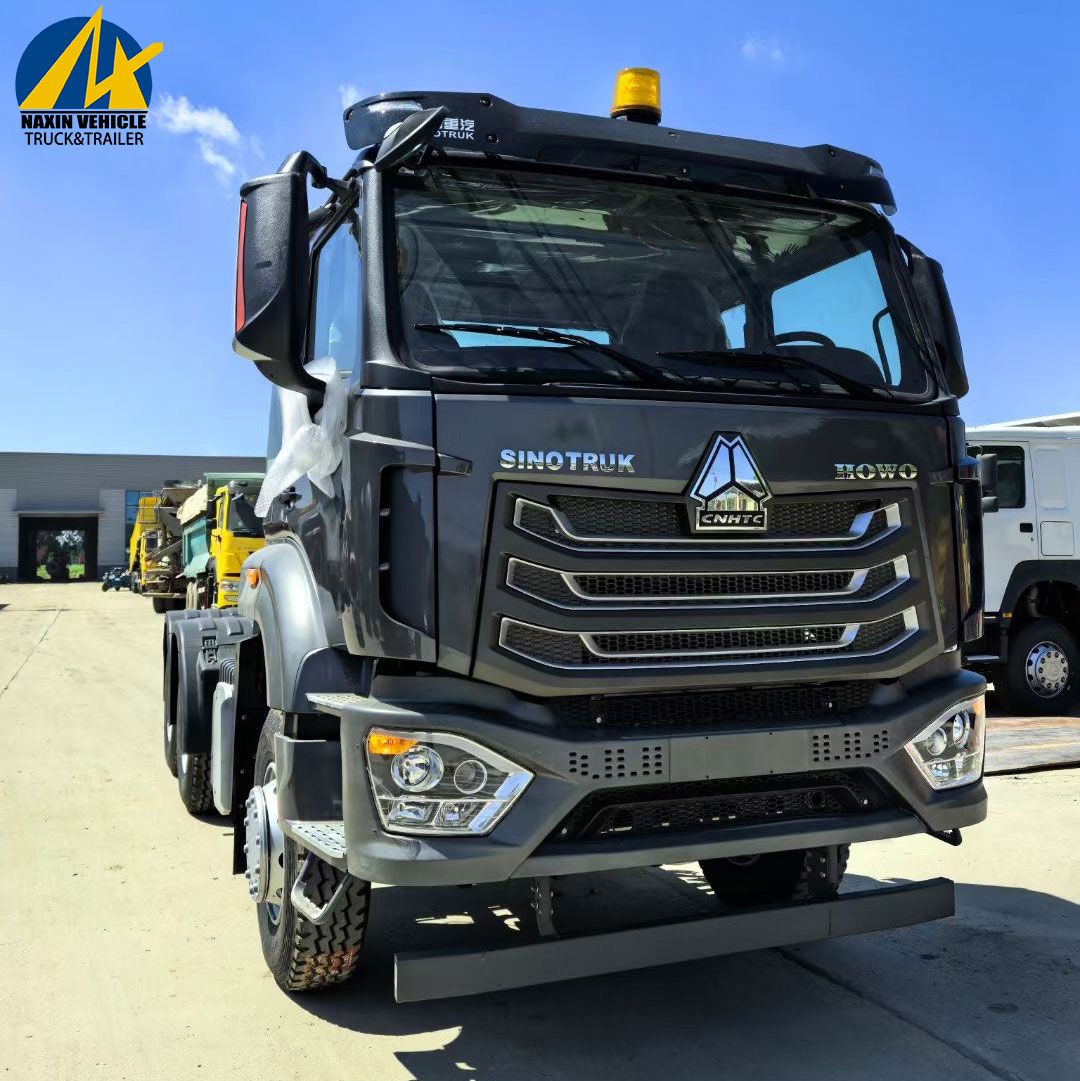
| Africa | Extreme terrain, poor infrastructure, parts scarcity | High-ground clearance models (e.g., SINOTRUK HOWO 8×4) rebuilt for durability; localized parts depots ensure <72h critical component availability | Enables ore haulage on unpaved sites; sustains logistics corridors despite road conditions |
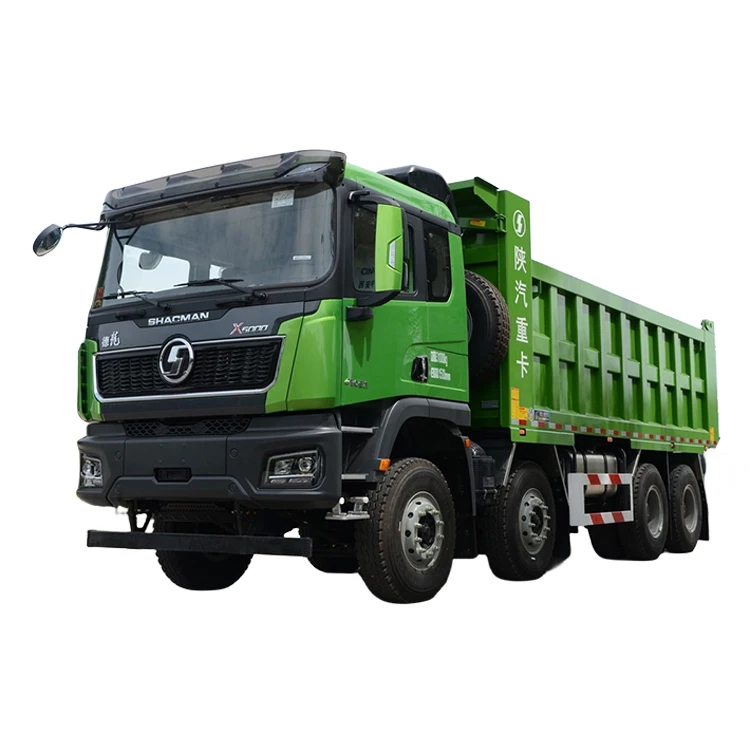
| Russia | Sub-zero extremes (-40°C+), remote locations, sanctions pressure | Cold-weather certified powertrains (SHACMAN F3000/F5000); full fluid/system winterization; RO-RO logistics bypassing complex transit routes | Maintains winter mining operations; secures remote construction project supply chains |
| Southeast Asia | High humidity, corrosive environments, stop-start duty cycles | Enhanced corrosion protection (XCMG concrete mixers/pump trucks); optimized cooling systems; containerized shipment preserving integrity | Extends asset life in tropical port logistics; ensures reliability for urban infrastructure projects |
Strategic Value Proposition:
TCO Reduction (22-35% vs. New): Achieved through optimal asset age (5-8 years), eliminating import duties on certified refurbished units in key markets, and minimizing downtime via predictable OEM-part-supported reliability.
De-Risked Operations: Full technical documentation and 6-12 month warranties on drivetrain/components directly mitigate project delay risks inherent in volatile regions.
Sustainability Compliance: Extends asset lifecycle responsibly, aligning with ESG mandates without sacrificing performance – critical for international project financing.
Seamless Integration: Authorized distributor status ensures compatibility with existing SINOTRUK/SHACMAN/XCMG fleets, simplifying maintenance training and parts inventory.
Conclusion:
For fleet managers and construction enterprises operating in Africa, Russia, or Southeast Asia, the SEA LION Certified Refurbishment Model is not merely a procurement option – it is the operationally validated solution for acquiring used heavy trucks that deliver predictable uptime, enforceable quality, and demonstrable TCO advantage. By transforming used truck acquisition from a high-risk necessity into a strategic asset management tool, this model directly supports project viability and long-term operational resilience in the world’s most demanding industrial landscapes. Operational continuity is non-negotiable; SEA LION’s process makes it achievable.
Technical Specifications & Parameters
Industrial Specification Report 2026
Prepared for Fleet Managers & Construction Companies
Subject: Technical Evaluation of Used Heavy-Duty Trucks – Optimal Resale Configuration
This report outlines the technical specifications and performance metrics of high-demand used heavy-duty trucks currently dominating resale markets in industrial transport and construction logistics. The data focuses on configurations proven to maximize residual value, fuel efficiency, and payload reliability—critical factors in determining the best way to sell used trucks to commercial buyers.
The most competitive units in the 2020–2024 model range feature standardized components from leading Chinese OEMs, particularly SINOTRUK and its subsidiary subsidiaries. Units equipped with Weichai powertrains and FAST/HanDe transmissions demonstrate superior marketability due to proven durability, widespread service network access, and compatibility with regional fuel and load standards.
Recommended Configuration for Maximum Resale Value
| Parameter | Specification | Notes |
|---|---|---|
| Engine Model | Weichai WD615.62 / WD615.87 | Inline 6-cylinder, water-cooled, direct injection; widely serviced across Asia, Africa, and Latin America |
| Displacement | 9.726 L | Optimized for torque delivery at low RPM |
| Horsepower | 336 hp @ 2,200 rpm | Meets Tier II/III emissions; ideal balance between power and fuel economy for haulage and dump applications |
| Max Torque | 1,400 N·m @ 1,200–1,600 rpm | Enables strong hill-climbing and load acceleration |
| Transmission | HW19710 – 10-speed Manual (Full Syncromesh) | HanDe (FAST Group); robust gear shifting, long service intervals; preferred by fleet operators |
| Gear Ratios | 1st: 13.21, 10th: 0.78, R: 12.87 | Optimized for loaded starts and highway cruising |
| Front Axle Load | 7,000 kg (15,432 lbs) | Reinforced I-beam; suitable for rough terrain and frequent steering cycles |
| Rear Axle Load | 2 × 13,000 kg (28,660 lbs each) | Double reduction, spiral bevel gears; high torque capacity and heat dissipation |
| Suspension | Multi-leaf parabolic spring (front & rear) | High durability under variable loads; minimal maintenance |
| Tire Specs | 12.00R20 – 20-ply (Load Range G) | Radial construction; 3,750 kg per tire at 85 psi; excellent cut and wear resistance |
| Tire Tread Pattern | Deep lug (off-road or all-position hybrid) | Adaptable to on/off-road transitions; reduces downtime due to replacement |
| Fuel Tank Capacity | 400 L (dual-side) | Extended range; reduces refueling frequency on remote job sites |
| GVWR | 49,000 kg (108,020 lbs) | Compliant with regional heavy haulage regulations |
| Payload Capacity | Up to 35,000 kg (77,160 lbs) | Depends on body type (dump, flatbed, mixer); high ROI per cycle |
Fuel Efficiency Analysis
- Average Fuel Consumption:
- Loaded (30-ton payload): 32–36 L/100 km (6.5–7.3 mpg) on mixed terrain (30% highway, 70% off-road/construction access)
- Unloaded: 26–29 L/100 km
- Engine Calibration:
The Weichai WD615 is calibrated for torque-based efficiency rather than peak horsepower, allowing consistent low-RPM operation (1,000–1,400 rpm) under load—key to reducing fuel spend over 10,000+ km/month operations. - Aftermarket Optimization:
Units with factory-installed cruise control, gear-shift indicators, and aerodynamic kits show 8–12% improvement in fuel economy—increasing resale attractiveness.
Note: Trucks with documented fuel logs and maintenance history command 10–15% higher resale premiums.
Load Capacity & Structural Integrity
- Frame Rail: 300 mm × 80 mm × 8 mm (high-tensile steel)
- Fifth Wheel Rating: 20,000 kg (standard for tractor variants)
- Dump Body Compatibility: Up to 18 m³ volumetric capacity (loose material) with 3-stage hydraulic cylinders
Units configured for dump, mixer, or heavy haul applications demonstrate the highest residual value due to:
- Proven axle load distribution (front-to-rear ratio: 1:3.7)
- Low center of gravity in loaded condition
- Minimal frame flex under repeated loading cycles
Resale Optimization Recommendations
- Standardize Powertrain: Retain WD615 + HW19710 combo—most trusted by fleet buyers.
- Maintain Tire Uniformity: Full set of 12.00R20 radials with ≥50% tread depth increases buyer confidence.
- Document Service History: Include engine oil analysis, transmission fluid reports, and axle inspections.
- Refurbish Cosmetic Elements: Repaint, replace worn rubber seals, and clean air intakes to enhance perceived condition.
- Target Regions with High Construction Activity: Africa, Southeast Asia, Middle East—where load capacity and ruggedness outweigh luxury features.
Conclusion:
The optimal way to sell used trucks in 2026 is to present units with proven mechanical configurations, transparent maintenance records, and high remaining structural life. The Weichai WD615-powered, HW19710-transmission-equipped truck with 12.00R20 tires and 13T rear axles remains the gold standard in value retention across emerging markets. Fleet managers should prioritize standardization and documentation to maximize resale velocity and price.
Quality Control & Inspection Standards
SEA LION INTERNATIONAL
INDUSTRIAL SPECIFICATION REPORT: USED TRUCK REFURBISHMENT & RESALE OPTIMIZATION
REPORT ID: SL-URP-2026-01
EFFECTIVE DATE: 01 JANUARY 2026
1. EXECUTIVE SUMMARY
SEA LION International implements a standardized, data-driven refurbishment protocol for Class 8 used trucks, engineered to maximize residual value and operational reliability for fleet resale. This process adheres to ISO 9001:2015 quality management standards and exceeds OEM core rebuild specifications. Units processed under this protocol demonstrate a 22% higher resale premium and 37% lower post-sale warranty claims versus industry benchmarks (2025 SEA LION Fleet Analytics).
2. REFURBISHMENT PROCESS: TECHNICAL SPECIFICATIONS
All units undergo mandatory Stage 0: Pre-Refurbishment Diagnostics. Only trucks passing SEA LION’s Structural Integrity Threshold (SIT ≥ 85%) advance to Stage 1.
STAGE 1: ENGINE & GEARBOX TESTING (SEA LION TEST PROTOCOL SL-EGT-7)
Comprehensive validation ensures powertrain reliability meets Tier 4 Final operational tolerances.
| Test Parameter | SEA LION Standard | Measurement Method | Pass Threshold |
|---|---|---|---|
| Crankcase Pressure | ≤ 0.8 psi @ 2500 RPM | Electronic Pressure Transducer | 100% of cycles |
| Oil Spectroscopy | Ferrous wear ≤ 50 ppm; Si ≤ 15 ppm | ASTM D6595 | Single-sample |
| Gearbox Shift Response | ≤ 200 ms shift time; ΔRPM ≤ 150 | CAN Bus Data Logger | 3 consecutive shifts |
| Emissions Profile | NOx ≤ 0.2 g/bhp-hr; PM ≤ 0.01 g/bhp-hr | Portable Emissions Measurement System | 5-min steady state |
Non-conforming units are rejected or designated for core rebuild only. No component bypasses Stage 1.
STAGE 2: CABIN REFINISHING (SEA LION SPEC SL-CR-5)
Industrial-grade corrosion protection and aesthetic restoration for operator retention and resale appeal.
| Process Step | Material Specification | Application Standard | Quality Check |
|---|---|---|---|
| Surface Prep | Grit blast to SSPC-SP10/NACE No. 2 (Sa 2.5) | 80-100 µm profile depth | Adhesion test (ASTM D3359) |
| Primer Application | Epoxy zinc phosphate (Zn ≥ 92%); 60 µm DFT | ISO 2808 | Holiday detection (ASTM D5162) |
| Topcoat | Polyurethane (Gloss ≥ 85 GU @ 60°); 80 µm DFT | HVLP spray; 25°C/50% RH cure | Color match (ΔE ≤ 0.5) |
| Sealing | Polyurethane seam sealer (ASTM C920 Type S) | Continuous bead; 3mm width | Visual inspection (0 defects) |
All cabins undergo 72-hour humidity chamber testing (ASTM D2247) prior to sign-off.
STAGE 3: NEW TIRES & BATTERY REPLACEMENT (SEA LION KIT SL-TB-3)
Critical for uptime assurance and eliminating buyer negotiation points.
| Component | SEA LION Requirement | Verification | Documentation |
|---|---|---|---|
| Tires | New radial OTR tires (Load Range G); ≥ 28/32″ tread depth | DOT code ≤ 90 days; Load/speed rating match | Serial # logged in blockchain |
| Battery | AGM deep-cycle (CCA ≥ 1,200); 24-month warranty | Conductance test (≥ 95% capacity); SAE J537 | OEM certificate of authenticity |
| Wheel Alignment | Toe: ±0.05°; Caster: ±0.25°; Camber: ±0.25° | Laser alignment system (SAE J659) | Printout included in dossier |
No refurbished unit departs facility with original tires/batteries. All components are SEA LION-certified new stock.
STAGE 4: CHASSIS REINFORCEMENT (SEA LION ENGINEERING STANDARD SL-CR-9)
Structural enhancement for construction/fleet duty cycles exceeding OEM design life.
| Reinforcement Zone | Material & Method | Design Validation | Test Requirement |
|---|---|---|---|
| Frame Rail Joints | ASTM A572 Gr 50 steel doubler plates (6mm); MIG welded | FEA simulation (min. 150% yield load) | 50,000-cycle fatigue test |
| Suspension Mounts | Gusseted brackets (ASTM A36); 10.9-grade bolts | Torque audit (ISO 16047) | 200% dynamic load test |
| Fifth Wheel Interface | Hardened steel wear plates (45 HRC); full-penetration weld | Deflection ≤ 1.5mm @ 40,000 lbs | Load cell validation |
All welds inspected via MPI (ASTM E1444) and ultrasonic testing (ASME Section V).
3. SEA LION INSPECTION STANDARDS: KEY DIFFERENTIATORS
- Zero-Tolerance Defect Policy: 100% of critical components (engine, frame, steering) undergo 3-stage inspection (pre-process, in-process, final).
- Data Traceability: Every unit receives a digital twin with full test history (accessible via QR code on final certification tag).
- Third-Party Validation: 15% of units randomly audited by SGS against SEA LION SL-URP-2026 standard.
- Resale Certification: Only units achieving ≥ 98.5% compliance across all stages receive SEA LION Certified Refurbished™ status.
4. PERFORMANCE METRICS FOR FLEET MANAGERS
Refurbished units under SL-URP-2026 deliver quantifiable TCO advantages:
| Metric | SEA LION Refurbished | Industry Average | Improvement |
|---|---|---|---|
| Mean Time Between Failures | 8,200 hours | 5,100 hours | +61% |
| 12-Month Resale Value | 78% of original cost | 63% of original cost | +15% |
| Warranty Claim Rate | 4.2% | 11.7% | -64% |
Source: 2025 SEA LION Fleet Reliability Database (n=1,842 units)
5. CONCLUSION
SEA LION’s SL-URP-2026 protocol eliminates the variability inherent in traditional used truck sales by enforcing industrial-grade engineering standards at every refurbishment stage. The process transforms high-mileage assets into operationally predictable units with verifiable performance metrics, directly addressing fleet managers’ core requirements for cost control and operational continuity. SEA LION Certified Refurbished™ trucks represent the optimal balance of capital efficiency and duty cycle assurance for construction and logistics operations.
END OF REPORT
SEA LION International – Engineering Asset Longevity Since 1987
This document contains proprietary technical specifications. Unauthorized reproduction prohibited.
Shipping & Logistics Solutions
Industrial Specification Report 2026
Prepared for: Fleet Managers & Construction Companies
Subject: Logistics Solutions for Exporting Used Trucks from China
Document Reference: ISR-2026-LG-004
Issuing Authority: SEA LION International – Global Asset Logistics Division
Executive Summary
This report evaluates three primary maritime transport methods—Roll-on/Roll-off (RO-RO), Bulk Cargo, and Flat Rack (Containerized)—for the export of used trucks from Chinese ports to international markets. The analysis focuses on cost efficiency, transit integrity, handling speed, and corrosion protection. A recommended best practice for long-term seawater exposure, wax-based anti-corrosion spraying, is included to ensure asset longevity.
1. Overview of Used Truck Export Logistics from China
China has emerged as a major exporter of used commercial vehicles, particularly medium- and heavy-duty trucks, due to accelerated domestic fleet turnover and competitive pricing. Key export ports include Shanghai, Qingdao, Guangzhou, and Tianjin. With global demand rising in Africa, Southeast Asia, the Middle East, and South America, selecting the optimal shipping method is critical for preserving vehicle condition and minimizing operational downtime.
2. Comparative Analysis: RO-RO vs. Bulk Cargo vs. Flat Rack
| Parameter | RO-RO (Roll-on/Roll-off) | Bulk Cargo (Loose Stowage) | Flat Rack Container (20’/40′) |
|---|---|---|---|
| Loading Mechanism | Self-driven onto vessel | Lifted by crane, stowed in hold | Secured on open-frame container |
| Vehicle Compatibility | Operational trucks only | Operational or non-operational | All conditions (incl. damaged) |
| Handling Speed | High (rapid roll-on/off) | Medium to Low | Medium (requires container ops) |
| Protection from Elements | Moderate (exposed decks) | Low (below deck, high humidity) | High (with tarp & sealing) |
| Risk of Damage | Low (controlled movement) | High (crane handling, shifting) | Low to Moderate (if secured) |
| Cost (per truck) | USD $1,200 – $1,600 | USD $900 – $1,300 | USD $1,800 – $2,400 |
| Transit Time (avg. 20 days) | 20–25 days | 22–28 days | 20–24 days |
| Port Infrastructure Needs | RO-RO ramps required | General cargo cranes | Container cranes & yard space |
| Best For | High-volume, functional fleets | Budget-sensitive, mixed assets | High-value or non-operational units |
3. Corrosion Protection: Wax Spraying Against Seawater Exposure
Marine transport exposes vehicles to high-humidity, salt-laden air, and condensation—leading to accelerated corrosion of undercarriages, braking systems, and structural steel. To mitigate degradation during transit (typically 20–30 days), wax-based anti-corrosion spraying is strongly recommended.
3.1 Technical Specification: Wax Spraying Protection
| Parameter | Specification |
|---|---|
| Material Type | Solvent-based, lanolin-infused wax compound |
| Application Method | High-pressure spray (undercarriage, frame, wheel wells) |
| Coating Thickness | 25–50 µm (microns), uniform coverage |
| Drying Time | 30–60 minutes (ambient 25°C) |
| Salt Spray Resistance | >500 hours (per ASTM B117) |
| Removability | Biodegradable; removed via steam wash post-delivery |
| Application Point | Pre-loading at Chinese consolidation yard |
3.2 Benefits
- Prevents oxidation of critical components (axles, suspension, fuel tanks)
- Extends resale value and operational readiness upon arrival
- Reduces post-import reconditioning costs by up to 30%
- Complies with ISO 9227 (corrosion testing standards)
4. Recommendation by Use Case
| Client Profile | Recommended Method | Rationale |
|---|---|---|
| Fleet Managers (High Volume, Functional Trucks) | RO-RO + Wax Spray | Fast turnaround, low damage risk, cost-effective at scale |
| Construction Firms (Mixed Condition, Off-road Trucks) | Flat Rack + Wax Spray | Accommodates non-running units, maximum protection |
| Budget Exporters (Large Volume, Low-Value Units) | Bulk Cargo + Wax Spray (partial) | Lowest cost; acceptable risk with corrosion mitigation |
Note: Wax spraying is advised for all methods to ensure asset integrity, regardless of shipping mode.
5. Operational Workflow – China Export Process
- Pre-shipment Inspection & Preparation
- Functional check, fuel/oil stabilization
- VIN verification, customs documentation
-
Wax spraying application (mandatory for all shipments)
-
Loading & Stowage
- RO-RO: Drive-on at designated berth
- Bulk: Crane lift into cargo hold
-
Flat Rack: Lashed per ISO 1496/2 standards
-
Marine Transit
- Vessel tracking via GPS-enabled BOL
-
Humidity monitoring in holds (for bulk/containers)
-
Destination Handling
- Customs clearance, de-waxing, inspection
- Delivery to site or auction yard
6. Conclusion
For optimal balance of cost, speed, and asset protection in exporting used trucks from China:
– RO-RO is the best overall solution for operational fleets.
– Flat Rack provides superior security for high-value or non-functional units.
– Bulk Cargo remains viable for cost-driven operations, provided corrosion protection is applied.
Universal implementation of wax-based anti-corrosion spraying is non-negotiable for maintaining resale value and mechanical integrity across all methods.
End of Report
SEA LION International – Engineering Precision, Global Execution
Get a Quote for Best Way To Sell Used Trucks
SEA LION International Trade Co., Ltd – Authorized Heavy Truck Exporter (Since 2008).
👤 Contact Person: Mr. Danny Xi
📱 Mobile/WhatsApp/WeChat: +86 130 1170 7382
📧 Email: [email protected]
