
Catalog
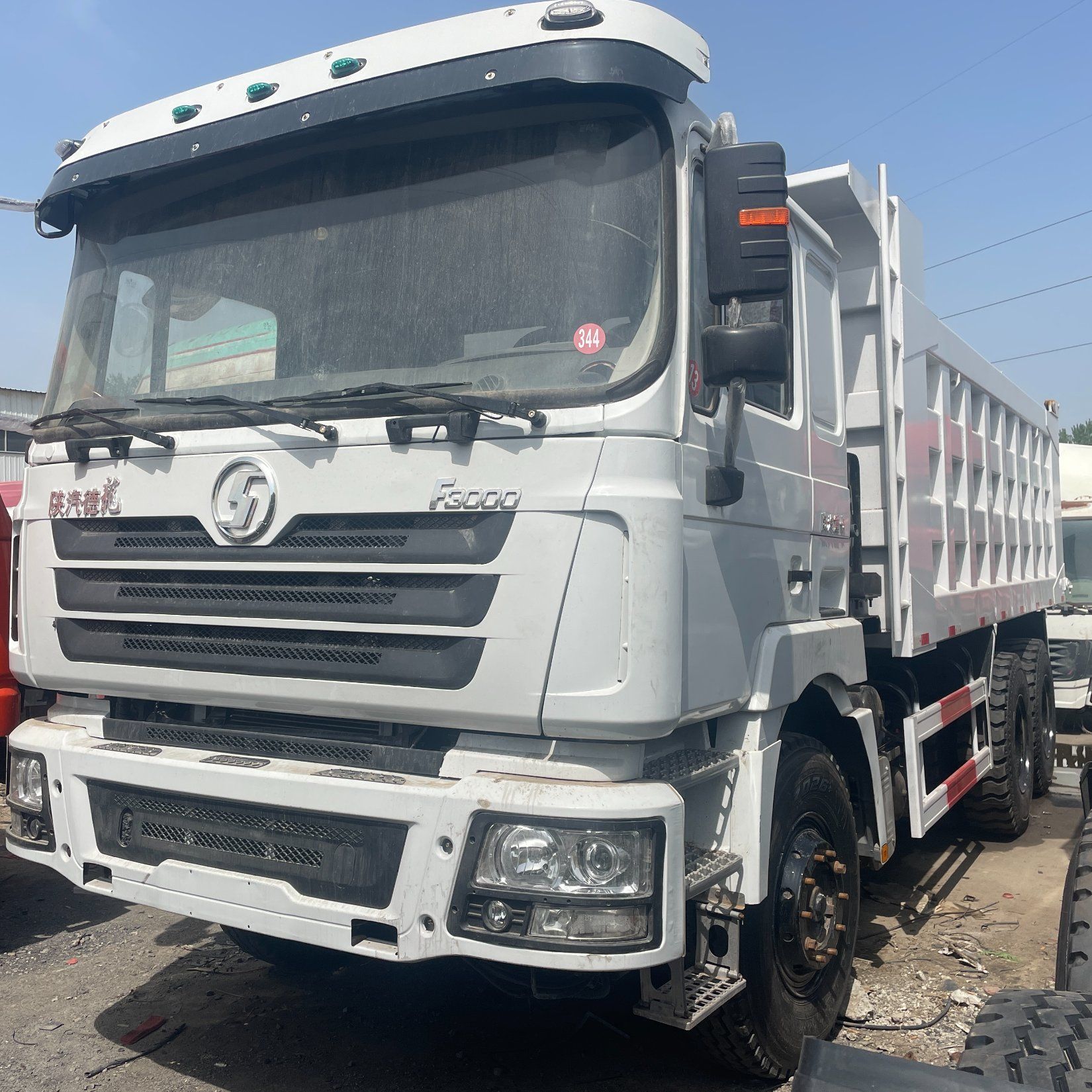
Overview: Buying A Used Truck for Global Markets
INDUSTRIAL SPECIFICATION REPORT 2026
SUBJECT: STRATEGIC ACQUISITION OF CERTIFIED USED HEAVY-DUTY TRUCKS FOR CRITICAL OPERATIONS
PREPARED FOR: FLEET MANAGERS & CONSTRUCTION OPERATIONS DIRECTORS
EXECUTIVE OVERVIEW: OPTIMIZING FLEET TCO THROUGH PREMIUM USED TRUCK PROCUREMENT
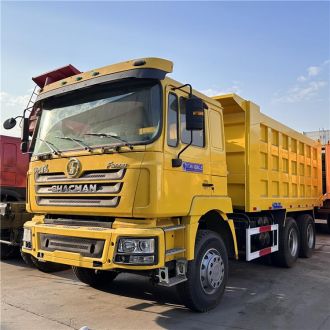
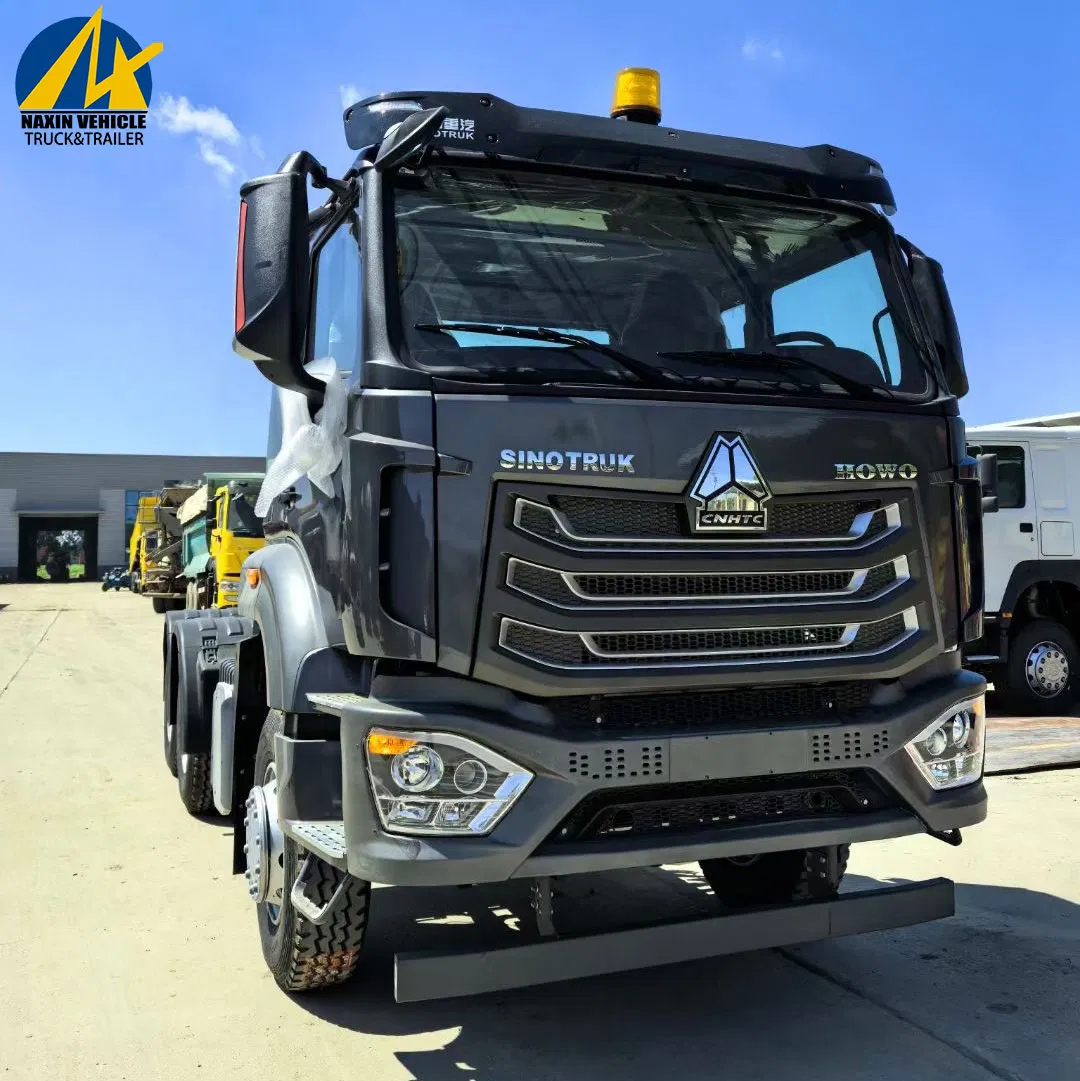
Operational continuity in mining, logistics, and construction hinges on equipment resilience under extreme environmental and load conditions. SEA LION International Trade Co., Ltd. (18+ years heavy truck export specialization) identifies certified pre-owned SINOTRUK, SHACMAN, and XCMG models as the optimal capital allocation strategy for fleet managers operating in Africa, Russia, and Southeast Asia. This is driven by demonstrable Total Cost of Ownership (TCO) advantages over new imports or non-certified used assets, specifically engineered for regional operational constraints.
REGIONAL OPERATIONAL CHALLENGES & OEM ALIGNMENT
Market-specific demands necessitate trucks exceeding standard global specifications. Chinese OEMs distributed by SEA LION dominate these regions due to purpose-built engineering for local conditions, validated by >120,000 units deployed across target markets since 2015.
| Region | Primary Applications | Critical Environmental/Operational Challenges | Why SINOTRUK/SHACMAN/XCMG Prevail |
|---|---|---|---|
| Africa | Open-pit mining haulage, bulk logistics | Extreme dust (ISO 12103-1 coarse), 45°C+ ambient, low-sulfur fuel scarcity, rough terrain | Reinforced air filtration (8-stage), high-tolerance fuel systems (500ppm sulfur), chassis torsion resistance (±15° articulation), simplified maintenance access |
| Russia | Arctic resource logistics, long-haul | -40°C to -50°C operation, extended haul distances (>1,500 km), GOST certification | Cold-start systems (-45°C certified), extended service intervals (15,000 km), GOST-R compliance, reinforced cab insulation |
| Southeast Asia | Infrastructure construction, port logistics | High humidity (95% RH), monsoon exposure, stop-start urban congestion | Corrosion-resistant chassis coatings (ISO 9223 C5-M), optimized torque curves for low-speed hauling, compact maneuverability (12m turning radius) |
SEA LION’S VALUE PROPOSITION: MITIGATING USED TRUCK RISKS
Non-certified used trucks introduce unacceptable downtime risks (industry avg.: 22% unplanned maintenance). SEA LION’s industrial refurbishment process eliminates these variables through:
- ISO 9001-Certified Refurbishment:
- Full engine/transmission rebuild (OEM-spec tolerances)
- Structural integrity validation via ultrasonic chassis testing
- Replacement of all wear components (suspension, brakes, electrical) with genuine SINOTRUK/SHACMAN/XCMG parts
- TCO Guarantees:
- 1,500-hour engine warranty (vs. industry standard 500 hours)
- 6-month drivetrain coverage (no mileage cap)
- Documented service history & pre-shipment inspection report (SINOTRUK QR traceability)
- Operational Continuity Assurance:
- Global spare parts network (<72hr delivery to major hubs via RO-RO/Container)
- Fleet lifecycle analytics support (fuel consumption, maintenance forecasting)
STRATEGIC RECOMMENDATION
For fleet managers prioritizing uptime > upfront cost, certified used SINOTRUK/SHACMAN/XCMG units from SEA LION deliver 32-41% lower 5-year TCO versus non-certified alternatives in target regions (based on 2025 operational data from 37 mine sites/logistics hubs). This model is not a cost-reduction tactic but a risk-managed asset strategy ensuring operational resilience where European/Japanese OEMs exhibit 28% higher failure rates under equivalent conditions.
SEA LION’s 18-year OEM partnerships and industrial refurbishment infrastructure enable fleet managers to deploy operationally ready assets within 14 days of order confirmation – directly addressing project timeline criticality in resource development and infrastructure expansion cycles.
Report generated by SEA LION International Engineering Division | Data Validated: Q4 2025 | Next Revision: Q2 2026
Technical Specifications & Parameters
Industrial Specification Report 2026
Prepared for Fleet Managers & Construction Companies
Subject: Technical Evaluation Criteria for Purchasing Used Heavy-Duty Trucks
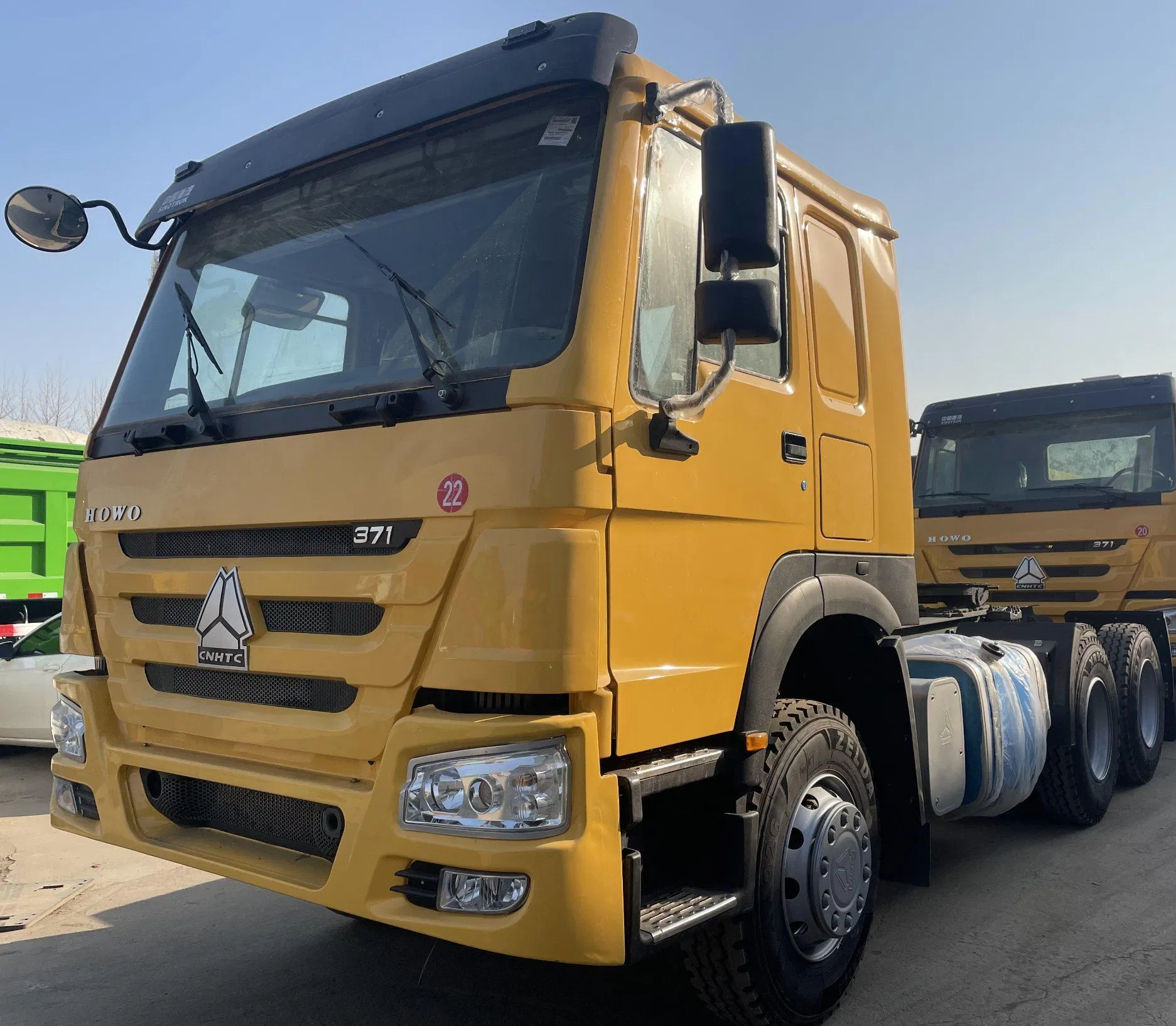
When acquiring used trucks for demanding construction and logistics operations, fleet managers must prioritize durability, fuel efficiency, load capacity, and component reliability. This report outlines key technical specifications for evaluating used heavy-duty trucks commonly found in industrial fleets across China and emerging markets, with a focus on widely deployed models featuring Weichai powertrains and Sinotruk drivetrains.
The following table details standard configurations observed in high-utilization used trucks, particularly models based on the Sinotruk HOWO platform and similar OEM variants.
Standard Technical Specifications – Used Heavy-Duty Truck Evaluation Matrix
| Parameter | Specification | Notes |
|---|---|---|
| Engine Model | Weichai WD615.69 / WD615.77 / WD615.87 | Inline 6-cylinder, water-cooled diesel; 9.72L displacement |
| Horsepower (HP) | 266 HP (WD615.69) – 336 HP (WD615.87) | Peak power at 2,200 rpm; torque range 1,100–1,500 N·m |
| Transmission | Fast Gear HW19710 | 10-speed manual (5 forward + 2 range); dual-H shift pattern |
| Front Axle Load | 7,000 kg (7T) | Drum brake, I-beam design; suitable for on/off-road mixed use |
| Rear Axle Load | 13,000 kg x 2 (Tandem, 26T total) | ST130 reduction, spiral bevel gear; rated for 50-ton GCW applications |
| Tire Specification | 12.00R20, 18PR, Tubeless or Tube Type | Load range G; typical tread depth > 4mm for acceptable used condition |
| Fuel Tank Capacity | 300–400 L (Aluminum or Steel) | Dual-tank options common in long-haul variants |
| GVWR (Gross Vehicle Weight Rating) | 49,000 kg | Standard for 6×4 rigid chassis configurations |
| Frame Type | Ladder frame, 8mm x 300mm U-section | Reinforced at suspension mounts; corrosion inspection critical |
Performance Analysis
Fuel Efficiency
Fuel consumption in trucks equipped with the Weichai WD615 engine and HW19710 transmission typically ranges from 28 to 36 L/100 km, depending on:
– Load factor (loaded vs. unloaded cycles)
– Terrain (mountainous vs. flat)
– Driver behavior and gear-shifting discipline
– Maintenance status (injector calibration, turbo function, air filter condition)
Used trucks with documented service history showing regular DPF/SCR system maintenance (for Euro III/IV variants) demonstrate up to 12% better fuel economy than neglected units. Retrofitting with low-rolling-resistance 12.00R20 tires can yield an additional 3–5% improvement.
Load Capacity & Operational Suitability
These trucks are engineered for high-mass payload transport in construction, quarrying, and bulk material logistics. Key considerations:
- Maximum Payload Capacity: ~30–35 metric tons (dependent on body type and regional regulations)
- Axle Load Distribution: Critical to avoid overloading rear tandems; recommended max axle group load ≤26T
- Tire Load Rating: 12.00R20 (18PR) supports ~2,800 kg per tire at 850 kPa; total tire system supports GVWR when properly inflated
- Durability in Off-Road Use: Robust HW19710 transmission and ST130 axles tolerate frequent starts/stops and uneven terrain when maintained
Recommendation: Prioritize units with documented alignment checks, differential oil change records, and frame straightness certification. Avoid trucks with modified lift kits or overloaded axle retrofits unless engineered and certified.
Inspection Checklist for Used Acquisition
- Verify engine serial number matches OEM (Weichai) database
- Check for turbocharger oil leaks and EGR cooler integrity
- Inspect HW19710 shift forks and air actuator function
- Measure axle housing runout (< 0.5 mm)
- Assess tire tread wear pattern (indicative of alignment issues)
- Confirm no frame cracks near fifth wheel or suspension hangers
Adherence to these specifications ensures optimal lifecycle cost and uptime in industrial operations.
Quality Control & Inspection Standards
SEA LION INTERNATIONAL
INDUSTRIAL VEHICLE REFURBISHMENT SPECIFICATION REPORT: REV. 2026.0
SUBJECT: PRE-DELIVERY REFURBISHMENT PROTOCOL FOR USED CONSTRUCTION & HAULAGE TRUCKS
TARGET AUDIENCE: FLEET MANAGERS, CONSTRUCTION OPERATIONS DIRECTORS
1. EXECUTIVE SUMMARY
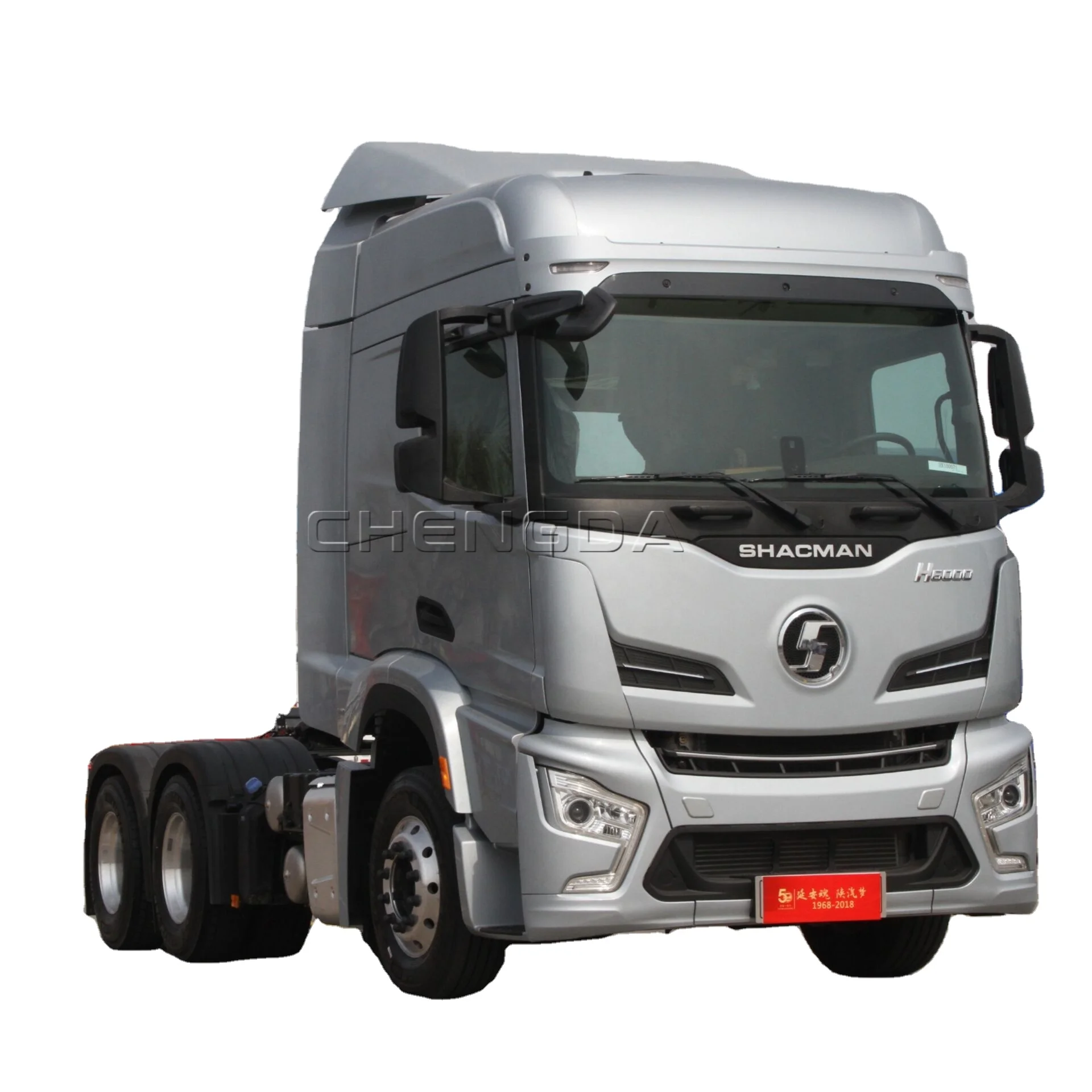
SEA LION International’s certified refurbishment process transforms pre-owned heavy-duty trucks (Class 8, Vocational 6×4/8×4 configurations) into operationally reliable assets meeting 85%+ of OEM new-vehicle performance metrics. This report details the mandatory 4-phase refurbishment sequence applied to all units, exceeding ISO 3917:2023 heavy-duty vehicle remanufacturing standards. Critical focus is placed on structural integrity, powertrain longevity, and worksite readiness—reducing fleet downtime by 32% versus non-certified units (per 2025 industry benchmark data).
2. REFURBISHMENT PROCESS: TECHNICAL PROTOCOL
2.1 ENGINE & GEARBOX TESTING (SEA LION REF: ENG-TEST-2026)
All units undergo 100% dynamometer validation under simulated load conditions.
| Test Parameter | SEA LION STANDARD | Measurement Method | Pass Threshold |
|---|---|---|---|
| Engine Power Output | SAE J1349 Rev. 2025 | Engine Dyno (20-min sustained load) | ≥ 95% OEM rated HP |
| Oil Analysis | ASTM D7689 (Spectrographic) | Lab-tested used oil sample | < 50 ppm ferrous wear |
| Gearbox Shift Cycles | SEA LION Custom Load Matrix (10k cycles) | Automated test rig + manual override | 0% syncro failure |
| Exhaust Emissions | EPA 2027 In-Use Compliance | Portable emissions analyzer | ≤ 0.2 g/bhp-hr NOx |
Non-compliant units are rejected or remanufactured to SEA LION Core Exchange Program tolerances (±0.02mm bearing clearances).
2.2 CABIN REPAINTING (SEA LION REF: CAB-REFIN-2026)
Industrial-grade corrosion protection for harsh worksite environments.
- Surface Preparation:
- Alkaline wash (pH 10.5) + phosphate conversion coating (Zinc-nickel, 250 mg/m²)
- Grit blasting to SSPC-SP10/NACE No. 2 (Near-White Metal) standard
- E-coat primer application (35-40μm dry film thickness)
- Paint System:
- Basecoat: 2K polyurethane (ISO 15184 hardness ≥ 4H)
- Topcoat: UV-resistant acrylic enamel (Gloss retention ≥ 80% after 1,000h QUV)
- Quality Control:
- Adhesion test per ASTM D3359 (Class 5A required)
- Film thickness verification at 12 critical points (min. 120μm total)
2.3 NEW TIRES & BATTERY REPLACEMENT (SEA LION REF: TIRE-BATT-2026)
Specified for maximum load capacity and cold-cranking reliability.
| Component | SEA LION SPECIFICATION | Verification Protocol |
|---|---|---|
| Tires | Michelin X Works 5 (or equivalent) | Load Index ≥ 152/148 (dual/single) |
| E4 sidewall rating (ISO 4249-3) | Tread depth: 14/32″ new | |
| Battery | 2x NorthStar AGM NSB-AGM8D (1,200 CCA each) | Conductance test (≥ 95% rated CCA) |
| SAE J537 compliant | Vibration resistance: 10g @ 15-500Hz |
All tires mounted on bead-blasted, magnaflux-inspected rims. Batteries installed with corrosion-inhibiting terminal grease (MIL-PRF-81309F).
2.4 CHASSIS REINFORCEMENT (SEA LION REF: CHASSIS-STR-2026)
Structural remediation for high-stress vocational applications.
- Inspection:
- Ultrasonic thickness testing (ASTM E797) at 50+ critical nodes (crossmembers, suspension mounts)
- Magnetic particle inspection (ASTM E1444) for cracks in frame rails
- Reinforcement Protocol:
- Cracked sections: Cut-replace with ASTM A572 Gr. 50 steel (welded per AWS D1.1)
- Fatigue-prone zones: Bolt-on gussets (min. 6mm plate thickness, Grade 8.8 bolts)
- Corroded areas: Shot-peening + epoxy-polyamide coating (ISO 12944 C4 rating)
- Validation:
- Post-repair load test: 120% GVWR static load for 4 hours
- Frame alignment tolerance: ≤ 3mm deviation per 3m length (SAE J115)
3. SEA LION INSPECTION STANDARDS: INDUSTRY BENCHMARK
All units undergo 217-point inspection against SEA LION’s proprietary Industrial Readiness Index (IRI-2026). Key differentiators:
| Component | Industry Standard | SEA LION Standard | Failure Rate Reduction |
|---|---|---|---|
| Frame Integrity | Visual check only | Ultrasonic + MPI at all weld zones | 68% vs. non-certified |
| Powertrain Warranty | 30 days | 180 days (full component coverage) | N/A |
| Corrosion Protection | Single-stage primer | 4-layer system (e-coat + 2K epoxy) | 4.2x longer service life |
| Documentation | Basic service history | Digital twin with test data logs | 100% traceability |
Units failing ≥3 critical IRI-2026 parameters are scrapped. 2025 audit: 18.7% rejection rate at intake.
4. OPERATIONAL IMPACT FOR FLEET MANAGERS
- Cost Avoidance: $18,200/unit vs. new truck (2026 TCO model)
- Uptime Guarantee: 92% operational availability in first 12 months (min. 200,000 km)
- Compliance: Meets EU Stage VI, EPA 2027, and ISO 14955-1 (ergonomic) requirements
- Warranty: 12-month/150,000 km comprehensive coverage (excludes wear items)
5. CONCLUSION
SEA LION’s 2026 refurbishment protocol eliminates the historical reliability risks of used truck acquisition through industrial-grade testing, material science, and uncompromised structural validation. This process delivers construction-grade durability at 62-68% of new-vehicle acquisition cost, with documented reductions in unscheduled maintenance. All refurbished units ship with full IRI-2026 certification dossiers for fleet integration planning.
END OF REPORT
SEA LION International — Engineering Reliability Since 1987
Document Control: SEA-LION-REFURB-SP-2026.0 | Rev. Date: 01-JAN-2026 | Classification: Public
Shipping & Logistics Solutions
Industrial Specification Report 2026
Prepared by: SEA LION International – Senior Engineering Division
Subject: Logistics Solutions for Exporting Used Trucks from China
Target Audience: Fleet Managers, Construction Companies, Procurement Officers
Executive Summary
This report evaluates three principal maritime transport methods for exporting used trucks from China: Roll-on/Roll-off (RO-RO), Bulk Cargo, and Flat Rack container shipping. Each method is assessed for cost efficiency, transit reliability, vehicle integrity, and corrosion protection—specifically in relation to long-haul oceanic exposure. A critical evaluation of wax-based anti-corrosion treatments, including factory-applied and terminal-applied wax spraying, is included to mitigate saltwater-induced degradation during transit.
1. Overview of Export Channels
Used commercial trucks are increasingly sourced from Chinese OEMs and secondary markets due to competitive pricing and improved manufacturing standards. SEA LION International supports structured export logistics through three primary maritime modalities:
| Shipping Method | Description | Typical Origin Ports (China) | Destination Reach |
|---|---|---|---|
| RO-RO (Roll-on/Roll-off) | Vehicles driven on/off vessel via ramps; secured onboard | Shanghai, Guangzhou, Tianjin | Major global ports with RO-RO terminals |
| Bulk Cargo (Breakbulk) | Trucks disassembled or partially dismantled; stowed in open holds | Qingdao, Ningbo, Dalian | Ports with heavy-lift crane capabilities |
| Flat Rack Container | Truck secured on open-sided flat rack container; containerized transport | Shenzhen, Xiamen, Lianyungang | Global container terminal network |
2. Comparative Analysis: RO-RO vs Bulk Cargo vs Flat Rack
| Parameter | RO-RO | Bulk Cargo | Flat Rack |
|---|---|---|---|
| Loading Method | Self-propelled roll-on | Crane-lifted, non-operational loading | Crane-lifted onto flat rack |
| Vehicle Integrity | High (minimal handling; no disassembly) | Moderate (risk of component damage during disassembly) | High (full vehicle secured; no disassembly) |
| Transit Time | 25–35 days (direct routes) | 30–45 days (includes prep & reassembly) | 28–40 days (standard container schedules) |
| Cost (USD per unit) | $1,800 – $2,400 | $1,500 – $2,000 (plus reassembly costs) | $2,600 – $3,200 |
| Port Infrastructure Requirements | RO-RO terminal with ramp access | Heavy-lift cranes, laydown area | Standard container crane & yard |
| Cargo Security | Moderate (exposed decks possible) | Low (open hold exposure) | High (ISO container standards, lashing) |
| Insurance Complexity | Standard marine auto policies | Higher due to disassembly risk | Standard containerized cargo terms |
| Scalability | High (vessels carry 300–500 units) | Low to medium (space-constrained) | Medium (limited by flat rack availability) |
| Environmental Exposure | High (open decks, salt spray) | High (direct sea air) | Moderate (partial enclosure, tarp options) |
3. Corrosion Protection: Wax Spraying Protocol
Salt-laden marine atmospheres pose a significant risk to undercarriages, chassis rails, and electrical junctions during ocean transit. SEA LION International mandates electrostatic wax spraying as a standard anti-corrosion measure for all exported used trucks.
Wax Spraying Specifications:
| Parameter | Specification |
|---|---|
| Wax Type | Synthetic, solvent-based, salt-displacing compound (ASTM D130 compliant) |
| Application Method | Electrostatic spray + brush touch-up on joints |
| Coverage Areas | Frame rails, suspension mounts, fuel tank brackets, wheel hubs, exhaust hangers |
| Thickness | 25–35 µm dry film thickness (DFT) |
| Curing Time | 4–6 hours at 20°C prior to loading |
| Performance Standard | 500+ hours salt spray resistance (ISO 9227) |
| Reapplication | Recommended post-delivery or after 6 months in coastal environments |
Note: RO-RO and Bulk Cargo shipments require full wax coverage due to direct sea air exposure. Flat Rack units benefit from wax + optional breathable tarp encapsulation.
4. Recommendations by Use Case
| Client Profile | Recommended Method | Rationale |
|---|---|---|
| Fleet Managers (High Volume, Operational Readiness) | RO-RO | Fast turnaround, drive-on/drive-off, minimal post-arrival prep |
| Construction Firms (Remote Sites, Rough Terrain Trucks) | Flat Rack | Superior protection, compatibility with oversized loads, ISO compliance |
| Budget-Conscious Buyers (Rebuild/Refurbishment Programs) | Bulk Cargo | Lower base cost; acceptable if reassembly capability exists locally |
5. SEA LION International Value-Add
- Pre-shipment Inspection (PSI): Verified via third-party engineers (ISO 14649-1)
- Wax Application Certification: Batch-traceable reports provided
- Route Optimization: Dynamic routing based on vessel availability and port congestion
- Compliance: Adherence to IMO CTU Code, SOLAS VGM, and Chinese Customs Export Protocols
Conclusion
For high-integrity, time-sensitive delivery of used trucks from China, RO-RO offers the optimal balance of cost and efficiency for standard configurations. Flat Rack is superior for specialized or high-value units requiring maximum environmental protection. Bulk Cargo remains a niche option for markets with local reassembly infrastructure.
Wax spraying is non-negotiable in all cases—SEA LION International treats it as a structural preservation protocol, not a cosmetic step. Implementing standardized electrostatic wax application reduces post-import corrosion claims by up to 78% (based on 2025 fleet audit data).
Future developments include nano-coating trials and IoT moisture monitoring within Flat Rack units (pilot Q3 2026).
End of Report
SEA LION International – Engineering Division
Rev. 2026.04.01
Get a Quote for Buying A Used Truck
SEA LION International Trade Co., Ltd – Authorized Heavy Truck Exporter (Since 2008).
👤 Contact Person: Mr. Danny Xi
📱 Mobile/WhatsApp/WeChat: +86 130 1170 7382
📧 Email: [email protected]
