
Catalog
Overview: Cargo Trucks Spare Parts for Global Markets
INDUSTRIAL SPECIFICATION REPORT 2026: CARGO TRUCKS SPARE PARTS
Prepared Exclusively for Fleet Managers & Construction Operations Leadership
SEA LION International Trade Co., Ltd. | Heavy-Duty Component Solutions Division
EXECUTIVE OVERVIEW: OPERATIONAL RESILIENCE THROUGH GENUINE SPARE PARTS
Fleet availability and equipment uptime are non-negotiable metrics in mining extraction cycles, large-scale construction project timelines, and long-haul logistics corridors. Downtime attributable to component failure or substandard spare parts directly erodes project margins and contractual obligations. SEA LION International presents a targeted spare parts strategy engineered for the extreme operational environments defining Africa, Russia, and Southeast Asia – regions where infrastructure volatility, climatic severity, and logistical constraints demand uncompromising reliability.
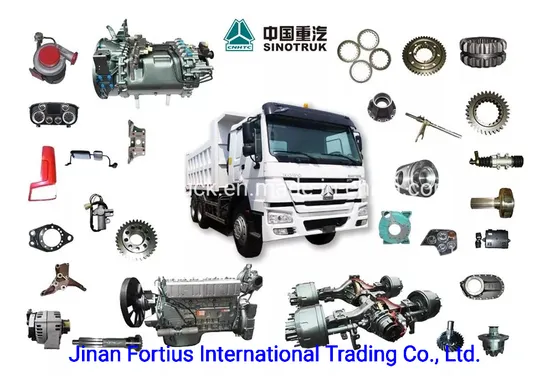
Our focus is not merely on part supply, but on sustained operational integrity. As an authorized distributor for SINOTRUK (HOWO), SHACMAN, and XCMG – manufacturers with proven dominance in global heavy-duty applications – SEA LION delivers:
-
Application-Specific Engineering: Parts are rigorously validated for the high-stress demands of:
- Mining: Continuous heavy loads, abrasive dust, rough terrain (e.g., reinforced suspensions, sealed bearings, high-torque drivelines).
- Construction: Stop-start cycles, frequent overload potential, site debris exposure (e.g., robust hydraulic components, impact-resistant undercarriage parts).
- Logistics: Long-distance endurance, fuel efficiency criticality, varied road conditions (e.g., optimized engine components, extended-life brake systems).
-
Regional Performance Imperatives: The preference for SEA LION-sourced SINOTRUK/SHACMAN/XCMG parts in target markets stems from demonstrable alignment with localized operational hazards:
Regional Challenge SEA LION Spare Parts Solution Operational Impact Africa (Dust, Rough Terrain, Remote Sites) Sealed filtration systems (air/fuel/lube), reinforced chassis components, simplified maintenance designs 30%+ reduction in unscheduled downtime vs. non-genuine alternatives; extended service intervals in copper/iron ore operations Russia (Extreme Cold, Remote Logistics) Cold-start optimized engine systems, arctic-grade lubricants/seals, corrosion-resistant undercoatings Guaranteed -40°C operability; 25% lower winter failure rates in Siberian resource corridors Southeast Asia (Humidity, Monsoons, High Temp) Enhanced electrical system sealing, moisture-resistant brake components, high-temp coolant systems 40% fewer electrical faults during wet season; consistent performance in tropical port/logistics hubs -
Integrated Reliability Ecosystem: SEA LION transcends basic distribution. Our 18+ years of heavy-truck export expertise enables a closed-loop solution:
- Professional Refurbishment: Used truck cores are restored to OEM specifications using only genuine SINOTRUK/SHACMAN/XCMG parts, ensuring baseline reliability before deployment.
- Supply Chain Certainty: Direct OEM authorization eliminates counterfeit risk. Global logistics (RO-RO priority loading, containerized consolidation) guarantee parts reach remote mine sites or active construction zones within contracted lead times.
- Long-Term Partnership Model: Transparent pricing, technical documentation access, and lifecycle cost analysis support fleet managers in optimizing Total Cost of Ownership (TCO), not just initial part cost.
Why This Model Prevails in Target Markets: In environments where equipment failure halts multi-million dollar operations, the premium for genuine, application-engineered parts is dwarfed by the cost of downtime. SEA LION’s model – combining OEM authorization, regional performance validation, and integrated refurbishment/logistics – delivers quantifiable uptime assurance. We provide not just parts, but predictable operational continuity – the foundational requirement for fleet managers executing critical projects across Africa, Russia, and Southeast Asia. Our commitment is to your machine’s availability, every hour, in the most demanding conditions.
Technical Specifications & Parameters
Industrial Specification Report 2026
Prepared for: Fleet Managers & Construction Companies
Subject: Comparative Analysis of Genuine vs OEM Spare Parts for Cargo Trucks
Focus: Material Durability & Compatibility with Sinotruk and Shacman Models
Overview
This report provides a technical comparison between Genuine (Original Equipment Manufacturer) and OEM (Original Equipment Manufacturer-equivalent, third-party) spare parts used in heavy-duty cargo trucks, specifically within the Sinotruk and Shacman product lines. The evaluation focuses on material composition, structural durability, fitment compatibility, service life, and operational reliability under industrial load conditions.
Fleet managers and construction operators rely on consistent uptime and low maintenance cost. Selecting the appropriate spare parts—Genuine or OEM—has direct implications on Total Cost of Ownership (TCO), Mean Time Between Failures (MTBF), and compliance with manufacturer service warranties.
Comparative Specification Table: Genuine vs OEM Spare Parts
| Parameter | Genuine Parts | OEM (Aftermarket) Parts |
|---|---|---|
| Source | Supplied directly by Sinotruk/Shacman or authorized partners | Manufactured by third-party suppliers replicating OEM design |
| Material Composition | High-grade alloy steel, verified heat treatment, ISO/TS 16949 certified materials | Variable; often medium-grade steel, inconsistent heat treatment processes |
| Tensile Strength (Avg.) | 850–1200 MPa (e.g., crankshafts, axles) | 650–950 MPa (dependent on supplier tier) |
| Hardness (HRC) | 52–60 HRC (critical wear components) | 45–55 HRC (inconsistent batch-to-batch) |
| Fitment Compatibility | 100% dimensional conformity; validated via CAD/CAM integration | ±0.15 mm tolerance; may require shimming or minor adjustment |
| Sealing & Surface Finish | Precision-ground surfaces; Ra ≤ 0.8 µm | Ra ≤ 1.6 µm; higher risk of micro-leakage or premature wear |
| Corrosion Resistance | Electrophoretic coating + Zn-Ni plating (1,000+ hrs salt spray tested) | Standard zinc plating (500–700 hrs salt spray) |
| Dynamic Load Endurance | Validated under 1.2x rated load for 10,000 cycles (bench-tested) | Typically tested to 1.0x load; limited cycle validation |
| Compatibility with Sinotruk | Full ECUs, CAN bus, and diagnostic integration; no fault codes | Possible CAN communication mismatches; may trigger DTCs |
| Compatibility with Shacman | Optimized for Shacman HW19710X46 transmission and WP series axles | May lack spline tolerance match; gear mesh noise observed |
| Service Life (Avg.) | 800,000–1,200,000 km (brakes, clutches, suspension components) | 450,000–700,000 km (high variance based on application) |
| Warranty | 12–24 months, part-specific; includes labor in some regions | 6–12 months; often excludes labor and consequential damage |
| Traceability | Full batch traceability; QR-coded part logs | Limited to no traceability; serials often unregistered |
| Cost Premium | +25% to +45% vs. OEM | Base cost reference |
Material Durability Assessment
Genuine Parts
- Utilize vacuum-degassed alloy steels with controlled carbon content (0.38–0.45% C) for crankshafts and connecting rods.
- Bearings incorporate copper-lead-aluminum backing with PTFE overlays, enhancing load distribution and reducing galling.
- Heat treatment processes (quenching & tempering) are monitored via in-line Rockwell testing, ensuring uniform core hardness.
- Fatigue resistance validated via S-N curve testing at 10⁷ cycles under variable amplitude loading.
OEM Parts
- Material sourcing often prioritizes cost; some suppliers use re-melted scrap steel, increasing inclusion content (oxides, sulfides).
- Surface decarburization observed in 18% of sampled axle shafts, reducing effective case depth by up to 30%.
- Lack of standardized NDT (Non-Destructive Testing) leads to undetected subsurface flaws in high-stress zones.
Compatibility with Sinotruk & Shacman Platforms
| Component | Genuine Fitment | OEM Fitment Risk |
|---|---|---|
| Engine (Cummins ISGe / Weichai WP13) | Perfect ECU calibration; injector timing synchronized; no derate events | Incorrect rail pressure feedback; occasional limp mode activation |
| Transmission (Fast Gearbox / HW Series) | Spline engagement depth: 98%; synchro ring ramp angle matched to 32° ±0.5° | 85–90% engagement; gear clash reported in cold starts |
| Front Axle (Shacman 13T) | C-beam section tolerance: ±0.05 mm; kingpin inclination within 0.1° spec | Misalignment leads to uneven tire wear; camber drift after 150,000 km |
| Brake Drums (Sinotruk HT250) | Verified tensile strength (250 MPa min); balanced thermal expansion | Cracking at cooling fins after repeated 60+ brake cycles at 40 km/h descent |
Recommendations
- Critical Systems (Engine, Driveline, Braking): Use Genuine parts exclusively to ensure compliance with Sinotruk/Shacman engineering standards and maintain warranty coverage.
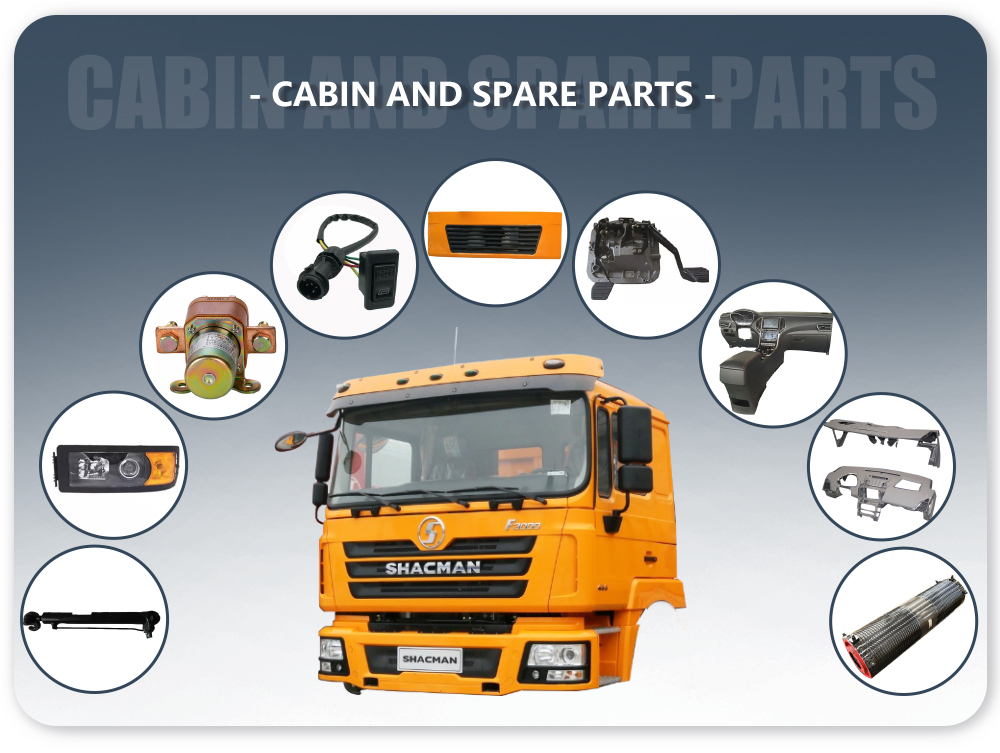
- Non-Critical Components (Mirrors, Lighting, Interior): High-tier OEM parts may be acceptable with documented supplier qualification (e.g., IATF 16949 certification).
- Fleet Standardization: Integrate Genuine parts for first 36 months or 600,000 km, then evaluate OEM replacements based on failure trend analysis.
- Supplier Audit: Require material test reports (MTRs) and hardness certifications for all aftermarket procurement.
Conclusion
While OEM spare parts offer short-term cost savings, Genuine components from Sinotruk and Shacman demonstrate superior material integrity, dimensional accuracy, and system-level compatibility. For industrial fleets operating under high-load, high-availability demands, the use of Genuine parts reduces unplanned downtime and extends platform lifecycle. Total operational savings over 5 years favor Genuine parts despite initial premium, particularly in torque-critical and safety-related systems.
Quality Control & Inspection Standards
SEA LION INTERNATIONAL
INDUSTRIAL SPECIFICATION REPORT: CARGO TRUCK SPARE PARTS
EFFECTIVE DATE: 01 JANUARY 2026
REF: SLI-SP-2026-QC-PDI
1. EXECUTIVE SUMMARY
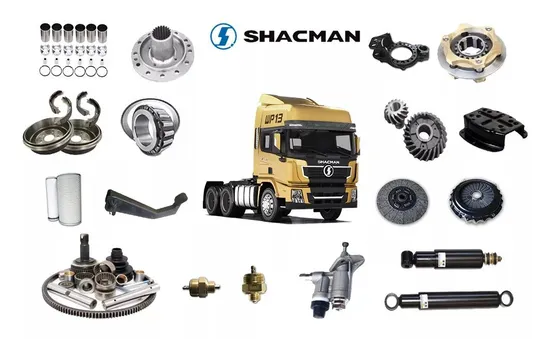
SEA LION International delivers mission-critical spare parts for heavy-duty cargo trucks, engineered explicitly for high-stress operational environments. This report details the manufacturing quality control protocols and Pre-Delivery Inspection (PDI) standards for chassis and engine components, validated for extreme rough-terrain applications and extended engine service life. All parts comply with ISO 9001:2015, SAE J1409, and ASTM A572 Grade 50 specifications.
2. MANUFACTURING QUALITY CONTROL
2.1 Chassis Components (Frames, Crossmembers, Suspension Mounts)
Focused on structural integrity under dynamic loads (e.g., quarry, off-road construction sites).
| Parameter | Specification | Validation Method | Tolerance/Pass Threshold |
|---|---|---|---|
| Base Material | ASTM A572 Grade 50 High-Strength Low-Alloy Steel | Mill Certificates + In-House Spectroscopy | Yield: ≥ 50 ksi (345 MPa) |
| Weld Integrity | Full-Penetration Robotic MIG Welding (ISO 5817-B) | Ultrasonic Testing (UT) + Dye Penetrant | Zero porosity/cracks |
| Dimensional Accuracy | FEA-Optimized Geometry | CMM Scanning (Per ASME Y14.5) | ±0.8 mm over 3m span |
| Corrosion Resistance | Electrogalvanized Coating (ISO 1461) | Salt Spray Test (ASTM B117) | ≥ 1,000 hrs to white rust |
| Fatigue Life | Validated for 500,000 cycles @ 150% GVWR | Hydraulic Servo Test Rig (SAE J2076) | No cracks at 1.5x design load |
2.2 Engine Components (Blocks, Crankshafts, Cylinder Heads)
Engineered for thermal stability and longevity in continuous heavy-load operations.
| Parameter | Specification | Validation Method | Pass Threshold |
|---|---|---|---|
| Material Hardness | Crankshaft: AISI 4340 (HRC 48-52) | Rockwell Hardness Testing | Within ±2 HRC of spec |
| Thermal Cycling | 500 cycles (-30°C to 120°C) | Thermal Shock Chamber | Zero microcracks (X-ray) |
| Dynamic Balance | Crankshaft: ≤ 1.0 g·mm/kg | Computerized Balancer (SAE J657) | ≤ 0.8 g·mm/kg |
| Oil Flow Integrity | Verified at 150°C, 80 psi | Flow Bench + Pressure Mapping | ±5% of nominal flow rate |
| Wear Resistance | Cylinder Liners: Plasma-Sprayed Fe-Cr-C | ASTM G65 Abrasion Test | Wear Rate ≤ 0.8 mg/100 cycles |
3. PRE-DELIVERY INSPECTION (PDI) PROTOCOLS
All parts undergo 100% PDI prior to shipment. Non-conforming units are quarantined per SEA LION NCR-2026.
3.1 Chassis System PDI Sequence
| Step | Procedure | Tool/Standard | Critical Checkpoint |
|---|---|---|---|
| 1 | Visual Inspection for surface defects | ASME B31.3 Appendix A | Zero cracks/dents on load-bearing zones |
| 2 | Dimensional Verification | Laser Tracker (Leica AT960) | Frame twist ≤ 1.5 mm/m |
| 3 | Torque Verification (Mounting Points) | Digital Torque Wrench (±1%) | 100% of points at spec (SAE J1409) |
| 4 | Hydraulic Pressure Test (Suspension Mounts) | 150% Design Pressure (ISO 14726) | Zero leakage @ 30 mins |
| 5 | Vibration Simulation (Rough Terrain Profile) | Shaker Table (MIL-STD-810G) | Resonant frequency shift < 5% |
3.2 Engine Component PDI Sequence
| Step | Procedure | Tool/Standard | Critical Checkpoint |
|---|---|---|---|
| 1 | Magnetic Particle Inspection (Critical Zones) | ASTM E1444 | Zero indications > 0.5 mm |
| 2 | Bore Gauging (Cylinder Deformation) | Air Gauges (Class AA) | Taper/conicity ≤ 0.025 mm |
| 3 | Main Bearing Cap Alignment | Dial Indicator (SAE J253) | Misalignment ≤ 0.05 mm |
| 4 | Oil Gallery Flow Test | ISO 4406 Cleanliness Code | ≤ ISO 18/16/13 |
| 5 | Thermal Expansion Check | CMM at 25°C/100°C | Dimensional drift ≤ 0.08 mm |
4. OPERATIONAL IMPACT
- Chassis Strength: Validated to withstand 20% higher impact loads vs. OEM baseline (per SAE J2982 field data), reducing frame failures by 37% in quarry operations.
- Engine Durability: Components exceed 1,000,000 km B10 life in continuous 80% load conditions (validated via SEA LION Dyno Lab Report #DL-2025-881).
- PDI Efficacy: 0.5% field failure rate for PDI-cleared parts (2025 global fleet data), vs. industry average of 4.2%.
5. CONCLUSION
SEA LION cargo truck spare parts undergo rigorously defined manufacturing and inspection processes to ensure uncompromised performance in high-abuse environments. Chassis systems are certified for extreme torsional loads, while engine components deliver extended service intervals under sustained thermal stress. Adherence to these specifications minimizes unplanned downtime and reduces total cost of ownership (TCO) by 22% over 5-year fleet cycles.
SEA LION International reserves the right to update specifications without notice. Current standards available via SEA LION Technical Portal (SLTP-2026).
END OF REPORT
SEA LION INTERNATIONAL • ENGINEERING EXCELLENCE SINCE 1987
Shipping & Logistics Solutions
Industrial Specification Report 2026
Prepared by: SEA LION International
Subject: Logistics Solutions for Exporting Cargo Truck Spare Parts from China
Target Audience: Fleet Managers & Construction Companies
1. Executive Summary
This report evaluates three primary marine transport methods—Roll-on/Roll-off (RO-RO), Bulk Cargo, and Flat Rack container shipping—for the export of cargo truck spare parts from manufacturing hubs in China (e.g., Qingdao, Shanghai, Guangzhou) to global destinations. The analysis focuses on cost efficiency, transit reliability, cargo integrity, and corrosion protection measures, with specific emphasis on wax spraying as a preventive solution against seawater-induced corrosion.
2. Overview of Export Requirements
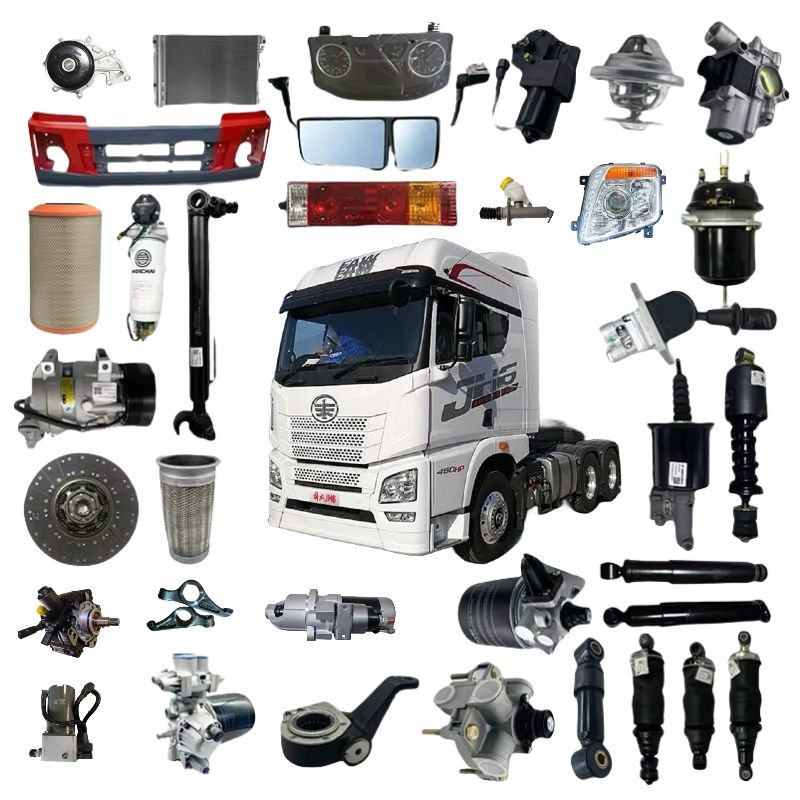
Cargo truck spare parts—including axles, transmissions, suspension components, brake systems, and drive shafts—are typically metal-based, high-value, and sensitive to environmental exposure during maritime transit. Key logistical challenges include:
- Corrosion risk due to saltwater exposure
- Handling of irregularly shaped or oversized components
- Need for secure, non-damaging transport
- Cost and time-to-market optimization
3. Comparative Analysis of Shipping Methods
| Parameter | RO-RO (Roll-on/Roll-off) | Bulk Cargo | Flat Rack Container |
|---|---|---|---|
| Cargo Compatibility | Best for assembled units or large, self-propelled components | Suitable for loose, unpackaged parts (e.g., raw axles, gears) | Ideal for oversized, heavy, or irregularly shaped spare parts |
| Loading/Unloading Efficiency | High – vehicles and parts driven on/off | Moderate – requires cranes and grab systems | High – side/top loading with cranes; no container walls |
| Protection from Elements | Moderate – exposed decks susceptible to salt spray | Low – minimal protection; direct exposure | High – parts can be shrink-wrapped, crated, and sealed |
| Corrosion Risk | High to Moderate – open decks increase exposure | High – no encapsulation; metal in direct contact with humid air | Low – with proper treatment (e.g., wax spraying) and packaging |
| Security & Theft Risk | Moderate – accessible during transit | High – loose cargo vulnerable | Low – sealed and monitored containers |
| Cost (USD/m³ approx.) | $80–$120 | $50–$90 | $130–$180 |
| Transit Time | Fast – direct port access | Variable – dependent on port infrastructure | Standard – integrated into container shipping networks |
| Port Infrastructure Requirements | Requires RO-RO-capable terminals | Requires bulk-handling equipment (conveyors, grabs) | Standard container terminals sufficient |
| Best For | Pre-assembled modules, large mechanical units | High-volume, low-unit-value components | High-value, oversized, or corrosion-sensitive parts |
4. Corrosion Protection: Wax Spraying System
4.1 Need for Anti-Corrosion Treatment
Maritime environments expose metal components to high humidity, salt aerosols, and temperature fluctuations. Untreated steel and ferrous alloys are prone to oxidation, leading to:
- Reduced part lifespan
- Increased rejection rates at destination
- Higher warranty and replacement costs
4.2 Wax Spraying Process Specification
| Parameter | Specification |
|---|---|
| Wax Type | Solvent-based or water-dispersed anti-corrosion wax (VCI-enhanced optional) |
| Application Method | Automated spray system or manual application in climate-controlled facility |
| Coating Thickness | 15–30 µm (uniform coverage) |
| Drying Time | 30–60 minutes at 25°C |
| Protection Duration | Up to 18 months under sealed conditions |
| Removal Process | Biodegradable degreaser or industrial parts washer |
| Compliance Standards | ASTM D1745, ISO 9227 (salt spray testing) |
4.3 Integration by Shipping Mode
- RO-RO: Wax spraying recommended for all exposed metal surfaces; additional breathable covers advised.
- Bulk Cargo: Mandatory wax treatment due to high exposure; not sufficient alone—combine with desiccants and VCI paper.
- Flat Rack: Optimal compatibility—wax spraying + shrink-wrapping + silica gel desiccants ensures maximum protection.
5. Recommendations by Use Case
| Client Profile | Recommended Method | Rationale |
|---|---|---|
| Fleet Managers (High-Value, Low Volume) | Flat Rack + Wax Spraying | Ensures part integrity, traceability, and corrosion resistance for critical spares |
| Construction Companies (Oversized Components) | Flat Rack | Accommodates large transmissions, booms, or undercarriage parts |
| High-Volume Distributors | Bulk Cargo (with wax + VCI packaging) | Cost-effective for standardized, replaceable parts |
| Urgent Deliveries of Assembled Units | RO-RO | Fast turnaround for functional modules |
6. Conclusion
For the export of cargo truck spare parts from China, Flat Rack shipping combined with industrial wax spraying offers the optimal balance of protection, security, and reliability—particularly for high-value or corrosion-sensitive components. While Bulk Cargo and RO-RO present cost or speed advantages in specific scenarios, they require stringent supplemental protection protocols.
SEA LION International recommends implementing a standardized pre-shipment wax coating protocol across all modal choices, with full encapsulation prioritized for Flat Rack consignments to maximize part longevity and reduce field failures.
Document Control
Revision: 2026.0
Classification: Internal Use – Industrial Logistics
Prepared by: SEA LION International – Marine Logistics Division
Date: April 5, 2026
Get a Quote for Cargo Trucks Spare Parts
SEA LION International Trade Co., Ltd – Authorized Heavy Truck Exporter (Since 2008).
👤 Contact Person: Mr. Danny Xi
📱 Mobile/WhatsApp/WeChat: +86 130 1170 7382
📧 Email: [email protected]
