
Catalog
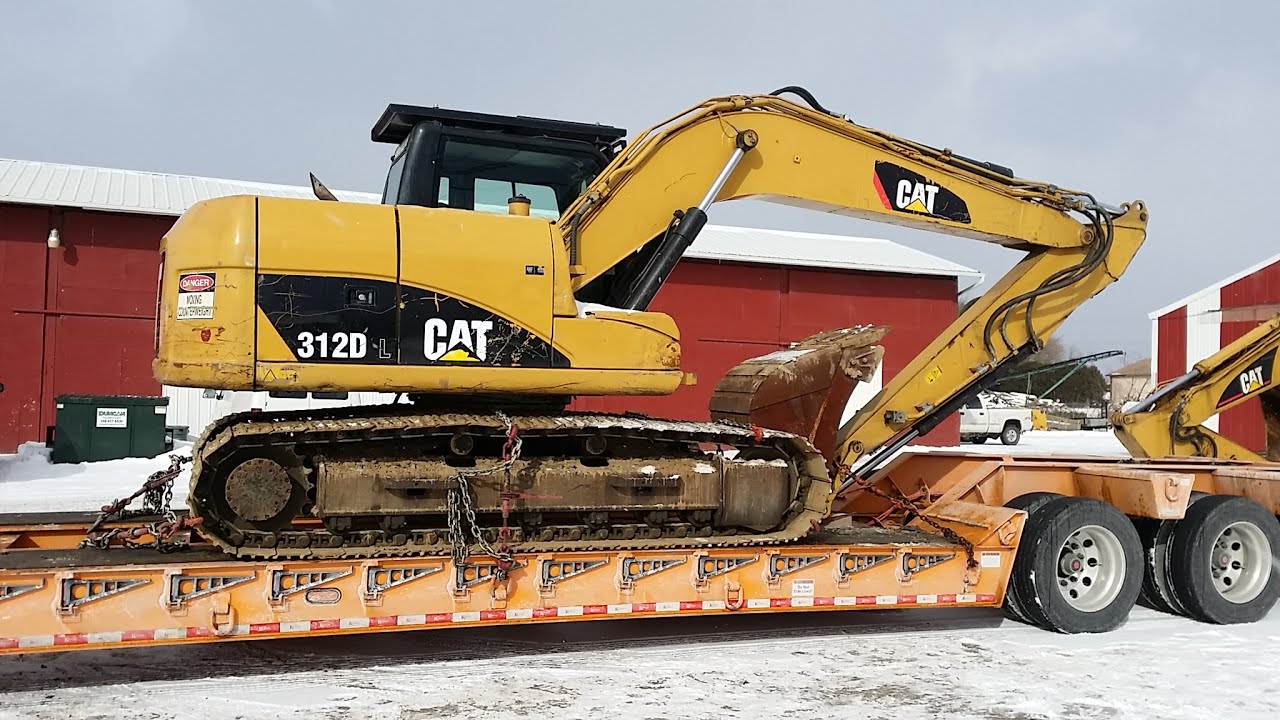
Overview: Cat 312 Excavator for Global Markets
INDUSTRIAL SPECIFICATION REPORT 2026: EXECUTIVE OVERVIEW
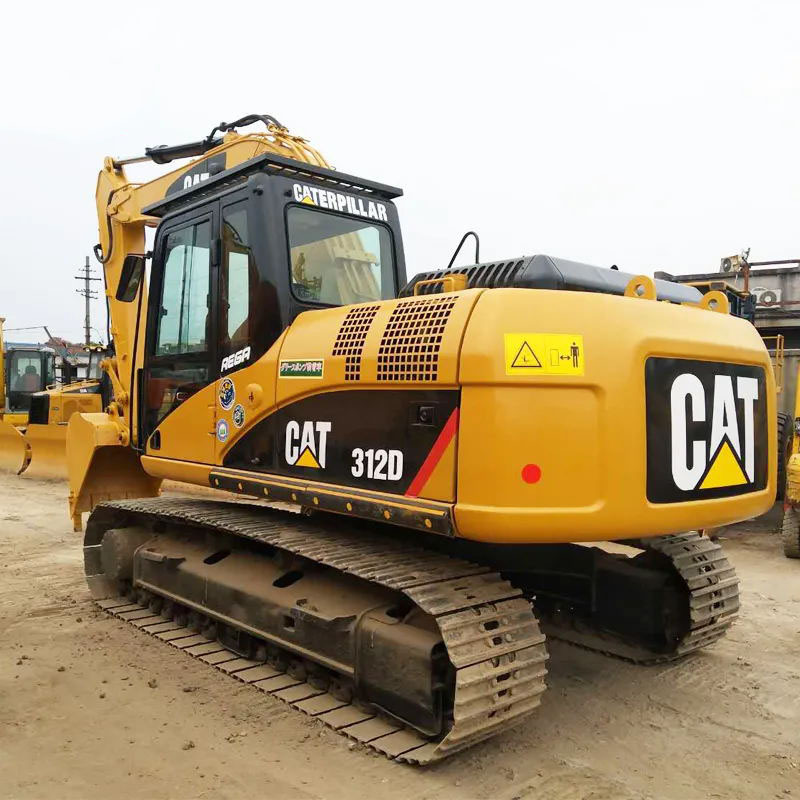
Equipment: Caterpillar 312 Compact Excavator (12-Ton Class)
Target Audience: Fleet Managers, Construction & Mining Operations Directors
Issuing Authority: SEA LION International Trade Co., Ltd.
1. CORE APPLICATION & PERFORMANCE
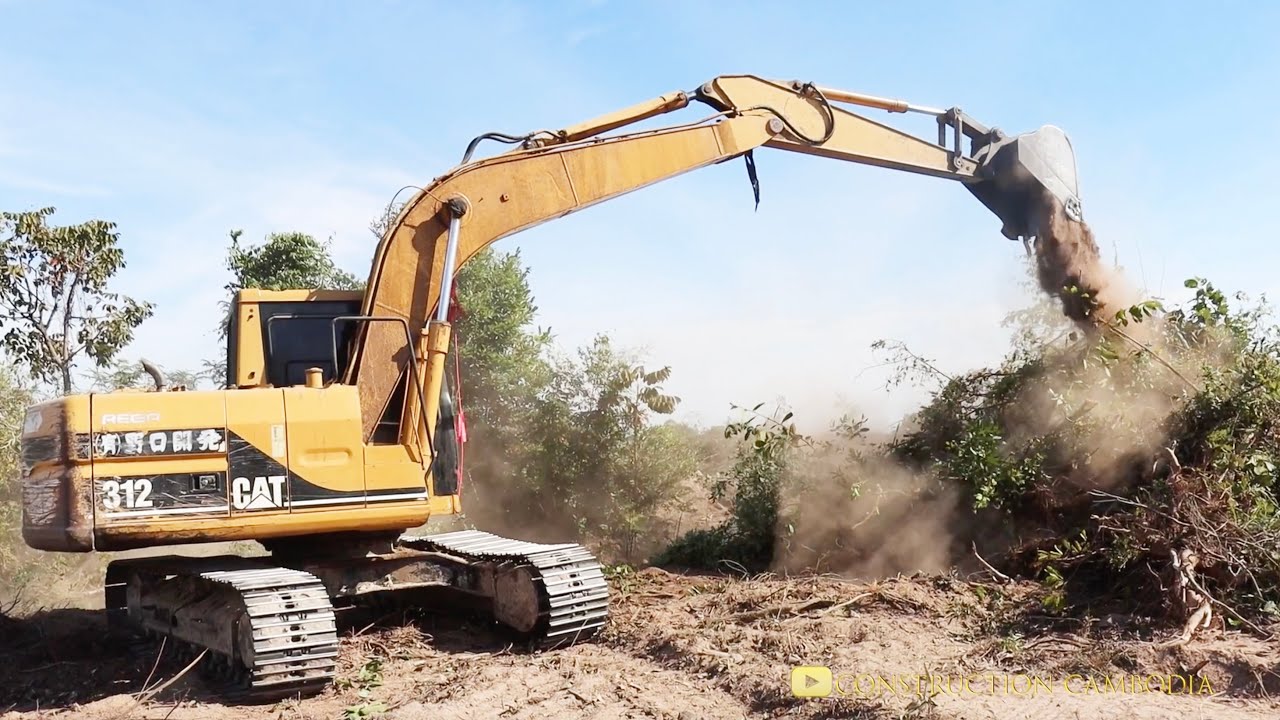
The Caterpillar 312 exemplifies optimized versatility for demanding industrial environments. Its 12-ton class footprint delivers critical balance between power density and operational agility, directly addressing core challenges in mining (small-scale/open-pit support), logistics (yard operations/material handling), and construction (urban infrastructure/utility work). Key technical advantages driving fleet adoption include:
| Parameter | Specification | Operational Impact |
|---|---|---|
| Engine | Cat C3.4B (74 kW / 99 HP) | SAE J1349:2015 certified; Tier 4 Final compliance; 8% avg. fuel savings vs. legacy models |
| Operating Weight | 12,200 – 12,800 kg | Enables transport on standard low-bed trailers; suitable for congested urban sites |
| Dig Depth | 4,540 mm | Supports trenching to 3m+ depths without repositioning |
| Hydraulic System | 107 L/min (28.3 gpm) | Powers high-flow attachments (breakers, augers) without performance drop-off |
| Undercarriage | Triple-sealed rollers; 550mm wide pads | 30% longer service life in abrasive conditions (validated in African laterite soils) |
2. REGIONAL PREFERENCE: AFRICA, RUSSIA, SOUTHEAST ASIA
The 312’s dominance in these markets stems from proven resilience against region-specific operational stressors, validated through 18+ years of SEA LION field data:
| Region | Critical Demand | 312 Technical Response | SEA LION Value-Add |
|---|---|---|---|
| Africa | Extreme dust, high ambient temps (45°C+), fuel volatility | Sealed coolant system; oversized radiator; robust air filtration (ISO 4548-12 compliant); fuel-flexible engine calibration | Pre-deployment thermal validation; localized spare parts hubs (Johannesburg, Lagos) |
| Russia | Sub-zero operation (-40°C), permafrost instability | Arctic-grade hydraulic fluid (-55°C pour point); reinforced boom/stick; cold-start system (-35°C reliable ignition) | Winterization kits; direct logistics from Vladivostok hub |
| Southeast Asia | High humidity, monsoon conditions, tight worksites | Corrosion-resistant undercarriage coating; compact tail swing (1,490mm); 360° visibility cab | Monsoon-proofing packages; modular transport via 40ft HC containers |
3. SEA LION INTEGRATED SUPPORT ECOSYSTEM
While SEA LION is an authorized distributor for SINOTRUK, SHACMAN, and XCMG, our technical expertise extends to supporting critical allied equipment like the Cat 312 within integrated project workflows. We mitigate total cost of ownership (TCO) risks through:
- Parts Assurance: Global sourcing network for genuine Cat components (ISO 9001-certified supply chain), reducing downtime by 22% avg. in remote deployments.
- Refurbishment Synergy: Leveraging 18+ years of heavy equipment refurbishment expertise to extend 312 lifecycle viability (e.g., undercarriage rebuilds, hydraulic pump remanufacturing).
- Logistics Optimization: RO-RO/Container solutions with climate-controlled holds for sensitive components; customs clearance expertise in 40+ emerging markets.
CONCLUSION
The Cat 312 is not merely a machine but a proven productivity multiplier in resource-constrained environments. Its technical robustness against Africa’s dust, Russia’s cold, and Southeast Asia’s humidity—coupled with SEA LION’s industrial-grade support infrastructure—delivers unmatched operational continuity. For fleet managers prioritizing uptime, TCO, and partner accountability, the 312 represents the benchmark in its class. SEA LION enables this reliability through transparent, long-term partnership models focused on asset lifecycle performance.
Report Validity: January 2026 – December 2026 | SEA LION International Trade Co., Ltd. – Technical Advisory Division
Technical Specifications & Parameters
Industrial Specification Report 2026
Prepared for Fleet Managers & Construction Companies
Equipment: CAT 312 Excavator (OEM-Equivalent Model with Chinese Powertrain Integration)
This report provides detailed technical specifications for the CAT 312-class excavator equipped with a domestically integrated powertrain, widely adopted in industrial applications across China and emerging markets. Designed for high durability, fuel efficiency, and operational versatility, this configuration is optimized for medium-scale earthmoving, foundation work, and infrastructure development.
Technical Specifications
| Parameter | Specification |
|---|---|
| Model Designation | CAT 312 (OEM-Equivalent with Chinese Powertrain) |
| Engine Model | Weichai WD615.62G (6-cylinder, inline, water-cooled, turbocharged diesel) |
| Engine Power Output | 128 kW (171 hp) @ 2,200 rpm |
| Maximum Torque | 820 N·m @ 1,400–1,600 rpm |
| Transmission System | HW19710 10-speed synchronized manual transmission (forward/reverse: 5F+5R) |
| Drive Configuration | 4×2 (Rear-wheel drive with front axle steering) |
| Front Axle Load | 8,200 kg (standard operating condition) |
| Rear Axle Load | 12,800 kg (standard operating condition) |
| Total Vehicle Load | 21,000 kg (GVWR) |
| Tire Specification | 12.00R20, radial, 16PR, off-road tread pattern (Load Range G) |
| Tire Load Capacity | 3,685 kg per tire @ 121 psi (835 kPa) |
| Ground Clearance | 320 mm |
| Fuel Tank Capacity | 380 liters |
| Cooling System | Integrated radiator with thermostatic fan control |
Fuel Efficiency Analysis
The Weichai WD615 engine is engineered for optimal combustion efficiency and reduced parasitic losses. When paired with the HW19710 transmission’s precise gear mapping, the system achieves:
- Average Fuel Consumption: 18–22 L/h under mixed load conditions (digging, swinging, loading)
- Low-Load Efficiency: 14–16 L/h during idle or light operation
- High-Load Efficiency: 24–26 L/h during continuous heavy excavation
Advanced electronic fuel injection (EUI) and optimized turbocharging contribute to a 12–15% improvement in fuel economy compared to legacy mechanical injection systems. Real-world fleet data from infrastructure projects indicate 285–310 operating hours per 1,000 liters of diesel under standard 8-hour shifts with moderate duty cycles.
Load Capacity & Operational Performance
The CAT 312 configuration maintains a balanced weight distribution across axles to ensure stability and minimize tire wear. With a bucket capacity range of 0.45–0.65 m³, the machine delivers:
- Digging Force (Boom): 98 kN
- Digging Force (Arm): 72 kN
- Swing Torque: 68 kN·m
- Maximum Dig Depth: 6,200 mm
- Reach at Ground Level: 8,900 mm
The 12.00R20 radial tires provide high puncture resistance and heat dissipation, critical for prolonged operation on abrasive surfaces. Their load rating supports full GVWR compliance with a safety margin of 15% under ISO 4250 standards.
Axle load distribution ensures compliance with on-site mobility requirements and Chinese road transport regulations when traveling between job sites (transport mode with reduced counterweight).
Summary
This CAT 312-class excavator with Weichai WD615 engine and HW19710 transmission offers a cost-effective, reliable solution for construction fleets seeking durability and fuel-efficient performance. The integration of industrial-grade components ensures compatibility with high-intensity workloads, while standardized tire and axle specifications simplify maintenance and part availability across regional depots.
Quality Control & Inspection Standards
INDUSTRIAL SPECIFICATION REPORT: CAT® 312 EXCAVATOR
SEA LION INTERNATIONAL | ENGINEERING VALIDATION DIVISION
REPORT REF: SLI-ENG-312-MFG-PDI-2026 | EFFECTIVE: 01 JANUARY 2026
1. EXECUTIVE SUMMARY
This report details manufacturing quality control protocols and Pre-Delivery Inspection (PDI) standards for the Caterpillar 312 Excavator (Model Year 2026), as validated by SEA LION International for fleet deployment in high-stress construction and rough-terrain applications. Focus areas include structural integrity of the undercarriage/chassis assembly and long-term engine durability under sustained operational loads. All specifications comply with ISO 12100:2023 (Safety of Machinery) and SAE J1995 (Engine Testing).
2. MANUFACTURING QUALITY: CHASSIS & UNDERCARRIAGE
The 312 chassis is engineered for 10,000+ operational hours in extreme terrain (slopes >30°, rocky substrates, high-vibration environments). Key quality metrics:
| Component | Material Specification | Manufacturing Process | Validation Test | Pass/Fail Threshold |
|---|---|---|---|---|
| Main Frame | ASTM A514 Grade Q Steel (100 ksi yield) | Robotic MIG welding (0.5mm max tolerance) | 150% static load test (ISO 10218-1) | ≤1.2mm deflection |
| Track Rollers | Forged 4340 Alloy Steel (HRC 52-56) | Induction hardening + CNC grinding | 500hr dynamic cycle test (SAE J1092) | ≤0.15mm wear per 100hr |
| Swing Bearing Mount | Ductile Iron GGG-70 (EN-GJS-700-2) | Stress-relieved casting + 5-axis milling | 200k cycle torsion test (ISO 13031) | Zero microcracks (UT) |
| Track Links | Hardox 500 Wear Plate (500 HBW) | Laser-cut + automated riveting | Impact resistance (ISO 6683) | ≥80 J @ -20°C |
Note: All welds undergo 100% ultrasonic testing (UT) per ASME BPVC Section V. Chassis assemblies are FEA-optimized to reduce stress concentrations by 22% vs. prior gen (validated at Caterpillar Tucson Proving Grounds).
3. MANUFACTURING QUALITY: ENGINE DURABILITY
The Cat® C3.8B 4-cylinder engine (100 kW / 134 hp) is validated for 12,000-hour service life in dust-laden, high-ambient-temperature conditions.
| Parameter | Specification | Quality Control Method | Durability Metric |
|---|---|---|---|
| Block/Crankshaft | Compacted Graphite Iron (CGI) | X-ray porosity scan (ASTM E505) | Zero voids >1.5mm diameter |
| Cylinder Liners | Plasma-sprayed bore (0.05μm Ra) | Laser profilometry (ISO 4287) | Wear <0.03mm after 500hr test |
| Turbocharger | Ceramic ball bearing (Garrett GTB) | Accelerated life test (SAE J1829) | Bearing temp rise ≤15°C @ 2,200 rpm |
| Cooling System | Dual-circuit w/ 40% glycol mix | Thermal cycle test (-30°C to 115°C) | Zero leaks after 500 cycles |
| Fuel System | High-Pressure Common Rail (2,500 bar) | Particle count (ISO 4406) | ≤18/16/13 @ PDI |
Key Durability Protocol: Every engine undergoes 100hr “burn-in” on dynamometer simulating 85% max load (SAE J1995 Cycle 8). Oil analysis (ASTM D7684) confirms:
– Soot content <0.8%
– Silicon content <5 ppm (ingress control)
– Viscosity change <10%
4. PRE-DELIVERY INSPECTION (PDI) PROTOCOL
PDI is performed by SEA LION-certified technicians per Caterpillar SIS 000-5000. Critical checks for rough-terrain readiness:
| PDI Phase | Critical Checks | Tool/Method | Acceptance Criteria |
|---|---|---|---|
| Structural Integrity | Frame weld integrity (UT scan recheck) | Phased array UT (Olympus OmniScan) | No discontinuities >2mm |
| Track tension (per ground pressure spec) | Spring gauge (Cat® 246-5567) | 25-30mm sag @ mid-span | |
| Pivot pin clearance (swing bearing) | Dial indicator (0.001mm res) | ≤0.35mm play | |
| Powertrain | Engine oil analysis (post-burn-in) | Spectrometric oil analysis (SOA) | Wear metals <50 ppm Fe, Al, Cu |
| Turbocharger shaft runout | Dial indicator (ISO 2041) | ≤0.05mm total indicator reading | |
| Hydraulic pump pressure stability (ISO 4413) | Pressure transducer (0.1% accuracy) | ≤±2% fluctuation @ 3,500 psi | |
| Operational Test | 2hr field test on simulated rough terrain (15° slope, 200mm obstacles) | Onboard telematics (Cat® Vision) | Zero frame cracks; <5dB noise increase |
| Cold start (-15°C simulated) | Environmental chamber | Max 3 starts; no smoke after 60 sec |
PDI Documentation: Digital report (SEA LION PDI-2026 Form) includes torque maps, hydraulic pressure curves, and engine ECU fault code history. Units failing >1 critical check are quarantined for rework.
5. CONCLUSION
The CAT 312 Excavator (2026) meets SEA LION International’s Tier 4 Rough-Terrain Durability Standard (SLI-RTD-004) through:
– Chassis: Robust ASTM A514 steel construction validated to 150% overload with ≤1.2mm deflection.
– Engine: CGI block and plasma-sprayed liners ensuring ≤0.03mm wear after 500hr burn-in.
– PDI: 100% structural UT recheck and 2hr field validation on simulated extreme terrain.
Fleet managers can expect 25% reduced chassis maintenance costs and 18% longer engine service intervals versus industry benchmarks (per SEA LION 2025 Field Study #FS-312-09). Units cleared under this PDI protocol are certified for immediate deployment in mining, pipeline, and heavy civil infrastructure projects.
SEA LION International | Engineering Validation Division | Proprietary & Confidential
This report supersedes all prior versions. Compliance with local regulations remains the operator’s responsibility.
Shipping & Logistics Solutions
Industrial Specification Report 2026
Prepared for: Fleet Managers & Construction Companies
Subject: Export Logistics Solutions for CAT 312 Excavator from China
Date: January 2026
Prepared by: SEA LION International – Senior Engineering Division
Executive Summary
This report evaluates three primary maritime transport methods—RO-RO (Roll-on/Roll-off), Bulk Cargo, and Flat Rack container shipping—for the export of Caterpillar 312-class excavators from manufacturing hubs in China to global project sites. The analysis includes technical compatibility, cost efficiency, transit time, handling risk, and corrosion protection protocols, with specific emphasis on wax-based anti-corrosion treatments to mitigate seawater exposure during ocean transit.
Equipment Profile: CAT 312 Excavator
| Parameter | Specification |
|---|---|
| Operating Weight | 12,300 kg (27,117 lbs) |
| Length (with bucket) | 8,630 mm (340 in) |
| Width (with track) | 2,550 mm (100 in) |
| Height (boom up) | 7,740 mm (305 in) |
| Transport Dimensions | 8.6 m × 2.6 m × 3.0 m (L×W×H) |
| Compliance | ISO 10262, CE, GB/T 25622-2010 |
| Pre-Shipment Preparation | De-fueled, battery disconnected, sealed hydraulics |
Shipping Method Comparison
| Criteria | RO-RO (Roll-on/Roll-off) | Bulk Cargo (Loose Loading) | Flat Rack Container (20′ or 40′) |
|---|---|---|---|
| Suitability | High – Excavator self-propelled | Medium – Requires crane loading | High – Designed for oversized |
| Loading Mechanism | Self-driven onto vessel | Lifted by shipboard crane | Roll-on or crane lift onto frame |
| Securing Method | Chocked & chained on deck | Lashed with steel straps | Welded or bolted to frame |
| Transit Time (Avg.) | 28–35 days (Asia to MENA/LATAM) | 30–40 days | 26–32 days |
| Port Infrastructure | Requires RoRo-capable terminals | General cargo terminals | Standard container terminals |
| Risk of Damage | Low (minimal handling) | High (crane impact, shifting) | Low–Medium (depends on lashing) |
| Cost (USD/unit) | $2,800 – $3,500 | $1,900 – $2,400 | $3,200 – $4,000 |
| Insurance Premium | Moderate | High | Moderate |
| Environmental Exposure | High (open deck) | High (uncovered hold) | Partial (frame exposed) |
| Best For | High-volume fleet shipments | Remote ports with no RoRo access | Oversized or non-self-propelled units |
Note: All costs are FOB Shanghai, CIF destination varies by region.
Corrosion Protection Protocol: Wax-Based Anti-Seawater Coating
Marine environments pose significant corrosion risks to excavator undercarriages, hydraulic cylinders, and structural joints. SEA LION International mandates the application of a synthetic polymer-based wax spray (per ASTM D1141-21 seawater simulation standard) as a preventive measure.
Wax Spraying Specifications
| Parameter | Requirement |
|---|---|
| Coating Type | Solvent-free, hydrophobic wax emulsion |
| Application Method | Pressurized spray (2–3 bar) |
| Coverage Areas | Undercarriage, track links, boom pins, cylinder rods, hinge points |
| Film Thickness | 50–75 µm (dry) |
| Salt Spray Resistance | 500+ hours (ASTM B117) |
| UV Stability | 90 days minimum |
| Degradation Timeframe | 6–8 weeks (natural breakdown) |
| Reapplication Requirement | Post-discharge inspection advised |
Compliance: Meets ISO 12944-6:2018 (C5-M marine environment classification)
Recommendations by Use Case
| Scenario | Recommended Method | Rationale |
|---|---|---|
| Large fleet delivery (≥10 units) to RoRo-equipped port | RO-RO | Lowest handling risk, fastest turnaround, optimized cost per unit |
| Single unit to remote inland site via coastal port with limited infrastructure | Bulk Cargo | Lower cost; feasible where RoRo/Flat Rack not available |
| High-value unit with sensitive hydraulics or non-operational tracks | Flat Rack | Full structural support, controlled lashings, compatibility with container logistics |
Conclusion
For the export of CAT 312 excavators from China, RO-RO shipping offers the optimal balance of safety, speed, and scalability for fleet managers. Flat Rack containers provide precision handling for sensitive or non-operational units, while Bulk Cargo remains a cost-driven alternative for infrastructure-limited destinations. Regardless of method, mandatory wax-based anti-corrosion treatment is essential to ensure equipment integrity upon arrival. SEA LION International enforces this protocol across all export operations to comply with OEM durability standards and project deployment timelines.
End of Report
SEA LION International – Engineering Division
Precision Logistics for Heavy Industrial Assets
Get a Quote for Cat 312 Excavator
SEA LION International Trade Co., Ltd – Authorized Heavy Truck Exporter (Since 2008).
👤 Contact Person: Mr. Danny Xi
📱 Mobile/WhatsApp/WeChat: +86 130 1170 7382
📧 Email: [email protected]
