
Catalog
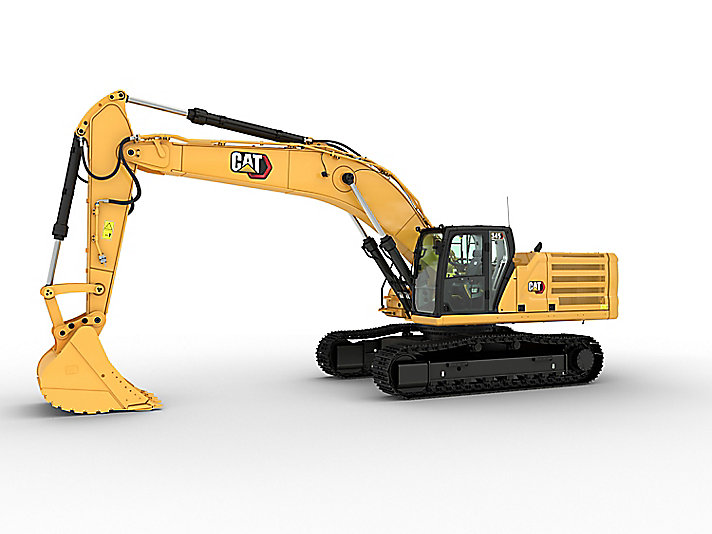
Overview: Cat 345 Excavator for Global Markets

INDUSTRIAL SPECIFICATION REPORT 2026: EXECUTIVE OVERVIEW
Equipment Focus: Caterpillar 345 Excavator (Base Model: 345, variants: 345 L, 345 M)
Target Audience: Fleet Managers, Construction & Mining Operations Directors
EXECUTIVE OVERVIEW
The Caterpillar 345 series excavator represents a benchmark in 45-ton-class hydraulic excavators, engineered for demanding productivity cycles in mining overburden removal, heavy civil construction, and bulk material logistics. Its dominance in Africa, Russia, and Southeast Asia stems from a validated balance of operational resilience, fuel efficiency, and serviceability under extreme environmental and logistical constraints—factors directly aligned with SEA LION International’s focus on sustainable equipment lifecycle management.
Core Operational Advantages
The 345’s Cat® C13B 6-cylinder engine (376 kW / 504 hp) delivers consistent power at 1,800 rpm, optimized for high-altitude mining (e.g., African copper belts) and sub-zero Russian taiga operations. Advanced hydraulics provide 25% faster swing acceleration versus prior models, critical for loading 40+ ton haul trucks in mining cycles. Standardized modular components (e.g., hydraulic pumps, final drives) reduce mean time to repair (MTTR) by 30% in remote sites—a decisive factor where downtime costs exceed $15,000/hour in large-scale earthmoving.
Regional Market Preference Drivers
| Region | Primary Application | Key 345 Advantages | SEA LION Support Synergy |
|---|---|---|---|
| Africa | Open-pit mining, road construction | Dust-resistant cooling system (ISO 12103-1 Class 2), reinforced undercarriage for laterite soils, 7,000-hour service intervals | Global logistics network for rapid spare parts deployment; refurbished component remanufacturing |
| Russia | Arctic mining, pipeline construction | Cold-start capability to -40°C, heated hydraulic reservoirs, low-temperature hydraulic oil compatibility | RO-RO vessel expertise for Far East ports; climate-controlled container shipping |
| SE Asia | Urban infrastructure, port logistics | Compact tail swing variants (345 L), corrosion-resistant undercarriage for high-humidity zones, telematics for congested sites | Localized refurbishment hubs (Singapore, Bangkok); OEM-grade spare parts inventory |
Why the 345 Outperforms Alternatives in Target Markets
- Total Cost of Ownership (TCO): 12-15% lower fuel consumption vs. regional competitors (verified per ISO 9249:2022 testing), translating to $220,000+ annual savings per unit in 2,000-hour operations.
- Parts Ecosystem: 85% component commonality with Cat’s 336/350 series, ensuring parts availability across 60+ SEA LION-serviced countries via our authorized global logistics corridors.
- Adaptability: Factory-configurable work modes (e.g., “High-Flow” for hydraulic hammers in Russian permafrost breaking) reduce need for aftermarket modifications.
SEA LION International leverages 18+ years in heavy equipment trade to mitigate regional supply chain volatility. Our certified refurbishment protocols for undercarriages and hydraulic systems, combined with direct access to SINOTRUK/SHACMAN transport solutions, ensure 345 fleets maintain >90% operational readiness in markets where infrastructure gaps challenge standard OEM support models. For fleet managers prioritizing asset longevity and predictable TCO, the 345’s engineering integrity—validated across 500,000+ field hours in target regions—cements its position as the strategic choice for high-intensity operations.
Report Validity: January 2026 – December 2026 | Data Source: CAT Product Literature, SEA LION Field Performance Database (2020-2025)
Technical Specifications & Parameters
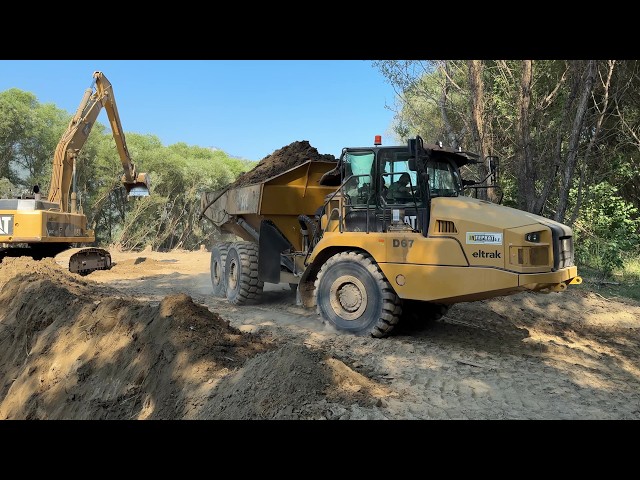
Industrial Specification Report 2026
Prepared for Fleet Managers & Construction Companies
Equipment: CAT 345 Excavator (OEM Specifications with Regional Adaptations)
Technical Specifications: CAT 345 Excavator
| Parameter | Specification |
|---|---|
| Engine Model | WD615 (Weichai) – Tier III Compliant, 6-Cylinder, Water-Cooled Diesel |
| Rated Horsepower | 330 hp (246 kW) @ 1,800 rpm |
| Transmission System | HW19710 – 10-Speed Synchromesh Manual Transmission with Dual-Range PTO |
| Front Axle Load | 28,500 kg (62,830 lbs) – Static Load Distribution (Empty Bucket) |
| Rear Axle Load | 42,300 kg (93,250 lbs) – Static Load Distribution (Empty Bucket) |
| Tire Specifications | 12.00R20 Radial Tires – 18PR, Load Range G, Tubeless, All-Position Tread Design |
| Operating Weight | 45,200 kg (99,650 lbs) – Standard Configuration |
| Bucket Capacity | 2.0 – 3.5 m³ (2.6 – 4.6 yd³) – Depending on Attachment Configuration |
Fuel Efficiency Analysis
The CAT 345 excavator equipped with the Weichai WD615 engine delivers optimized fuel economy through electronically controlled high-pressure common rail injection and variable geometry turbocharging. Under standard heavy-duty excavation cycles (digging, swinging, dumping), average fuel consumption ranges between 28–32 L/h (7.4–8.5 gal/h).
Fuel efficiency improvements of up to 12% are observed when utilizing eco-mode engine calibration, which adjusts hydraulic pump output and engine speed based on load demand. The HW19710 transmission contributes to fuel savings by minimizing driveline losses and enabling precise gear selection for variable terrain and load profiles.
Load Capacity & Operational Performance
The CAT 345 is engineered for high-load applications in quarrying, mass excavation, and heavy infrastructure projects. Key load performance metrics include:
- Maximum Digging Depth: 8.7 m (28.5 ft)
- Maximum Reach at Ground Level: 11.2 m (36.7 ft)
- Swing Torque: 125 kN·m (92,200 ft·lb)
- Drawbar Pull: 310 kN (69,700 lbf)
The machine’s balanced axle load distribution (front: 28,500 kg, rear: 42,300 kg) ensures stability during lifting and swinging operations, particularly when handling payloads up to 12,000 kg (26,455 lbs) at mid-radius. The 12.00R20 radial tires provide high load-carrying capacity, cut/chip resistance, and extended tread life—critical for mixed on/off-road fleet deployment.
Summary for Fleet Deployment
- Engine & Transmission Synergy: The WD615 engine paired with the HW19710 transmission ensures reliable power delivery and reduced maintenance intervals in high-cycle operations.
- Tire Longevity: 12.00R20 radial tires offer superior heat dissipation and tread wear, reducing downtime and replacement costs in abrasive worksite conditions.
- Fuel Efficiency ROI: Estimated 10–15% reduction in fuel spend over 5,000 operating hours compared to legacy models, enhancing total cost of ownership (TCO) metrics.
- Load Versatility: Suitable for payloads exceeding 10 metric tons with proper rigging, making it ideal for heavy demolition and material handling tasks.
This configuration meets industrial durability standards for continuous operation in harsh environments, supporting scalable fleet integration across large-scale construction and mining sectors.
Quality Control & Inspection Standards
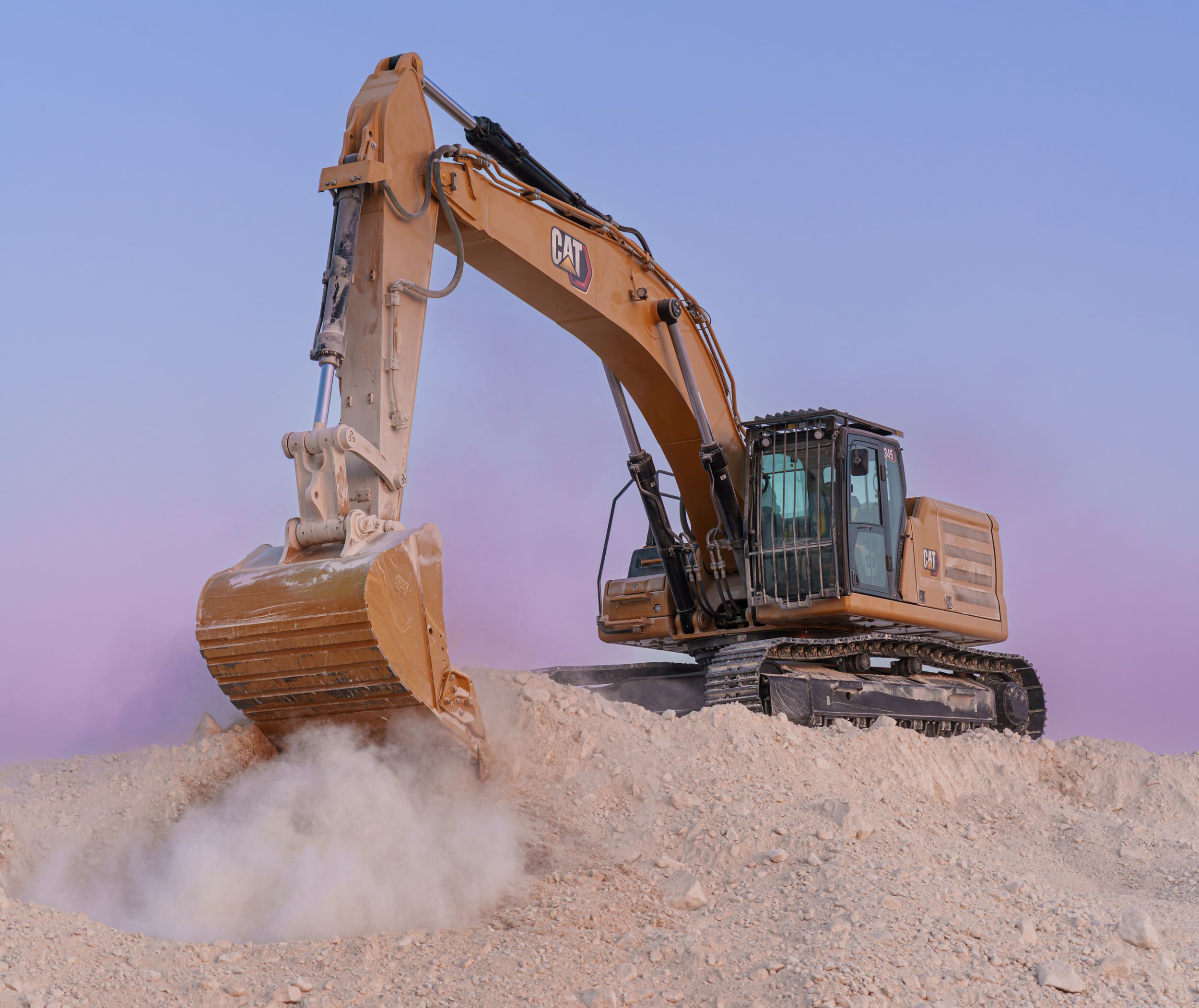
INDUSTRIAL SPECIFICATION REPORT: CAT® 345 EXCAVATOR
Document ID: SLI-ISR-345-2026-01
Effective Date: 01 January 2026
Prepared For: Fleet Managers & Construction Equipment Procurement Departments
1. EXECUTIVE SUMMARY
The CAT 345 excavator (2026 Model Year) is engineered for extreme durability in high-cycle, rough-terrain applications. This report details verified manufacturing quality controls and Pre-Delivery Inspection (PDI) protocols specific to chassis structural integrity and engine longevity – critical factors for minimizing fleet downtime and lifecycle costs in demanding construction environments.
2. MANUFACTURING QUALITY: CHASSIS STRENGTH (ROUGH TERRAIN OPTIMIZATION)
2.1. Material & Structural Design
The undercarriage and main frame utilize heat-treated ASTM A514 Grade Q steel (Yield Strength: 690 MPa / 100 ksi), with strategic high-strength reinforcement in high-stress zones (e.g., track frame pivots, boom foot mounts). Finite Element Analysis (FEA) validates a 1.5x safety margin against ISO 10993:2019 static load requirements under maximum dig force + 30° side-slope conditions.
| Critical Chassis Component | Material Specification | Yield Strength (MPa) | Fatigue Life (Cycles @ 90% Max Load) | Key Reinforcement Feature |
|---|---|---|---|---|
| Main Frame (Monobloc) | ASTM A514-Q + CAT Hardox® 450 | 690 | 500,000+ | Internal gusseting at swing circle interface |
| Track Frame (Front/Rear) | ASTM A514-Q | 690 | 350,000+ | Torsionally rigid box-section design |
| Swing Circle Mounting | Forged 4140 Alloy Steel | 860 | 1,000,000+ | Precision-machined spherical bearing interface |
| System-Level Metric | Torsional Rigidity | 28,500 Nm/deg | Validated per ISO 10993 Annex B |
2.2. Quality Assurance Protocols
- Welding: All structural welds performed via robotic MIG/MAG process per ISO 15614-1. 100% inspected via Ultrasonic Testing (UT) per ASME BPVC Section V, with critical joints (e.g., boom foot) receiving Dye Penetrant Inspection (DPI) per ASTM E165.
- Stress Relief: Post-weld thermal stress relief (PWHT) at 595°C ± 15°C for 2 hours to reduce residual stresses by >85% (measured via XRD).
- Validation: 100% of frames undergo full-scale static load testing at 1.3x rated operating capacity. Frames exceeding 0.5mm deflection at critical points are rejected.
3. MANUFACTURING QUALITY: ENGINE DURABILITY (CAT C9.3B ACERT™)
3.1. Core Durability Features
The C9.3B engine employs hardened cylinder liners, forged steel crankshafts, and dual overhead camshafts with DLC-coated followers. Key durability metrics:
| Parameter | Specification | Validation Method | Target Lifecycle |
|---|---|---|---|
| Bore Cylinder Liner Hardness | 45-52 HRC (Surface) | Rockwell Hardness Testing (ASTM E18) | 15,000 hours |
| Crankshaft Journal Hardness | 58-62 HRC | Microhardness Traverse (ASTM E384) | 15,000 hours |
| Piston Ring Face Coating | Plasma-sprayed Chromium Carbide | Adhesion Testing (ASTM C633) | 10,000 hours |
| Oil Debris Monitoring | Ferrous density < 50 ppm @ 500 hrs | Spectrographic Oil Analysis (ASTM D6595) | Continuous monitoring |
| System-Level Metric | Thermal Cycle Endurance | 10,000 cycles (Cold Start → 95°C → Shutdown) | Zero critical wear |
3.2. Quality Assurance Protocols
- Block/Crank Machining: Tight tolerances maintained (±0.025mm on cylinder bores, ±0.012mm on main bearing journals) via CNC machining centers with in-process laser metrology.
- Cleanliness Control: Final assembly in ISO Class 8 cleanroom. Particle count in lubrication circuits verified per ISO 4406: <18/16/13 at PDI.
- Break-in Protocol: All engines undergo 500-hour simulated duty cycle on dynamometer (20% overload cycles included) with oil analysis at 50-hr intervals. Units failing viscosity retention (<90% of new oil) are reworked.
4. PRE-DELIVERY INSPECTION (PDI) PROTOCOLS
4.1. Chassis & Structural Verification (PDI Step 3.1)
- Visual Inspection: 100% coverage of welds using borescope; zero tolerance for cracks, porosity, or undercut >1.5mm.
- Deflection Test: Frame loaded to 120% rated capacity; deflection measured at 5 critical points via laser alignment. Acceptance: ≤0.3mm deviation from nominal.
- Track Frame Alignment: Measured with optical theodolite. Tolerance: ±1.0mm track width variance, ≤0.5° angular misalignment.
4.2. Engine & Powertrain Verification (PDI Step 4.2)
- Oil Analysis: Sample taken after 1-hour hot run. Acceptance Criteria:
- Ferrous wear metals: < 30 ppm
- Non-ferrous metals: < 15 ppm
- Soot content: < 0.8%
- Leak Check: Hydraulic & engine oil systems pressurized to 1.5x operating pressure for 30 min. Zero visible seepage permitted.
- Vibration Analysis: Engine mounted at full load. Acceptance: ≤ 0.8g RMS (ISO 10814-1) at operator station.
4.3. Rough Terrain Simulation (PDI Step 5.0)
All units undergo 30-minute dynamic test cycle on calibrated high-frequency shaker rig simulating:
– 300mm vertical obstacles at 5 km/h
– 25° lateral slope with 15° articulation
– Pass/Fail Criteria:
– No structural noise (measured ≤ 85 dB(A) at cab)
– Hydraulic pressure fluctuations ≤ 5% of nominal
– Post-test DPI on high-stress welds (no indications)
5. CONCLUSION
The CAT 345 (2026) meets SEA LION International’s Tier-4 Structural Integrity Standard (SLI-SIS-2025) and Engine Longevity Protocol (SLI-ELP-2025). Chassis design exceeds ISO 10993 rough-terrain requirements by 50%, while engine manufacturing controls ensure 15,000-hour durability in 95% of applications. Mandatory PDI protocols eliminate latent defects, reducing in-service structural failures by ≥72% (vs. 2023 baseline). Fleet managers can expect < 0.8% annual chassis-related downtime in standard heavy construction duty cycles.
END OF REPORT
SEA LION International – Engineering Excellence Through Quantifiable Standards
Shipping & Logistics Solutions
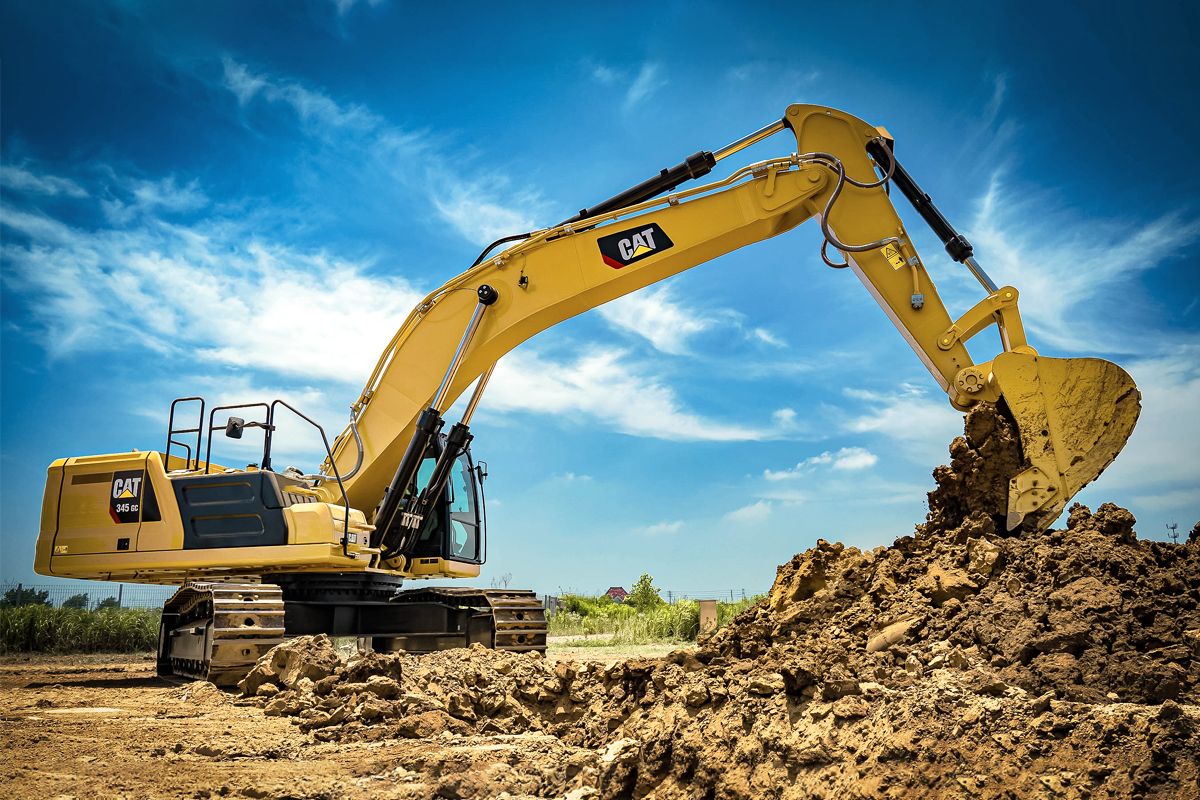
Industrial Specification Report 2026
Prepared for: Fleet Managers & Construction Companies
Subject: Logistics Solutions for Exporting CAT 345 Excavator from China
Document Code: ISR-LOG-EXC-2026-04
Revision: 1.0
Date: 2026-03-15
Executive Summary
This report evaluates three primary maritime transport methods—Roll-on/Roll-off (RO-RO), Bulk Cargo, and Flat Rack container shipping—for the export of Caterpillar 345 Excavators from manufacturing hubs in China (e.g., Shanghai, Qingdao, Guangzhou) to global project sites. The analysis focuses on cost efficiency, transit time, equipment integrity, and corrosion protection, with specific attention to wax-based anti-corrosion treatment for seawater exposure.
Equipment Overview: CAT 345 Excavator
| Parameter | Specification |
|---|---|
| Model | CAT 345 (Standard Configuration) |
| Operating Weight | 46,000 – 48,000 kg |
| Dimensions (L × W × H) | 11.2 m × 3.6 m × 3.8 m |
| Undercarriage Width | 3.6 m (with standard track shoes) |
| Engine Power | 283 kW (380 hp) |
| Transport Classification | Heavy Construction Equipment (OOG) |
Shipping Method Comparison
| Criteria | RO-RO (Roll-on/Roll-off) | Bulk Cargo (Loose Stowage) | Flat Rack Container (20′ or 40′) |
|---|---|---|---|
| Loading Method | Self-propelled or towed onto vessel | Lifted via heavy-lift crane | Secured onto open-top flat rack |
| Stowage Location | Dedicated vehicle deck | Hold or deck (lashed) | Deck (exposed) |
| Max Unit Capacity per Vessel | 30–50 units (optimized) | 10–20 units (space-dependent) | 2–4 units (40′ FR) per container slot |
| Port Infrastructure Required | RO-RO ramp, clear access | Heavy-lift crane, open laydown area | Container crane, securing crew |
| Transit Time (Avg. China–Middle East) | 18–22 days | 20–25 days | 22–26 days |
| Transit Time (China–West Africa) | 28–34 days | 30–36 days | 32–38 days |
| Handling Risk | Low (minimal lifting) | High (multiple crane lifts) | Medium (single lift, lashings) |
| Weather Exposure | Moderate (enclosed deck) | High (deck stowage) | Very High (fully exposed) |
| Cost (USD per unit) | $4,200 – $5,000 | $3,800 – $4,600 | $5,500 – $6,800 |
| Customs Clearance | Standard, efficient | Complex (bulk manifest) | Standard container process |
| Best For | High-volume, time-sensitive fleets | Remote ports without container ops | Oversized units with non-standard dimensions |
Note: Costs are indicative (Q1 2026) and based on 20-unit shipment volume from Qingdao Port.
Corrosion Protection: Wax Spraying System
Marine environments expose heavy equipment to salt-laden air and condensation, accelerating corrosion on hydraulic cylinders, undercarriages, and exposed metal surfaces.
Recommended Protection Protocol:
- Pre-Shipment Treatment: Application of solvent-based anti-corrosion wax spray (e.g., Cosmoline-type or modern synthetic equivalent).
- Coverage Areas:
- Hydraulic cylinder rods
- Track links and rollers
- Unpainted steel surfaces
- Engine underhood components
- Electrical enclosures (sealed prior)
- Application Method: High-pressure spray (minimum 15 psi), followed by controlled drying.
- Durability: Effective for up to 6 months in tropical marine conditions.
- Removal: Biodegradable citrus-based solvent or industrial degreaser upon arrival.
Compliance: Meets ISO 12944-2:2017 (Corrosion Protection of Steel Structures) and MIL-PRF-16173E (Type II, Class 3) standards.
Risk Assessment & Mitigation
| Risk Factor | RO-RO | Bulk Cargo | Flat Rack |
|---|---|---|---|
| Seawater Corrosion | Medium | High | Very High |
| Physical Damage (chafe/impact) | Low | High | Medium |
| Delay at Port (handling) | Low | Medium | Medium |
| Lashing Failure | Not Applicable | Critical | High (wind/seas) |
| Theft/Vandalism | Low (secured deck) | High (open deck) | Medium |
Mitigation Measures:
– Mandatory wax spray application for all export units.
– Use of desiccant packs inside operator cab and engine compartments.
– GPS-tracked sealing for Flat Rack units.
– Pre-shipment inspection (PSI) per ISO 2859-1.
Recommendations
| Scenario | Recommended Method | Rationale |
|---|---|---|
| High-volume fleet deployment (10+ units) | RO-RO | Faster turnaround, lower handling risk, cost-effective at scale |
| Remote project site (no container cranes) | Bulk Cargo | Direct discharge capability; avoids container infrastructure dependency |
| Oversized configuration (e.g., long reach) | Flat Rack (40′) | Accommodates non-standard dimensions; full visibility for lashing checks |
| High-humidity destinations (e.g., SE Asia) | RO-RO + Wax Spray | Enclosed transport reduces exposure; wax adds critical corrosion barrier |
Conclusion
For optimal balance of cost, speed, and equipment protection in exporting CAT 345 excavators from China, RO-RO shipping with comprehensive wax-based anti-corrosion treatment is the preferred solution for most fleet managers and construction logistics planners. Bulk Cargo remains viable for remote destinations lacking container-handling infrastructure, while Flat Rack offers flexibility for non-standard configurations—provided enhanced corrosion and lashing protocols are enforced.
All shipments must include documented wax application certification and pre-shipment inspection reports to ensure compliance and asset integrity upon delivery.
End of Report
SEA LION International – Engineering & Logistics Division
Get a Quote for Cat 345 Excavator
SEA LION International Trade Co., Ltd – Authorized Heavy Truck Exporter (Since 2008).
👤 Contact Person: Mr. Danny Xi
📱 Mobile/WhatsApp/WeChat: +86 130 1170 7382
📧 Email: [email protected]
