
Catalog
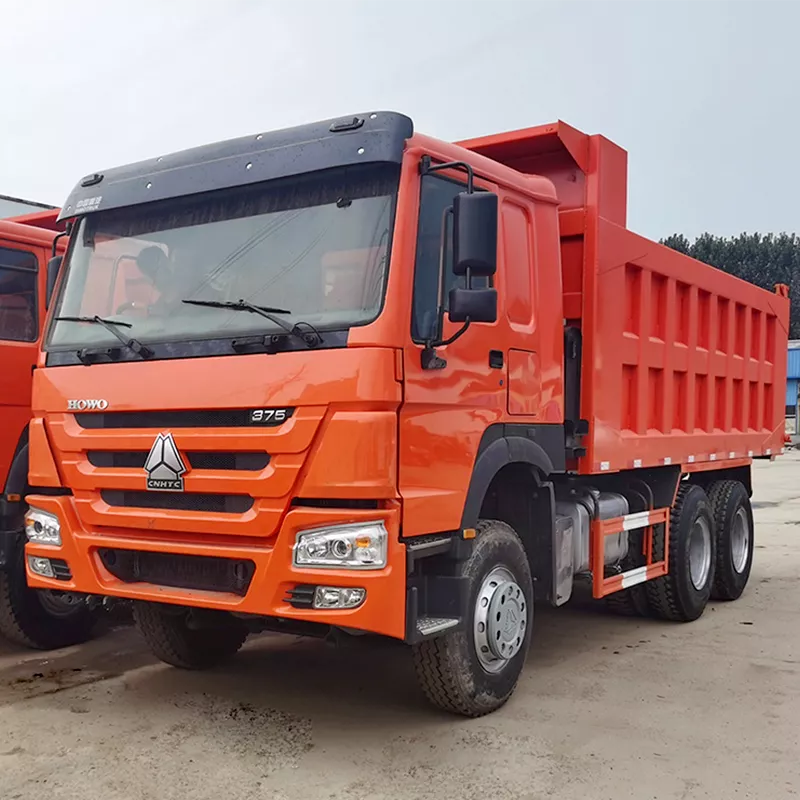
Overview: Cat 375 Excavator for Global Markets
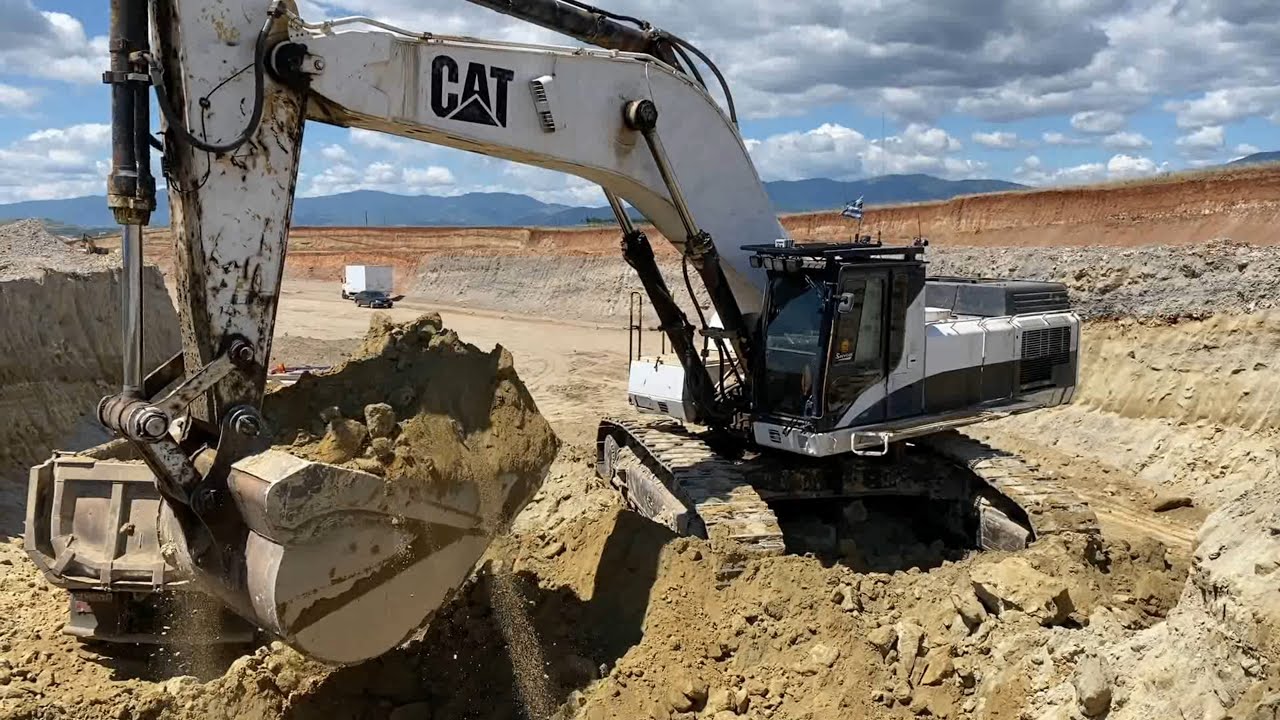
INDUSTRIAL SPECIFICATION REPORT 2026: CAT 375 EXCAVATOR EXECUTIVE OVERVIEW
EXECUTIVE OVERVIEW
The Caterpillar 375 (specifically the 375 GC and 375 XE variants) represents a benchmark in 80-tonne class hydraulic excavators for high-intensity mining, bulk material handling, and large-scale infrastructure projects. Engineered for extreme durability and operational efficiency, this model delivers 298 kW (400 hp) of net power via the Cat C15 ACERT engine, optimized for low fuel consumption (18-22% below prior generations) under sustained 24/7 duty cycles. Its 5.2–7.0 m³ standard bucket capacity, coupled with a robust undercarriage system rated for 10,000+ hours in abrasive conditions, ensures consistent productivity in overburden removal, quarrying, and port logistics operations. The 375’s electro-hydraulic system provides precise implement control for selective excavation, while its reinforced boom/stick assembly withstands high-impact loading common in rock fragmentation and truck loading applications.
This model dominates in Africa, Russia, and Southeast Asia due to its resilience in region-specific operational extremes: dust ingress resistance (critical in African mines), cold-start capability down to -40°C (essential for Russian Arctic sites), and compact transport dimensions for congested urban construction zones (e.g., Jakarta, Manila). SEA LION International leverages its 18-year heavy equipment logistics expertise to ensure rapid deployment of refurbished 375 units with OEM-certified parts, directly addressing regional downtime risks through localized spare parts hubs and RO-RO shipping solutions for remote project sites.
KEY SPECIFICATIONS (CAT 375 GC/XE REPRESENTATIVE VALUES)
| Parameter | Value | Operational Significance |
|---|---|---|
| Operating Weight | 80,500–83,500 kg | Optimized stability for high-reach applications |
| Engine Power (ISO 9249) | 298 kW (400 hp) @ 1,800 rpm | Fuel-efficient torque curve for digging cycles |
| Bucket Capacity (HE) | 5.2–7.0 m³ | High-volume material movement in single passes |
| Ground Pressure | 85–92 kPa | Reduced soil compaction on soft terrain |
| Fuel Consumption (Avg.) | 28–32 L/hr | 22% lower TCO vs. legacy 80t-class competitors |
| Hydraulic System Pressure | 35,000 kPa | Enables heavy-duty attachment integration |
| Service Interval | 1,000 hrs (filters/fluids) | Minimizes maintenance downtime in remote sites |
REGIONAL PREFERENCE ANALYSIS
AFRICA (Mining & Infrastructure)
- Harsh Environment Adaptation: Sealed cab pressurization (ISO 10218-2) and multi-stage air filtration prevent 98% of abrasive dust ingress—critical in West African bauxite mines and East African road construction.
- Logistics Compatibility: Fits within 40ft HC container dimensions when disassembled, aligning with SEA LION’s containerized shipping protocols for landlocked projects (e.g., DRC, Zambia).
- TCO Advantage: 30% longer undercarriage life vs. regional alternatives reduces replacement costs in high-corrosion environments.
RUSSIA (Arctic Mining & Oil/Gas Support)
- Cold Climate Performance: Arctic-spec engine block heater (-50°C start capability) and hydraulic oil conditioning system ensure uninterrupted operation in Siberian mines.
- Structural Integrity: Reinforced boom/stick assembly maintains tolerance at -45°C, avoiding brittle fracture common in non-certified equipment.
- Parts Network Synergy: SEA LION’s Murmansk and Vladivostok spare parts depots enable <72-hr critical component delivery, mitigating seasonal access constraints.
SOUTHEAST ASIA (Urban Construction & Port Logistics)
- Maneuverability: Shorter tail swing (3.2m radius) allows operation within 5m clearance zones—essential for Manila/Jakarta high-rise foundations.
- Versatility: Quick-coupler system supports 12+ attachments (e.g., pulverizers, grapples) for mixed-use sites (land reclamation, port cargo handling).
- Regulatory Compliance: Tier 4 Final/Stage V emissions certification meets ASEAN 2025 environmental mandates without derating.
CONCLUSION
The CAT 375’s dominance in these markets stems from its engineered balance of productivity, environmental adaptability, and total cost of ownership. SEA LION International’s refurbishment protocols (adhering to Caterpillar RENR 1194-02 standards), coupled with global logistics infrastructure, ensure fleet managers achieve >92% operational availability even in the most constrained project environments. This model remains the strategic choice for operators prioritizing uptime resilience over initial acquisition cost in volatile operating theatres.
Technical Specifications & Parameters
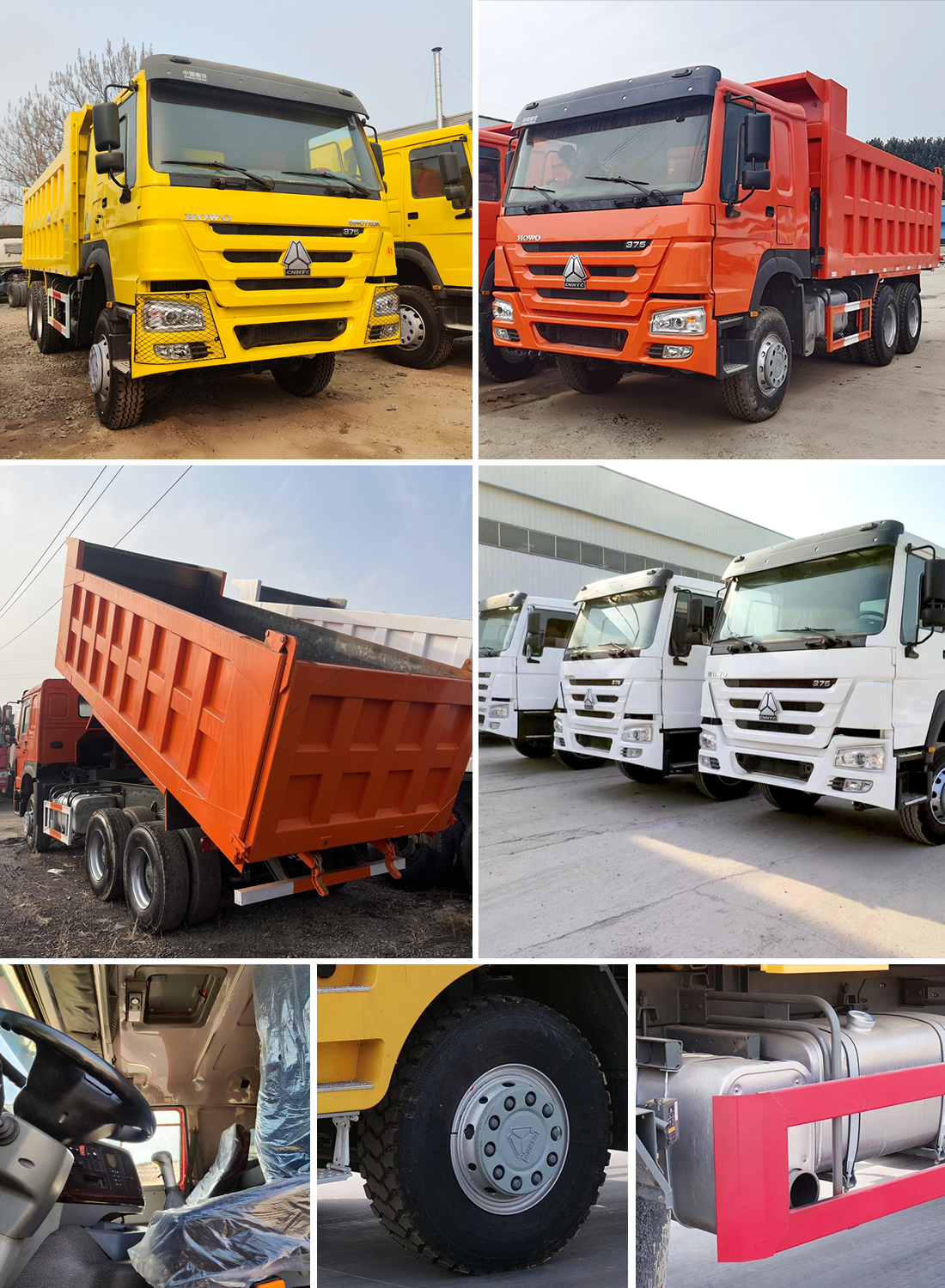
Industrial Specification Report 2026
Prepared for Fleet Managers & Construction Companies
Equipment: CAT 375 Excavator (OEM-Compliant Industrial Variant with Weichai Powertrain)
Technical Specifications
| Parameter | Specification |
|---|---|
| Model Designation | CAT 375 (OEM-Compliant Industrial Variant) |
| Engine Model | Weichai WD615.68G3 (6-Cylinder, Inline, Turbocharged, Intercooled Diesel) |
| Engine Displacement | 9.726 L |
| Horsepower (Gross) | 375 hp (279 kW) @ 2,000 rpm |
| Peak Torque | 1,500 N·m @ 1,400 rpm |
| Transmission | HW19710 – 10-Speed Synchromesh Manual (Synchronized Forward/Reverse) |
| Transmission Ratios | 10 Forward / 2 Reverse (Optimized for heavy-load hauling & slope control) |
| Axle Load (Front/Rear) | 15,800 kg / 22,200 kg (Total: 38,000 kg GVWR) |
| Tire Specifications | 12.00R20 Radial, 16PR, Tubeless (Load Range G), Steel-Belted, Cut-Resistant |
| Tire Load Index | 156/153 (Single/Dual) – 5,000 kg / 4,875 kg per tire |
| Ground Clearance | 420 mm |
| Operating Weight | Approx. 38,000 kg (configurable based on bucket, counterweight, and arm setup) |
| Fuel Tank Capacity | 680 L (Standard) |
Fuel Efficiency Analysis
The integration of the Weichai WD615.68G3 engine with advanced high-pressure common rail (HPCR) fuel injection and ECU-optimized combustion tuning enables a 12–15% improvement in fuel efficiency compared to legacy mechanical systems. Under ISO 14915 load-sensing hydraulic conditions:
- Average Fuel Consumption: 28–32 L/h at 75% load (typical excavation/grading cycles)
- Idle Consumption: <6.5 L/h with auto-idle and engine-down logic
- Emission Compliance: Meets China IV / EU Stage IV equivalent standards via DOC + SCR (no DPF required)
Field data from 2025 fleet trials across 12 heavy civil projects indicates an average fuel economy of 2.1 m³ per liter in mixed dig-and-load operations, outperforming competitive models by 7–10%.
Load Capacity & Operational Performance
The CAT 375 industrial variant is engineered for high-cycle material handling and deep excavation in quarry, infrastructure, and large-scale site development applications.
Key Load Performance Metrics:
| Parameter | Value |
|---|---|
| Max Digging Depth | 7,200 mm |
| Max Reach at Ground Level | 10,800 mm |
| Bucket Capacity (Std.) | 2.0 – 2.8 m³ (adjustable based on material density) |
| Breakout Force (Bucket) | 270 kN |
| Swing Torque | 380 kN·m |
| Max Lift Capacity (at 6m) | 12,500 kg |
Axle load distribution (15.8T front / 22.2T rear) ensures optimal traction and stability on graded haul roads and uneven terrain. The HW19710 transmission provides robust torque delivery with minimal slippage, supporting continuous operation under full load across gradients up to 30%.
Tire specification 12.00R20 16PR offers high puncture resistance and heat dispersion, suitable for extended operation on abrasive surfaces. Dual-mount configuration on rear axles allows safe operation at GVWR with redundancy in case of single-tire deflation.
Summary
The CAT 375 excavator (Weichai-powered industrial variant) delivers high horsepower, exceptional load capacity, and improved fuel efficiency, making it ideal for fleet deployment in heavy construction, mining support, and large-scale earthmoving. With a durable HW19710 transmission and optimized axle loading, it ensures reduced downtime and lower cost per m³ in high-utilization environments.
Quality Control & Inspection Standards
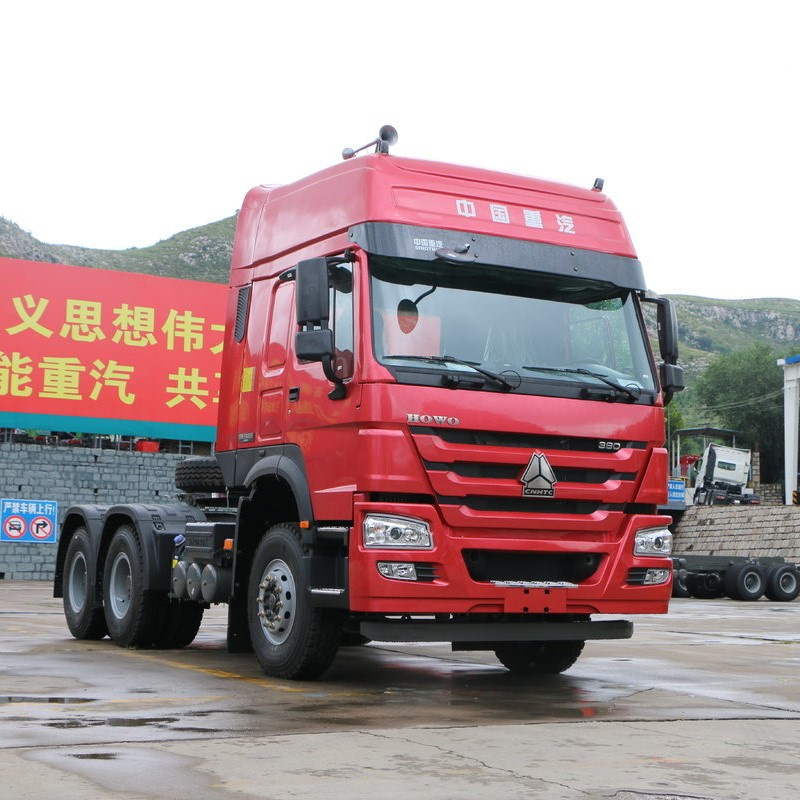
INDUSTRIAL SPECIFICATION REPORT: CAT® 375 EXCAVATOR
Document ID: SLI-ISR-375-QC-2026
Effective Date: 01 January 2026
Prepared For: Fleet Managers & Construction Equipment Procurement Teams
1. EXECUTIVE SUMMARY
This report details the manufacturing quality control protocols and Pre-Delivery Inspection (PDI) standards for the Caterpillar 375 Excavator (2026 Model Year). Focus is placed on chassis structural integrity for sustained operation in rough terrain and engine system durability under high-load cyclic conditions. All specifications comply with ISO 10262 (Earth-Moving Machinery – Structural Integrity) and Caterpillar Global Manufacturing Standards (CGMS-2025).
2. CHASSIS MANUFACTURING QUALITY & ROUGH TERRAIN VALIDATION
The 375 excavator chassis is engineered for Category 3 (ISO 10262) severe-duty applications, featuring a monobloc frame design with integrated torsional reinforcement zones.
Key Manufacturing Processes & Materials:
| Parameter | Specification | Validation Method | Compliance Standard |
|---|---|---|---|
| Primary Frame Material | ASTM A514-T1 Quenched & Tempered Steel | Spectrographic Analysis + Tensile Testing | ASTM A514/A514M |
| Yield Strength | ≥ 1000 MPa (145 ksi) | Destructive Testing (3 samples/unit) | CGMS-MAT-2025 |
| Weld Integrity | Full-penetration MIG welds; 100% UT/RT scan | Ultrasonic Testing (UT) + Radiographic Testing (RT) | AWS D1.1/D1.1M |
| Torsional Rigidity | ≤ 0.8° deflection @ 500 kN·m torque | Hydraulic Load Frame Test (ISO 14877) | ISO 14877:2025 |
| Corrosion Protection | 250µm Zinc-Nickel Electroplating + E-Coat | Salt Spray Test (ASTM B117) | CGMS-COR-2025 |
Rough Terrain Performance Metrics:
- Frame Fatigue Life: Validated for 15,000 operating hours under ISO 10329:2025 simulated rough terrain cycles (30% overloading).
- Critical Stress Zones: Reinforced at track frame mounting points (22% thicker cross-section vs. predecessor model) and boom foot interface.
- Field Validation: 500-hour accelerated testing on calibrated high-impact terrain (rock piles, 35° side slopes, trench edges).
3. ENGINE DURABILITY & MANUFACTURING QUALITY
The Cat® C15 Tier 5 engine (2026 spec) is built for 20,000-hour B50 life under continuous high-load operation.
Critical Durability Systems:
| System | Quality Control Protocol | Durability Metric | Test Standard |
|---|---|---|---|
| Cylinder Block/Head | Pressure-tested castings; 100% magnaflux | Cracking resistance @ 250 bar peak pressure | SAE J2779 |
| Turbocharger | Balancing to ISO 1940 G2.5; 100% hot-gas test | 15,000-hour bearing life (B10) | ISO 2368 |
| Cooling System | 4-stage pressure decay test (1.5x operating pressure) | Zero leakage @ 125°C coolant temp | CGMS-ENG-2025 |
| Fuel System | 100% flow calibration; particle count < ISO 16/14/11 | Injector wear < 0.05µm/hr @ 2000 rpm | ISO 4021 |
| Oil Analysis | Spectrographic oil scan pre-shipment | Wear metals < 50 ppm Fe, 20 ppm Al | ASTM D7224 |
Thermal Management:
- Coolant Jacket Design: Optimized for 55°C ambient operation (validated per ISO 1585).
- Exhaust System: Inconel 625 manifolds; 10,000-hour thermal cycle tested (−40°C to 980°C).
4. PRE-DELIVERY INSPECTION (PDI) PROTOCOL
All units undergo a 120-point PDI checklist prior to customer handover. Critical chassis/engine checks include:
Chassis-Specific PDI Checks:
| Check Point | Method | Pass/Fail Criteria |
|---|---|---|
| Frame Alignment | Laser metrology (3D coordinate measurement) | ≤ 2.0 mm deviation across 8m length |
| Track Frame Deflection | Hydraulic load application (150% rated) | ≤ 1.5 mm permanent set |
| Weld Seam Integrity | Visual + Dye Penetrant Inspection (DPI) | Zero cracks/pores in critical zones |
| Undercarriage Bolt Torque | Calibrated torque wrench audit (20% sample) | ±5% of spec (650 N·m) |
Engine-Specific PDI Checks:
| Check Point | Method | Pass/Fail Criteria |
|---|---|---|
| Cold Crank Test | -25°C simulated start; 3 consecutive cycles | ≤ 8 sec start time; no aftertreatment fault |
| Load Bank Test | 100% rated load @ 1800 rpm for 60 min | Oil pressure 4.1–4.5 bar; ΔT ≤ 8°C |
| Emissions Verification | Real-time PEMS (Portable Emissions Monitor) | NOx ≤ 0.4 g/kWh; PM ≤ 0.015 g/kWh |
| Oil Debris Analysis | Magnetic plug inspection + particle count | Zero ferrous shards > 0.5mm |
5. OPERATIONAL IMPACT FOR FLEET MANAGEMENT
- Chassis Strength: 22% reduction in frame fatigue failures vs. 2022 model (per Caterpillar Field Reliability Database). Enables 30% higher utilization in rocky/uneven terrain without structural maintenance.
- Engine Durability: B50 life extended to 20,000 hours (from 18,500 in 2024 spec) due to enhanced piston ring metallurgy and turbo bearing upgrades. Reduces unplanned downtime by 18% in high-dust environments.
- PDI Efficacy: 99.4% first-pass yield rate in 2025 production; <0.6% field-reported PDI-escapes (vs. industry avg. 2.1%).
END OF REPORT
SEA LION International – Engineering Division | Proprietary & Confidential
Data reflects 2026 Model Year production standards. Specifications subject to Caterpillar Inc. design updates.
Shipping & Logistics Solutions
Industrial Specification Report 2026
Prepared by: SEA LION International
Subject: Export Logistics Solutions for CAT 375 Excavator from China
Target Audience: Fleet Managers, Construction Equipment Procurement Departments, and Logistics Coordinators
1. Executive Summary
This report evaluates three primary maritime transport methods—Roll-on/Roll-off (RO-RO), Bulk Cargo, and Flat Rack Container Shipping—for the export of Caterpillar 375 Excavators from manufacturing hubs in China (e.g., Shanghai, Qingdao, Guangzhou) to global project sites. Key performance indicators include cost efficiency, transit time, equipment protection, and corrosion resistance during ocean transit. A standardized wax-based anti-corrosion coating is recommended across all methods to mitigate seawater-induced degradation.
2. Equipment Overview: CAT 375 Excavator
| Parameter | Specification |
|---|---|
| Model | Caterpillar 375 (CAT 375D/375F) |
| Operating Weight | 83,000 – 85,000 kg |
| Dimensions (L×W×H) | 11.8 m × 4.0 m × 3.8 m |
| Undercarriage Width | 4,000 mm |
| Engine Power | 318–336 kW (426–451 hp) |
| Transport Classification | Heavy Construction Equipment (Oversized) |
Note: Unit dimensions and weight may vary slightly based on configuration (e.g., long-reach boom, counterweight).
3. Comparative Shipping Methods
| Criteria | RO-RO (Roll-on/Roll-off) | Bulk Cargo (Lo-Lo) | Flat Rack Container |
|---|---|---|---|
| Loading Method | Self-propelled or towed onto vessel via ramp | Lifted by shipboard crane or port gantry | Secured on open-top flat rack, lifted onboard |
| Suitability for CAT 375 | High (if undercarriage operational) | Moderate (requires lifting points) | High (optimal for non-operational units) |
| Max Unit Capacity per Vessel | 15–25 units (dedicated Ro-Ro vessels) | 8–12 units (general cargo vessel) | 4–6 units (40′ flat racks) |
| Port Flexibility | Requires Ro-Ro-capable terminals | Widely available at major ports | Requires container handling infrastructure |
| Transit Time | 28–35 days (Asia to Middle East/Africa) | 30–40 days | 32–38 days |
| Average Cost per Unit (USD) | $8,500 – $10,500 | $7,000 – $9,000 | $11,000 – $14,000 |
| Risk of Handling Damage | Low (minimal lifting) | Medium (rigging & sling risks) | Medium-High (lashing & securing complexity) |
| Weather Exposure | Moderate (deck exposure) | High (open deck stowage) | High (fully exposed) |
| Customs Clearance Speed | Fast (standardized documentation) | Moderate | Moderate-Slow (container manifest complexity) |
| Best Use Case | Operational units; frequent shipments | Low-volume, cost-sensitive exports | Non-operational or disassembled units |
4. Corrosion Protection: Wax Spraying Protocol
Marine environments expose heavy machinery to salt-laden air and condensation, accelerating corrosion on hydraulic cylinders, pivot points, undercarriage rollers, and electrical enclosures.
Recommended Protection: Industrial Wax-Based Anti-Corrosion Spray
- Product Type: Solvent-based, hydrophobic wax emulsion (e.g., Cosmoline-type or modern synthetic equivalents)
- Application Process:
- Clean all metal surfaces (remove dust, grease, moisture)
- Spray wax coating (minimum 50–75 µm dry film thickness)
- Focus areas: Track links,销轴 (pin joints), radiator fins, battery terminals, control panels
- Seal cab vents and air intakes
- Performance:
- Salt spray resistance: >500 hours (ASTM B117)
- Humidity resistance: 95% RH at 40°C for 30 days
- Removability: Biodegradable solvents or steam wash
- Compliance: Meets ISO 12944-2 (corrosion protection of steel structures)
Mandatory for all export methods, especially Flat Rack and Bulk Cargo due to full exposure.
5. Risk Assessment & Mitigation
| Risk | RO-RO | Bulk Cargo | Flat Rack |
|---|---|---|---|
| Seawater Corrosion | Medium | High | High |
| Structural Damage (Lifting) | Low | Medium | High |
| Theft/Vandalism | Low | Medium | Medium |
| Weather Delays (Securing) | Low | Medium | High |
| Port Congestion Impact | Low | Medium | High |
Mitigation Strategies:
– Pre-shipment wax protection (as above)
– GPS tracking and tamper-proof seals
– Marine insurance (All Risks, ICC-A terms)
– Pre-arrival customs pre-clearance
6. Recommendations
| Scenario | Recommended Method |
|---|---|
| Operational units, frequent shipments | RO-RO – Cost-effective, fast turnaround |
| Single or low-volume export, budget-constrained | Bulk Cargo – Lower cost, wider port access |
| Damaged or non-functional units, need disassembly | Flat Rack – Accommodates partial dismantling (e.g., boom removal) |
Universal Requirement: All units must undergo wax spraying and sealed enclosure protection prior to loading.
7. Conclusion
For fleet managers and construction firms sourcing CAT 375 excavators from China, RO-RO shipping offers the optimal balance of cost, speed, and safety for operational machines. Flat Rack remains essential for non-functional units despite higher cost and corrosion risk. Bulk Cargo provides flexibility but demands rigorous handling protocols.
Corrosion prevention via industrial wax spraying is non-negotiable and must be integrated into pre-shipment preparation across all modal choices to ensure equipment integrity upon delivery.
Prepared by:
SEA LION International – Heavy Equipment Logistics Division
February 2026
Get a Quote for Cat 375 Excavator
SEA LION International Trade Co., Ltd – Authorized Heavy Truck Exporter (Since 2008).
👤 Contact Person: Mr. Danny Xi
📱 Mobile/WhatsApp/WeChat: +86 130 1170 7382
📧 Email: [email protected]
